



Algae can be a charming little forest in your tank—or a stubborn green blob that laughs at your water changes. If you’re thinking about inviting fish with a built-in clean-up crew, this guide covers practical care, tank setup, feeding, and two safe DIY remedies to keep things tidy. Relax, breathe, and yes—there are fish that genuinely enjoy doing the dirty work.
## Best Algae Eating Aquarium Fish For Clean Tanks
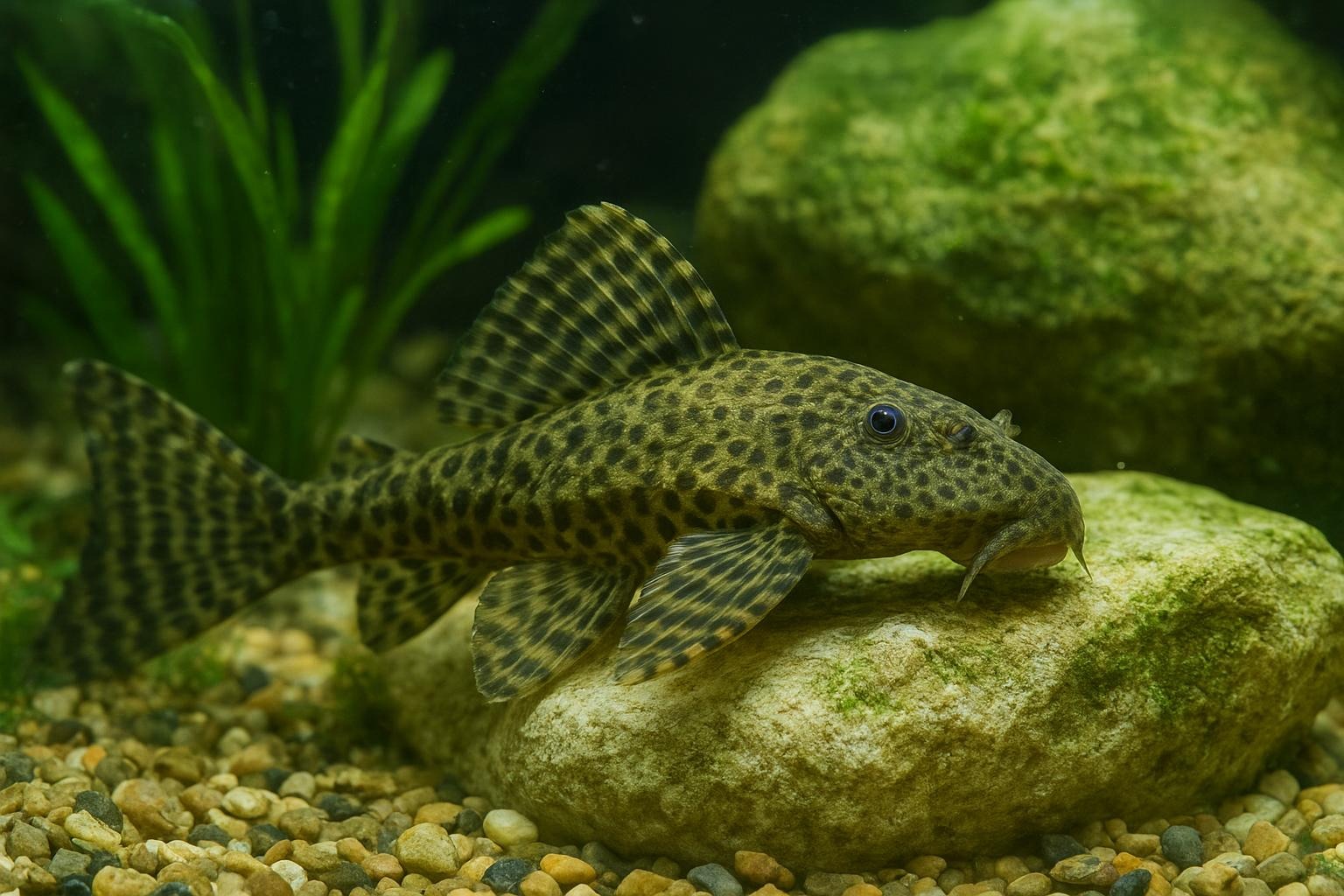
If your goal is a low-stress, low-mess algae control strategy, pick species that actually graze algae rather than nibble decor or bully tankmates. Popular choices include Otocinclus catfish, Siamese algae eaters, Bristlenose plecos, and certain small pleco species. Each has its own preferences for tank size, water chemistry, and diet.
Otocinclus are tiny and gentle—perfect for planted nano tanks where they graze soft green algae. Siamese algae eaters are more active and will handle tougher filamentous algae, but they can get territorial in small tanks. Bristlenose plecos are hardy and excellent on glass and driftwood but grow larger and need hiding spots. Remember that “algae eating aquarium fish” isn’t a single species; it’s a strategy. Balance your crew so clean-up doesn’t mean overpopulation or stress.
### Matching Fish To Tank Size And Community
Large plecos need larger tanks and sturdy filtration; Otos need calm water and mature tanks with biofilm; Siamese algae eaters prefer active community tanks. Check compatibility—some algae eaters are peaceful, while others can become nippy or territorial when stressed.
## Tank Setup And Water Quality Tips
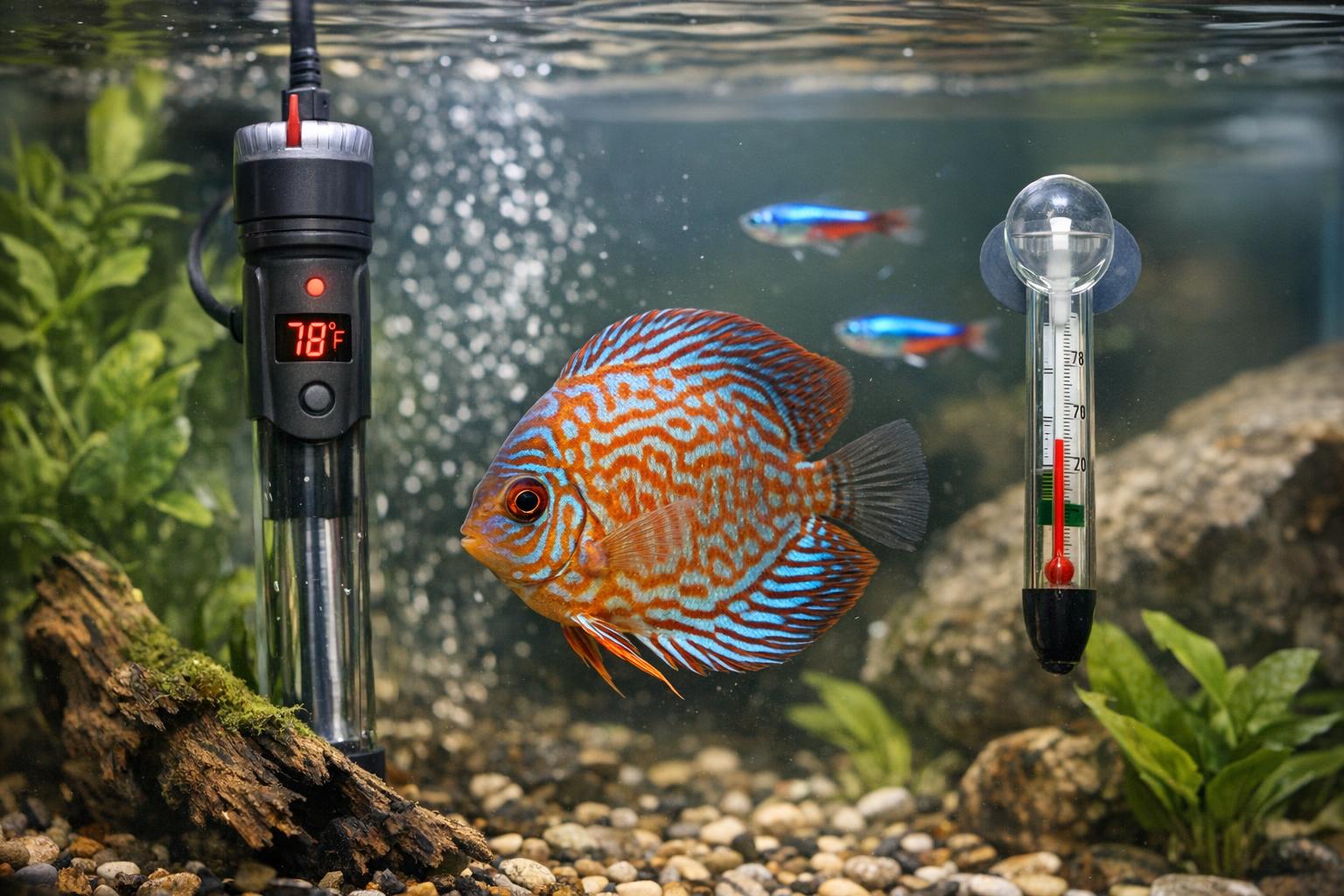
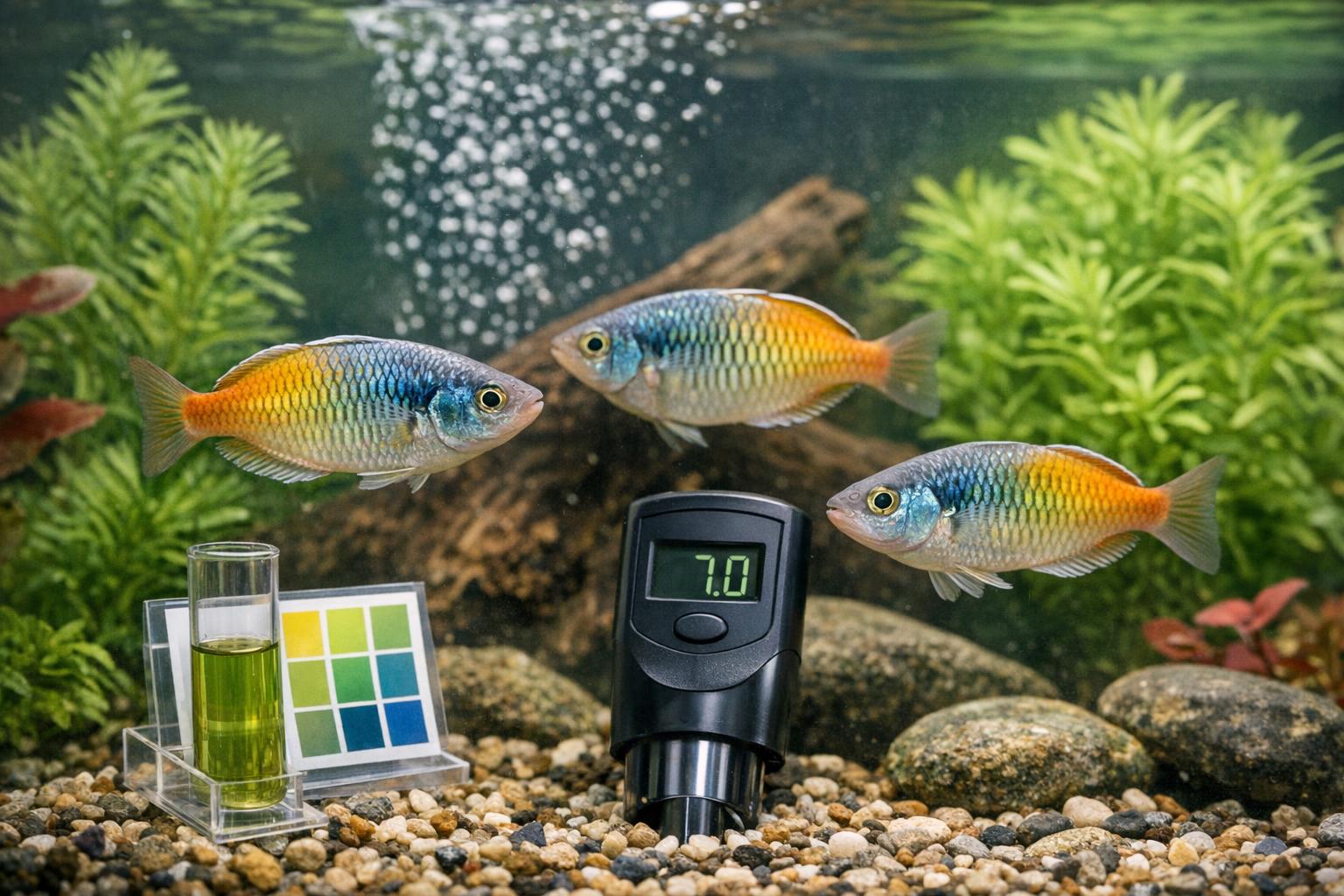
Good algae control starts with the basics: stable water parameters, sensible lighting, and proper flow.
### Proper Lighting And Algae Control
Too much light (or the wrong spectrum) is an open invite to algae. Aim for a realistic day/night cycle: around 6–8 hours of quality aquarium light daily, paired with live plants that outcompete algae for nutrients. If algae bloom persists, reduce lighting by an hour for a week and monitor.
### Filtration, Flow, And Surface Skimming
Adequate filtration removes excess nutrients that feed algae. Use a filter sized to your tank and consider adding a gentle powerhead to avoid dead zones where detritus accumulates. Surface skimming helps oxygen exchange and reduces film algae.
### Plants, Hiding Places, And Substrate
Live plants soak up nitrates and phosphates, limiting algae growth. Provide caves, driftwood, and plants so your algae eaters have safe places to rest and feel secure—happy fish graze more reliably.
## Feeding And Diet Guidelines
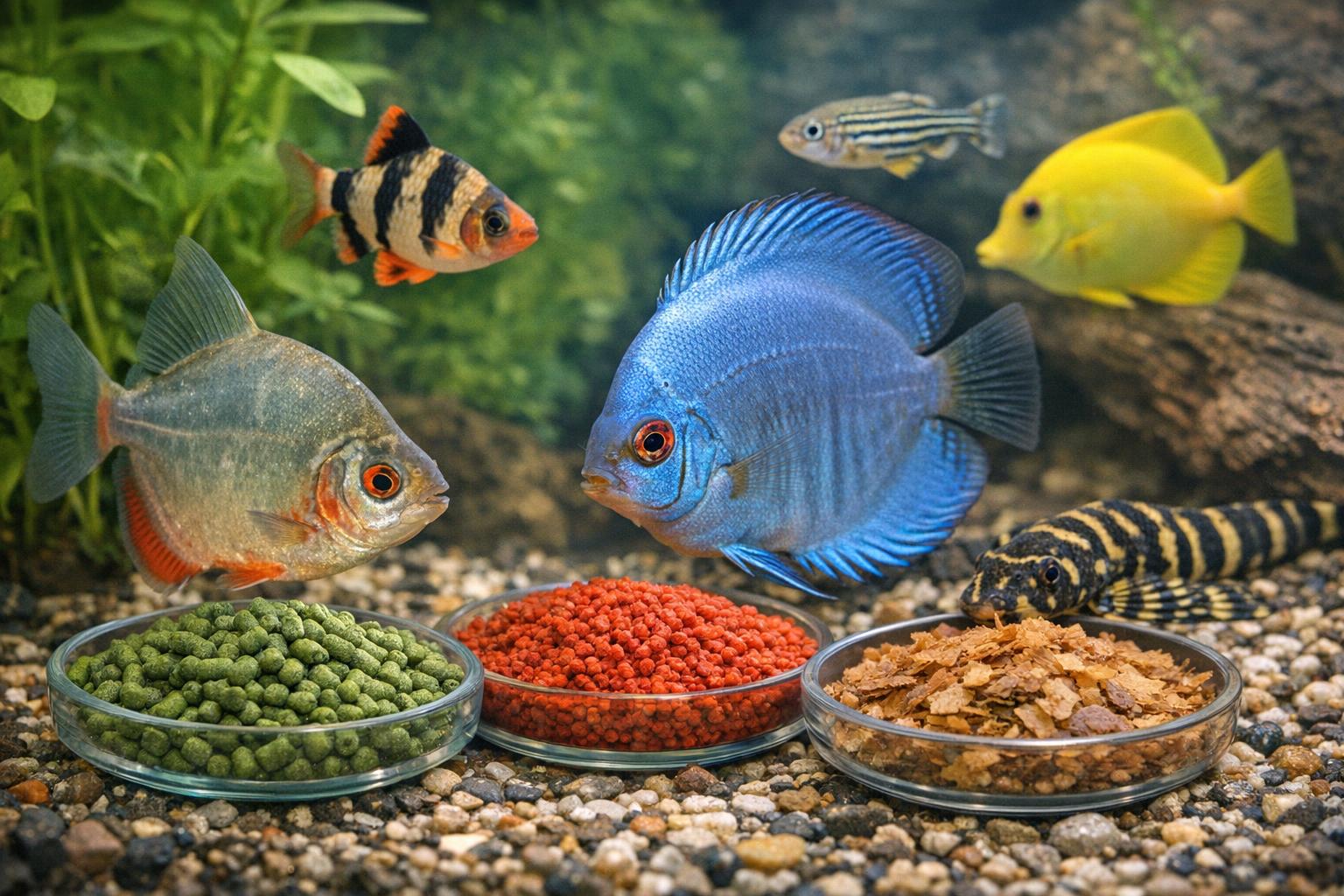
Algae eaters are not exclusively algae eaters. For health and longevity, supplement their diets with vegetable matter, algae wafers, and occasional protein-based foods—depending on species.
### Supplemental Foods For Algae Eaters
Offer blanched zucchini, spinach, or cucumber slices (anchored so they don’t float away) plus commercially made algae wafers. Rotate foods so your fish get a balanced intake of vitamins and minerals.
#### Feeding Frequency And Portion Sizes
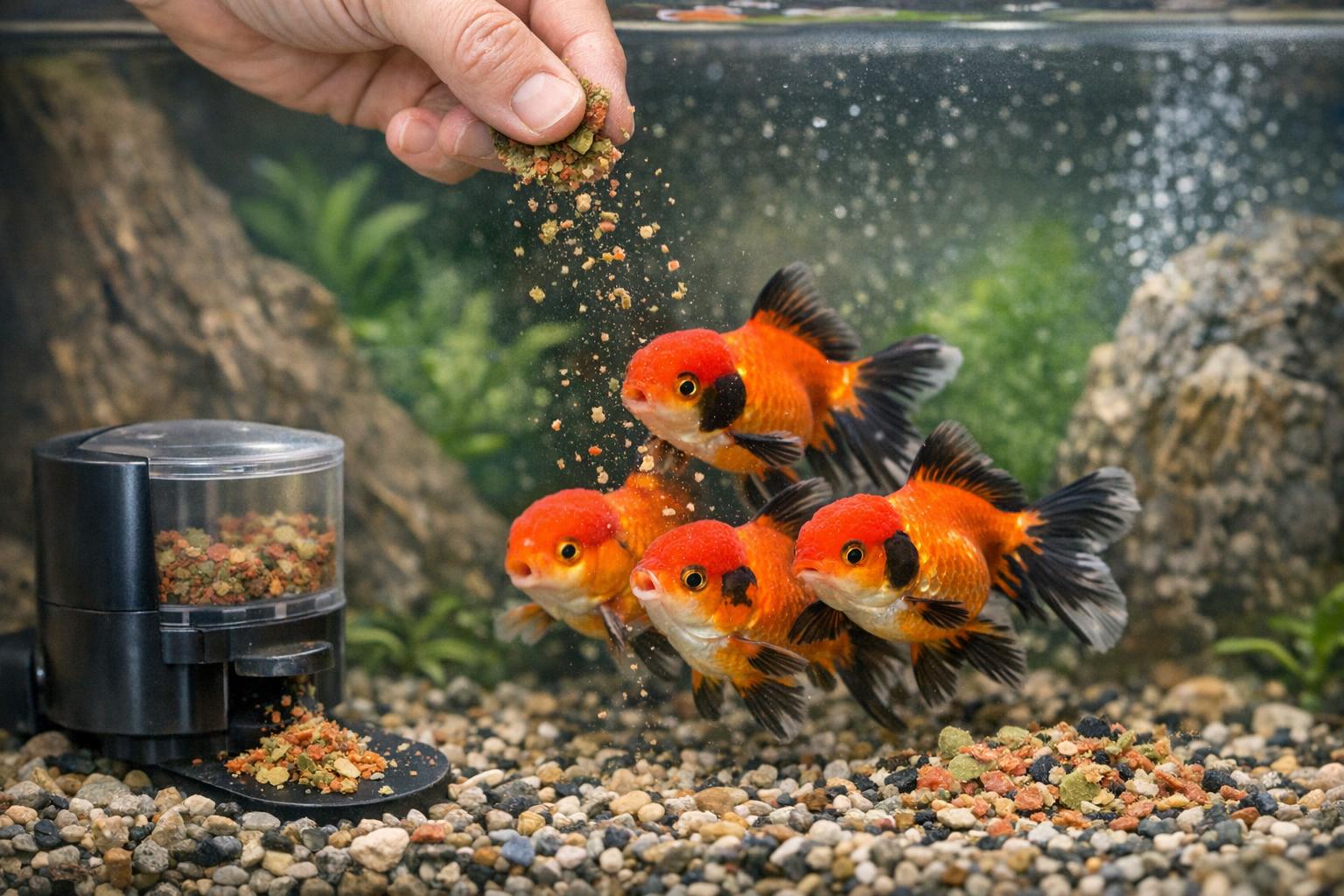
Feed small amounts once daily or every other day for species that graze continuously—watch body condition rather than the clock. Overfeeding contributes to algae problems, so remove uneaten food within an hour.
### Remedy 1: DIY Algae Wafers For Algae Eating Aquarium Fish
(Formal Tone: Use these wafers to supplement grazing diets and reduce competition for tank algae. Properly prepared wafers are a safe, nutritious option.)
Ingredients / Materials:
– 1 cup blanched spinach (squeezed dry)
– 1/2 cup blanched zucchini or carrot (squeezed dry)
– 2 tablespoons spirulina powder (aquarium-safe)
– 1 tablespoon algae powder or crushed nori (optional)
– 1/4 cup tapioca flour or rolled oats (binder)
– 1 level teaspoon agar-agar powder (vegetarian gelling agent) or 1 teaspoon fish-safe gelatin
– Blender or food processor
– Small saucepan
– Silicone molds or shallow tray
– Freezer-safe container or baking sheet
Step-By-Step Creation:
1. Prepare Vegetables: Blanch spinach and zucchini quickly in boiling water for 30–60 seconds, then plunge into ice water. Squeeze out as much water as possible using a clean cloth.
2. Blend: Place blanched vegetables, spirulina, and algae/nori powder into a blender. Pulse until you get a smooth paste.
3. Add Binder: Transfer the paste to a bowl and stir in tapioca flour or oats until evenly mixed.
4. Heat Agar: In a small saucepan, dissolve agar-agar in 1/3 cup water and bring to a low boil, stirring until fully dissolved (follow package instructions). If using gelatin, bloom it in cold water and warm gently.
5. Combine: Pour the hot agar solution into the veggie mixture, stirring quickly to ensure even distribution.
6. Mold: Spoon the mixture into silicone molds or spread thinly on a tray to create wafer-sized pieces.
7. Cool And Store: Allow wafers to set at room temperature, then refrigerate until firm. For long-term storage, freeze on a baking sheet, then transfer to a container.
Application:
– Feed small wafers 2–3 times per week in addition to routine grazing. Offer an amount your fish can consume in 2–5 minutes, then remove any uneaten pieces after one hour to prevent water fouling.
– Adjust quantity based on species: Otos and small catfish need tiny pieces; plecos can handle larger wafers.
### Remedy 2: Numbered Routine For Safe Tank Cleaning (Maintenance Remedy)
(Formal Tone: A structured cleaning regimen helps maintain water quality and reduces algae recurrence without stressing algae eating aquarium fish.)
Materials Required:
– Magnetic algae scraper or plastic blade (aquarium-safe)
– Soft toothbrush for decor
– Siphon gravel vacuum
– Clean bucket reserved for aquarium use
– Aquarium-safe glass cleaner (vinegar solution optional, see steps)
– Replacement water pre-treated with dechlorinator
Step-By-Step Application:
1. Pre-Cleaning Observation: Observe fish behavior for 10–15 minutes to ensure no recent stress or illness. Move slow; do not disturb hiding algae eaters excessively.
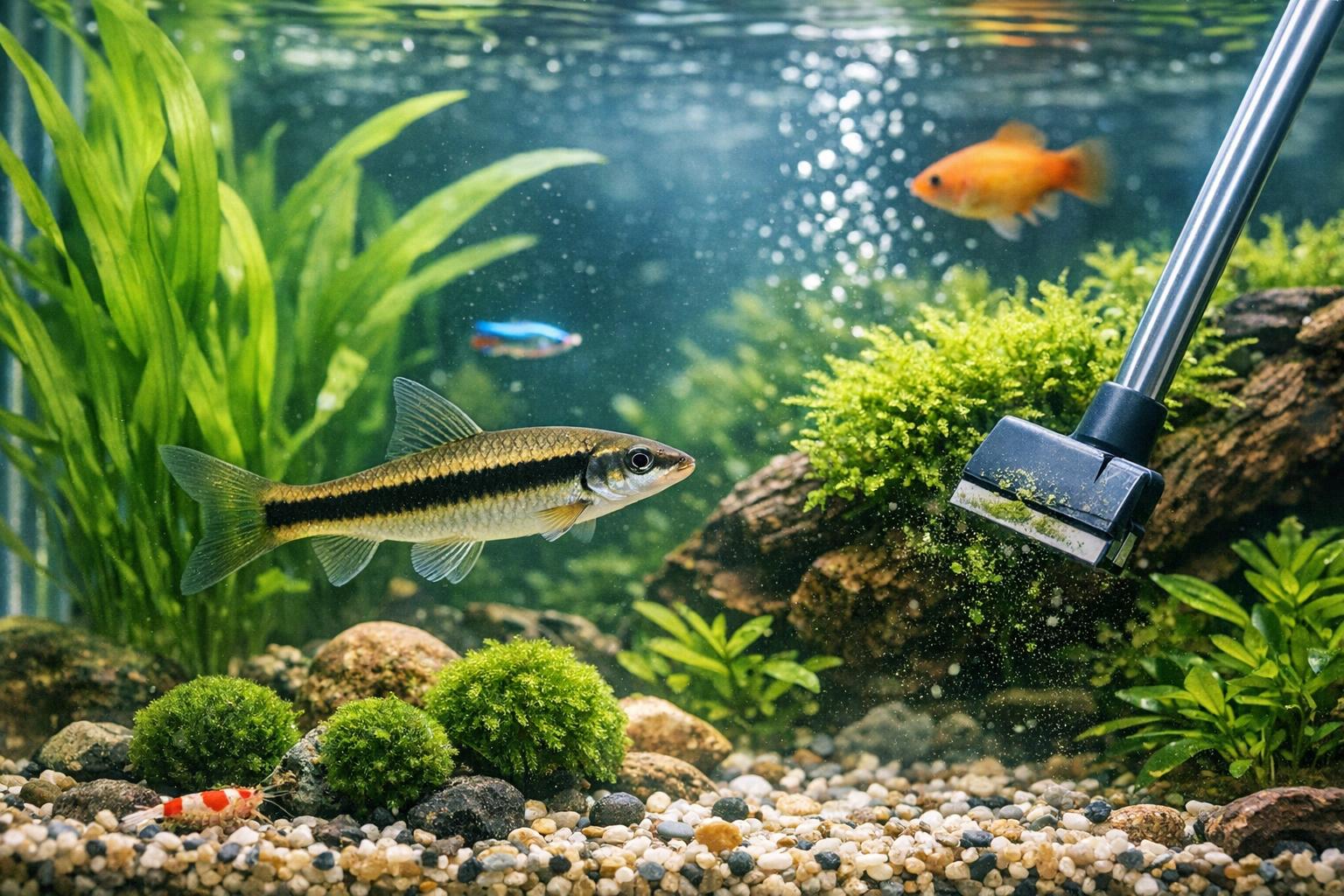
2. Clean Glass Gently: Use a magnetic algae scraper to remove surface algae from glass. Avoid metal scrapers that can scratch acrylic tanks.
3. Remove And Rinse Decor As Needed: If decorations have heavy algae build-up, remove them and use a soft toothbrush to gently scrub. Rinse with tank water only—do not use soap. For stubborn growth, soak decor in a 1:10 vinegar:water solution for 15–30 minutes, then rinse thoroughly with dechlorinated water before returning.
4. Gravel Vacuum And Water Change: Siphon 20–30% of the water while vacuuming substrate to remove detritus and excess nutrients. Replace with pre-conditioned water matched to tank temperature and parameters.
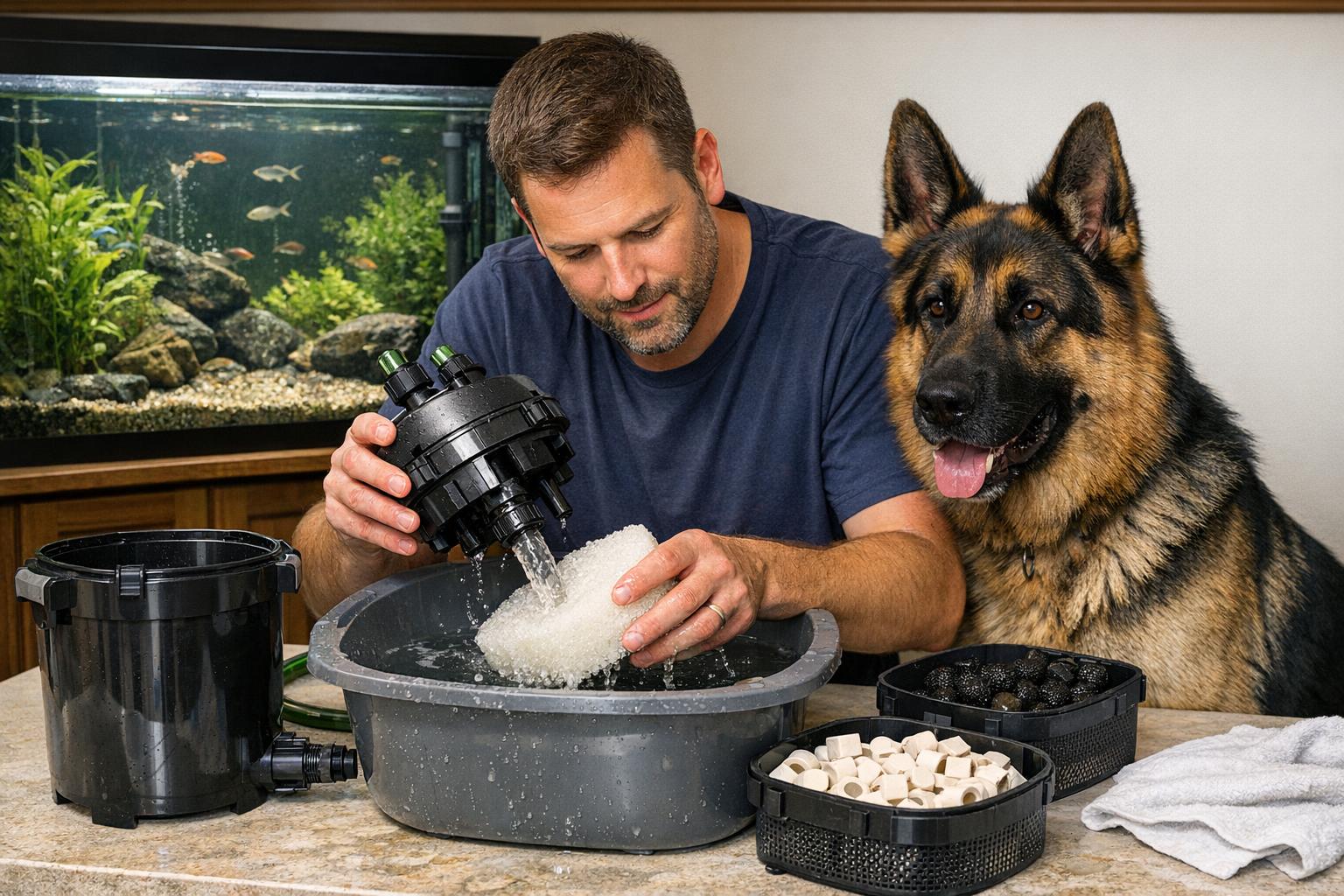
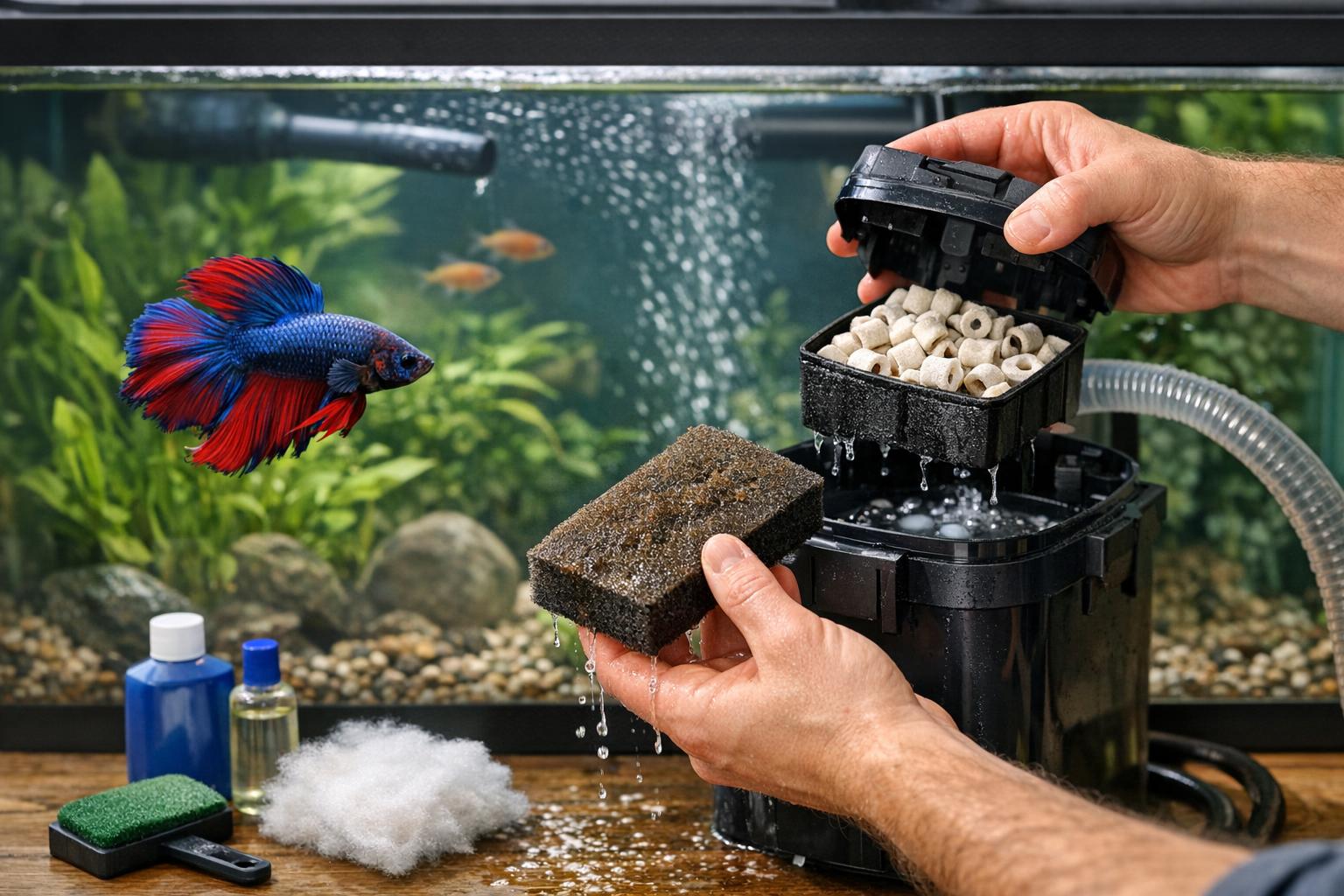
5. Filter Maintenance: Rinse mechanical filter media in siphoned tank water to remove debris. Replace carbon or chemical media on schedule, but avoid replacing all biological media at once.
6. Monitor And Repeat: Implement this routine every 1–2 weeks depending on algae load and tank bioload. Keep records of water parameters (ammonia, nitrite, nitrate, phosphate) to track improvements.
## Monitoring Health And Behavior
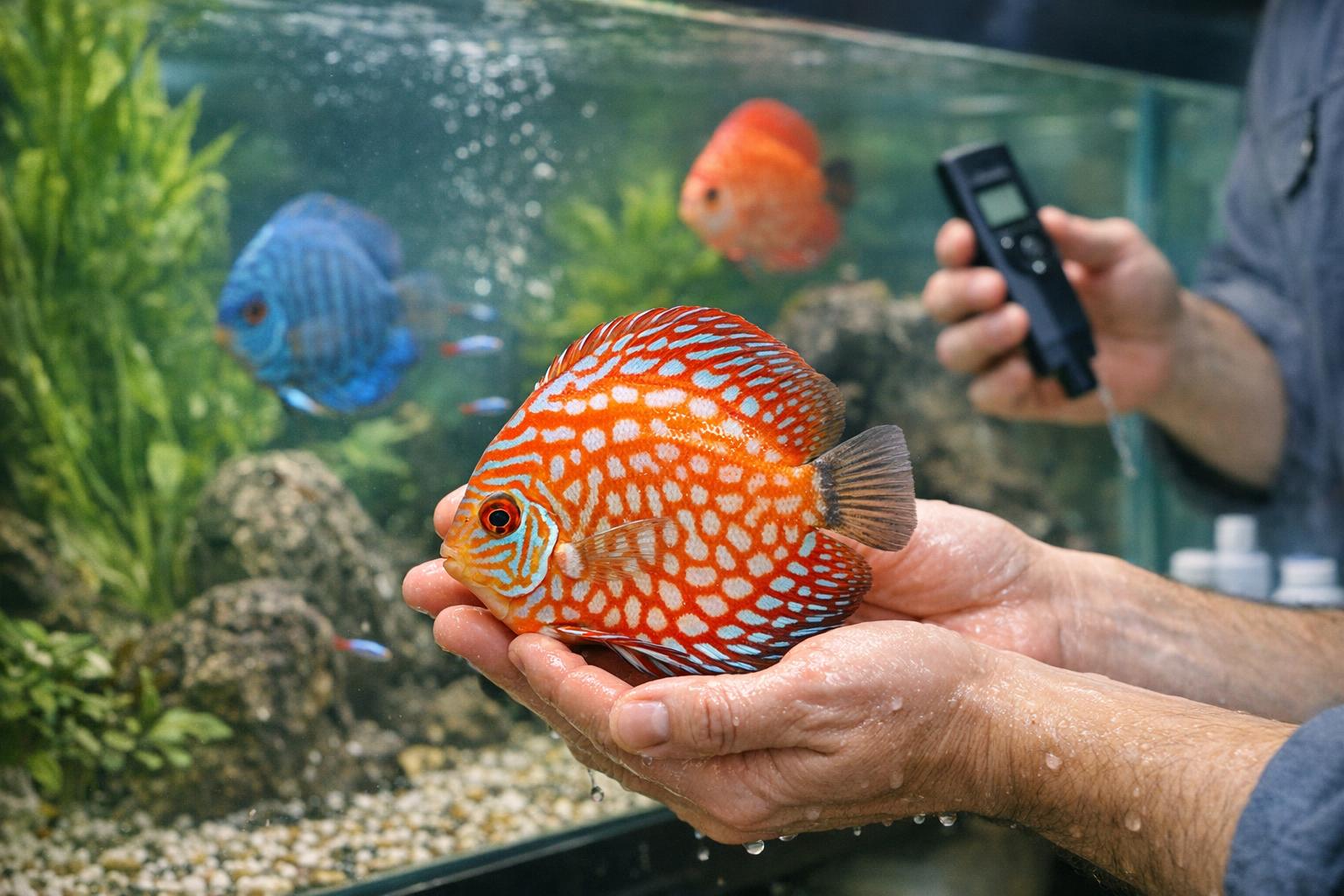
Algae-eating species can signal tank issues: loss of appetite, faded color, or lethargy may indicate poor water or inadequate diet. Regularly check water chemistry and watch grazing behavior—if they stop grazing, look for stressors first (water change, new tankmates, illness).
### When To Add More Cleaners
If algae remains persistent after improving light and nutrient control, consider adding additional compatible algae eaters slowly, ensuring bioload limits aren’t exceeded. Always quarantine new fish and observe for aggression.
## Friendly Extras And Common Pitfalls
Some owners expect algae eating aquarium fish to be magical janitors—reality check: they help, but they don’t replace good husbandry. Overreliance on fish for algae control can lead to nutritional deficiencies for the cleaners and imbalance in the tank. Also, avoid species known to be aggressive or that will outgrow the tank; a “free cleanup service” that becomes a bully is no fun.
If you want a near-zero effort tank, prioritize prevention: stable water chemistry, realistic lighting, live plants, targeted species selection, and occasional manual cleaning. With the right combination, your algae eating aquarium fish will do the satisfying part—munching on green growth—while you enjoy a cleaner, calmer tank and the occasional fishy grin.

























Leave a Reply