

Beaks tell you a lot. They show health, diet, mood, and sometimes neglect. Look at them often.
## Pet Bird Beak Care Guide: Practical Steps For Every Owner
A pet bird beak care guide should be straightforward and usable on a daily basis. This is about looking, feeding, and making small environmental changes that keep a beak functional and comfortable. You don’t need fancy equipment. You need good observation and a few reliable supplies.
### Why Beak Health Matters
A healthy beak lets a bird preen, eat, climb, and defend itself. When a beak is wrong, the bird’s quality of life drops fast. Overgrowth makes eating awkward. Chips or fractures can cause pain. Color changes can point to liver or nutritional issues. Treat the beak as you’d treat an imptant tool — because it is.
#### How Beaks Grow And Wear
Parrots, cockatiels, and many psittacines have continuously growing beaks. Normal wear happens when they chew wood, crunch seeds, and grind on cuttlebones or toys. Smaller passerines have different wear patterns. If a bird’s environment lacks abrasive surfaces, overgrowth is likely.
## Daily And Weekly Checks To Prevent Problems
A quick daily check takes less than a minute and saves hours later. Hold the bird gently or observe on the perch. Look for asymmetry, cracks, flaking, or a hooked tip. Run a fingertip lightly along the beak to see if there are unusual catches or rough patches.
### Visual Signs To Watch For
– Uneven length between upper and lower mandible.
– Split tips, chips, or jagged edges.
– Yellow, white, or dark spots that aren’t normal for the species.
– Discoloration of the cere (the fleshy area around nostrils).
– Bird avoiding hard foods or dropping food while eating.
### When A Small Problem Isn’t Small
If the bird won’t eat, has a bleeding or raw area, or shows sudden beak changes, call your avian vet. A pet bird beak care guide can keep many problems at bay, but some issues need a pro’s tools and training.
## Simple Environmental Fixes That Help
You don’t have to trim beaks regularly if you set things up right. Most birds file their beaks naturally.
### Perches And Chewing Options
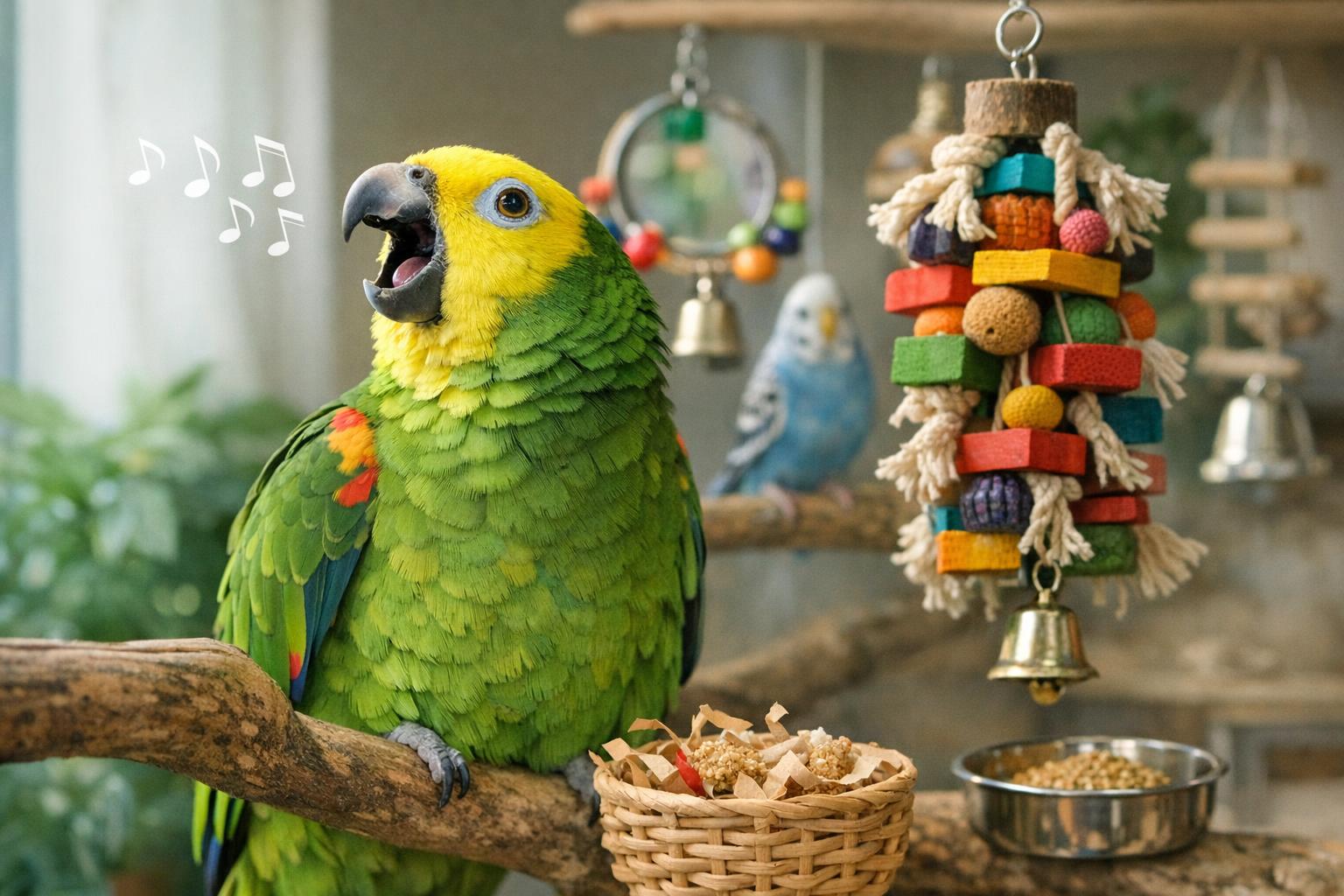
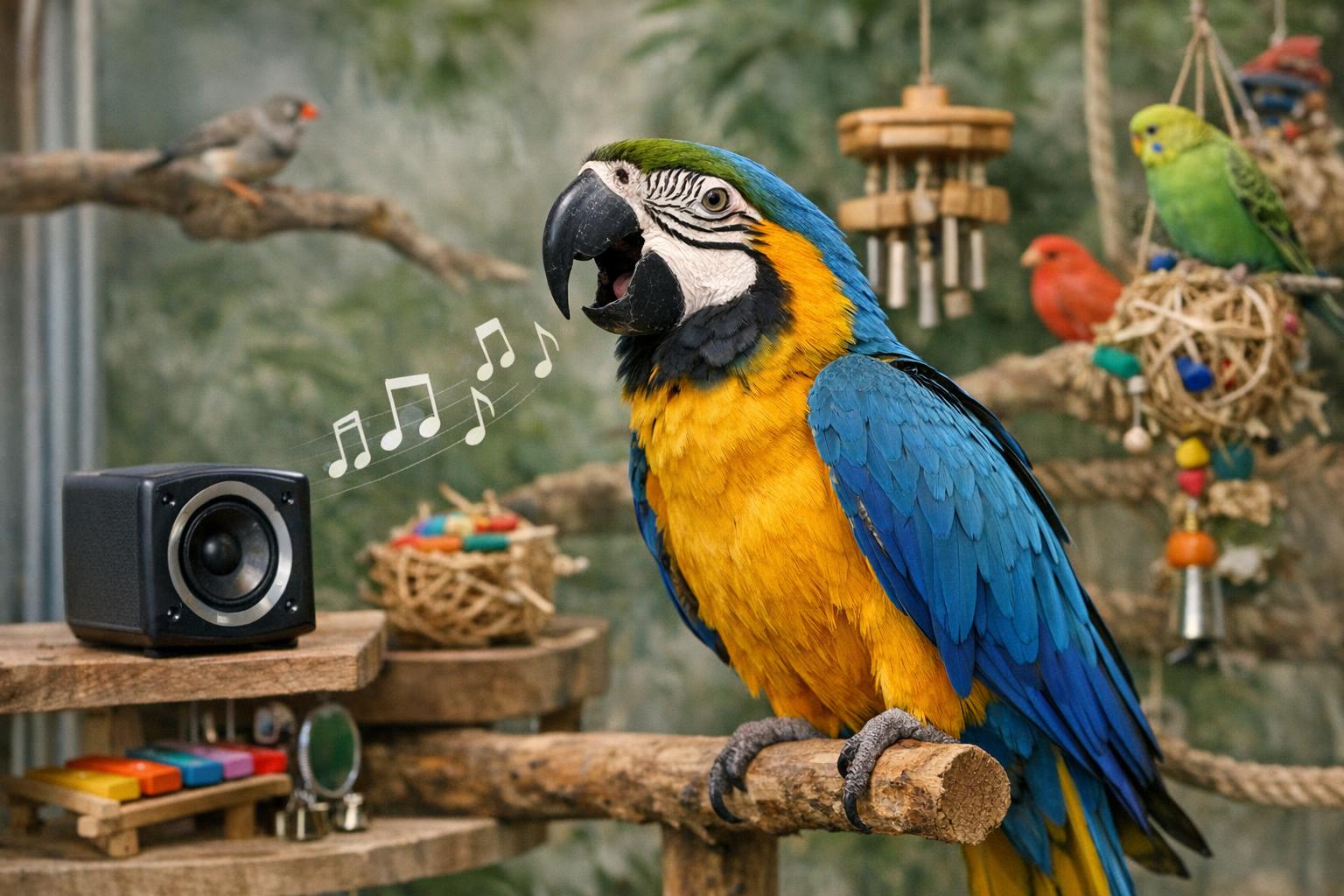
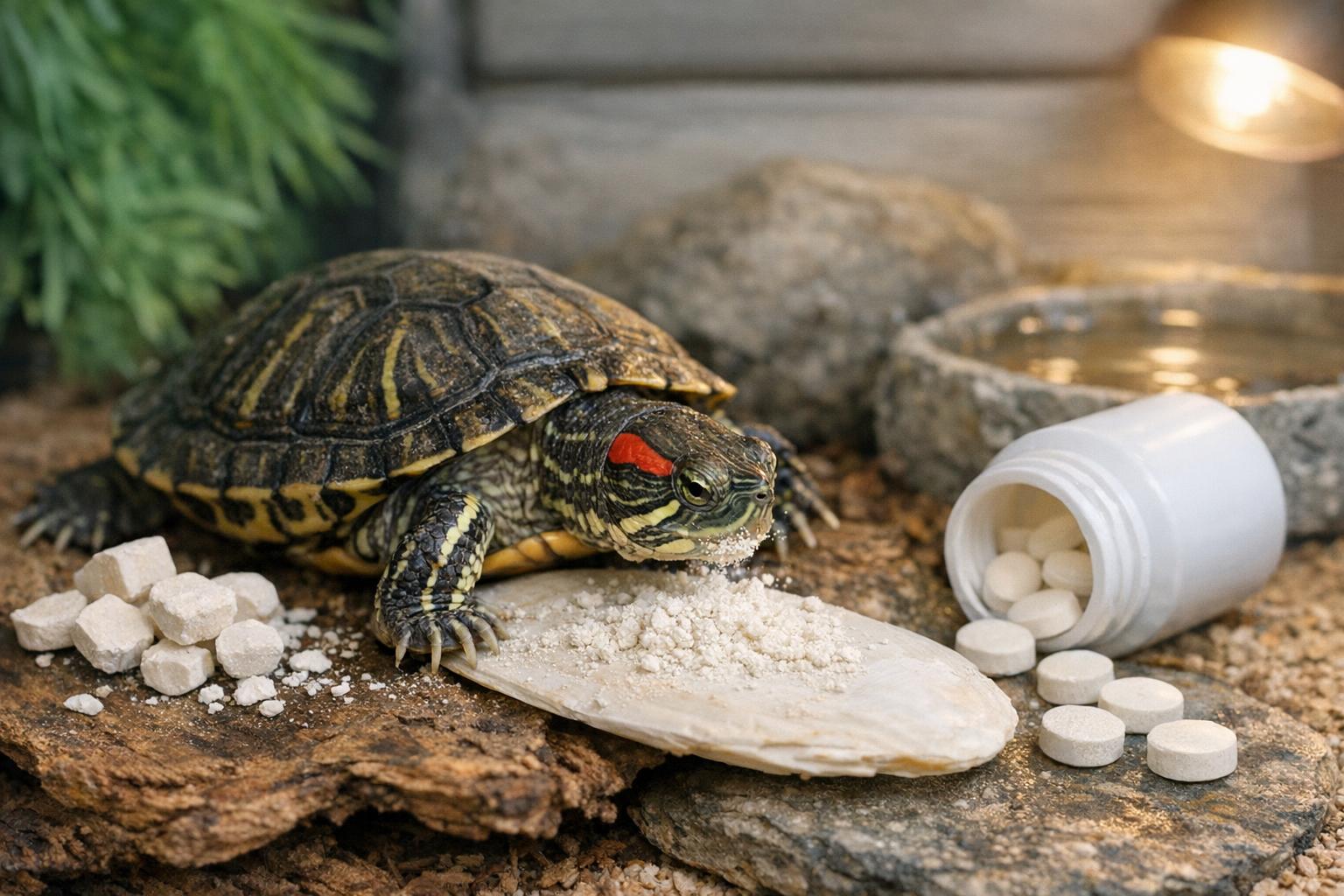
Provide different perch diameters and textures. Natural branches from safe trees (apple, pear) are gold. Avoid sandpaper perches for parrots; they can abrade the skin of the feet. Put chew toys, untreated wood blocks, and rope toys in rotation. Offer a cuttlebone or mineral block for calcium and beak abrasion.
### Diet Adjustments
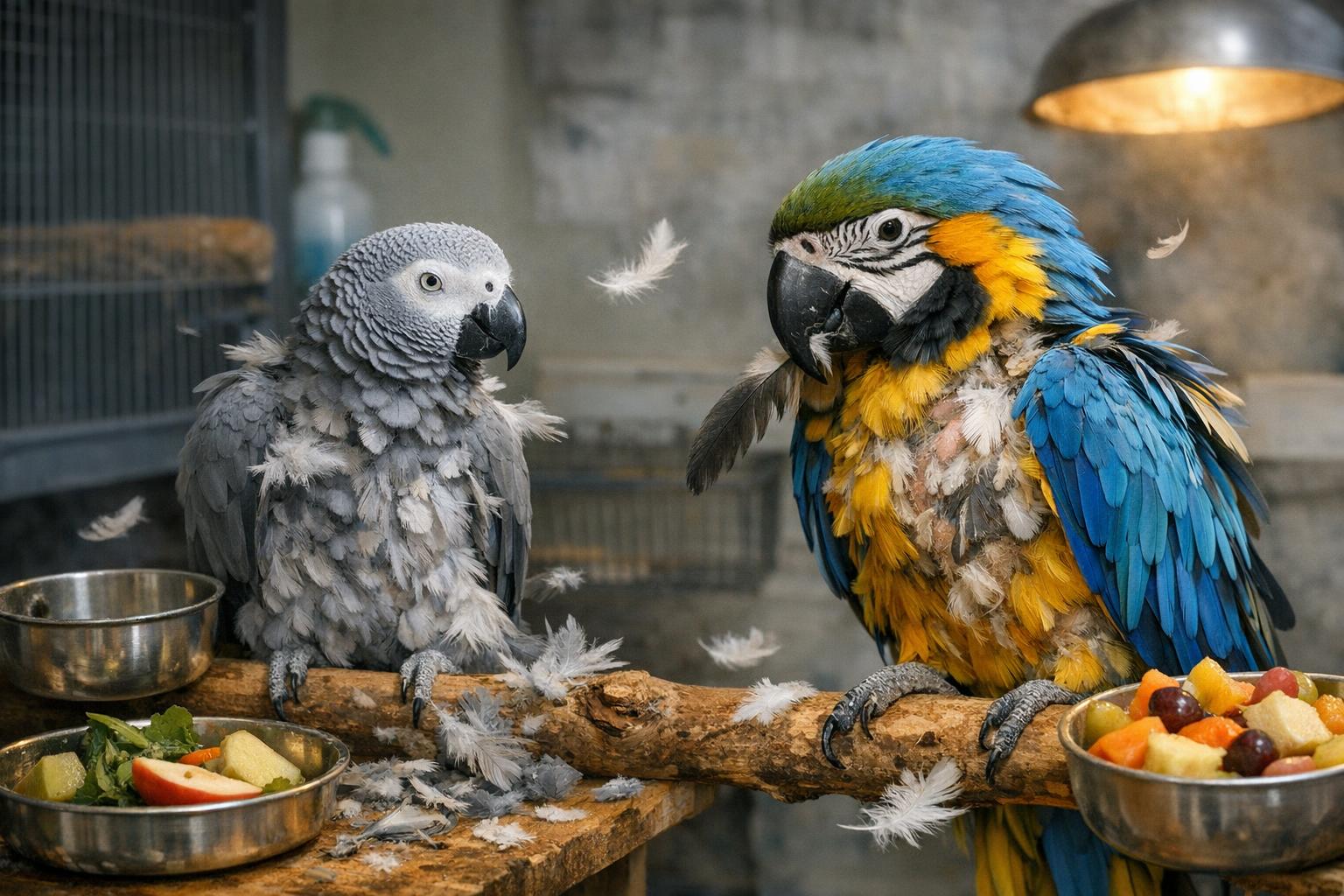
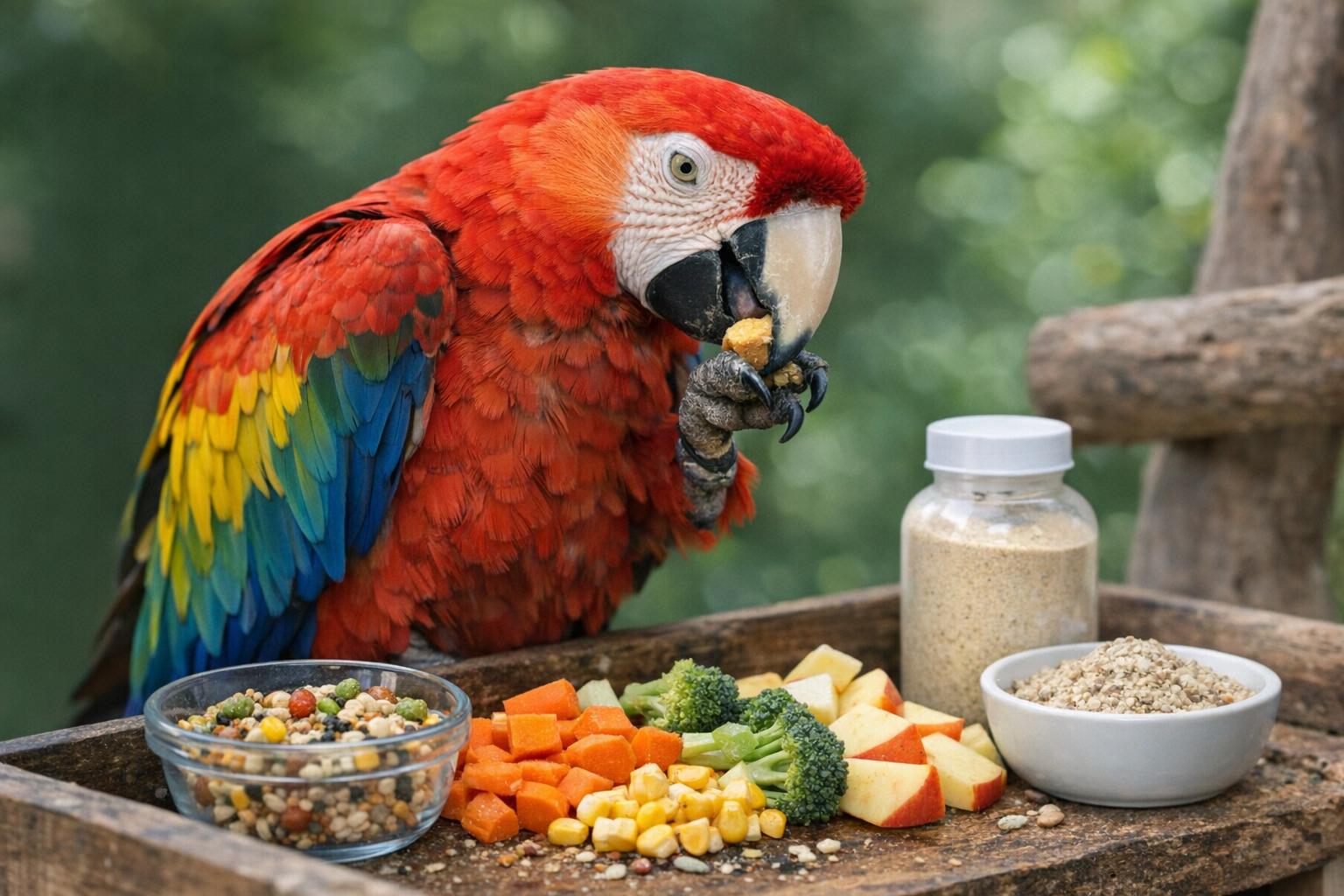
A seed-only diet is a common cause of poor beak condition. Include pellets, fresh vegetables like carrots and sweet potato for vitamin A, and leafy greens. Protein and calcium levels influence growth and strength. This part of any pet bird beak care guide is non-negotiable. Birds on balanced diets have fewer beak abnormalities.
## Trimming, Filing, And Who Should Do It
People like a quick DIY fix, but beaks are living tissue with blood vessels and nerves.
### Professional Trims Versus Home Care
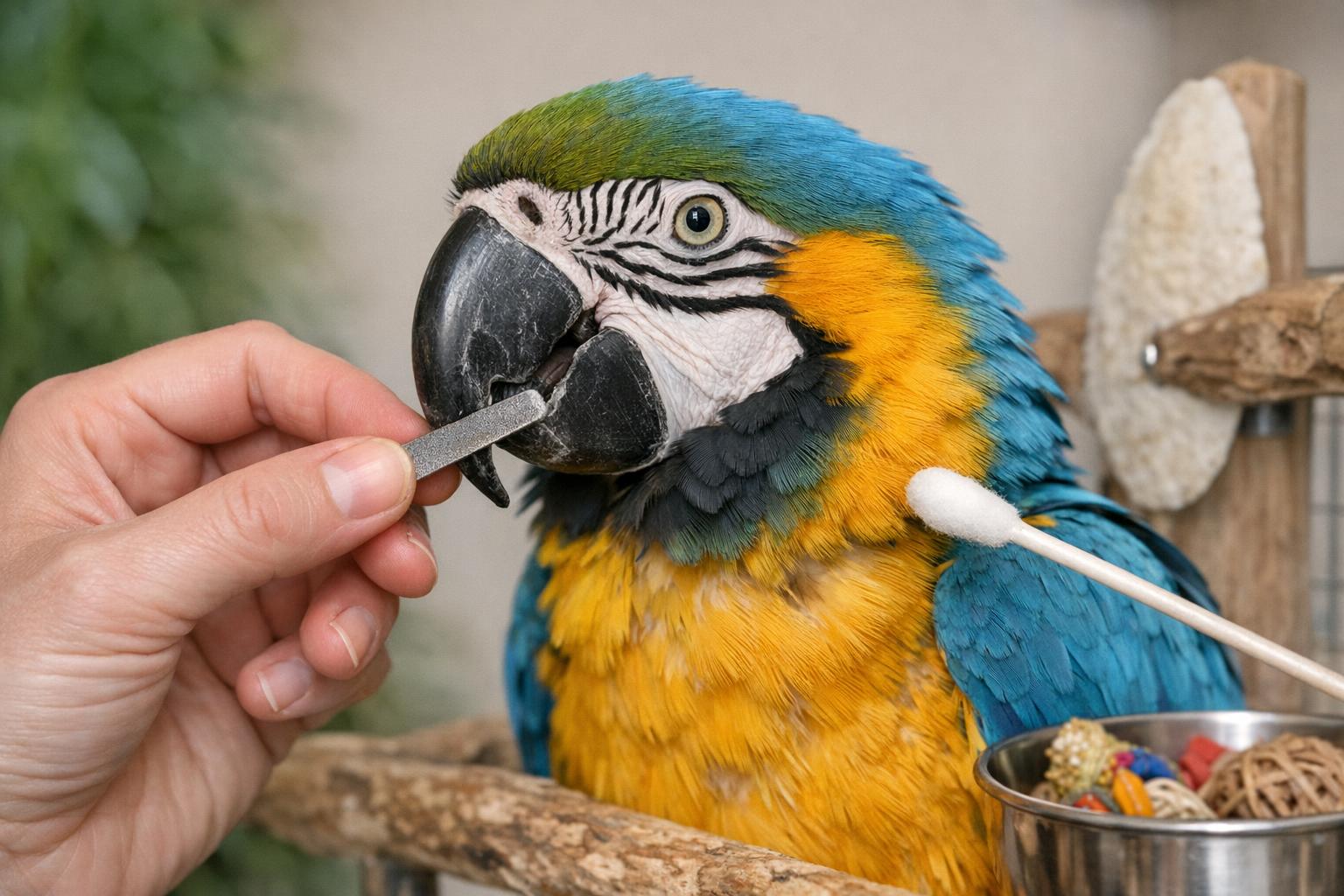
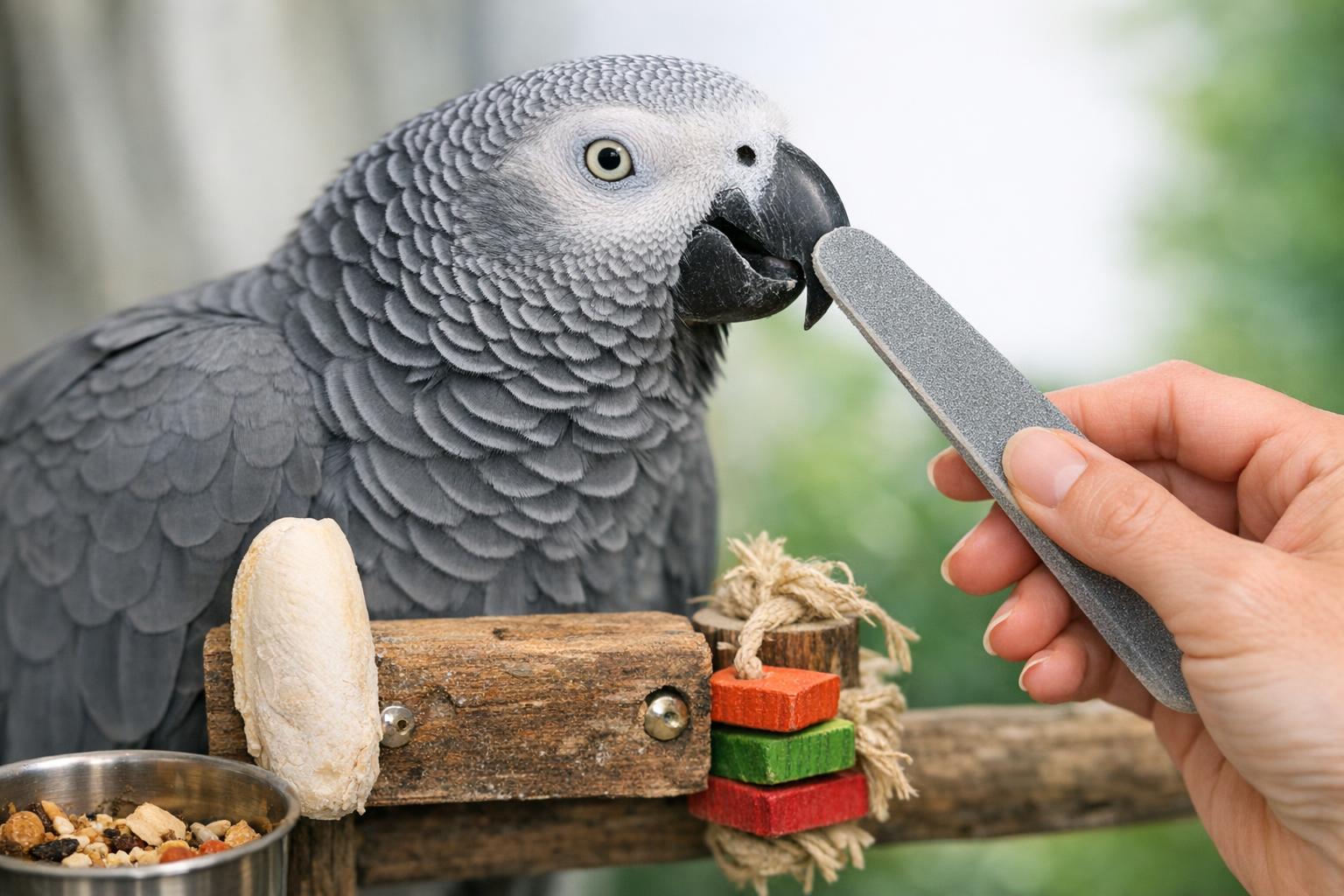
Let the avian vet or an experienced groomer do trims. If your bird has a small hook, vets file it down with rotary tools under restraint or light sedation. For budgies and cockatiels, owners can carefully smooth tiny snags with an emery board — only after watching a pro demonstrate. Don’t use human nail clippers or kitchen shears. Those can crush or splinter the beak.
#### Signs Trimming Is Needed
– Upper mandible grows over the lower so the bird can’t close its mouth.
– Hooks that catch on toys and food.
– Sharp fragments that could cause self-injury.
## Common Beak Conditions And What They Mean
Knowing names helps you talk to your vet without guessing.
### Overgrowth And Scissor Beak
Overgrowth often comes from lack of wear, metabolic disease, or infection. Scissor beak is a misalignment; the mandibles don’t meet properly. It’s common in some species and may need repeated trims or even prosthetic corrections.
### Cracks, Chips, And Trauma
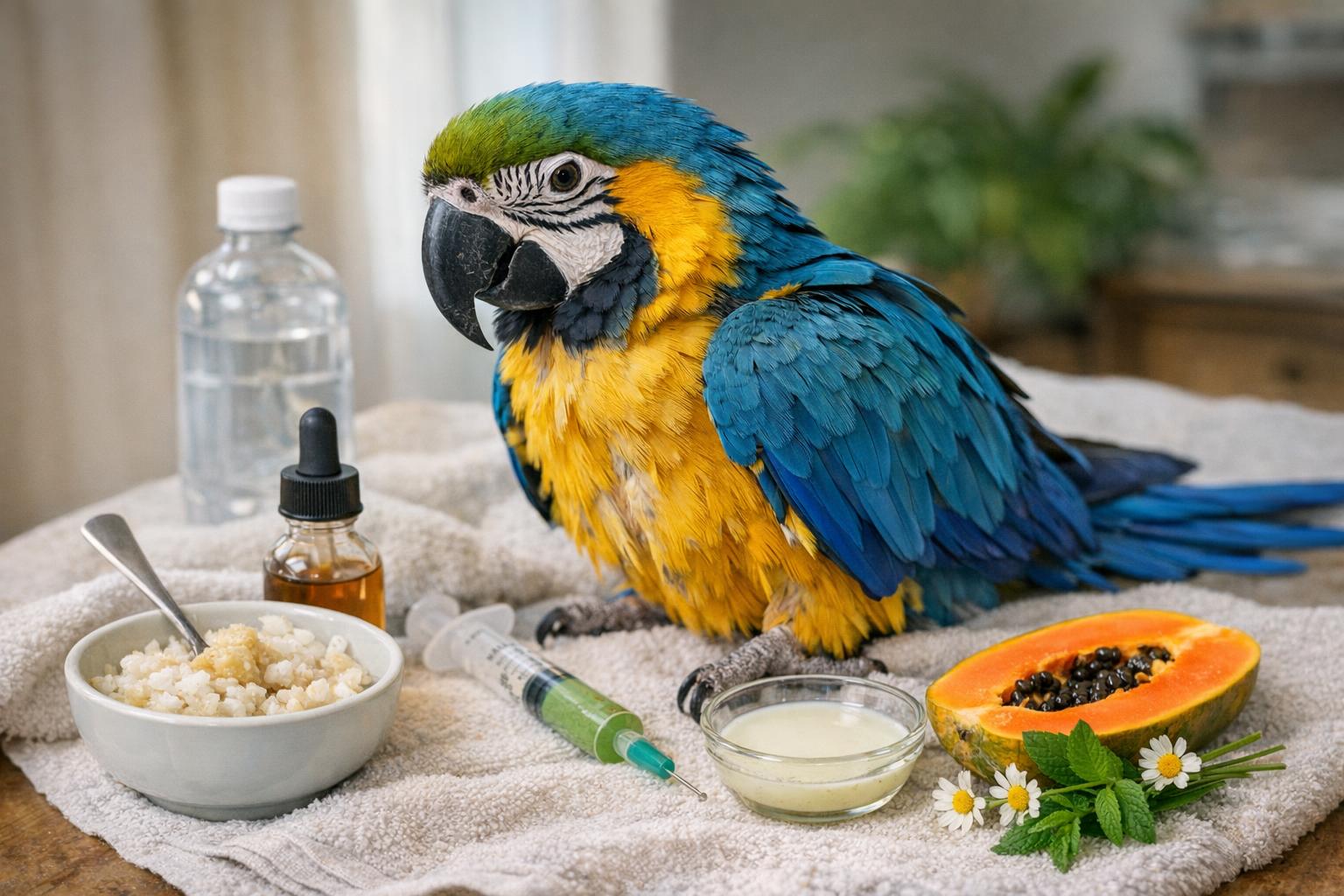
Minor chips heal, but deep fractures can involve the bone. Trauma from cage fights or collisions needs a vet check. Sometimes temporary feeding support is necessary while the beak heals.
### Abnormal Growths And Discoloration
Lumps or fungal plaques require testing. Yellow crusty changes can point to vitamin A deficiency, while darkening might mean liver trouble. Mention “avian beak care” to your vet if you see persistent discoloration.
## Practical Home Maintenance Tips
Daily habit beats panic.
### Cleaning And Light Maintenance
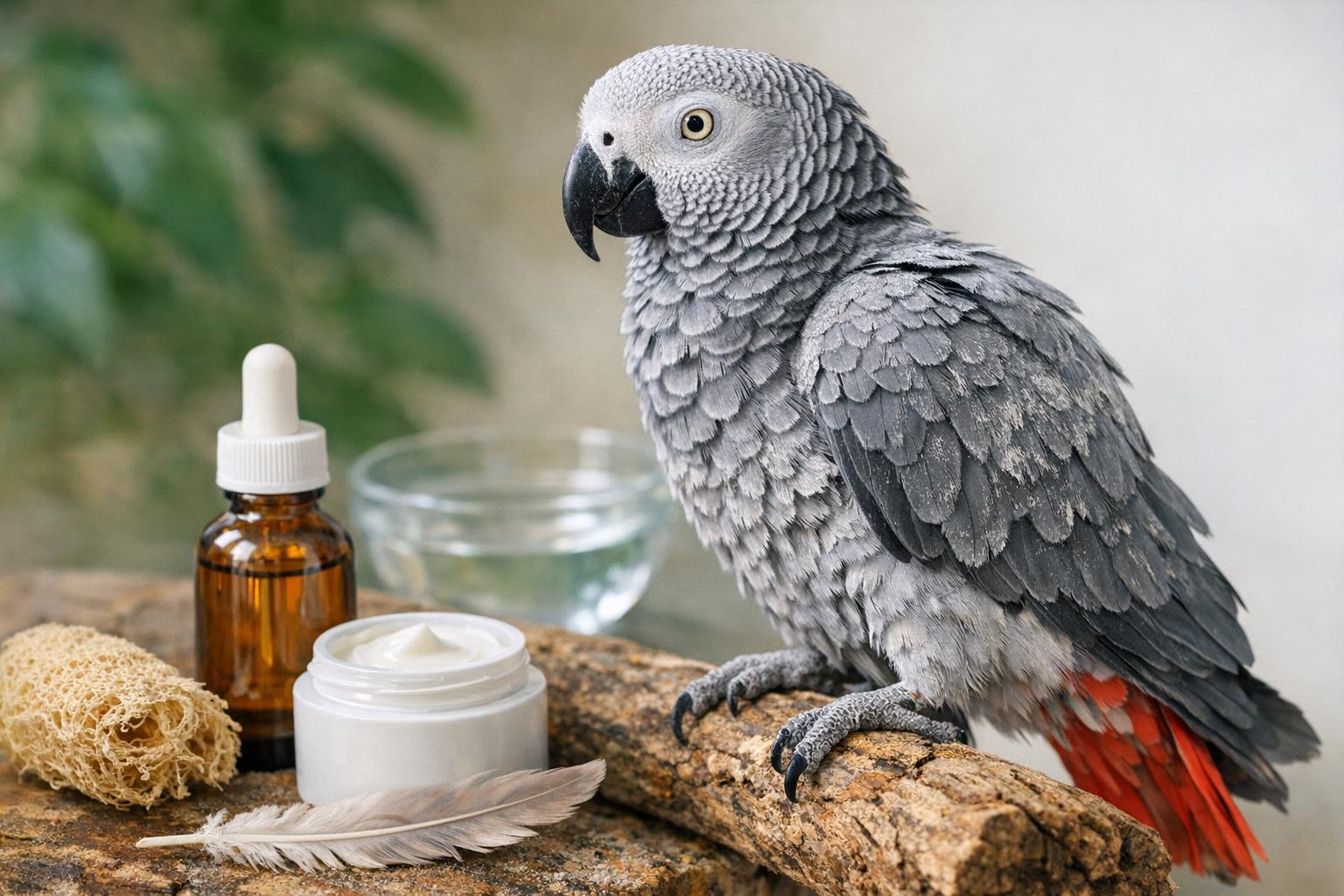
A damp cloth can remove soft debris around the beak. Never force the beak open. For crusty nostrils or dried material, use a warm, damp compress and contact your vet if it doesn’t loosen. Don’t apply topical human antiseptics unless prescribed.
### Safe Tools To Keep Handy
– A soft toothbrush for gentle cleaning around the cere.
– Emery board for tiny hooks on small parrots after vet instruction.
– A variety of perches and chew toys.
## When Disease Is The Underlying Cause
If environmental fixes don’t fix the problem, look deeper.
### Nutritional And Systemic Issues
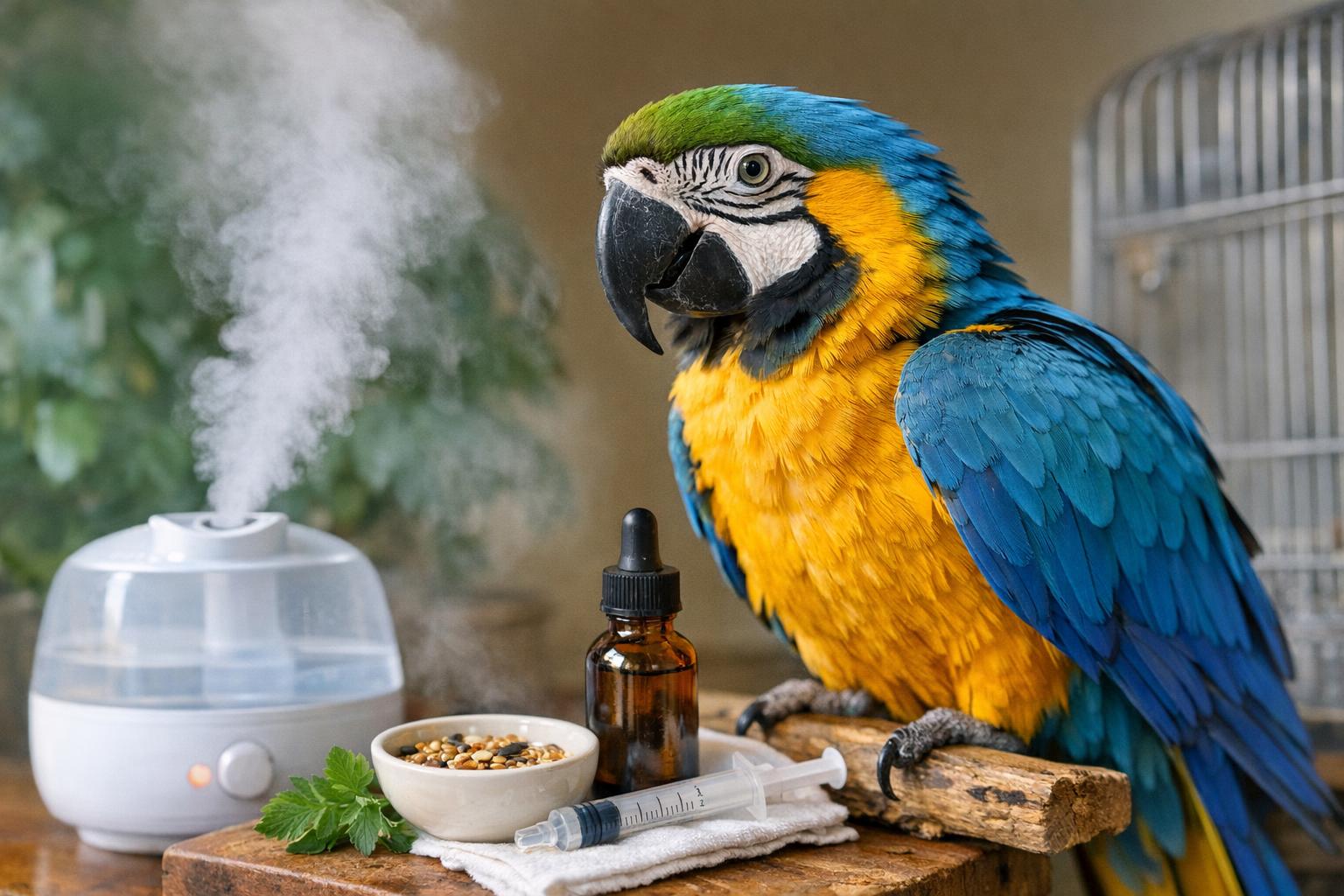
Liver disease, thyroid problems, or parasitic infections can show first in the beak. Bloodwork and radiographs may be needed. Mention “bird beak care” and “avian beak care” when you call the clinic to make sure they allocate time for a thorough beak exam.
### Parasites And Infections
Some mites and fungal infections target the beak and cere. They can be subtle at first. A vet can do skin scrapings and prescribe the right medication.
## Long-Term Care: Habits That Make It Rare To Trim
Make beak wear part of cage design and daily routine.
### Rotate Toys And Switch Textures
Birds get bored quickly. Rotate wood, leather, and vegetable-tanned items. Use whole branches as temporary swings. The goal is chewing that naturally files the beak.
### Keep Diet Varied And Fresh
Cooked sweet potato, small cooked legumes, and a steady supply of greens will do more for beak health than any gadget. Avoid avocado and other known toxins.
## How To Talk To Your Avian Vet
Bring photos from different angles. Note when changes started and any behavior shifts. Saying “I’m following a pet bird beak care guide, but I see X” tells the vet you’ve been proactive and helps them recommend the next step. If the clinic suggests bloodwork, it’s often because beak issues can signal systemic disease.
## Species Differences To Remember
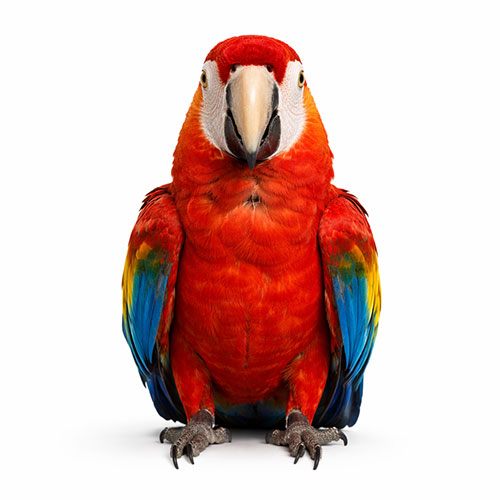
A macaw’s beak needs different wear than a finch’s. Larger parrots can break wood and need thicker branches. Smaller birds need finer perches. Learn your bird’s normal coloration and shape so changes stand out. Even within parrots, there’s wide variety. A cockatiel’s beak problem looks different than a conure’s.
Watch for subtle signs. A bird that stops shredding paper or chewing cardboard is giving you a clue. Act early, and most issues remain manageable. Small, consistent steps keep beaks working and birds happy. Occasionally a vet will need to intervene. That’s fine. Regular checks and sensible cage design do most of the heavy lifting in any good pet bird beak care guide.
Finally, be a little patient. Beak correction takes time. And don’t freak out over every tiny flake. Some flaking is normal. But if it persists, get it looked at. You’ll thank yourself later when your bird keeps tearing cardboard and beaks stays tidy and strong with minimal fuss.






Leave a Reply