






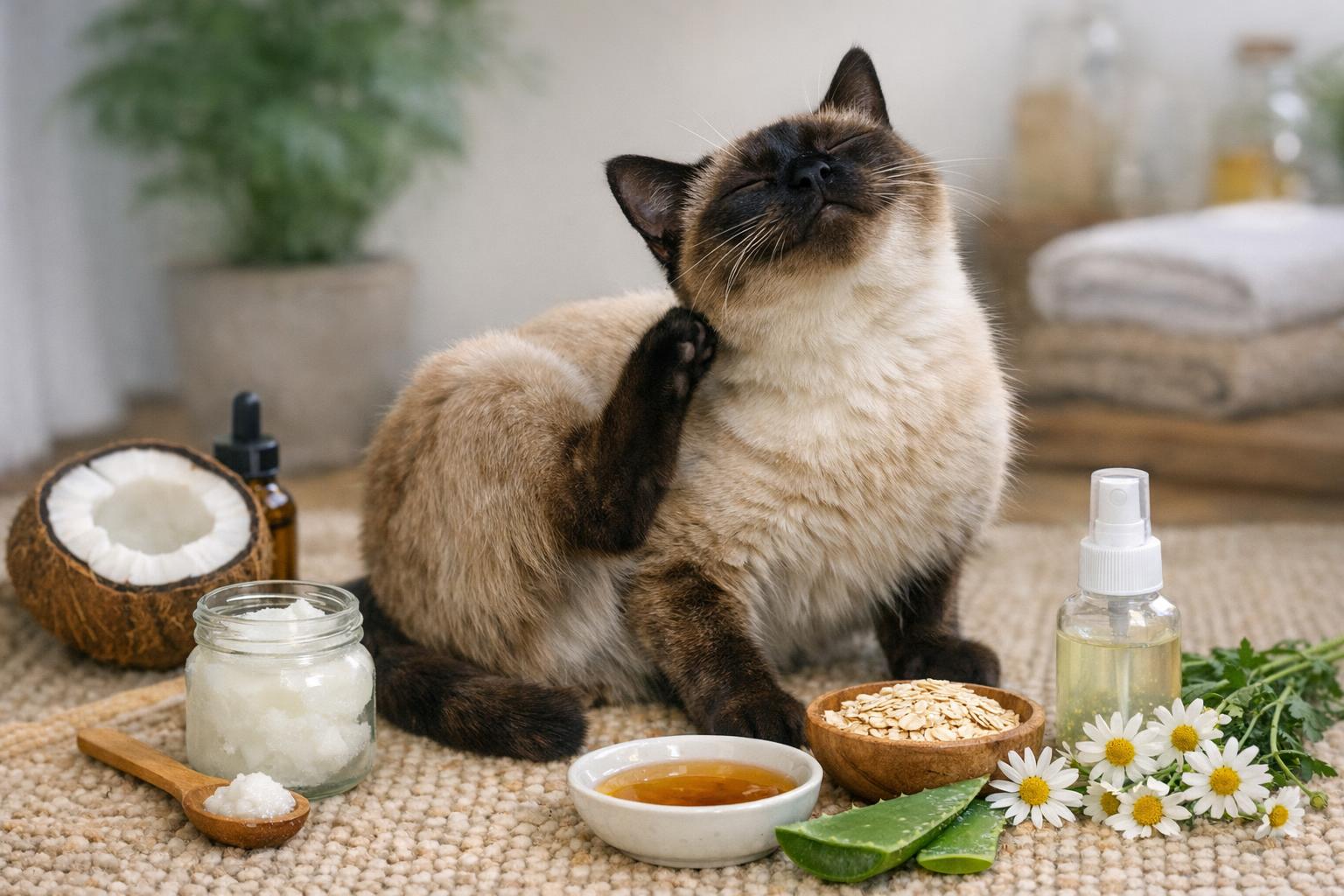
If your cat is scratching so much you can hear it across the house, start with the basics. Check the coat, smell for wet spots, and look for fleas or red patches. Most often a few careful home steps will ease the problem fast. Some cases need a vet, but you can do a surprising amount at home without drama.
## Cat Itching Relief Home Remedies That Actually Help
Start with a plan. Treat the environment, the coat, and the kitty’s diet. Addressing all three gives you the best shot at lasting cat itching relief home remedies that matter. Don’t skip the easy stuff: bedding, vacuuming, and grooming. They cut down on allergens and flea eggs more than you’d expect.
### Spot The Cause First
Before you treat, try to identify why your cat itches. Fleas are the most common cause — even one flea can trigger furious scratching. Allergies to food or pollens show up as repeated face and paw rubbing. Mites and fungal infections leave small scabby patches or circular hair loss. When you see open sores or a lot of hair loss, take the cat to the vet. Don’t try strong topical human medicines on broken skin.
### Safe Home Remedies For The Coat
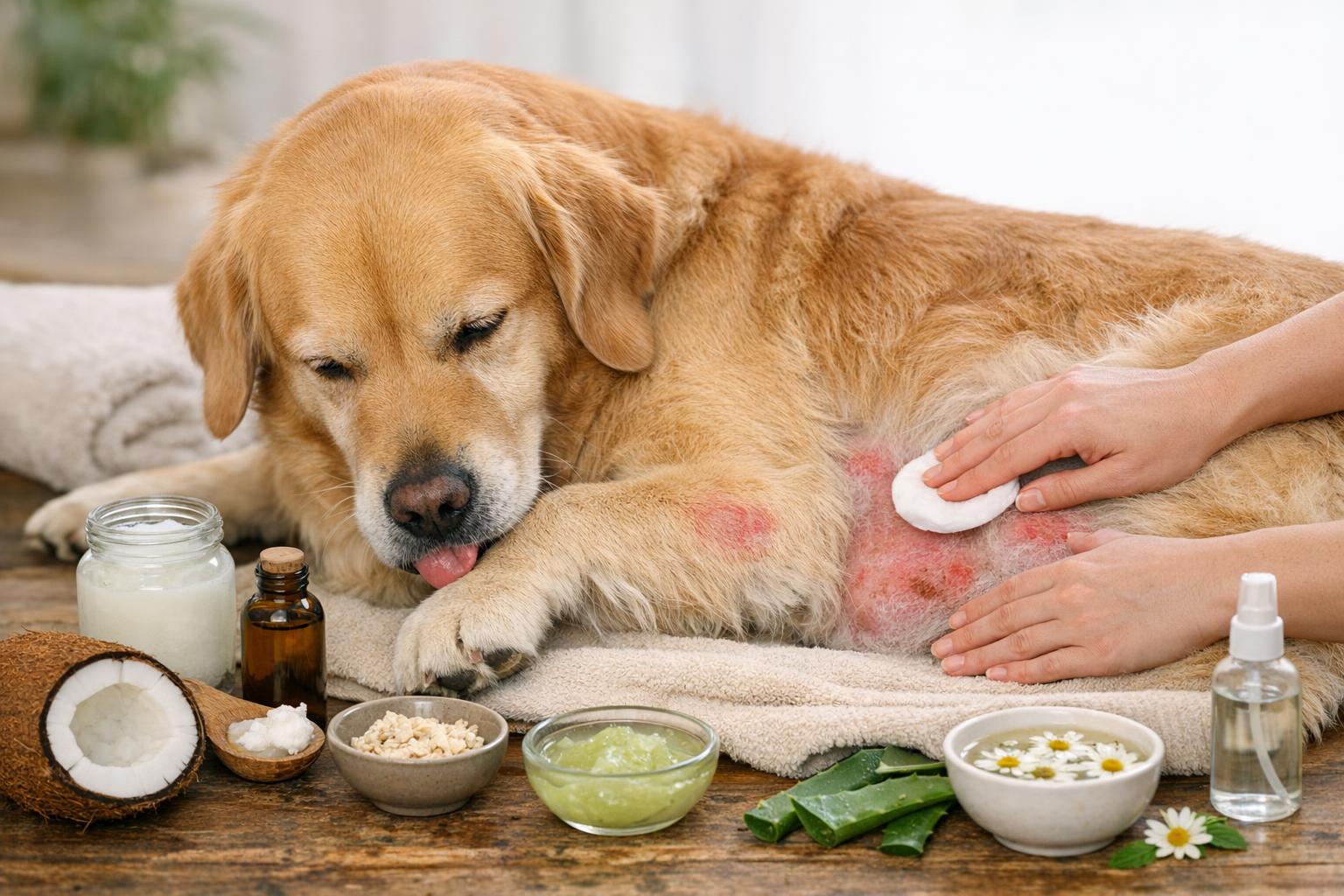
Coconut Oil Topical: A thin layer rubbed into dry spots can soothe and condition. Use virgin coconut oil and only a pea-sized amount for most cats. Too much makes the fur greasy and invites licking. If your cat licks the oil excessively, stop — some kitties get loose stools when they ingest a lot of coconut oil.
Oatmeal Baths: Grind plain, unsweetened oats into a powder and dissolve in warm water. Let your cat sit in that for a few minutes and rinse gently. Oatmeal calms inflamed skin and is gentle. Don’t soap up aggressively; you’re after relief, not a deep clean.
Aloe Vera Gel (Pure): Use pure aloe vera gel without additives, and apply sparingly to localized itchy spots. Avoid letting your cat eat large amounts. If the skin is broken, skip the aloe until a vet checks the wound.
Humidifier: Dry indoor air makes skin flaky and itchy. A small humidifier in your cat’s favorite room can reduce flaky skin and the urge to scratch. It’s an easy environmental fix that often gets overlooked.
### Remedies For Flea-Driven Itch
Flea Control Around The House: Wash bedding on hot and vacuum rugs and furniture daily for several days. Flea eggs fall into carpets and upholstery, and vacuuming disrupts that cycle.
Spot Treatments: For immediate relief, a flea-comb helps remove fleas and eggs from fur. Dip the comb in soapy water between passes. Once fleas are visible, follow up with a vet-approved flea preventitive — not all pet topical flea meds are safe for every cat, so check first.
Diluted Apple Cider Vinegar (Cautiously): For non-open, non-irritated areas, a 1:1 dilution of apple cider vinegar and water can repel fleas and reduce minor itch. Avoid using vinegar on raw or inflamed skin. If your cat recoils at the smell, don’t force it.
### Diet And Supplements To Reduce Itch
Fish Oil (Omega-3): A daily omega-3 supplement can reduce inflammation in the skin. Look for a feline-specific dose or check with your vet for proper amounts. Expect results in several weeks, not overnight.
Hypoallergenic Diet Trial: If you suspect food allergies, try a limited-ingredient diet or a vet-prescribed hypoallergenic formula for eight to 12 weeks. Food reactions can be sneaky; the cat may not have digestive symptoms, just chronic cat itch.
Probiotics: A healthy gut supports skin health. A simple feline probiotic can help some cats tolerate environmental allergens better. It’s a small, low-risk step worth trying.
### Gentle At-Home Treatments For Itchiness
Cool Compresses: For hot, irritated patches, a cool damp cloth held on the area for a minute or two can reduce inflammation. Repeat a couple times a day.
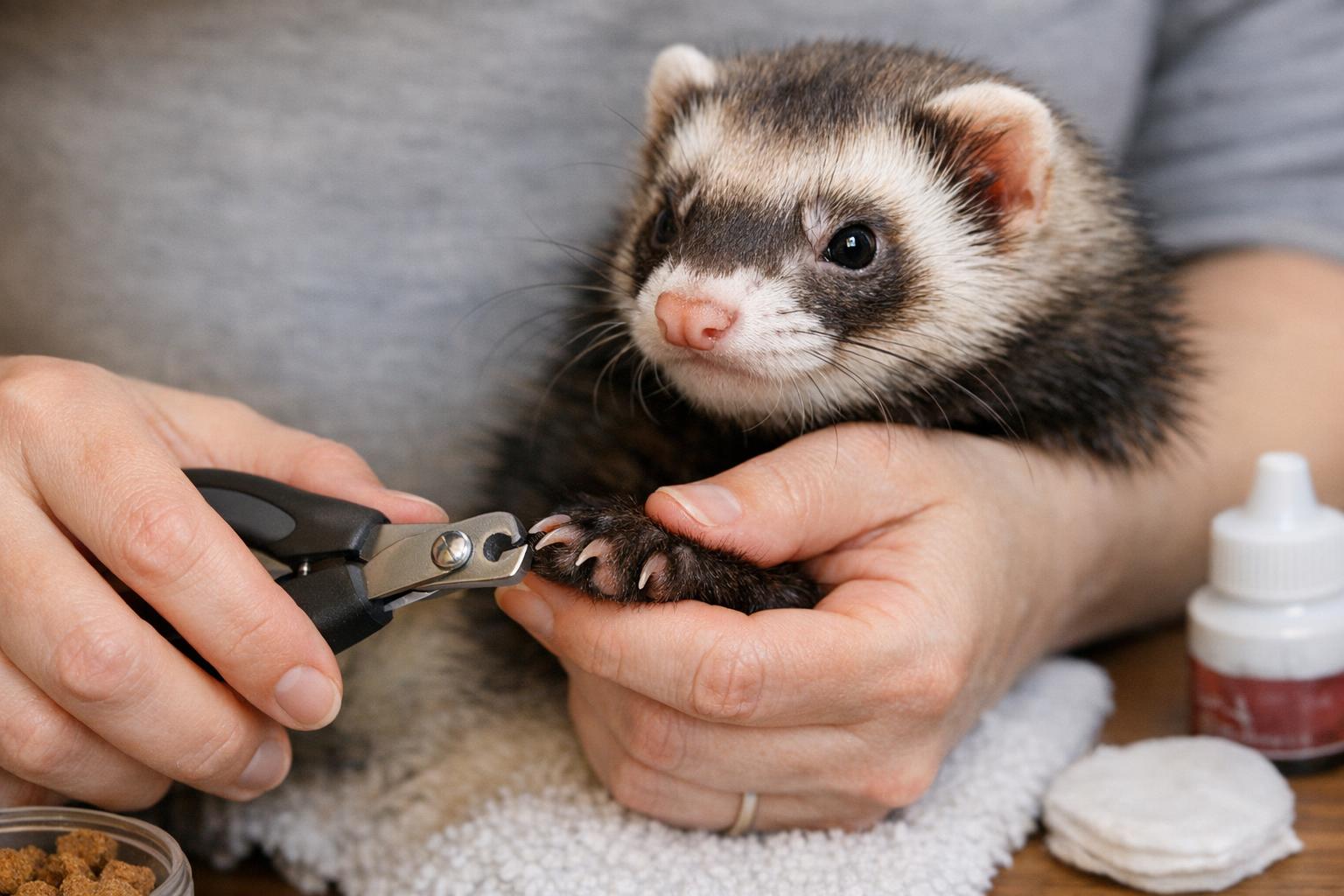
Trimmed Nails And Soft E-Collar: If your cat is causing self-trauma from scratching, blunt nails or a soft Elizabethan collar protect healing skin. It’s not elegant, but it works.
Topical Soothers From The Kitchen: A paste of plain Greek yogurt and a small bit of baking soda can sometimes soothe localized itch before a bath. Rinse thoroughly. This is for short-term use only and only on intact skin.
### What Not To Use
Never use essential oils (tea tree oil, eucalyptus, citrus oils) on cats. They’re toxic and can cause severe reactions. Avoid human antihistamines or strong steroid creams unless explicitly directed by a vet. Even commonplace household products like dryer sheets or fabric softeners can irritate sensitive cats.
### When To See The Vet
If the itching is relentless, returns after home care, or if you see fever, lethargy, thick crusts, or spreading hair loss, go to the vet. Persistent cat itching can hide ringworm, mange, autoimmune disease, or systemic allergies. Your vet can do skin scrapings, fungal cultures, and allergy tests. They might prescribe medicated shampoos, oral medications, or targeted injections that you can’t get over the counter.
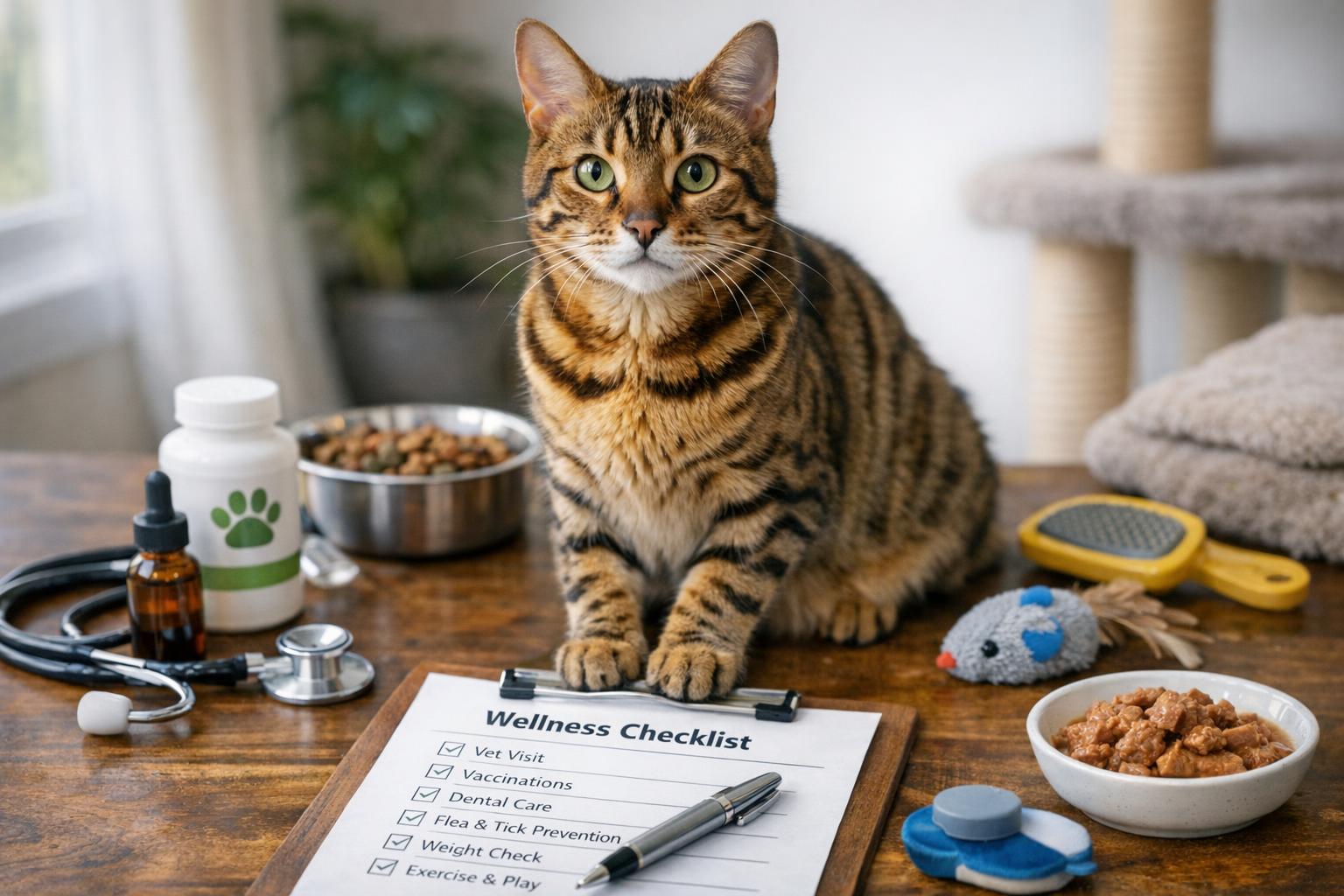
#### Quick Home Check List For The First 48 Hours
– Inspect for fleas and use a flea comb.
– Remove and wash bedding on hot.
– Try one topical soothing step (oatmeal bath or coconut oil) and watch the skin for 24 hours.
– Start a fish oil supplement if you’re not already using one.
– Keep the cat indoors and reduce dust and smoke exposure.
### Grooming Habits That Prevent Itching
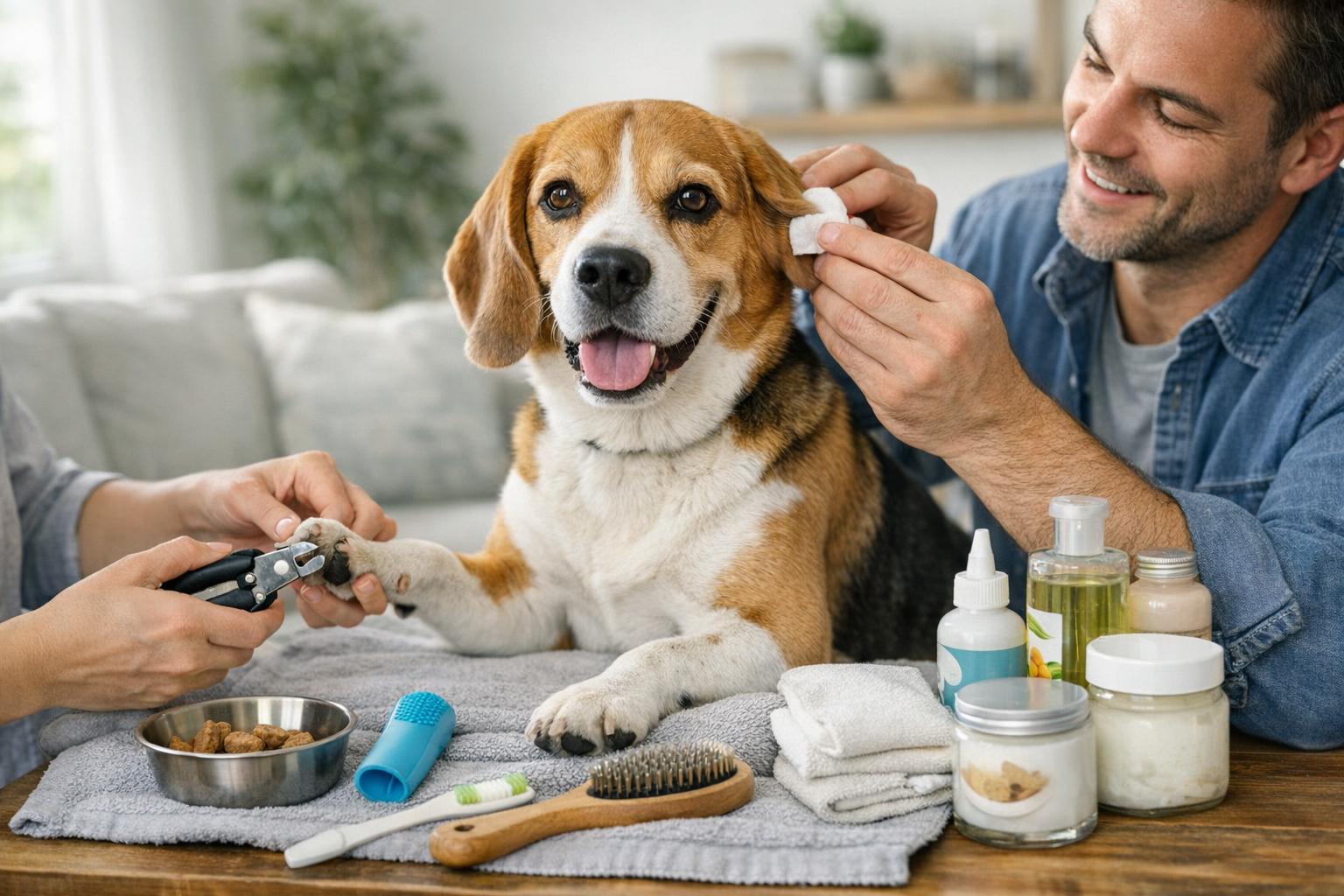
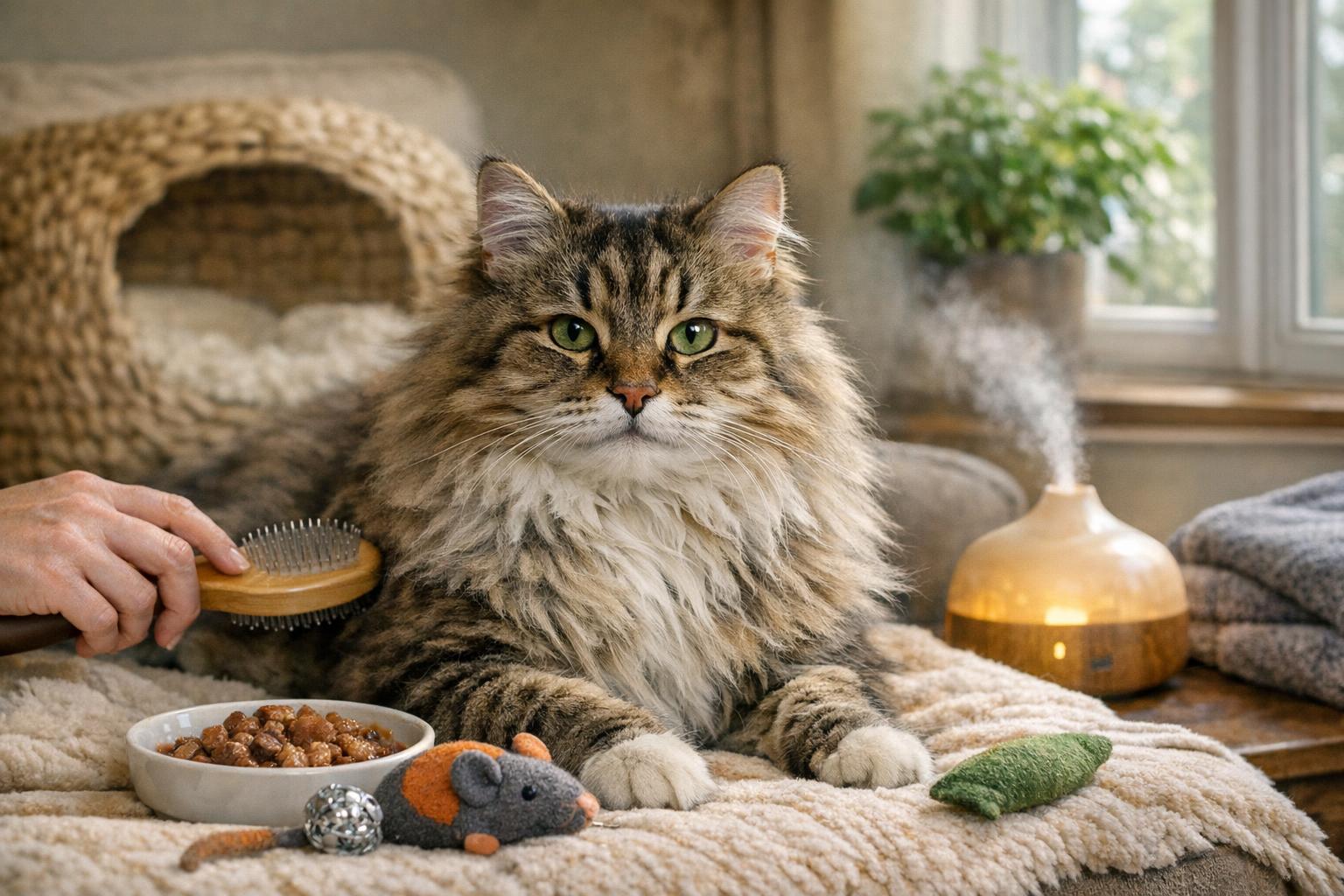
Regular Brushing: Brushing removes loose hair, distributes natural oils, and helps you spot problems early. Long-haired cats need daily attention; short-haired cats benefit from weekly sessions.
Bath Frequency: Most cats don’t need frequent baths. When you do bathe, use a gentle feline shampoo or an oatmeal-based product. Rinse well. Residue left on the skin often becomes a new irritant.
Handle Mats Carefully: Mats trap moisture and irritants. Cut them out or use a dematting tool, but if the mat’s close to skin, ask a groomer or vet for help.
### Small Tests You Can Do At Home
Patch Test: Before trying any new topical remedy, test a tiny area and wait 24 hours. Look for increased redness, swelling, or worse scratching. This helps you avoid making things worse.
Narrow Down Triggers: If the itch flares after a new toy, laundry detergent, or treat, isolate that change and remove it for a week. Many cat owners find that removing a scented fabric softener stops unexplained scratching.
If you’ve tried these cat itching relief home remedies and nothing improves in a week or two, bring photos and notes to the vet. Document where the cat itches, when it started, and any new products or foods. That information often points straight to the cause.
A few changes at home usually buys you relief quickly. Clean the environment, soothe the coat, and give the body the nutrients it needs. If the problem persists or the skin looks bad, get professional help. Small steps first. Don’t let the issue fester. Your cat will thank you with calmer nights and fewer frantic scrath sessions.






















Leave a Reply