






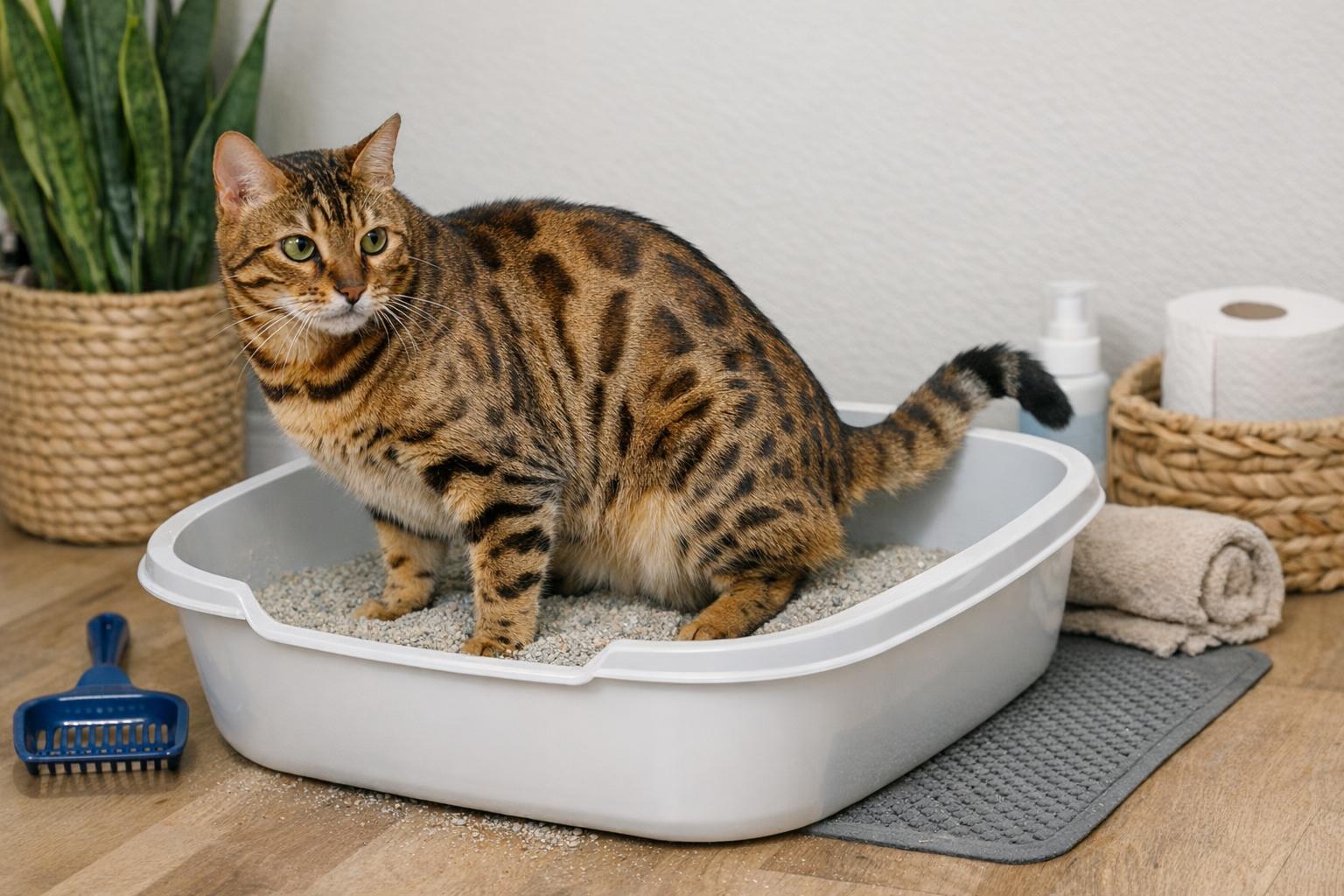
Cats don’t misbehave to get back at you. When a cat urinates or soils outside the tray, it’s usually trying to solve a problem: pain, anxiety, discomfort with the box itself, or a message to other cats. Understanding elimination behavior in cats gives you a practical starting point for fixing litter box troubles.
## Elimination Behavior In Cats: Common Causes
Start by separating two things people often confuse: marking and true elimination. Marking is quick, small amounts of urine—often on vertical surfaces—and is about communication. Elimination is a deliberate posture and a larger deposit. Both are part of elimination behavior in cats, but they have different triggers.
Medical problems are major culprits. Urinary tract infections, bladder stones, constipation, arthritis, diabetes and kidney disease can all change how a cat uses the box. It’s easier to blame the environment, but the first step should be a vet visit when behavior shifts suddenly.
Stress and social factors also matter. A new pet, a noisy appliance, an outside cat lingering by the window—these can push a previously reliable cat to change where they go. Changes in routine, like a moved box or new household cleaner smell, can be enough. Pay attention to patterns: same corner, same time, certain family members around. These details are clues.
### Medical Versus Environmental Causes
Match symptoms to likely causes. Straining, blood in the urine, or vocalizing while eliminating points to a medical issue. Frequent small spots on couches or walls suggests marking and social stress. A cat that starts going next to the box instead of in it might be reacting to pain—arthritic hips make stepping in and out difficult.
If you’re troubleshooting at home, start with basic checks: box type, litter, and location. But don’t delay diagnostics if your cat shows signs of illness. Quick treatment can prevent chronic problems.
#### Signs To Watch For
– Frequent trips to the box with little urine.
– Sudden onset of soiling in a previously litter-trained cat.
– Changes in appetite, drinking, or activity.
– Difficulty jumping into the box or digging.
## Practical Steps To Improve Litter Box Health
You can influence elimination behavior in cats with some straightforward changes. Start by looking at the hardware: the box itself, the litter inside, the placement, and the cleaning schedule.
Boxes should be large enough for the cat to turn around comfortably. Covered boxes trap odors and can discourage some cats. If you have a nervous or older cat, an uncovered, low-entry box is often better. For multiple cats, provide multiple boxes—one per cat plus one extra. The general rule is simple and effective.
Litter texture matters. Many cats prefer fine-grain, unscented litter. Heavy scents mask smells that cats use for orientation and can cause avoidance. If you must switch litter, do it gradually over several days, mixing the new with the old.
Daily scooping is non-negotiable for most cats. Clean boxes promptly and do a complete litter change and wash weekly or as needed. Use unscented, mild detergent—strong-smelling cleaners can throw off a sensitive cat’s detection of their own scent, which affects their litter box behavior.
### Improving Litter Box Training
Litter box training isn’t just for kittens. Re-training an adult cat sometimes means recreating the conditions under which they learned to use the box in the first place. Place a clean box in a quiet, accessible location. If a cat has repeatedly eliminated in one spot, temporarily move the box to that spot and encourage its use there. Gradually move it back to your preferred location once the cat begins using it regularly.
Positive reinforcement helps. A quiet “good” or a small treat after the cat uses the box establishes the behavior without pressure. Avoid punishment. Cats don’t connect the scolding to the act, and punishment increases stress, which worsens elimination behavior in cats.
#### Old Cats And Mobility Issues
Older cats might avoid the box because of arthritis or mobility problems. Lower-sided litter boxes, ramps, or a box with a side cutout make access easier. Place the box on every level of a multi-story house so climbing doesn’t become a barrier.
## Reading Litter Box Behavior Signals
You can learn a lot by watching how a cat approaches and uses their box. These signals are subtle but consistent if you pay attention.
Cats usually sniff and circle before eliminating. Hesitation, repeated attempts, or vocalization suggest discomfort. A cat that digs enthusiastically and covers thoroughly is often confident about the box. A cat that simply squats quickly and leaves might be marking or feel uncertain.
Pay attention to timing. House-training regression in kittens often follows stressors like new people or pets. In adult cats, sudden changes in litter box behavior often signal health issues. Patterns matter more than isolated episodes.
### Interpreting Posture And Motion
Posture during elimination can tell you if a cat is straining. Back hunched, tail flicking, or prolonged squatting can indicate pain or discomfort. Standing to urinate often points to marking behavior, especially in male cats.
If multiple cats live together, watch for territory disputes. A dominant cat may force a subordinate into specific areas, changing that cat’s normal litter box behavior. More boxes and strategic placement can reduce these conflicts.
#### When Scent And Territory Become Problems
Cats rely heavily on scent. Clean the soiled area with enzymatic cleaners that break down urine molecules. Regular household cleaners can leave residues that smell unpleasant to humans but may not eliminate the urine scent to a cat. Repeated access to the soiled spot without removing odor effectively trains the cat that location is acceptable.
## When To Seek Professional Help
If basic adjustments don’t change elimination behavior in cats within a few days to weeks, get help. A vet can run tests for bladder infection, crystals, or systemic disease. A behaviorist can help when stress, marking, or multi-cat dynamics are the issue. You should definately pursue both if the cat’s quality of life or yours is suffering.
Medication, environmental enrichment, pheromone diffusers, or changes in household routines can all be part of a long-term plan. A clear, pragmatic approach works best: diagnose medical problems, minimize stressors, adjust the environment, and reinforce good litter box behavior consistently.















































Leave a Reply