





## Home Remedies For Cat Dry Skin You Can Try Today
If your cat is flaky, itchy, or developing dull patches of fur, you can do a surprising amount at home before the vet visit. These are practical, low-risk things that actually change skin and coat health. Use them together, not one-off fixes. And always watch for signs that something more serious is going on.
### Check For Underlying Causes First
Don’t assume dryness is just “bad coat.” Parasites, allergies, poor diet, thyroid problems, and fungal infections all cause cat dry skin. Flea dirt and tiny mites can be obvious once you part the fur. Ringworm often looks patchy and scaly. Food or environmental allergies show up as persistent scratching and redness.
If you see open sores, thick crusts, hair falling out in clumps, or your cat is lethargic, stop DIY and call the vet. Those are red flags. For mild scratching and flaky skin, try these home remedies for cat dry skin while you monitor progress.
### Easy Diet Fixes That Actually Help
Diet is the fastest lever. Cats need high-quality protein and the right fats. Many store-brand kibbles are low in the omega-3 fats cats need for skin health. Add a concentrated source of EPA and DHA—fish oil is the simplest fix.
– Use a pet-formulated fish oil or an omega-3 supplement labeled for cats. Follow the label or check with your vet on dose.
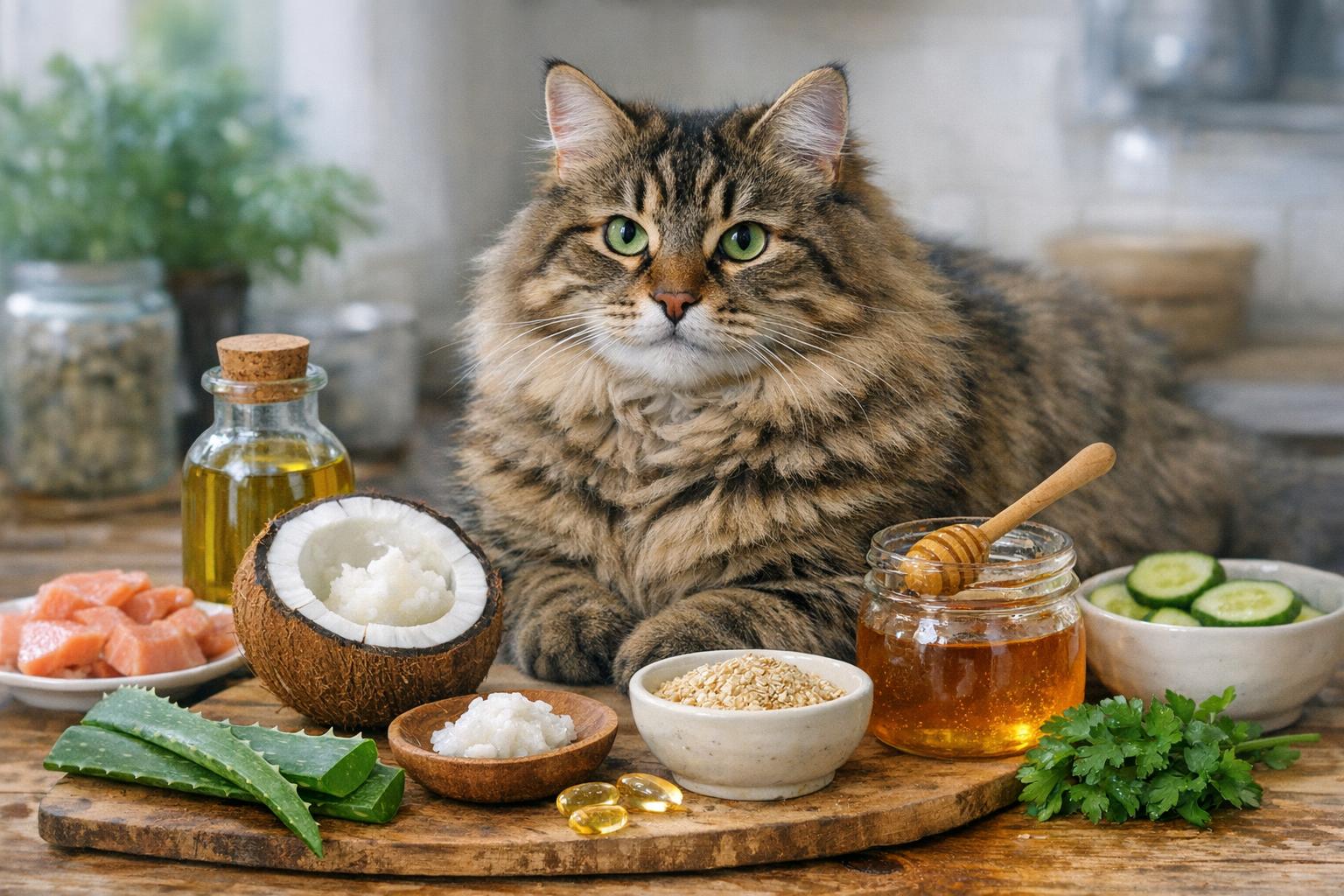
– If you prefer food-based tweaks, add a teaspoon of canned salmon (in water) a couple times a week, not as a full replacement for their diet.
– A tiny drizzle of olive oil or sunflower oil in food can help short-term. For most small cats a quarter to half a teaspoon is plenty; larger cats can handle up to a teaspoon. Don’t overdo it—too much oil causes loose stools.
These changes treat the root cause of flaky skin instead of masking it. If your cat has feline dry skin from a poor diet, you’ll often see improvement in two to six weeks.
#### How To Add Healthy Oils Safely
Introduce oils slowly. Some cats will lick off any oil, ocassionally leading to an upset stomach. Start with the smallest amount and watch stools for 48 hours. If your cat refuses the oil, try a fish oil capsule pierced and mixed into wet food, or use a liquid supplement made for pets. Avoid giving high-dose human supplements without vet guidance.
### Topical Remedies And Baths
Topicals can soothe itchy spots and reduce scaling. The trick is choosing mild, cat-safe products and keeping baths brief.
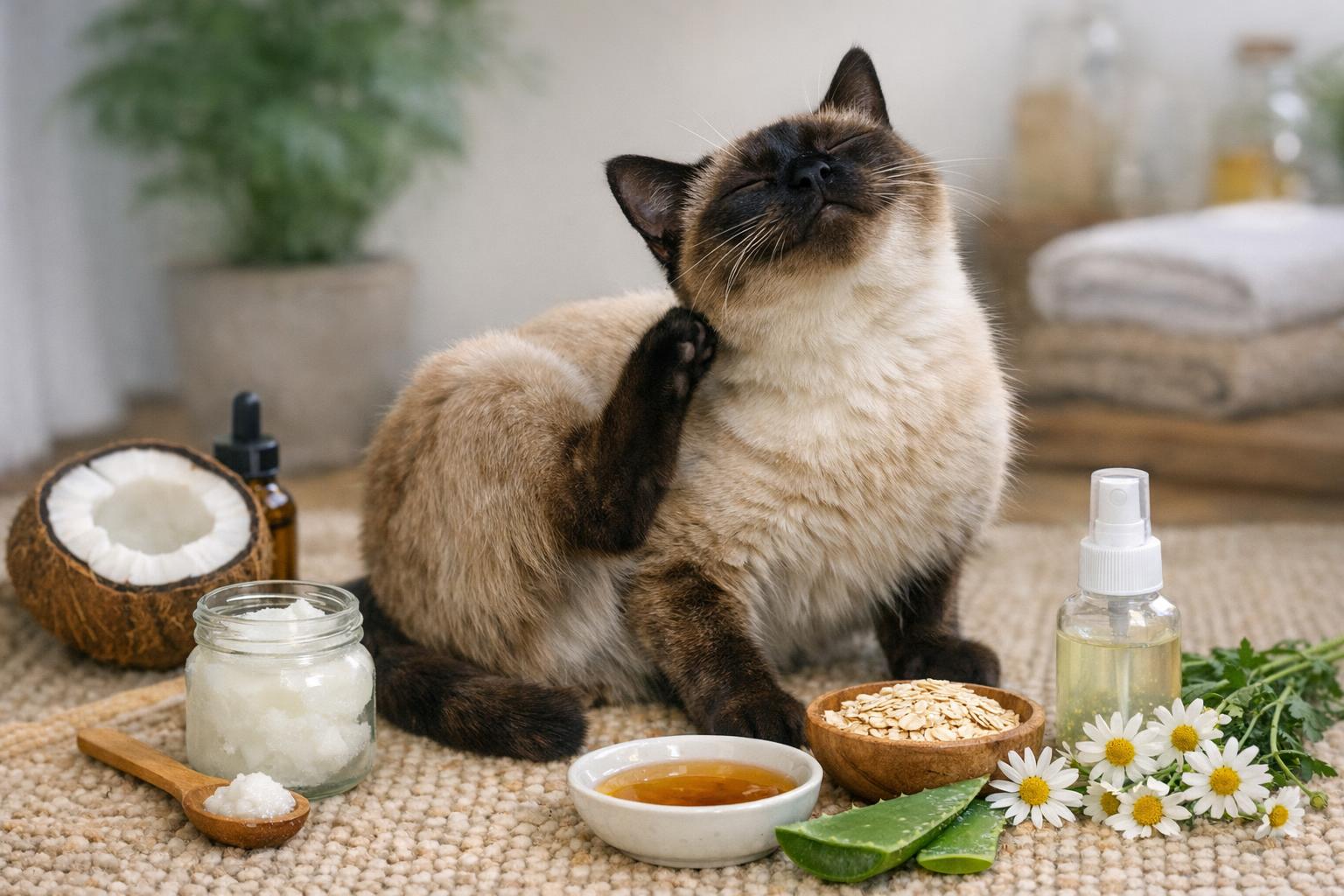
– Colloidal oatmeal baths: these calm inflammation and help remove loose flakes. Use lukewarm water, let your cat soak briefly, then rinse well.
– Gentle, cat-specific shampoos: look for products marked for sensitive skin or hypoallergenic formulas. Human shampoos are too harsh.
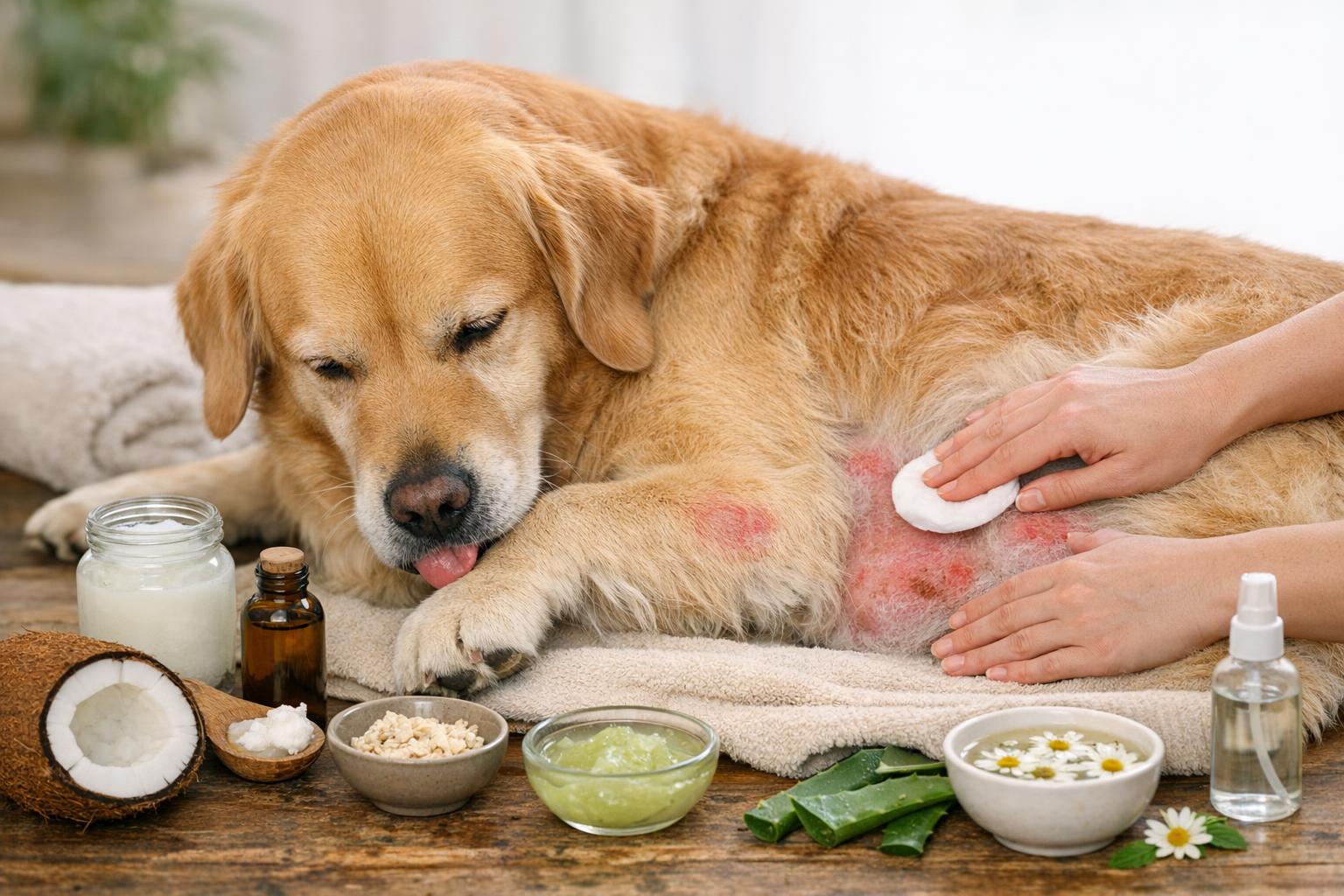
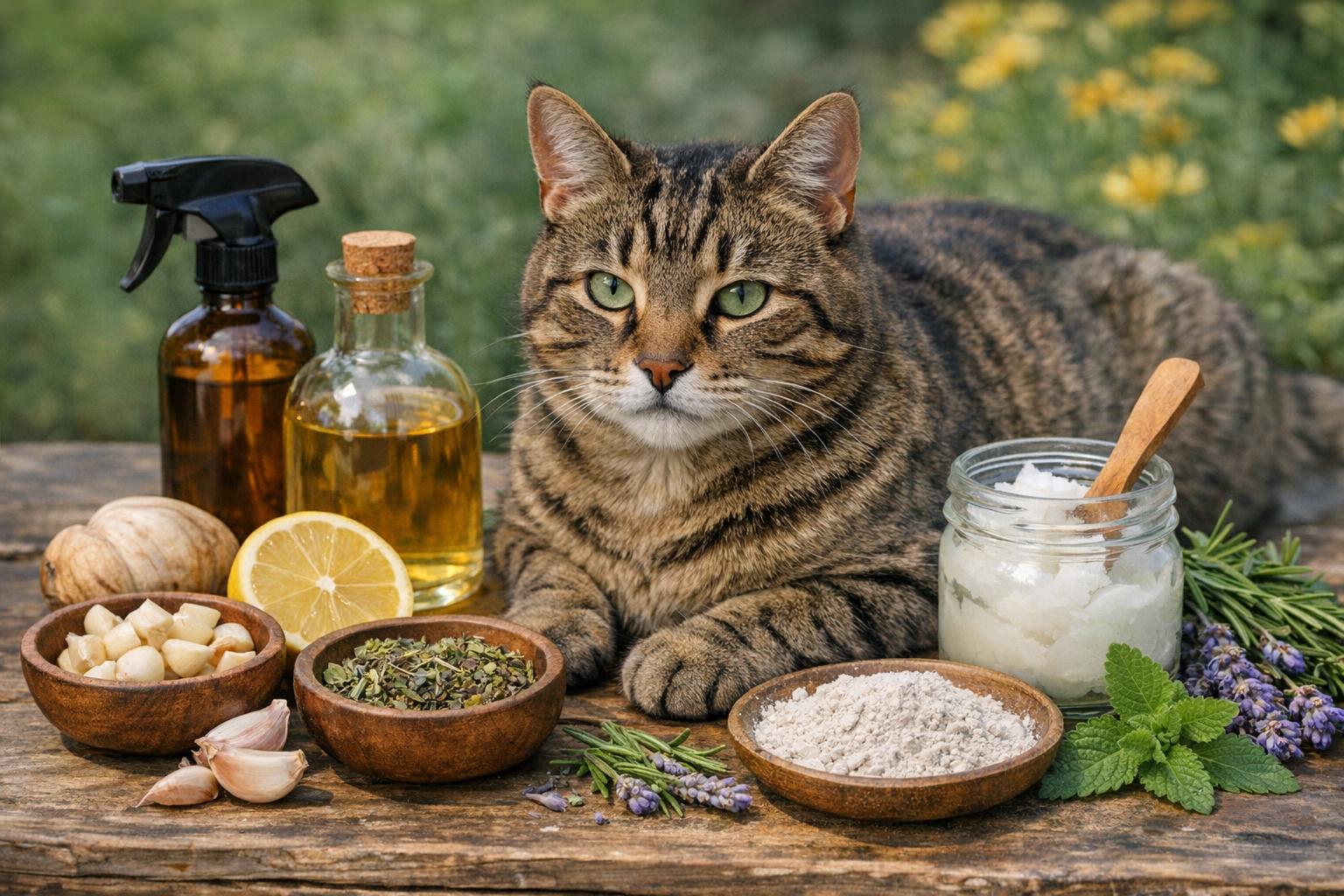
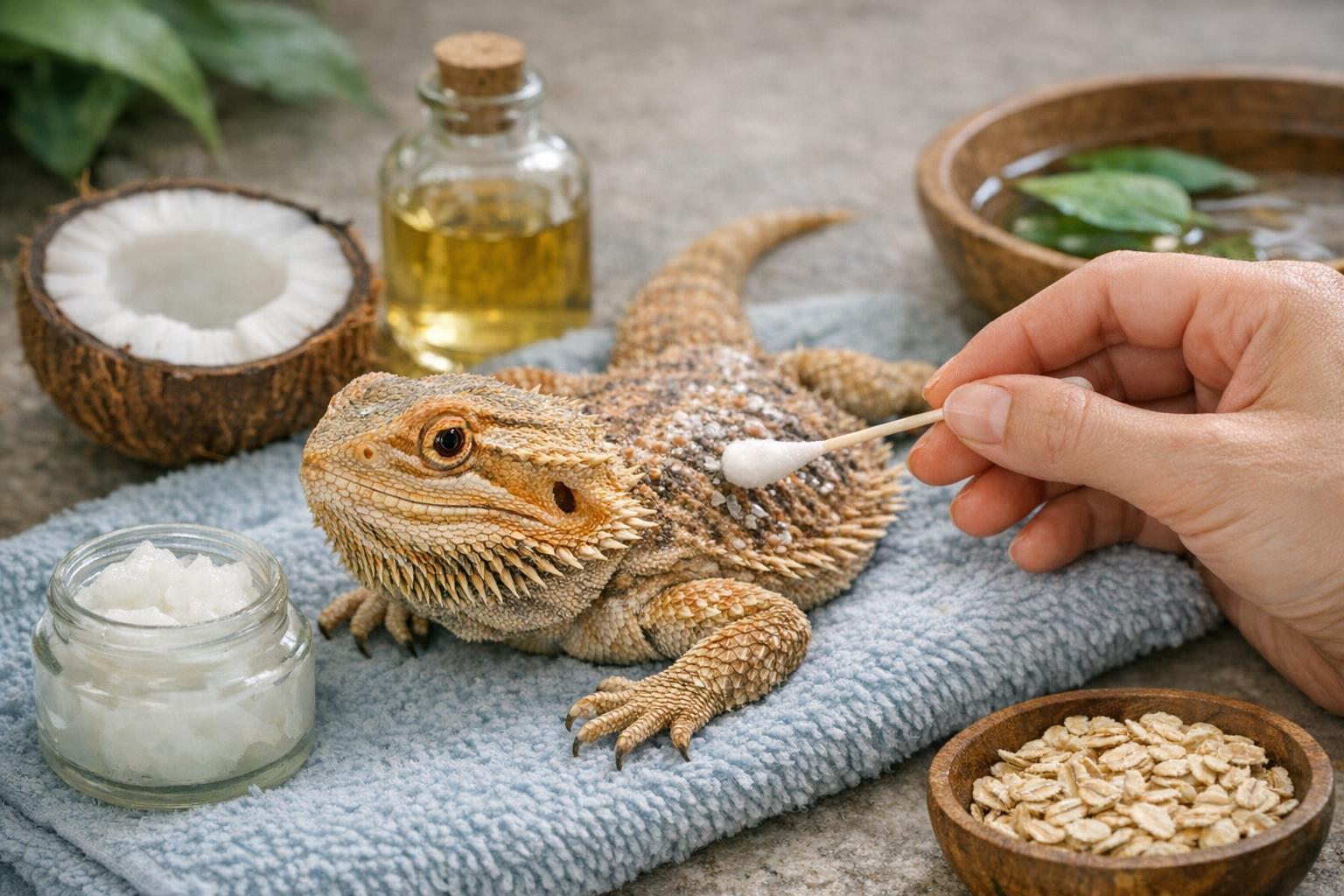
– Light moisturizing: a dab of coconut oil rubbed into a dry patch can soothe and add shine. Apply sparingly. Too much oil makes a greasy coat and tempts licking.
Avoid essential oils, menthol, or camphor products—many of these are toxic to cats. Also be cautious with aloe vera; some commercial gels contain additives that aren’t safe. Plain aloe juice can help minor irritation, but test a tiny area and keep an eye on licking.
#### Oat Baths And Shampoo Choices
Make an oatmeal soak by grinding plain oats into a fine powder and sprinkling into bathwater. Let your cat soak for a few minutes if they tolerate it, or apply with a soft cloth and rinse. Dry thoroughly afterward. For very squirmy cats, wipe-on applications work just as well.
#### Coconut Oil: Use With Caution
Coconut oil has antibacterial properties and can soften rough patches. But most cats will groom it off and ingest it, so only use tiny amounts. If your cat has a sensitive stomach, skip coconut oil in favor of topical plant oils designed for pets.
### Grooming, Environment, And Routine
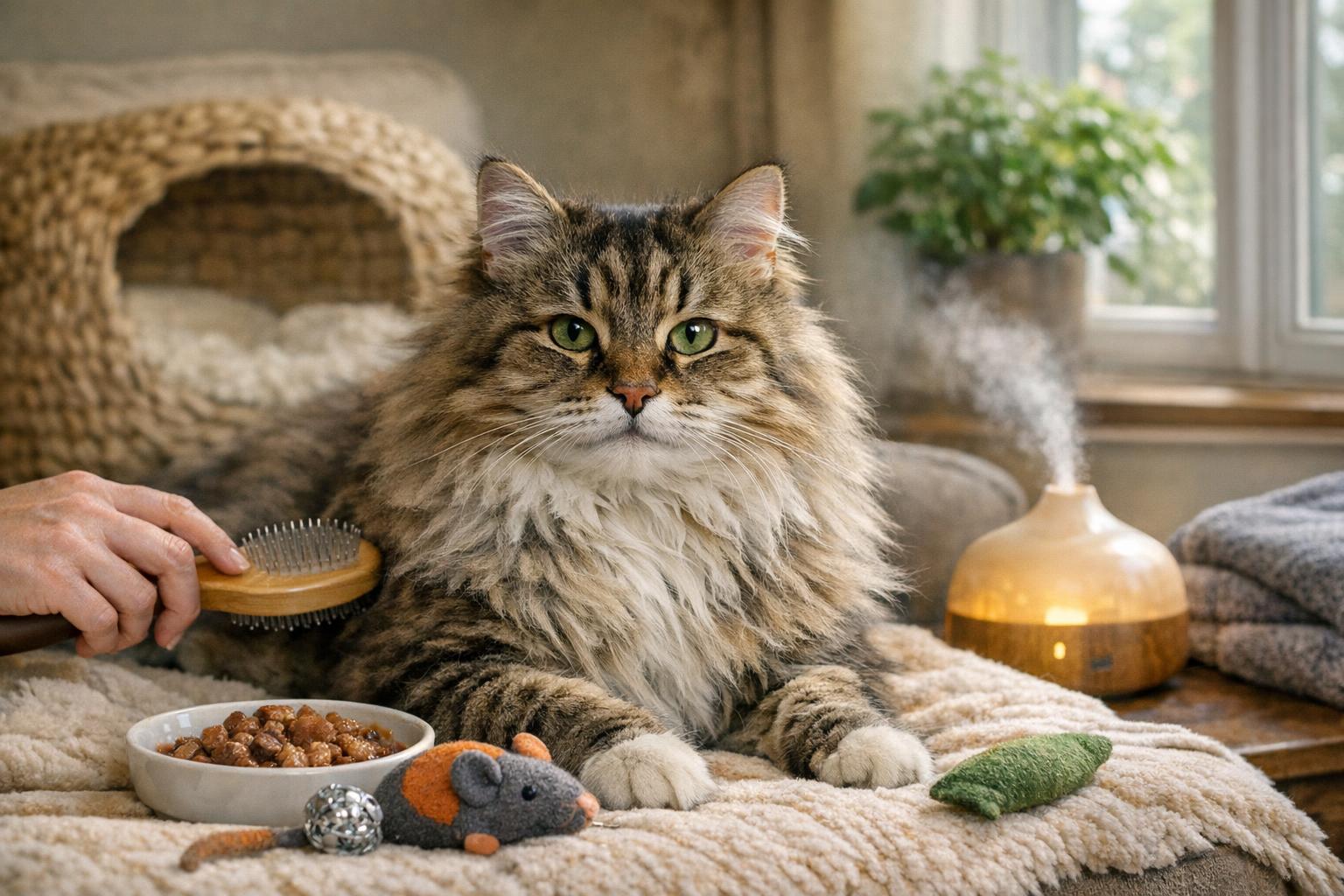
Frequent brushing removes dead hair and distributes natural oils. Use a soft brush for shorthaired cats and a slicker for longhair breeds. Brushing also stimulates blood flow to the skin.
Environmental factors matter more than many owners realize. Low humidity dries skin fast. In winter, run a small humidifier in rooms your cat spends time in. Keep the home dust-free and vacuum often; dust mites and airborne irritants worsen feline dry skin.
Hydration counts. Some cats drink better from fountains. If your cat eats only dry food, consider switching to a wet-food rotation or adding water to canned food. That extra moisture helps skin from the inside out.
Rotate grooming sessions so you don’t over-bathe. Most cats only need baths when absolutely necessary—overbathing strips oils and makes dryness worse. A gentle wipe-down with a damp cloth between full baths often keeps things tidy without trauma.
### Supplements, Probiotics, And Natural Boosters
Beyond fish oil, consider supplements made for skin health: omega-3 blends with balanced EPA/DHA, pet-specific vitamin E topical creams, and probiotics that support skin via gut health. Pick products with clear labels and avoid multivitamins that aren’t formulated for cats.
A lot of owners find measurable improvement within weeks after adding quality omega-3s plus better grooming. If you see no change after two months, that’s another reason to loop in the vet.
### When To Stop DIY And See The Vet
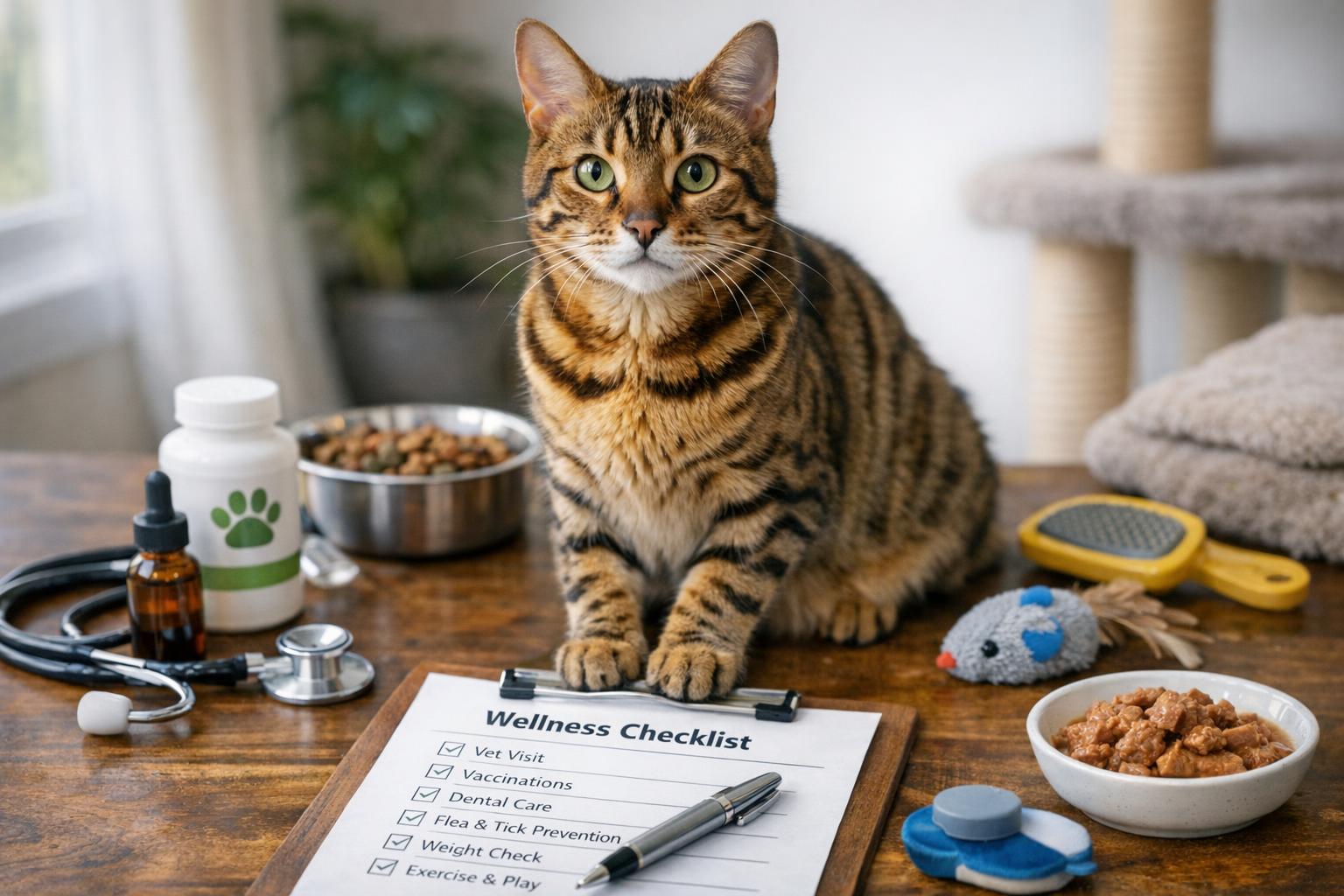
If there’s heavy hair loss, persistent sores, bad odor, or systemic signs like weight loss, fever, or lethargy, don’t delay. The vet can test for parasites, fungal infections, hormonal imbalances, and allergic causes. Some conditions require prescription shampoos, topical steroids, or allergy testing.
Also get help if the skin becomes infected—yellow crusts, oozing, or intense pain are not home-fix problems. Early treatment prevents bigger issues.
### Common Mistakes People Make
People tend to reach for human lotions and essential oils. That’s risky. Another common error is over-bathing. Washing a cat two or three times a month with a harsh soap will strip their natural oils and worsen dryness. Finally, treating symptoms without changing diet or environment often leads to relapse.
If you combine dietary changes, a modest topical routine, regular grooming, and a humidity fix, you’ll cover the basics that resolve most cases of home-manageable cat dry skin. But keep an eye on progress—and if in doubt, see a vet.




















Leave a Reply