

## Duck Care Basics Every Owner Should Know
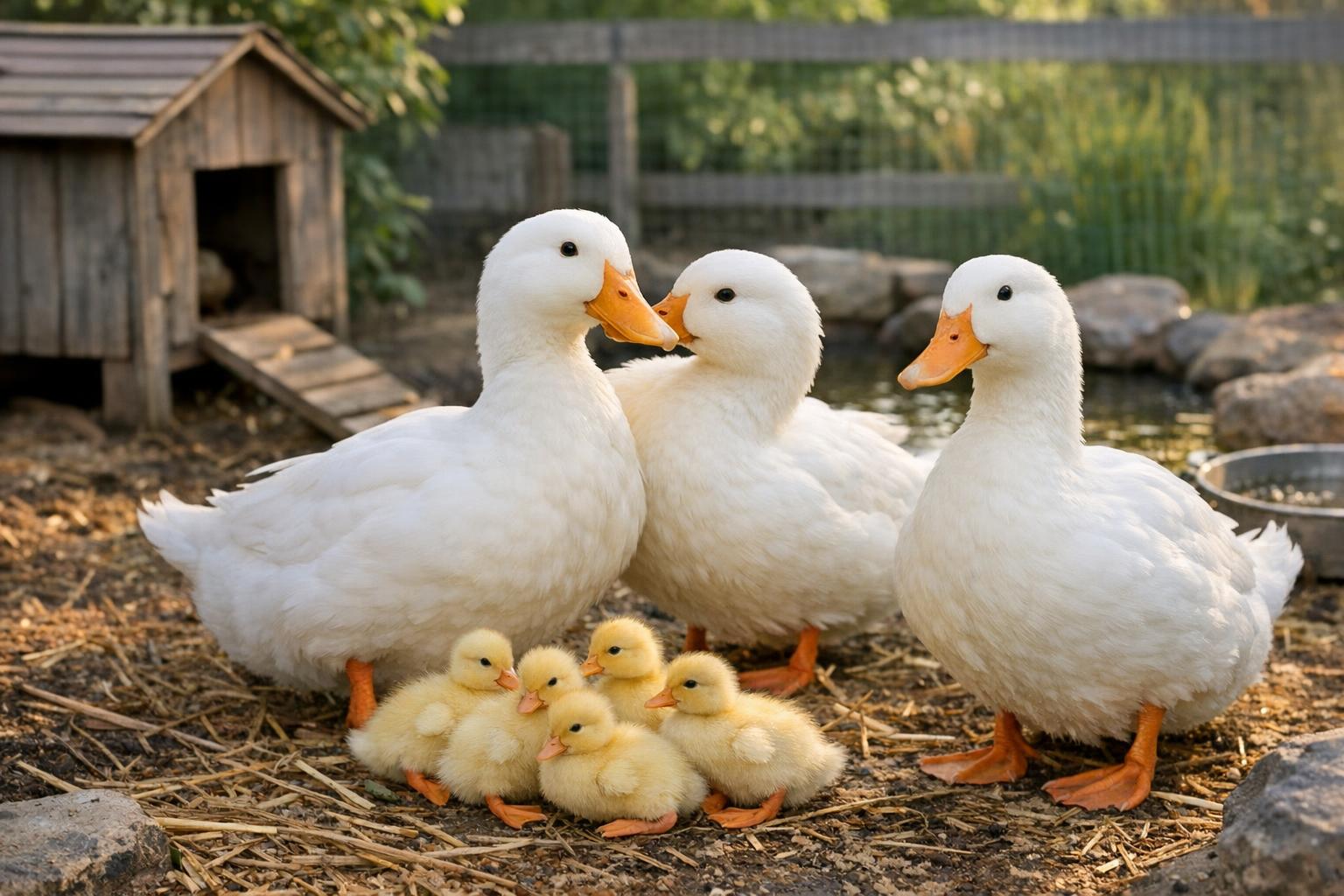
If you’re bringing ducks into your backyard, start with a few realities. Ducks are not just chickens with water wings. They have different needs for food, water, housing, and attention. Learn the practical parts up front and you’ll avoid the rookie mistakes that make duck life harder for you and the birds.
### Feeding And Nutrition
Ducks need a diet formulated differently than chickens. Commercial duck starter or grower feed is ideal for the first several weeks because it balances protein and niacin, nutrients ducks need to develop properly. After that, switch to a maintenance feed labeled for waterfowl or non-medicated game bird feed. If you try to get by on chicken layers long-term, you’ll see weak legs, poor feathering, and fewer eggs.
Ducks love treats, but use them sparingly. Cooked rice, peas, and chopped greens are good. Avoid salty human food, and never feed raw potato peels or avocados. When offering grit or oyster shell for calcium, make it available separately so ducks can choose. Free-choice grit helps with digestion, and calcium is crucial for layers.
Feeding tips:
– Provide feed in shallow troughs to prevent contamination.
– Replace wet feed quickly; ducks will kick water into feeders.
– Offer a splash of fish oil or fatty fish occasionally for extra omega-3s if you want richer yolks.
Say “no” to hand-feeding excessive bread. It fills them up without nutrients and can cause health issues over time.
### Water And Swimming Needs
Ducks need two kinds of water: drinking water and bathing/swimming water. They dip their heads, preen, and clear nasal passages while splashing. A small kiddie pool works fine for a few ducks. For larger flocks, a livestock water trough or a purpose-built pond is better.
Change the water daily in small pools; ducks will muddy it fast. For ponds, add a pump or aerator to keep it moving and reduce bacteria. Even so, watch for algae blooms and consider partial water changes every week or two.
Drinking water must be clean and accessible. Ducks dunk their bills so shallow bowls or nipple drinkers designed for poultry work well. If you use nipple drinkers, make sure they’re positioned low enough so ducklings can reach them.
### Housing And Fencing
Ducks are tougher on housing than you might expect. They don’t roost like chickens, so you don’t need high perches. But they do sleep in sheltered, draft-free spaces. Insulate the floor with straw or wood shavings, and keep bedding dry. Ducks will make a mess of bedding when they track water in from swimming, so plan for extra cleaning.
Space requirements:
– Duckling brooder: 1-2 square feet per chick initially, increasing fast.
– Adult ducks: aim for at least 6-8 square feet per bird in the coop and more in the run.
Predators are the real issue. Foxes, raccoons, and coyotes will dig under fencing if you leave gaps. Bury hardware cloth 12-18 inches into the ground or hammer in a skirt along the perimeter. Secure latches and close the coop at night; raccoons learn how to open simple latches.
Consider mobility. Many keepers use portable tractors or fenced runs that allow pasture rotation. It reduces parasite buildup and spreads their fertilizing impact across the yard.
#### Nesting Boxes And Eggs
Ducks lay in nests that should be low and roomy. Provide a nest box roughly 12 by 12 by 12 inches filled with soft straw. Keep nesting boxes darker and quiet; ducks prefer privacy. Replace soiled nesting material frequently. When collecting eggs, do it daily to discourage bad habits like broodiness at odd times and to keep eggs clean.
### Health Checks And Common Problems
A few routine checks prevent a lot of trouble. Watch for changes in appetite, droppings, feather condition, and breathing. Ducks often hide illness until it’s advanced, so small shifts matter.
Common issues:
– Bumblefoot: caused by rough surfaces and overuse. Inspect feet and trim rough areas. Use clean, dry bedding.
– Respiratory infections: look for wheezing or nasal discharge. Keep bedding dry and ventilated to reduce risk.
– Parasites: mites and lice happen. Regularly check the vent and under wings, and conduct seasonal treatments as needed.
– Angel Wing: a wing deformity in fast-growing ducks, often linked to excess protein and lack of exercise. Adjust diet and allow water time for exercise.
Vaccinations and worming schedules vary by region. Connect with a local poultry vet or extension service for precise guidance. Keep records of treatments and any unusual behavior.
### Breeding, Broody Behavior, And Ducklings
If you plan to hatch eggs, know that many duck breeds go broody and will sit on eggs until they hatch. When a hen goes broody, she’ll remain seated, be less active, and may respond aggressively if you disturb her. Decide ahead whether you want broody ducks; they can hatch and raise ducklings well but will need a safe nesting area away from predators.
Ducklings need warm, dry brooder space for the first few weeks. Heat lamps or brood plates work. Start at about 90°F for the first week and drop by 5°F each week until they’re fully feathered. Provide shallow water dishes so ducklings can dip their heads safely without drowning. A little pool for a supervised swim after the first week helps them exercise and practice preening.
Male ducklings can be loud once they mature. If noise is a concern in your neighborhood, choose quieter breeds or keep males farther from neighbors.
#### Molting And Feather Care
Ducks molt annually. During molt, they may stop laying eggs and appear ragged as old feathers fall out and new ones grow in. They need a calm environment and good nutrition during this time. Don’t trim wings unless you have a flight-risk issue; clipped wings can prevent escape from predators, but they also limit exercise.
### Integrating Ducks With Other Animals
Ducks get along fine with some other poultry but not all arrangements work. They can coexist with chickens, particularly if space is adequate and both species have separate feeding areas. Chickens and ducks have different feed needs; avoid feeding ducks strictly chicken feed.
Keep an eye on pecking and resource guarding. Ducks are usually lower in the pecking order, so provide multiple feeding stations and refuges. Avoid mixing small bantams with larger duck breeds where bullying could occur.
### Practical Maintenance And Seasonal Tasks
Maintenance is less glamorous than cute ducklings but more important. Clean water containers daily. Replace bedding when damp. In winter, clear snow from pathways and keep drinkers from freezing with a heater or warmed waterers. In summer, provide shade and extra cool water so ducks don’t overheat.
Record keeping saves time later. Note hatch dates, medical treatments, and mortalities. If a duck falls sick, having a recent history makes diagnosis faster and more accurate.
A final note: expect mess. Ducks are naturally messy around water and will make the yard look lived-in. Proper planning—durable surfaces where they swim, fenced areas, and regular cleanup—turns that mess into manageable work rather than an ongoing problem. Little choices early on make duck keeping sustainable for years to come, and you’ll recieve steady rewards from healthy, content birds.











Leave a Reply