

You Won’t Believe What’s Lurking In Your Reptile’s Shed—And How A Tiny Mistake Can Turn Ecdysis Into A Nightmare! Owners Are Stunned As Simple Home Tweaks Save Scales Overnight.
## Shocking Reptile Shedding Support Secrets Revealed
Every reptile owner thinks shedding is routine—until their lizard, snake, or gecko gets stuck in an agonizing, patchy molt. This is not fluff: improperly managed ecdysis can lead to retained spectacles, constricting bands, and infection. The good news? Little-known, science-backed reptile shedding support strategies can change the game. Read on if you dare—these revelations will feel shocking, but they are practical and achievable.
## Reptile Shedding Support Exposed: The Hidden Crisis
Most vets see the same pattern: enclosure humidity too low, hides absent or wrong, and stress levels ignored. The result is a cascade of problems that start with poor reptile shedding and escalate to secondary infections. In many captive environments the natural cues that trigger smooth ecdysis are missing. That’s why targeted reptile shedding support matters: it recreates the microclimate your pet needs and prevents complications before they start.
### How Ecdysis Goes Wrong In Captivity
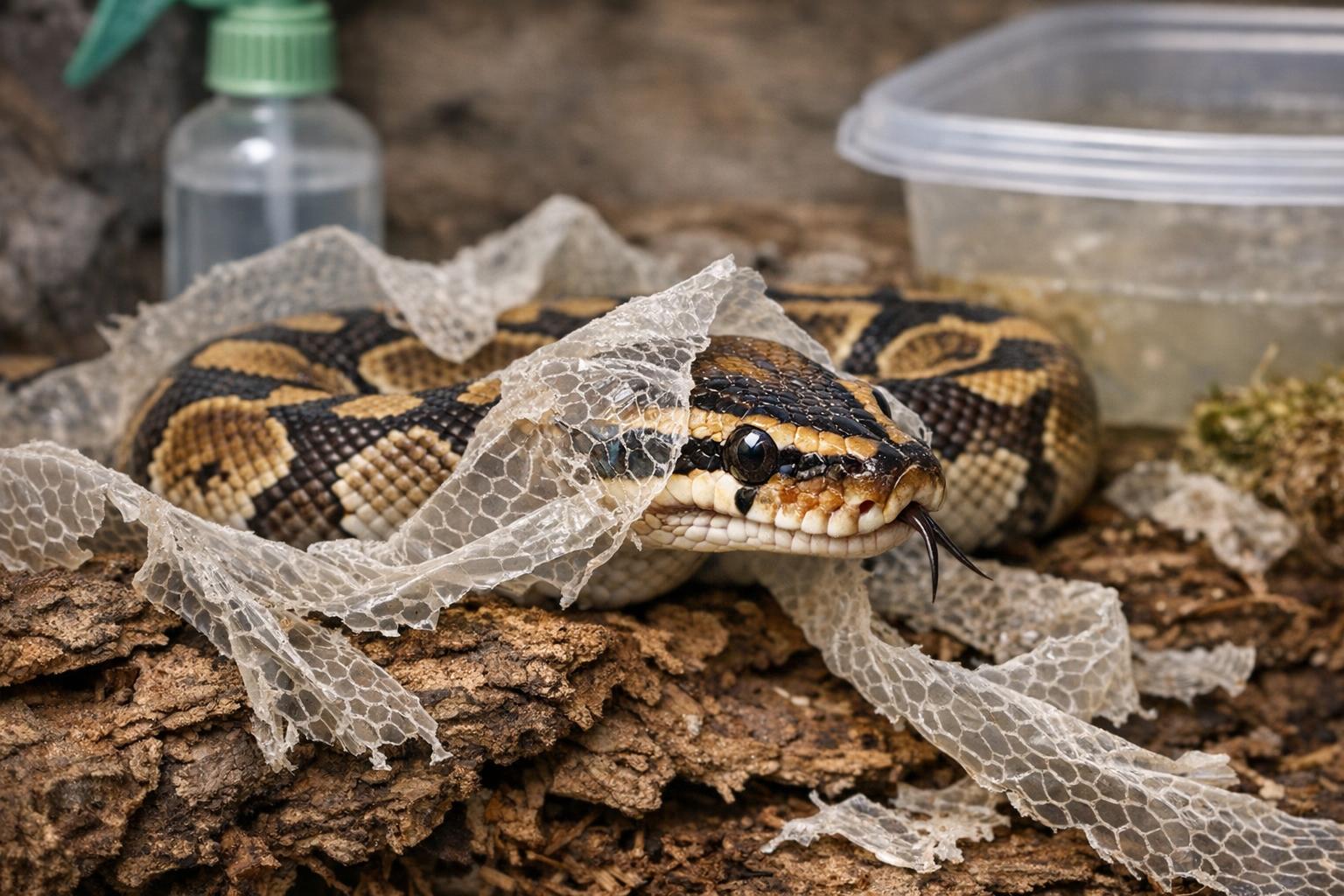
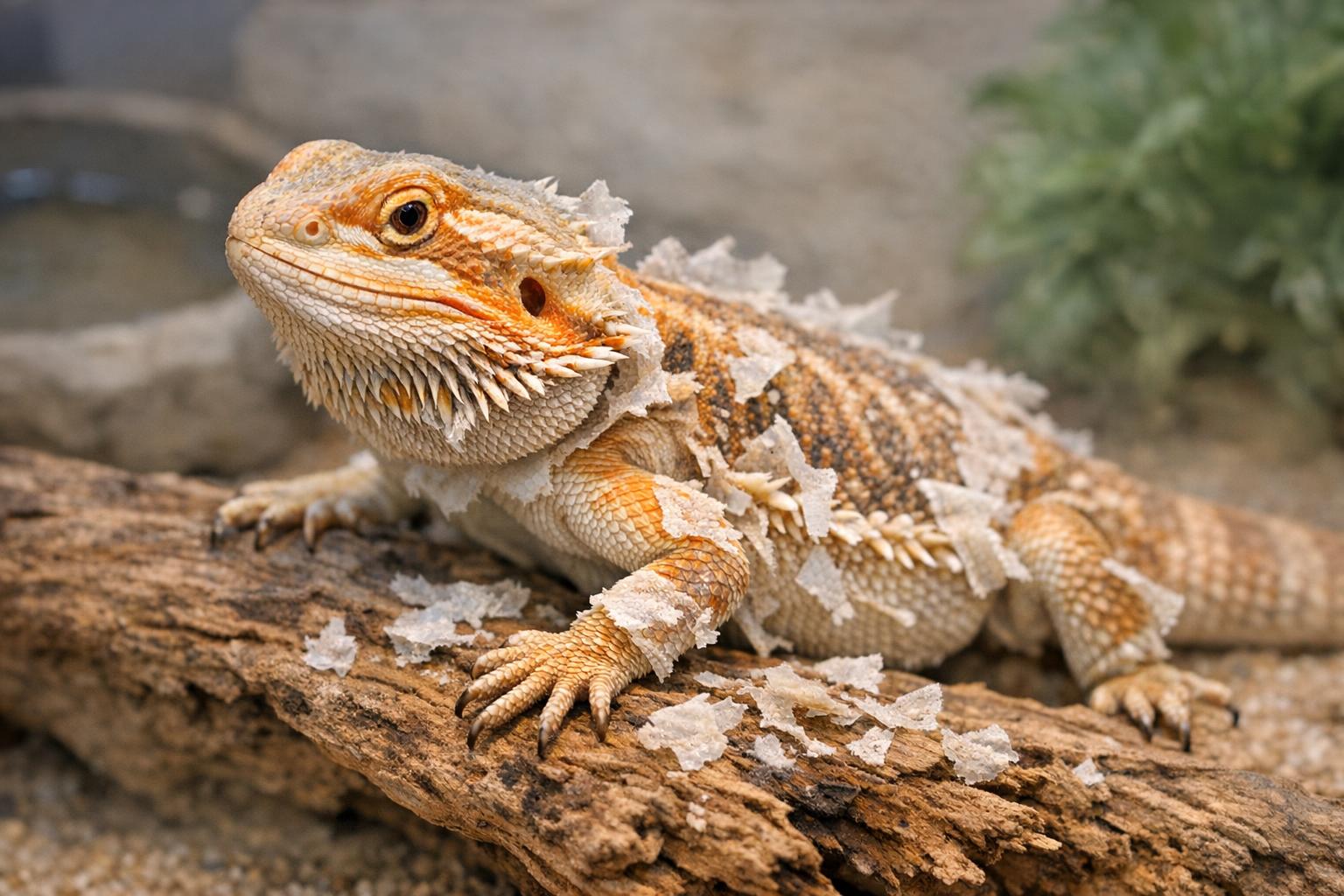
When a reptile’s environment is dry, skin becomes brittle and cannot slough cleanly. That means retained pieces cling to toes, tails, and eyes. Retained eye caps are especially urgent—if left untreated they can cause permanent vision loss. This is where conscientious ecdysis care reptile enthusiasts intervene, with humidity adjustments, supportive soaks, and specialized hides.
### Signs You Need Immediate Reptile Shedding Support
– Dull, powdery appearance that does not flake off.
– Patches of skin trapped around toes or tail.
– Eye caps still present after one normal shed cycle.
– Refusal to eat or lethargy during a prolonged shed.
## 1. Humidity Soak Remedy For Reptile Shedding Support
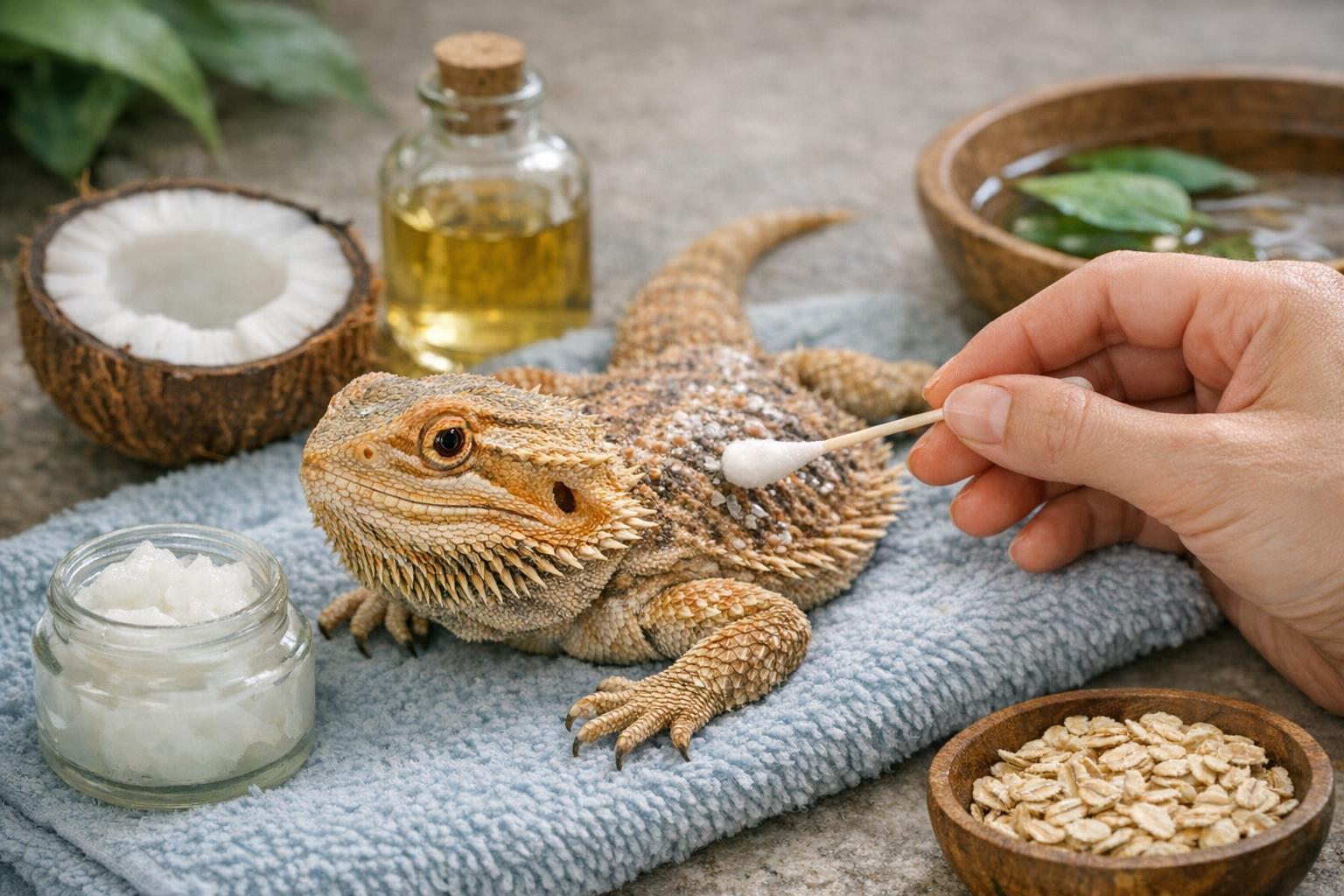
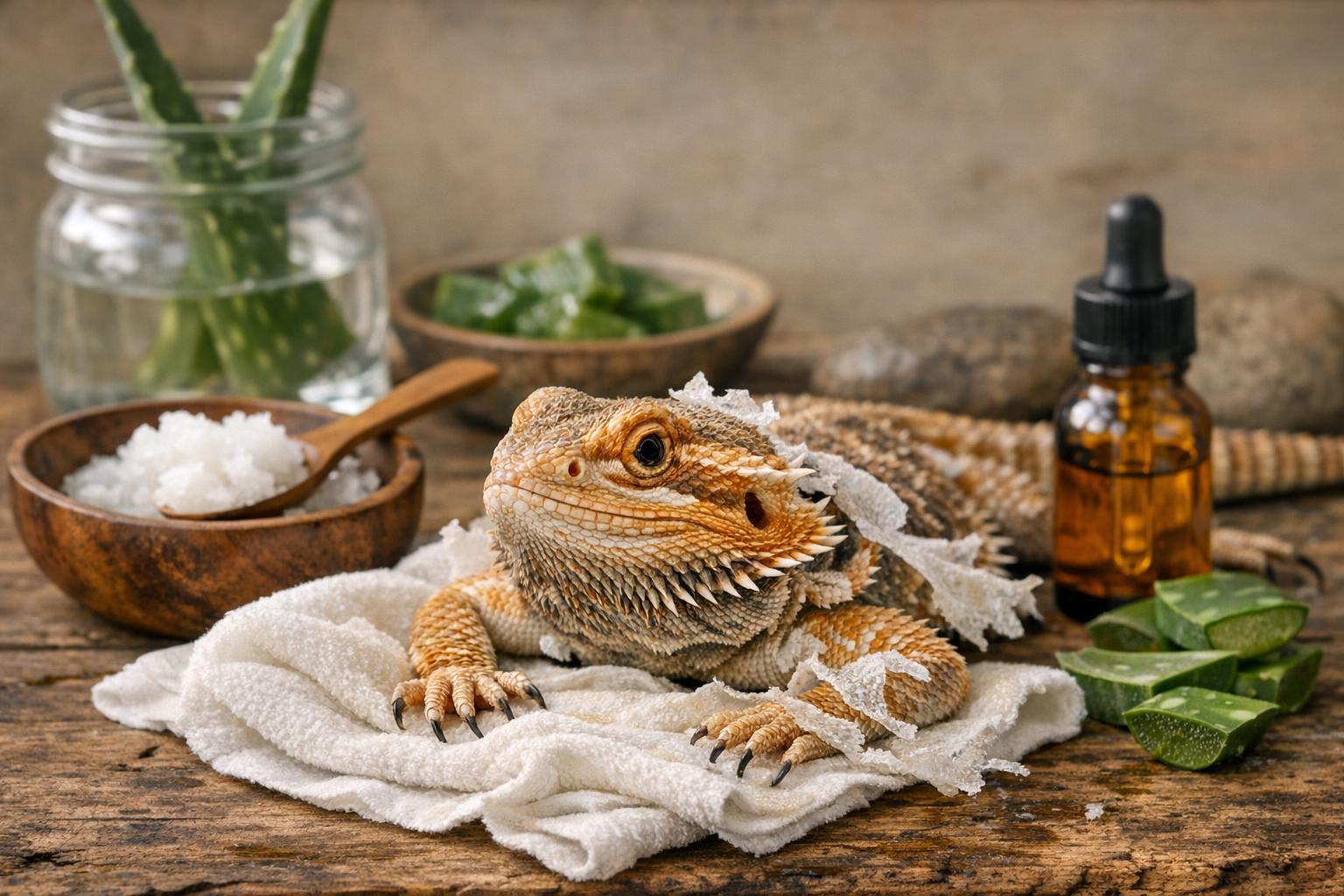
This is the go-to emergency intervention: a controlled, warm humidity soak that helps loosen retained shed safely. Use this remedy when small areas are stuck or the animal shows mild discomfort. When applied correctly, it speeds shedding without stress.
### Formal Materials And Ingredients
– Clean, shallow plastic tub large enough for the reptile to sit comfortably.
– Warm water (not hot): 30–35°C (86–95°F) — confirm with a thermometer.
– Optional: 1–2 teaspoons of disposable iodine-free saline rinse (for reptiles prone to infection) or a reptile-safe electrolyte solution (very diluted).
– Soft, clean towel.
– Gloves for handling if the animal is nervous.
### Formal Step-By-Step Creation And Application
1. Prepare the Soak: Fill the tub with 2–3 inches (5–8 cm) of warm water. Ensure the temperature is safe (30–35°C). The water should not submerge the reptile; it should cover only the belly and lower limbs for lizards or be shallow enough for snakes to slither while still keeping their head above water.
2. Gentle Introduction: Calmly place the reptile into the shallow water on a towel or hand, supporting its body. Keep handling minimal to avoid stress.
3. Soak Duration: Let the reptile soak for 10–20 minutes. Monitor breathing and behavior. If the animal becomes agitated, remove immediately.
4. Assist If Needed: For areas of retained skin, use a damp, soft cloth to very gently rub the stuck skin in the direction of growth. Do not pull. If a scale or eye cap resists, stop; consult a vet.
5. Drying: Remove the reptile, pat gently with a towel, and return to a warm, humid hide. Do not place cold animals directly under heat lamps; reintroduce to normal enclosure gradient.
6. Frequency: Repeat once daily for up to 3 days. If there is no improvement or if the condition worsens, seek veterinary care.
This method is effective and conservative, giving sensible reptile shedding support without invasive measures. It’s essential to be precise about temperature and duration to prevent hypothermia or stress.
## 2. DIY Humidity Hide For Ecdysis Care Reptile And Reptile Shedding Support
Humidity hides are the preventive powerhouse: create a microclimate that dramatically reduces problematic sheds. This second remedy is for regular maintenance and to support natural shedding cycles.
### Materials Needed
– Plastic storage box with lid (size appropriate for your reptile).
– Substrate: moist sphagnum moss, coconut coir, or paper towels.
– Drill or sharp tool to make 2–4 ventilation holes.
– Hygrometer/thermometer probe (small model).
– Optional: hide box décor to create a snug entrance.
### Construction And Use Steps
1. Prepare The Box: Drill 2–4 small holes near the top for minimal airflow. The goal is retained humidity, not a sealed sauna.
2. Add Substrate: Fill the base with 2–3 inches of well-moistened sphagnum moss or coir. It should be damp but not dripping. Squeeze any excess water before placing it inside.
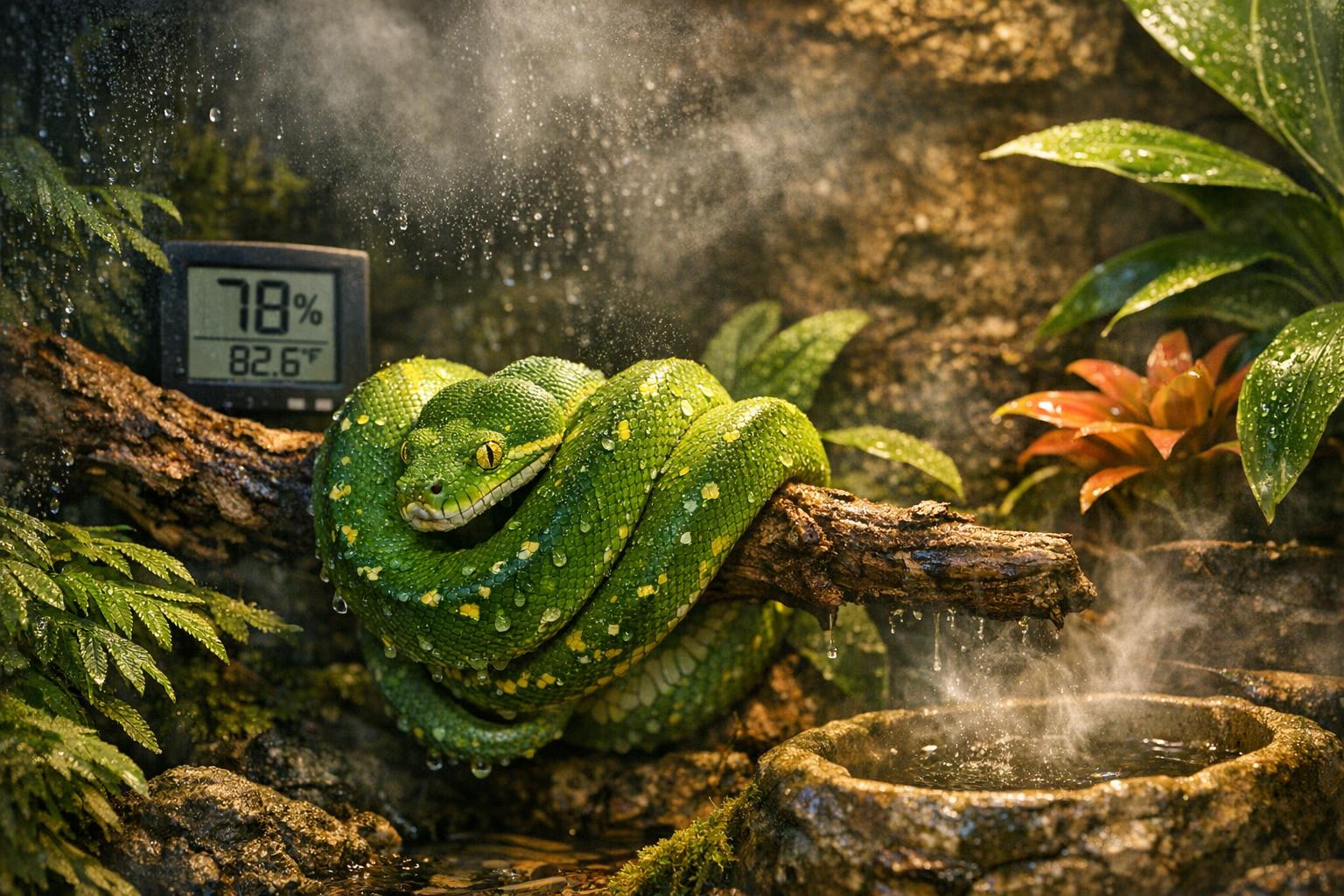
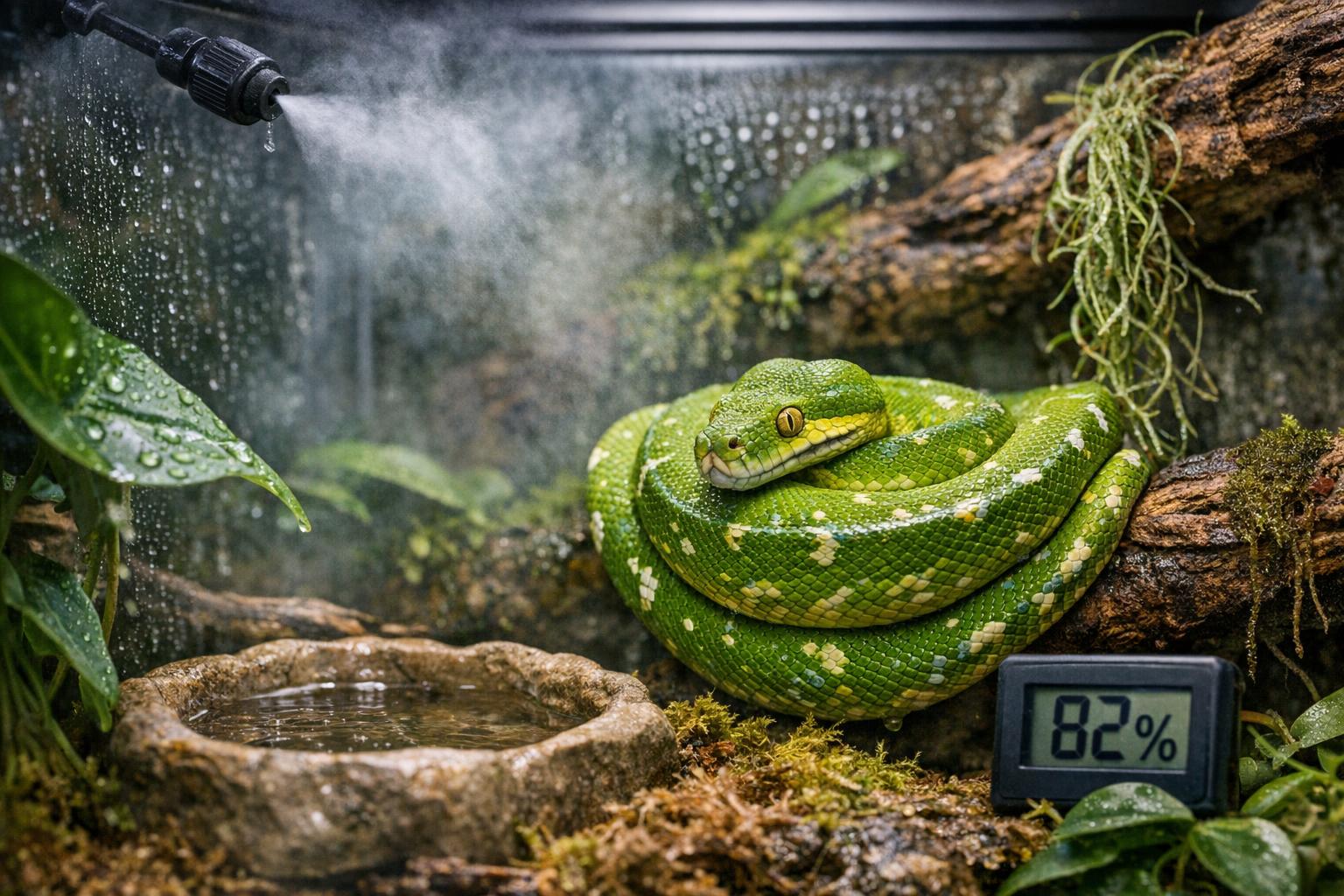
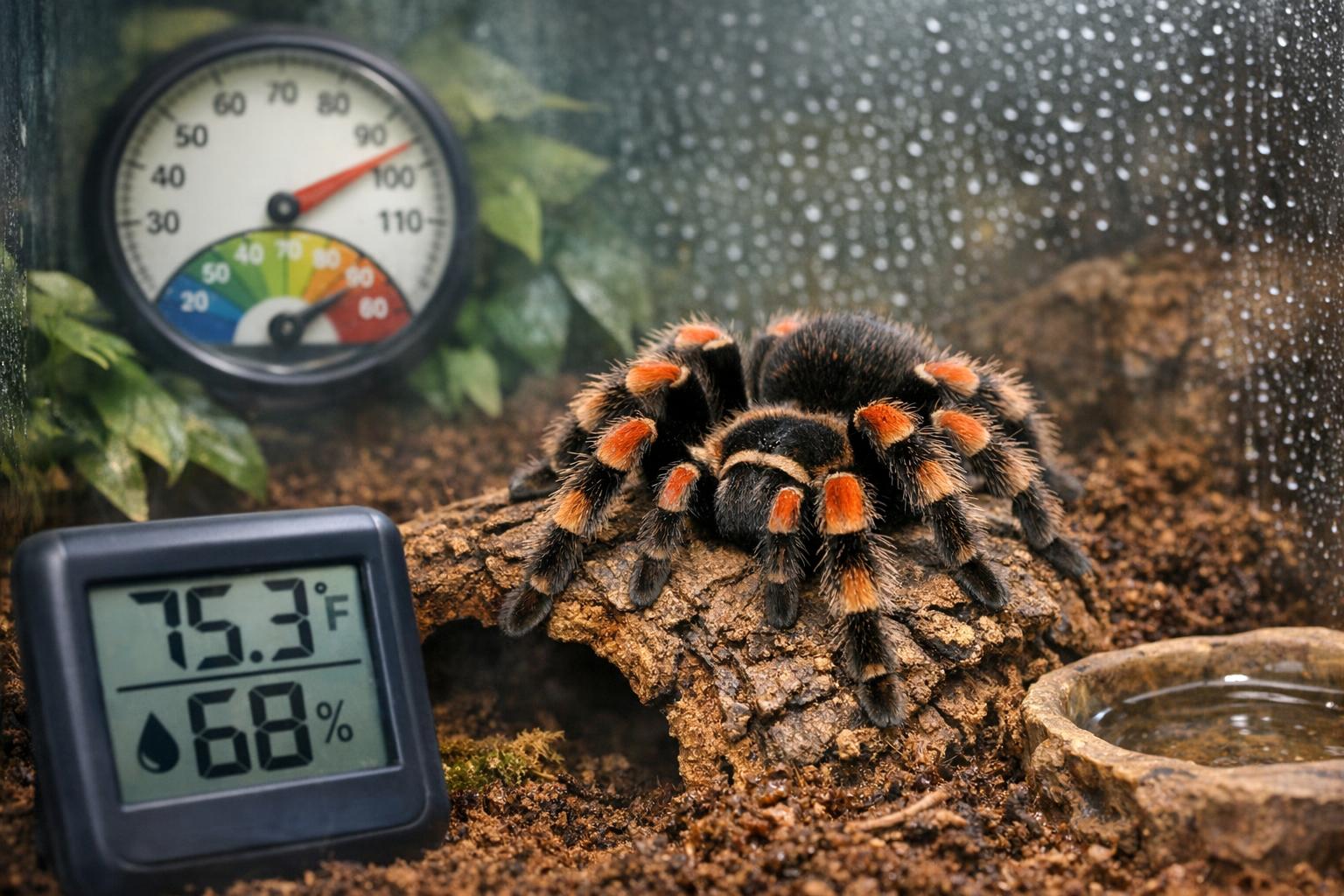
3. Place Hygrometer: Put a small hygrometer inside and note baseline humidity when closed. Aim for species-specific targets: many tropical species require 70–90% relative humidity during shedding; arid species benefit from a localized humid hide at 50–60% to assist mild sheds.
4. Position In Enclosure: Place the hide on the warm side or mid-gradient depending on species. The reptile should be able to enter and leave at will.
5. Maintenance: Replace substrate when mold appears or every 2–4 weeks. Re-moisten as needed. Check the hygrometer regularly.
Using a properly constructed humidity hide is one of the best long-term methods of ecdysis care reptile keepers use to prevent retained skin and reduce the need for emergency soaks.
#### Important Safety And Signs Of Distress
If you notice abnormal swelling, open sores, or severe lethargy during a shed, do not attempt home remedies beyond supportive soaks. Retained eye caps or constricting bands around digits require veterinary intervention. Infections need professional antibiotic care.
## Wild Secrets Vets Rarely Say About Reptile Shedding
Veterinarians often see relief when owners implement two simple things: consistent environmental gradients and reliable micro-habitats. Surprising as it sounds, the timing of feeding and handling plays a role in successful reptile shedding. Avoid major handling for 48–72 hours before and during a shed. Overhandling increases stress hormones that disrupt the natural shedding process. Additionally, diet affects skin health—insufficient hydration or improper vitamin balance can make skin weak and more likely to stick.
### Monitoring And Environmental Tweaks
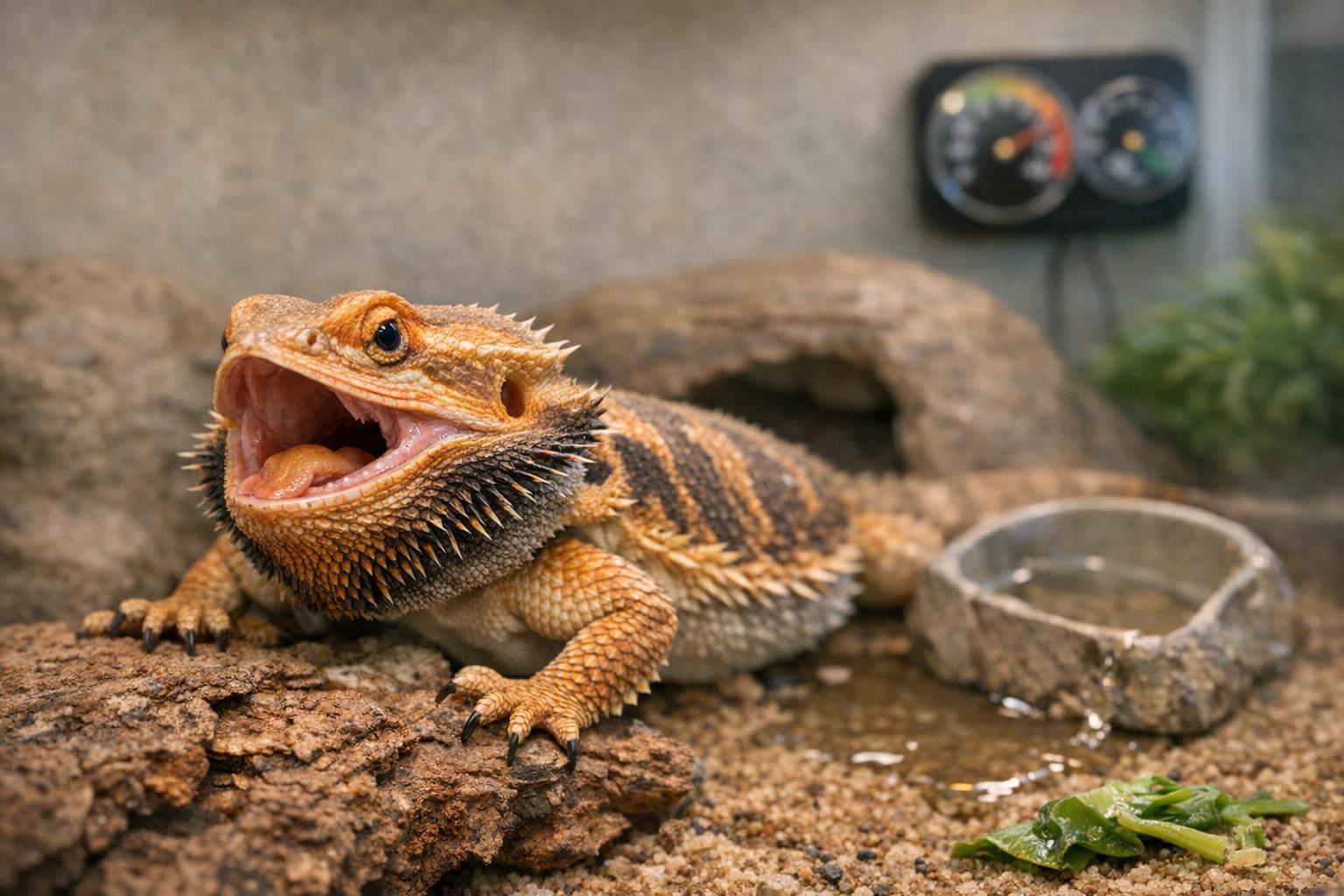
Measure humidity and temperature daily. For many species, increasing nighttime humidity by a few percentage points makes a huge difference. Small changes—adding live plants, adjusting substrate moisture, or installing a misting system—are often all that stands between a clean shed and a crisis. If you provide focused reptile shedding support with regular checks, most reptiles will come through ecdysis on schedule and without complications.
### When To Get Professional Help
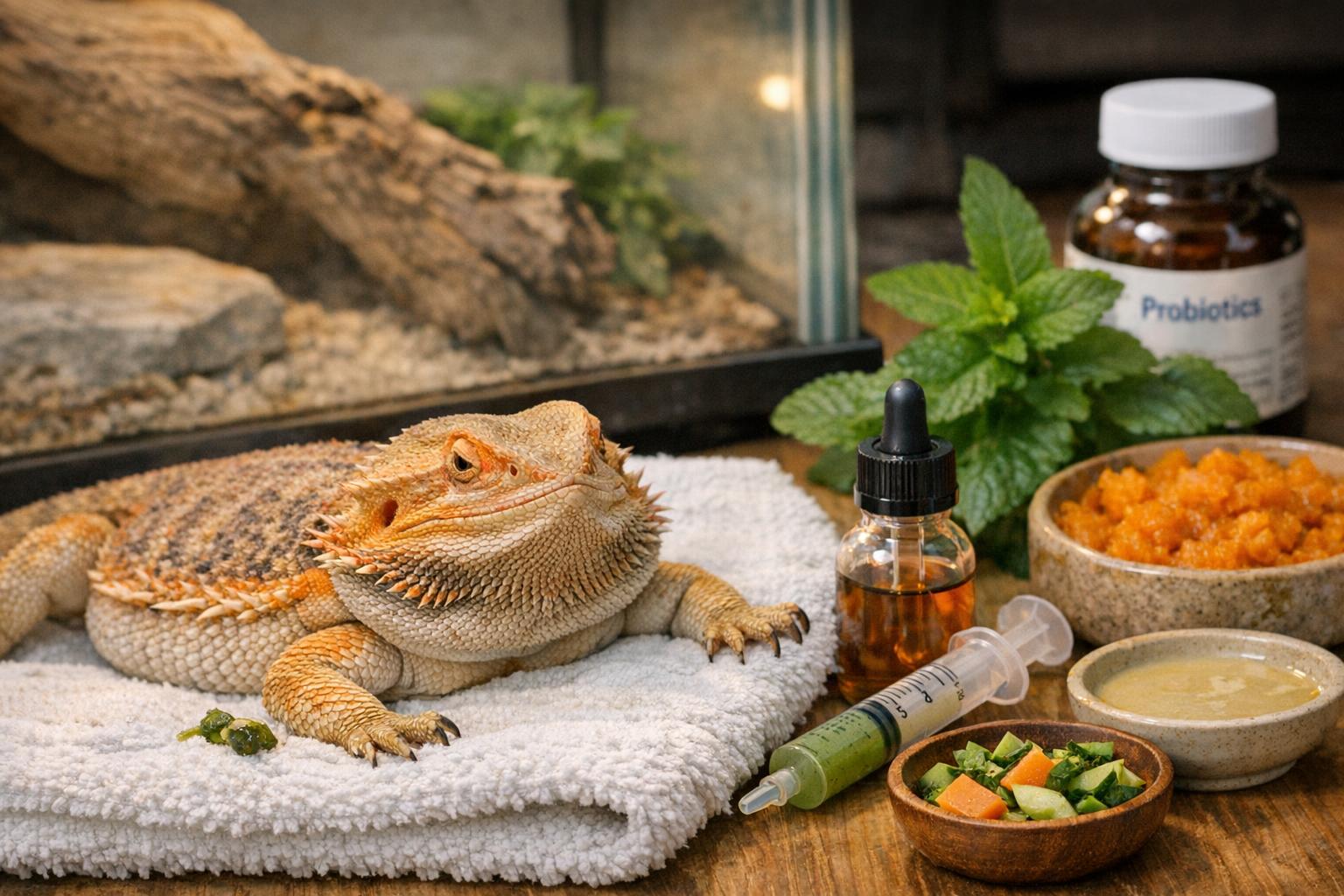
If an animal is in pain, has blue-tinged or necrotic tissue, or shows retained eye caps after a soak and humidity hide attempt, it’s time to see a vet. Mention your ecdysis care reptile attempts and any home remedies used. Veterinarians can safely remove retained skin under sedation and treat secondary infections, preserving limb and eye function.
### The Astonishing Truth About Prevention
The most shocking finding? Owners who proactively provide humidity hides and occasional supervised soaks report nearly zero emergency vet visits for shedding problems. That’s why targeted reptile shedding support is not optional—it’s essential. With accurate monitoring and the two remedies outlined above, you can dramatically reduce the odds of painful, dangerous retained sheds.
You now have the secrets: a quick emergency soak and a durable humidity hide. Apply these thoughtfully, follow safety checks, and watch your pet thrive during ecdysis. No more panic, no more improvised risky measures—just reliable reptile shedding support that actually works.









Leave a Reply