



## Calcium Supplementation For Turtles: A Practical How-To
Turtles kept at home rarely get everything they need from diet alone. If you skip calcium supplementation for turtles, you risk soft shells, slow growth, and metabolic bone disease. It’s not glamorous, but paying attention to calcium will keep your turtles active and their shells strong.
## When To Start Supplementing
Young turtles need the most attention. Hatchlings and juveniles are growing quickly and demand more calcium than adults. If you’re raising a hatchling or a juvenile red-eared slider, painted turtle, or box turtle, plan to supplement routinely. Adults still need attention, but frequency can be reduced once growth stabilizes.
### Signs Your Turtle Needs More Calcium
Watch the shell first. Soft or pliable scutes, dents, or a shell that doesn’t harden after the animal molts are red flags. Other signs include slow limb movement, poor appetite, bowed legs, and abnormal jaw shape when the beak seems soft or overgrows. You might also notice lethargy or frequent infections. These are not subtle problems. If you see them, contact a reptile vet.
## Practical Sources Of Calcium
Provide calcium from multiple sources. Variety reduces the chance of gaps.
#### Cuttlebone And Calcium Blocks
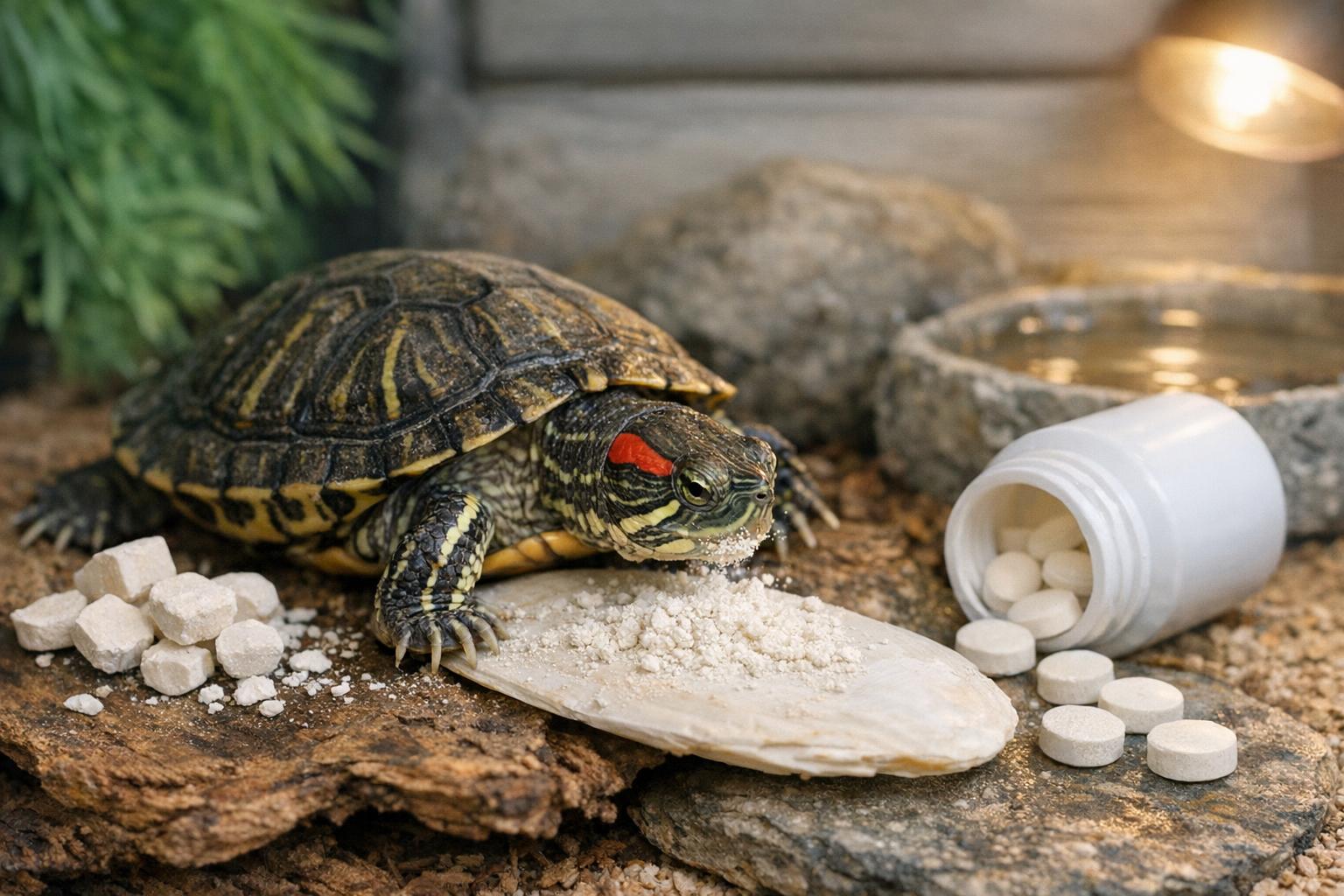
Tie a cuttlebone inside aquatic enclosures or leave a calcium block in the tortoise pen. Turtles will chew on them. This is one of the simplest ways to offer supplemental calcium without forcing powders at every feeding.
#### Powdered Supplements
Plain calcium carbonate powder is the standard. Dust feeder insects, commercial pellets, or vegetables lightly right before offering the food. For juveniles, dust daily. For adults, 2–3 times a week usually suffices. If you use a powder that includes vitamin D3, use it less often because D3 accumulates.
#### Diet Components
Leafy greens like collard greens, mustard greens, and dandelion provide bioavailable calcium. Avoid over-relying on spinach and beet greens; they bind calcium with oxalates. Pellets marketed to turtles can be a steady base, but don’t assume they cover everything. Check labels for calcium-to-phosphorus ratios.
## How To Use Supplements Safely
Frequency and type matter more than forcing high doses. Here’s how to be both effective and safe.
### Dusting Strategy
– Juveniles: Dust food every feeding with plain calcium carbonate.
– Adults: Dust food 2–3 times per week.
– Vitamin D3 powders: Use sparingly. If your turtle gets strong UVB exposure, prefer plain calcium. If it gets little or no UVB, use a D3-containing powder but consult a vet about frequency.
Don’t pile powder on. Use a light, even coating. If the food is wet, powder will clump and you’ll oversupply accidentally.
### UVB And Lighting
Calcium isn’t just a supplement issue. Without UVB light the turtle can’t synthesize vitamin D3 efficiently in the skin. That vitamin D3 is crucial for absorbing calcium from the gut. So adding UVB lighting is not optional if your turtle is indoors. Replace bulbs on schedule—most reptile UVB bulbs lose effectiveness after 6–12 months even if they still glow.
### Calcium To Phosphorus Balance
Aim for a calcium-to-phosphorus ratio around 1.5:1 to 2:1 in the overall diet. High-phosphorus foods—some fish, processed diets, and certain treats—can tip this balance. If a commercial food lists a poor ratio, compensate with more vegetables and calcium supplementation. You don’t need to calculate it for every meal, but keep the balance in mind.
## Specific Tips For Different Species
Different species need different approaches. Be species-specific when planning supplementation.
### Aquatic Turtles
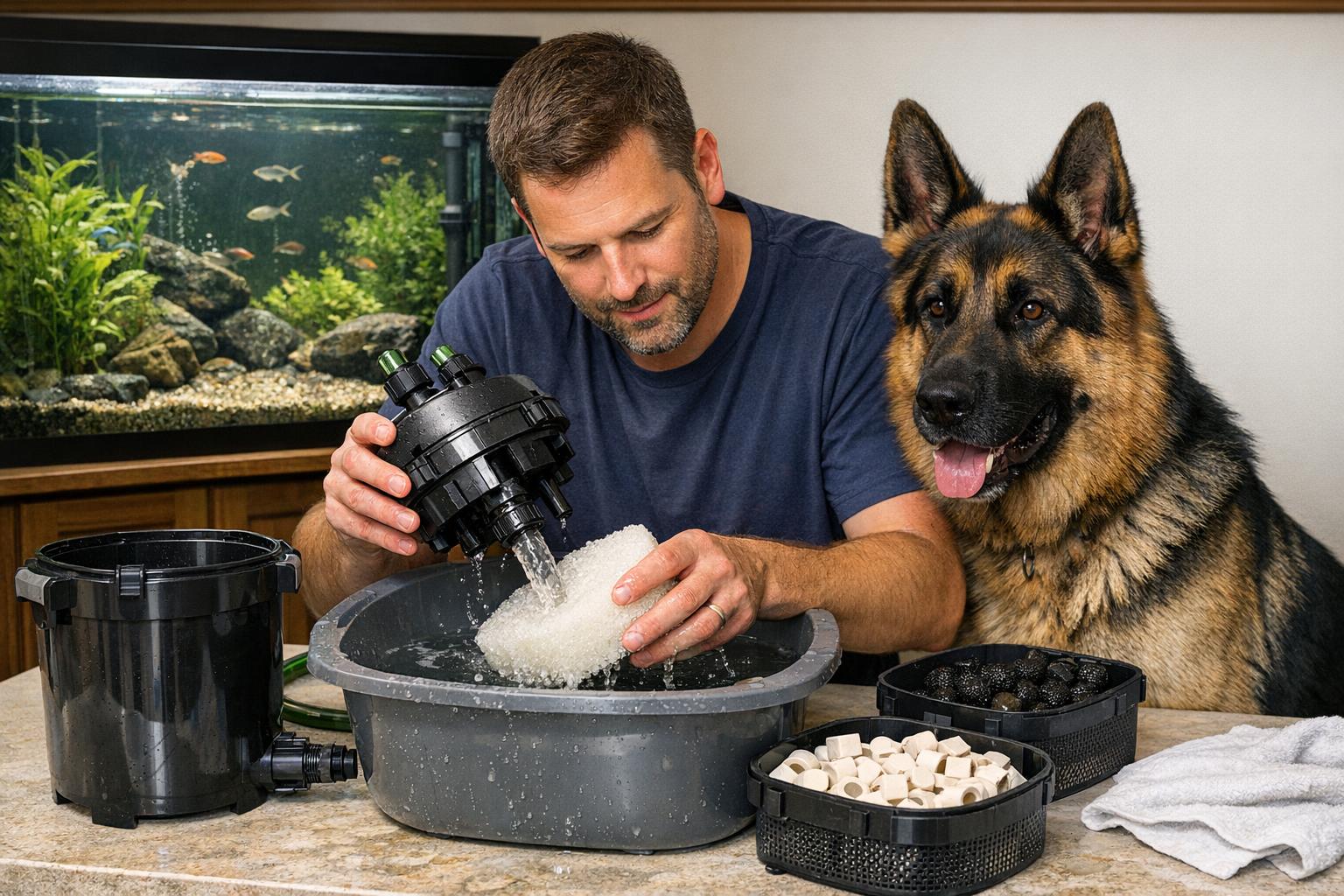
Red-eared sliders and other aquatic species benefit from cuttlebone hung in the tank and powdered calcium on feeder fish or pellets. Offer basking spots under a UVB lamp to boost vitamin D3 production. Since they’re prone to shell problems when water quality and lighting are off, check filters and bulbs regularly.
### Box Turtles And Tortoises
Terrestrial species often eat more salad-type foods and can graze on cuttlebone pieces. For herbivorous tortoises, frequent calcium dusting and abundant high-calcium greens are essential. Young tortoises are especially prone to MBD if calcium is neglected.
## Avoiding Common Mistakes
A few avoidable habits cause most problems.
### Over-Supplementing Vitamin D3
Vitamin D3 is fat-soluble and stores in the body. Excess can cause calcification of organs. Use D3 supplements only under veterinary advice, especially if the turtle has good UVB exposure.
### Relying Solely On Commercial Pellets
Some pellets help, but they’re not a replacement for varied diet and supplementation. Inspect labels and use pellets as part of a broader plan.
### Ignoring Water And Lighting
Good calcium for turtles must be paired with proper UVB and clean water. If you supplement heavily but the turtle avoids the basking area or the bulb is old, the extra calcium doesn’t solve the root problem.
## When To See A Vet And What To Ask For
If you suspect metabolic bone disease or if your turtle shows shell deformities, see an experienced reptile vet. Ask for radiographs and a discussion of supplementation and lighting. Blood calcium levels can be tested, though they vary with stress and time of day. A vet can create a tailored plan that balances dietary changes, supplemental calcium, and vitamin D3 if necessary.
### What A Good Treatment Plan Includes
– A clear dietary change emphasizing low-oxalate greens and calcium-rich items.
– A UVB lighting schedule and replacement timeline.
– A supplement regimen stating frequency and type of calcium product.
– Follow-up imaging to monitor shell recovery.
## Practical Shopping And Dosage Notes
Not all calcium powders are the same. Choose plain calcium carbonate or calcium citrate for routine use. Avoid mixed formulations with high vitamin D3 unless your vet recommended them.
If you’re using commercial treat sticks or blocks marketed as “turtle calcium,” read labels. Some are primarily mineral with useful calcium; others are filler. Cuttlebone is cheap and reliable. Ties to secure it in the enclosure make it less messy.
If you feed feeder insects, gut-load them with calcium-rich foods before feeding to your turtle. This improves the nutritional value of every bite.
## Daily Routines That Help
Small habits add up. Keep a simple feeding log for young turtles: note when you dusted food, bulb replacement dates, and any shell observations. Check basking temperature and UVB bulb position weekly. Rotate greens so the turtle sees variety and avoid feeding too much fruit. Turtles with regular, modest calcium support do better than those on sporadic large doses.
A tank with a clean basking area, a solid UVB source, and a cuttlebone in reach covers most bases. Then supplement sensibly. You’ll see better shell hardness and steadier growth.
## Troubleshooting Common Questions
What about spinach and kale? Use kale and collards. Spinach binds calcium due to oxalates, so don’t make it a staple. Should you use liquid calcium? Those are rarely necessary and can be messy. Powdered calcium is simple and effective. How often to replace cuttlebone? When it’s chewed down or heavily fouled.
If you’re still unsure, ask a vet. It’s better to adjust a program early than to treat advanced shell disease later. Definately get a pro opinion if you’re seeing worrying signs.












Leave a Reply