







Welcome to a friendly, not-too-judgy walkthrough for keeping your tiny furball happy and healthy. This hamster care guide is packed with practical, pet-safe tips and a couple of gentle home remedies you can try if the little critter gets into a minor scrape or an occasional tummy wobble. Think of it as the cozy handbook you wish you had when your hamster first arrived—without the confusing vet-speak and with just enough humor to make cage-cleaning slightly less soul-crushing.
## Hamster Care Guide: Daily Routine
A predictable routine keeps hamsters calm and gives you plenty of chances to spot problems early. Check your hamster daily: activity level, appetite, breathing, fur condition, eyes, and droppings. If something feels off, jot it down. A quick note about what changed and when will be a huge help if you call your vet.
### Morning Check
Spend a minute assessing food and water levels, wheel function, and whether the bedding is dry. Refill fresh water and replace any spoiled fresh foods. Hamsters are crepuscular (active at dawn and dusk), so morning checks are ideal.
### Evening Enrichment
Offer a small treat or rotate a safe chew toy. Hamsters need stimulation: tunnels, nesting material, and a wheel sized appropriately for their breed prevent stress-related behaviors like bar gnawing. Short supervised playtime outside the cage in a secure area is a lovely bonus.
## Basic Habitat Essentials
Good housing is the backbone of any hamster care guide. Size matters—larger cages with solid floors are better than tiny tubes; for dwarf hamsters aim for at least 360 sq in of floor space, and for Syrians more space is always nicer. Provide deep bedding for burrowing (paper-based, hemp, or aspen), a quiet hide box, a solid-surface exercise wheel (no wire rungs), and chew blocks to maintain dental health.
Temperature should be stable: 65–75°F (18–24°C) is comfortable. Avoid direct sunlight, drafts, and high humidity which can lead to respiratory problems or the distressing ringtail condition in extreme cases. Cage placement matters: a calm room away from loud appliances and other pets will reduce stress.
## Nutrition And Feeding
A balanced hamster diet blends a high-quality pellet or seed mix with occasional fresh foods. This part of the hamster care guide focuses on variety and moderation: small amounts of plain cooked egg, bits of apple (no seeds), cucumber, or grated carrot as treats. Avoid sugary, salty, or fatty human junk food.
Fresh water must be available at all times via a sipper bottle or shallow bowl anchored to the cage. Change water daily and clean the bottle weekly. Remove uneaten fresh food promptly to prevent spoilage.
## Common Health Concerns And When To Call The Vet
This hamster care guide emphasizes prevention, but even the best setups need a plan for illness. Common issues include:
– Loss of appetite or lethargy
– Wet tail or diarrhea
– Respiratory symptoms (sneezing, wheezing)
– Overgrown teeth
– Lumps or wounds
If you see any of these signs, contact a knowledgeable exotic pet veterinarian. Home remedies below are for minor, non-life-threatening issues only. For anything serious—bloody wounds, severe breathing problems, sudden collapse—seek urgent vet care.
## Remedies 1: Minor Wound Care (Saline Cleanse And Calendula Application)
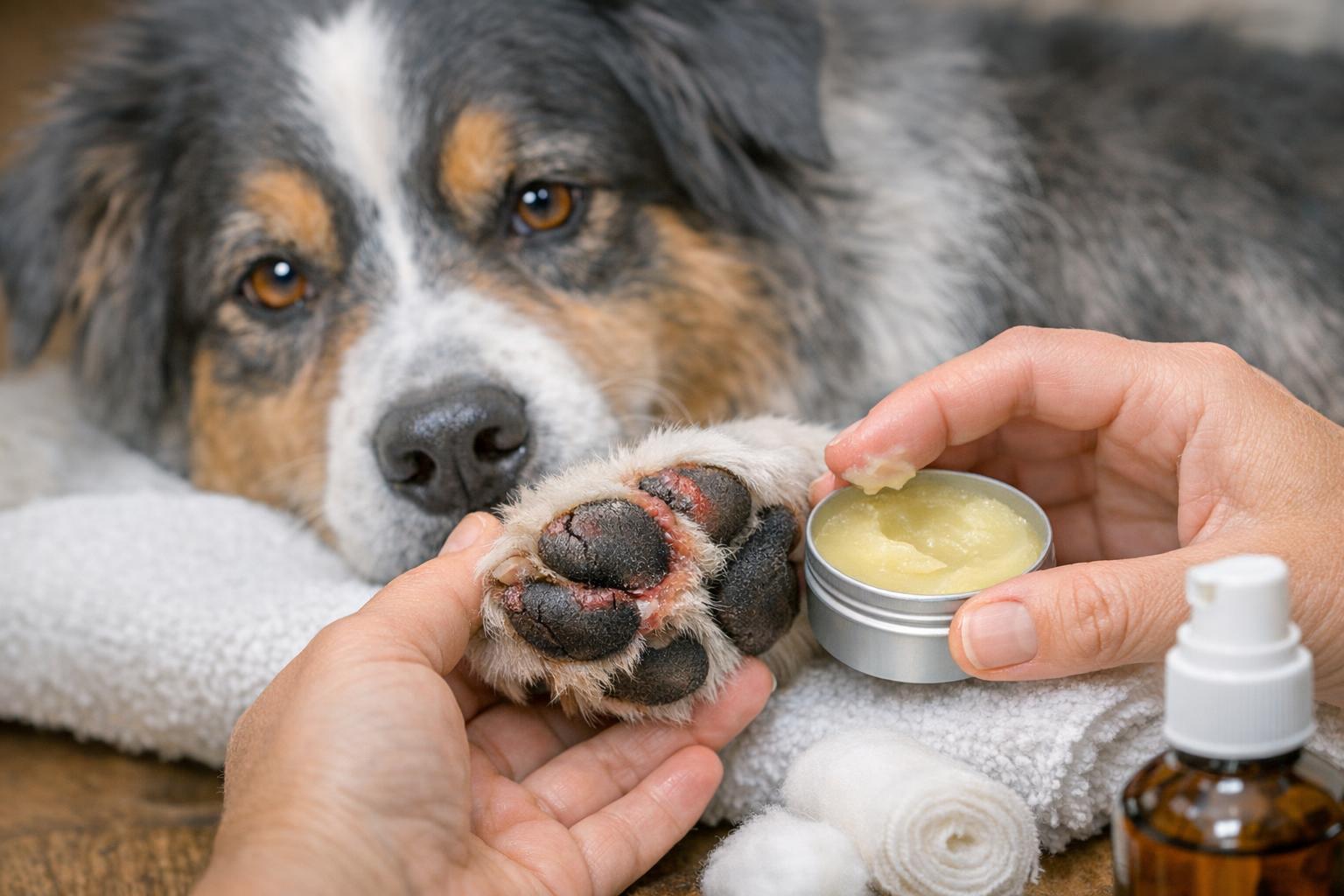
When hamsters get tiny scrapes (from a fall, a sharp toy edge, or a squabble), gentle, clean care is usually enough. This remedy is for superficial wounds only. Deep or bleeding wounds need professional attention.
### Materials
– Sterile saline solution (0.9% sodium chloride) in a clean bottle (available at pharmacies)
– Sterile gauze pads or clean cotton balls
– Calendula ointment or tincture formulated for topical use on animals (ensure no added xylitol or essential oils)
– Small pair of blunt-tipped tweezers (optional, for removing visible debris)
– Clean towel to wrap the hamster gently during treatment
### Step-By-Step Creation And Application
1. Prepare Your Space: Wash your hands thoroughly. Lay out materials on a clean surface and keep a quiet, warm area for the hamster to reduce stress.
2. Secure The Hamster Calmly: Gently wrap the hamster in a small towel, leaving the wound exposed. This prevents sudden movements while allowing you access.
3. Clean With Saline: Moisten a sterile gauze pad or cotton ball with saline. Gently dab the wound to remove dirt and dried blood. Do not scrub; gentle patting and letting saline run over the area is sufficient.
4. Remove Debris If Needed: If a small visible splinter or dirt particle remains and you can see it easily, use blunt tweezers to remove it carefully. If unsure, stop and consult a vet.
5. Apply Calendula: Using a clean swab or fingertip, apply a very thin layer of organic calendula ointment to the cleaned area. Calendula has mild antiseptic and healing properties suitable for superficial wounds.
6. Monitor: Check the wound twice daily for signs of infection (increased redness, swelling, foul odor, pus, or worsening pain). Reapply a thin layer of calendula after cleaning with saline once daily for up to 3 days.
7. When To See The Vet: If the wound is deep, bleeding heavily, shows signs of infection, or your hamster’s behavior declines, seek veterinary care immediately.
Note: Avoid hydrogen peroxide, alcohol, or tea tree oil—these are too harsh and can damage delicate hamster skin.
## Remedies 2: Firming Loose Stools With Canned Pumpkin
Minor digestive upsets happen—too many treats, a new food, or stress can cause soft stools. For mild diarrhea without other concerning signs, plain canned pumpkin can help firm stools thanks to soluble fiber. This is a supportive measure; persistent diarrhea requires veterinary evaluation.
### Ingredients And Materials
– Plain canned pumpkin (100% pumpkin, not pie filling)
– Small measuring spoon
– Clean dish for serving
– Scale or careful portion guide (optional)
### Step-By-Step Creation And Application
1. Confirm Mild Symptoms: Use this remedy only if the hamster is alert, eating small amounts, and stools are soft but not watery with blood. If your hamster is lethargic, dehydrated, or has severe watery diarrhea, contact a vet.
2. Measure The Dose: For adult hamsters, offer 1/4 to 1/2 teaspoon of plain canned pumpkin once daily. For dwarf hamsters start with 1/8 teaspoon. Less is better—too much fiber can cause constipation.
3. Offer Directly Or Mix: Place the measured pumpkin in a small dish inside the cage or dab a tiny amount on a safe chew toy. Some hamsters like it; others may ignore it.
4. Monitor Hydration And Stools: Ensure water is plentiful. If stools firm within 24–48 hours, stop pumpkin and resume a normal diet. If there is no improvement or symptoms worsen, contact your vet.
This hamster care guide tip is gentle and often effective for mild cases, but it’s not a substitute for professional diagnosis if underlying health issues are present.
## Preventing Teeth Problems With Safe Chews
Hamster teeth grow continuously, so prevention is key and part of any good hamster care guide. Provide untreated hardwood chews, willow sticks, and safe cardboard rolls (no glue or plastic). Rotate chews weekly to keep interest high.
### Small Tips For Tooth Health
Replace worn chews as needed. Watch for head tilting when eating, drooling, or weight loss—these suggest dental issues and require a vet. Never attempt home tooth trimming; that risks fractures and infections.
Keep rotating enrichment, monitor behavior, and maintain vet contact for any persistent problems.













































Leave a Reply