





## Why Dental Care Matters For Dogs
You love your dog. You feed them, walk them, and probably share your couch (and occasionally your snacks). But dental health often sits near the bottom of the pet-care to-do list until something goes wrong. Left unchecked, plaque and tartar can turn into gum disease, abscesses, and pain. An ounce of prevention keeps your pup’s smile bright—and prevents scenarios where you’re googling “dog teeth infected” at 2 a.m. while your dog gives you that apologetic look.
### How Infections Start
Bacteria are the usual culprits. Plaque forms when bacteria mix with food particles and saliva. Over time, that soft film mineralizes into tartar. Tartar irritates the gums, pockets form, and bacteria can travel below the gumline. Trauma, retained baby teeth, or cracked teeth create entry points, too. If bacteria colonize deep enough, the wound can become a true abscess: the classic “dog teeth infected” situation that may require antibiotics or extraction.
### Signs Your Dog Might Have An Infection
Watch for bad breath that’s more than “I’ve eaten a sock” bad; persistent pawing at the mouth; drooling, especially if it’s tinged with blood; swelling on the face; and reluctance to eat or chew on one side. You might also see a visible red gum line, pus, or loose teeth. If you suspect your dog teeth infected status, don’t wait—early detection prevents pain and costly treatments.
## Preventing Dog Teeth Infected With Daily Habits
Prevention is largely about routine and small, consistent actions. The goal is to reduce plaque before it hardens into tartar and to keep gums healthy so bacteria don’t get a foothold.
### Brushing Basics
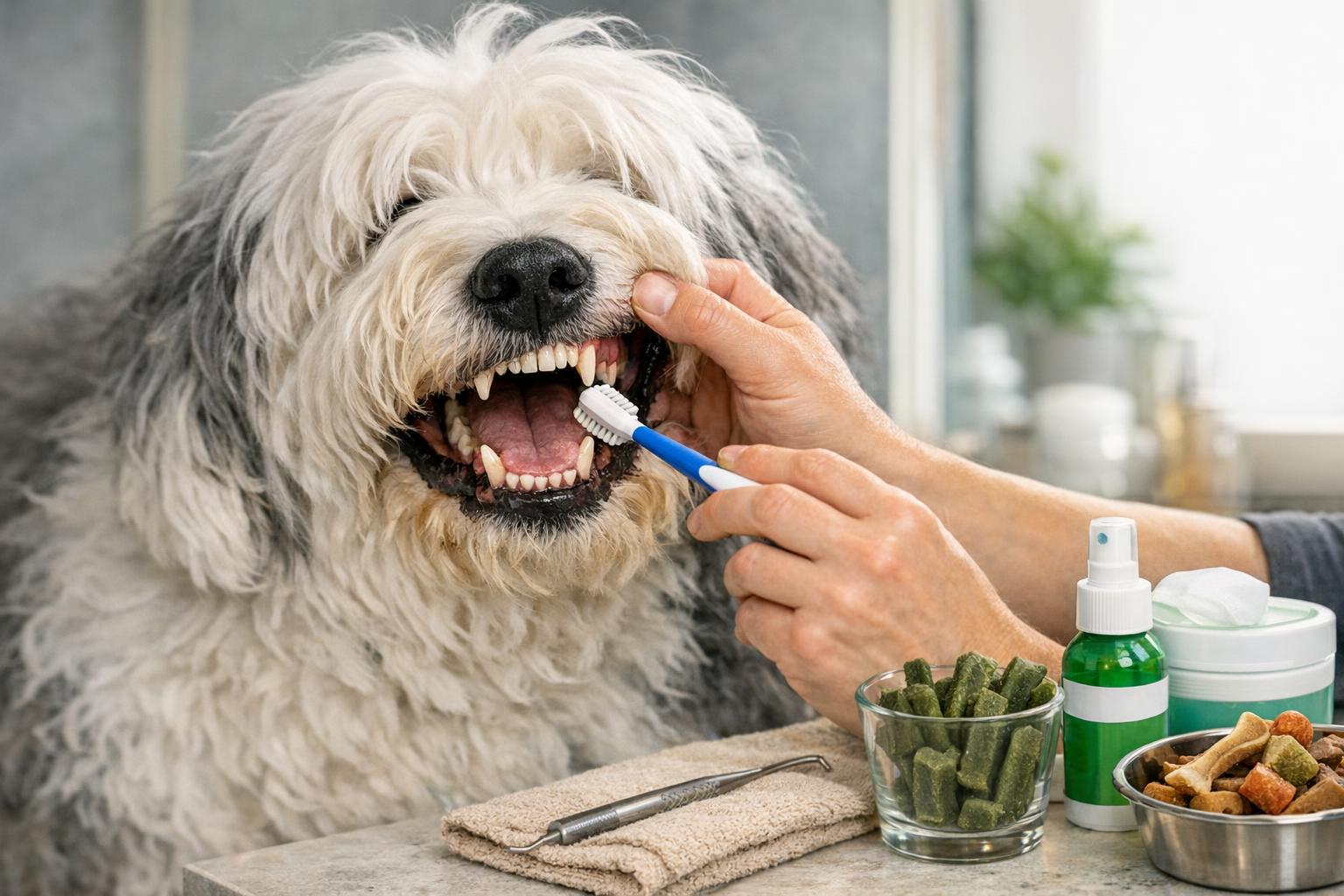
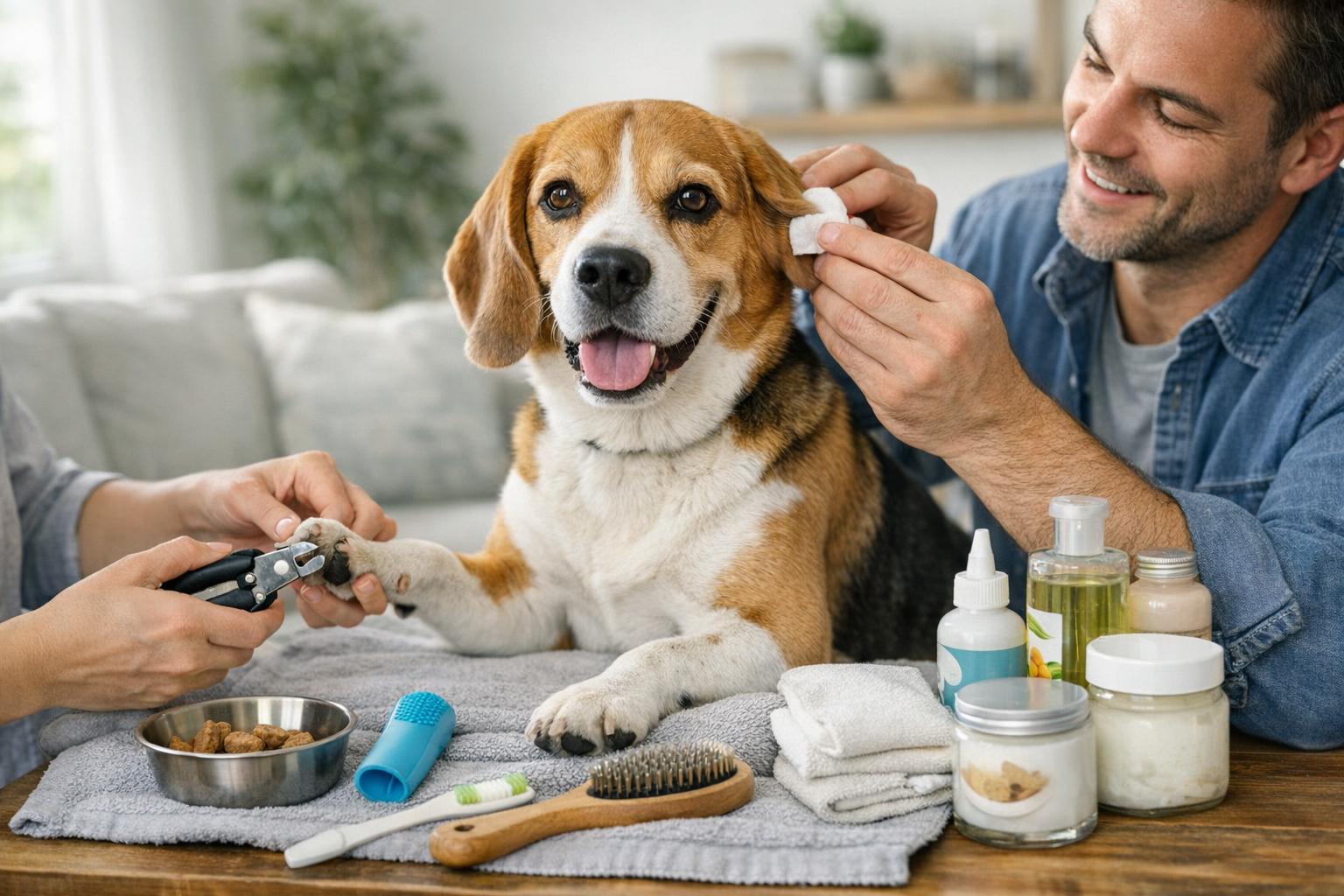
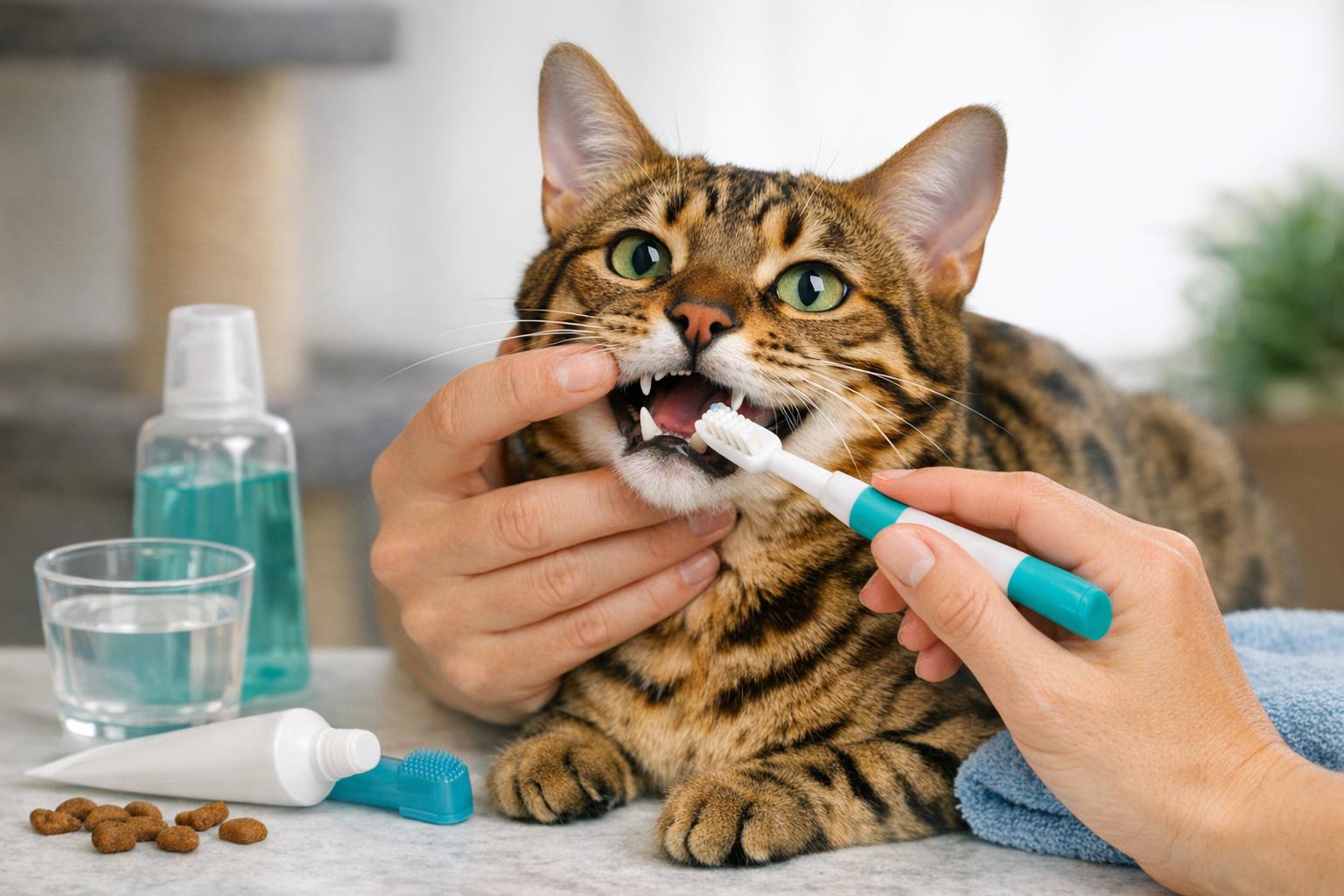
Brushing is the gold standard. Start slow and make it a positive routine—short sessions and treats help. Use a soft-bristled dog toothbrush or a finger brush, and only use toothpaste formulated for dogs (human toothpaste can be harmful). Aim for daily brushing; every other day is better than once a week. Focus on the area where the tooth meets the gum, and be gentle—aggressive scrubbing can damage gums.
If brushing feels impossible, consider enzymatic water additives or dental wipes as adjuncts—these won’t replace brushing but can help reduce bacterial load that leads to a dog teeth infected problem.
### Diet, Chews And Toys
Not all chews are created equal. Hard bones and very hard chews can fracture teeth; soft, pliable dental toys and chews designed to scrub teeth are preferable. Look for products approved by veterinary dental organizations when possible. Avoid sugary treats and excessive table scraps; dental diets formulated to reduce tartar can be useful for at-risk dogs. Regular supervised chewing of approved items can complement brushing and reduce the chance that your dog teeth infected scenario develops.
## Remedy 1: Homemade Coconut Oil Dental Paste (For Maintenance)
When discussing remedies, we switch into a formal and precise mode to ensure safety and effectiveness. This remedy is intended for maintenance and mild gingival irritation, not for active abscesses or severe infections.
Ingredients / Materials:
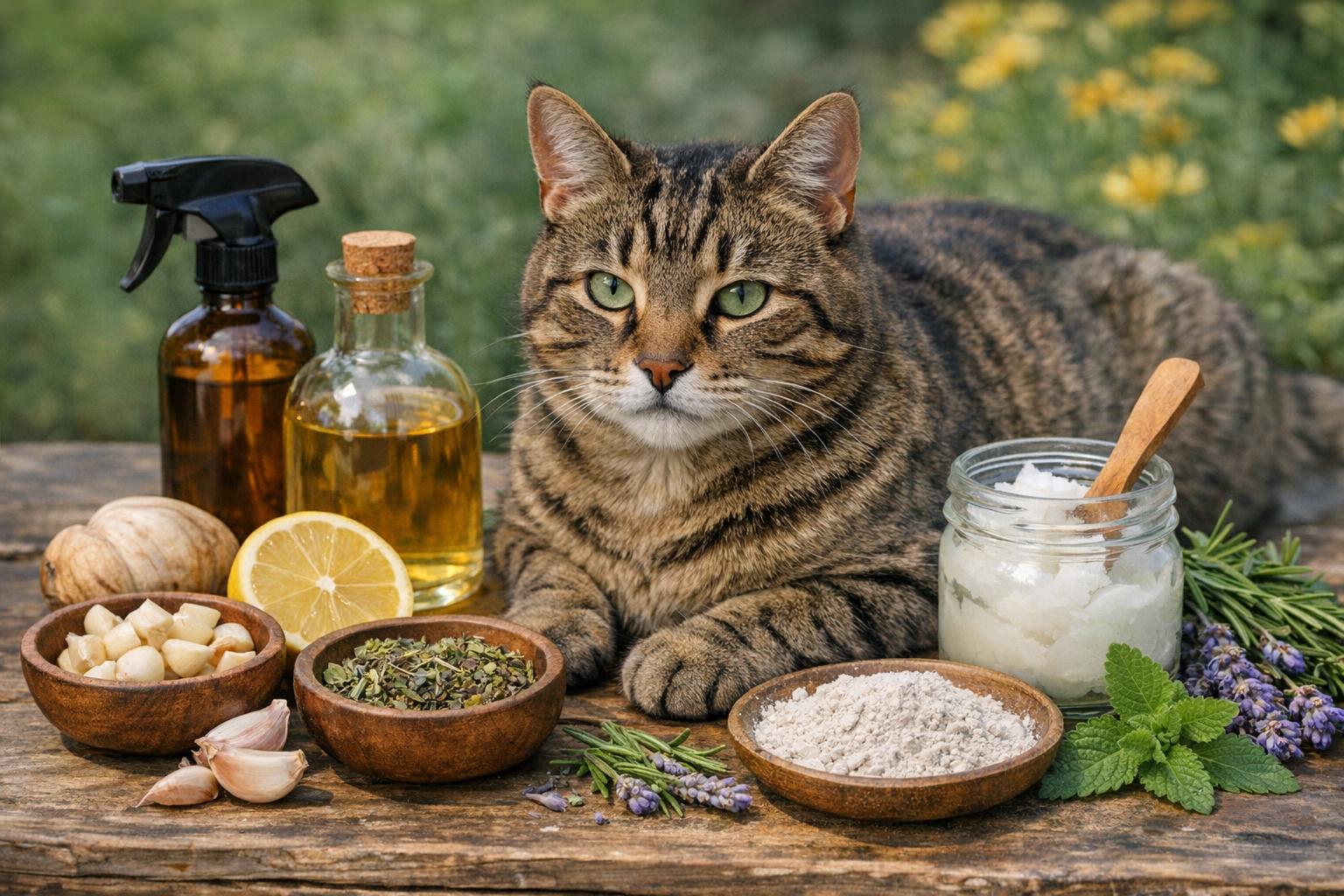
– 2 tablespoons virgin coconut oil (antimicrobial properties)
– 1 teaspoon baking soda (mild abrasive to help remove surface plaque)
– 1–2 drops of liquid chlorhexidine (0.12% solution) — optional and consult vet before use
– Small airtight container
– Dog toothbrush or finger brush
Creation And Application:
1. Sanitize your workspace and utensils. Ensure all ingredients are fresh and containers are clean.
2. In a small bowl, mix coconut oil and baking soda until you achieve a paste-like consistency. If using chlorhexidine, add 1–2 drops and stir thoroughly to incorporate.
3. Transfer paste to the airtight container and label the date. Store in a cool place; coconut oil may solidify at room temperature—this is normal.
4. To apply: place a pea-sized amount on the toothbrush. Gently lift your dog’s lip and brush in small circular motions for 30–60 seconds per quadrant, focusing on the gum line.
5. Begin with 2–3 times weekly to acclimate your dog; progress to daily if tolerated.
Precautions: Do not use this paste on dogs with known coconut oil sensitivities. Chlorhexidine can be irritating if overused—consult your veterinarian before adding it. This paste is for maintenance—if you suspect your dog teeth infected with an active abscess, do not rely on home paste alone; seek professional care.
## Remedy 2: Saltwater Rinse For Minor Gum Irritation
This remedy is a simple, evidence-supported way to reduce surface bacteria and soothe mild gum inflammation. It is not a substitute for veterinary treatment when infection is advanced.
Ingredients / Materials:
– 1 cup warm (not hot) distilled or boiled-and-cooled water
– 1/2 teaspoon non-iodized table salt
– Syringe (without needle) or turkey baster for application
– Clean bowl for mixing
Creation And Application:
1. Clean your hands and mixing bowl. Measure 1 cup of warm water and dissolve 1/2 teaspoon of non-iodized salt thoroughly.
2. Draw solution into a needleless syringe or turkey baster.
3. Position your dog comfortably. Gently lift the lip and, using short, directed bursts, apply the rinse along the gum line. Allow your dog to swallow; do not force rinsing if it causes distress.
4. Repeat once daily for up to three days. If irritation persists beyond 48–72 hours or worsens, discontinue and consult your veterinarian.
Formal Notes: Saltwater reduces bacterial counts temporarily and promotes a less favorable environment for pathogenic growth. Overuse can dry oral tissues—limit to short courses and monitor for signs of worsening. If signs indicate that your dog teeth infected status is progressing (fever, facial swelling, lethargy), immediate veterinary assessment is required.
### When To See A Vet
If home care doesn’t improve symptoms within 48–72 hours, or if your dog shows systemic signs—fever, marked lethargy, weight loss, or significant swelling—seek veterinary attention. Diagnostics may include dental radiographs to evaluate roots and jaw bone. Treatment options for a confirmed dog teeth infected condition often include systemic antibiotics, professional dental cleaning under anesthesia, root canal therapy for valuable teeth, or extractions for severely compromised teeth. Pain management is a critical component and will be prescribed as appropriate.
#### Preventing Recurrence
Establish a long-term dental care plan with your veterinarian. Routine professional cleanings are often recommended annually for adult dogs, but frequency depends on breed, age, and individual risk factors. Maintain daily brushing, strategic use of dental chews, and regular checks at home. Record any signs early: a change in breath, chewing habits, drooling, or visible tartar buildup are early warnings your dog teeth infected risk has increased.
### Small Habits That Make A Big Difference
Incorporate dental time into your dog’s life as a relaxing ritual—pair brushing with favorite treats and calm praise. Regularly check the mouth for cracked teeth, swelling, or odd smells. Rotate approved dental toys to keep chewing engaging. These small, consistent steps are more effective than periodic, frantic scrubbing after tartar has set in.
### Final Practical Tips
Keep a pet first-aid kit that includes dental supplies: a soft toothbrush, spare toothpaste, and a syringe for rinses. Note any changes in appetite or behavior and track dental appointments. If your dog is nervous about oral handling, practice brief sessions that build tolerance slowly—think of it as teaching polite behavior for the mouth. Early prevention keeps your dog comfortable, reduces vet bills, and avoids the pain associated with a true dog teeth infected emergency.
















Leave a Reply