

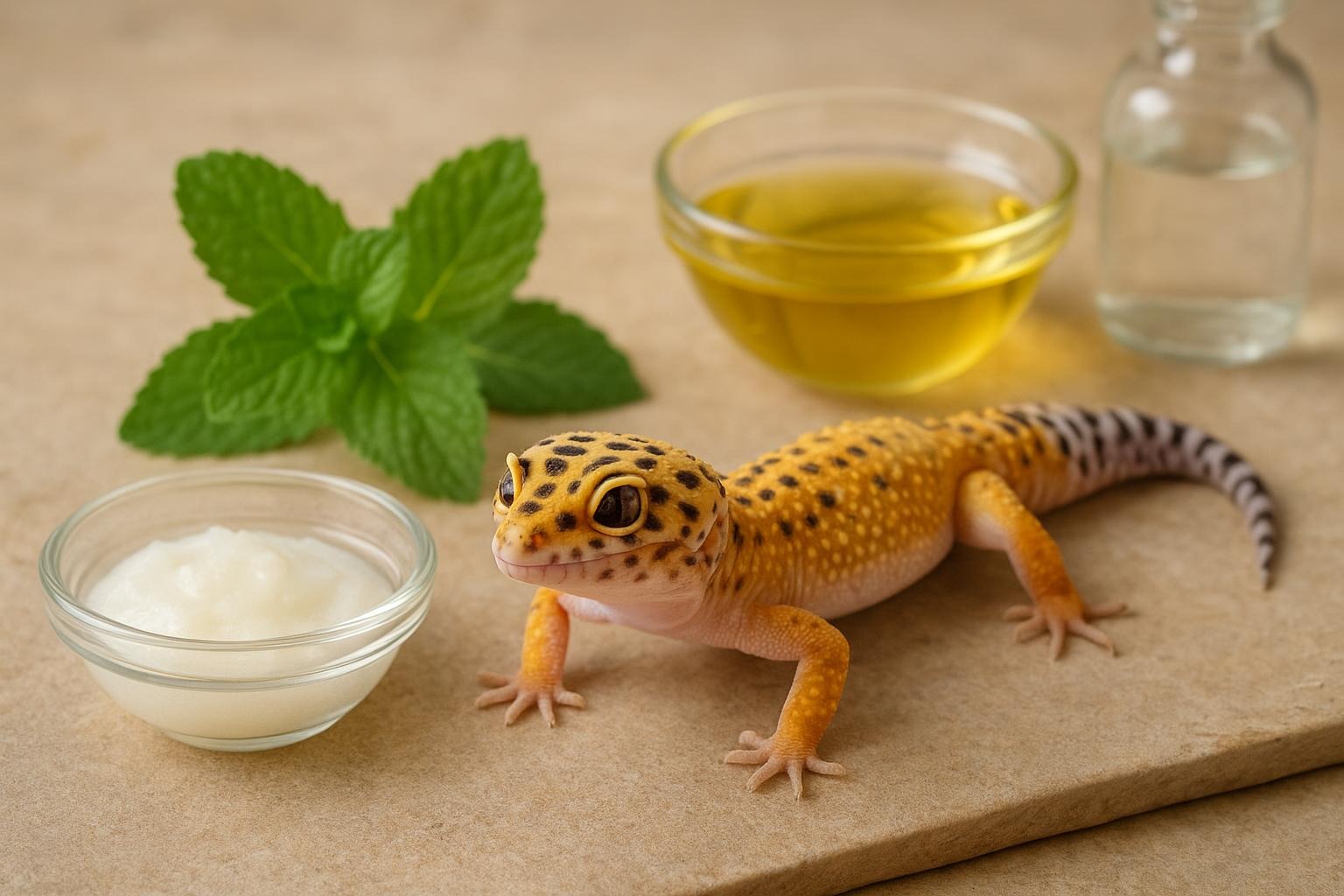
Hello, fellow gecko enthusiast — pull up a lamp, maybe a warm hide, and let’s chat about practical, natural, and easy home remedies you can use to boost your pet’s comfort. This guide mixes cozy common-sense tips with step-by-step DIY fixes so you can keep your scaled roommate happy and healthy without turning into a full-time herp biochemist. You’ll find basics, habitat tweaks, and three numbered remedies with clear ingredient lists and application steps. Read carefully and don’t hesitate to contact a reptile vet for anything that looks serious.
## Leopard Gecko Care Basics
Leopard gecko care starts with the fundamentals: stable temperatures, clean water, appropriate substrate, and a safe place to hide. These little nocturnal lizards are hardy, but small missteps can cause dehydration, stuck sheds, or mild skin irritations. The following sections cover habitat setup, nutrition, handling etiquette, and practical home remedies that are gentle and vet-friendly.
## Natural Habitat Setup
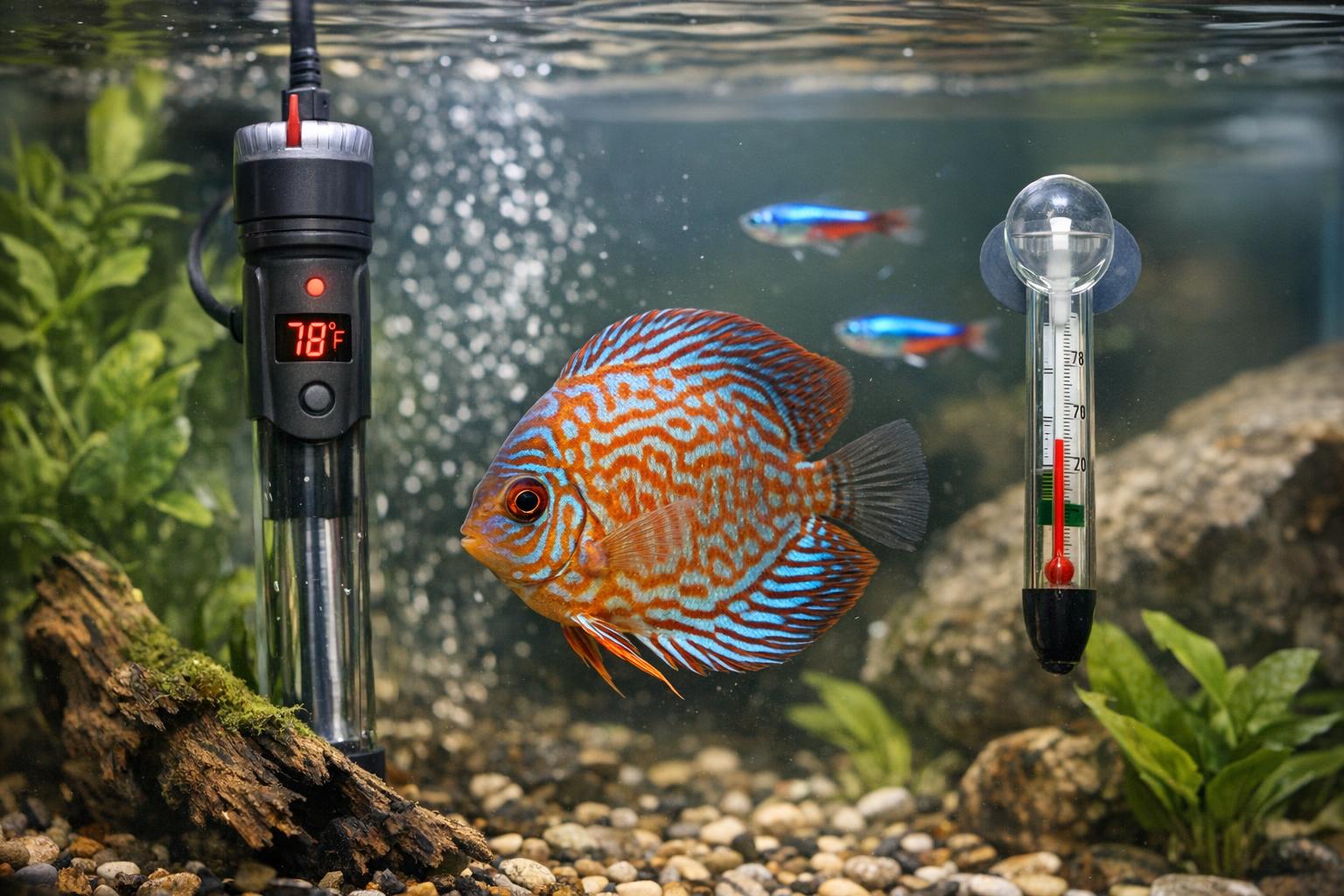
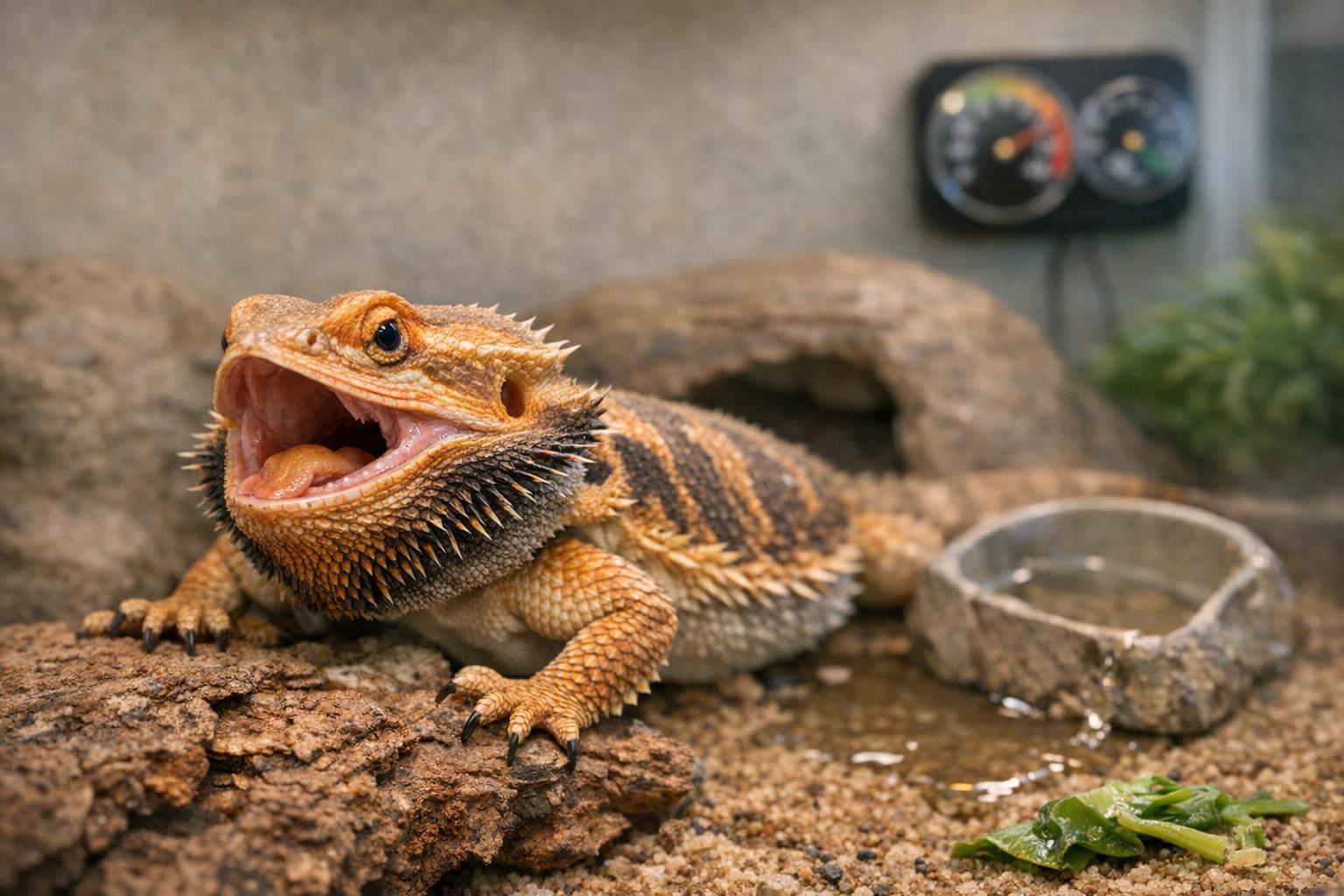
A comfy terrarium is the most underrated part of good leopard gecko care. Aim for a gradient: a warm side around 88–92°F (31–33°C) and a cool side around 75–80°F (24–27°C). Provide a humid hide on the warm side and a dry hide on the cool side. Use a thermostatically controlled heat source and an accurate digital thermometer or probe. Substrate choices matter: reptile carpet, paper towel, or tile are low-risk options vs. loose sand which can cause impaction if ingested.
### Signs Of Poor Environment
– Lethargy or lack of appetite
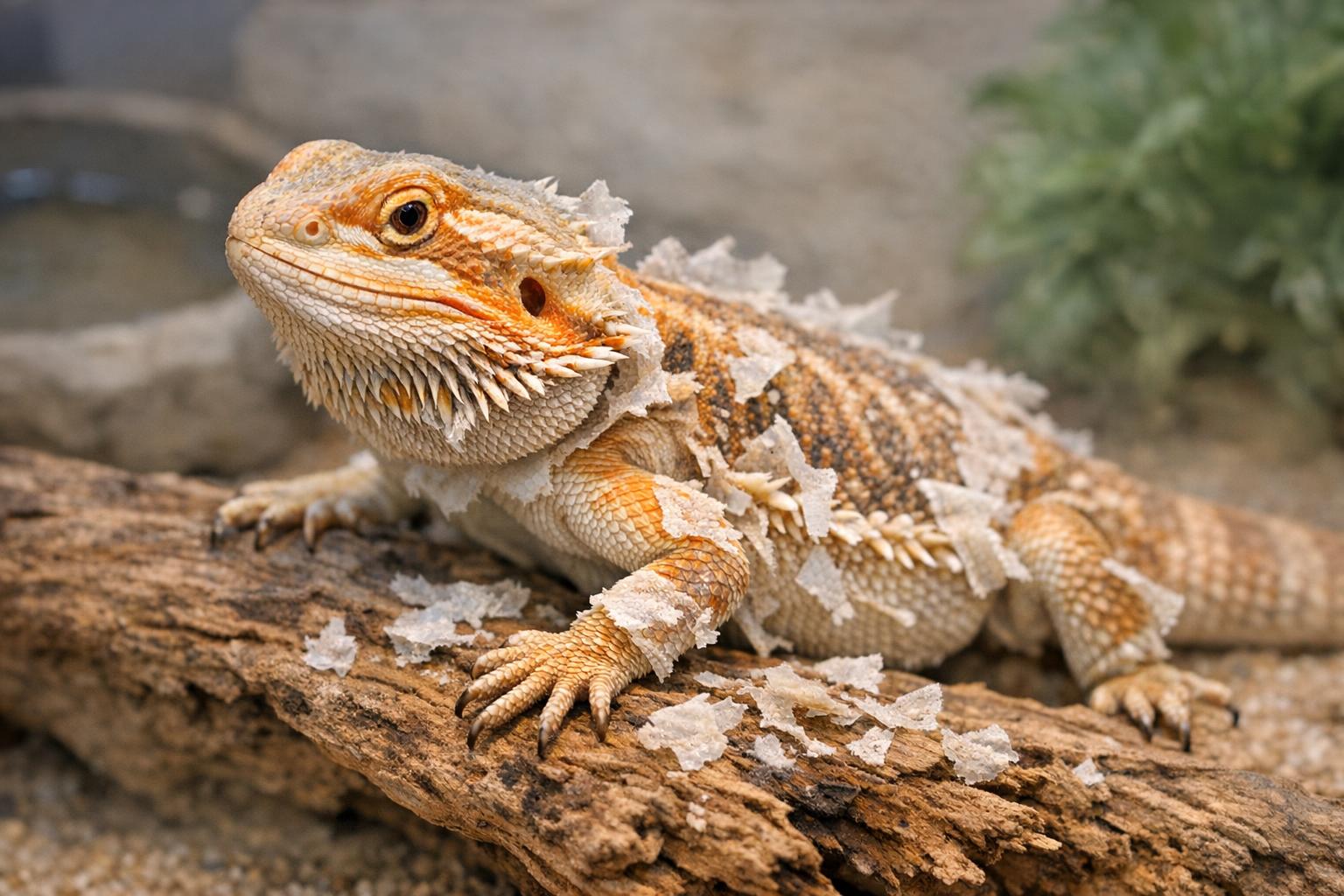
– Incomplete or stuck sheds, especially on toes or around the eyes
– Dry, flaky skin or wrinkled appearance indicating dehydration
## Temperature And Lighting For Health
Leopard geckos don’t require UVB like many diurnal reptiles, but low-level UVB can be beneficial for long-term health. More important are consistent night and day temperature cycles and a reliable heat gradient. Monitoring and small adjustments are part of solid leopard gecko care — think of it as tuning the thermostat for a small, scaly housemate.
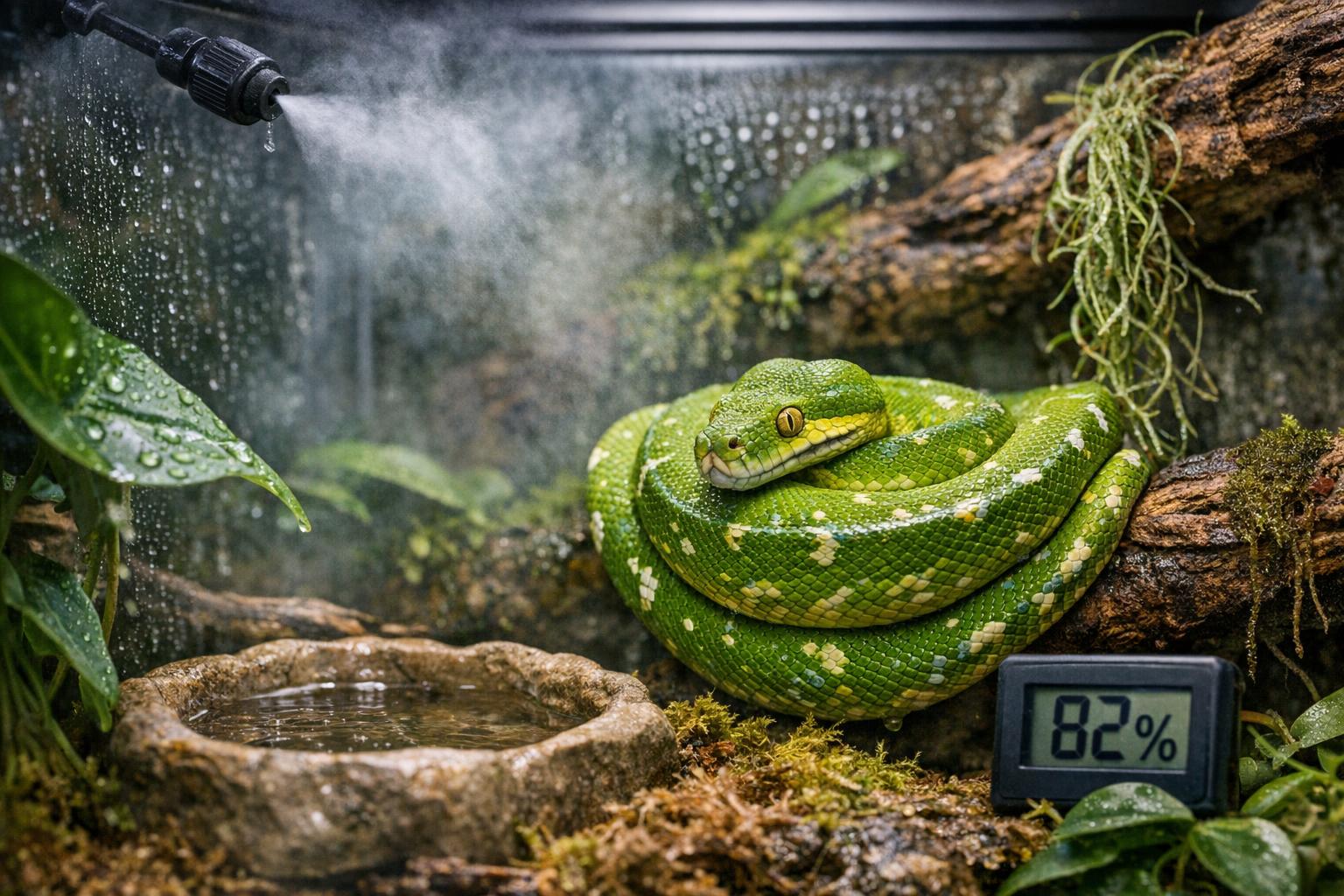
### 1. Humidity Boost Remedy (Moist Hide) For Stuck Shed
A simple moist hide is the single most effective remedy for sticky or partial sheds. This is non-invasive, inexpensive, and works beautifully if caught early.
Ingredients / Materials:
– Small plastic container or hide box with a side entrance
– Sphagnum peat moss or coconut coir (sterile)
– Clean water
– Scissors or utility knife
Step-By-Step Creation And Application:
1. Choose a container large enough for your gecko to curl up in but snug enough to retain moisture.
2. Cut an entrance on one side at gecko height.
3. Moisten the sphagnum moss or coir until it’s damp but not dripping. Squeeze out excess water — you want humidity, not a swamp.
4. Place the moist substrate inside the hide and set it on the warm side of the tank.
5. Monitor: encourage the gecko to use the hide by placing it near its favorite resting spot. Leave it available 24/7 for 3–5 days. Check progress daily; sheds should come off easier after one or two visits.
6. Clean and replace substrate every week or sooner if soiled.
Use this remedy as part of routine leopard gecko care to prevent shed-related toe loss or retained eye caps.
### 2. Stuck Shed Spot Treatment (Bath And Gentle Removal)
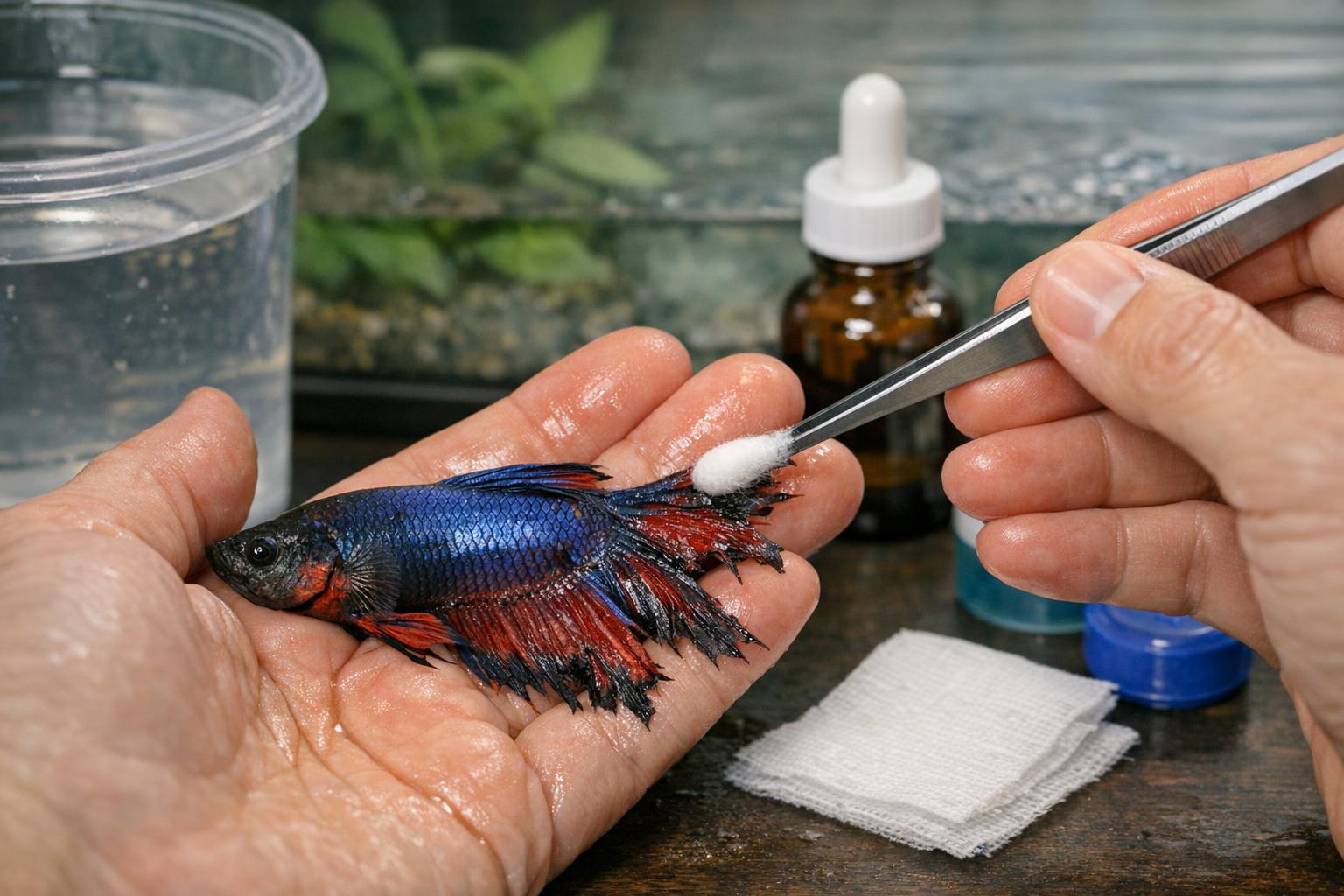
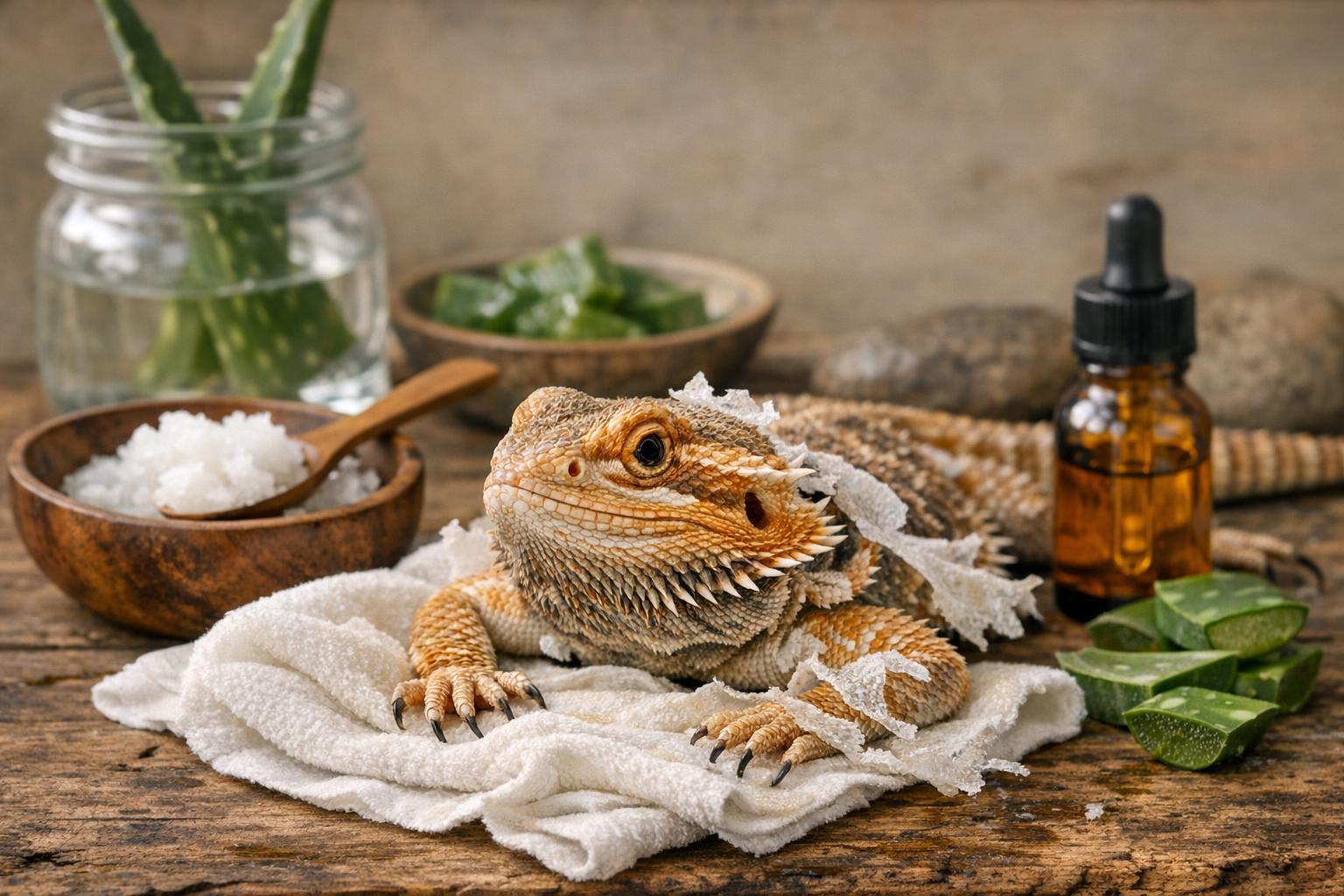
When the shed clings to toes or tail tips, a targeted soak followed by gentle removal is often required. Be formal and cautious: do not force or rip.
Ingredients / Materials:
– Shallow plastic tub or basin
– Warm (not hot) dechlorinated water, roughly 90–95°F (32–35°C)
– Soft toothbrush or cotton swab
– Towels
– Optional: 100% coconut oil or sterile mineral oil (very sparingly)
Step-By-Step Creation And Application:
1. Prepare the soak: fill the shallow tub with 2–3 inches of warm, dechlorinated water.
2. Gently place your gecko in the tub, supporting the body if needed. Keep the session to 10–15 minutes while monitoring for stress.
3. After soaking, use a soft toothbrush or cotton swab to very gently coax the loose shed off in the direction it naturally peels. Do not pull against resistance. If it won’t budge, return the gecko to the moist hide and try again in 24 hours.
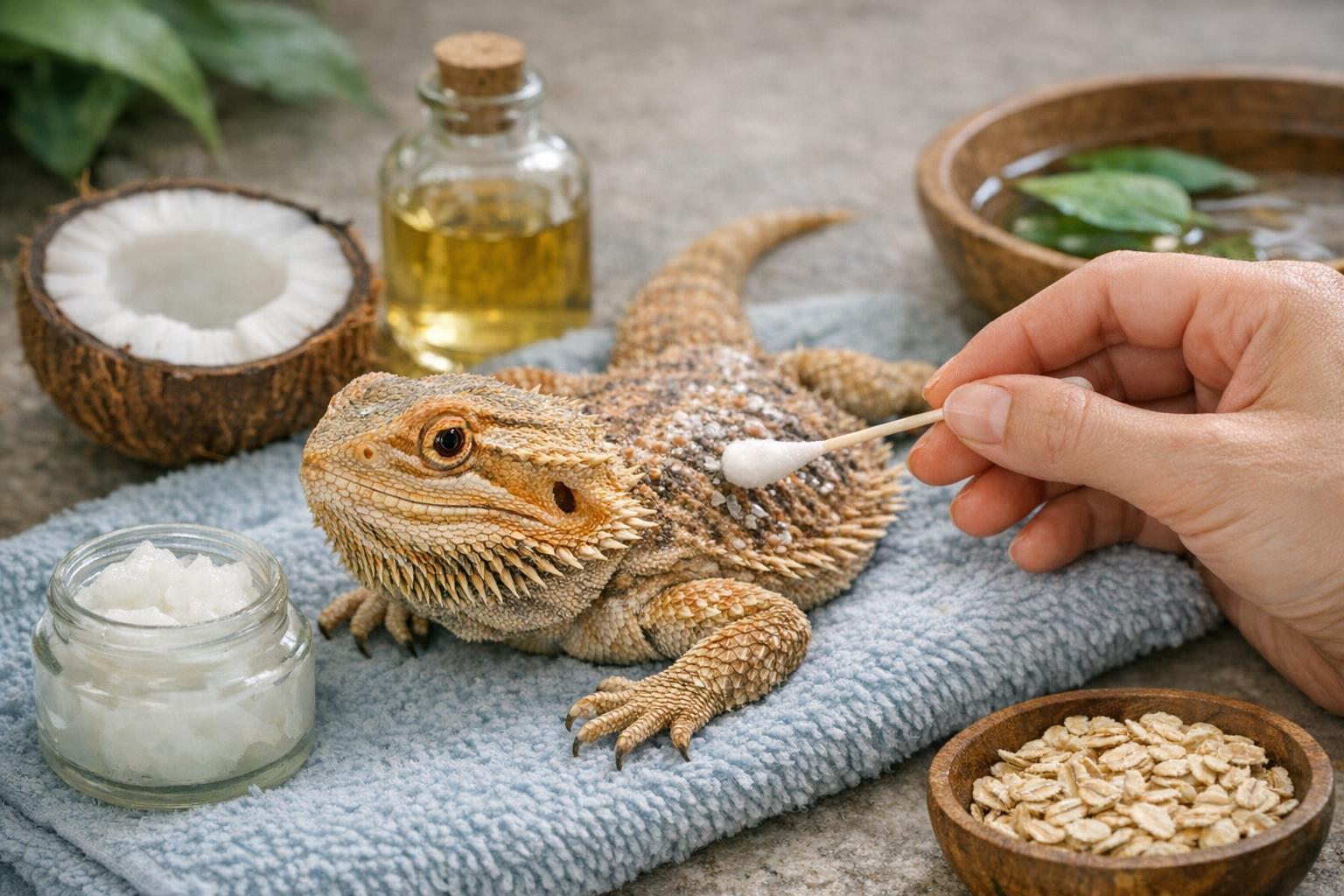
4. For stubborn bits on toes or eyelids, a tiny dab of coconut oil can lubricate and ease removal. Apply with a Q-tip and then wipe away excess.
5. Dry the gecko on a warm towel and place it back in its regular enclosure.
This remedy is standard in leopard gecko care for resolving localized stuck sheds without injury. If toes are swollen, discolored, or the shed has been stuck for over 48 hours, seek veterinary care.
#### When To Get Professional Help
If you notice infection signs (pus, foul odor, increasing swelling), loss of function, or widespread skin damage, consult a reptile vet immediately. Home remedies are supportive but not a substitute for professional treatment when complications arise.
### 3. Eye And Naris Care (Gentle Saline Rinse)
Leopard geckos sometimes retain eye caps or collect debris around the nose (naris). A gentle saline rinse can help dislodge crust and hydrate sensitive tissues.
Ingredients / Materials:
– Sterile 0.9% saline solution (available at pharmacies)
– Plastic syringe without needle or a clean dropper
– Cotton balls or sterile gauze
– A towel and a helper (optional) to gently hold the gecko
Step-By-Step Creation And Application:
1. Warm the saline to roughly body temperature by holding the bottle in your hands for a minute. Test on your wrist to ensure it’s not hot.
2. With the gecko gently restrained, position the syringe/dropper close to the eye or naris. Do not insert the tip into the opening.
3. Administer 1–2 drops of saline to the affected eye or naris. Allow the liquid to flow and soften any crusting.
4. Using a cotton ball or gauze, gently blot away softened debris. Avoid rubbing across the eye surface.
5. Repeat once or twice daily for up to three days. If the eye cap remains stuck or the eye looks irritated, call your vet.
Formal tip: Do not use hydrogen peroxide or alcohol on sensitive mucous membranes. 0.9% saline is isotonic and safe for short-term use.
## Diet Boosts And Simple Supplements
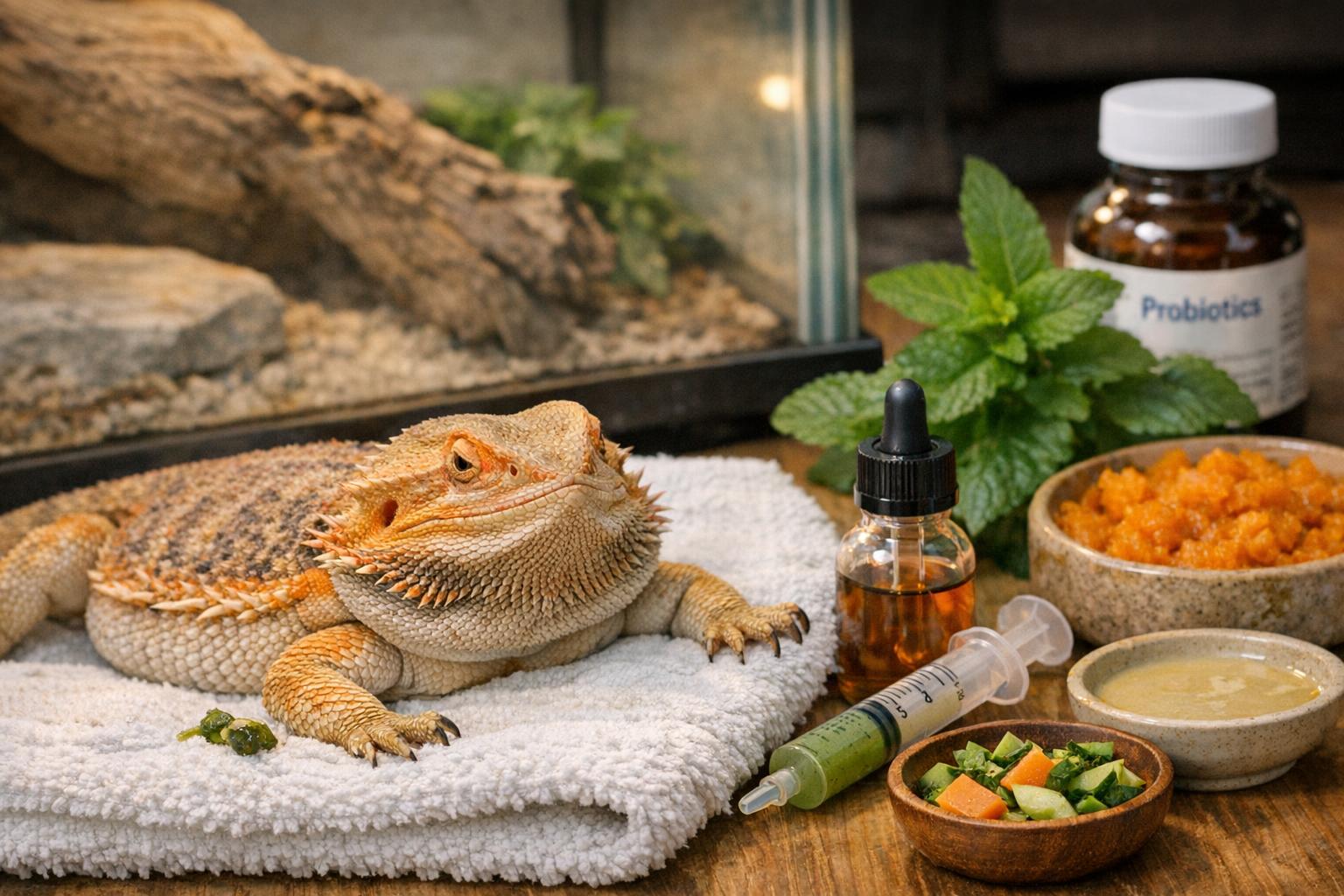
Good nutrition is central to leopard gecko care. Offer gut-loaded insects (crickets, mealworms, dubia roaches) dusted with a calcium supplement and a balanced multivitamin schedule. You can gut-load with a DIY mix of finely chopped carrots, dark leafy greens, and quality commercial gut-load pellets. Rotate feeder types to provide varied micronutrients.
### Homemade Gut-Load Mix (Optional)
Ingredients:
– Finely shredded carrot
– Collard greens or kale (small amount)
– Cooked sweet potato or squash
– Plain oat or commercial gut-load bait
Mix small portions and feed to crickets 24–48 hours before offering to your gecko. This is an easy part of consistent leopard gecko care that improves nutrient transfer from prey to pet.
## Handling And Stress Reduction
Leopard geckos tolerate handling but prefer short, calm sessions. Support the full body, avoid quick grabs from above (which can feel predatory), and keep handling to times when the gecko is alert and warm. Handling can be used as a low-stress health check — brief inspections of toes, vents, and skin can catch problems early and keep your leopard gecko care regimen proactive.
### Preventive Checks To Keep On Schedule
– Weekly weigh-ins to track appetite and hydration
– Inspect sheds during handling sessions
– Clean water dish daily and replace substrate as needed
A small, consistent routine beats frantic fixes later on.
#### Quick Safety Reminders
– Never use topical human medications unless instructed by a reptile vet.
– Avoid essential oils or strong-smelling cleaners near the terrarium.
– Use gloves if you have open cuts and wash hands after handling to avoid salmonella transmission.
There you go — friendly, practical, and hands-on. These remedies and tips fit into a calm, steady approach to leopard gecko care and let you solve common problems at home without drama. If a condition persists or worsens, please contact a qualified reptile veterinarian right away.










Leave a Reply