
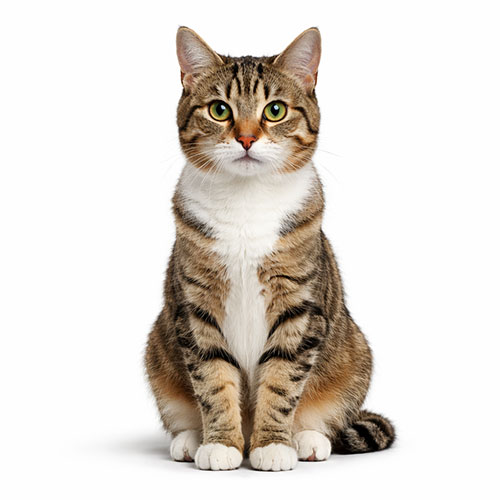

Cats routinely ingest loose hair during self-grooming. In most cases the swallowed fur is passed naturally, but frequent regurgitation, coughing, constipation or lethargy indicate that proactive cat hairball care is required. This article examines evidence-based, natural approaches and practical household remedies that reduce fur ingestion, improve gastrointestinal transit and support coat health. Formal guidance and precise instructions are provided for owners who prefer DIY solutions and preventive strategies.
## How To Prevent Hairballs In Cats: Natural Strategies For Owners
Understanding how to prevent hairballs in cats begins with recognizing normal grooming behavior and the physiological processes that clear ingested hair. A healthy feline stomach and intestinal tract will move most loose hair into the feces. Problems arise when excess loose hair, poor hydration, gastrointestinal motility issues or long dense coats combine to form an obstructive mass. Implementing regular cat hairball care reduces the frequency of hairball production and supports general wellbeing.
### Causes And Risk Factors That Increase Hairball Formation
Several factors predispose cats to frequent hairballs: seasonal shedding, long or dense coats, inadequate grooming, poor diet lacking in soluble fiber or moisture, obesity that limits self-grooming, and dermatological or systemic conditions that increase shedding. Indoor-only cats or those with a sedentary lifestyle are also at higher risk. Identifying and addressing these contributors is foundational to any plan on how to prevent hairballs in cats.
### Grooming Regimen To Minimize Loose Fur
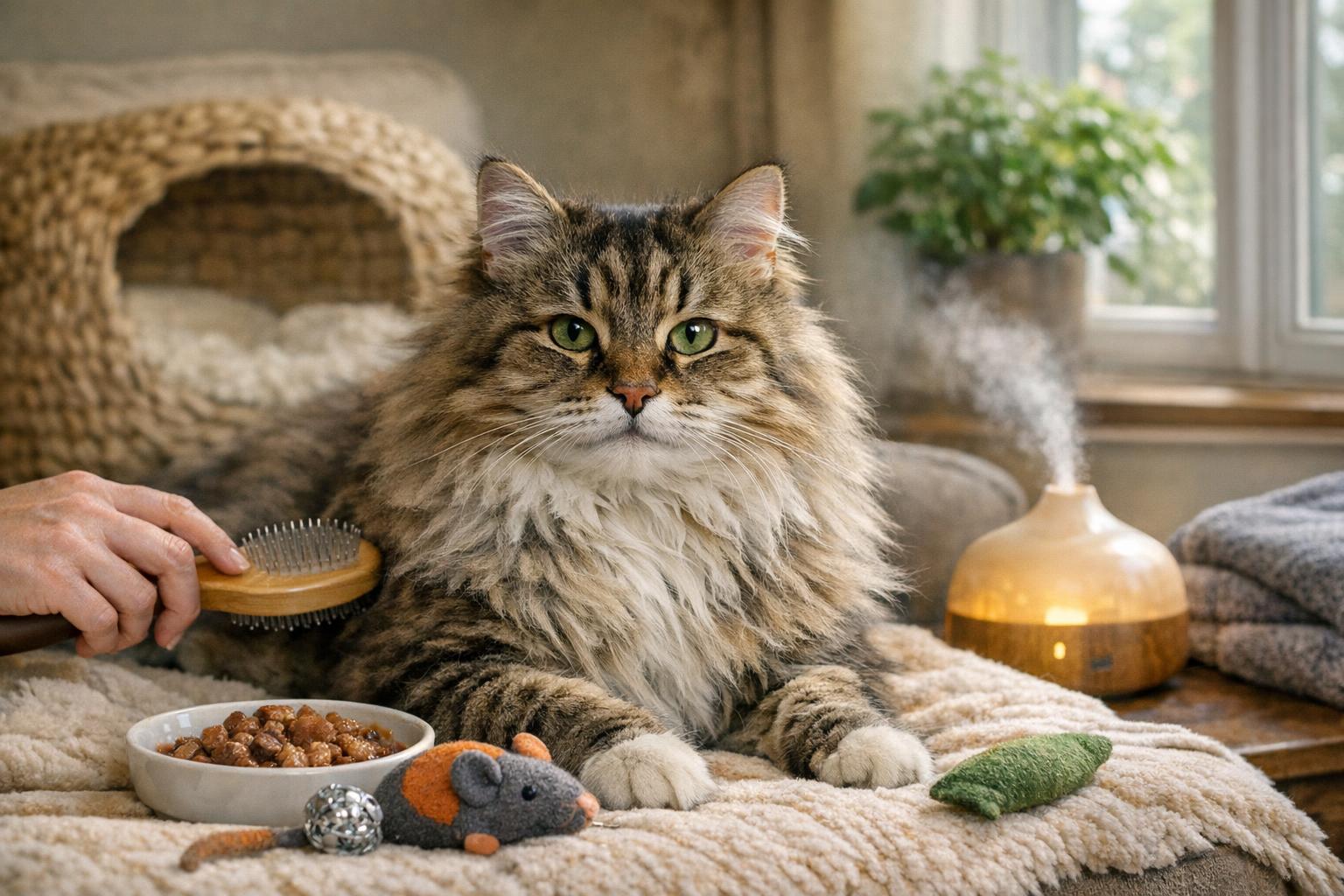
Consistent grooming is the most direct method to reduce ingestion of loose hair. Brushing removes shed hair before it can be swallowed. For long-haired breeds, daily brushing is ideal; short-haired cats benefit from brushing two to three times weekly. During seasonal molts increase frequency.
#### Materials Required
– Slicker brush and fine-toothed comb
– Deshedding tool (for heavy shearers)
– Soft grooming mitt (for sensitive cats)
– Clean towel or grooming table
#### Procedure
1. Choose a quiet, comfortable area and allow the cat to acclimate.
2. Start with the grooming mitt to remove surface hair and relax the cat.
3. Use the slicker brush following the direction of hair growth to collect loose undercoat.
4. Finish with the fine-toothed comb, paying attention to the ruff, flanks and tail base where loose fur accumulates.
5. Dispose of collected fur promptly to prevent re-ingestion.
### Dietary Adjustments To Promote Gastrointestinal Transit
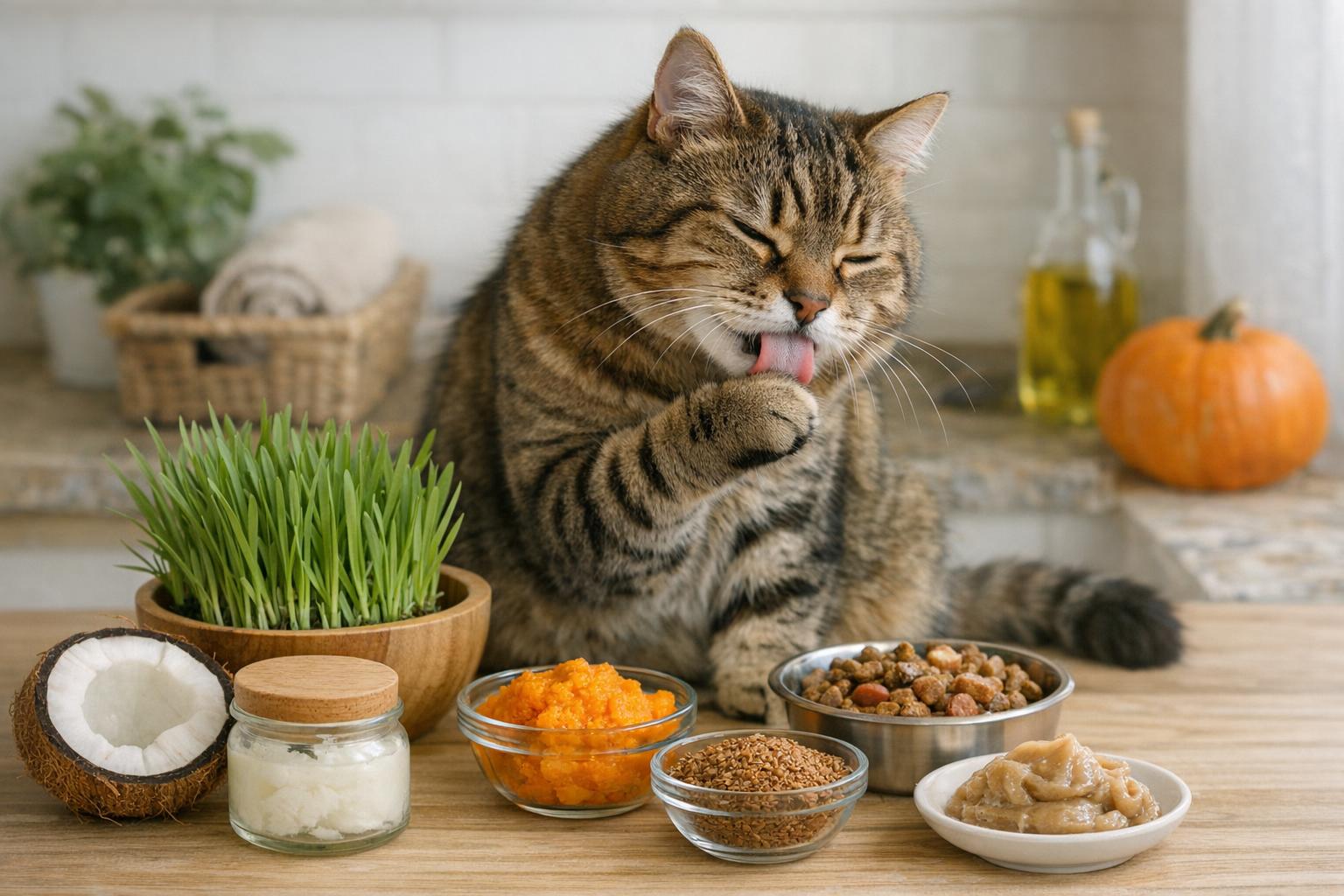
A nutritionally balanced diet with adequate moisture and moderate soluble fiber content is critical. Transitioning to premium wet food or incorporating wet meals increases hydration and softens intestinal contents, facilitating passage of hair. Specific fibers such as psyllium or canned plain pumpkin (not pumpkin pie filling) can add bulk and lubricate the gut.
#### Safe Ingredients For Dietary Support
– Canned pure pumpkin (100% pumpkin puree)
– High-quality wet feline diet formulated for digestion
– Veterinary-recommended fiber supplement (psyllium husk in vet dosage)
– Omega-3 supplements for skin and coat (as directed)
#### Application
1. Consult your veterinarian before altering diet or introducing supplements.
2. Mix 1 teaspoon of canned pumpkin into a single meal for a small cat; 1–2 teaspoons for larger cats, up to once daily.
3. Monitor stool consistency and frequency; adjust quantity under veterinary guidance.
## Remedy 1: Regular Brushing And Fur Removal
Implementing a structured brushing schedule is a core remedy in cat hairball care. The objective is to intercept shed hair before the cat ingests it.
#### Ingredients/Materials
– Slicker brush, de-shedding tool, grooming mitt
– Treats for positive reinforcement
– Towel and waste receptacle
#### Creation And Application
1. Prepare materials and select a consistent grooming time.
2. Calm the cat using gentle voice and treats.
3. Brush methodically across the body, spending extra time on the undercoat and hindquarters.
4. Use short sessions of 5–10 minutes to avoid stress; perform multiple times daily during heavy shedding.
5. Reward the cat to reinforce cooperation.
6. Dispose of collected fur immediately.
## Remedy 2: Dietary Fiber And Hydration Support
Addressing internal lubrication and transit can significantly lower hairball occurrences. This remedy centers on adding natural fiber and increasing dietary moisture.
#### Ingredients/Materials
– Canned pure pumpkin (not spiced)
– High-moisture wet cat food
– Clean, fresh water and water fountain (optional)
#### Creation And Application
1. Replace one dry-food meal per day with a wet-food meal to enhance moisture intake.
2. Add the measured amount of canned pumpkin to the wet meal according to the cat’s size (see previous dosage guidance).
3. Ensure water bowls are clean and fresh; consider a pet fountain to encourage drinking.
4. Monitor the cat for softening of stools and reduced retching; adjust quantities with veterinary input.
## Remedy 3: Coat Health Optimization With Safe Supplements
Improving coat quality reduces shedding volume. Omega-3 fatty acids and a balanced nutrient profile support skin integrity and hair strength.
#### Ingredients/Materials
– Veterinary‑grade fish oil (omega-3) or algal oil for fish-free option
– Commercial multivitamin or coat supplement recommended by a veterinarian
#### Creation And Application
1. Verify appropriate dosage with a veterinarian based on the cat’s weight and health status.
2. Administer supplements according to package instructions, commonly mixed into food.
3. Observe for improvements in coat sheen and reductions in loose hair over 4–8 weeks.
4. Continue regular grooming to remove existing excess fur.
### Environmental And Behavioral Measures To Reduce Ingestion
Reducing opportunities for excessive grooming will decrease ingestion. Enrich the environment with interactive play to relieve stress-related overgrooming, maintain a regular play schedule to encourage activity and weight management, and ensure the home temperature and humidity are comfortable to prevent dermatitis and excessive shedding.
### When To Seek Veterinary Assessment
Persistent coughing, vomiting of large or frequent hairballs, absence of hairball passage, weight loss, constipation or signs of abdominal pain require prompt veterinary evaluation. These may indicate partial or complete intestinal obstruction or an underlying disease causing excessive shedding. Professional assessment is an essential component of responsible cat hairball care.
### Monitoring And Recording Outcomes
Maintain a simple log noting frequency of hairballs, stool quality, grooming sessions and diet changes. Recording responses to each remedy clarifies which interventions are effective and assists your veterinarian in making informed recommendations.
### Safety Considerations And Contraindications
Avoid using unapproved laxatives, excessive oil administration by owners, or human medications without veterinary direction. Some natural remedies can interact with medications or exacerbate pancreatitis risk in predisposed animals. All interventions should be reviewed with a veterinarian for cats with pre-existing conditions.
### Tips For Long-Term Prevention And Maintenance
– Establish a routine combining grooming, diet optimization and enrichment.
– During peak shedding months increase grooming and hydration measures.
– Use positive reinforcement to keep grooming a pleasant experience.
– Review coat supplements annually with your veterinarian and adjust as needed.
This guidance provides formal, practical steps to reduce the incidence of cat hairballs with natural, home-based interventions. For detailed, individualized plans consult a licensed veterinarian to integrate these measures into comprehensive cat hairball care and long-term wellness strategies.






Leave a Reply