
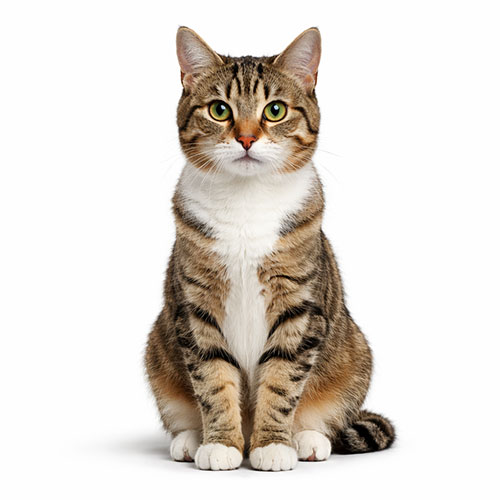

If your cat looks like she’s auditioning for a tiny tumbleweed commercial every time she grooms, you’re not alone. Hairballs are a fact of feline life, but they don’t have to be an everyday nuisance. This guide covers gentle, natural strategies you can use at home — a friendly, slightly cheeky companion to the tried-and-true veterinary advice — aimed at giving your whiskered friend a happier, smoother digestive ride with a safe feline hairball remedy approach.
## Understanding The Causes Of Hairballs
Cats are meticulous groomers. That soft, beautiful fur that makes them look like royalty gets swallowed during licking. Short-haired cats tend to manage hair more easily, while long-haired varieties and cats that shed a lot are more prone to forming clumps of fur in the stomach that can lead to hairballs. Stress, inadequate hydration, digestive issues, and poor diet can all contribute to more frequent hairball events.
Knowing the root causes helps you choose the right feline hairball remedy for your cat. If a cat is vomiting excessively, constipated, lethargic, or losing weight, seek veterinary care promptly — stubborn or obstructive hairballs can be a real emergency.
## Feline Hairball Remedy: Natural Options That Work
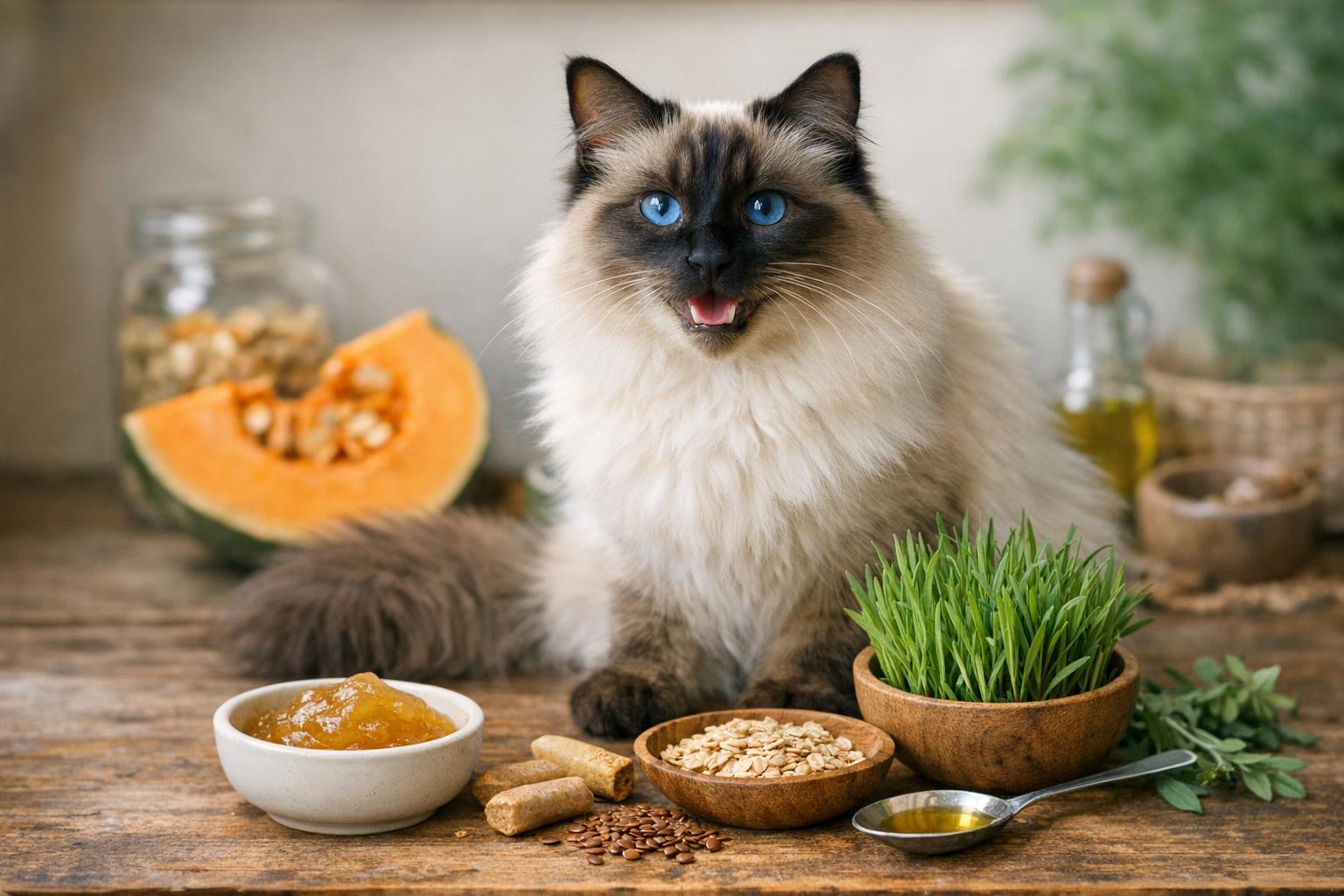
Here are three natural, home-friendly remedies you can try. Each one includes ingredients and a clear step-by-step preparation and application. When applying any new treatment, introduce it gradually and monitor your cat for any adverse reactions. If uncertain, consult your veterinarian.
### 1. Olive Oil And Pumpkin Remedy
This is a simple, gentle option focused on lubrication and fiber to help hair pass through the digestive tract. Use this remedy for occasional hairball problems rather than as a daily long-term plan unless your vet approves.
#### Ingredients Or Required Materials
– 1 teaspoon of plain canned pumpkin (not pumpkin pie filling)
– 1/4 to 1/2 teaspoon of extra-virgin olive oil
– A small spoon or syringe (without needle) for dosing (optional)
#### Step-By-Step Creation And Application
1. Measure the pumpkin and olive oil. For small cats, start on the lower end of the olive oil range; larger cats can handle slightly more.
2. Mix the pumpkin and olive oil thoroughly in a small dish until smooth.
3. Offer the mixture on your cat’s food bowl or a spoon. Many cats take it willingly when mixed into a favorite canned food.
4. Administer once daily for up to 3–5 days if needed. Observe stool consistency and frequency.
5. If there’s no improvement or if your cat shows signs of gastrointestinal upset, stop and consult your veterinarian.
Notes: Pumpkin adds soluble fiber to bulk and soften stool, while olive oil acts as a mild lubricant. Do not exceed recommended amounts; oils in excess can cause diarrhea.
### 2. Regular Brushing And Hydration Protocol
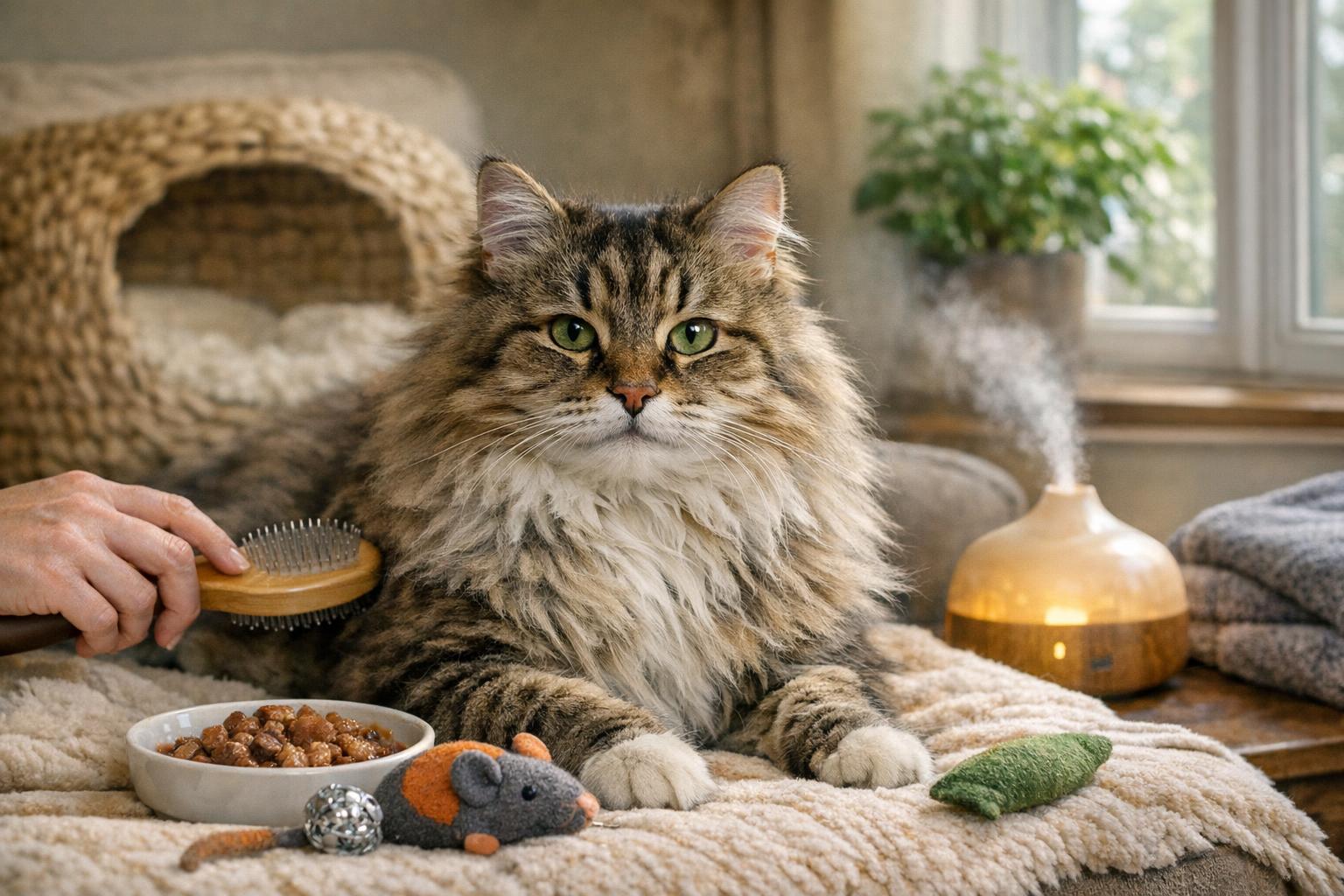
Prevention is often the best feline hairball remedy. Reducing the amount of loose hair your cat swallows is a safe, no-ingredient approach with excellent results.
#### Ingredients Or Required Materials
– A quality cat brush suitable for your cat’s coat type (slicker brush for long hair, bristle or grooming glove for short hair)
– Fresh water access: consider a cat water fountain to encourage drinking
– Optional: a pet-safe humidifier in dry climates
#### Step-By-Step Creation And Application
1. Choose a brush appropriate for your cat’s coat and spend a few minutes brushing daily. For long-haired cats, aim for once or twice daily. Short-haired cats often do well with several weekly sessions.
2. While grooming, gently remove loose hair and check for mats. Use small, patient strokes and praise to make grooming a positive experience.
3. Keep bowls of fresh water available throughout the house. Cats often prefer running water; a fountain can significantly increase intake.
4. Monitor hydration by checking that your cat’s skin tent returns quickly when gently pinched (briefly and carefully) and by observing urine production/ litter box habits.
5. Maintain a consistent grooming schedule; less swallowed hair means fewer hairballs without adding anything to the diet.
Notes: Hydration supports normal intestinal motility and helps hair move through the gut. Regular grooming is one of the most effective natural preventative measures.
### 3. Slippery Elm Paste (Cat-Safe) For Occasional Use
Slippery elm is a demulcent herb used in some gentle digestive preparations. When prepared properly and used in conservative amounts, it can soothe the gut and assist passage of hair. Always check with your veterinarian before giving herbs.
#### Ingredients Or Required Materials
– Slippery elm powder (USP grade, specifically for pets if available)
– Warm water
– Small bowl and spoon
– Measuring spoon or syringe for accurate dosing
#### Step-By-Step Creation And Application
1. Confirm dosage with your veterinarian based on your cat’s weight. Typical guidance is very conservative — for example, a small pinch to 1/8 teaspoon mixed into food for a small cat, but follow professional advice.
2. Mix the slippery elm powder with warm water to form a smooth paste. Let it sit briefly to thicken.
3. Offer the paste mixed into a small portion of wet food or on a spoon. Many cats accept it when blended into a favorite treat.
4. Use only for short periods (1–3 days) unless your vet recommends extended use. Monitor bowel movements and general behavior.
5. Discontinue if any signs of intolerance develop (vomiting, diarrhea, decreased appetite).
Notes: Slippery elm can interact with medications by affecting absorption; always discuss herbal remedies with your veterinarian prior to use.
## Feeding Tweaks And Diet Considerations
Diet plays a big role in hairball control. Look for high-quality cat foods with moderate fiber and adequate moisture. Some commercial diets are formulated specifically to reduce hairball formation by combining optimal fiber with coated kibble that encourages passage. If you prefer a natural approach, consider wet food meals to increase moisture, adding safe canned pumpkin occasionally for fiber (as in remedy 1), and ensuring protein levels suit your cat’s life stage.
Pay attention to weight: overweight cats groom less efficiently and may be more prone to both fur loss and hair ingestion. If weight is a concern, consult your vet for a targeted feeding plan that reduces hairball risk.
## When To See A Vet
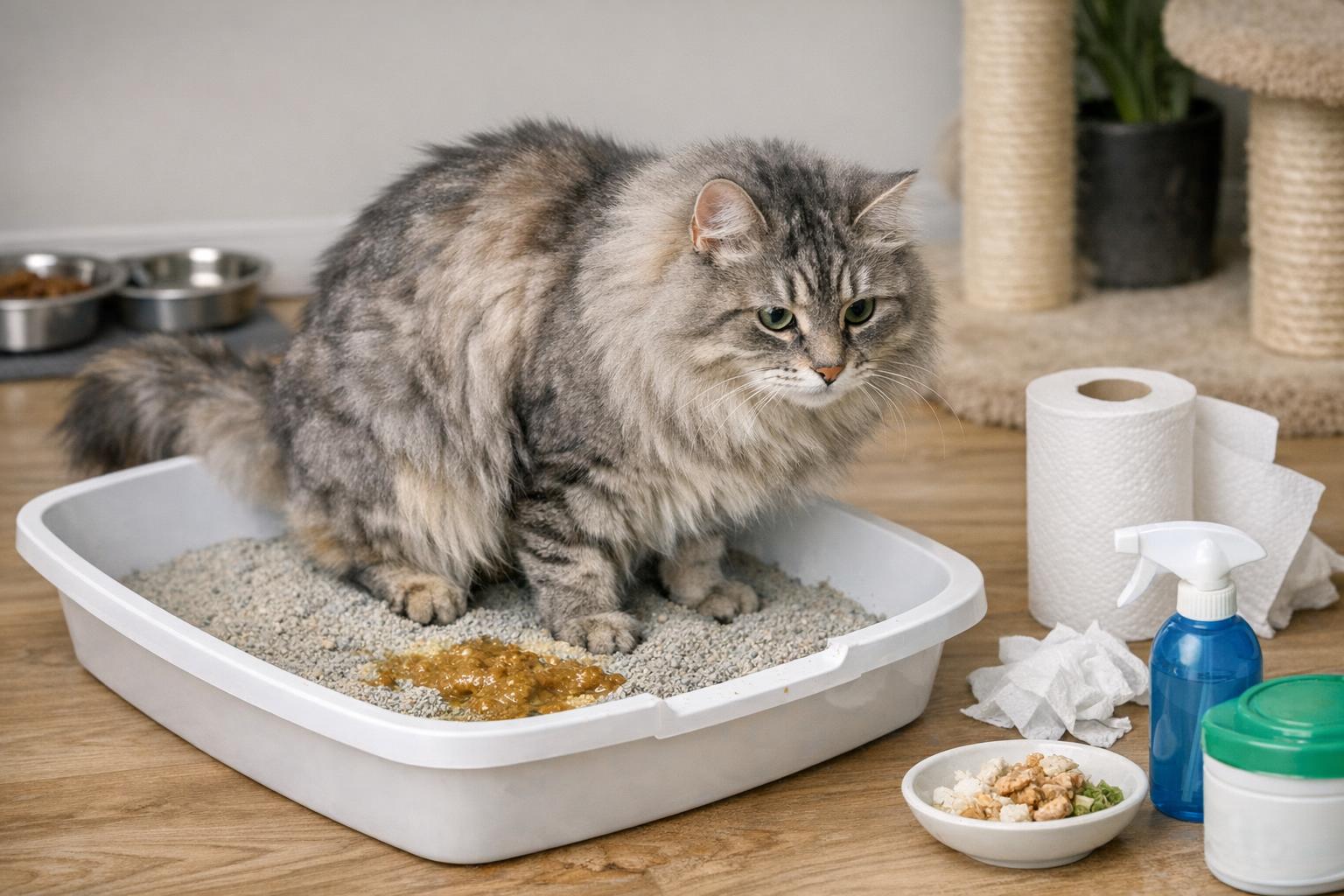
A home-based feline hairball remedy strategy is fine for occasional, mild hairball events. However, seek veterinary care promptly if your cat:
– Strains repeatedly without producing any hairball or stool
– Has persistent vomiting, lethargy, or loss of appetite
– Shows signs of abdominal pain, dehydration, or rapid breathing
These could indicate an obstructive hairball or another medical problem requiring diagnostics and possible intervention.
## Lifestyle Adjustments That Reduce Hairball Frequency
Beyond remedies and grooming, small lifestyle changes can make a measurable difference:
– Keep a regular grooming and brushing routine, especially during shedding seasons.
– Use interactive toys and play sessions to reduce stress-related overgrooming.
– Rotate toys and environmental enrichment to keep your cat mentally engaged.
– Maintain a predictable feeding schedule and provide multiple small meals for cats that overgroom due to boredom.
A combination of thoughtful daily care, hydration, appropriate diet, and targeted, veterinarian-approved home remedies provides the best chance of reducing hairball incidents and keeping your cat comfortable. Try one approach at a time, document responses, and involve your vet if you’re unsure or if problems persist.






Leave a Reply