




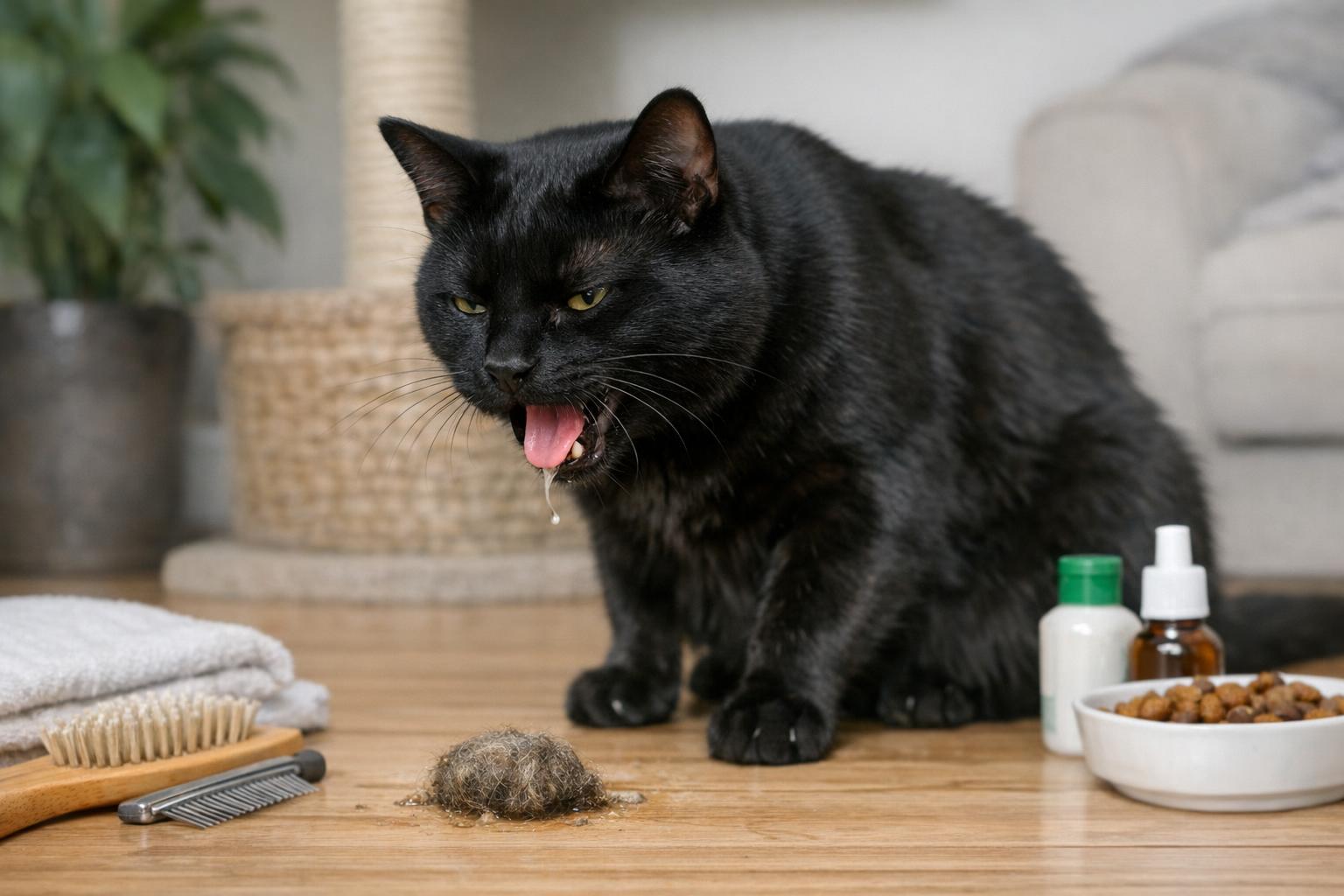
If your cat has a talent for producing tiny, tubular souvenirs from its grooming sessions, you’re not alone. Hairballs are a normal part of life for many felines, but they can be unpleasant for both cat and human. Below are friendly, practical, and safe options to help reduce the frequency and severity of hairballs. I’ll keep the humor light and the remedies clear and methodical.
## Understanding Why Cats Get Hairballs
Cats are meticulous groomers. Their tongues are covered in tiny backward-facing barbs (called papillae) that catch loose fur. Most swallowed hair passes harmlessly through the digestive tract, but some hair can accumulate in the stomach and form a hairball. Occasional retching or a hairball is normal, but frequent vomiting, lethargy, or constipation needs attention.
## Cat Furball Treatment Basics
When choosing a cat furball treatment, think in three practical layers: reduce how much hair gets ingested, help the hair pass more easily through the gut, and address any dietary or health issues that increase hairfall. Safety first: always use remedies appropriate to your cat’s age, weight, and health status. If in doubt, consult your veterinarian.
### Remedy 1: Olive Oil Lubrication (Home Method)
This is a classic at-home approach that some cat owners use to help hair pass through the intestines.
#### Ingredients Or Materials
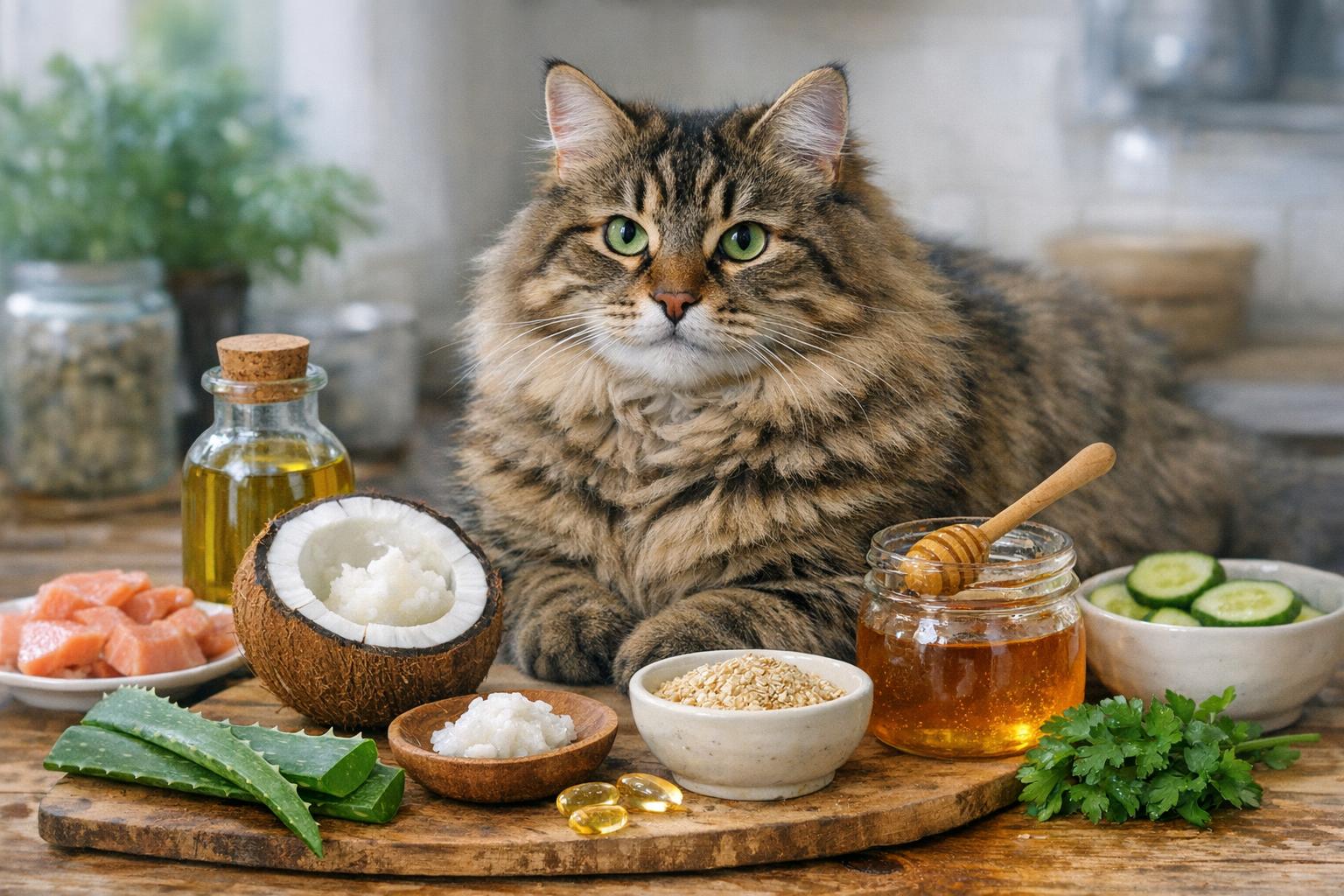
– Extra virgin olive oil (small bottle)
– A small syringe (without needle) or dropper (optional, for picky eaters)
– Treats to encourage compliance
#### Step-By-Step Creation And Application
1. Measure A Tiny Dose: For adult cats, start with 1/4 to 1/2 teaspoon mixed into food. Kittens require much less—check with a vet.
2. Mix With Food: Warm the olive oil slightly by rubbing the closed bottle between your palms for a few seconds, then stir into wet food so it’s well distributed. Avoid putting oil on top of dry kibble where it sits.
3. Observe Effects: Give this once daily for up to 3 days. If constipation or digestive upset occurs, stop immediately and seek vet advice.
4. Notes On Safety: Olive oil can be a mild laxative. Overuse may cause diarrhea or interfere with nutrient absorption. Not recommended for cats with pancreatitis or on certain medications. Use this method sparingly and as a short-term measure.
### Remedy 2: Dietary Fiber Boost (Pumpkin And High-Fiber Foods)
Increasing soluble fiber helps move hair through the gut more predictably. This remedy focuses on safe fiber additions and feeding strategies.
#### Ingredients Or Materials
– Canned plain pumpkin (not pumpkin pie filling) or psyllium husk (unflavored)
– High-quality high-fiber cat food (optional, consult label)
– Measuring spoon
#### Step-By-Step Creation And Application
1. Choose The Fiber Source: Plain canned pumpkin is gentle and palatable. Psyllium husk is effective but should be used with veterinary guidance.
2. Start Low, Go Slow: Begin with 1/2 teaspoon of pumpkin mixed into wet food for an average adult cat once daily. Increase to 1 teaspoon if tolerated. For psyllium, follow vet dosing.
3. Monitor Hydration: Fiber needs water to work. Ensure fresh water is always available; consider adding a water fountain to encourage drinking.
4. Evaluate Results Over Two Weeks: Look for fewer retches, softer stools, and no vomiting. If constipation develops, stop and consult your vet.
5. Long-Term Feeding: If hairballs are frequent, slowly transition to a high-fiber commercial diet made for hairball control under vet guidance.
### Remedy 3: Improved Grooming Routine And Tools
Prevention often beats treatment. Regular grooming removes loose fur before your cat swallows it.
#### Ingredients Or Materials
– Slicker brush and a de-shedding tool (e.g., Furminator)
– Soft grooming glove for sensitive cats
– Treats for positive reinforcement
#### Step-By-Step Creation And Application
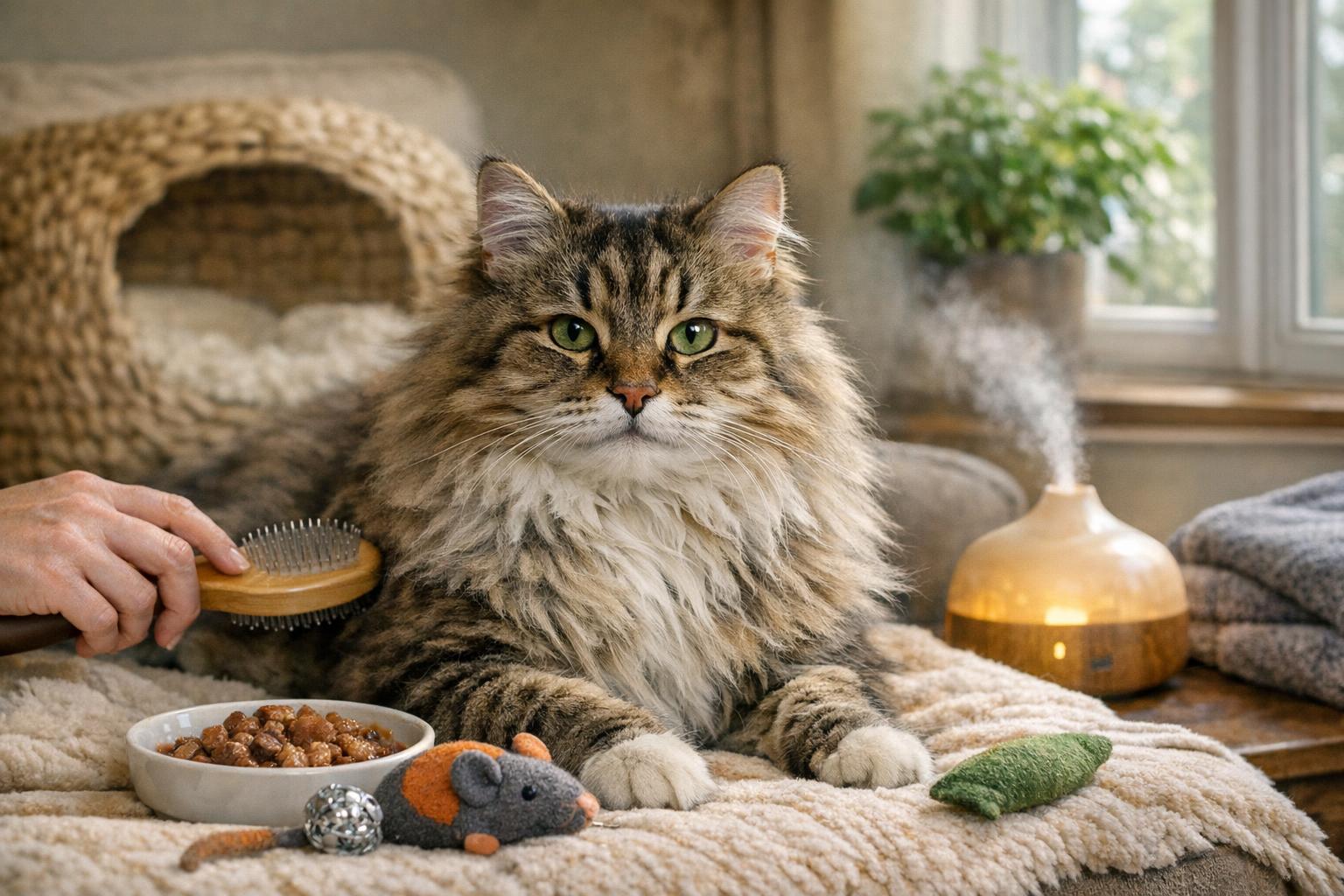
1. Establish A Routine: Brush short-haired cats two or three times a week; long-haired cats benefit from daily brushing.
2. Use The Right Tool: De-shedding tools remove loose undercoat hair. Slicker brushes remove tangles and surface fur.
3. Gentle Technique: Brush in the direction of hair growth. Hold skin taut with one hand and brush with the other to avoid discomfort.
4. Reward And Comfort: Pair brushing with a calm environment and treats to make it positive. Keep sessions short if your cat is anxious.
5. Clean Up: Remove collected hair from brushes and dispose of it—don’t leave it where your cat can re-ingest it.
### Remedy 4: Commercial Lubricant Gels And Veterinary Products
There are many over-the-counter cat furball treatment gels designed specifically to lubricate hair passage.
#### Ingredients Or Materials
– Veterinary-recommended hairball gel (pet store or vet supply)
– Measuring cap or syringe included with product
– Food bowl for mixing if necessary
#### Step-By-Step Creation And Application
1. Choose A Reputable Product: Look for gels formulated for cats from known brands or veterinary recommendations.
2. Read And Follow The Label: Dosing varies by product and cat weight—always use the included measuring tool.
3. Administer Correctly: Many cats will lick gel from your finger. If not, mix the recommended amount into a small portion of wet food.
4. Frequency: Most products are given once daily as needed. Long-term use should be discussed with your vet.
5. Watch For Side Effects: Vomiting, diarrhea, or refusal to eat warrants discontinuation and veterinary consultation.
### Remedy 5: Proactive Environmental And Lifestyle Changes
Small adjustments in the home environment can reduce stress-related over-grooming and hair shedding.
#### Ingredients Or Materials
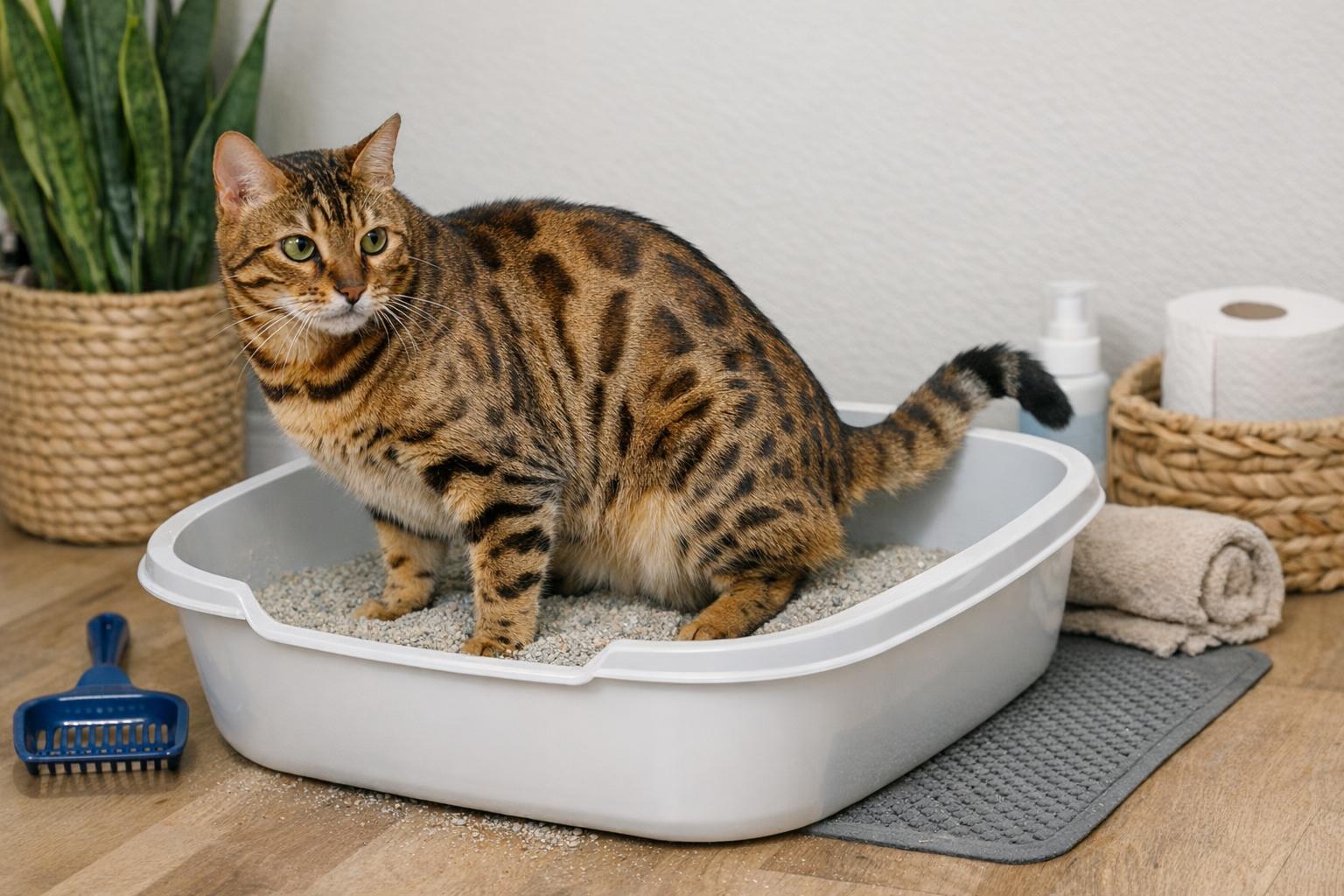
– Multiple litter boxes and scratching posts
– Cat-safe stress-reduction items (diffusers, pheromone sprays)
– Elevated perches, interactive toys
#### Step-By-Step Creation And Application
1. Enrich The Environment: Provide climbing spaces, perches, and toys to redirect grooming as a boredom response.
2. Reduce Stressors: Use pheromone diffusers in multi-cat homes or during changes like moving or remodeling.
3. Maintain Skin Health: Regular vet checks for fleas, allergies, or skin conditions that cause excessive shedding.
4. Hydration And Nutrition: Ensure a diet rich in omega fatty acids if recommended by your vet; good skin and coat health reduces shedding.
5. Monitor Outcomes: Track hairball frequency after making changes for several weeks to assess improvement.
## When To See A Veterinarian
If regular cat furball treatment approaches aren’t helping, or if you notice any of the following signs, see your veterinarian promptly:
– Frequent vomiting or unsuccessful retching for more than 24 hours
– Loss of appetite, lethargy, or weight loss
– Straining to defecate or no bowel movement for 48+ hours
– Blood in vomit or stool
These symptoms can indicate an obstruction or other serious condition requiring professional care.
## Signs Hairballs Are A Problem Versus Normal
Normal: A cat gags and produces a hairball every few weeks and otherwise behaves normally.
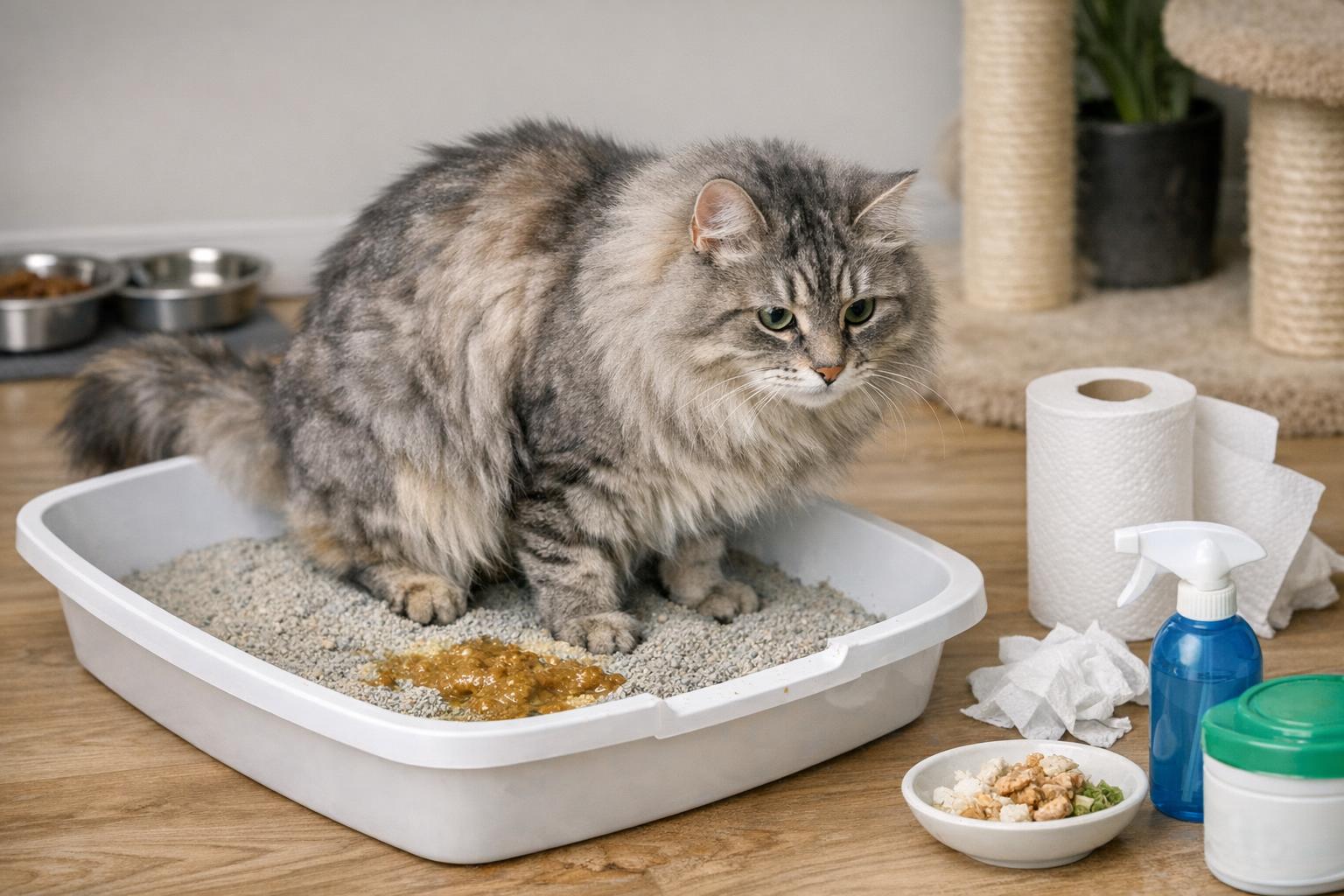
Problematic: Persistent retching without producing anything, repeated vomiting, changes in litter box habits, or behavioral changes. Document episodes (frequency, appearance, any food changes) to help your vet diagnose.
Use cat furball treatment strategies tailored to your cat’s lifestyle, coat type, and health history. Some cats respond well to grooming and a fiber boost, while others need a specific gel or veterinary intervention. If you try a home remedy, keep a close eye on hydration, stool consistency, and general well-being. The goal is fewer awkward mid-conversation expulsions and more time enjoying your cat’s subtle, dignified disdain for your lap.
















Leave a Reply