




If you want healthy fish, you have to keep an eye on ammonia and nitrite. They can spike fast and give no dramatic warning until fish start gasping at the surface. Testing is the simplest way to catch problems while they’re fixable.
## Why Test Ammonia And Nitrite In Fish Tanks Regularly
Ammonia and nitrite are toxic at very low concentrations. New tanks, overfeeding, and dead plant matter are common triggers. Regular ammonia and nitrite testing in fish tanks tells you whether the biological filter is working and whether you need to act before your stock suffers.
### How The Nitrogen Cycle Actually Works
Ammonia comes from fish waste, uneaten food, and decaying organic matter. Beneficial bacteria convert ammonia to nitrite. Other bacteria convert nitrite to nitrate. Nitrate is less toxic and can be removed with water changes or taken up by plants. If any step stalls, you get elevated ammonia or nitrite. That’s where an ammonia nitrite test becomes necessary. Don’t assume the presence of filter media means the cycle is complete.
### How To Test: Kits And Methods
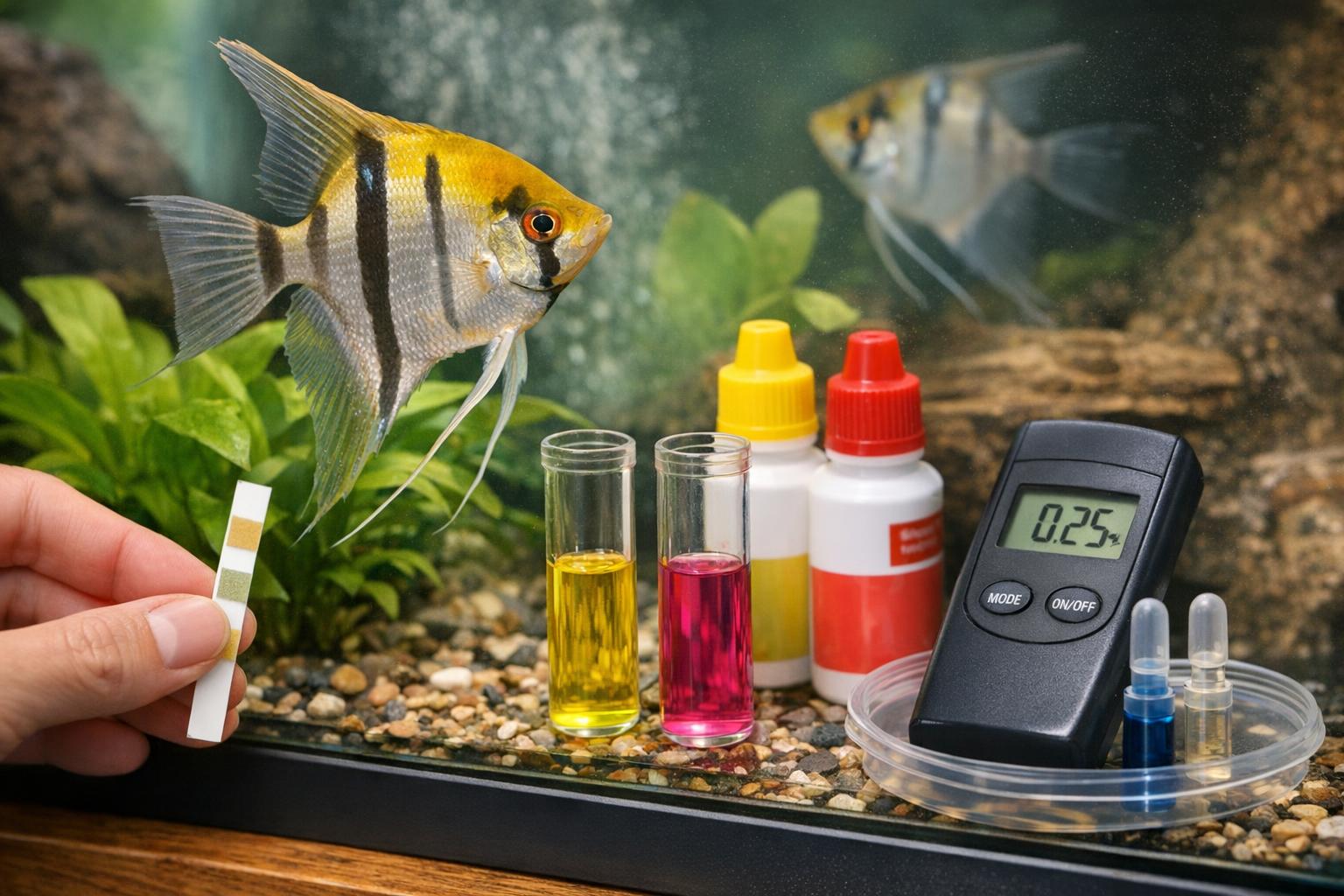
There are three practical options: liquid reagent kits, test strips, and digital probes. Each has trade-offs.
#### Using Liquid Test Kits
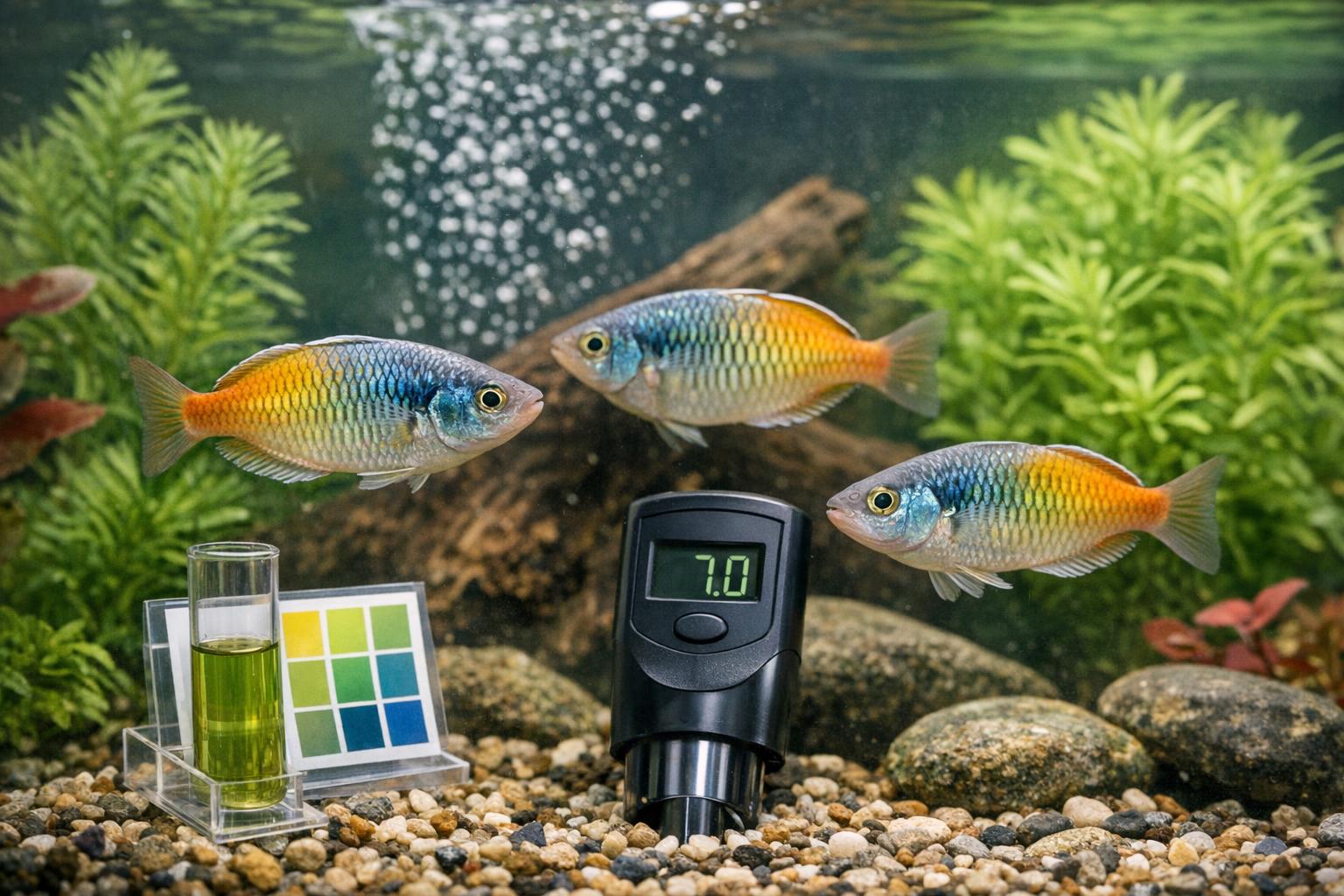
Most hobbyists prefer liquid kits for accuracy and range. They usually come with reagents that change color. Match the bottle cap-dip or vial colors to the chart. For ammonia and nitrite, buy two separate reagents or a combo kit that covers both. A reliable ammonia nitrite test kit will detect down to 0.02–0.25 ppm increments, which matters when you’re trying to keep levels at zero.
#### Using Test Strips
Strips are fast and cheap. They’re fine for quick checks, but they’re less precise and can age badly if left in a humid bathroom cabinet. If a strip shows any ammonia or nitrite, follow up with a liquid test before making major changes.
### Interpreting Results
Zero is the target for both ammonia and nitrite in most freshwater tanks. Small, transient blips can happen, but persistent readings above 0.25 ppm are a problem. If your ammonia and nitrite testing in fish tanks shows ammonia above 0.5 ppm or nitrite above 1.0 ppm, treat it as urgent.
When you read a positive ammonia: test pH. Elevated pH and high temperatures increase ammonia toxicity. If the nitrite is high, add aquarium salt in small doses to help fish cope while you fix the source. Remember: salt doesn’t solve the underlying issue.
### Safe Levels And Action Steps
– Ammonia: 0 ppm ideally. At 0.25–0.5 ppm, remove any visible waste and perform partial water changes. At higher levels, do immediate water changes and check filtration.
– Nitrite: 0 ppm ideally. At 0.5–1.0 ppm, do a large water change and add salt (0.5–1 tsp per gallon, depending on species tolerance). Above that, repeat water changes until levels drop and consider moving very sensitive species to a hospital tank.
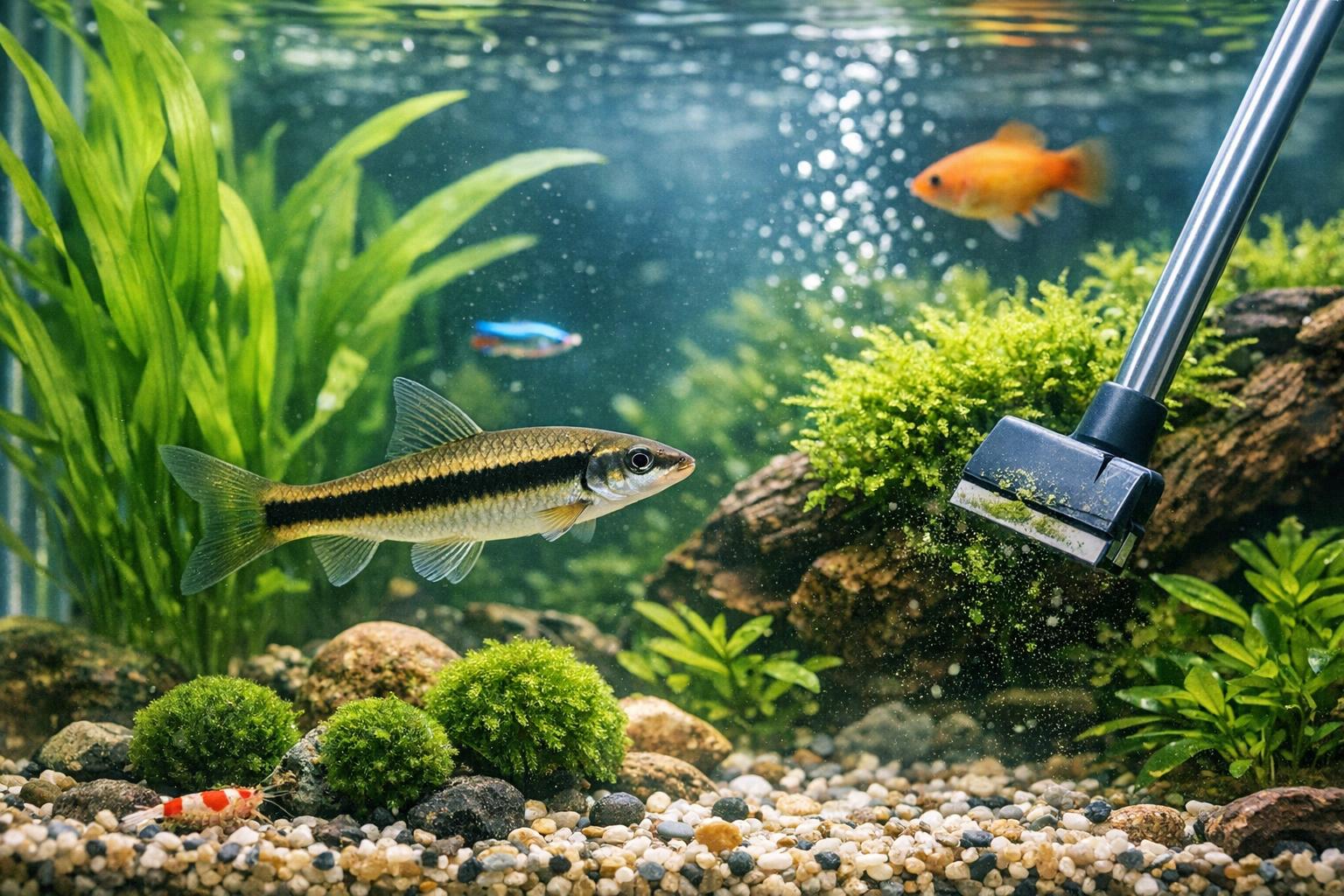
If you see both ammonia and nitrite elevated, do a 25–50% water change, siphon sludge, reduce feeding to once every other day, and ensure your filter media hasn’t been cleaned with chlorinated tap water that killed bacteria. If you recently added medication, check whether it harms nitrifying bacteria.
### Common Causes And Quick Fixes
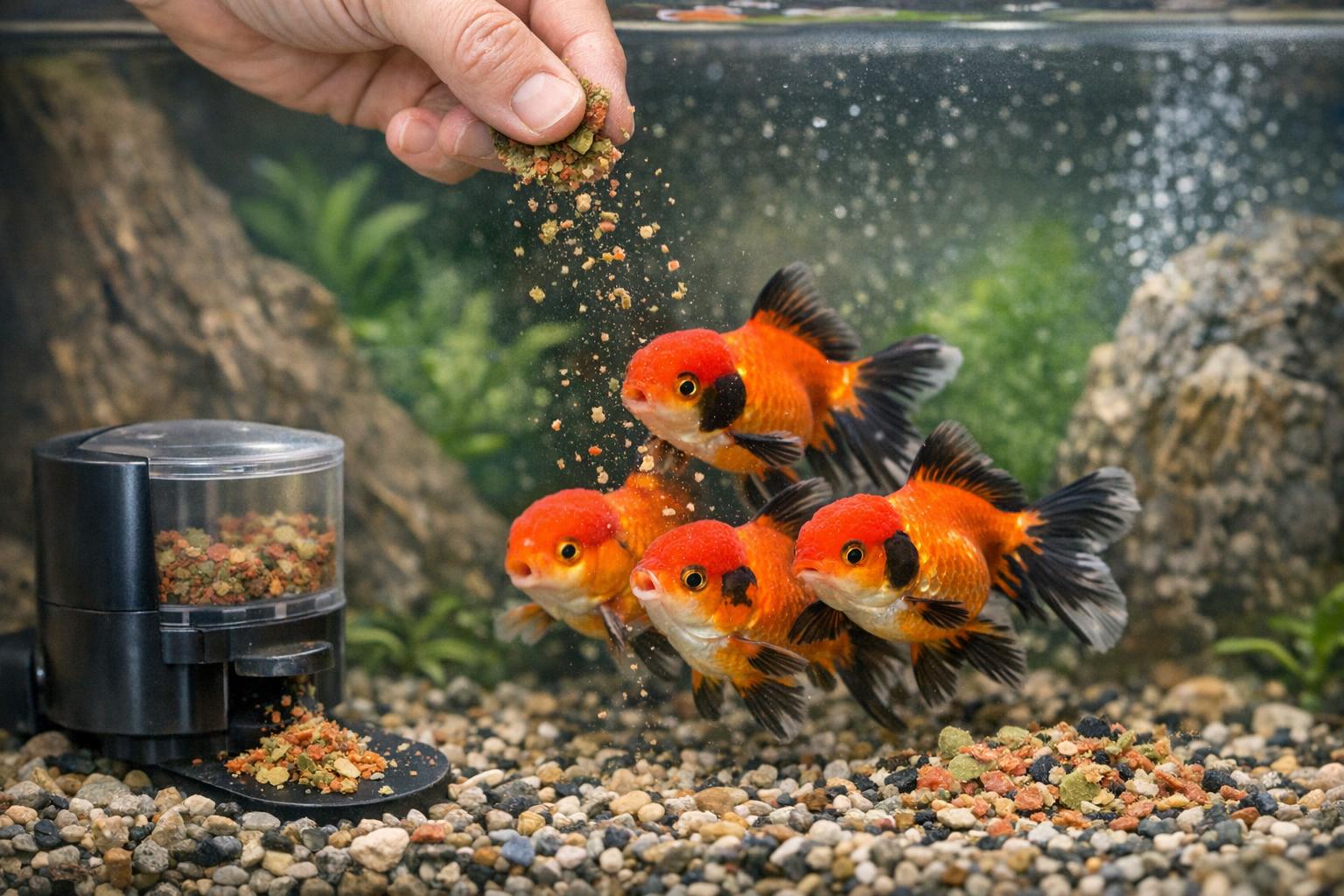
– Overfeeding. Feed less. Remove uneaten food after five minutes.
– Overstocking. The math matters: more fish equals more waste. Consider rehoming or upgrading tank size.
– Dead organisms. Remove decaying plants or dead fish immediately.
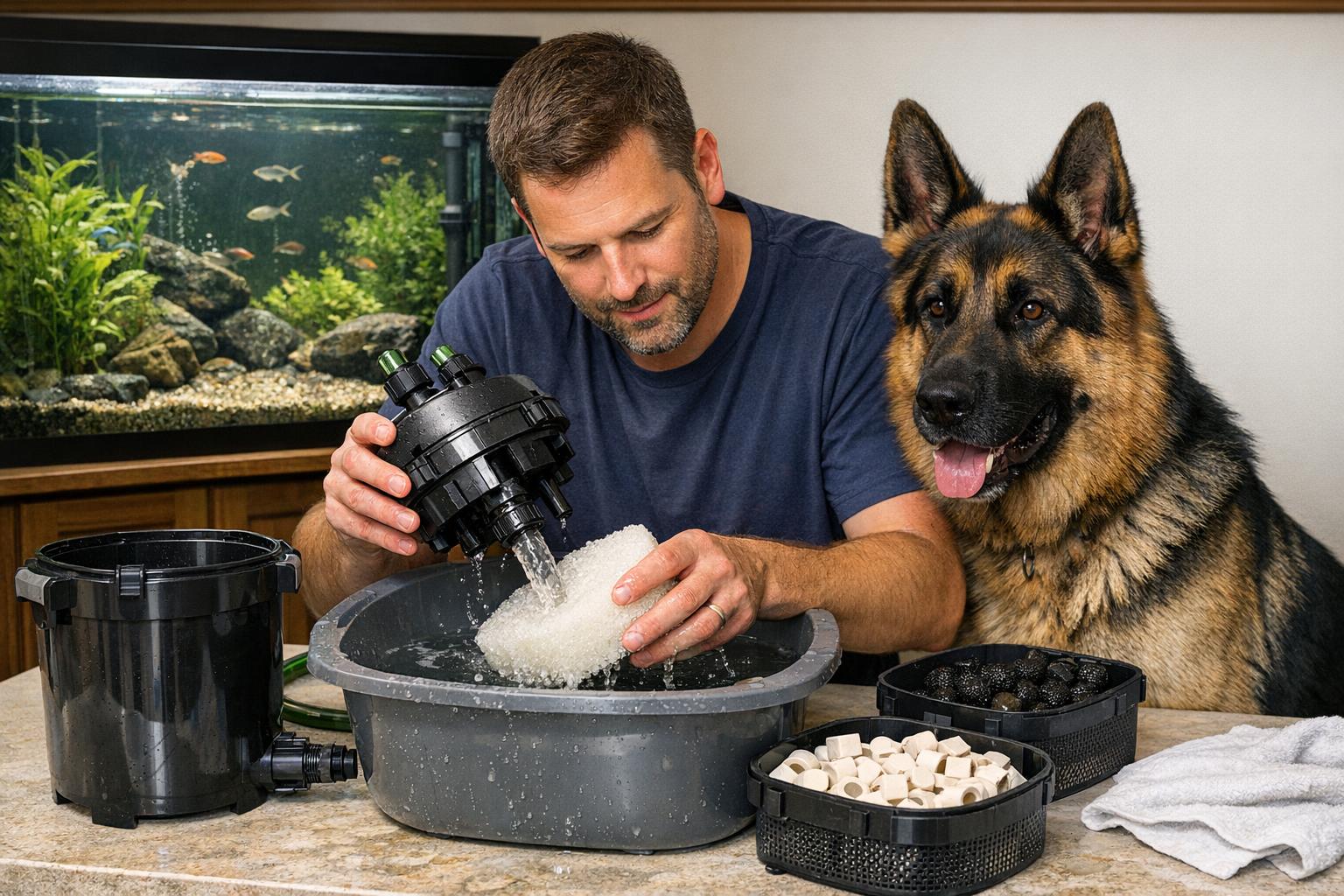
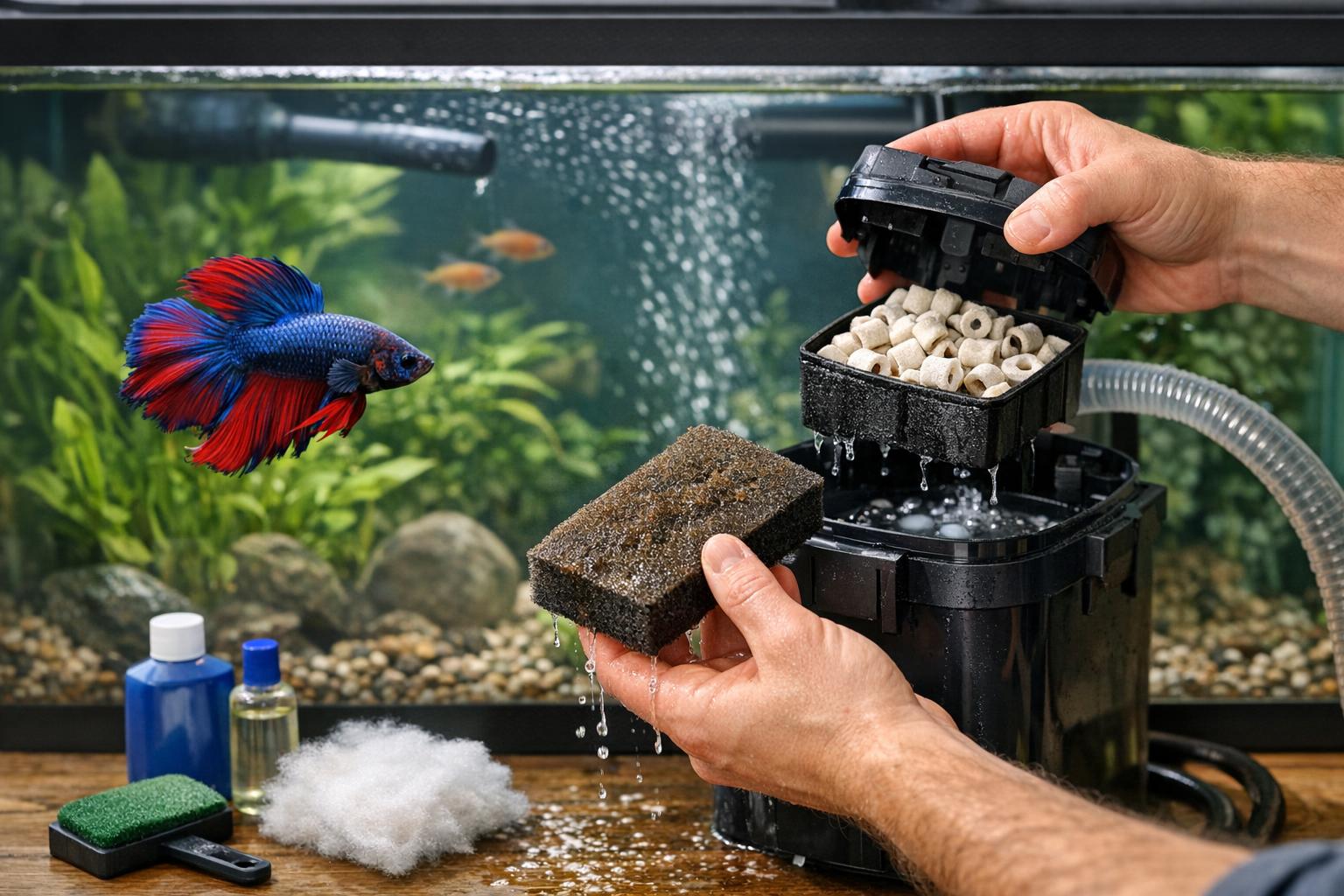
– Fresh filter media. New filters need time to mature; use seeded media from an established tank if possible.
– Sudden cleaning. Rinsing bio-media in tap water can decimate bacteria. Rinse in tank water instead.
An ammonia nitrite test is cheap insurance. Keep spare test kits and record results for a week after any major change: new fish, new filter, different food. Patterns reveal problems faster than single readings.
## Practical Testing Schedule For Different Tanks
For new setups, test daily for at least two weeks or until ammonia and nitrite stay at zero for several days. For established tanks, test weekly and after any disturbance: after major water changes, illnesses, adding fish, or after power outages. If you’re troubleshooting, double your frequency.
### Tips For More Reliable Results
Calibrate and check digital probes against a liquid kit now and then. Store reagents in a cool dark spot; they expire. Always use fresh sample vials and avoid touching the inside of the cap. When comparing colors, view them in natural light. If a test reads borderline, repeat it after 12–24 hours to see the trend.
### When To Use Emergency Measures
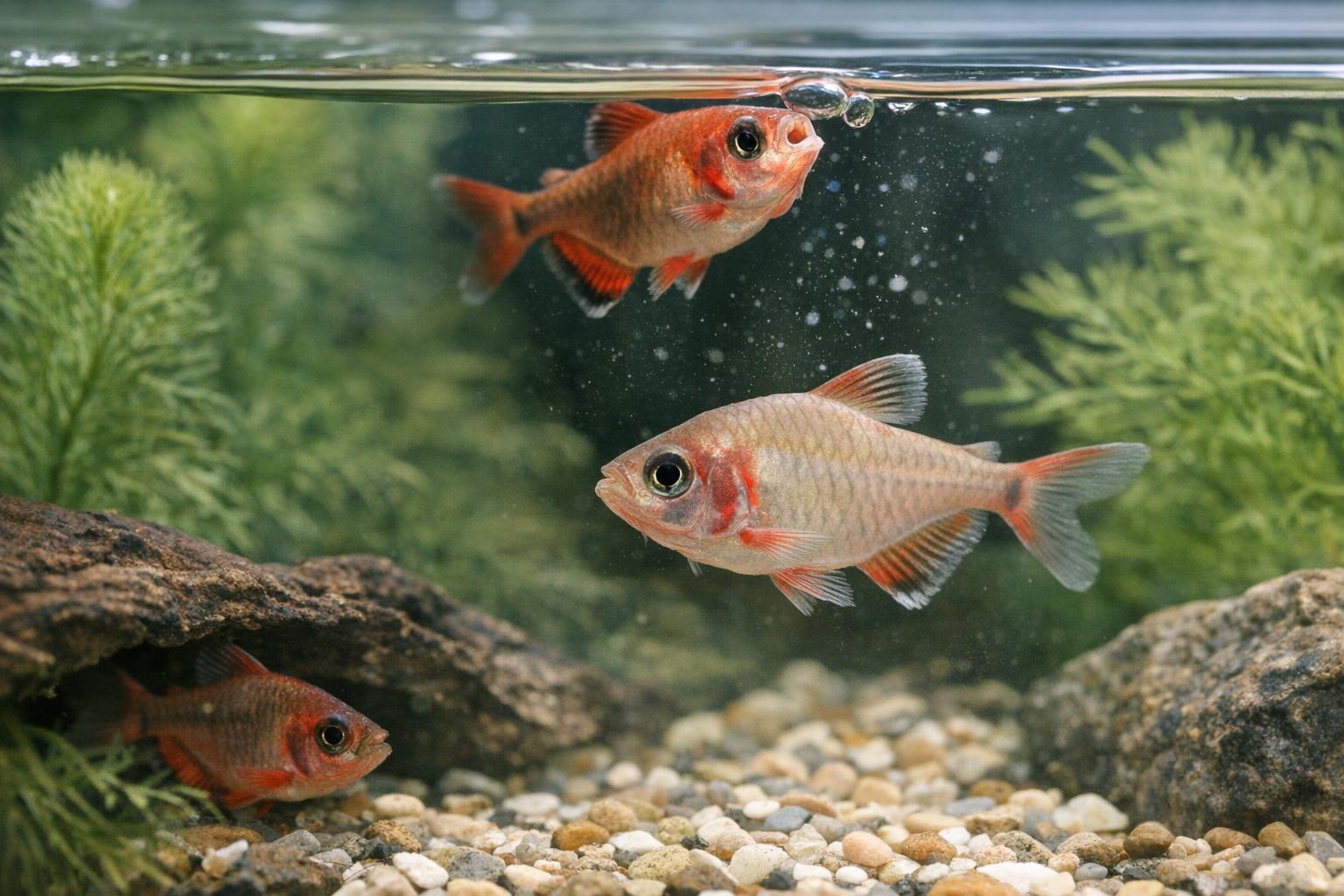
If a quick test shows dangerous levels, do partial water changes immediately and reduce feeding to zero for two days. Add an aerator and raise oxygenation; ammonia and nitrite stress fish and reduce oxygen uptake. If levels stay high despite changes, consider moving sensitive fish to clean water while you cycle the main tank. Keep notes on what you did and what the test showed. It helps next time, and it helps you explain the situation at the LFS if you need advice.
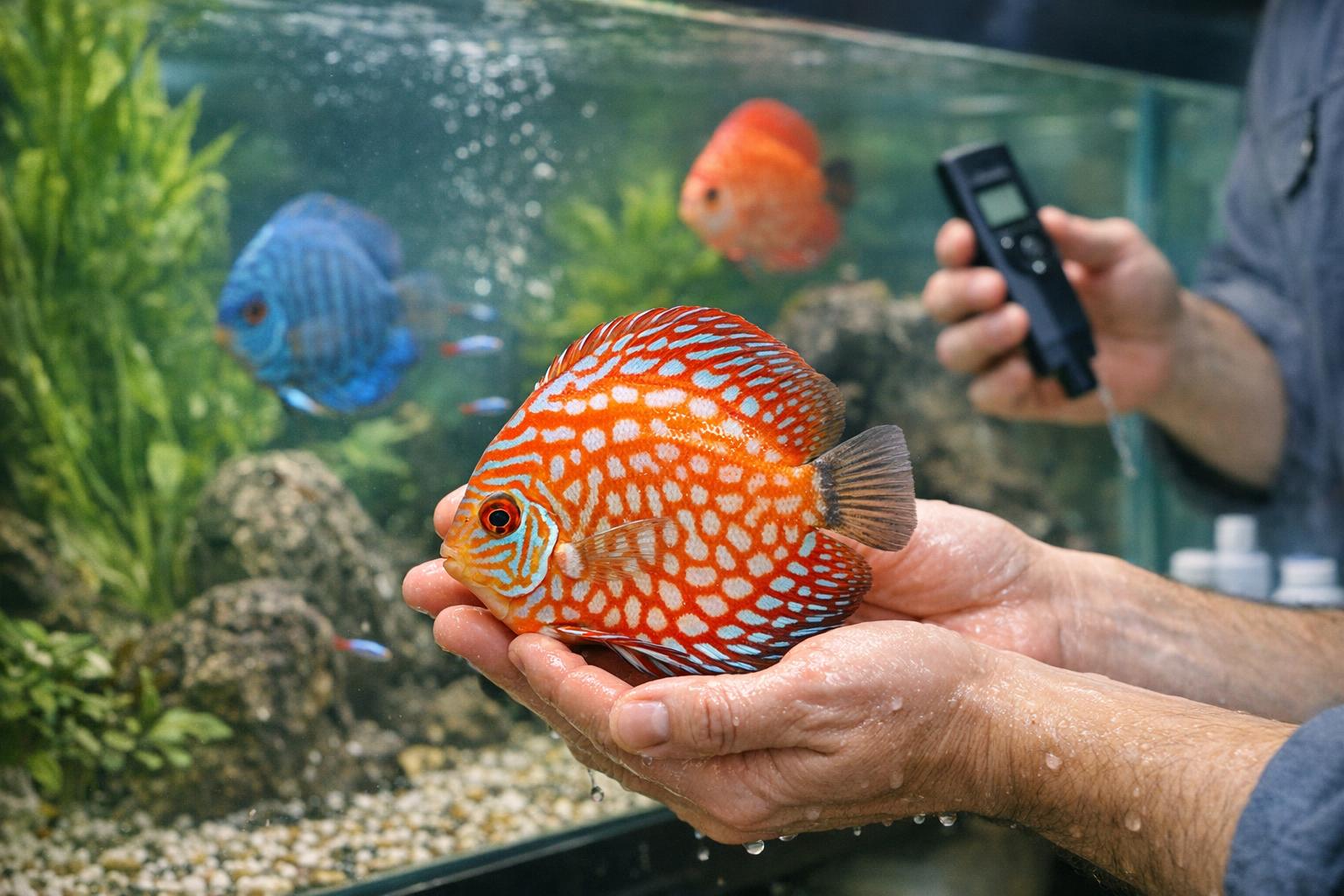
Keep in mind that cheap kits vary; buy one brand you trust and stick with it. Testing isn’t glamorous, but it’s the single most effective way to prevent fish losses. Trust the strips and vials, not guesswork. Little, consistent checks beat panic fixes later. And if you’re ever unsure, take a water sample to a local aquarium shop; they’ll run their preferred ammonia and nitrite testing in fish tanks and often give practical, hands-on tips to get you back on track.
(recieve this as a reminder: one test today saves a lot of grief tomorrow.)





























Leave a Reply