



Feeding is where most hobbyists trip up. A cheap mixed pellet looks fine on the shelf, so it becomes the go-to. The result is fish that live, but don’t look or behave like healthy individuals. If you want vibrant color and steady growth, tailoring food to each species matters.
## Species-Specific Diets For Aquarium Fish: How To Choose
Species-specific diets for aquarium fish are not a luxury — they’re a basic husbandry step. Think about what your fish do in the wild. Do they graze on algae, sift sand for small invertebrates, or ambush other fish? That behavior tells you whether to prioritize plant matter, small live foods, or higher protein options.
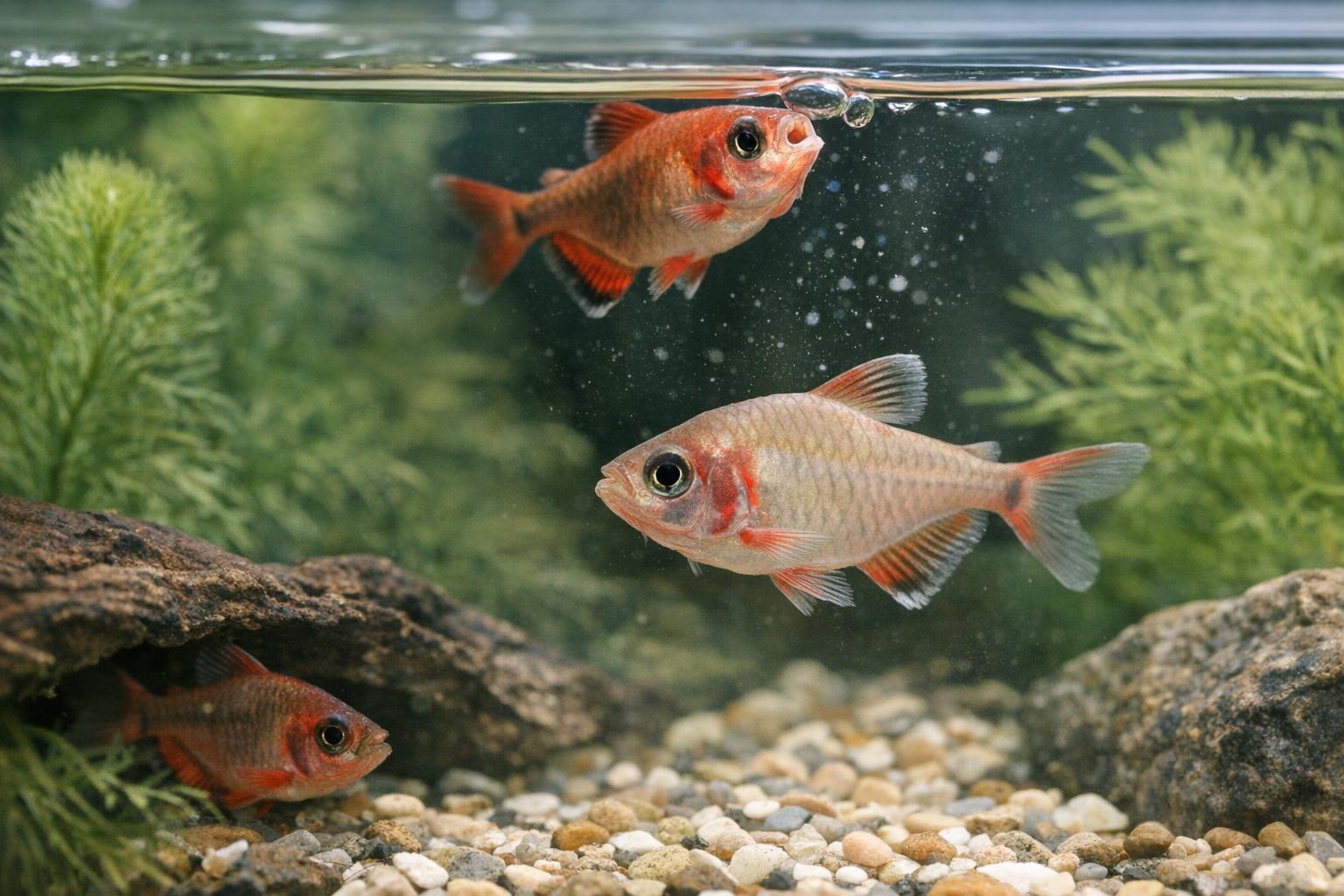
An aquarium fish diet for a pleco is heavy on vegetable matter and wood-fiber content. In contrast, a cardinal tetra or rasbora thrives on tiny live or frozen foods and well-formulated micro-pellets. When you ignore those differences, you get swollen bellies, shortened lifespans, and faded colors.
### Match Natural Feeding Habits
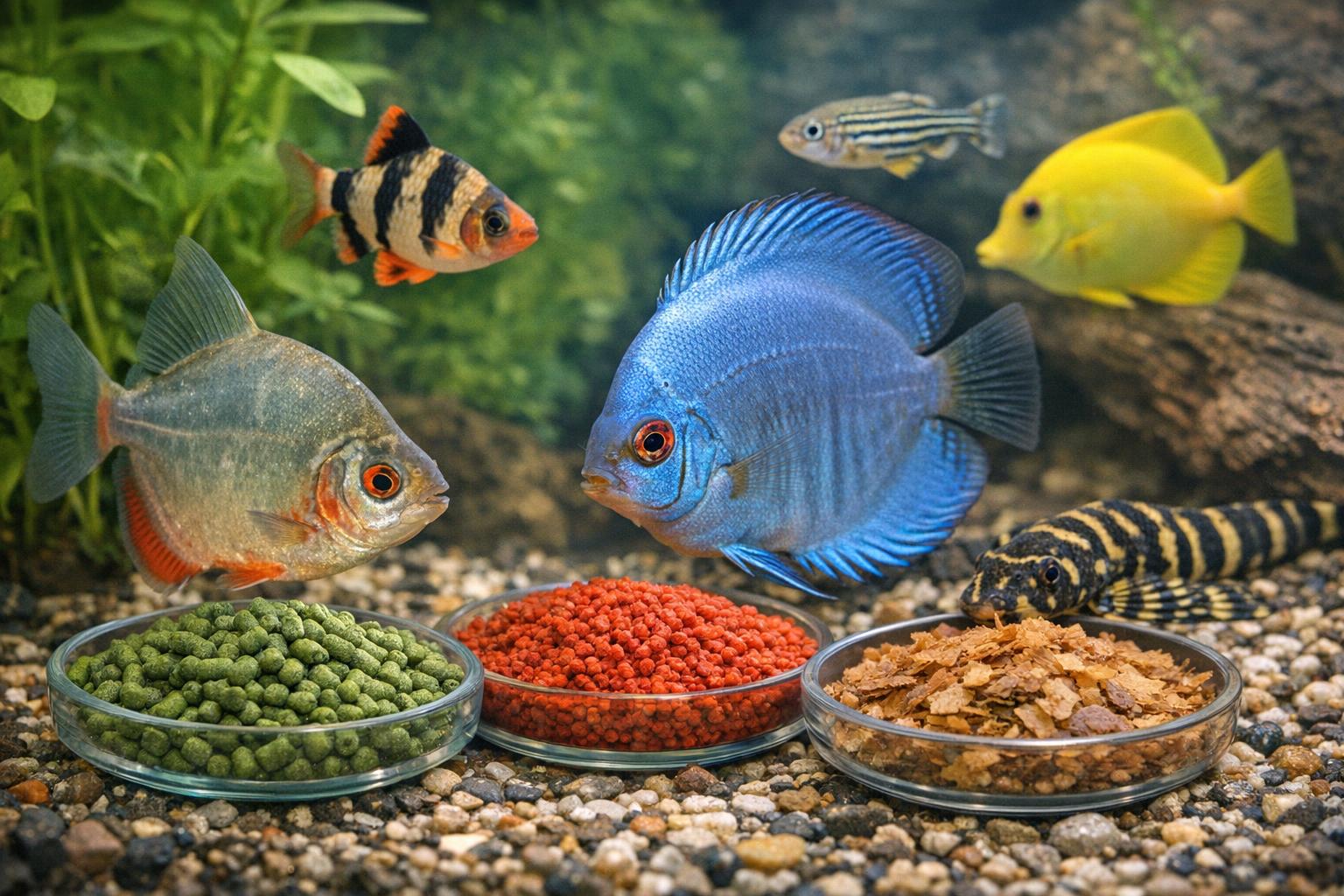
Most feeding errors come from assuming “one food fits all.” Species-specific diets for aquarium fish work because they replicate ancestral feeding niches. Key categories I use when planning food:
– Herbivores: algae wafers, blanched vegetables, spirulina.
– Omnivores: balanced pellets, occasional live treats, vegetable matter.
– Carnivores: frozen bloodworms, mysis shrimp, high-protein pellets.
– Micro-predators: live microworms, baby brine shrimp, powdered feeds.
You won’t build a reliable fish diet by guessing. Look up each species’ stomach type and typical diet in habitat descriptions. If a species browses rocks and eats diatoms, don’t feed it primarily meat-based pellets.
### Practical Food Choices
There are more options now than ever. Pick brands known to specialize in the category your fish need, rather than buying the cheapest multipurpose mix. A few practical pairings:
– Cichlids (African herbivores): spirulina flakes, vegetable pellets, occasional blanched spinach.
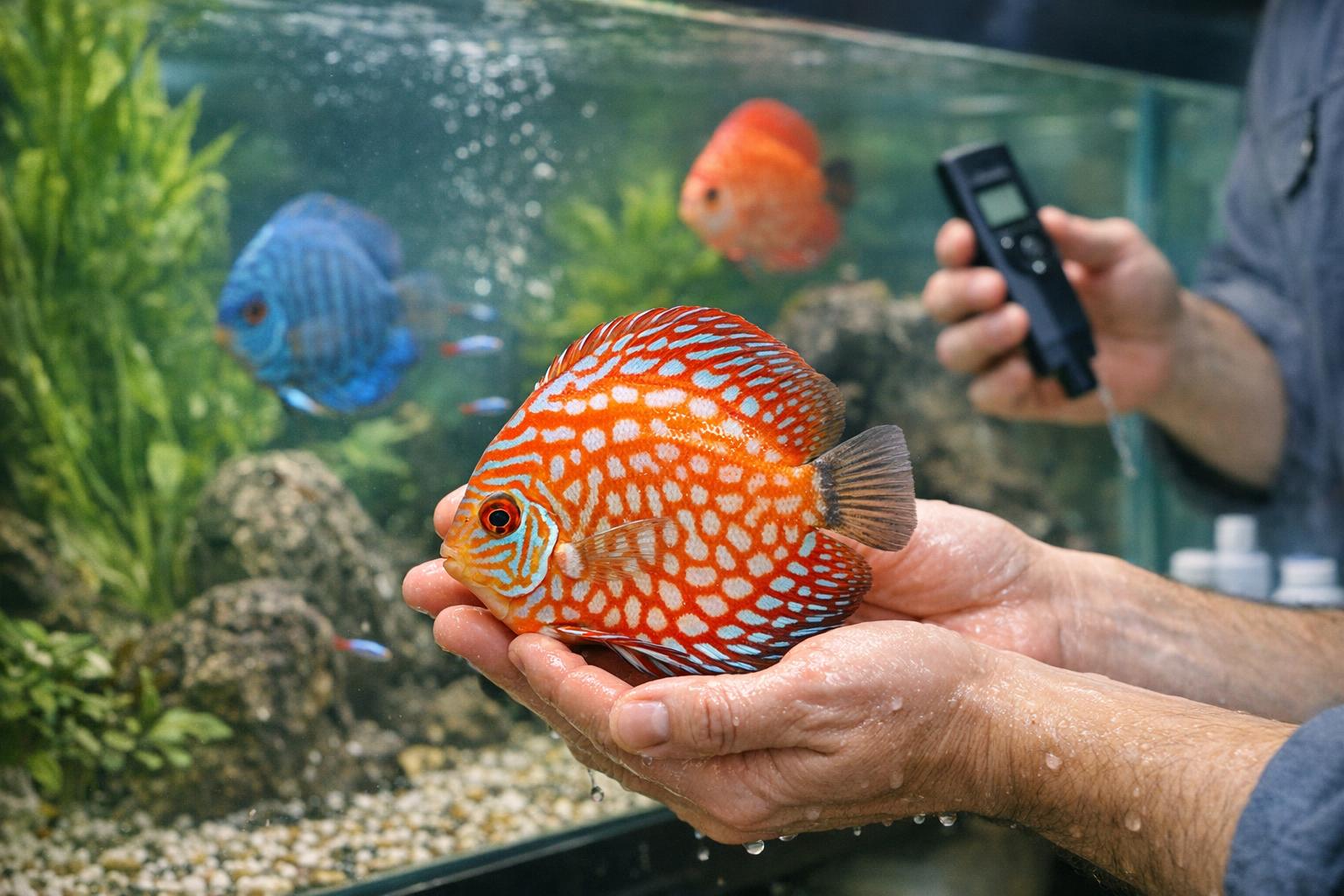
– Angelfish and discus: frozen beef heart sparingly, high-quality frozen mysis, protein-rich pellets.
– Livebearers: vegetable flakes plus occasional tubifex or bloodworms.
– Marine tangs: dried seaweed tabs and periodic fresh nori.
– Catfish and plecos: algae wafers, cucumber slices, driftwood for species that require it.
Frozen foods are often underrated; they lock in nutrients better than many dry options. If cost is an issue, rotate inexpensive staples with a weekly treat of frozen or live items.
#### Feeding Frequency And Portion Sizes
Feeding frequency is as important as the food itself. Smaller, more frequent meals mimic natural feeding patterns and reduce waste. General rules:
– Juveniles: feed two to three times per day in small amounts.
– Adults: once to twice per day, depending on species and activity level.
– Grazers (like plecos or tangs): leave vegetable matter available for long periods, but remove uneaten greens after a few hours to limit fouling.
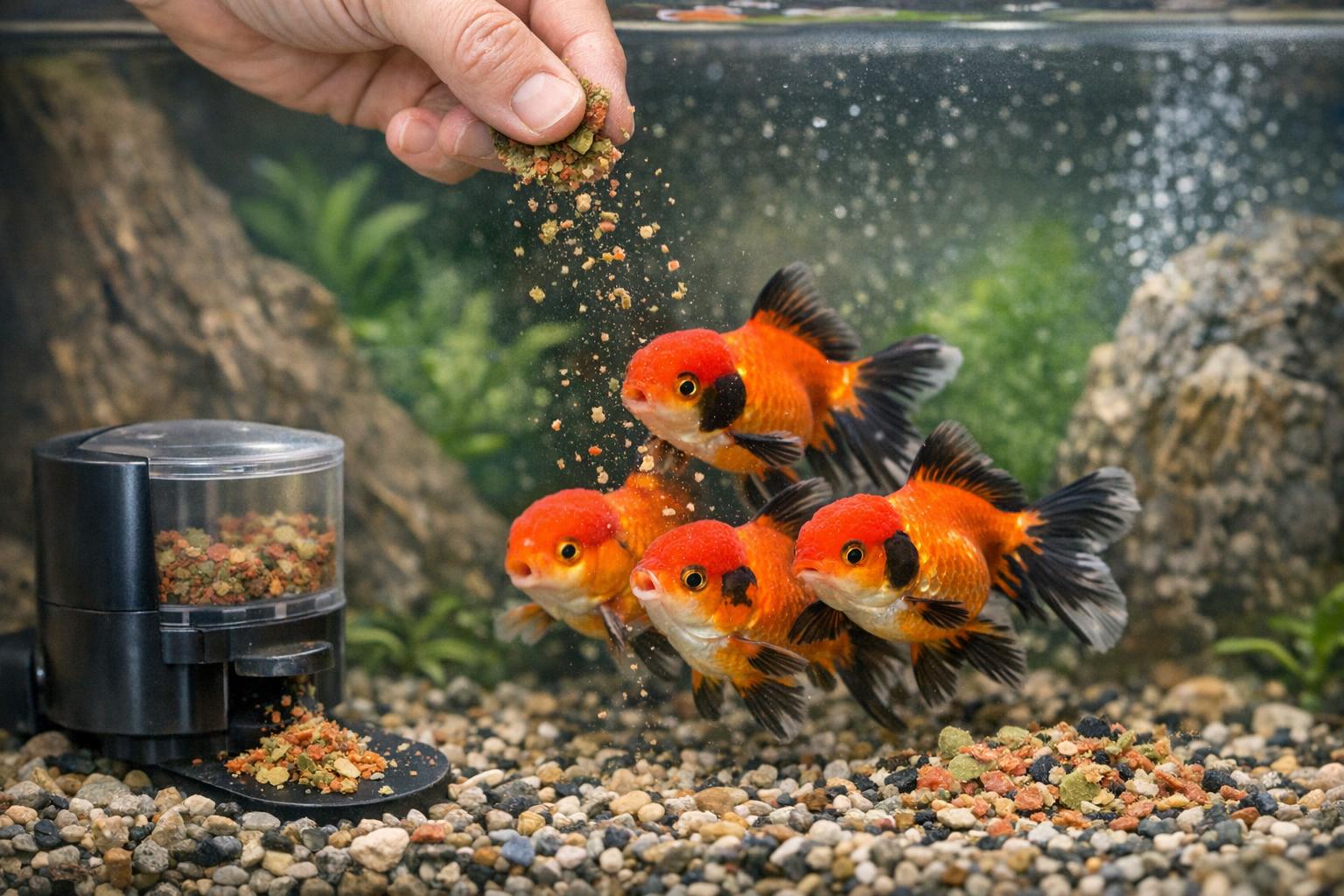
A practical test: feed what a fish can consume in about two minutes per feeding. If food sits after that, you’re overfeeding. Overfeeding wrecks water quality and hides nutritional problems with fatness.
### Recognizing Diet-Related Problems
Some issues are obvious. Wrong diets produce recognizable signs:
– Color Loss: often from low carotenoids. Add foods rich in astaxanthin or natural krill.
– Bloat/Constipation: common in carnivores fed too much vegetable matter or in bottom feeders given starchy pellets. Fast for 24–48 hours, then offer peas or daphnia.
– Lethargy and Poor Growth: may point to chronic protein deficiency or imbalanced amino acids.
– Broken or Ragged Fins: sometimes linked to vitamin deficiencies. A varied diet often fixes this.
Species-specific diets for aquarium fish cut down on these problems because they address the root mismatch between food and physiology. If you see consistent symptoms across a group, reassess the food type and quality first, before changing water parameters.
#### Supplements And Vitamins
Most quality foods cover basic vitamin needs, but two situations call for supplements: when a species has specialized requirements, and when you use a lot of frozen or home-prepared foods. Tips that actually work:
– Vitamin C: fragile in frozen foods. If you feed solely frozen, add a vitamin supplement once a week.
– Essential fatty acids (HUFAs): important for growth and fry survival. Live foods that are gut-loaded can supply these.
– Probiotics: can help digestion when switching foods or recovering from illness.
Be careful with dosing. More is not better; overdosing vitamins can be harmful. I reccomend dissolving supplements in tank water in a quarantine tank first, then dosing the main display only as needed.
### Transitioning Fish To New Foods
Weaning picky eaters is a skill. For species-specific diets for aquarium fish to work, fish must accept the food. Here’s a repeatable approach:
– Start by offering the new food alongside the old for several days.
– Reduce the old food in small increments while increasing the new.
– Use live foods as bait; many fish follow movement and will take pellets afterward.
– For bottom-dwellers, place food near resting areas so they discover it without stress.
Quarantine new arrivals and try feeding them there. They often accept new diets more readily without the competition and intimidation of established tankmates.
### Buying And Storing Food
Quality starts at purchase. Look for manufacture dates and avoid dusty, faded bags. Once home:
– Freeze or refrigerate frozen foods immediately and use within a month.
– Store dry foods in an airtight container away from heat.
– Rotate stock: older bags go to feeding fry or less demanding species.
Rancid fats are a common, invisible killer. If dry pellets smell off or look greasy, toss them. It’s cheap insurance against health problems.
### When To Blend Diets
Some species do best on mixed plans. A cardinal tetra’s core food might be micro-pellets, but color and reproductive performance improve with weekly live baby brine shrimp. A community tank can require multiple feeding strategies—target feeding carnivores and leaving plant wafers for bottom herbivores.
In that sense, species-specific diets for aquarium fish don’t mean rigid rules. They mean prioritized nutrition. Prioritize what each species needs most, and use supplementary foods to fill gaps. Adjust based on observation: if breeders produce weak fry, tweak protein and live foods. If algae-munchers stop grazing, add more fibrous greens.
Feed intentionally. Observe daily. Adjust quickly when something is off. Small changes made with purpose beat random feeding choices every time.
Note: toss any food with mold or strange odors. One bad batch can set off months of problems. And yes, even reputable brands sometimes ship a poor batch — check every bag. A single mislabeled ingredient or storage error can ripple through your system and create avoidable losses. The occasional human error means you need to inspect food like a pro.
















Leave a Reply