




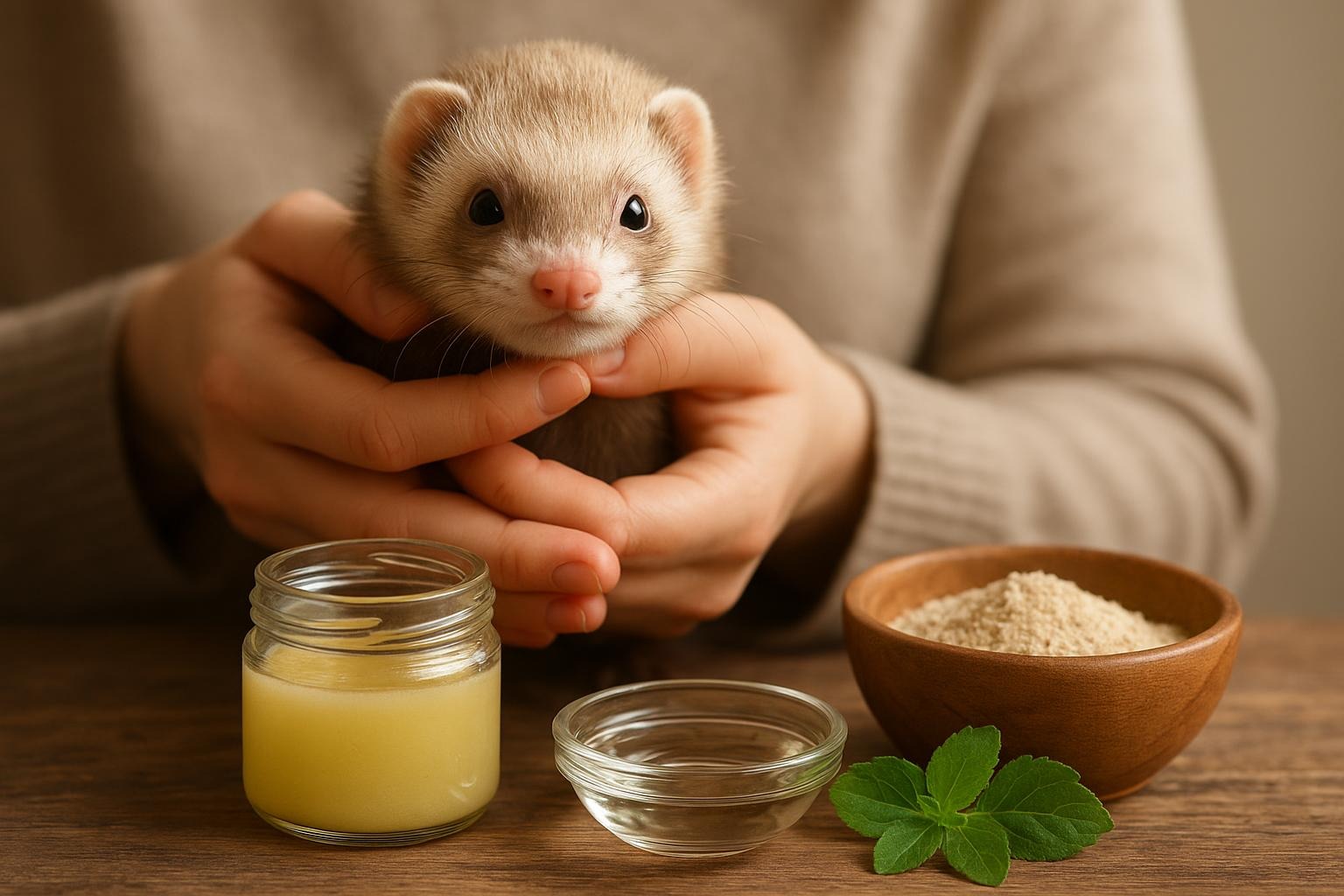
If you love a pocket-sized tornado of joy but your schedule looks like a Tetris game on expert mode, this guide is for you. Below you’ll find gentle, low-fuss home remedies tailored to busy owners who want practical ways to support their ferret’s health and comfort without turning into a full-time groomer or quasi-veterinarian. Light on pomp, heavy on usefulness — with a sprinkle of humor where it’s deserved (ferrets are pros at chaos; we’ll give them that).
## Ferret Care Basics
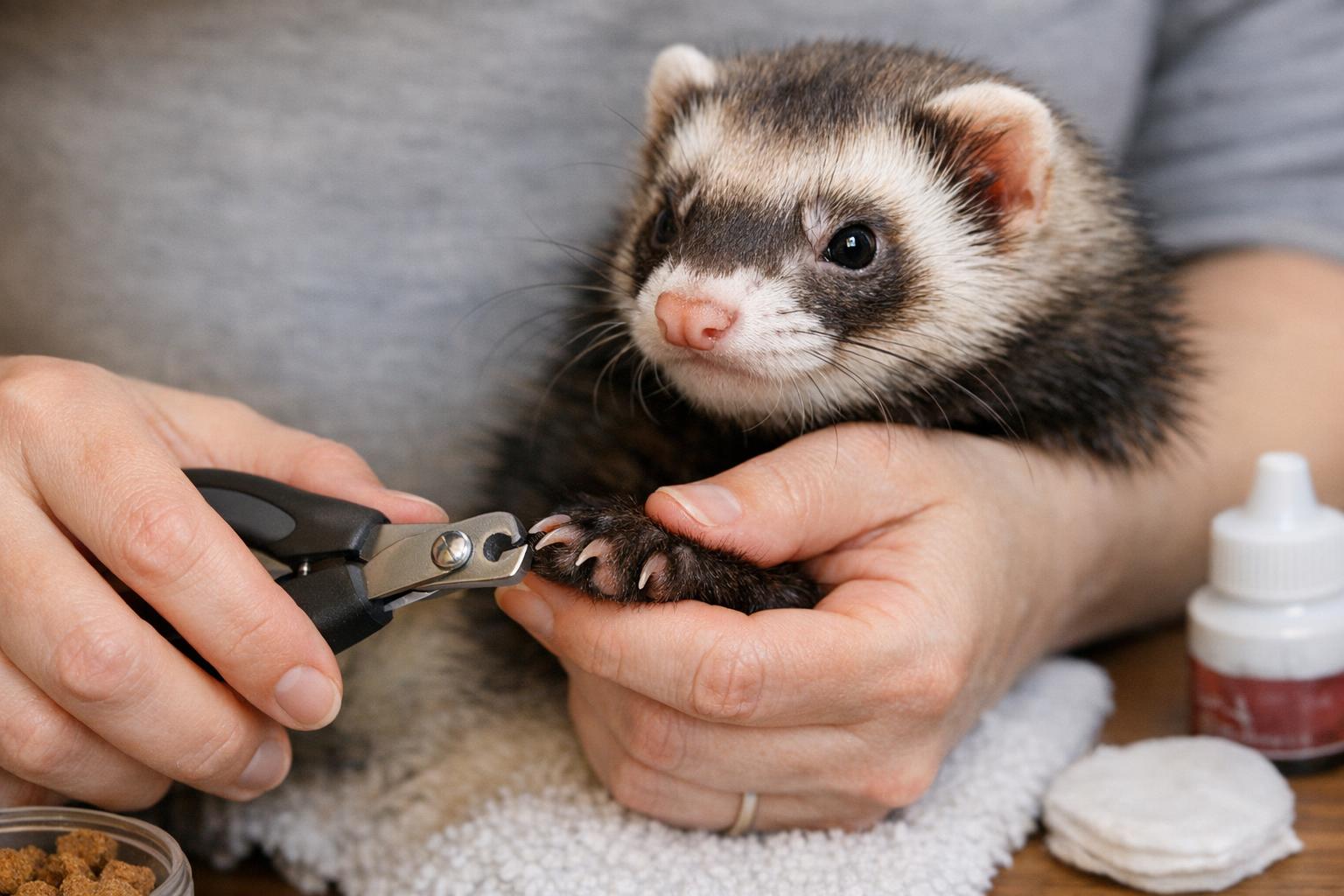
Ferrets are curious, social, and fast — all great traits unless you’re searching for a phone under the couch for the tenth time today. Good ferret care starts with the fundamentals: a balanced diet (high in animal protein and fat), safe supervised playtime outside the cage, regular veterinary checkups, appropriate bedding and enrichment, and attention to common problem areas like ears, teeth, and paws. Keep routine checks short and regular; a quick daily scan for lumps, unusual odors, or changes in behavior lets you catch issues early without a trip to panic mode.
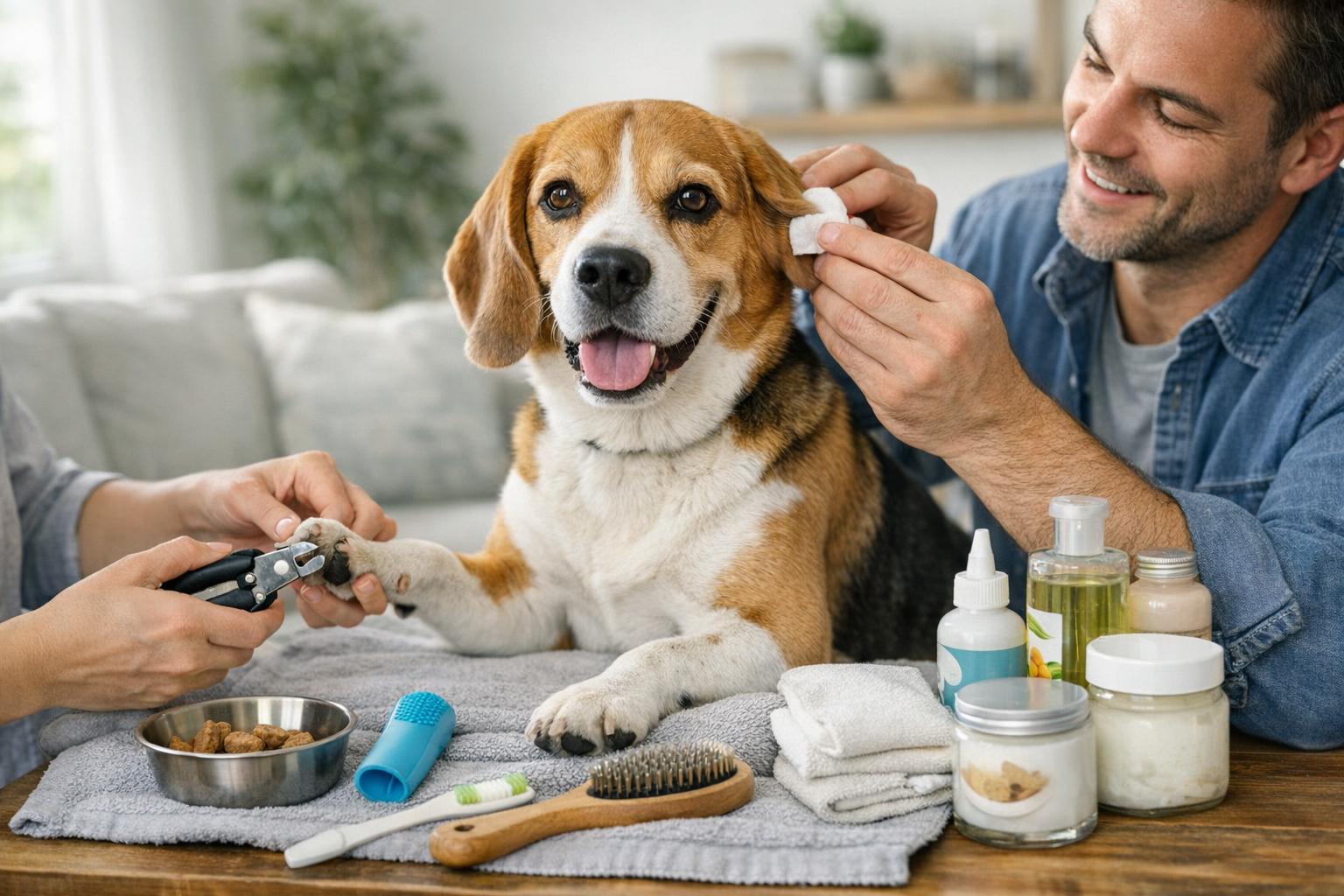
When time is limited, build simple rituals. A five-minute evening inspection and a weekly 15-minute grooming session will do more for long-term health than sporadic deep-clean binges. These tiny habits are the backbone of sensible ferret care for busy people.
## Simple Home Remedies For Common Issues
Below are five numbered, veterinarian-adjacent at-home remedies you can perform safely and efficiently. Each remedy lists materials and step-by-step creation and application. These are intended for mild, non-emergency situations. If you see signs of severe illness — fever, bleeding, persistent vomiting/diarrhea, collapse, or intense pain — contact a vet immediately.
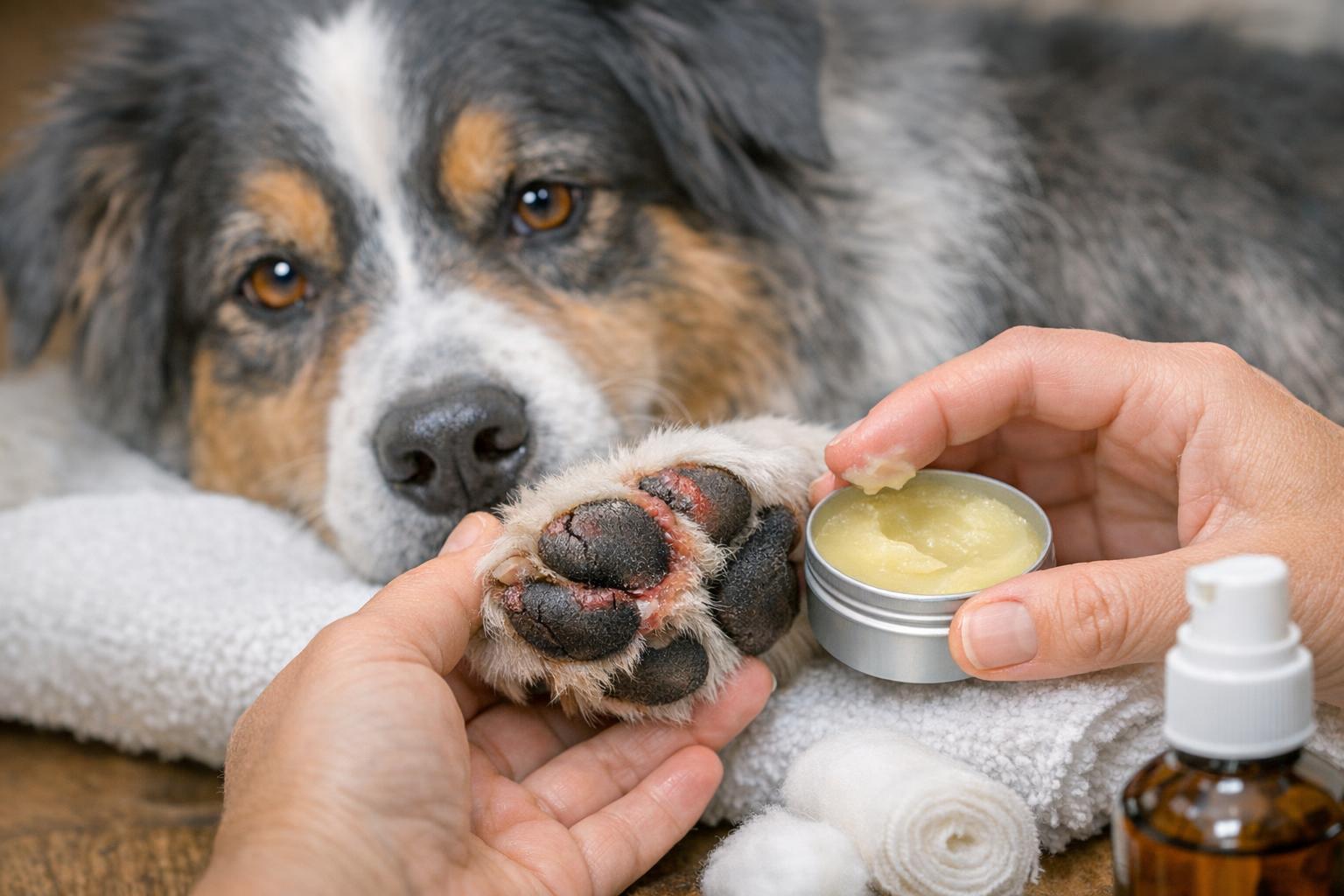
### 1. Soothing Paw Balm For Dry Or Cracked Pads
Ingredients / Materials:
– 2 tablespoons organic coconut oil
– 1 tablespoon shea butter
– 1 teaspoon beeswax pellets
– 1 vitamin E capsule (optional)
– Small sterilized tin or jar
– Double boiler or heat-safe bowl over simmering water
Creation And Application:
1. Combine coconut oil, shea butter, and beeswax in the heat-safe bowl and warm gently until fully melted, stirring occasionally. This should be a gentle melt — avoid high heat.
2. Remove from heat and pierce the vitamin E capsule, stirring in the oil if using. Let the mixture cool slightly until it begins to thicken.
3. Pour into the sterilized tin and allow to solidify at room temperature or in the fridge.
4. To apply, warm a pea-sized amount between your fingers and gently massage into your ferret’s paw pads, avoiding nails and any broken skin. Use once daily for a week, then as-needed.
Notes: Be formal about hygiene: clean the paw first with a damp, clean cloth. If there are open wounds, consult a vet before applying any balm.
### 2. Ear Soften And Clean For Mild Wax Build-Up
Ingredients / Materials:
– Sterile warm olive oil or mineral oil (avoid essential oils)
– Cotton balls or gauze
– Optional: ear suction bulb (never force into the ear canal)
Creation And Application:
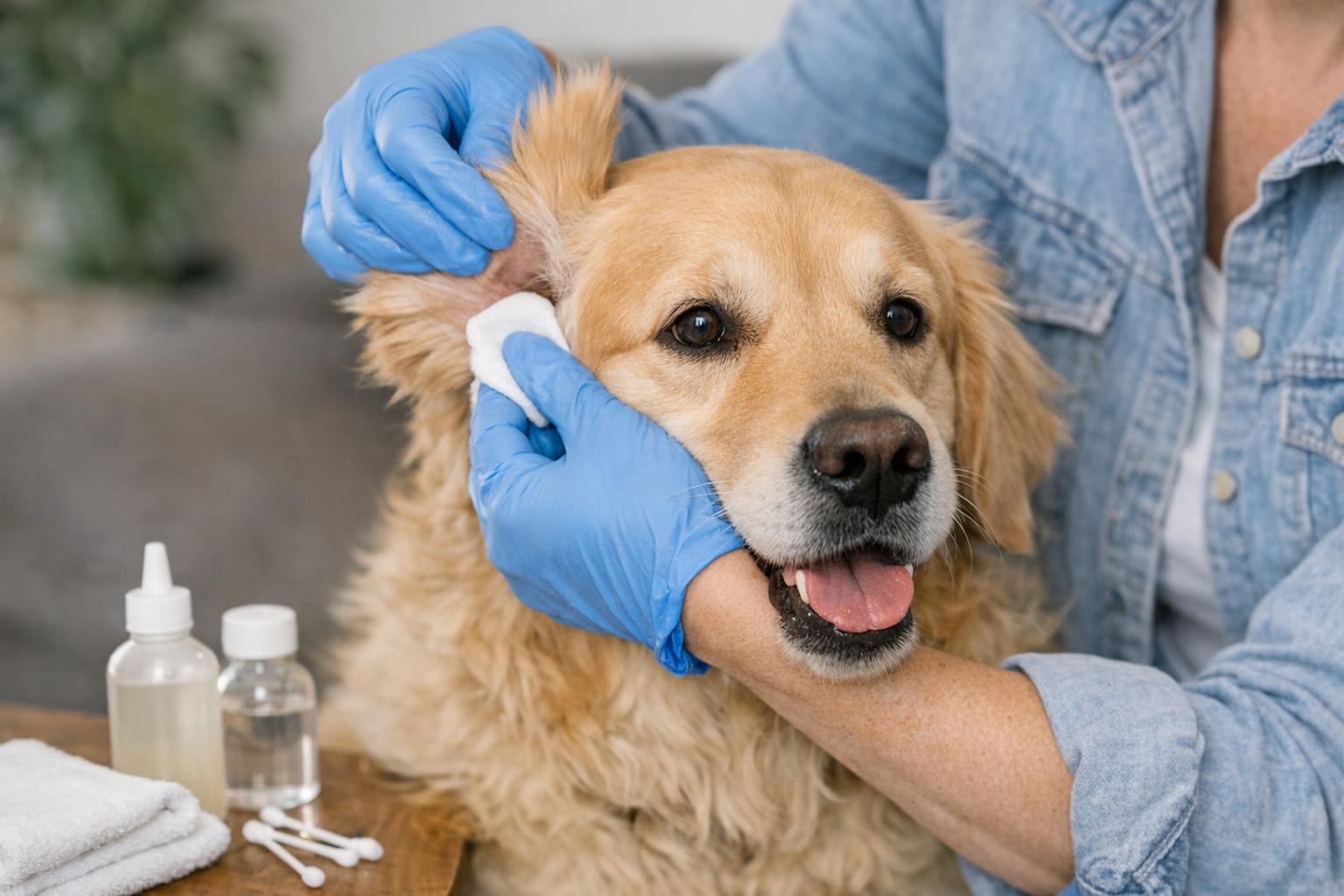
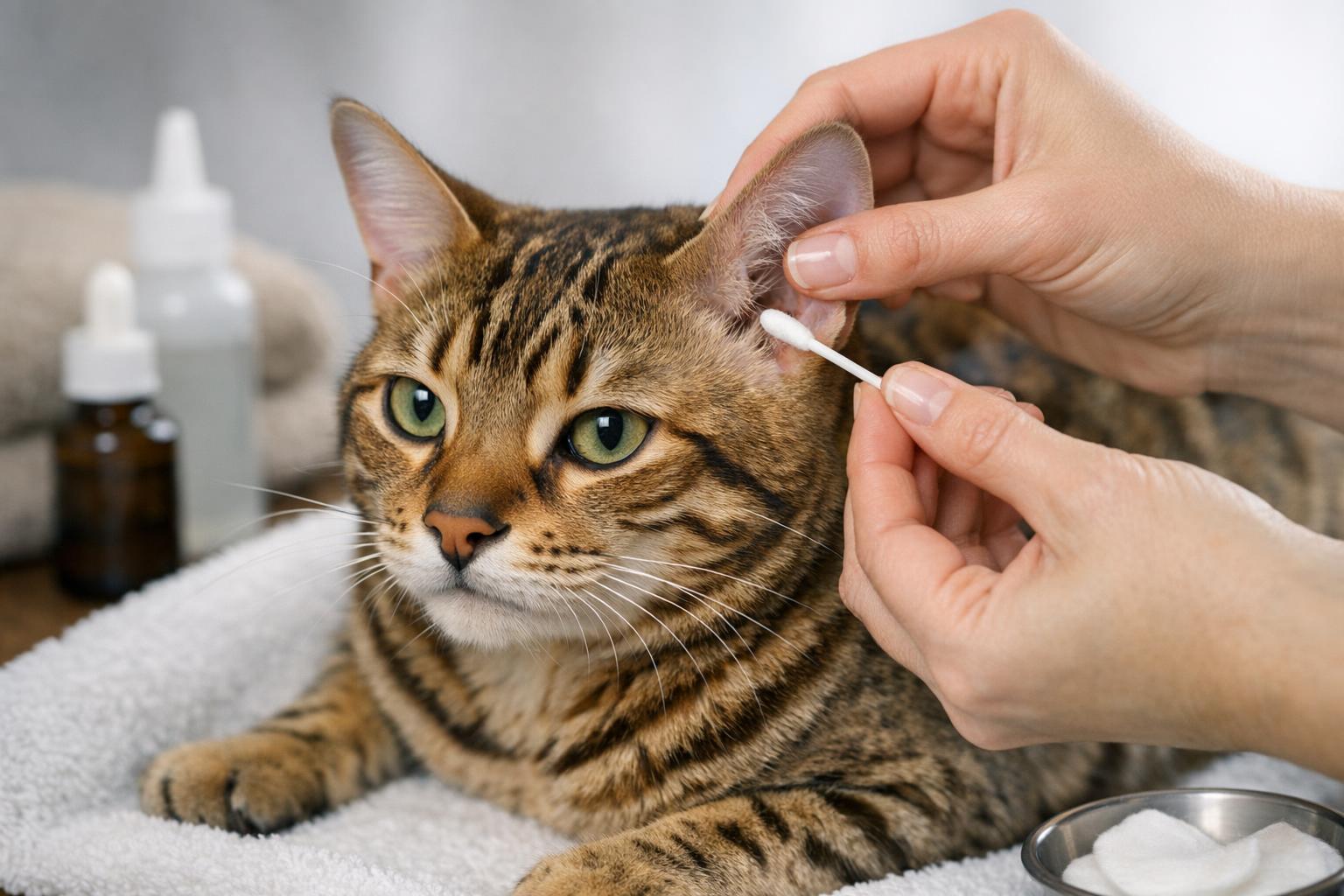
1. Warm a small amount of olive oil to body temperature (test on your wrist first).
2. Hold your ferret gently and lift the ear flap. Place 2–3 drops of the warm oil into the outer ear canal — do not push anything deep into the ear.
3. Gently massage the base of the ear for 20–30 seconds to loosen wax and encourage movement of debris toward the outer ear.
4. Allow the ferret to shake its head naturally, then use a cotton ball or gauze to wipe the outer ear clean. Repeat once or twice weekly as needed for buildup.
Notes: If you see a lot of dark crumbly debris, intense scratching, fleas around the ear, or your ferret shows discomfort, these can be signs of ear mites or infection. Stop home treatment and consult your vet.
### 3. Mild Calming Cage Spray (Chamomile Infusion)
Ingredients / Materials:
– 2 chamomile tea bags (caffeine-free) or 2 tablespoons dried chamomile
– 1 cup boiling water
– 1 cup distilled water (cooled)
– Small spray bottle (100–200 ml)
– Strainer and bowl
Creation And Application:
1. Steep the chamomile in boiling water for 10 minutes; strain and allow to cool completely.
2. Mix the cooled chamomile infusion with the distilled water and pour into the spray bottle.
3. Lightly mist bedding, hammocks, or fabric toys from a distance — never spray directly onto your ferret.
4. Use sparingly (1–2 times per week) during known stressors (vet visits, new environment, loud home events).
Notes: Chamomile is generally gentle, but observe your ferret after the first use for any sneezing or irritation. This is not a pharmaceutical solution for severe anxiety, but it’s a calming environmental aid.
### 4. Quick Dental Wipe For Busy Owners
Ingredients / Materials:
– Low-sodium chicken or turkey broth (homemade or store-bought with no onion/garlic)
– Sterile gauze or a soft cloth
– Small cup or bowl
Creation And Application:
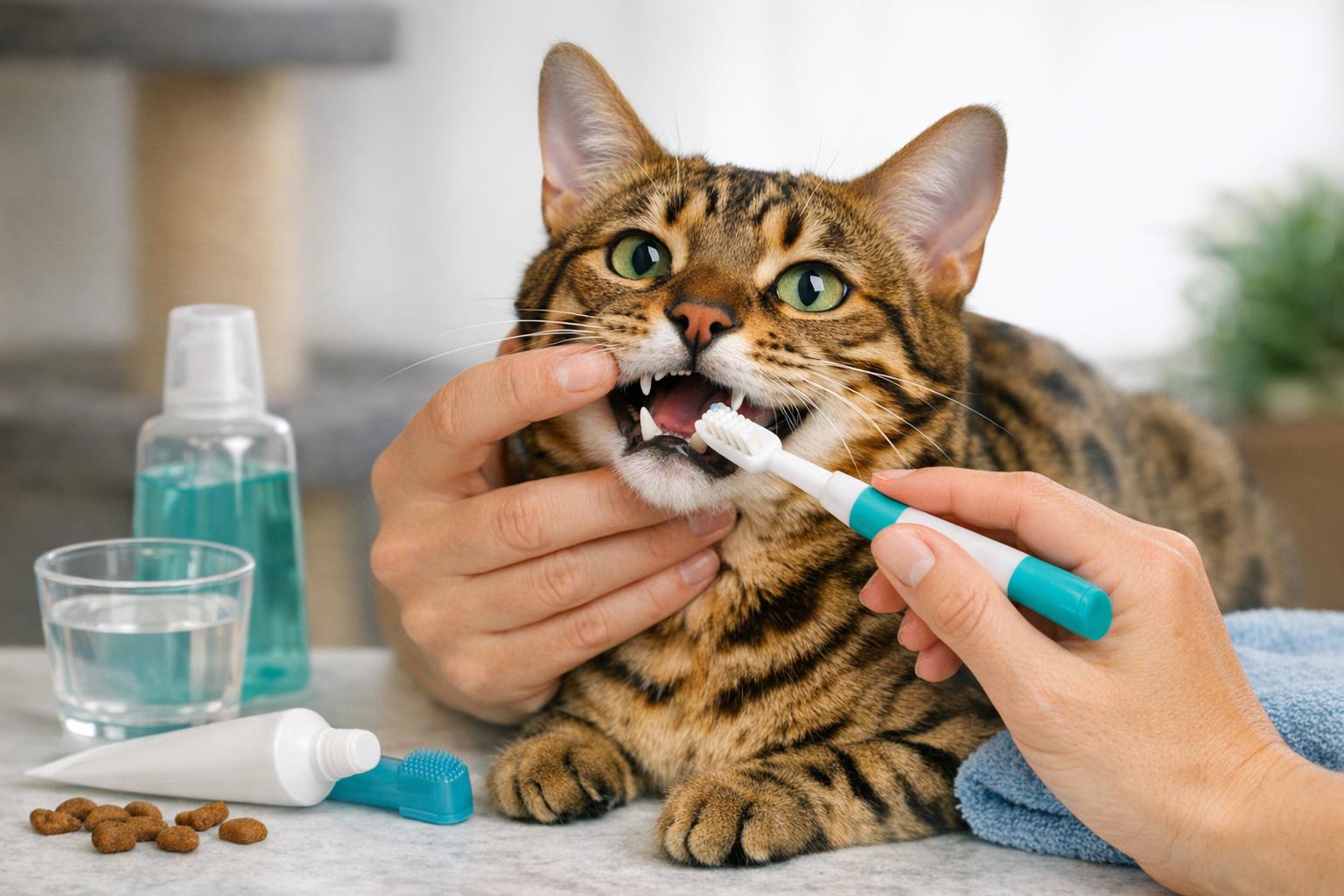
1. Warm a small amount of the broth to lukewarm (test it to ensure it’s not hot).
2. Soak a piece of gauze or a soft cloth in the broth, wring out excess liquid.
3. Gently lift your ferret’s lips and rub the gauze along the teeth and gumline in smooth motions. Spend 30–60 seconds per side.
4. Use 3–4 times per week as a quick way to reduce surface debris and encourage fresher breath between full cleanings.
Notes: This is a maintenance tool, not a replacement for professional dental care. Avoid using any human toothpaste (they often contain xylitol or foaming agents). If you detect broken teeth, bleeding gums, or persistent bad breath, schedule a dental check.
### 5. Simple Odor Management: Dry “Shampoo” Powder
Ingredients / Materials:
– 2 tablespoons cornstarch
– 1 teaspoon arrowroot powder or oat flour (optional, for extra absorbency)
– Soft brush or towel
– Small shaker container
Creation And Application:
1. Mix cornstarch and arrowroot powder or oat flour in the shaker container and close tightly.
2. Sprinkle a light dusting onto your ferret’s fur — avoid face and eyes — while the ferret is calm or distracted with a treat.
3. Gently rub the powder through the fur with your hands, then brush or towel off the excess. This absorbs oils and reduces odor between baths.
4. Use as needed; most ferrets need infrequent bathing, so this is a quick refresh for busy days.
Notes: Overuse can dry skin; aim for once every 2–3 weeks or less. If your ferret has skin irritation or an unusual odor that doesn’t respond to simple measures, contact your veterinarian.
#### Good Practice Tips For Busy Owners
– Keep all home solutions labeled and stored out of reach. Use small containers to prevent waste.
– Perform short, positive handling sessions to get your ferret accustomed to procedures. Frequent, calm interactions are better than long, stressful ones.
– Record any home care attempts and changes in your ferret’s behavior to report to your vet. A quick log helps professionals make better recommendations.
– When in doubt, err on the side of professional advice. These remedies are for minor issues and interim relief, not replacements for diagnostics or prescription treatments.
A few light-hearted reminders: ferrets are curious about everything, including your shoelaces and the physics of falling off sofas. Keep tools and remedies out of reach, and treat home care as a team effort — you, your ferret, and your veterinarian. If a remedy seems to cause more trouble than it solves, stop and consult a professional.













Leave a Reply