






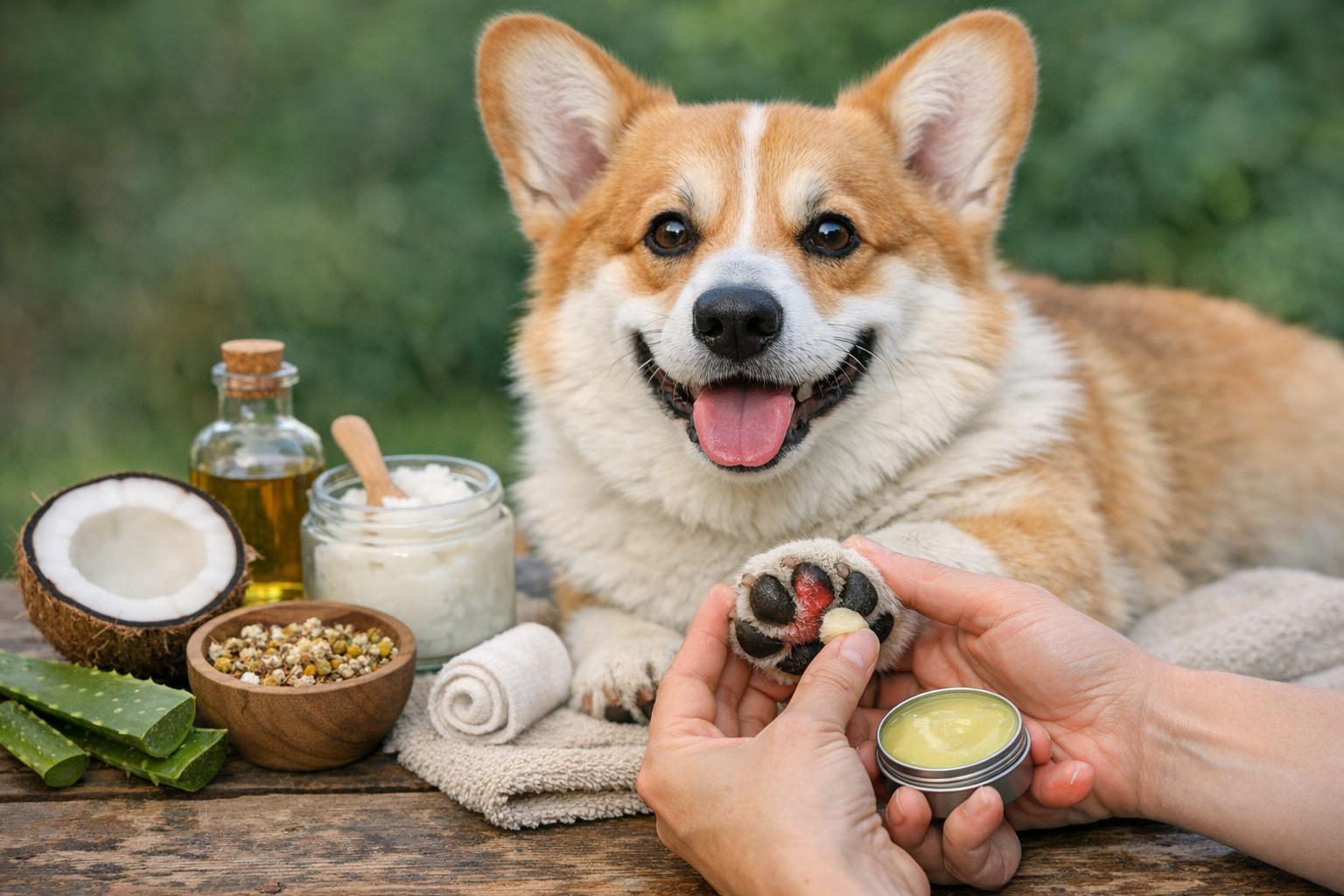
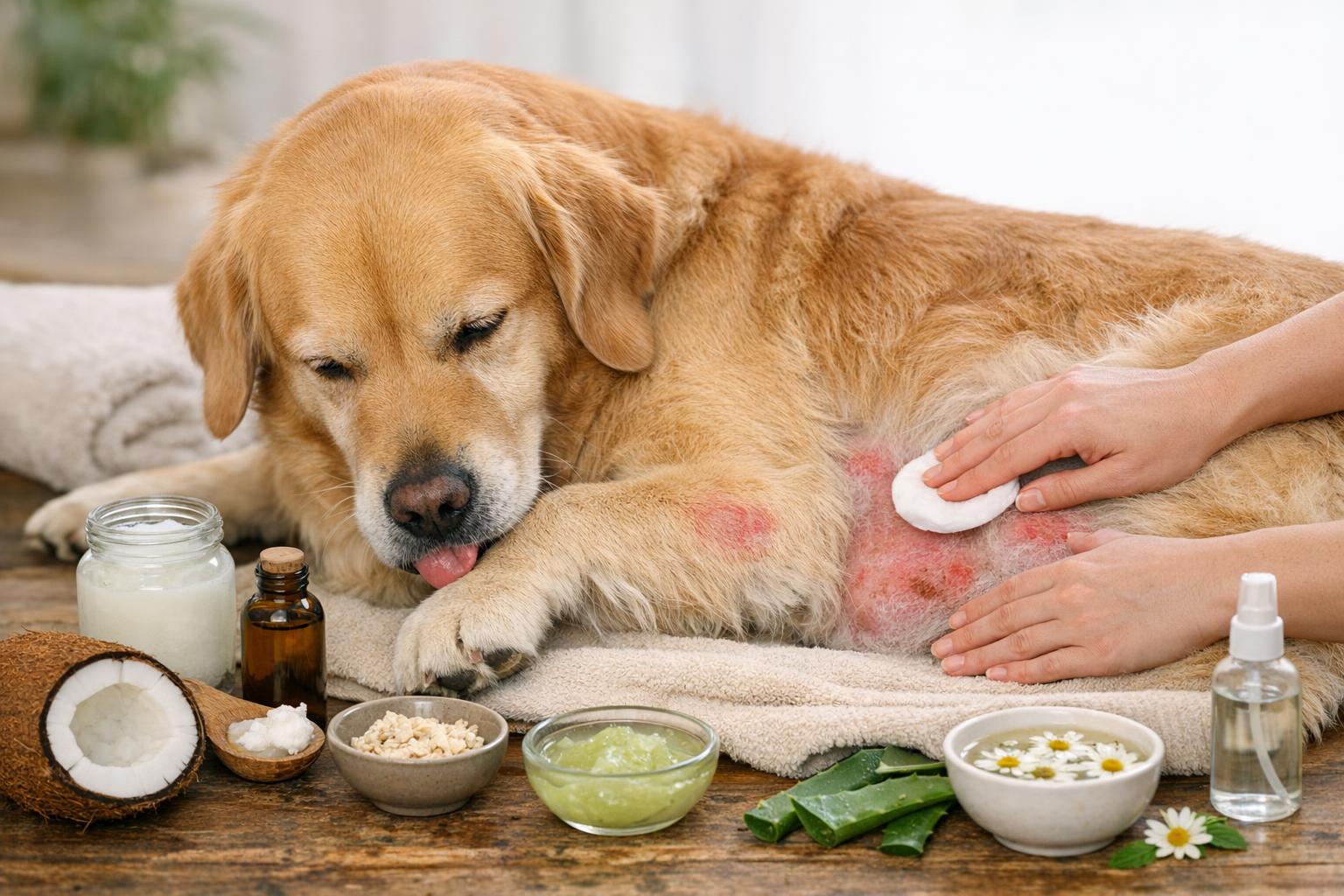
Paws get grumpy sometimes. Whether your dog sprinted across hot pavement, picked at a patch of mystery goo in the park, or has simply been licking their feet like a tiny, worried vacuum, those pads can end up red, sore, or cracked. Below you’ll find friendly, practical guidance mixed with two clearly explained, vet-friendly home remedies to soothe and protect irritated paws.
## Understanding Dog Paw Pad Irritation
Dog paw pad irritation starts as a simple annoyance and can escalate if not addressed. Dog paw pad irritation can be caused by heat, cold, chemicals, rough surfaces, allergies, or repetitive friction. Early attention prevents minor issues from becoming infections or chronic pain.
### Signs To Watch For
Look for these common signs without turning into a detective show:
– Limping or favoring a paw.
– Excessive licking, chewing, or biting at the pads.
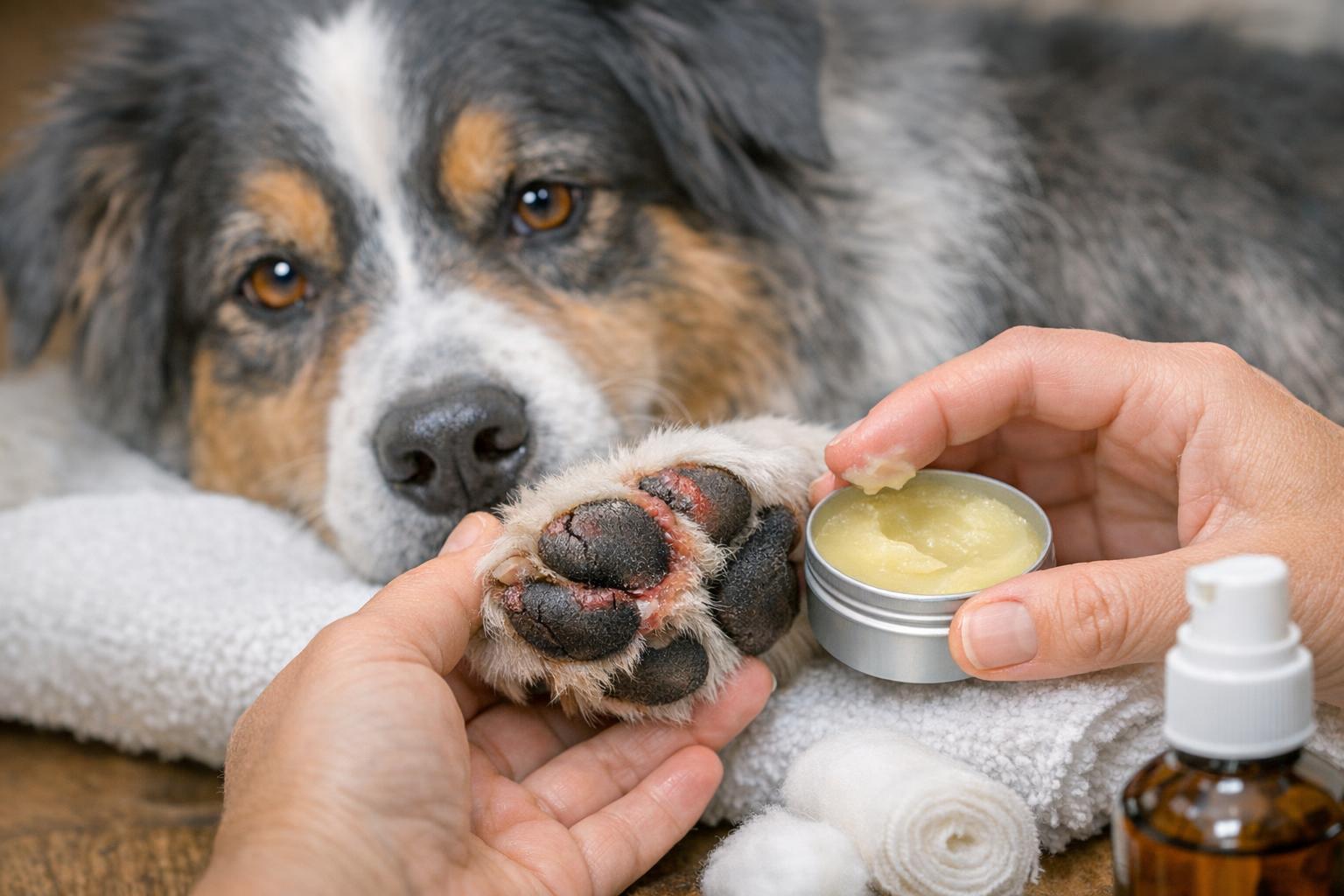
– Red, swollen, cracked, or bleeding pads.
– Discolored pads or an unpleasant odor.
If you notice pus, deep wounds, or sudden severe limping, treat it as more serious.
### Causes And Risk Factors
Dog paw pad irritation has many origins. Seasonal extremes—hot asphalt in summer or ice-melting salts in winter—are frequent offenders. Other culprits include rough terrain, chemical irritants like household cleaners, insect bites, foreign bodies (splinters, burrs), and underlying conditions such as allergies or hormonal imbalances. Active or overweight dogs and breeds with thin pads are at higher risk.
#### Seasonal And Environmental Triggers
Hot pavement can scald pads in minutes. Salt and de-icers cause burning and drying. Grass treatments and certain lawn chemicals can sensitise or inflame the skin. Always consider recent outdoor exposures when troubleshooting a sore paw.
## Remedy 1: Soothing Oat And Coconut Paw Balm
When you need a simple, natural barrier that soothes and moisturizes, this balm helps calm inflamed pads and promotes healing. This remedy is intended for mild to moderate dog paw pad irritation that is not infected. If there are open, deep wounds or signs of infection, consult a veterinarian before applying any topical.
Ingredients / Required Materials:
– 1/4 cup organic coconut oil
– 2 tablespoons beeswax pellets (or grated beeswax)
– 2 tablespoons finely ground colloidal oatmeal
– 1 teaspoon vitamin E oil (optional, as a preservative and skin aid)
– Clean, small metal or glass container and spoon
– Double boiler or a heat-safe bowl over simmering water
– Small, sterile jar for storage
Preparation And Application (Formal Instructions):
1. Sanitize workspace and wash your hands. Ensure all utensils and containers are clean.
2. In the double boiler, gently melt the coconut oil and beeswax together over low heat until fully liquid. Avoid boiling.
3. Remove from heat and stir in the colloidal oatmeal until evenly dispersed. Add vitamin E oil and mix thoroughly.
4. Pour the warm mixture into the sterile jar. Allow it to cool to room temperature and solidify before sealing.
5. For application, clean the paw with lukewarm water and a soft cloth. Pat dry with a clean towel.
6. Apply a thin layer of balm to each affected pad, gently massaging until absorbed. If your dog licks excessively, consider using pet booties or distractions for 10–15 minutes to permit absorption.
7. Apply the balm twice daily until the pads show consistent improvement.
Storage And Safety Notes:
– Store at room temperature away from direct sunlight. Refrigerate in very warm climates to prolong shelf life.
– Discard if the balm develops an off smell or mold.
– Test a small amount on an unaffected area first to ensure no allergy.
## Remedy 2: Saline Soak And Calendula Spray
This two-part gentle regimen offers cleansing and anti-inflammatory support. Use for pads that are raw or have minor abrasion but do not appear deeply infected. Calendula has mild antiseptic and healing properties supported by clinical use in superficial wounds.
Ingredients / Required Materials:
– For the Saline Soak:
– 1 cup warm (not hot) distilled or boiled-and-cooled water
– 1/2 teaspoon non-iodized salt (sea salt or kosher salt)
– Shallow basin large enough for the paw
– For the Calendula Spray:
– 1/2 cup distilled water
– 1/4 cup witch hazel (alcohol-free if possible)
– 1 tablespoon calendula tincture or 2 tablespoons dried calendula flowers steeped and strained
– Small spray bottle, sterilized
Preparation And Application (Formal Instructions):
1. Prepare the saline soak by dissolving the salt into the warm water. Ensure temperature is comfortable to the touch.
2. Gently place your dog in a secure, calm area. Submerge the affected paw in the saline for 5–10 minutes to loosen debris and reduce bacteria on the surface.
3. Pat the paw dry with a sterile gauze or clean towel.
4. For the calendula spray: combine distilled water, witch hazel, and calendula infusion or tincture in a sterilized spray bottle. Shake to mix.
5. Lightly mist the affected pads twice daily, allowing the spray to air-dry. Do not saturate open wounds; use sparingly and monitor for irritation.
6. Follow the soak with the spray after the first day, repeating both once or twice daily until the skin begins to rebuild and discomfort diminishes.
Precautions:
– Avoid using antiseptic sprays containing high concentrations of alcohol or hydrogen peroxide directly on raw pads; these can delay healing.
– If any bandaging is applied, ensure it is loose enough to allow circulation and change dressings daily.
### When To See A Vet
If the following conditions are present, professional evaluation is warranted:
– Persistent or worsening swelling, redness, or heat around the pad.
– Pus, deep lacerations, or exposed tissue.
– Lameness that does not improve in 24–48 hours despite home care.
– Signs of systemic illness (fever, lethargy, loss of appetite).
Prompt veterinary assessment may include cleaning under sedation, culture for infection, oral antibiotics, pain management, or bandaging techniques that protect the pad while promoting healing.
#### Quick At-Home First Aid
If you find a fresh cut or thorn, gently rinse with saline and trim visible debris with sanitized tweezers. Apply a clean nonstick dressing and seek veterinary guidance if bleeding continues or the wound is more than superficial. For immediate burns from hot pavement, cool the paw under running water for several minutes and avoid ice directly on tissue—then use one of the remedies above and contact your vet if the burn appears severe.
## Preventive Care And Daily Maintenance
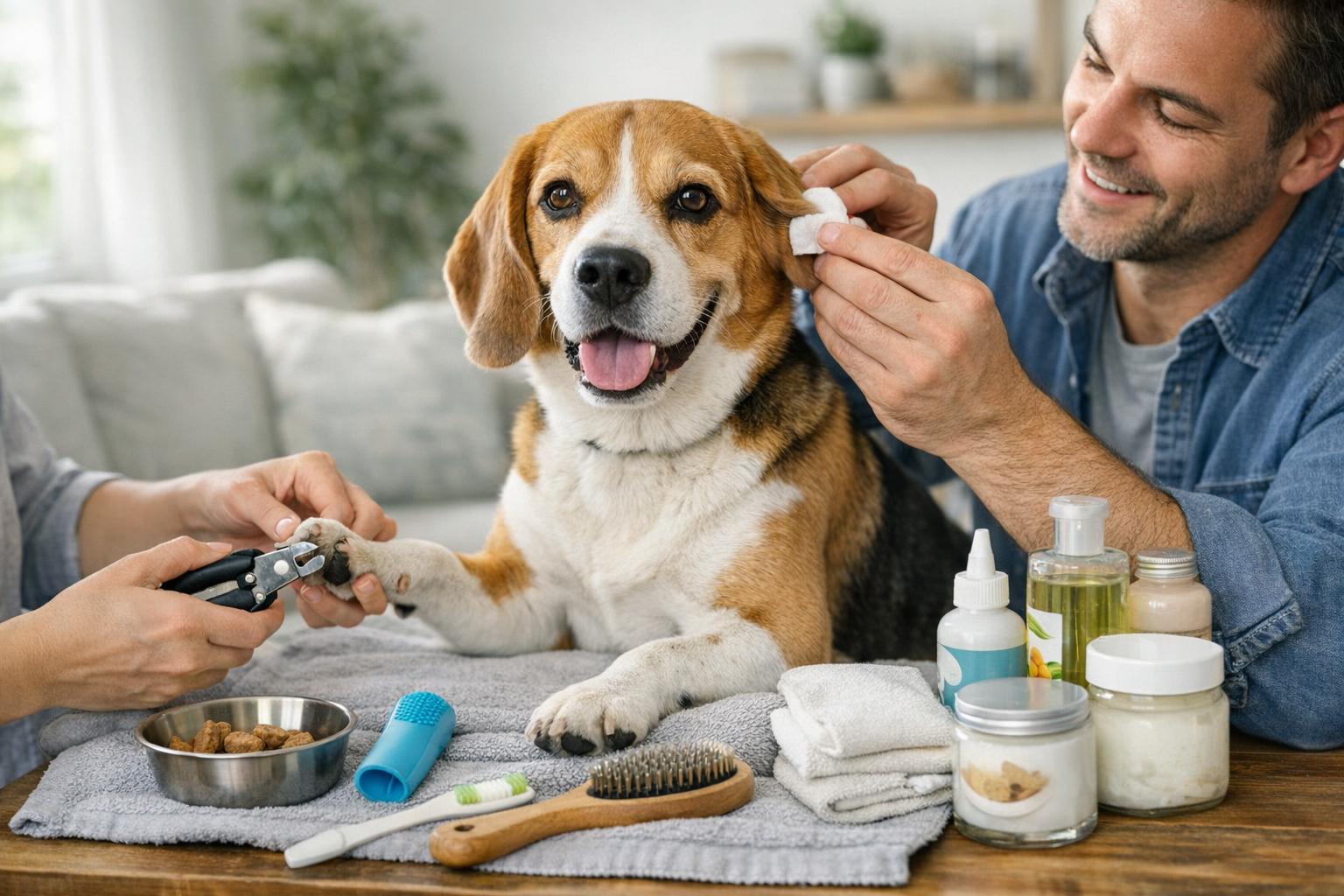
A little routine care keeps paw pad irritation at bay. Trim hair between the pads to prevent matting and foreign bodies. After walks, inspect paws for debris, burns, or irritation. Consider dog booties for extreme weather or rough terrain, and apply a protective balm regularly during harsh seasons. Keeping nails trimmed reduces abnormal pressure on the pads, and maintaining a healthy weight decreases repetitive stress.
### Friendly Tips For Fuss-Free Application
Dogs often dislike having paws handled. Offer treats and short, positive sessions when applying balms or sprays. If your pup is persistent with licking, distract them with a long-lasting chew or use lightweight booties for short periods to allow topical products to absorb.
By addressing dog paw pad irritation promptly and using gentle, evidence-supported remedies, you can ease your dog’s discomfort and help those hardworking paws get back to their business—chasing, digging, napping, repeat.















Leave a Reply