





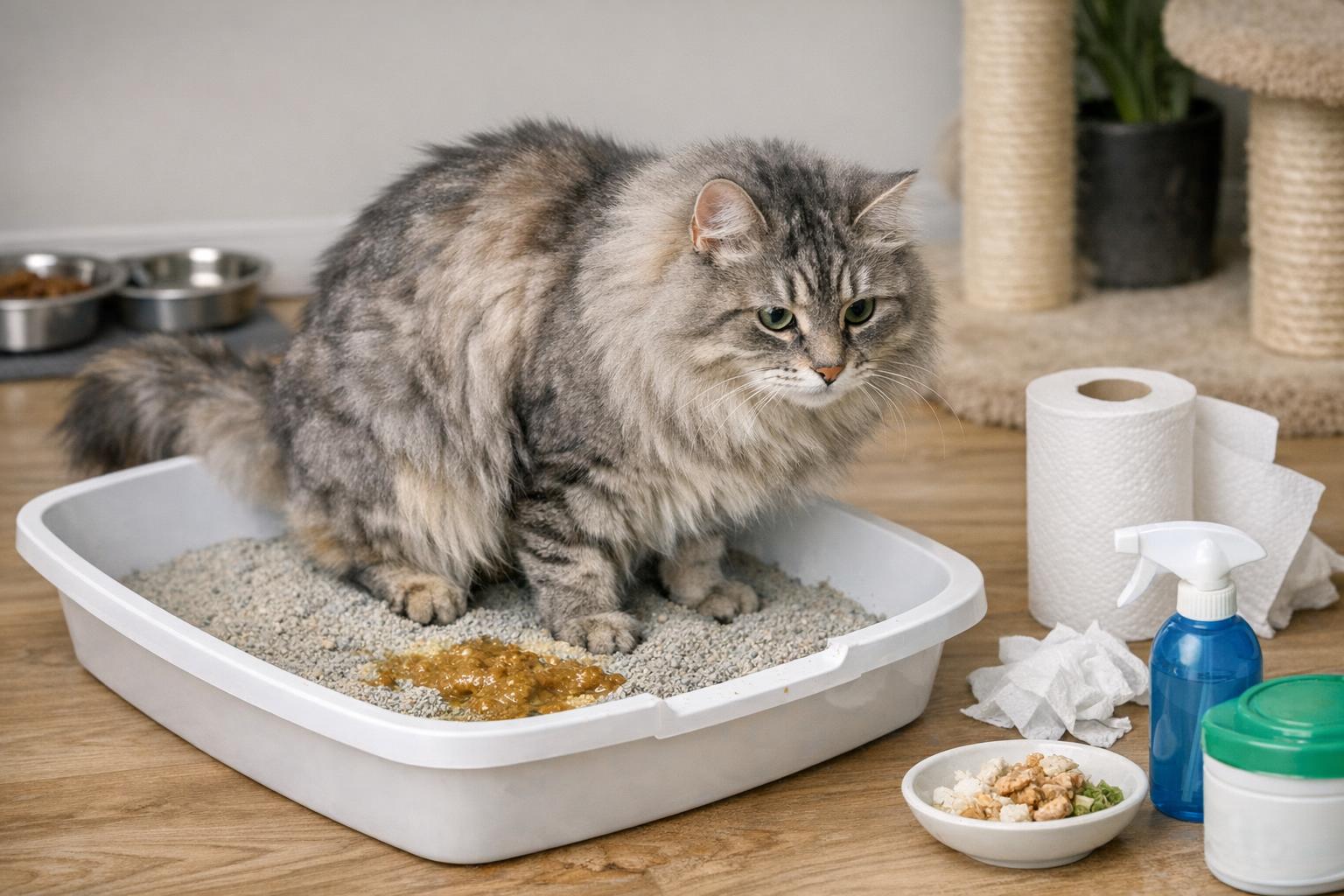
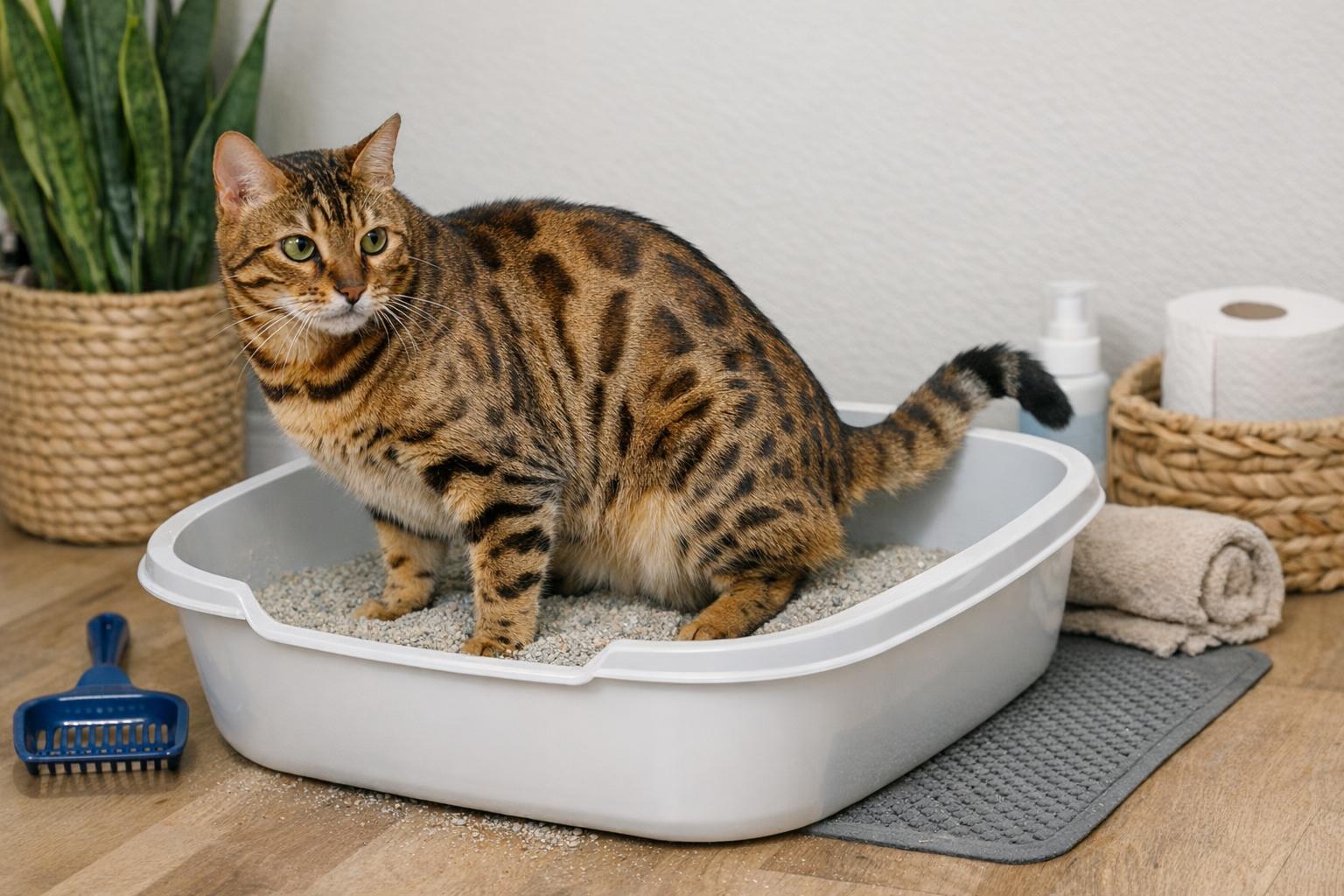
If your cat suddenly starts using the corner of the living room instead of the tray, it’s not spite. It’s communication. They don’t have a desire to ruin your floor; they’re signaling something about the tray, the environment, or their body. Fixing cat litter tray behavior problems is about reading those signals and retraining the household to be a place a cat trusts.
Cat Litter Tray Behavior Problems Solved With Training appears here because this piece is meant to feel like the working notes of someone who’s coached dozens of owners through the same trouble. I’ll use clear steps, real-world examples, and a few troubleshooting moves you can try tonight.
## Cat Litter Tray Behavior Problems: Why Training Works Better Than Punishment
People often want a quick fix: punish the cat, block the old spot, buy a new tray. Those things can work temporarily, but they miss the point. Litter tray behavior reflects several layers: physical comfort, box design, cleanliness, stress, and learned habits. Training addresses the learned part while the rest gets managed.
A cat that starts avoiding the box might be reacting to pain, like a urinary tract infection. It might hate a new clumping litter. It could be objecting to the tray’s location near a noisy appliance. Training alone won’t repair an untreated medical condition. So first rule: if the behavior is sudden, bloody, or accompanied by straining, see a vet. After that, training is the durable fix.
### Spotting The Type Of Problem
There are different flavors of litter tray behavior problems. Recognize which one you’re dealing with.
– Medical Avoidance: sudden, often accompanied by changes in posture, straining, or blood.
– Preference-Based Avoidance: cat avoids the tray because of texture, depth, or cover.
– Territorial Or Stress Marking: often in multi-cat homes, spritzing on vertical surfaces or choosing multiple spots.
– Habitual Elimination: a cat develops a new routine of using a spot and repeats it.
Once you label it, you can pick the right training move. Don’t try to train through a medical or anxiety problem; treat that first.
### Start With Clean, Accessible, Non-Threatening Boxes
Training should begin by making the tray an obvious, safe choice.
– Keep at least one box per cat, plus one extra. A single cat still benefits from two options if space allows.
– Position matters. Put boxes in quiet, low-traffic areas but not so isolated the cat feels trapped. Avoid near loud appliances.
– Use shallow-sided trays for older cats or kittens. High-sided boxes are a barrier to entry.
– Match litter texture. If your cat was using clumping fine-grain, don’t switch without trying a small sample.
These adjustments are not “pampering.” They remove friction so the training has a chance. If a cat has to fight a lid, step over a chair, or exit by jumping into a noisy hallway, they’ll choose the path of least resistance.
#### Cleanliness And Scent
Cats are tidy. Scoop daily and deep-clean weekly. Use unscented detergents. Heavy perfumes or bleach can put cats off. When you clean, save a little of the old litter or place a soiled clump into the fresh tray for a day—this preserves familiar scent cues and helps the cat recognize the tray as “toilet.”
## Retraining Steps For Litter Tray Behavior
Training a cat to use the tray is less about commands and more about shaping habits and removing rewarding alternatives.
### Containment For Reset
If the cat is repeatedly using the same wrong spot, confine them to a small room with everything they need: food, water, bedding, and a clean tray. This forces them to use the tray while you manage the environment. Keep confinement short—48 to 72 hours is usually enough for most cats to relearn where to go. Make sure the tray is always clean and near where they spend time.
This method works because it breaks the habit loop. The cat can’t keep choosing the old spot and will default to the available tray. Don’t use a crate unless the cat is comfortable; a bathroom or spare bedroom is preferred.
### Positive Reinforcement
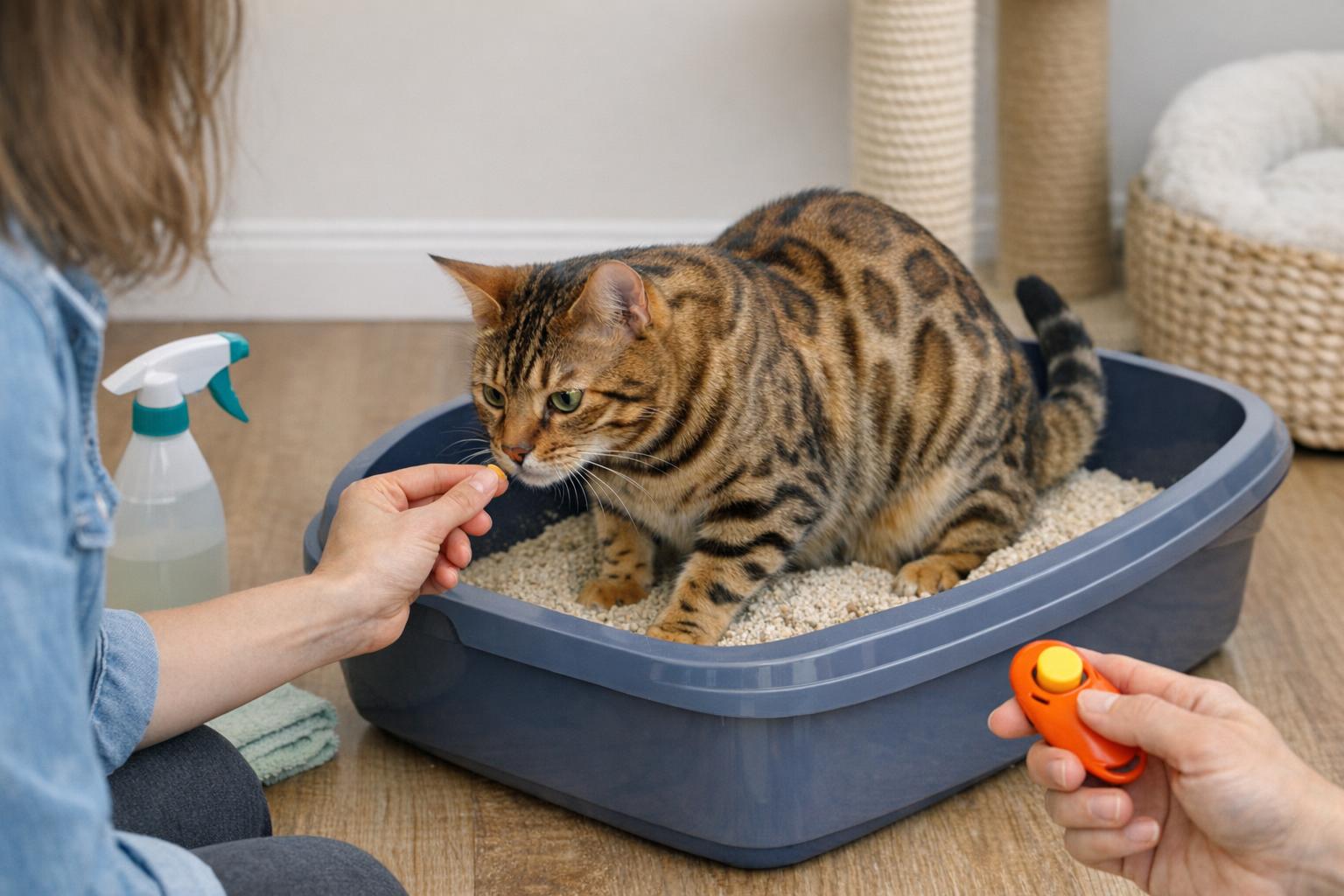
Cats respond to positive outcomes. When they use the tray, mark it with a brief praise, a soft click if you use clicker training, or a tiny treat afterwards. Timing matters. The reward should follow immediately so the cat links the act with the reward.
Avoid punishing accidents. Scolding confuses and increases stress. Withholding attention after an accident can be okay—cats are not human children and won’t connect past misbehavior with a later reprimand.
#### Lure And Shape
If a cat refuses to step into the tray, lure with gentle shaping. Place a bit of their favorite food nearby, then on the tray rim, then inside the tray on top of the litter. Praise when they sniff or step in. Over a few days you can fade the lure.
For kittens or timid cats, a shallow tray with high but gentle sides lets them feel secure while learning.
### Manage Multi-Cat Dynamics
Multi-cat households make litter tray behavior problems more common. Dominant cats block access, or a subordinate avoids a tray because of harassment. The simplest fix is more trays in different locations. Also provide vertical space—shelves and perches—so submissive cats can avoid confrontations.
If one cat is guarding a tray, place alternative trays in many rooms. Training in this scenario is less about changing the dominant cat’s habits and more about ensuring every cat has safe choices.
## Handling Specific Troubles
Some issues come up repeatedly in practice. Here’s how to handle them.
### Spraying And Marking
Spraying is territorial and different from elimination. Males and females both spray; intact males are more likely. Training alone won’t always stop spraying. First, spay or neuter if not done. Add environmental enrichment, reduce stressors, and use synthetic pheromone diffusers where appropriate. If spraying persists, consult a behaviorist.
### Avoidance Due To Pain
If a vet clears medical issues but the cat still avoids the tray, consider mobility. Older cats with arthritis struggle with high-sided boxes. Provide ramps or low-entry trays. Add soft mats to make exiting comfortable. Training here is subtle: remove the barrier and gently encourage by placing the tray in their path.
### Choosing New Spots
Cats pick spots that are soft, absorbent, and private: laundry baskets, carpet corners, under furniture. To make the location unattractive, clean thoroughly with an enzyme cleaner. Put feeders or toys over the spot; cats won’t soil where they eat or play. Temporarily block access if needed while training continues.
#### Outdoor Access And Litter Preferences
If your cat spends time outdoors, they may prefer soil to litter. Try a litter tray with a layer of garden soil mixed with litter or a tray placed near a door to ease the transition. Gradually increase litter content until they accept the tray material alone.
## When Training Needs Professional Backup
If you’ve done the basics—vet check, clean, proper trays, confinement, positive reinforcement—and the behavior continues, get help. A certified feline behaviorist examines the whole context and designs a step-by-step plan.
Some cases involve deep anxiety or complex social dynamics that benefit from behavior modification plans paired with medication. That’s not failure. It’s getting the right tool for the issue.
### Tools And Aids That Actually Help
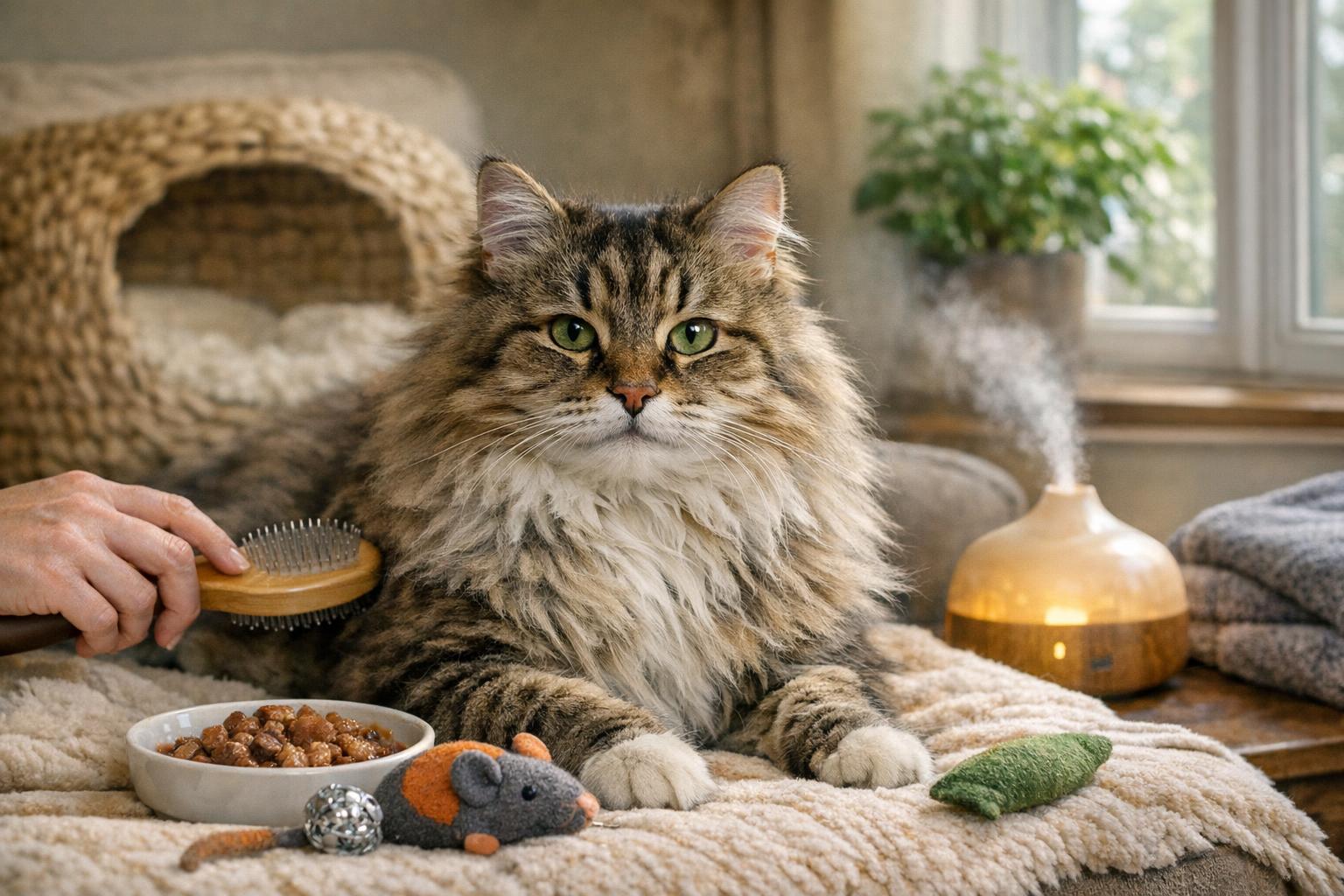
Certain aids can support training. Use pheromone diffusers to reduce general anxiety, high-quality enzyme cleaners for accidents, shallow trays for mobility, and attractant litters sparingly to encourage use. Avoid powdered or very scented litters unless your cat clearly enjoys them; humans often choose scents that cats dislike.
A few owners find placing a second tray beside the trouble spot, then gradually moving it toward the desired spot over days, works better than forcing the cat to relocate in one step. This progressive shift respects the cat’s map of the home.
## Keeping Progress And Avoiding Relapse
Once a cat returns to the tray reliably, don’t relax everything at once. Keep scooping daily and maintain at least one extra tray. If you change litter or move the tray, do it gradually. Cats are creatures of habit; sudden changes can trigger a repeat of previous behavior.
Work on prevention. If a new roommate moves in or you introduce another pet, anticipate stress and prepare more trays and safe spaces. Small adjustments early save hours of retraining later.
If you hit a wall, document what you’ve tried and when. That helps a vet or behaviorist diagnose patterns quickly. And one last practical tip: avoid cleaning up accidents with products that leave a perfume residue. Cats can find those scents as objectionable as we do pleasant.
There’s no need for harsh measures. With patience, consistent training steps, and attention to the physical and social environment, most litter tray behavior problems resolve. A few require specialist help, but even those respond when we stop guessing and start managing the real causes. Just remember to be patient, to check for pain first, and to make the tray the sensible choice for your cat, not the only option. Sometimes the fix is as simple as swapping to a shallow tray and scooping more often, or giving a shy cat a quiet room for a couple of days. Small changes, repeated, become new habits. And yes, you will recieve weird looks while you place treats in a litter tray—but it works.


































Leave a Reply