

You can tell a lot about how your reptile is doing by watching the small stuff: where it sits, how it moves, whether it eats. Those details matter because reptiles hide stress in ways people often miss. The goal here is to help you spot those clues early and fix the problens before they become serious.
## Reptile Stress Indicators: What To Watch For
Reptile stress indicators are often subtle and species-specific, but a few patterns repeat across snakes, lizards, and turtles. Look beyond a single missed meal or a brief hiding spell. When a behavior or physical change persists, that’s when it becomes important. Common signs include changes in appetite, altered skin color or texture, odd postures, abnormal shedding, and persistent attempts to escape an enclosure.
You’ll also see behavior that looks like anxiety in mammals: pacing along the glass, frantic tail slapping, or repeated head-bobbing. These are all classic reptile stress indicators and they mean something in the habitat or handling routine needs attention. Marking these moments down—time, temperature, and what happened before—will help you and a vet diagnose the cause faster.
### Common Behavioral Signs
Most reptile owners learn one or two behaviors for their species. Expand that list. Hiding is normal sometimes, but constant hiding after a routine change suggests stress. A nocturnal animal that becomes hyperactive during the day, or a diurnal species that refuses sunlight, is telling you the environment is off.
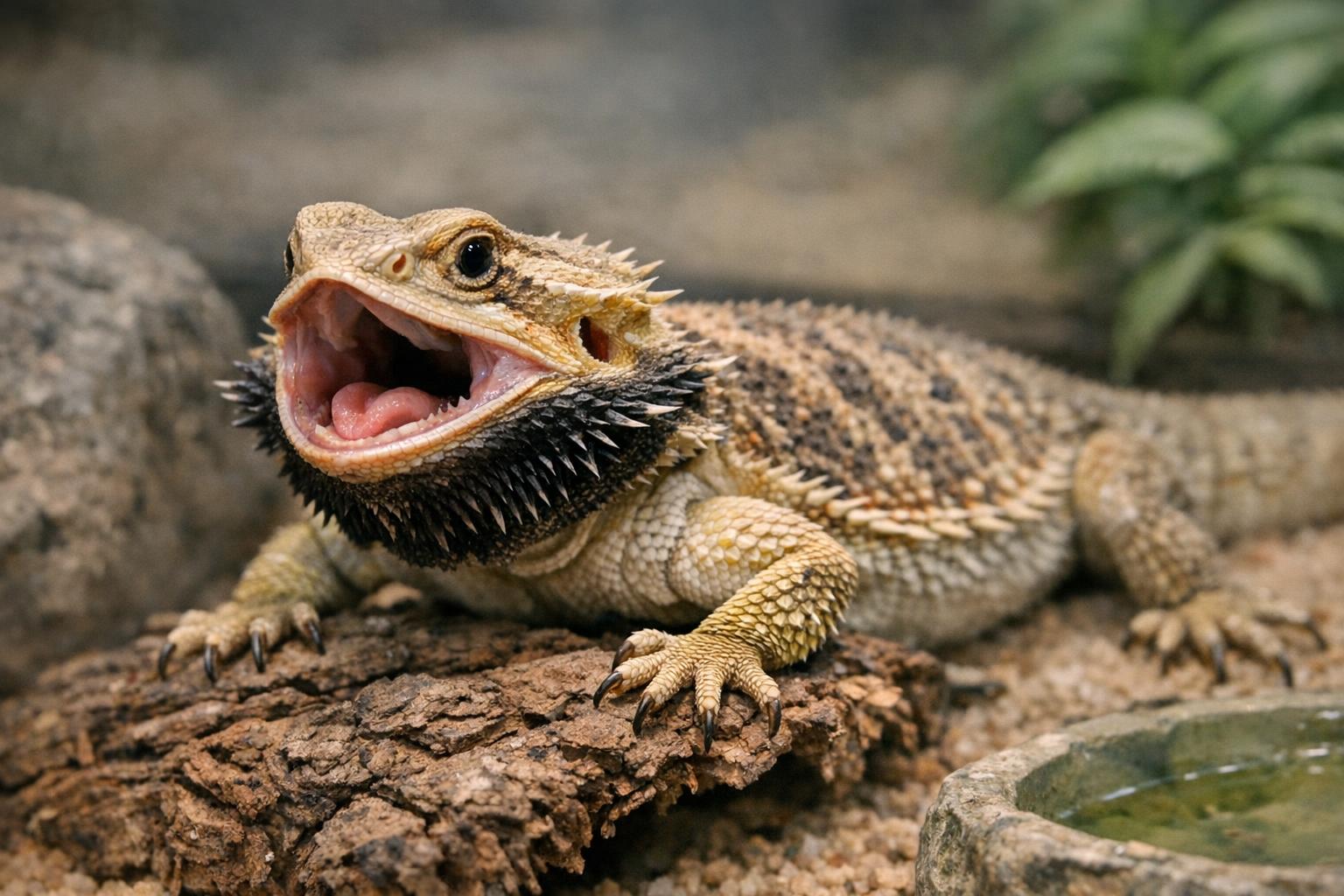
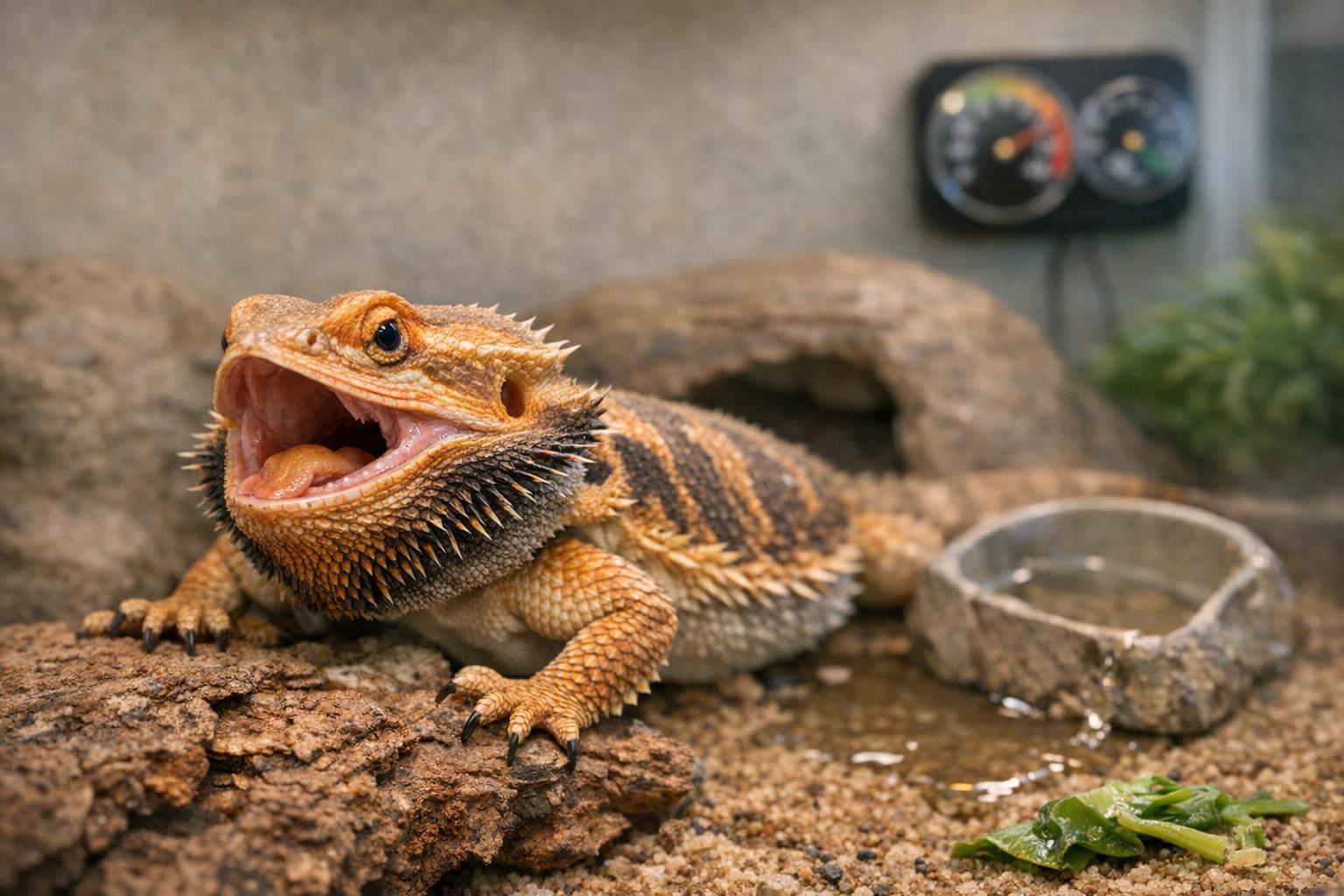
Aggression or sudden defensive postures are another red flag. A bearded dragon that suddenly gapes, darkens its beard, and bites when you approach was probably tolerating a poorly designed enviroment for a while. Snakes that thrash during handling may be stressed by improper temperatures, feeding schedules, or by frequent, poorly timed handling sessions.
Glass surfing—when a reptile repeatedly climbs along enclosure walls—is a sign of discomfort or an attempt to escape. It doesn’t mean the animal is always about to bolt. It often means something in the setup is wrong: the thermal gradient is bad, humidity is off, or daytime lighting is not matching the animal’s needs.
### Physical And Physiological Signs
Physical signs are more concrete and often easier to track than behavior. Weight loss, swollen limbs, the presence of discharge around the eyes, nose or mouth, and consistently poor sheds are all stress indicators reptiles exhibit when something is wrong.
Breathing changes matter. Open-mouth breathing, wheezing, or clicking sounds are not just quirky; they can indicate respiratory infection or chronic stress that suppresses immune function. Skin that darkens or becomes blotchy outside of normal shedding cycles can be stress-related or a sign of illness. Keep photos and simple measurement logs. A one-pound lizard that drops to 0.9 pounds over a month has a real problem even if it seems otherwise okay.
#### Feeding And Weight Clues
A missed meal once in a while happens. But when appetite changes persist alongside lethargy, weight loss becomes a concrete indicator. Juvenile reptiles that stop gaining weight quickly are at particular risk because they need steady growth for healthy development. Use consistent feeding times and record how much was taken. If a reptile refuses food for more than a week, check temperature, stressors, and parasites.
#### Respiratory And Skin Problems
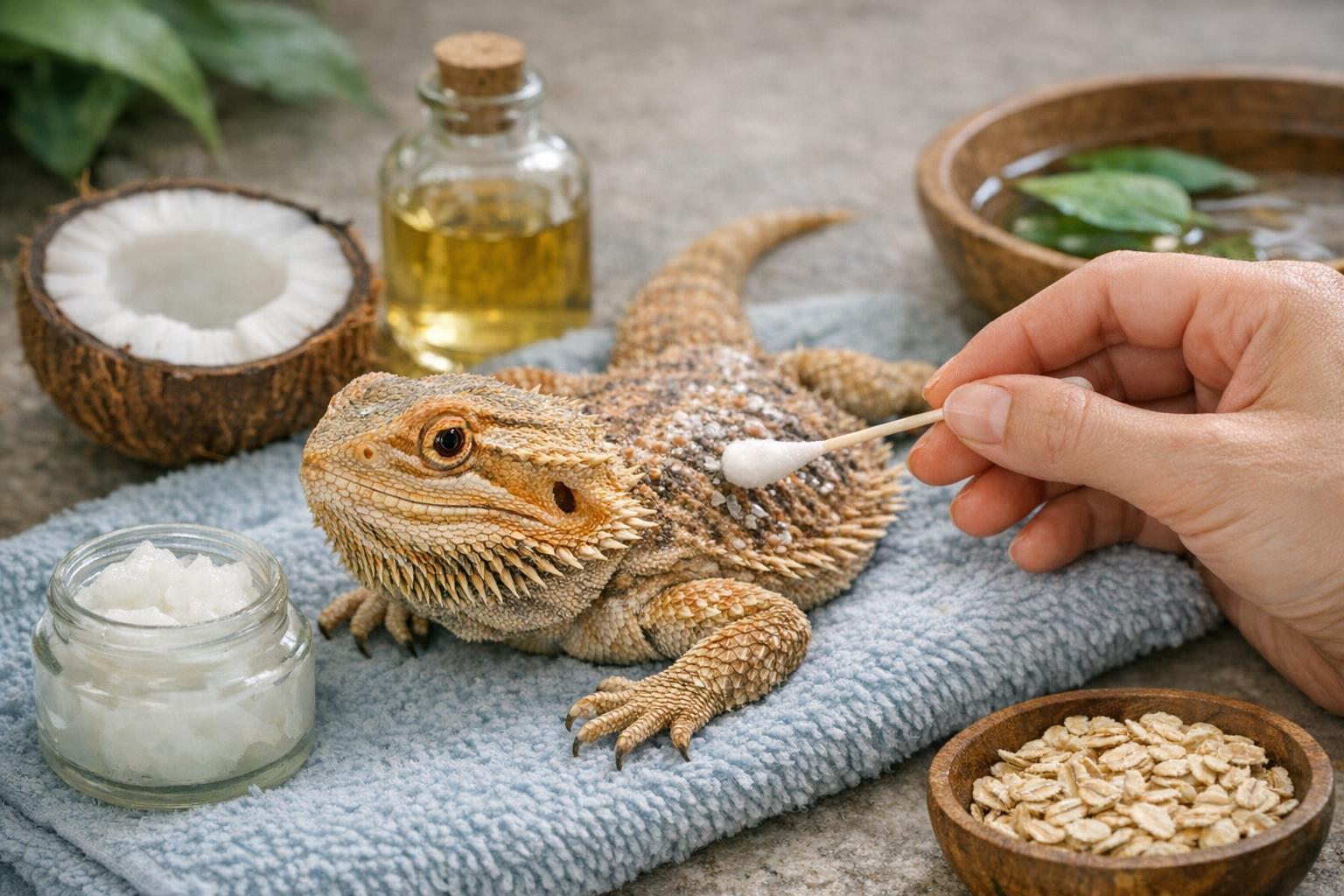
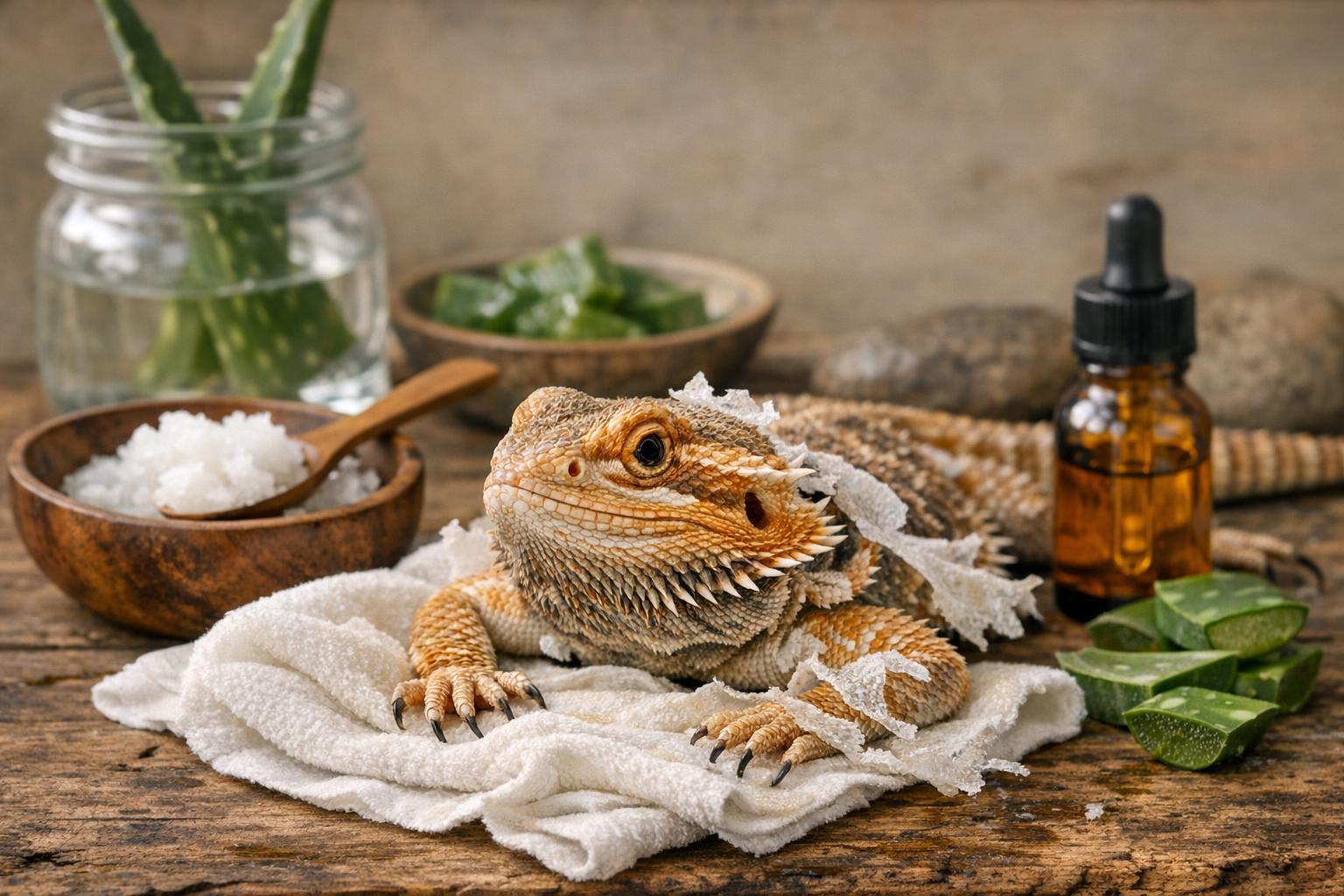
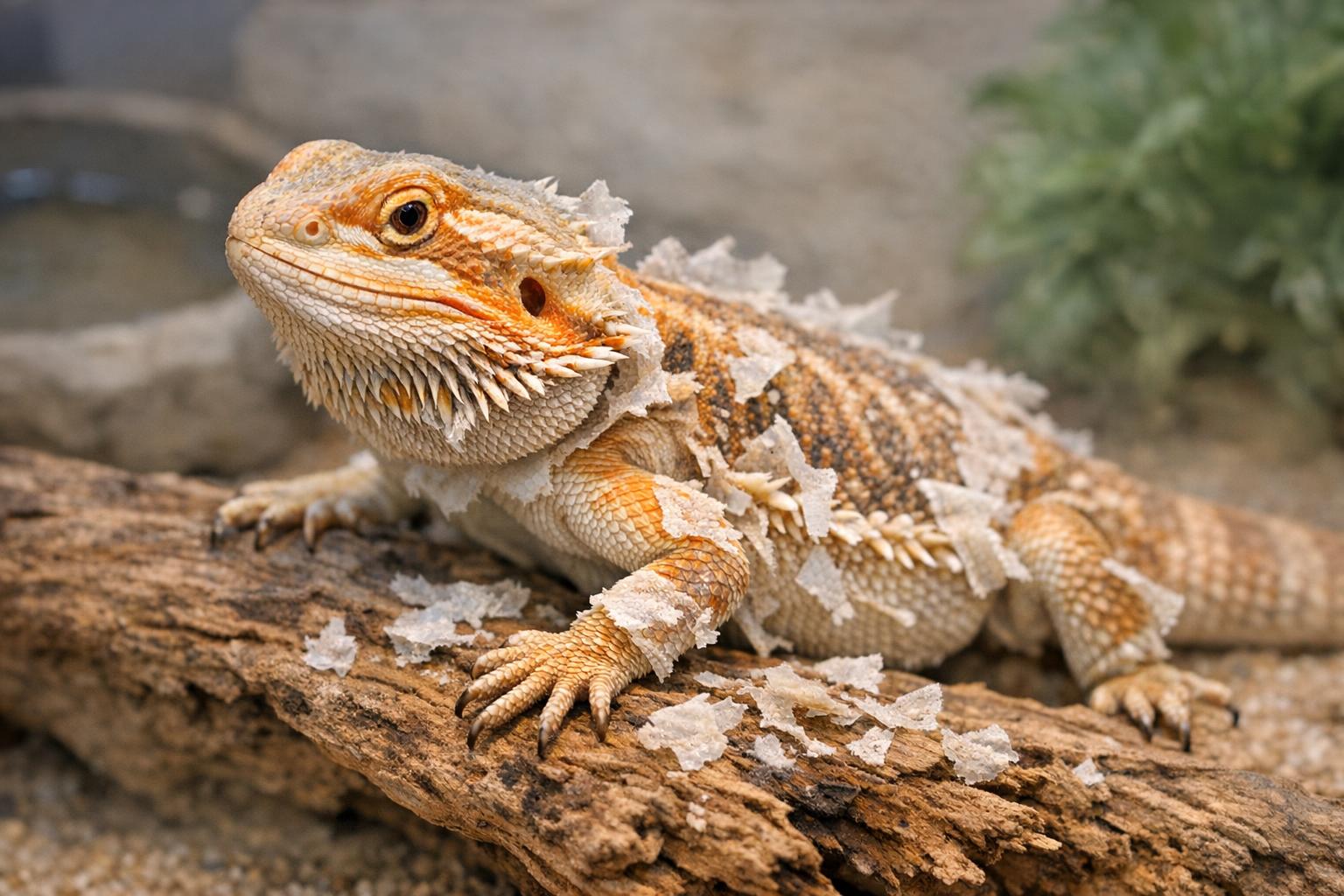
Mucus, bubbles at the nose, and constant mouth-gaping are signs that require immediate attention. Skin that peels poorly, retained shed around toes or eyes, or frequent cuts and abrasions are stress-related issues and can lead to infection. These are stress indicators reptiles should not be allowed to develop into secondary problems.
### Environmental Triggers To Inspect
Once you know the signs, looking for triggers is the practical next step. Temperature is the biggest environmental culprit. Reptiles regulate their physiology with external heat. If they can’t get warm enough, digestion stalls and stress builds. A hot basking spot that is too cool or an ambient temperature that swings wildly at night are both stress drivers.
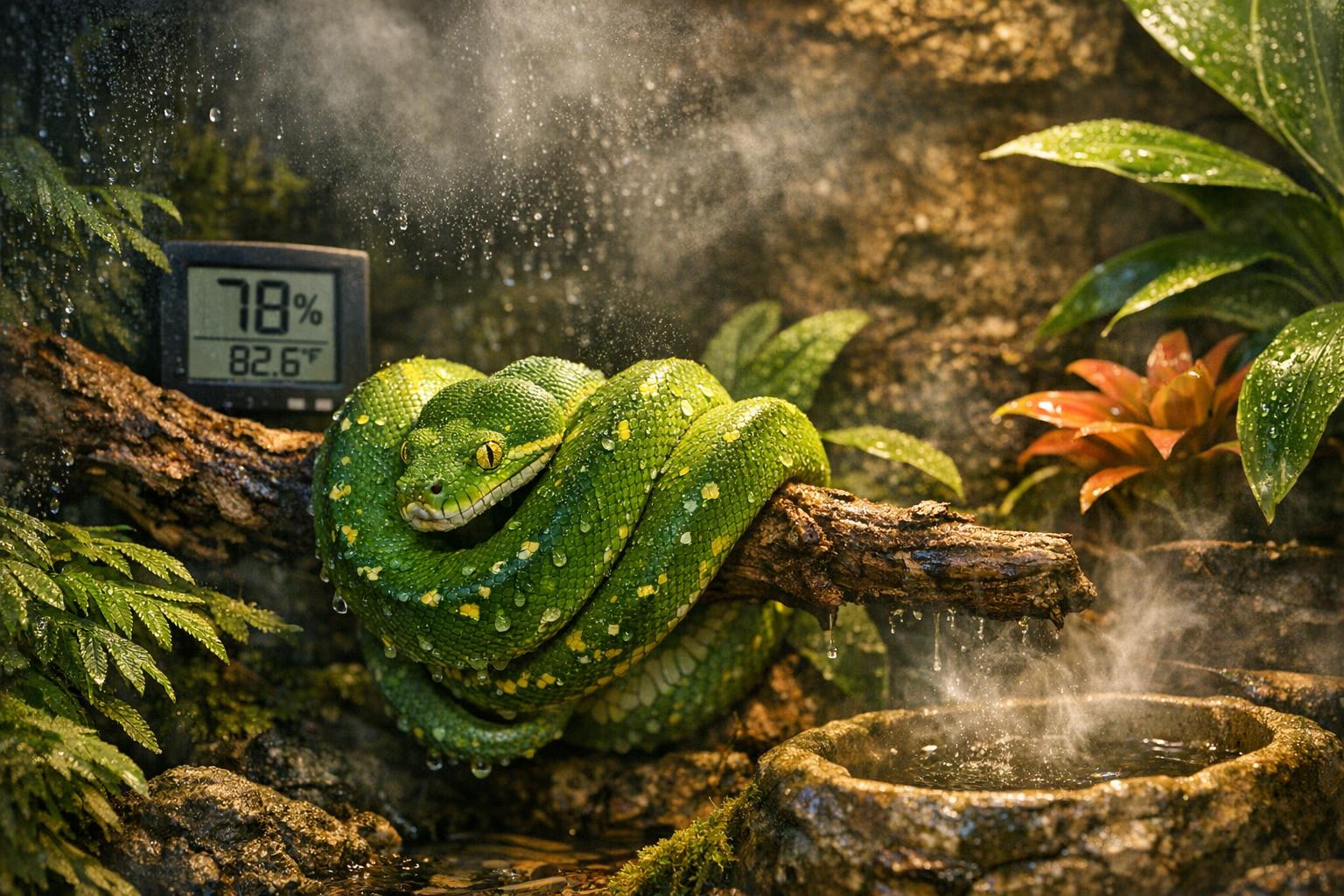
Lighting and UV exposure are next. Many species need a specific UV index and photoperiod to maintain appetite and immune health. Bad UV setups can slowly degrade health without obvious immediate signs. Humidity matters too. Too dry and your reptile will have shedding problems; too wet and respiratory issues can appear. Substrate choice and enclosure size also matter. A cramped tank forces abnormal behavior; an abrasive or inappropriate substrate raises infection risk.
Social environment is often overlooked. Housing two animals together without considering territoriality, or introducing a new pet without a proper quarantine and gradual introduction, creates chronic reptile stress. Even the presence of a noisy room, bright evening light, or frequent traffic around the enclosure can be a daily stressor.
## How To Respond When You Spot Reptile Stress Indicators
Seeing signs of trouble is one thing. Acting effectively is another. Start by stabilizing the environment before you start diagnosing complicated diseases. Correct obvious problems first: ensure proper temperatures, provide adequate hides, and reduce handling. Those short-term fixes often stop a bad pattern from worsening.
If behavior is the only sign—no weight loss, no discharge—slow changes are best. Change one variable at a time and watch the response over several days. Rapid, multiple changes can confuse the diagnosis and make your animal more anxious. Keep records during this period: temperatures at different enclosure spots, hours of light, and the reptile’s daily activity and food intake.
### Short-Term Interventions
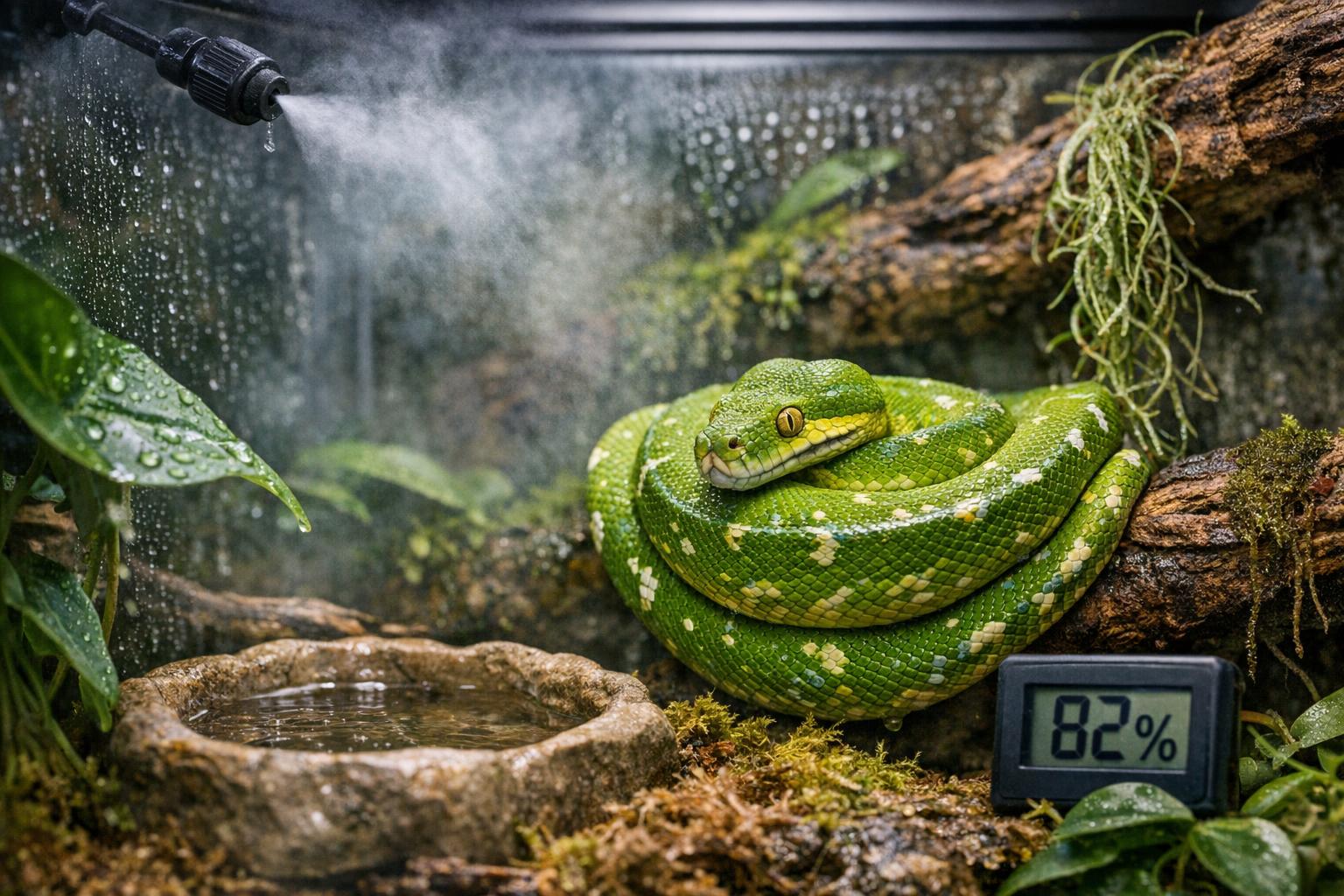
Create an immediate comfortable space. Add an extra hide at both warm and cool ends of the enclosure so your reptile has choices. Check and correct the basking and ambient temperatures with accurate thermometers, not the heater settings. If humidity is a problem, try short misting sessions or a dedicated humid hide for sensitive species.
Reduce handling. Even if your animal seems tolerant, frequent handling while stressed delays recovery. Unless you need to move the reptile for health reasons, let it settle for a week after environmental fixes before returning to regular handling routines.
### Long-Term Habitat Fixes
Long-term solutions require thoughtful design. Build a living space that offers a stable thermal gradient, reliable UVB for diurnal species, secure hides, and mentally stimulating décor such as branches for climbing. Match substrate and humidity to the species’ natural habitat. For example, many desert species need low humidity and a dry substrate, while rainforest species need higher humidity and more complex microhabitats.
Routine matters. A consistent feeding schedule, predictable lighting cycles, and steady temps reduce baseline stress. If you keep more than one reptile, consider individual needs. A species that basks in a bright spot will stress a shy neighbor if the space is shared.
#### Handling And Socialization Guidelines
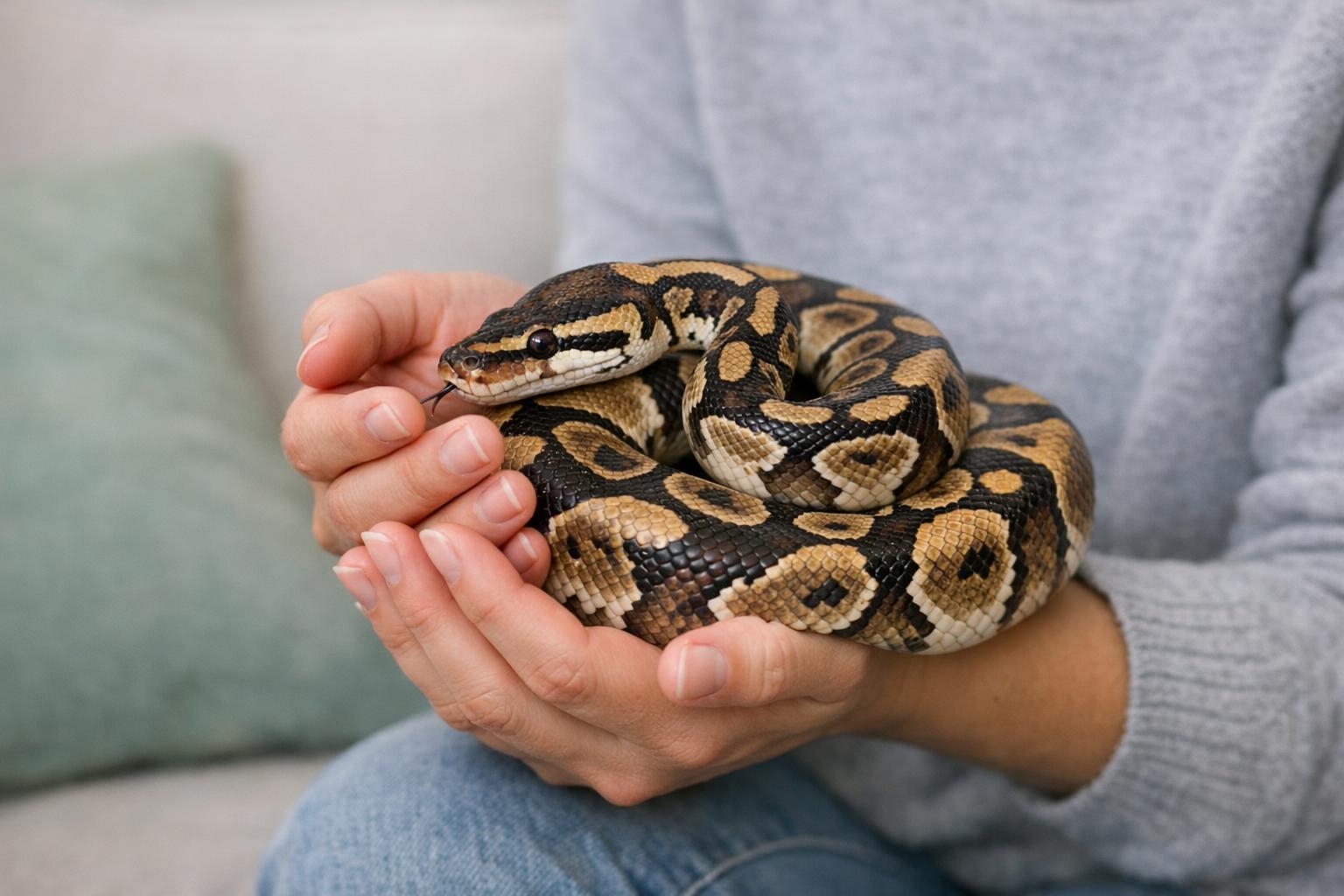
Handling is a learned skill for both you and the animal. Start slowly with short sessions, and always support the reptile’s body. Avoid chasing them around the enclosure to pick them up; that creates fear. Watch for stress signals during handling: rapid breathing, frantic tail flicks, or tense limbs. End the session early if you see those cues and try a shorter session next time.
For social species, occasional supervised interaction can be fine. For solitary or territorial animals, forced socialization is a stress trigger. Read species-specific care guides, but also watch your own animal. Its reactions are your most reliable guide.
## When To Call A Vet
Some stress indicators reptiles show demand a vet visit. Persistent weight loss, discolored or foul-smelling discharge, severe labored breathing, inability to right themselves, and extended inactivity are urgent. If you see injuries, prolapsed tissue, or sudden, unexplained paralysis, call a reptile-experienced veterinarian immediately.
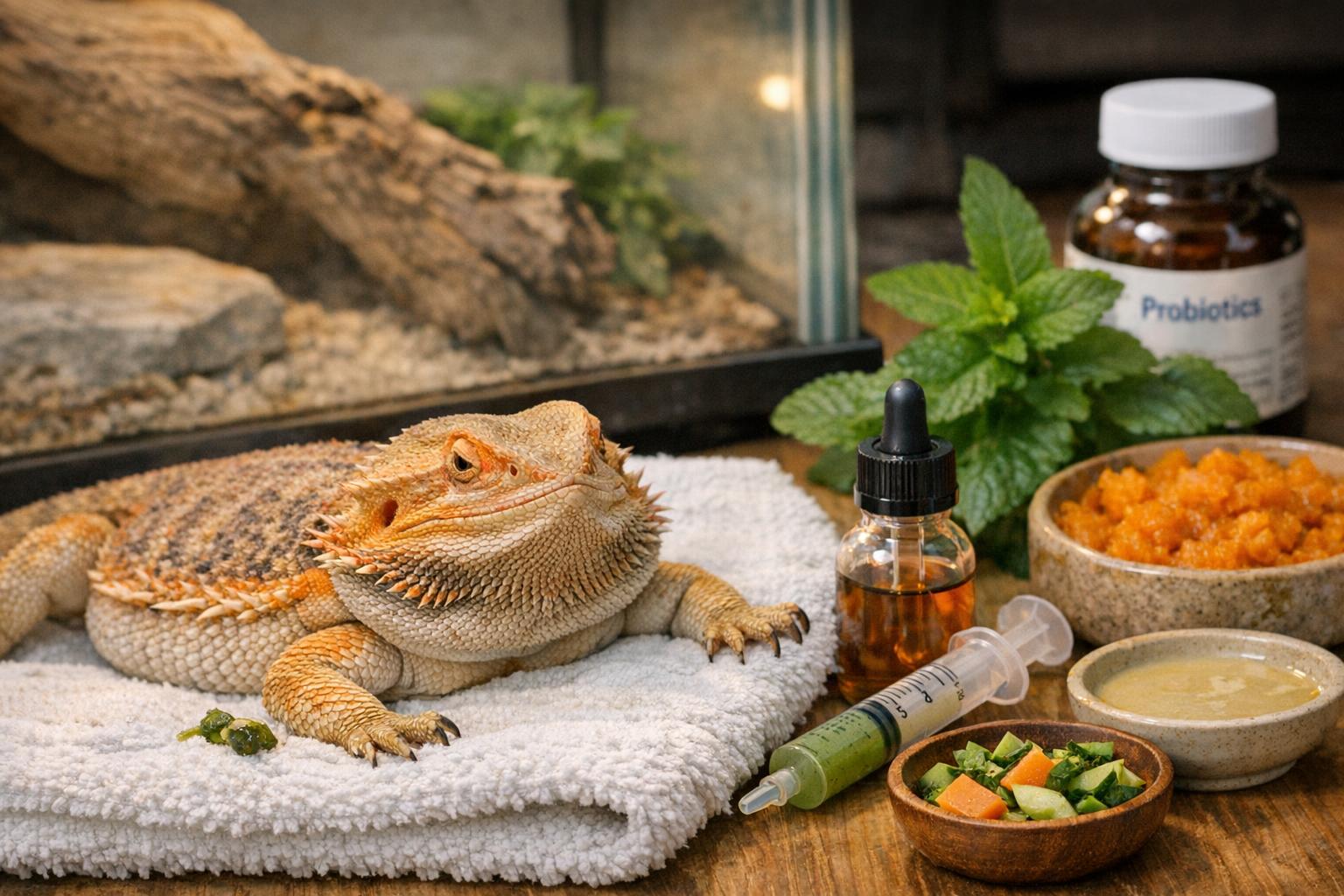
If your pet shows signs that could be nutritional, like metabolic bone disease symptoms, or has chronic shedding issues after you’ve corrected humidity and habitat, get a veterinary assessment. Bloodwork or fecal exams can reveal parasites or organ problems that simple habitat fixes will not resolve.
A good vet will ask for your logs: temperatures, recent changes in environment, diet, and the timeline of observed behaviors. Those details matter. They speed diagnosis and prevent unnecessary tests. It’s also worth noting that sometimes what looks like reptile stress is the first sign of a primary illness. Don’t delay when the animal’s behavior or physical state changes rapidly.
### Preventing Future Episodes
Prevention is mostly about designed stability and routine. Regular checks of equipment, timely replacement of bulbs, and seasonal adjustments for species that need them will reduce stress episodes. Quarantine new animals for at least 30 days and treat any introduced creatures for parasites if recommended. Educate household members about the animal’s needs so a toddler or stray guest doesn’t unintentionally provoke stress.
Veterinary check-ups for reptiles are not as frequent as for dogs or cats, but they are valuable. An annual or biannual wellness visit often catches creeping issues before they show as serious stress indicators.
Keep watching. Reptiles change slowly and they reward careful observation. A small tweak now can prevent a major health problem later.










Leave a Reply