






Prepare To Be Shocked: The Hidden Rules Of Healthy Herds Exposed! You thought goats were easy? Think again. The truth about thriving goats is far more dramatic — tiny housing mistakes, subtle diet errors, or missed parasite signs can cascade into catastrophe. This article rips the veil off the myths and delivers practical, actionable revelations so vivid you’ll feel like you’ve uncovered a secret manual. Read fast; these secrets change everything about goat care.
## Goat Care Basics: Shelter, Diet And Secrets
Goat care basics hide in plain sight: shelter that breathes, feed that balances, and social rhythms that respect herd psychology. A goat’s environment determines 60–80% of its health outcomes. Imagine condensation pooling where kids sleep, or moldy hay lingering in a feeder. Those are silent killers. To master goat care basics, you must control moisture, provide windbreaks without trapping humidity, and rotate bedding. Keep daylight and shade in balance to prevent overheating and stress-related immune suppression.
### Key Shelter Elements
– Raised, dry bedding areas to prevent hoof rot.
– Ventilation that doesn’t direct drafts at resting goats.
– Predator-proofing with visibility and secure latches.
#### Ideal Stall Dimensions And Layout
A mature goat needs at least 15–20 square feet of sheltered space; kids need more motion for muscle development. Position feeders 12–18 inches off the ground to minimize fecal contamination. Use slatted flooring only where it won’t injure hooves; otherwise, compacted dirt with clean bedding works.
## Nutrition Revelations That Will Save Lives
Goats are browsers — their digestive systems were built for variety. Feed designed for sheep or cows will fail them. In the web of goat care basics, diet is a central pillar. High-quality forage, a trace mineral program, and controlled concentrates for lactating or growing animals create resilience.
### The Perfect Ration Framework
– Forage first: minimum 1.5–2% of body weight in dry matter daily.
– Energy balance: grain only for specific needs, no overfeeding.
– Minerals: Loose trace-mineral mixes are superior to blocks for goats.
#### Signs Of Nutritional Imbalance
Watch for coat dullness, poor growth, low milk yield, and abnormal eating behaviors like wood-chewing. These are dramatic red flags in goat care basics signaling mineral deficiencies or improper forage.
## Health Monitoring: Shocking Signs You Must Not Ignore
Routine checks transform reactive owners into pro-active caregivers. Eye discharge, nasal snots, irregular feces, or a drop in social engagement are alarm signals. Use a low-key, consistent check routine: observe from afar, then examine temperature, respiration, and body condition monthly.
### Vaccination And Disease Prevention
Core vaccines (e.g., tetanus, CDT where appropriate) should be on every owner’s calendar. Biosecurity is sensationally simple but hugely effective: quarantine new animals for 30 days, test and treat parasites before mixing, and sanitize equipment between groups.
#### Record Keeping And Daily Logs
Keep a small notebook or digital file with weight trends, kidding dates, and vaccine records. That historical data prevents repeat mistakes and reveals slow-developing problems early.
## Hoof Care Secrets You’ll Wish You Knew Sooner
Hoof neglect is a stealth killer. In wet climates or on soft ground, hooves overgrow, split, and harbor bacteria. Proper trimming every 6–12 weeks is dramatic prevention. When you miss it, lameness spreads like wildfire.
### Tools And Technique
Use sharp trimmers, a sturdy stand, and a rasp. Trim until the sole is just proud of the frog and avoid removing healthy tissue. If you find foul-smelling infection, isolate the goat and treat.
#### When To Call A Vet
If trimming doesn’t restore gait within 48 hours, or if swelling and systemic signs exist, escalate care. Infections that reach the joint or bone require veterinary intervention.
## Parasite Control Remedies (1): Natural Deworming Protocol
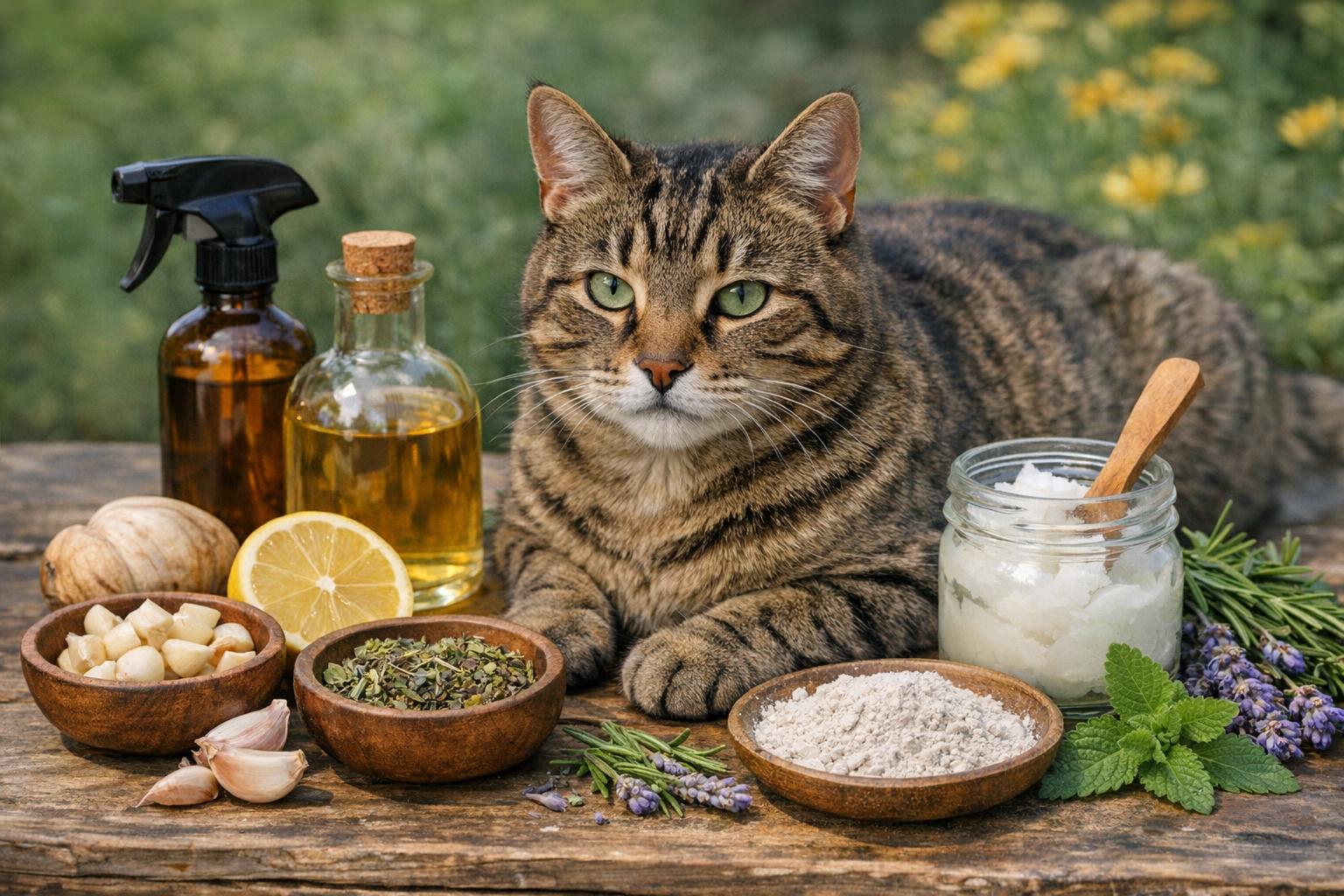
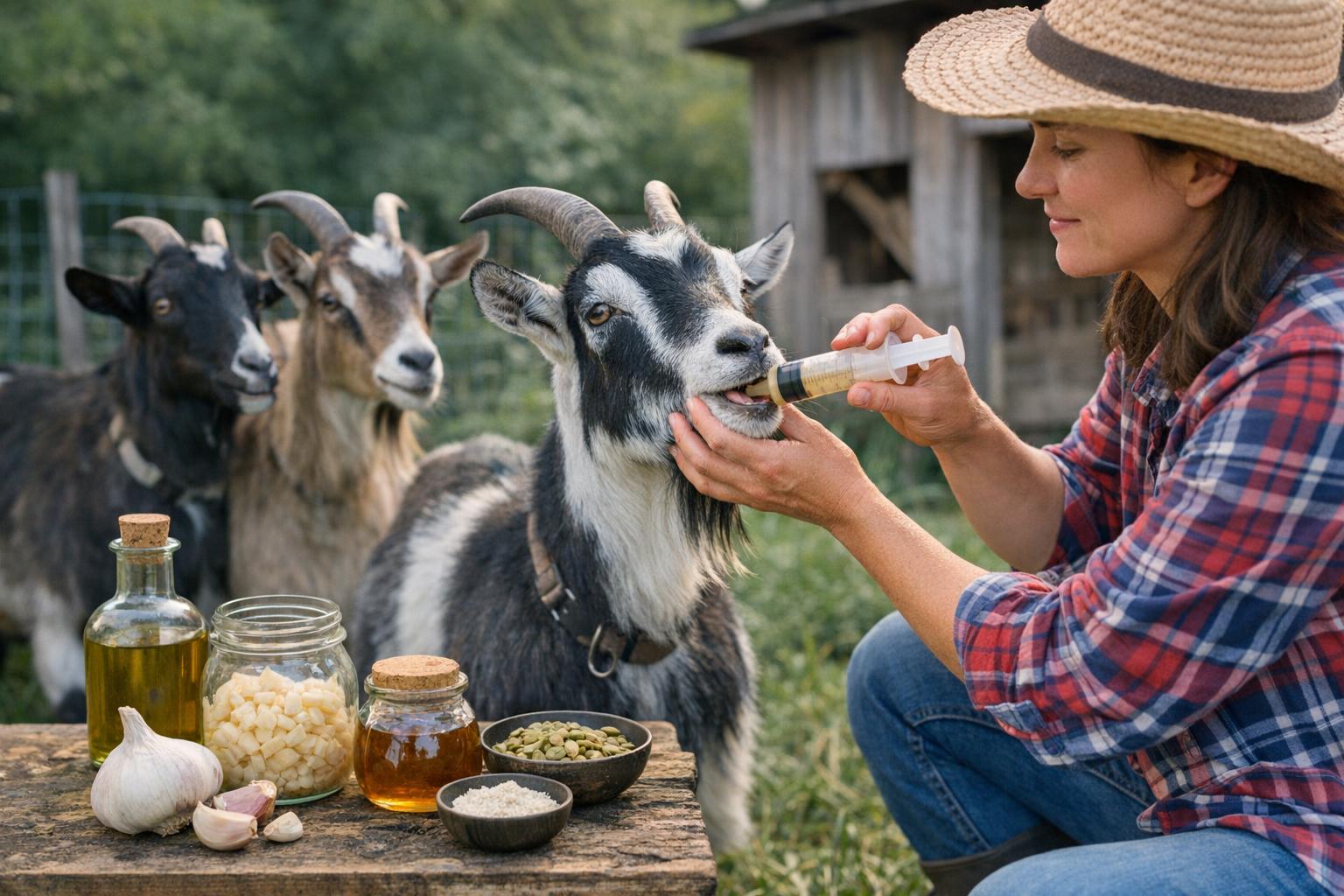
This is Remedy 1 and requires careful application. Parasites are the most dramatic, recurring threat in goat care basics. While chemical dewormers are effective, resistance is rising. A natural herbal protocol can reduce parasite loads and complement targeted anthelmintics when used correctly.
Ingredients/Materials:
– Dried wormwood (Artemisia absinthium) – 50 g
– Dried garlic powder – 30 g
– Dried pumpkin seeds, unsalted and shelled – 200 g
– Molasses (optional palatability agent) – 100 ml
– Fresh water
– Grinder or mortar and pestle
– Airtight container
Creation And Application Steps:
1. Grind pumpkin seeds into a coarse meal using a grinder.
2. Mix wormwood and garlic powder into the pumpkin meal thoroughly.
3. Add molasses incrementally to form a damp, palatable paste (optional).
4. Store in an airtight container, cool and dry.
5. Administer orally as a top-dress on feed: kids 10 g/day, adults 25–50 g/day for 7 consecutive days.
6. Repeat every 6–8 weeks as part of an integrated parasite control plan. Monitor fecal egg counts monthly and rotate with veterinary-approved anthelmintics when counts rise.
Important Note: Use caution with wormwood — it is potent. Do not overdose; consult a veterinarian before using with pregnant or lactating animals.
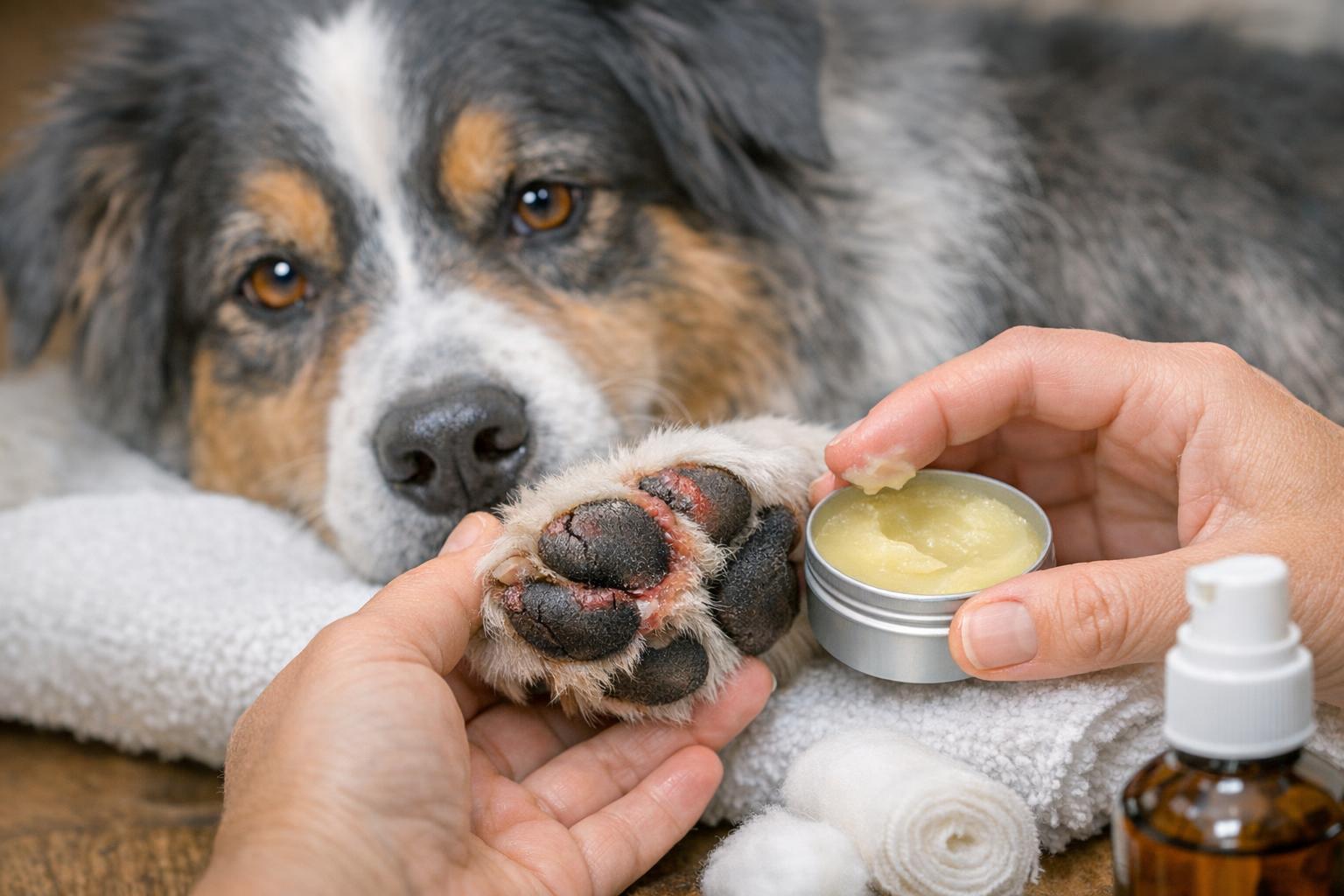
## Parasite Control Remedies (2): Wound Care And Skin Healing Salve
This is Remedy 2 — essential for cuts, bite wounds, and scrapes. Proper wound management prevents infection and systemic illness, a core element of goat care basics.
Ingredients/Materials:
– Raw honey (medical grade preferred) – 100 g
– Coconut oil – 100 g
– Colloidal silver solution (10 ppm) – 20 ml
– Clean gauze and bandages
– Sterile tweezers and scissors
– Antiseptic wash (diluted chlorhexidine or betadine)
Creation And Application Steps:
1. Sterilize utensils and workspace.
2. Gently warm coconut oil until liquid and mix with raw honey in a sterile bowl.
3. Stir in colloidal silver until homogeneous.
4. Fill a small jar and label with date; store refrigerated for up to 30 days.
5. For application: clean wound with antiseptic wash and sterile water; pat dry.
6. Apply a thin layer of the salve directly to wound using sterile gauze.
7. Cover with breathable bandage if the site is prone to dirt; change daily until healed.
8. If redness, swelling, or discharge worsen after 48 hours, seek veterinary evaluation.
This formal remedy reduces bacterial load and promotes moist wound healing while avoiding harsh chemicals that can delay tissue regeneration.
## Breeding And Kidding Secrets That Will Astonish You
Reproduction requires precision. Nutrition must be optimized pre-breeding and during gestation to prevent kidding complications. A dramatic increase in energy needs occurs in the last 6 weeks of gestation; failing to meet this demand leads to weak kids and milk failures.
### Kidding Kit Essentials
– Clean towels and clamps
– Iodine for navel dipping
– Warm clean bed with drainage
#### When To Intervene
Assistance is indicated if a doe strains for more than 30 minutes without progress, or if a single water sac has been present for 2+ hours without a kid. Quiet, calm intervention with sterile technique can save lives.
## Behavioral Secrets And Social Well-Being
Goats thrive on routine and companionship; isolation is punishment. Stress reduces immune function and creates fertile ground for disease. Enrichment can be simple: safe climbing structures, varied browse, and regular human interaction.
### Recognizing Social Stress
Aggression, persistent low-ranking withdrawal, or disrupted feeding order are dramatic markers. Address these by separating incompatible individuals and ensuring multiple feeding stations.
## Cost-Saving Strategies That Keep Health Intact
Practical goat care basics include savvy spending: invest in quality forage and mineral programs early, and save on vet bills later. DIY remedies shown above are cost-effective complements, not replacements, for professional care when needed.
Keep your records, monitor, and intervene early — the dramatic difference between crisis and control lies in watching, knowing, and acting with precision.









Leave a Reply