





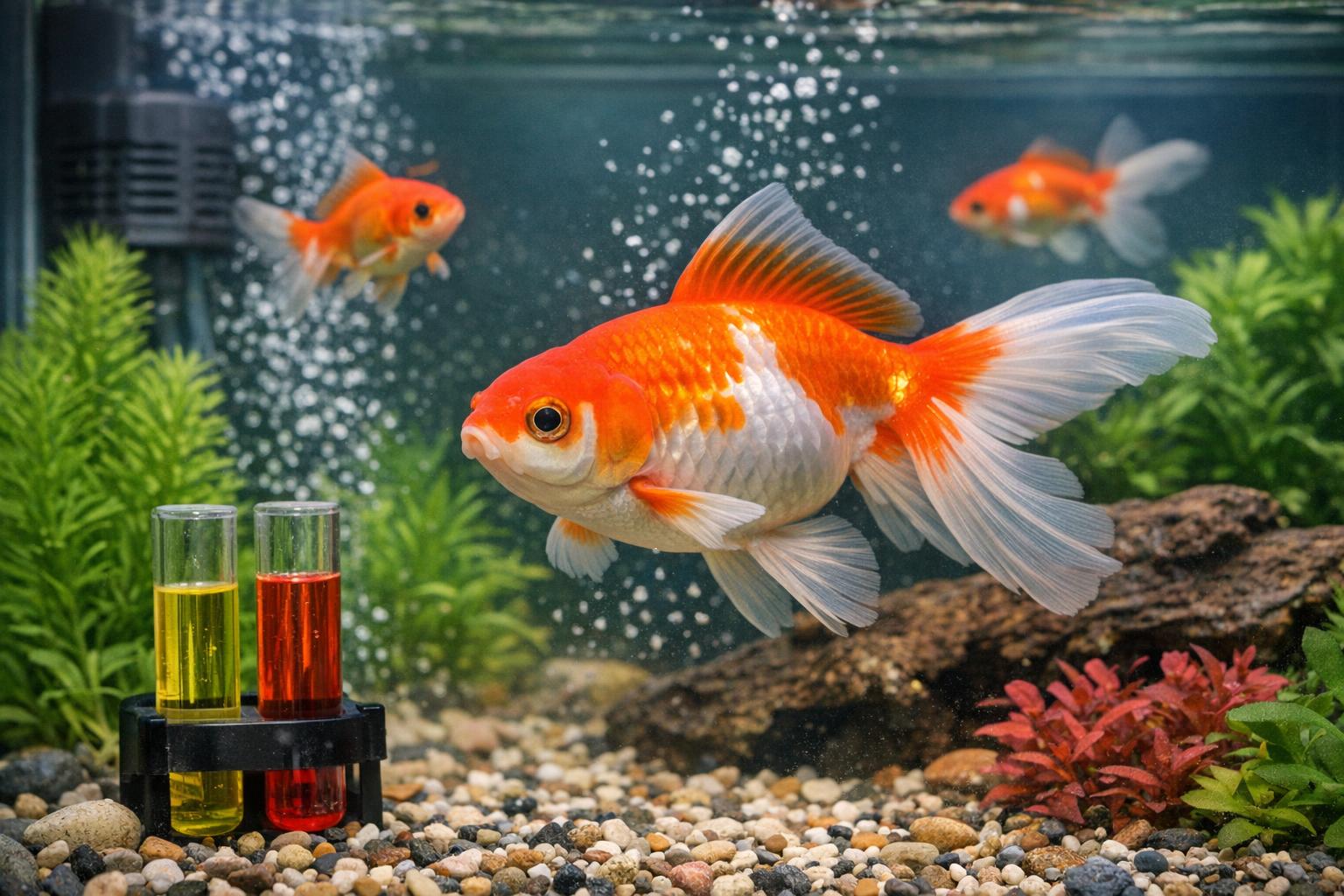
Keeping your aquarium’s ammonia and nitrite at zero is great — but then you spot creeping nitrate numbers and your peaceful tank turns into a silent soap opera. This guide helps you diagnose why nitrate climbs, how it quietly stresses fish and invertebrates, and practical, science-backed steps (and a few friendly tips) to bring levels back to safe, healthy ranges.
## High Nitrates In Aquarium: Why They Matter
High nitrates in aquarium are common and often overlooked because nitrate is less acutely toxic than ammonia or nitrite. Still, chronic exposure to elevated nitrate stresses fish, blunts immune responses, slows growth, and can spark algae explosions. Nitrate builds up as the final product of the nitrogen cycle: fish waste → ammonia → nitrite → nitrate. Even if ammonia and nitrite read zero, nitrates can climb if removal processes are insufficient.
### Symptoms Of Elevated Nitrates
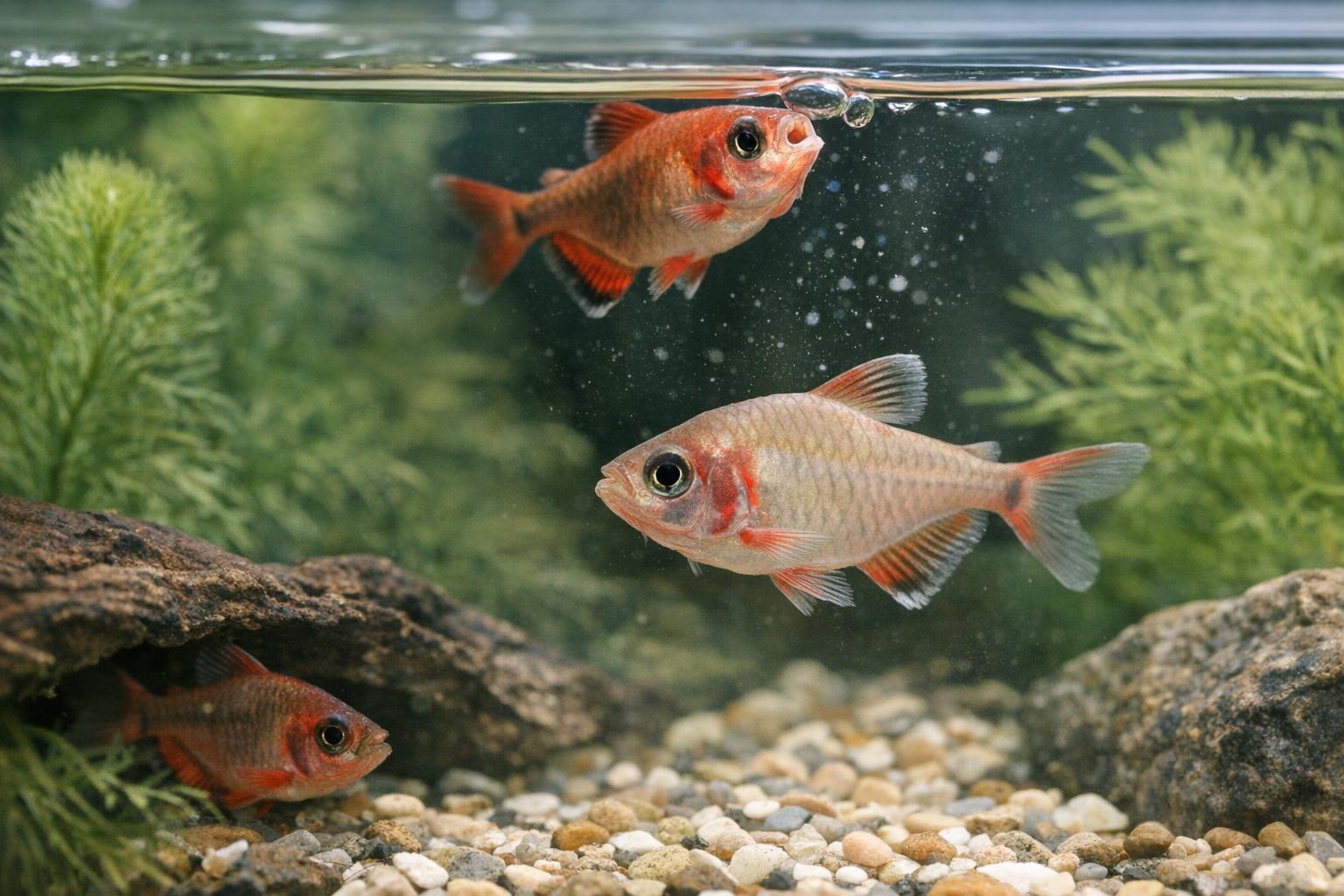
Fish might not gasp dramatically like with oxygen problems, but signs include:
– Pale or faded coloration and lethargy.
– Loss of appetite and slow growth in fry.
– Increased susceptibility to disease and parasitic infections.
– Excessive algae growth and cloudy water.
Subtle symptoms mean aquarium owners often miss the slow damage until several fish show chronic illness.
### Causes Of High Nitrates In Aquarium
Common causes are simple household mistakes:
– Infrequent or too-small water changes.
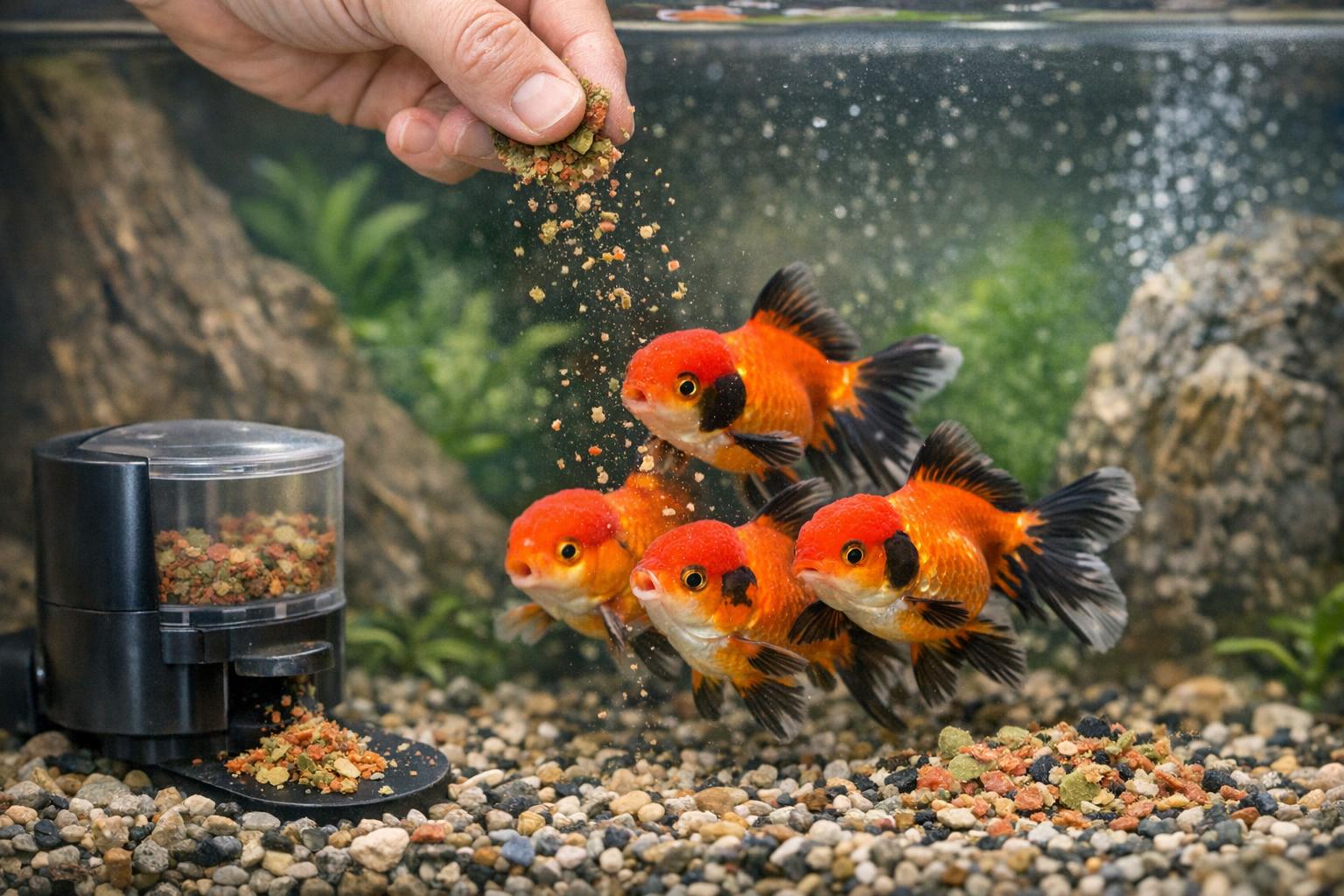
– Overfeeding and overstocking.
– Insufficient plant mass or biological filtration to process nitrate.
– Using tap water with high nitrate levels or adding nitrate-rich substrates or decorations.
– Dead plant matter, uneaten food, or decaying filter media silently adding nitrate.
#### Testing And Interpreting Results
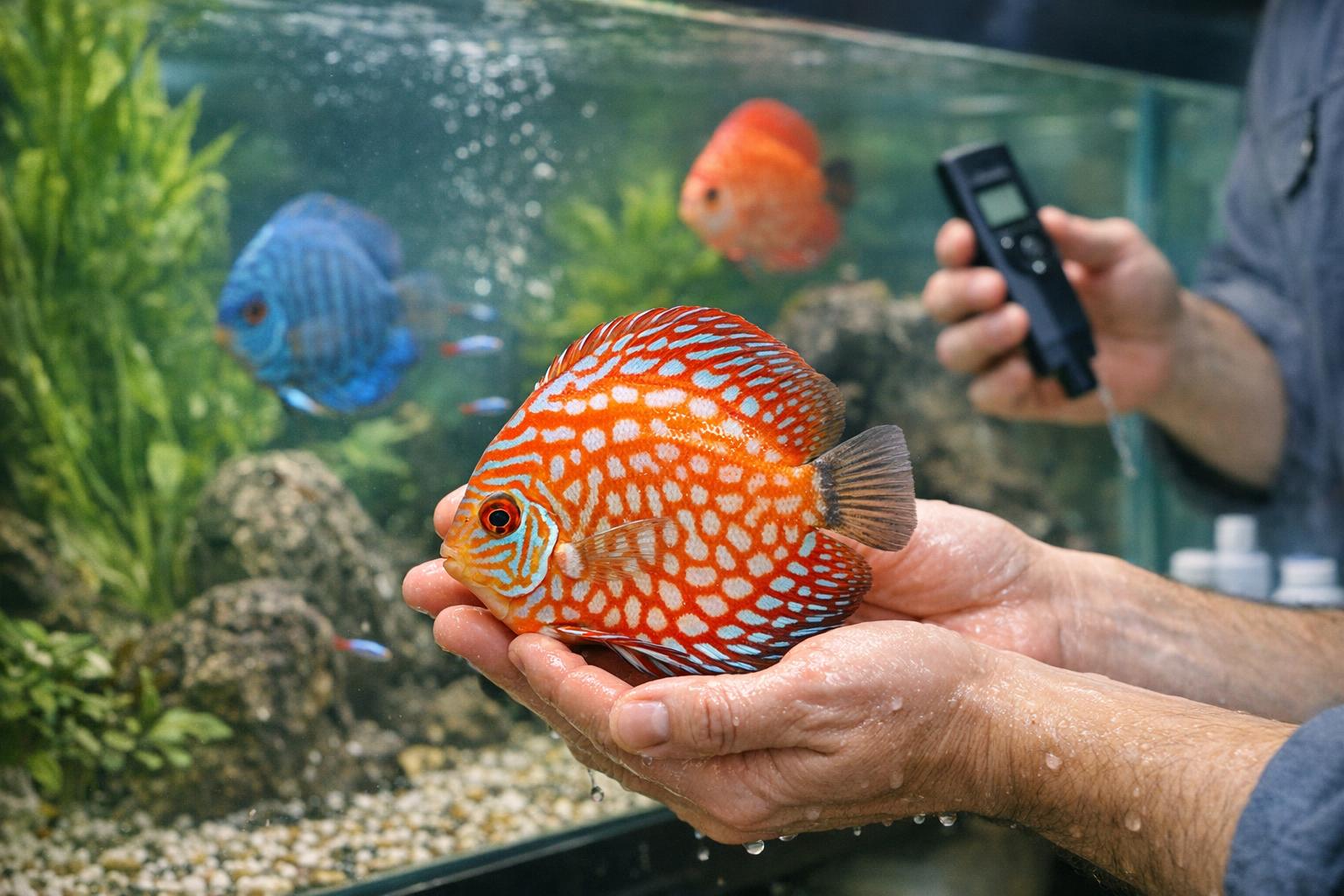
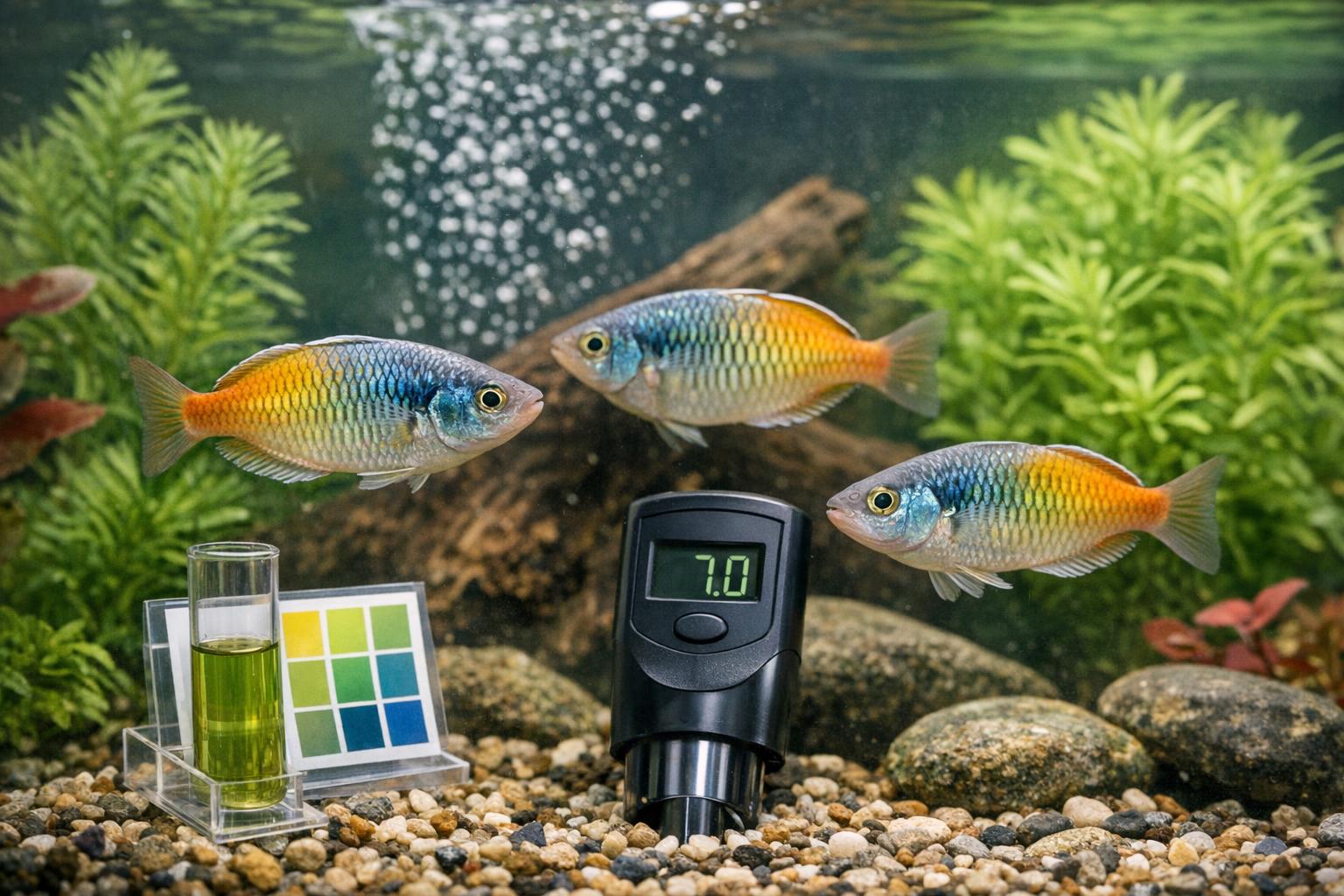
Use a reliable test kit (liquid kits are usually more accurate than strips). Acceptable nitrate ranges depend on stock:
– Most freshwater community tanks: under 40 ppm is acceptable, under 20 ppm is ideal.
– Sensitive species (tetras, dwarf shrimp, some cichlids): keep under 20 ppm, preferably under 10.
– Marine reef systems: nitrates ideally under 5 ppm.
Test weekly while troubleshooting, and record values to spot trends.
## Remedy 1: Large Partial Water Changes (Immediate Fix)
When nitrates spike, fast dilution works. This is the front-line remedy for acute problems.
Ingredients / Required Materials
– Clean dechlorinated water (prepared with a dechlorinator or aged water).
– Gravel vacuum or siphon hose.
– Buckets reserved for aquarium use (marked).
– Test kit to measure before and after.
– Optional: water conditioner that detoxifies nitrates (used as adjunct, not sole solution).
Step-By-Step Application
1. Measure current nitrate level and record baseline.
2. Calculate a safe water change volume. For acute spikes, change 25–50% of water depending on severity (50% for very high levels).
3. Prepare replacement water to the same temperature and pH range as the tank. Dechlorinate thoroughly.
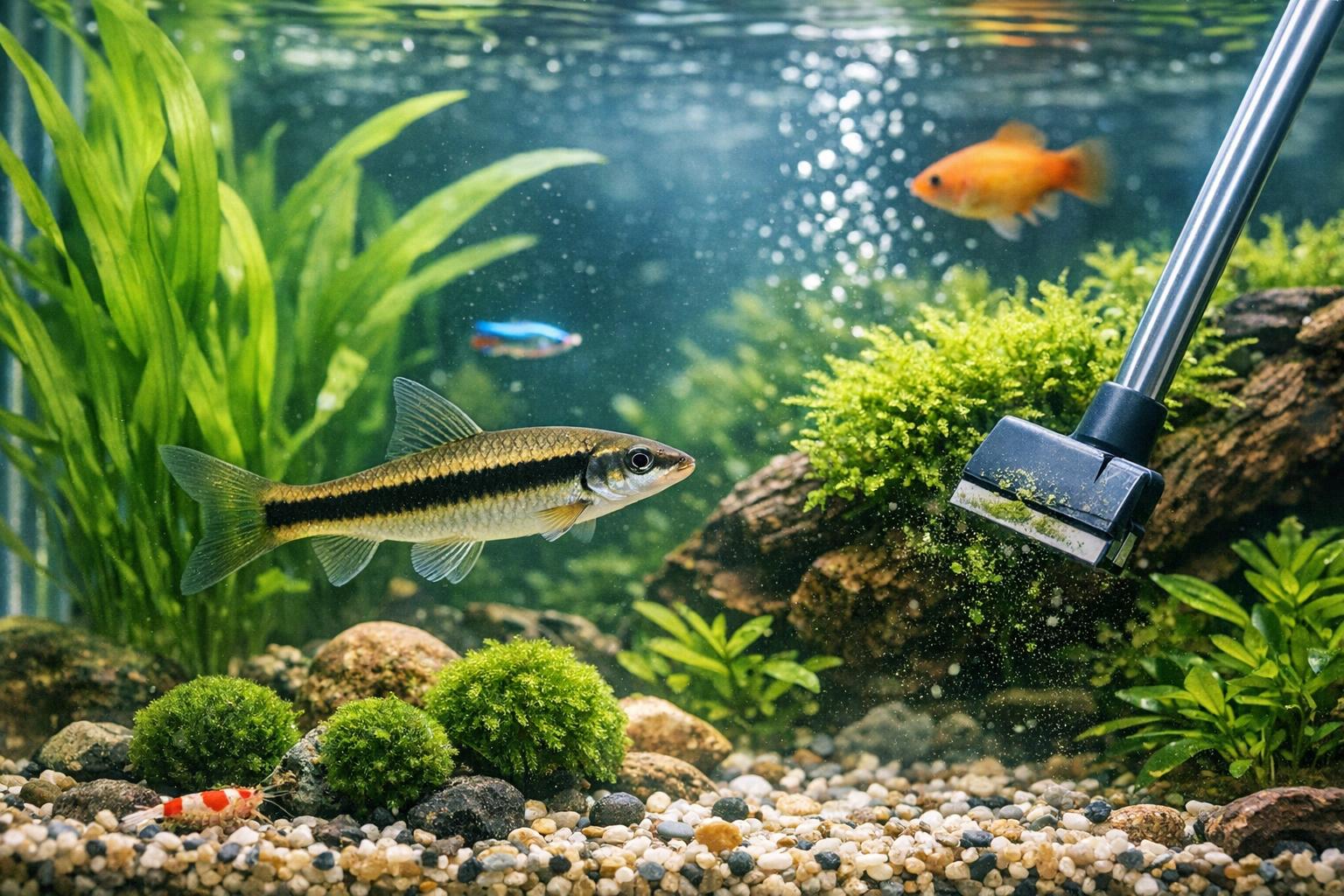
4. Use a siphon and vacuum to remove water while cleaning substrate areas where detritus accumulates.
5. Slowly add replacement water to avoid shocking livestock. Pour at an angle or into a plate to diffuse flow.
6. Re-test nitrates after 2–4 hours and again at 24 hours to confirm reduction.
7. Repeat daily 25–30% changes if levels remain dangerously high until stable. Transition to a regular maintenance schedule once under control.
Notes: Do not change the entire tank at once unless absolutely necessary; full swaps can remove beneficial bacteria and destabilize chemistry.
## Remedy 2: Live Plants And Biological Methods (Long-Term Control)
Plants and biological filtration handle nitrates naturally and sustainably—less drama, more balance.
Ingredients / Required Materials
– Fast-growing aquatic plants (e.g., hornwort, water sprite, duckweed, anacharis) or rooted plants (e.g., vallisneria, amazon sword).
– Fertilizer dosing tailored for planted tanks (if needed).
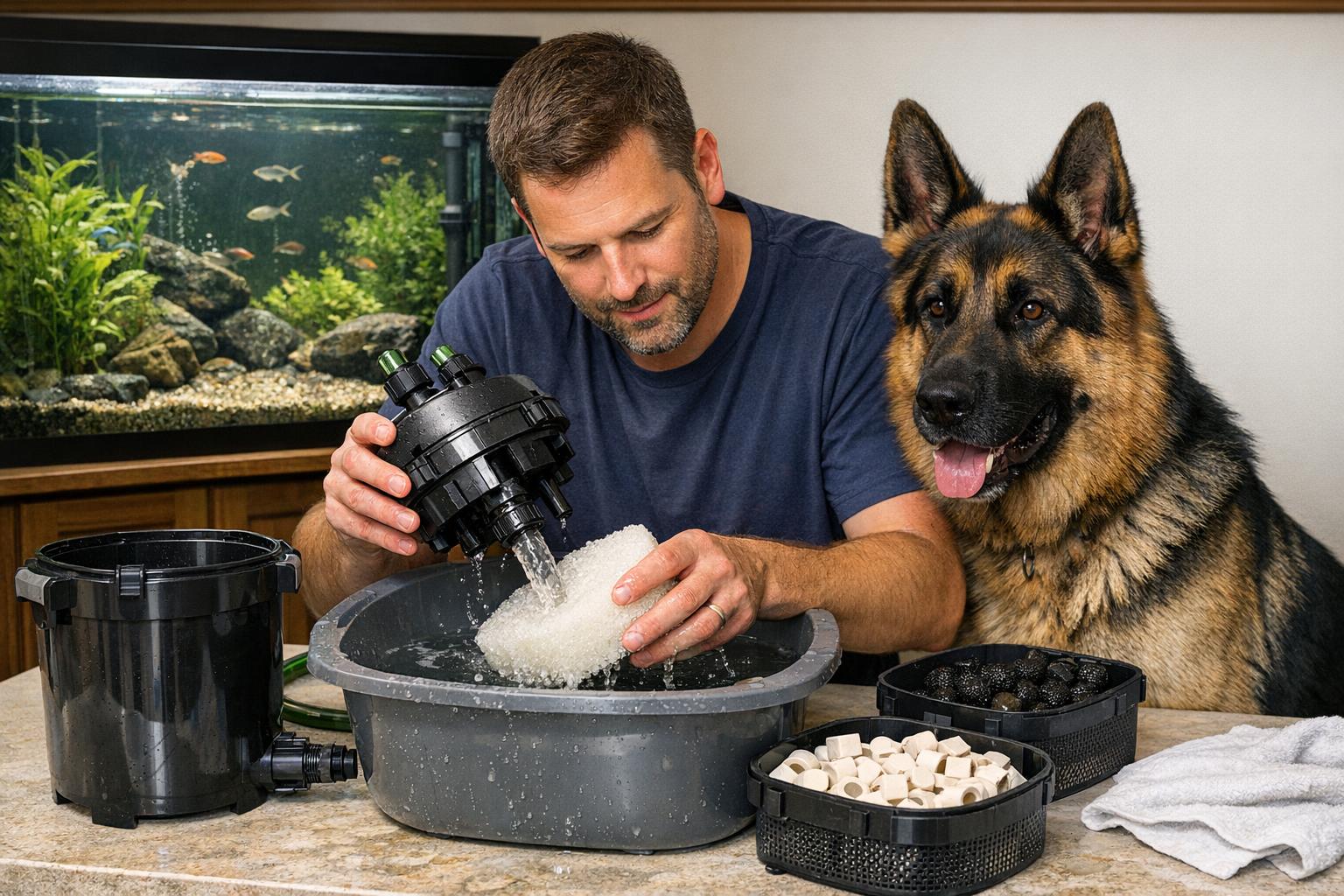
– Additional bio-media (ceramic rings, bio-balls) for filter expansion.
– Optional: a sponge filter for shrimp or fry-safe biofiltration.
Step-By-Step Application
1. Choose species: pick plants suited to your lighting and nutrient regime. Fast-growing stem plants consume more nitrate quickly.
2. Plant densely: more biomass = more nitrate uptake. Consider floating plants for rapid reduction.
3. Enhance biological filtration: add bio-media to increase surface area for nitrifying and denitrifying bacteria.
4. Maintain plants: trim regularly to harvest nitrate-rich biomass; remove decaying matter promptly (decay adds nitrate).
5. Monitor and dose fertilizers carefully: if you add macro or micronutrients, balance them with plant uptake to avoid algal blooms.
6. Consider refugiums or denitrifying filters: for heavy bioloads, a refugium with macroalgae or a dedicated denitrification chamber can reduce nitrate through anaerobic bacterial pathways.
## Managing Stocking, Feeding, And Maintenance Habits
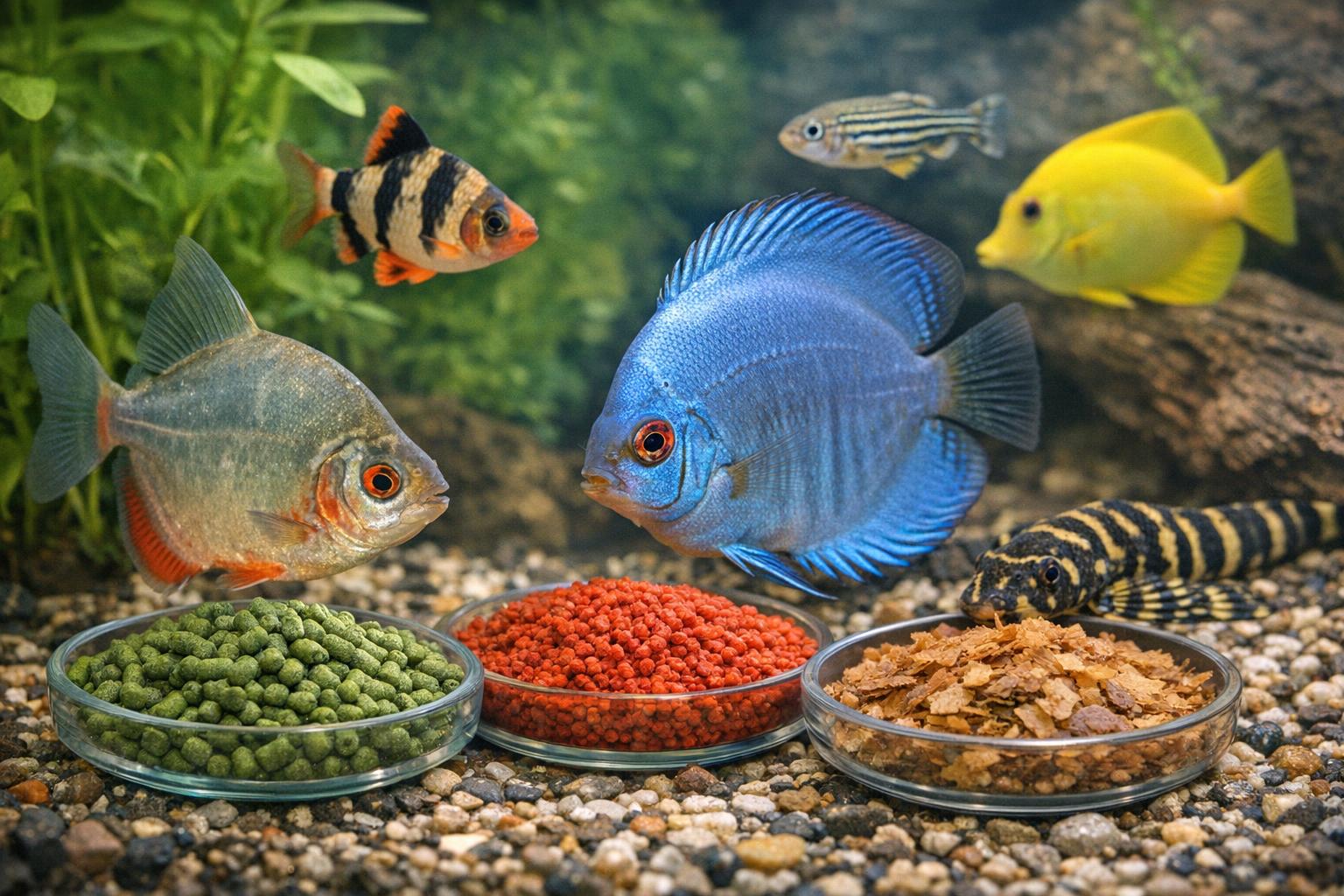
Good habits prevent most nitrate problems. Reduce overstocking; keep feeding to what fish consume in a minute to avoid excess waste; vacuum substrate weekly and maintain a routine water-change schedule. If nitrates are chronically high despite good maintenance, test source water—municipal supplies sometimes contain elevated nitrate.
### When To Consider Chemical Removers Or Resins
Nitrate-absorbing resins and chemical filters offer fast reduction but are band-aids unless root causes are fixed. Use them for acute events (e.g., after a disease treatment that increases bioload) or in show tanks where rapid clarity is needed. Follow manufacturer instructions closely, monitor water parameters, and replace media as directed.
#### Materials And Application For Nitrate Resins
– Nitrate-removing resin media (e.g., specific nitrate resins).
– A media bag or chamber compatible with your filter.
– Test kit for nitrates.
Steps
1. Measure nitrate level; consult product guidelines for expected removal capacity.
2. Rinse resin if manufacturer recommends to remove dust.
3. Place in filter chamber ensuring adequate flow.
4. Monitor nitrates daily; change resin when effectiveness declines per instructions.
5. Combine with water changes and biological fixes for long-term control.
## Troubleshooting Persistent High Nitrates
If levels stubbornly remain high:
– Review stocking levels and run a rough bioload calculation.
– Inspect for hidden decaying matter: check behind decorations, inside ornaments, and under rocks.
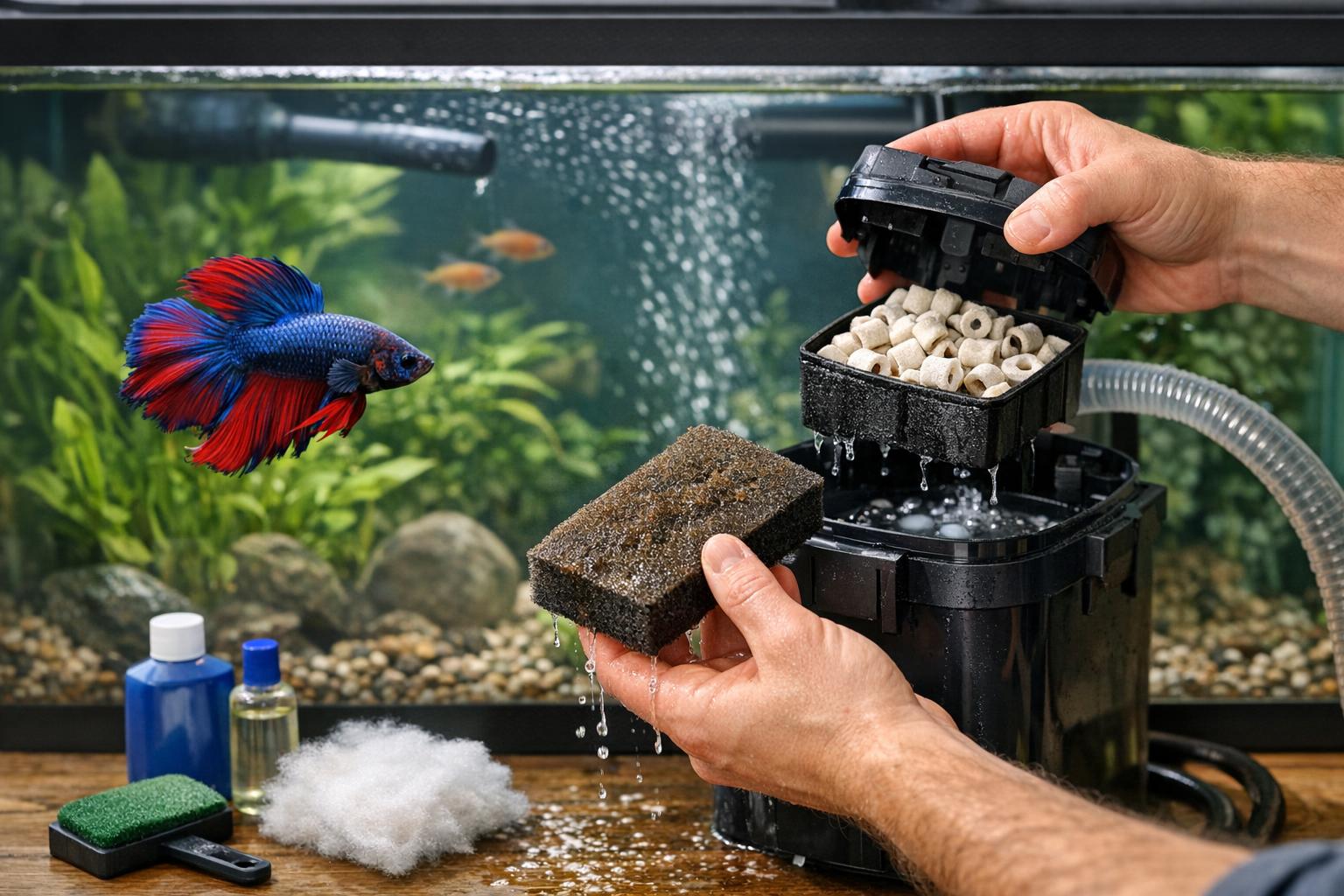
– Replace old filter media that may have become clogged with detritus (replace in stages to avoid losing all beneficial bacteria).
– Test source water for nitrates.
– Ramp up plants or add a refugium/denitrifier if needed.
### Special Considerations For Planted Tanks And Shrimp
Planted tanks can tolerate lower nitrates because plants consume them. Shrimp are sensitive to ammonia and nitrite, but also dislike high nitrates — aim for under 20 ppm. Avoid aggressive chemical treatments that strip trace elements shrimp and plants need.
#### How Often To Test And Record
During recovery, test nitrates every day or every other day. Once stable and under target thresholds, testing weekly is sufficient. Keep a log of test results, water changes, and any interventions — trends show problems earlier than single readings.
## Algae Control As A Signal, Not The Solution
Algae explosions are symptoms of excess nutrients including nitrate, phosphate, and light. Control algae by reducing nutrients and balancing light; scraping algae without addressing nitrate is like mowing the lawn and leaving the roots.
### Quick Checklist For Reducing Nitrate Source
– Cut feedings by 25% and see if consumption changes.
– Remove uneaten food and decaying plant leaves promptly.
– Increase frequency or volume of water changes moderately.
– Add or prune plants; consider floating plants for immediate uptake.
– Check and upgrade biological filtration if necessary.
## When To Call The Vet Or Expert
If fish show severe distress (gasping at surface, rapid breathing, erratic swimming) or multiple fish fall ill despite nitrate control, consult an aquatic veterinarian or experienced aquarist. Nitrate is one piece of the puzzle; secondary infections or other water quality issues may be present.
High nitrates in aquarium are fixable with steady, informed steps: immediate dilution, improved biological and plant-based uptake, and smarter tank husbandry. Take measurements, act methodically, and your tank will thank you with healthier, happier inhabitants — and a lot less algae drama.






























Leave a Reply