





Snake Care Essentials A Practical Guide For Snakes
## Understanding Snake Basics
Choosing to keep a snake requires realistic expectations about temperament, lifespan and daily maintenance. Some species tolerate handling and change better than others; others are strictly display animals that require minimal disturbance. Good snake care begins with selecting a species whose adult size and husbandry needs match your experience level and available space.
### Species Selection
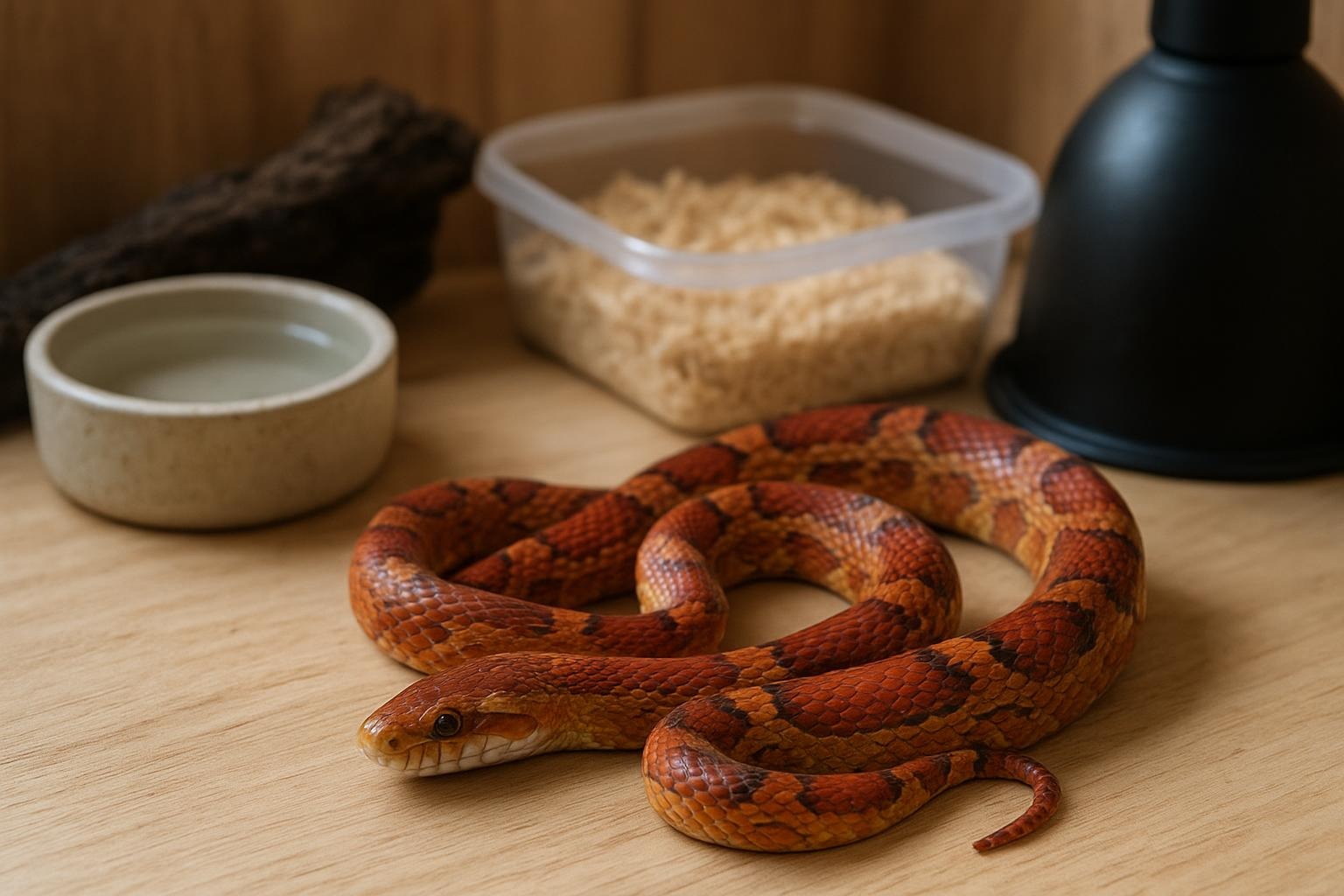
Research species-specific needs: ball pythons, corn snakes and kingsnakes are commonly recommended for beginners because of their manageable size and established captive care protocols. Venomous and highly specialized species require advanced enclosure setups and permits, and are not appropriate for most hobbyists.
### Natural Behavior And Seasonal Rhythms
Snakes conserve energy and show seasonal fluctuations in activity and appetite. Understanding natural behaviors—burrowing, climbing, ambushing prey, or basking—lets you design an enclosure that supports innate behaviors and reduces stress.
## Snake Care: Habitat And Environment
A secure, species-appropriate enclosure is the foundation of effective snake care. The aim is to replicate essential features of a snake’s native environment: thermal gradients, humidity niches and shelter.
### Temperature And Humidity
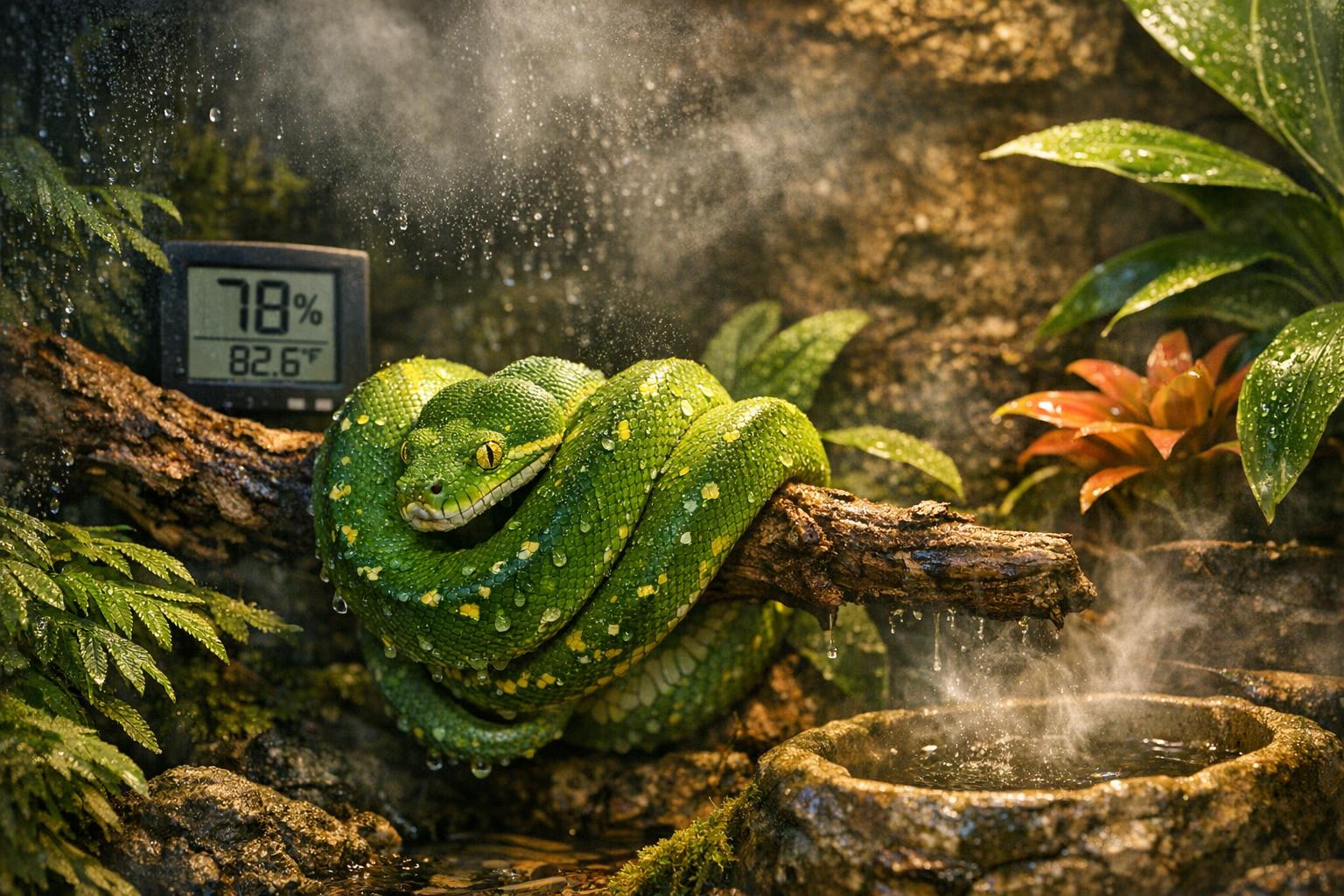
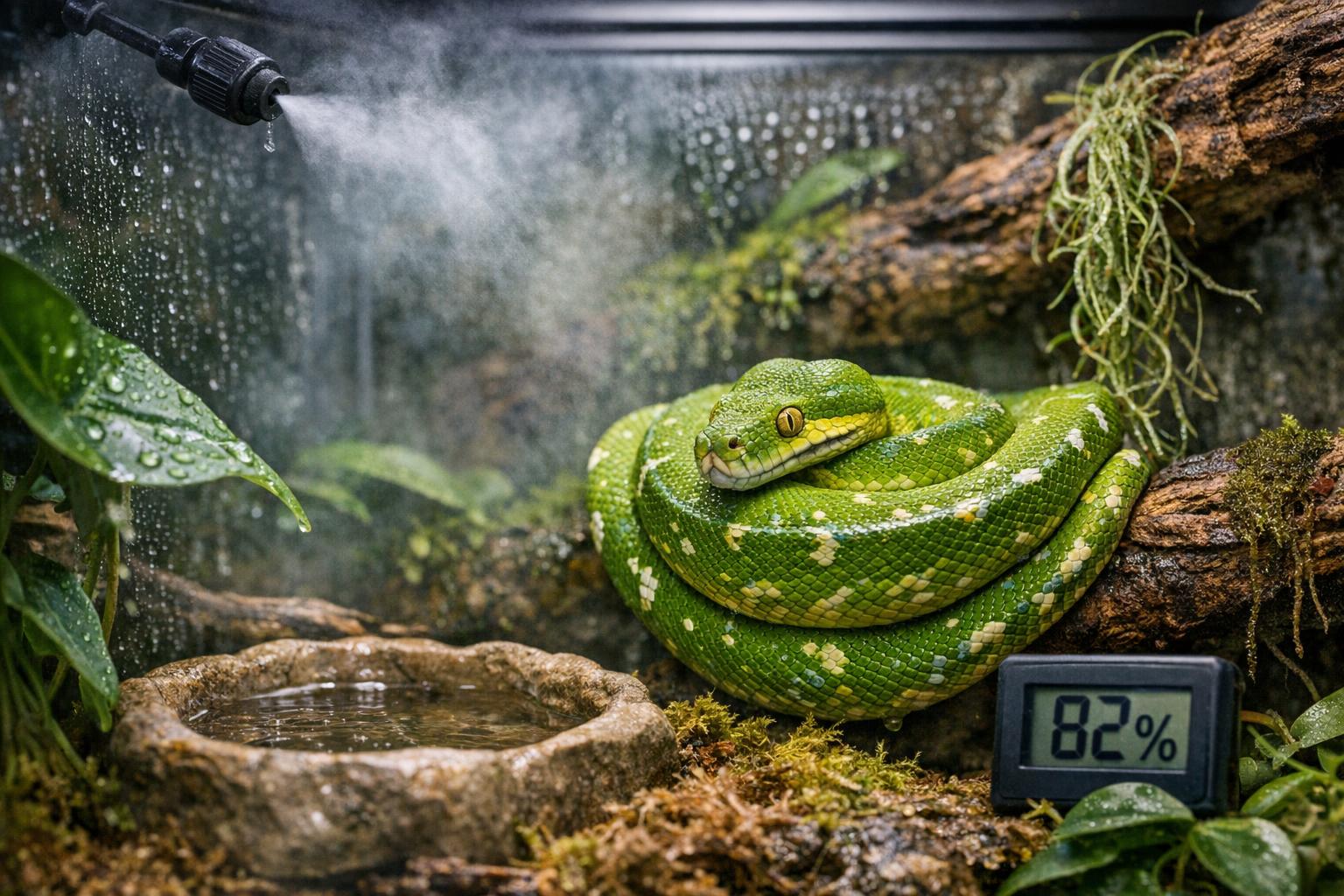
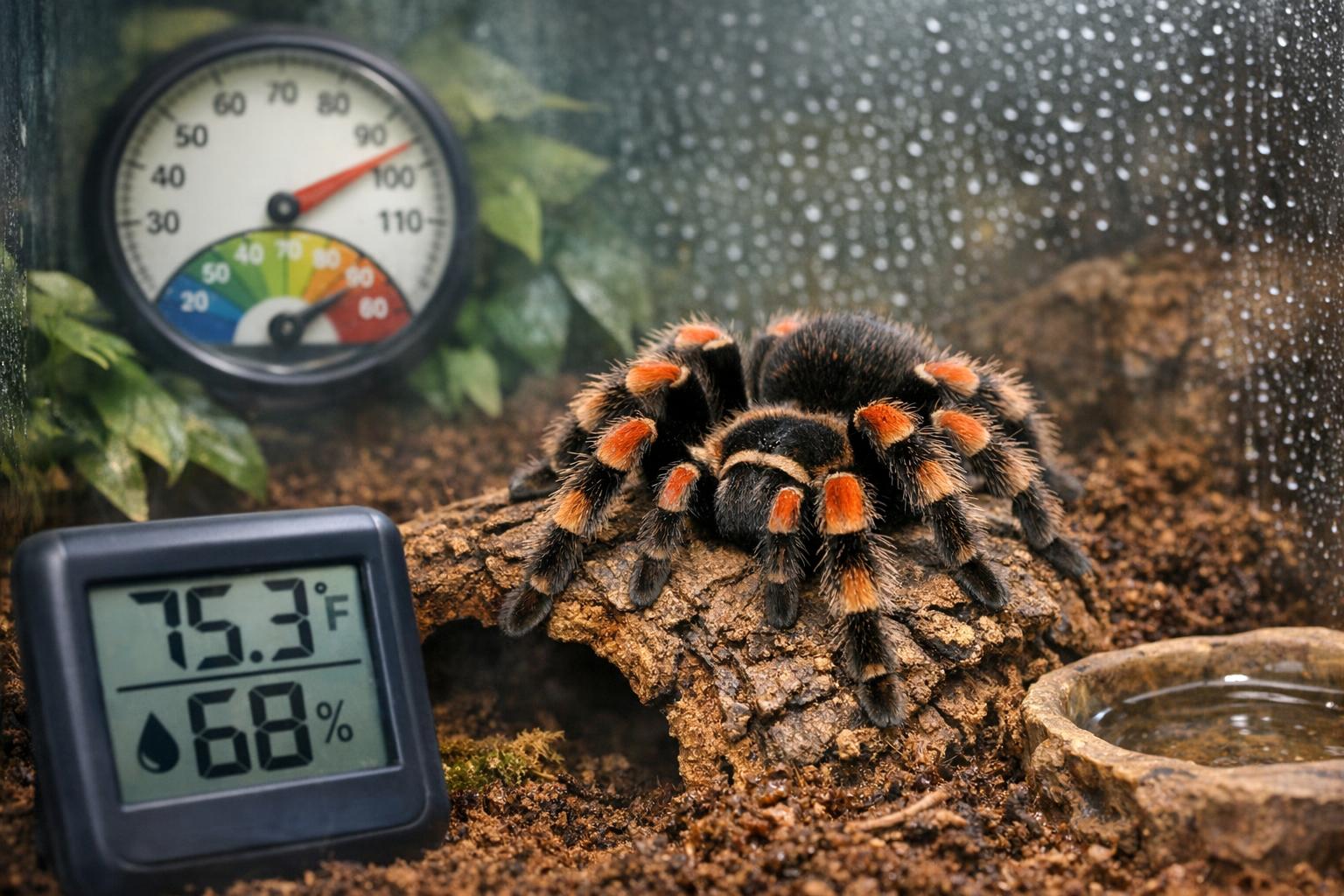
Provide a reliable thermal gradient so the snake may thermoregulate: a warm basking spot and a cooler retreat. Use thermostats and digital thermometers to maintain consistent temperatures; frequent probe checks at floor and hide level are recommended. Humidity control depends on species—tropical snakes often need higher humidity than desert-adapted species. Hygrometers placed at multiple levels will help you monitor local variations.
### Lighting And Day/Night Cycles
Most snakes do not require strong ultraviolet light, but maintaining a natural photoperiod of roughly 10–14 hours light per day supports circadian rhythms. Use timers to deliver consistent day/night transitions and avoid placing enclosures in direct sunlight where heat spikes can be lethal.
#### Substrate And Furnishings
Select substrates that are safe, manageable and appropriate to the species’ humidity needs. Provide at least two hides—one on the warm side and one on the cool side—plus climbing branches and a secure water bowl large enough for soaking. Enclosure security is critical: snakes are adept escape artists.
## Diet And Feeding
Nutrition is a major component of responsible snake care. Most captive snakes eat pre-killed or frozen-thawed whole prey appropriate to their size. Feeding frequency varies with age and species: juvenile snakes typically require more frequent meals than adults.
### Feeding Protocols
Feed prey items no larger than the widest part of the snake’s body and thaw frozen prey thoroughly to room temperature. Observe feeding behavior from outside the enclosure and minimize handling for at least 24–48 hours after feeding to reduce regurgitation risk.
### Supplements And Water
Most snakes obtain necessary nutrients from whole-prey diets. Provide fresh, clean water at all times and replace it daily or whenever contaminated. Monitor hydration via skin elasticity and urination patterns in species that produce urates.
## Health Monitoring And Common Issues
Consistent observation and record-keeping are essential aspects of good snake care. Daily brief checks and monthly weight logs make it easier to detect subtle changes in appetite, defecation or activity level that precede illness.
### Signs Of Illness
Warning signs include prolonged anorexia, weight loss, abnormal feces, respiratory noise or open-mouth breathing, retained shed, visible wounds, and unusual lethargy. Any persistent abnormal sign warrants contact with a veterinarian experienced in reptiles.
#### Shedding Problems And Respiratory Disease
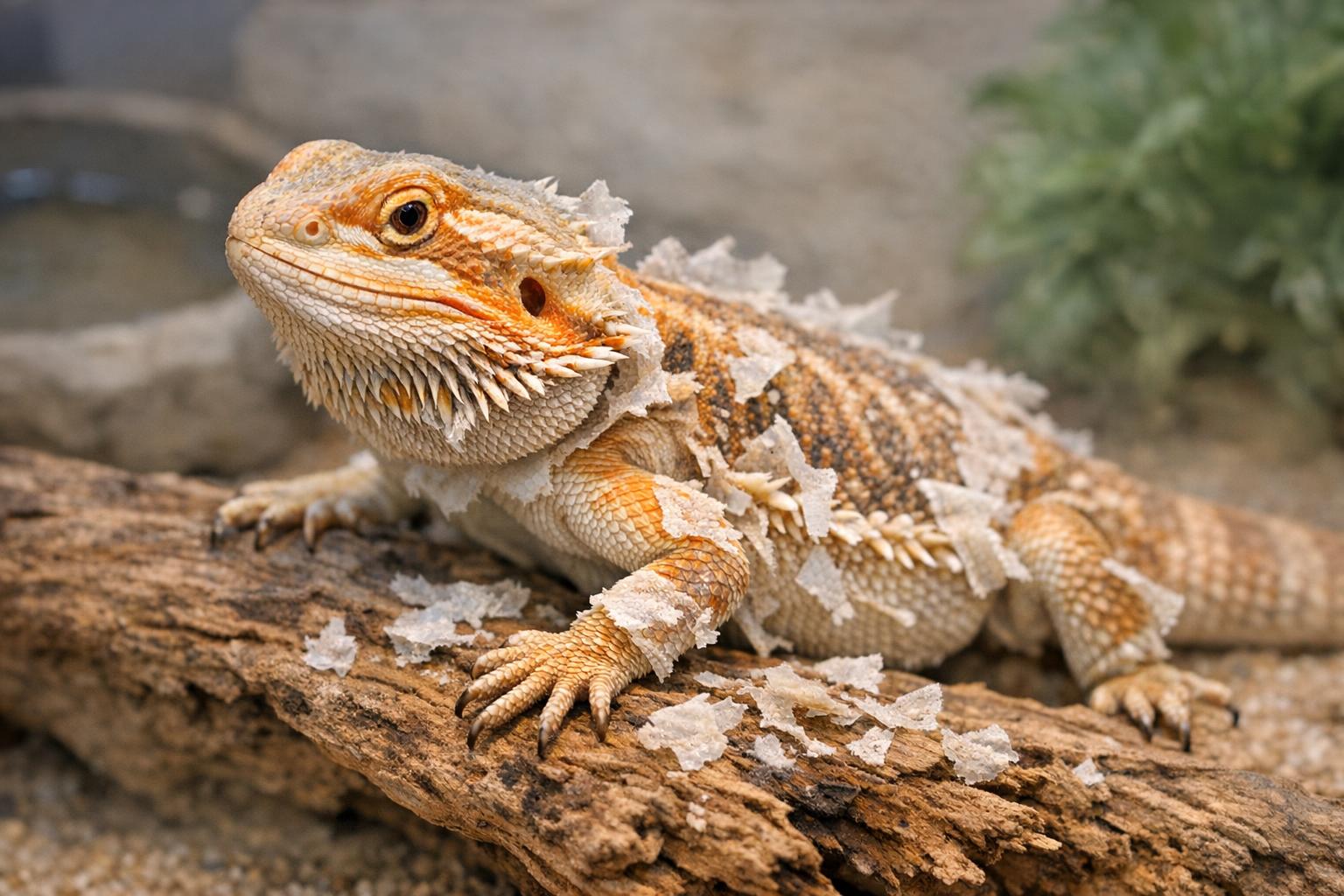
Retained eye caps and incomplete sheds often indicate inadequate humidity or substrate-related abrasions. Respiratory disease may present as wheezing, bubbling at the nostrils, or uncharacteristic mouth-breathing and requires prompt veterinary evaluation.
## Handling And Stress Reduction
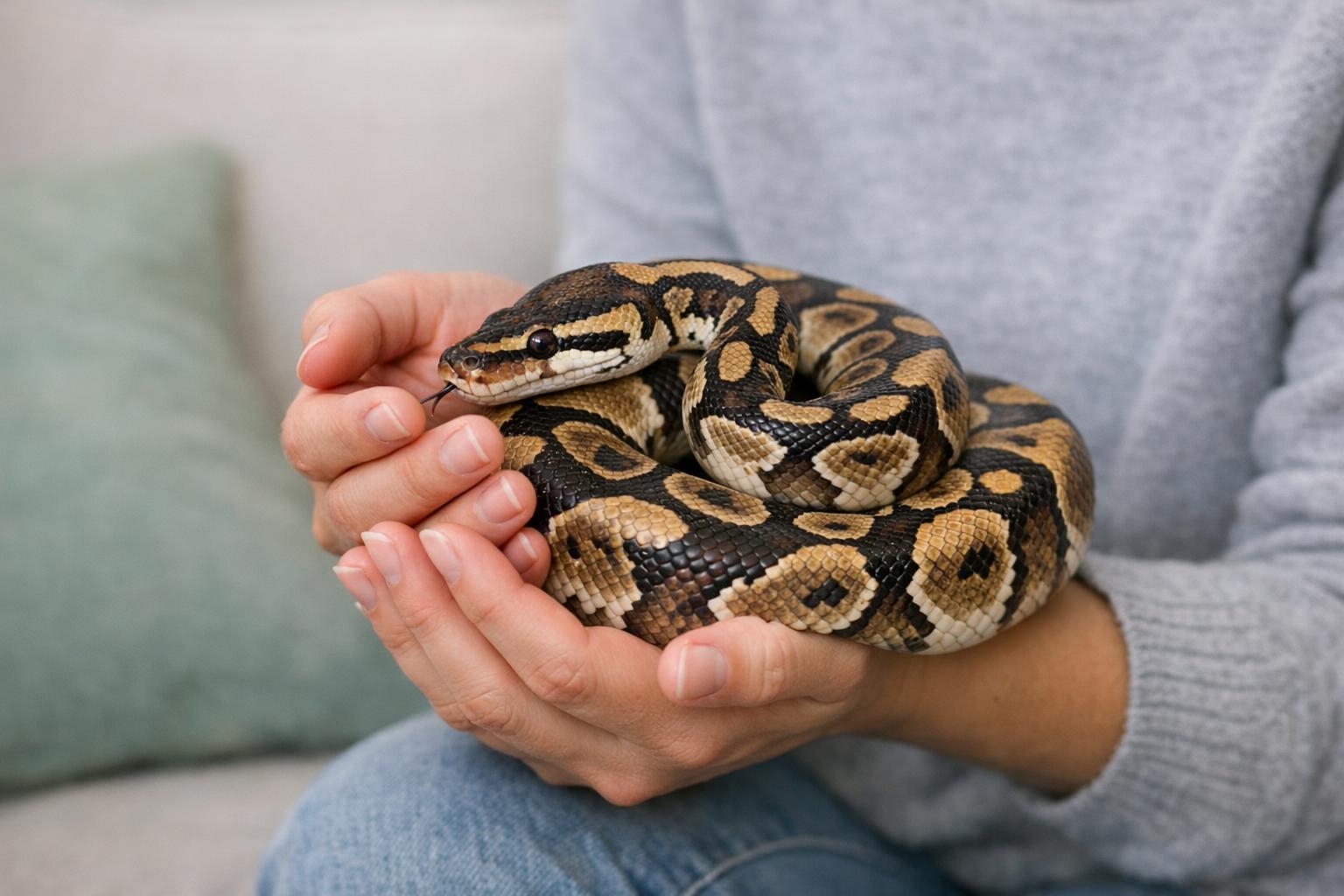
Handling should be purposeful and brief until the snake is accustomed to its environment. Support the snake’s body fully, avoid constricting its head or tail, and never handle right after feeding. Stress reduction is part of long-term snake care and contributes to immune resilience and normal behavior.
### Socialization Guidelines
Introduce touch gradually and respect warning behaviors such as hissing or striking. For species known to be defensive, approach conservatively and use handling tools or tongs as needed for feeding.
## Cleaning, Quarantine, And Veterinary Care
Routine sanitation and an appropriate quarantine protocol for new animals protect both resident animals and handlers.
### Cleaning Schedule
Spot-clean feces and soiled substrate promptly. Perform a full enclosure clean and substrate replacement on a schedule appropriate to the species and substrate type. Disinfect hard surfaces with reptile-safe disinfectants and rinse thoroughly before returning furnishings.
### Quarantine Practices
Always quarantine new snakes for a minimum of 30–90 days in a separate facility while monitoring for parasites, disease and feeding performance. Quarantine length varies by species and risk factors.
## Remedies (1) Minor Wounds And (2) Mite Management
When minor issues arise, conservative, evidence-based home care can be useful for first aid. Treatments should be applied with care and followed by veterinary consultation if signs worsen or fail to improve.
### (1) Minor Wounds — Saline Cleansing And Antiseptic Dressing
Materials/Ingredients:
– Sterile 0.9% saline solution (prepackaged)
– Povidone-iodine solution diluted to 1:10 (if available) or chlorhexidine solution at low concentration as per product instructions
– Sterile gauze pads and cotton-tipped applicators
– Disposable gloves
– Clean shallow container for brief soak
– Clean towel or disposable paper towels
Step-by-Step Application:
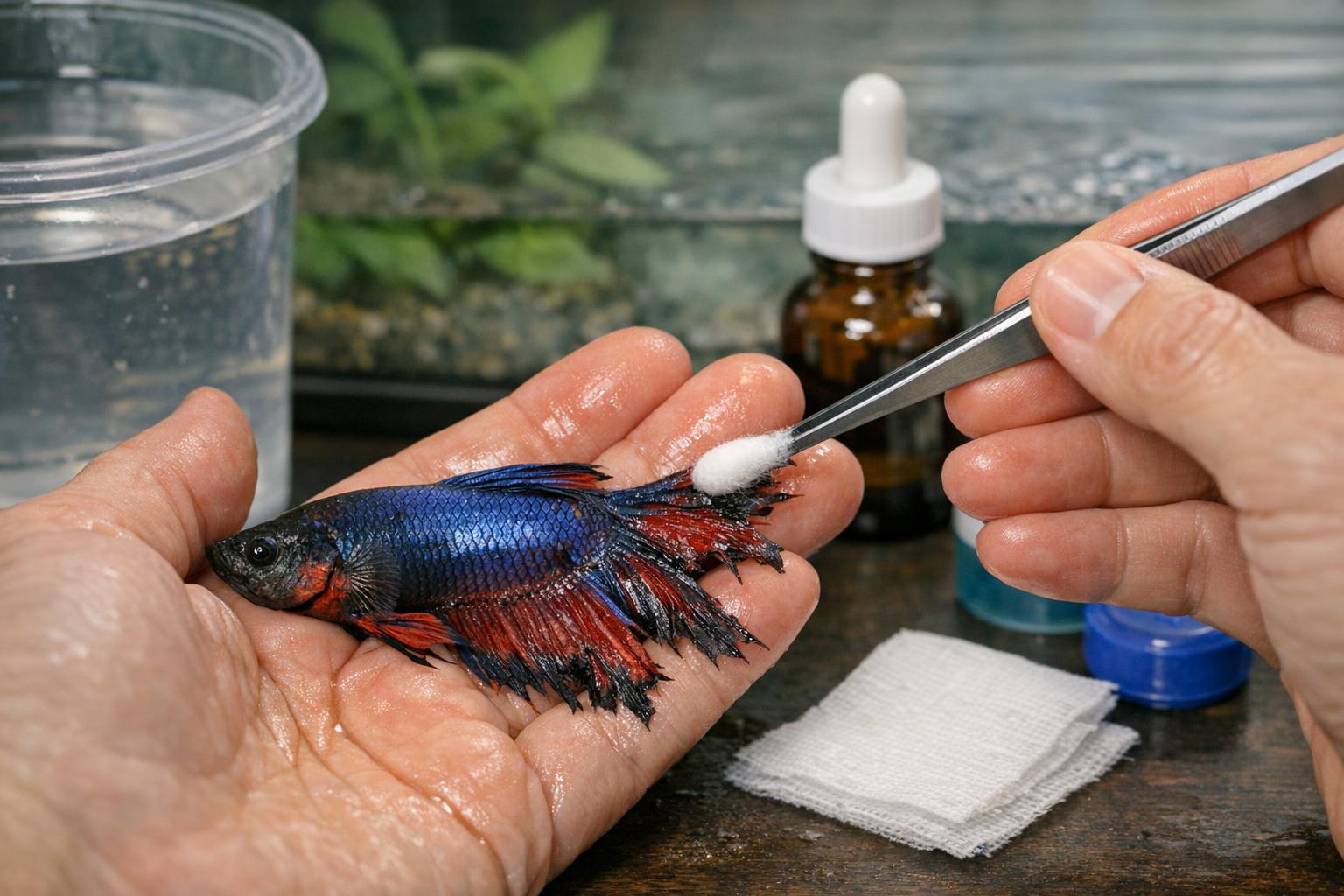
1. Prepare a clean workspace and put on disposable gloves. Ensure the animal is restrained safely by a second person experienced in handling snakes, or use gentle manual support to limit stress and movement.
2. If the wound is soiled, perform a brief warm saline soak: place the snake (or the affected region) in a shallow container filled with warm (not hot) sterile saline for 5–10 minutes to soften debris and crust.
3. Gently pat the area dry with sterile gauze. Avoid rubbing the wound surface.
4. Using a cotton-tipped applicator, apply the diluted povidone-iodine solution (1 part povidone-iodine to 9 parts sterile saline) or an appropriately diluted chlorhexidine, swabbing from the edges toward the center. Do not apply undiluted antiseptics to the entire body surface for prolonged periods.
5. Apply a small sterile gauze pad as a temporary dressing if the enclosure allows, and monitor the snake frequently. For most snakes, dressings will not stay in place; the goal is to reduce contaminant load and allow the wound to dry.
6. Repeat cleansing once daily and observe for increased redness, discharge, swelling, or systemic signs (lethargy, anorexia). Seek veterinary care if healing does not progress within 48–72 hours or if the wound is deep, hemorrhagic or located near a scale fold that may trap bacteria.
Formally, this approach is for superficial wounds only; deeper or infected wounds need professional evaluation and possible systemic therapy.
### (2) Mite Management — Isolation, Enclosure Decontamination, And Supportive Baths
Materials/Ingredients:
– Separate quarantine enclosure prepared prior to isolation
– Warm water for baths
– Reptile-safe, non-fragrant soap or veterinary-recommended wash
– PPE for handler (gloves)
– Disposable wipes or paper towels for cleaning
– Hot-water-capable cleaning equipment for carpets, fabrics, and mesh
– Veterinary-approved acaricide (if recommended by an experienced reptile veterinarian)
Step-by-Step Application:
1. Immediately isolate the affected animal in a pre-cleaned quarantine enclosure to prevent cross-infestation. Remove and replace all substrate and furnishings from the primary enclosure.
2. Prepare a warm water bath and a small amount of reptile-safe soap. Gently place the snake in the bath for 10–20 minutes, supporting it securely. Bathing helps dislodge mites attached to the scales.
3. After the soak, use a soft cloth or disposable wipe to gently clean folds and the vent area, taking care not to abrade the skin. Dry the snake completely with a clean towel.
4. Thoroughly clean and disinfect the primary enclosure, furnishings and all associated equipment. Wash all fabrics and mesh in hot water and dry on high heat where material allows. Replace any substrates and decor that cannot be reliably decontaminated.
5. Consult a reptile veterinarian to determine if a topical or environmental acaricide is appropriate. Many effective treatments require veterinary guidance to ensure correct dosing and to minimize harm to the animal.
6. Continue to monitor the snake and any cohabiting animals for at least two complete life cycles of the mite (typically several weeks) and repeat isolation and cleaning if mites reappear.
These protocols emphasize decontamination and supportive care; chemical control measures should be veterinarian-directed to balance efficacy with safety.
## Responsible Ownership And Legal Considerations
Before acquiring any snake, verify legal restrictions, required permits and ethical sourcing. Captive-bred animals are typically healthier and pose lower ecological risk than wild-caught specimens. Training, record-keeping and an emergency plan for veterinary access are integral parts of comprehensive snake care.
## Resources For Further Reading
Seek species-specific husbandry guides, reptile-savvy veterinarians, and local herpetological societies for ongoing education. Solid preparation, routine observation and appropriate first-aid measures will keep a healthy snake thriving in captivity.
















Leave a Reply