




A sleepy pug lifts a paw and yawns wide enough to display yesterday’s kibble and an embarrassed tartar line. Home life hums with toys and treats, but the quiet corners of your dog’s mouth can hide a thunderstorm of discomfort. The good news: you don’t need a cape to be your dog’s dental hero. Simple, consistent rituals at home can protect those pearly—or pearly-ish—canines and keep kisses breath-friendly.
## Whisker-Friendly Tips: Home Dental Care For Dogs Now
Dogs don’t brush in their sleep. That’s where you come in with gentle tools, tasty incentives, and a little daily choreography. The goal of home dental care for dogs is not to replace professional dentistry but to prevent plaque buildup, reduce the risk of periodontal disease, and catch problems early. A few minutes a day can save your dog from pain and save you from costly cleanings.
### Why Home Dental Care Matters
Oral health affects the whole body. Bacteria from untreated dental disease can travel to the heart, liver, and kidneys over time. Regular attention to oral hygiene helps maintain overall wellness and can extend your dog’s comfortable, active years. The practice of pet dental care at home is a proactive way of protecting against infections, tooth loss, and chronic inflammation.
### Recognizing Early Warning Signs
Dogs are stoic; they rarely show pain. Watch for:
– Bad breath that suddenly worsens.
– Yellow or brown tartar along the gum line.
– Red, swollen, or bleeding gums.
– Difficulty chewing, dropping food, or favoring one side.
– Excessive drooling or pawing at the mouth.
Spotting these signs early allows faster intervention, potentially avoiding anesthesia-dependent procedures.
### Tools And Products For Effective Home Dental Care For Dogs
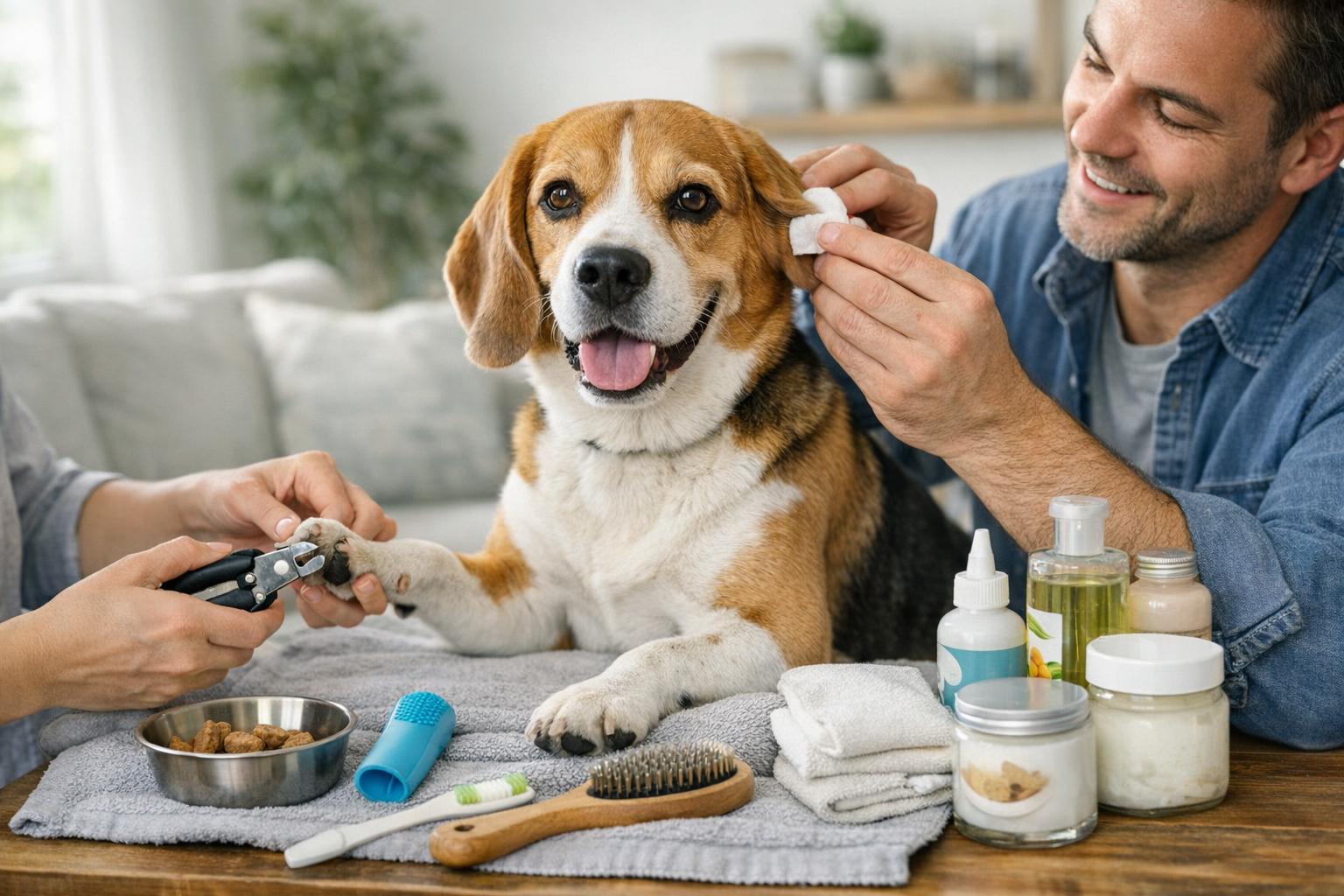
Building a small dental kit makes home routines easier. Recommended items:
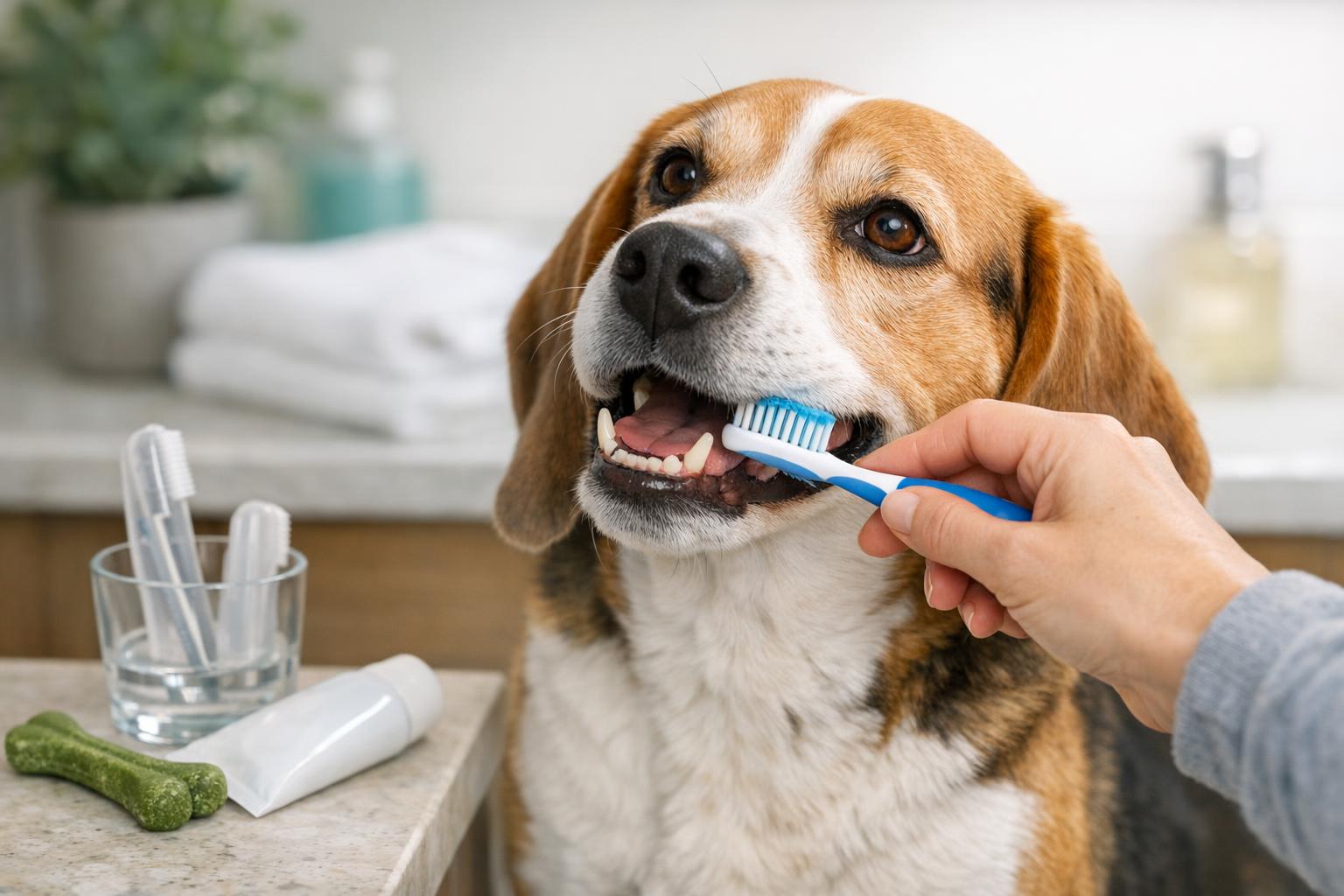
– Soft-bristled dog toothbrush or finger brush.
– Enzymatic dog toothpaste (never use human toothpaste).
– Dental wipes for hard-to-brush moments.
– Dental chew toys and edible dental treats approved by veterinary dental standards.
– Oral antiseptic sprays or rinses sold specifically for dogs.
Using quality products designed for canines supports better results and lowers the risk of irritation.
### Daily And Weekly Routines To Support Dog Dental Health
A realistic routine keeps teeth healthy without turning brushing into a battle.
– Daily: Brush two to three times per week is the minimum; daily is ideal. Short sessions (30–60 seconds) are fine.
– Weekly: Use dental wipes or a rinse after high-starch meals or treats.
– Monthly: Check for loose teeth, lumps, or changes in chewing.
Incorporate brushing into positive moments—after a walk or before a treat—to build a calm association. This daily attention is central to any program of home dental care for dogs.
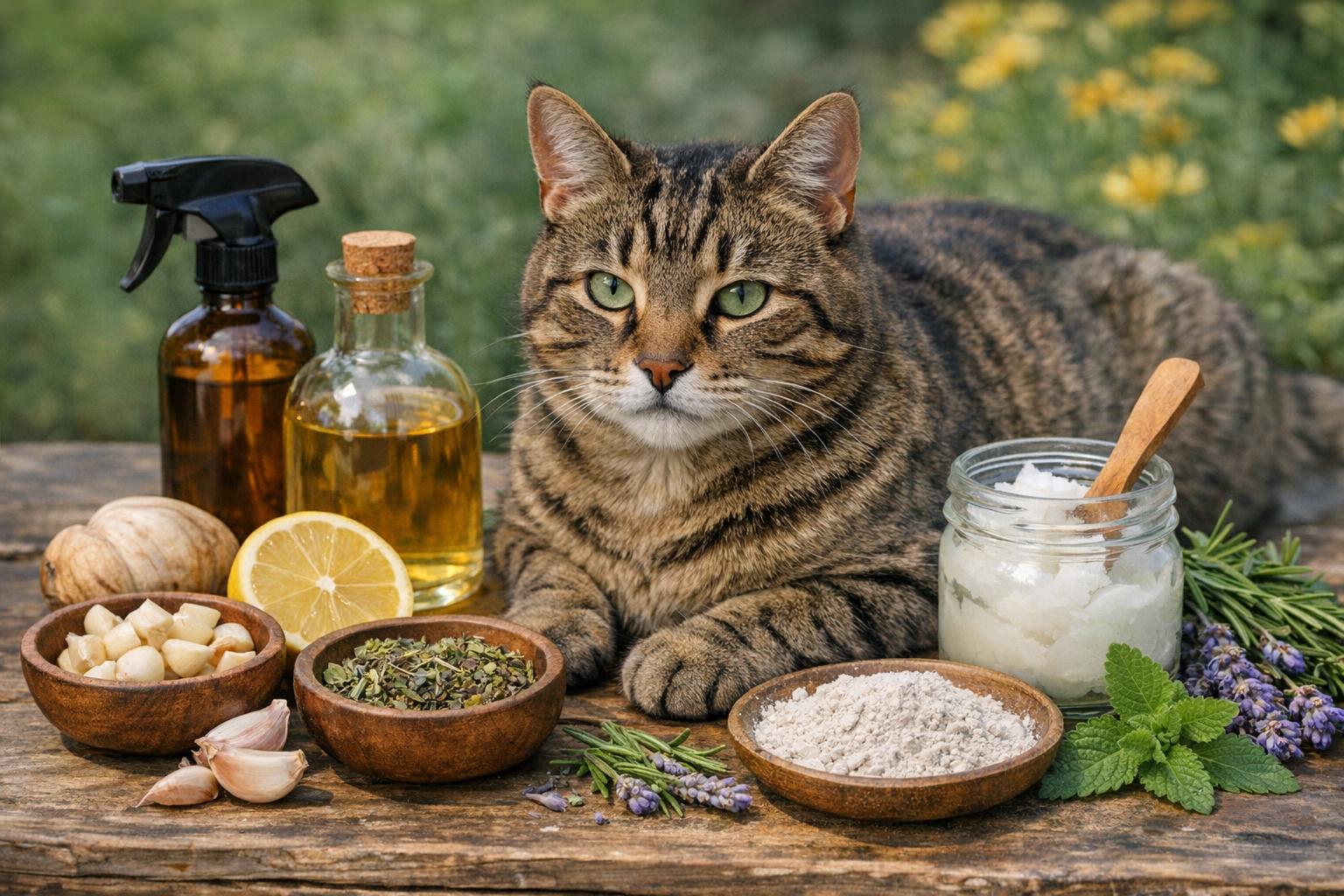
### Remedy 1: Homemade Dental Paste For Dogs
This gentle paste can supplement brushing when you’re out of commercial toothpaste. Formal note: homemade paste is not a replacement for veterinary dental care or enzymatic toothpaste but can be a useful, occasional supplement.
#### Ingredients Or Required Materials
– 2 tablespoons plain, unsweetened Greek yogurt
– 1 teaspoon baking soda
– 1 teaspoon coconut oil (solid at room temp)
– Optional: a pinch of finely crushed parsley for breath freshening
– Soft dog toothbrush or finger brush
#### Creation And Application Steps
1. Preparation: In a small bowl, mix yogurt and baking soda until smooth. Work in coconut oil to create a spreadable consistency. Add parsley if using.
2. Introduction: Let your dog sniff a small dab on your finger. Praise and offer a tiny reward if they accept it.
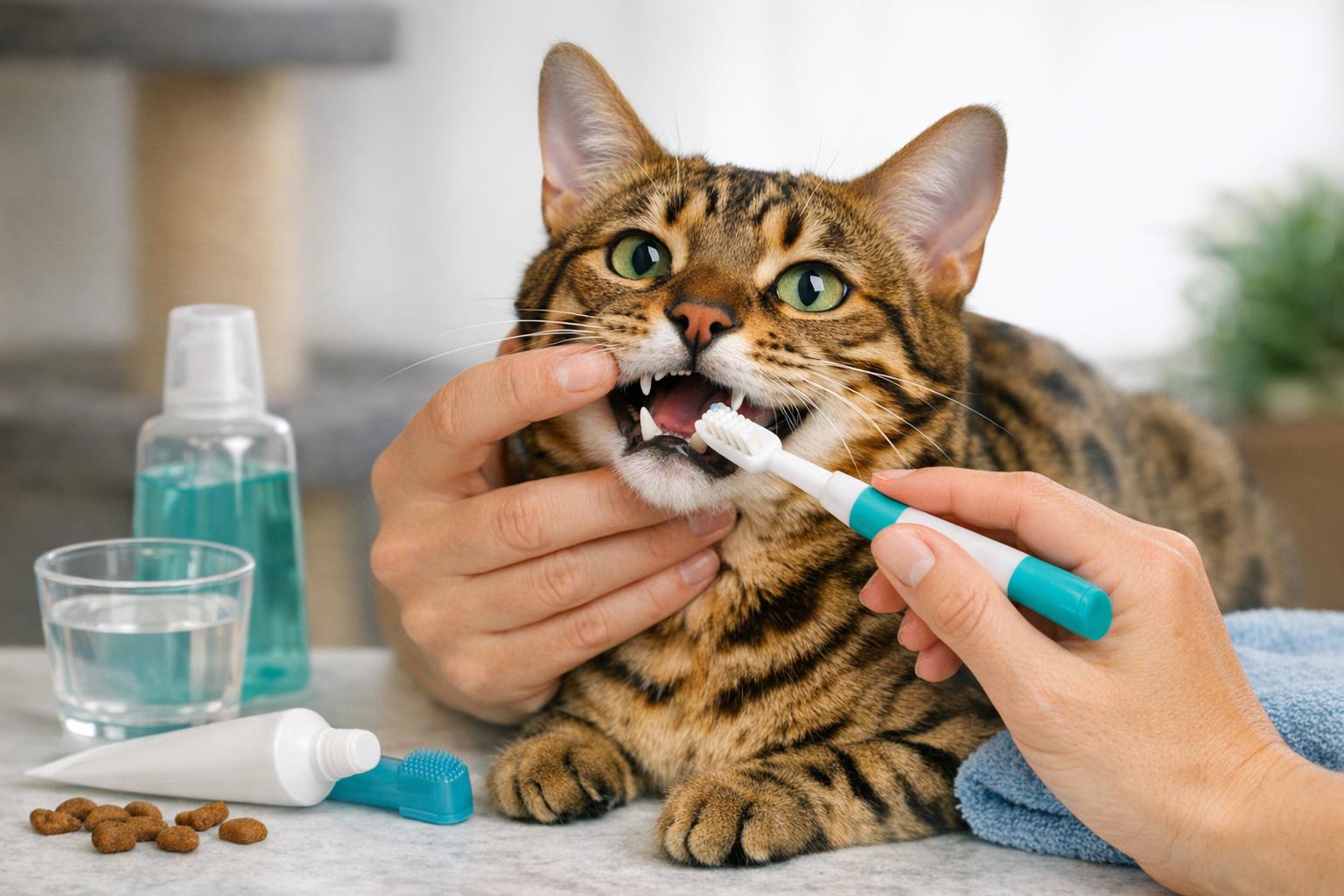
3. Brushing Technique: Apply a pea-sized amount to the toothbrush or your finger. Gently lift the cheek and use circular motions along the gum line and outer tooth surfaces. Spend about 30–60 seconds total.
4. Frequency: Use this paste up to three times a week. For daily cleaning, switch to an enzymatic dog toothpaste approved by your veterinarian.
5. Storage: Refrigerate leftover paste in a sealed container for up to 3–4 days.
Be cautious with dogs prone to pancreatitis or with sensitive stomachs; consult your veterinarian before using coconut oil regularly.
### Remedy 2: DIY Antiseptic Oral Rinse For Dogs
This rinse can help reduce oral bacteria between brushings. Use formally and sparingly; it’s an adjunct to brushing, not a substitute for regular dental exams.
#### Ingredients Or Required Materials
– 1 cup distilled water
– 1 teaspoon xylitol-free dog-safe oral antiseptic (e.g., chlorhexidine solution diluted per instructions—use veterinary formulations only)
– Optional: 1 teaspoon aloe vera juice (pet-safe, ensure no additives)
– Small cup and syringe or pourable bottle
#### Creation And Application Steps
1. Dilution: Combine distilled water with the antiseptic agent according to product instructions—typically a 0.12%–0.2% chlorhexidine dilution for rinses. Always follow veterinary product labeling.
2. Optional Soothing: Add aloe vera juice if your dog tolerates it; this can soothe inflamed gums.
3. Application: Use a syringe to gently squirt a small amount into the side of the mouth after a meal or brushing. Encourage your dog to hold and swallow; do not force a rinse that causes gagging.
4. Frequency: Up to once daily, and only for short-term use as recommended by your veterinarian.
5. Safety Notes: Never use human mouthwashes containing alcohol or xylitol. Consult your vet before starting any antiseptic rinse, especially for puppies, pregnant dogs, or those with systemic illness.
### Enrichment And Chew Choices That Support Pet Dental Care
Not all chews are equal. Choose products that clean teeth mechanically without splintering or being swallowed whole. Rawhide can be a choking hazard; consider rubber dental toys, nylon chews sized appropriately, and enzymatic dental chews approved by veterinary dental associations. Rotate chew toys to keep interest high and to allow supervision.
### Integrating Diet Into Dog Dental Health
Certain diets and snacks are formulated to reduce plaque through texture or enzymatic action. High-moisture foods reduce plaque adhesion for some dogs, while specially formulated kibble helps mechanically clean teeth for others. Discuss dietary options with your veterinarian to match your dog’s dental needs.
### When Home Care Isn’t Enough: Signs To See A Vet
If you notice persistent bleeding, loose teeth, swelling under the eyes, or behavior changes, seek veterinary attention. Advanced periodontal disease, abscesses, and fractured teeth require professional evaluation. Regular veterinary dental exams—typically annually for adult dogs—complement your home routine and can identify issues invisible to the eye.
### Staying Consistent Without Stress
Success is consistency plus calm. If your dog resists, start with short, non-invasive interactions: touch the muzzle, lift the lips for 10 seconds, reward. Gradually introduce the brush. Use soft praise and tiny treats or a favorite toy after sessions. Patience and positive reinforcement make home dental care for dogs a bond-strengthening ritual rather than a chore.
### FAQs On Safe Practices
Q: Can I use human toothpaste? A: No—human toothpaste contains fluoride and foaming agents that can upset dogs’ stomachs if swallowed. Always use products labeled for dogs.
Q: How often should I brush? A: Daily is ideal; at minimum, several times per week. Regular home attention is one of the best preventive measures for dog dental health.
Q: Are dental chews enough? A: Chews help but don’t replace brushing. Chews are best paired with regular brushing and veterinary checkups to form a comprehensive pet dental care plan.
### Building A Long-Term Dental Plan
Think of home dental care for dogs as a long-term project with incremental steps—daily habits, weekly checks, and annual veterinary partnerships. Small investments in time and attention now reduce pain and expense later. Your dog’s fussier, more affectionate moments are a small currency to pay for decades of healthy smiles.
(No concluding paragraph is included per the article guidelines.)














Leave a Reply