





Keeping a clear, healthy aquarium requires regular attention, the right tools, and an understanding of biological balance. Poor maintenance leads to cloudy water, algae blooms, stressed fish, and disease. This article outlines practical tasks, equipment recommendations, and two formal remedies you can perform at home to restore and maintain optimal conditions for freshwater tanks.
## Aquarium Cleaning: Daily To Monthly Tasks
(1) Aquarium cleaning is a routine that blends small daily checks with scheduled maintenance. Daily: inspect fish for unusual behavior, check filters are running, and remove visible debris. Weekly: test water parameters (ammonia, nitrite, nitrate, pH), perform a partial water change, and vacuum substrate. Monthly: deep-clean mechanical filter media (without scrubbing biological media), trim plants, and inspect lights and heaters.
### Essential Tools And Supplies
Use quality equipment to make maintenance effective and safe.
– Siphon gravel vacuum (size matched to tank)
– Buckets reserved for aquarium use
– Algae scraper or magnetic cleaner
– Soft toothbrush and plant scissors
– Spare filter media and media cleaner
– Water test kit and liquid dechlorinator
– Aquarium-safe glass cleaner for external glass
### How Often To Change Water And Why
Partial water changes are the single most effective method to control nitrate buildup and keep the aquarium stable. Replace 10–25% of the water weekly for lightly stocked tanks; for heavily stocked tanks or after treatments, increase to 25–40%. Always match water temperature and treat tap water to remove chlorine and chloramine before adding it to the tank.
## Preventing Common Problems
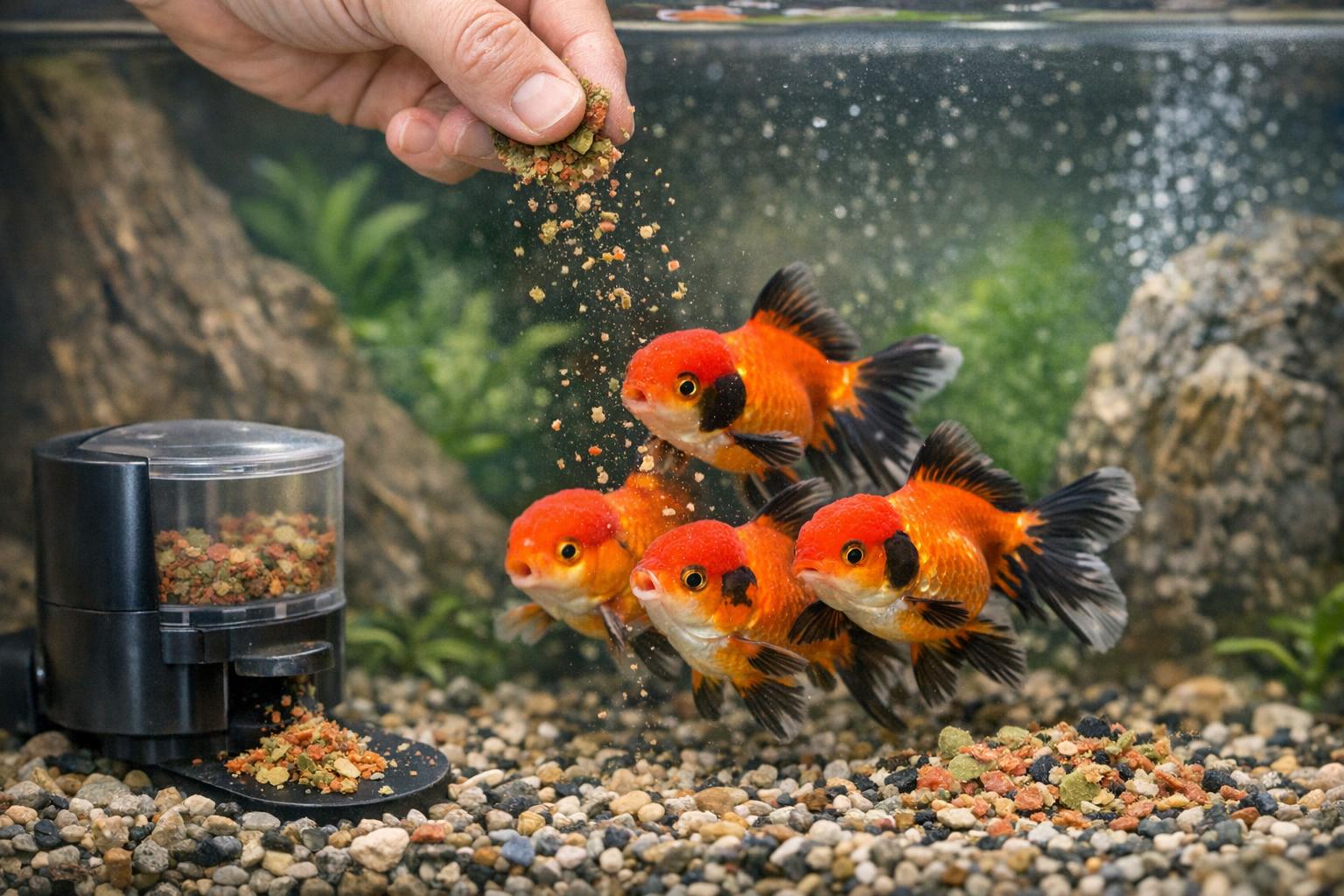
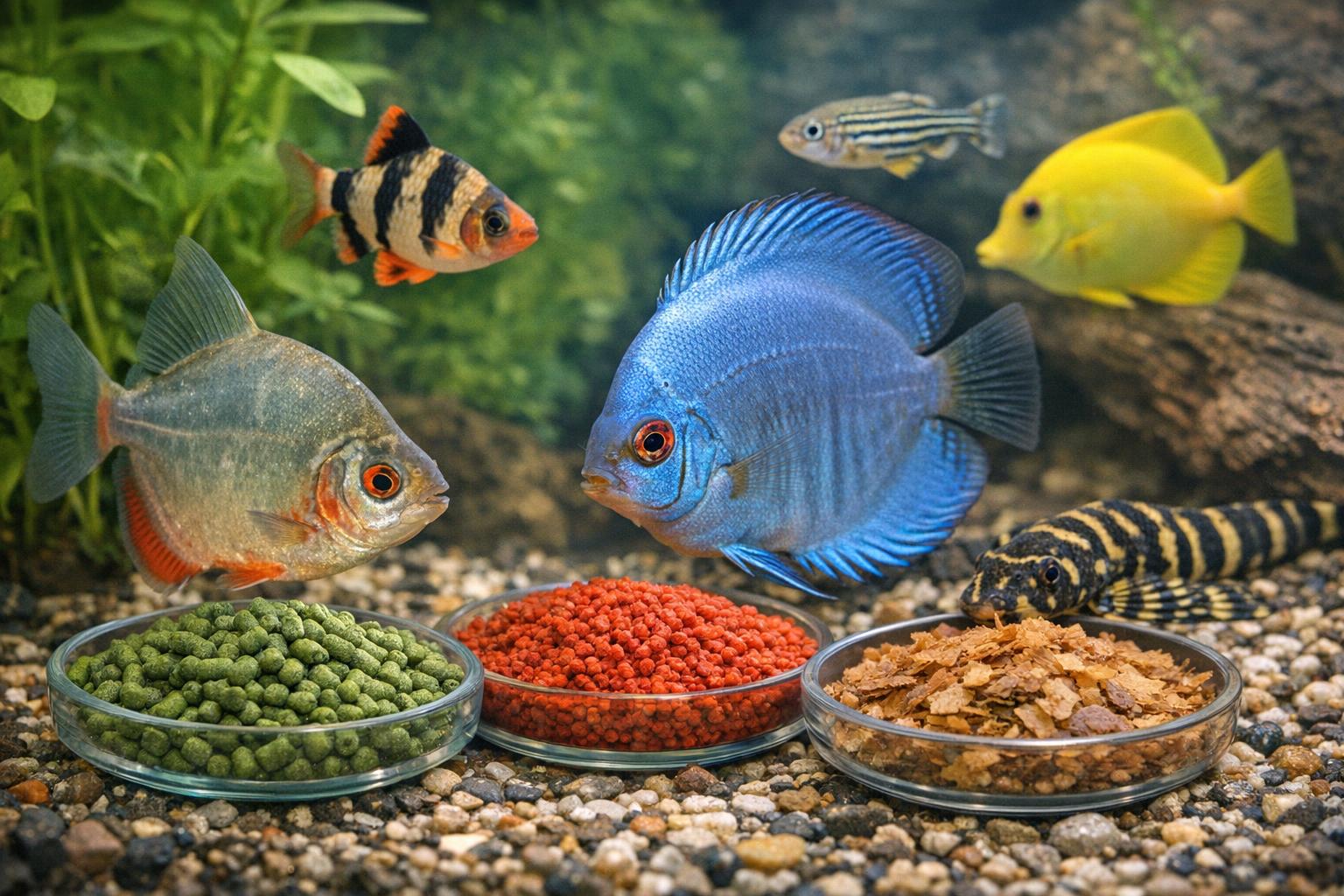
An ounce of prevention avoids major remediation. Overfeeding is one of the most common causes of poor water quality—feed fish only what they consume in two minutes. Overstocking increases waste load and stresses filtration; follow species-specific recommendations. Proper filtration involves mechanical, chemical, and biological components. Maintain biological media (bio-balls, ceramic rings) so beneficial nitrifying bacteria can process ammonia and nitrite to nitrate.
### Monitoring Water Parameters
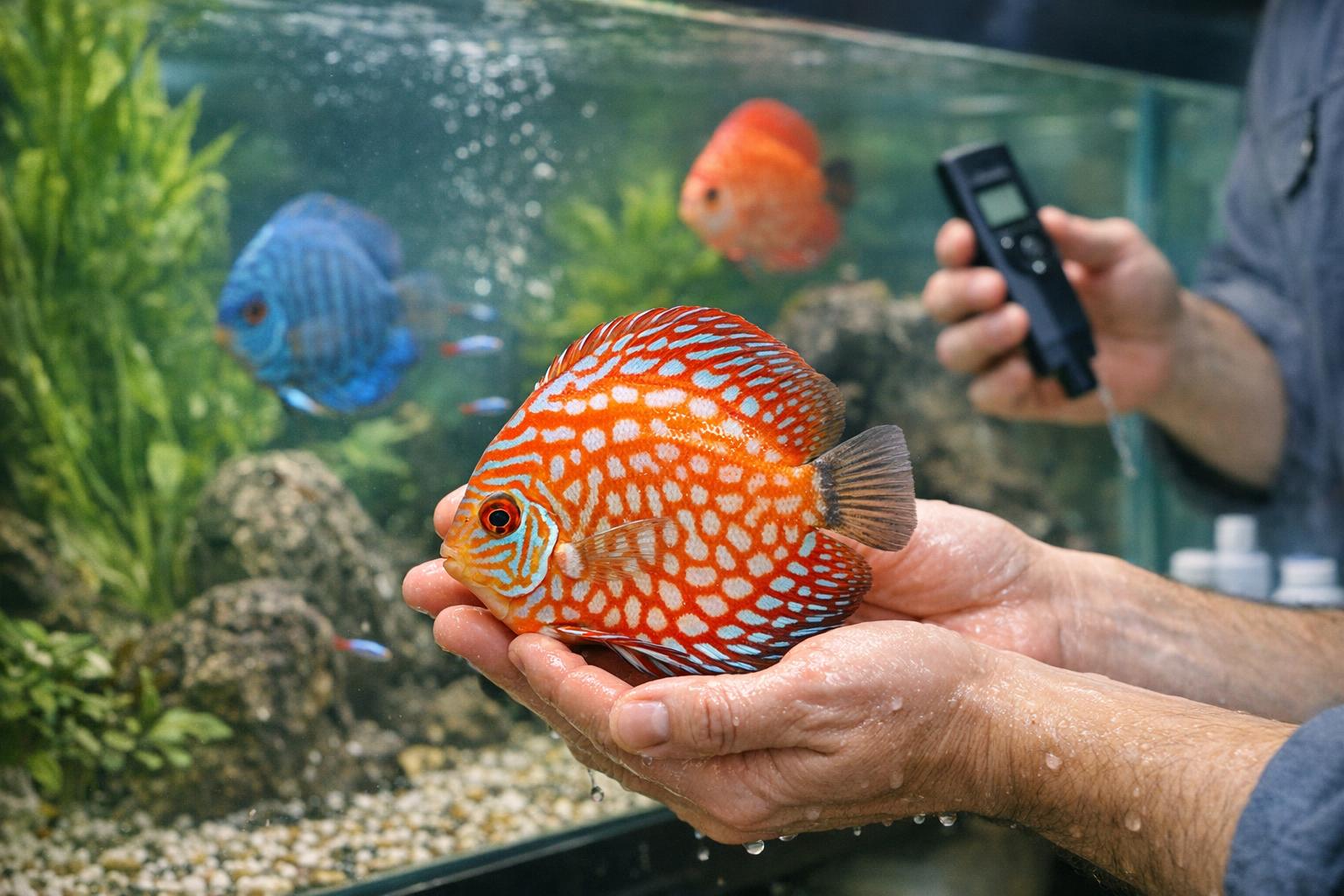
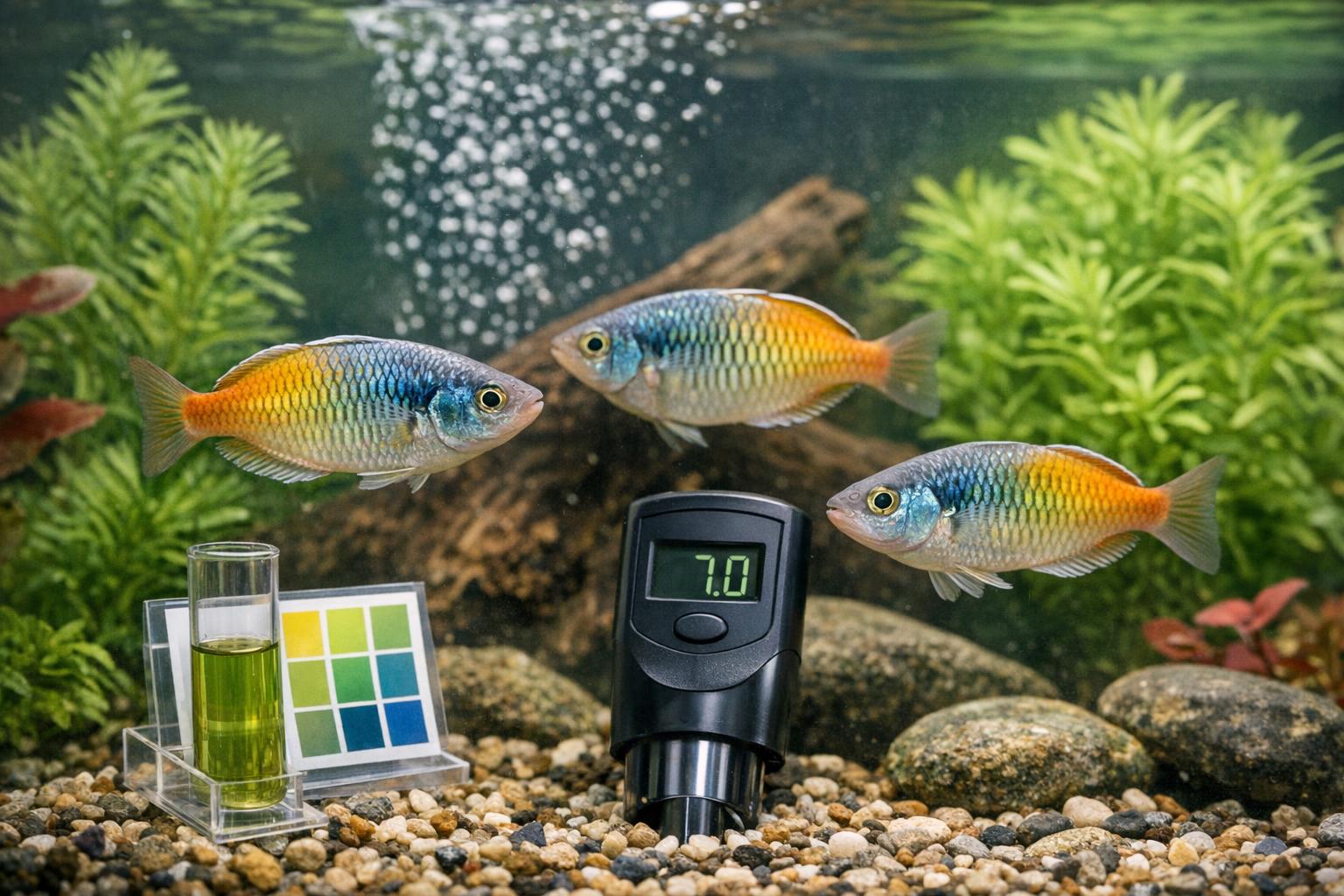
Frequent testing detects problems early. Maintain ammonia and nitrite at 0 ppm. Keep nitrate below 20 ppm for most community aquaria; target species may require tighter control. Record results in a log to see trends and act before a crisis develops.
#### Lighting And Algae Control
Light duration and intensity drive algae growth. Use a timer to give most freshwater tanks 6–8 hours of light per day. Reduce light if algae is persistent. Use live plants to outcompete algae for nutrients; floating plants can rapidly absorb excess nitrates and phosphates.
### Filtration: Maintenance And Upgrades
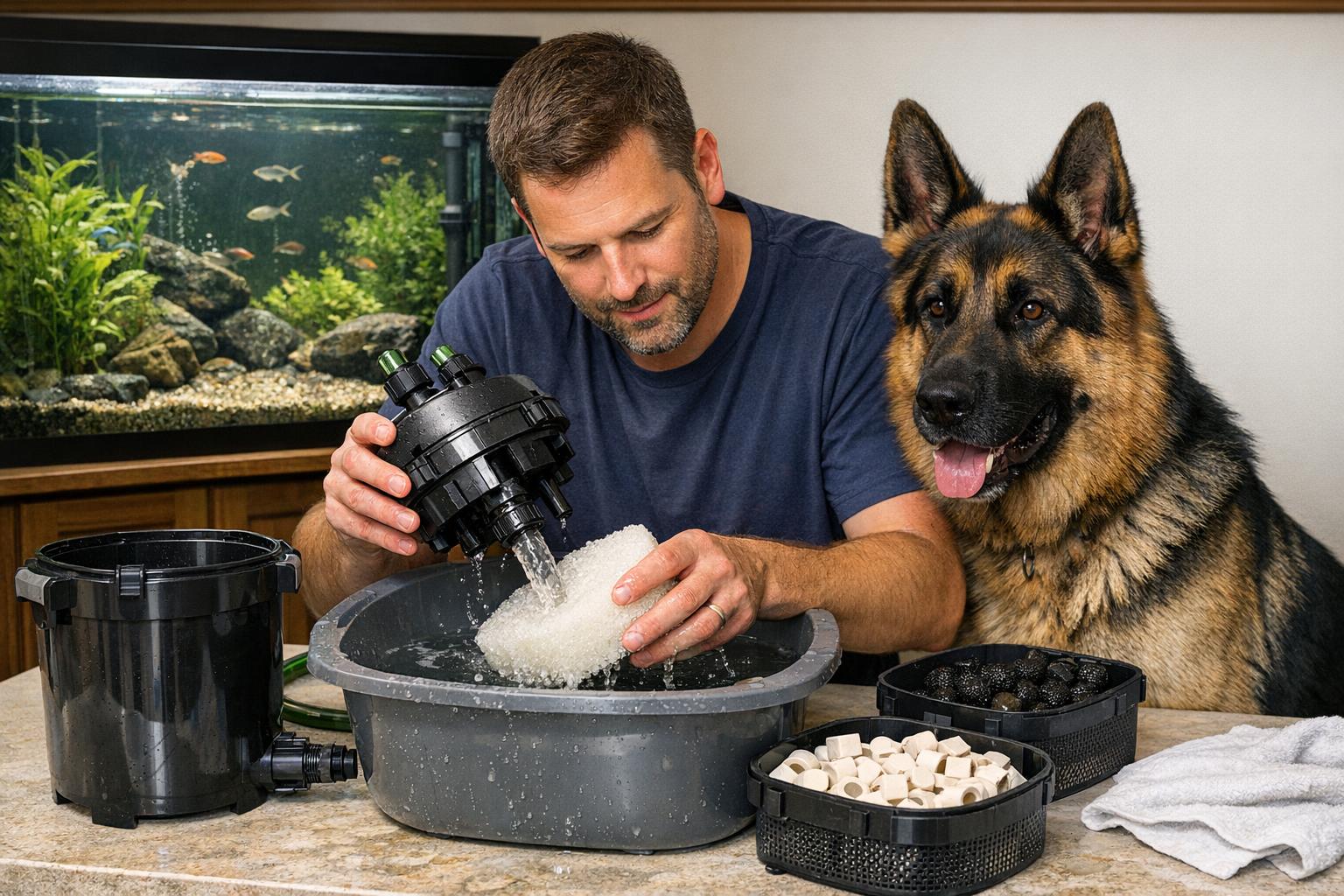
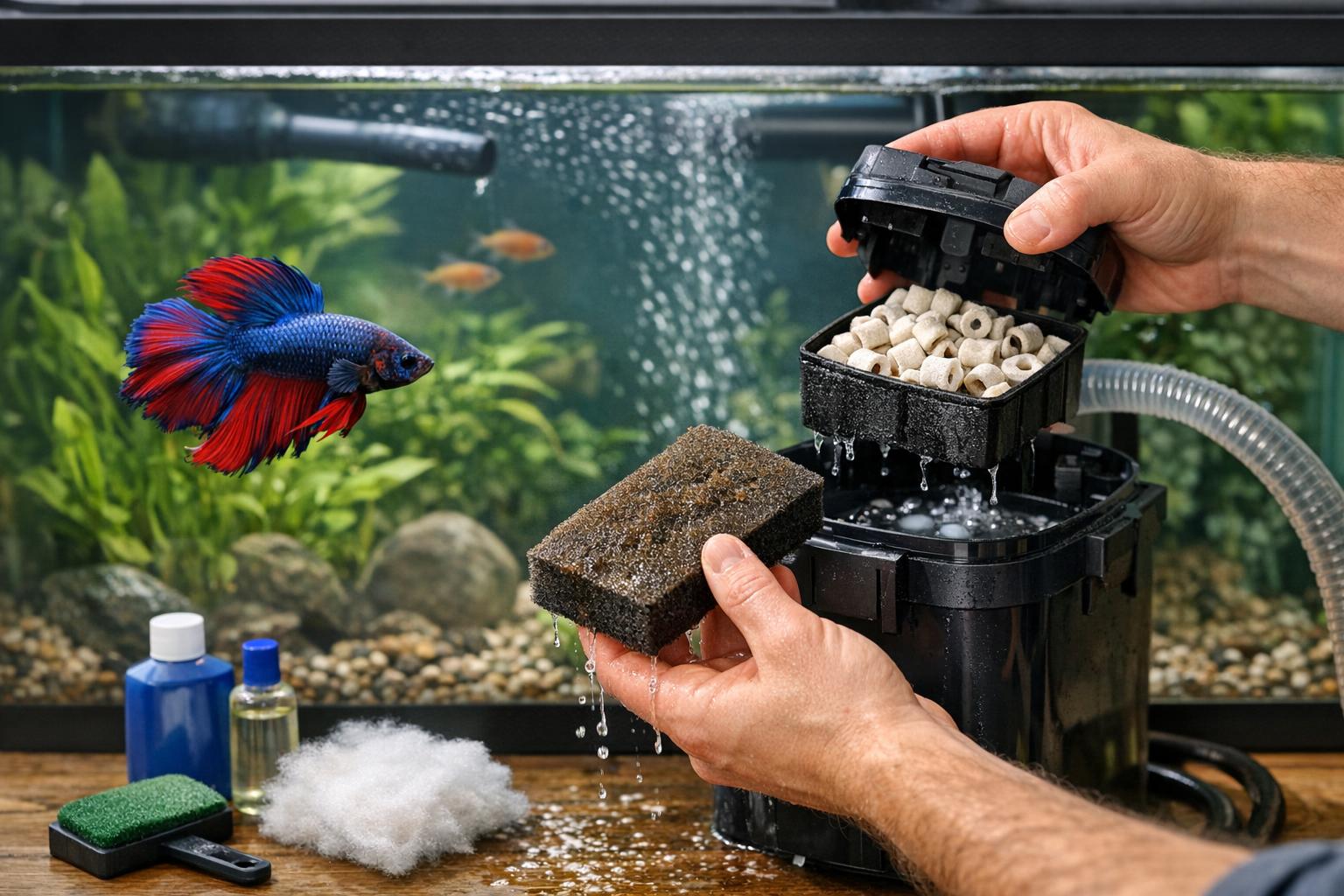
Clean mechanical filter pads weekly—rinse them in tank water removed during a water change to protect biological colonies. Replace chemical media (activated carbon, resins) monthly or as manufacturer recommends. Consider adding a larger canister filter or an intake pre-filter sponge for heavily planted or stocked systems.
## Remedy 1: Partial Water Change And Substrate Vacuum (Step-By-Step)
This formal remedy addresses cloudy water from detritus, excess organics, and nitrate accumulation. Required materials:
– Siphon gravel vacuum
– Two aquarium buckets labeled “Clean” and “Dirty”
– Water dechlorinator appropriate for chloramine
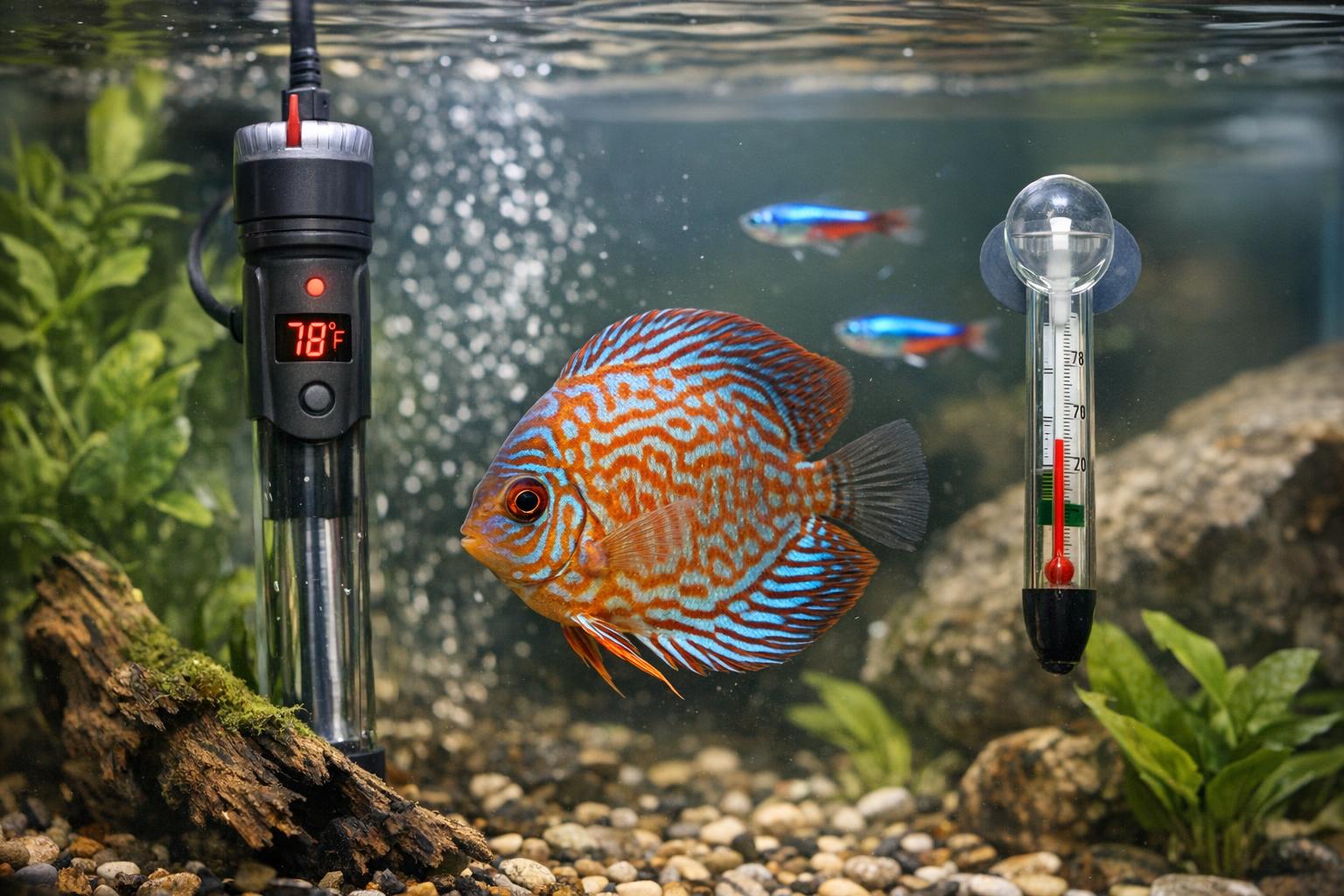
– Heater to pre-warm replacement water (if needed)
– Water test kit
1. Prepare replacement water: Fill the “Clean” bucket with tap water and treat with the specified dose of dechlorinator. Heat to match aquarium temperature. Allow treated water to stand briefly if using dechlorinator that requires mixing.
2. Power down electrical devices that might be exposed to water during the process (unplug heater, filter if instructed by manufacturer), but leave aeration if possible to maintain oxygen.
3. Begin siphoning with the gravel vacuum into the “Dirty” bucket. Work methodically section by section across the substrate, pressing the vacuum into the gravel to lift trapped detritus. Do not remove more than 25% of the substrate at once for established tanks to avoid destabilizing biological colonies.
4. Monitor water level and stop siphoning when the intended volume (10–25% for routine; up to 40% for remedial action) is removed.
5. Refill gradually using the treated, temperature-matched water from the “Clean” bucket to avoid shocking livestock. Pour slowly in multiple locations to minimize disturbance.
6. Restart filtration and any electrical equipment. Test water parameters 2–4 hours after the change to confirm stability and again the next day.
Performing this remedy reduces organics and particulate matter that contribute to cloudy conditions and helps maintain the biological equilibrium essential to a healthy tank.
## Remedy 2: Natural Algae Reduction And External Glass Cleaning (Step-By-Step)
This formal remedy combines biological control and safe external cleaning to improve clarity and surface appearance. Required materials:
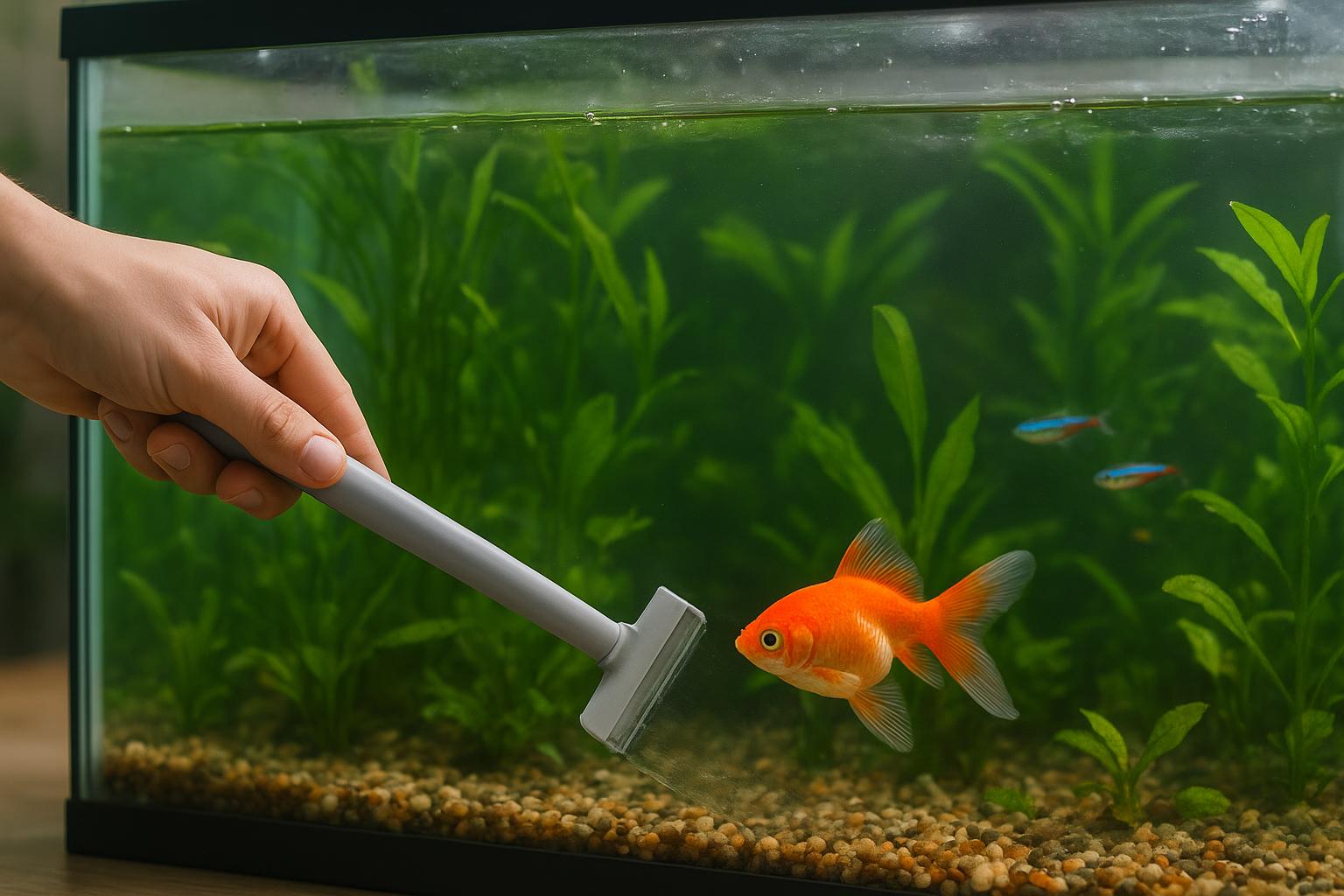
– Algae scraper or pad rated for aquarium glass
– Aquarium-safe nylon brush and plant scissors
– Soft microfiber cloth for exterior
– White vinegar (for exterior glass only)
– A container for pruning and removed algae
1. Identify algae type: soft green algae respond to manual removal and light reduction; stubborn black beard algae may require targeted control with improved water flow and possibly algacides under veterinary guidance.
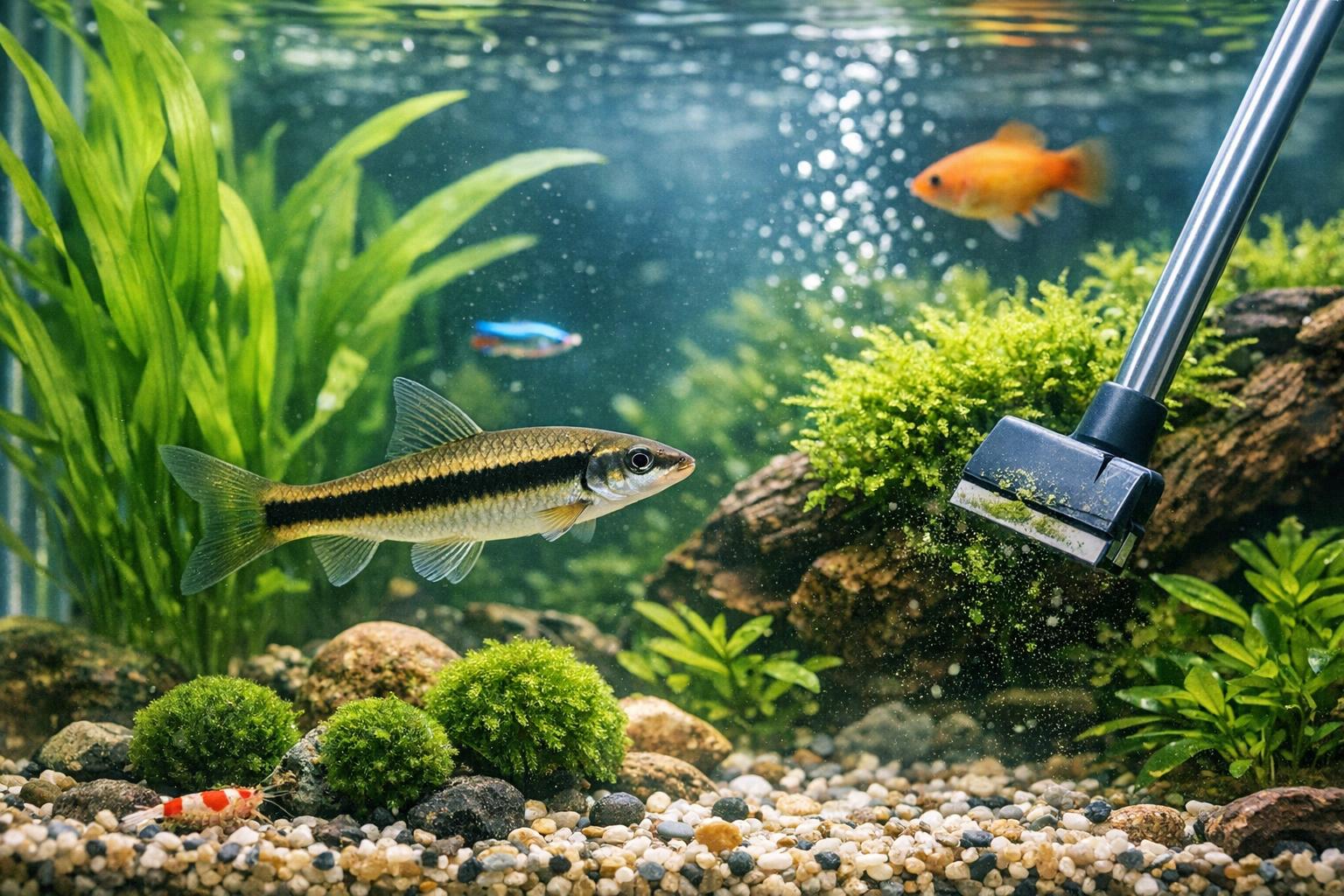
2. Power down or isolate electrical components near the water surface. Use a magnetic or internal scraper to remove algae from the glass, working slowly to avoid stirring up substrate.
3. Prune dead plant matter and remove floating debris; decaying plant tissue fuels algae growth.
4. If external glass has mineral deposits or streaks, dampen the microfiber cloth with a 1:1 mixture of white vinegar and water and wipe the exterior only. Never introduce vinegar into the aquarium water as sudden pH changes can harm livestock.
5. Consider adding or increasing live plants and introducing compatible algae-eating species (snails, shrimp, or small algae-eating fish) appropriate to the tank ecosystem to maintain long-term control.
When applied consistently, this remedy reduces surface film and improves visual clarity without relying on chemical algaecides.
### When To Replace Or Deep-Clean Filter Media
Do not replace all biological media at once. If filter flow is impeded by mechanical debris, gently rinse sponges in tank water. Replace worn mechanical pads. Replace chemical media according to manufacturer guidance; activated carbon typically lasts four weeks in active use.
#### Safe Use Of Household Cleaners
Only use household cleaners on aquarium exteriors or on equipment that is thoroughly rinsed and never used near the tank without full rinsing and drying. Never use bleach, soap, or fragrances on any item that will return to the aquarium, because residues can be lethal. If sanitization is required (e.g., after disease outbreak), follow species-specific disinfection protocols using diluted bleach followed by multiple rinses and full dechlorination, or commercially available aquarium disinfectants labeled for in-tank equipment.
### Establishing A Maintenance Schedule
Create a calendar with daily, weekly, and monthly tasks. Daily: visual checks and top-offs for evaporation. Weekly: water testing, 10–25% water change, vacuum substrate. Monthly: inspect and service filters, trim plants, and replace chemical media. Regular logs of water parameters and maintenance activities allow for early intervention and reduce the need for emergency corrections.
## Troubleshooting Common Issues
If water remains cloudy after routine maintenance, consider these steps: test for silicates or phosphates that fuel algae, check for overfeeding or an overly large bioload, evaluate the filter capacity for the tank size, and review recent medication or substrate disturbances. Gradual corrective measures are preferable to drastic changes that can destabilize the biological filtration.
### Fish Health And Stress Reduction
A clean aquarium is also a low-stress environment. Avoid temperature swings, maintain stable pH, and ensure adequate hiding spaces. Quarantine new fish and plants to reduce the introduction of pests or pathogens that complicate aquarium cleaning efforts.
#### Professional Help And When To Seek It
If persistent ammonia or nitrite spikes occur, if mass fish illness appears, or if you are unsure about chemical treatments, consult a qualified aquatic veterinarian or an experienced aquarist for diagnosis and treatment recommendations. Complex problems sometimes require laboratory testing or medical intervention beyond routine aquarium cleaning.






















Leave a Reply