

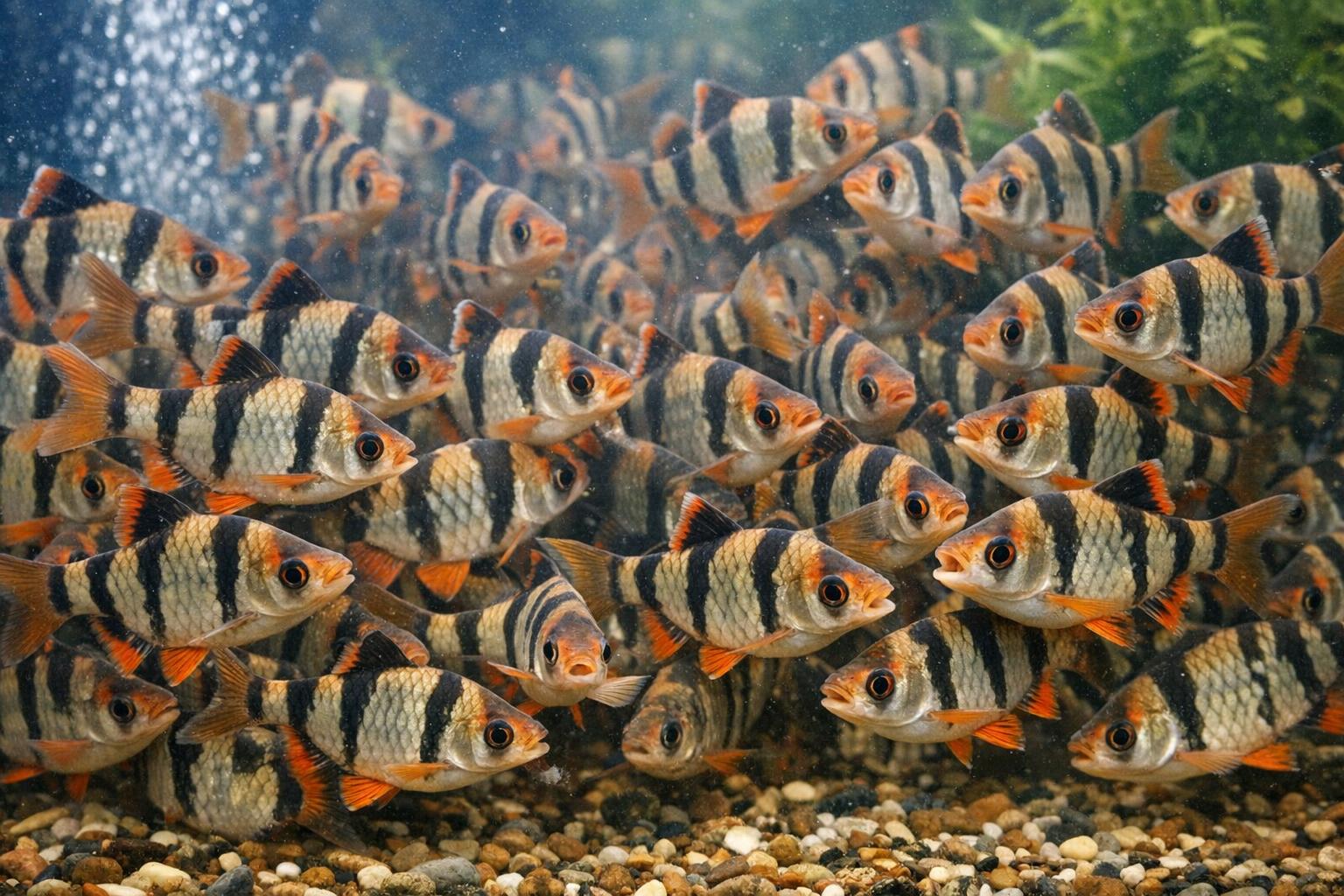
Most hobbyists notice cramped tanks by sight alone. But overcrowding changes fish behavior in ways you might not immediately connect to the number of gills per liter. When a tank is packed beyond its biological and social capacity, the fish stop acting like typical pets and start acting like survivors.
## Overcrowding Stress In Aquarium Fish: Behavioral Signals
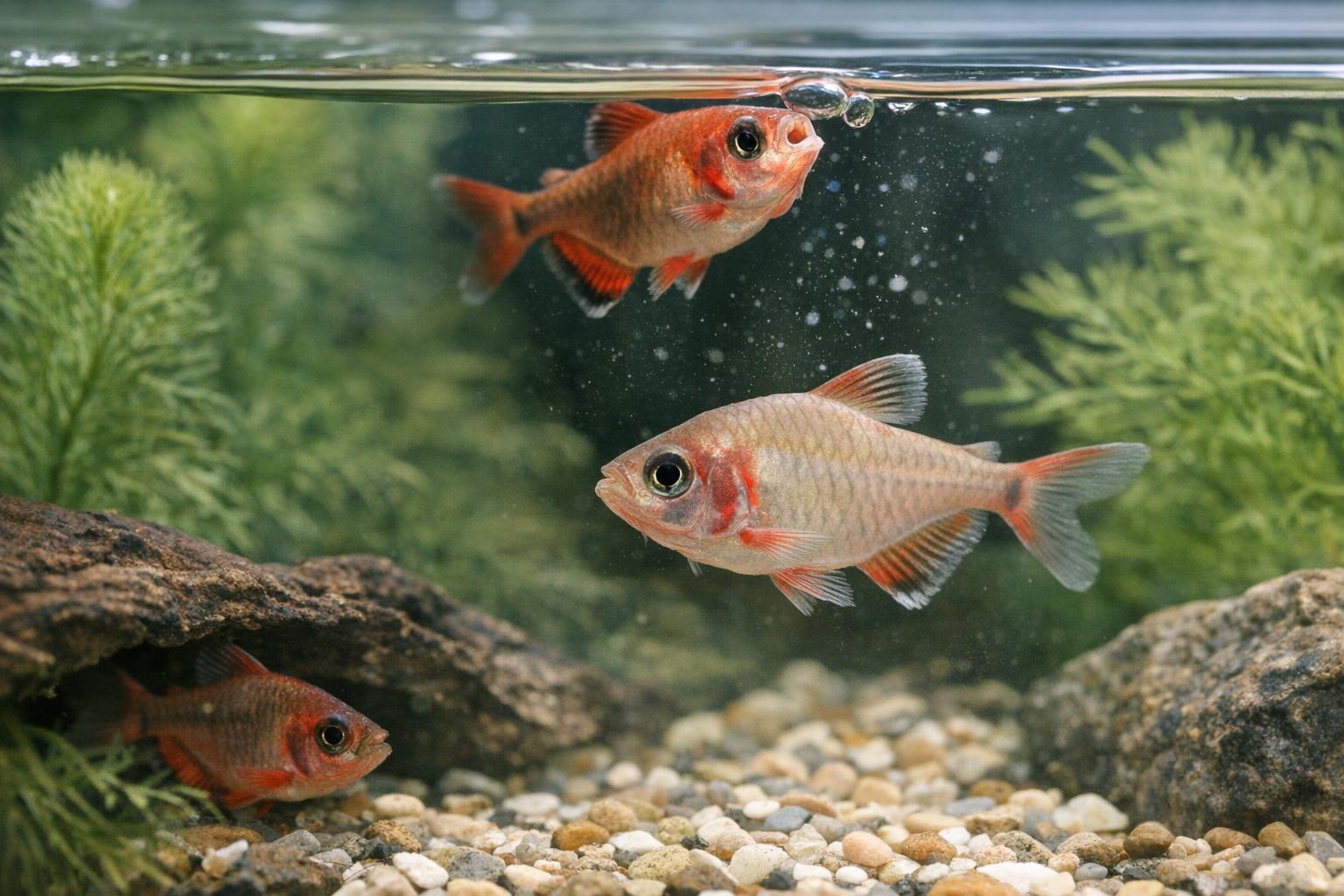
Overcrowding stress in aquarium fish is not just an increase in disease risk; it shows up in behavior first. A tetra that normally swims in a tight school may break off and hide behind decorations. A peaceful community tank can become a barber shop of fin-nipping. These are warning signs that water chemistry and social balance have shifted.
### Common Behavioral Changes To Watch For
Fish respond to stress in consistent ways. Look for:
– Reduced Appetite: They may sniff food and swim away.
– Aggression And Chasing: Territorial displays increase as available space and resources shrink.
– Abnormal Swimming Patterns: Darting, glass-surfacing, or listless drifting become more common.
– Social Breakdown: Schooling species disperse; pair-bonded species neglect mates or eggs.
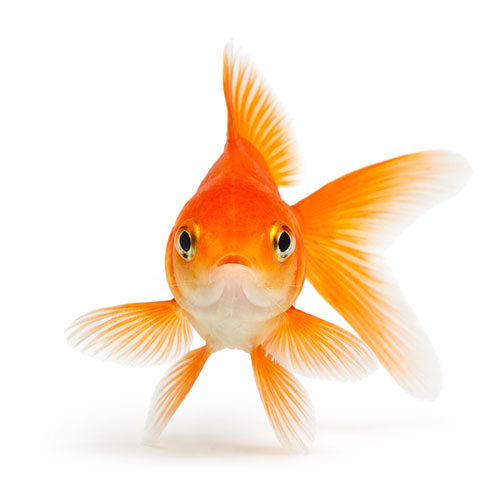
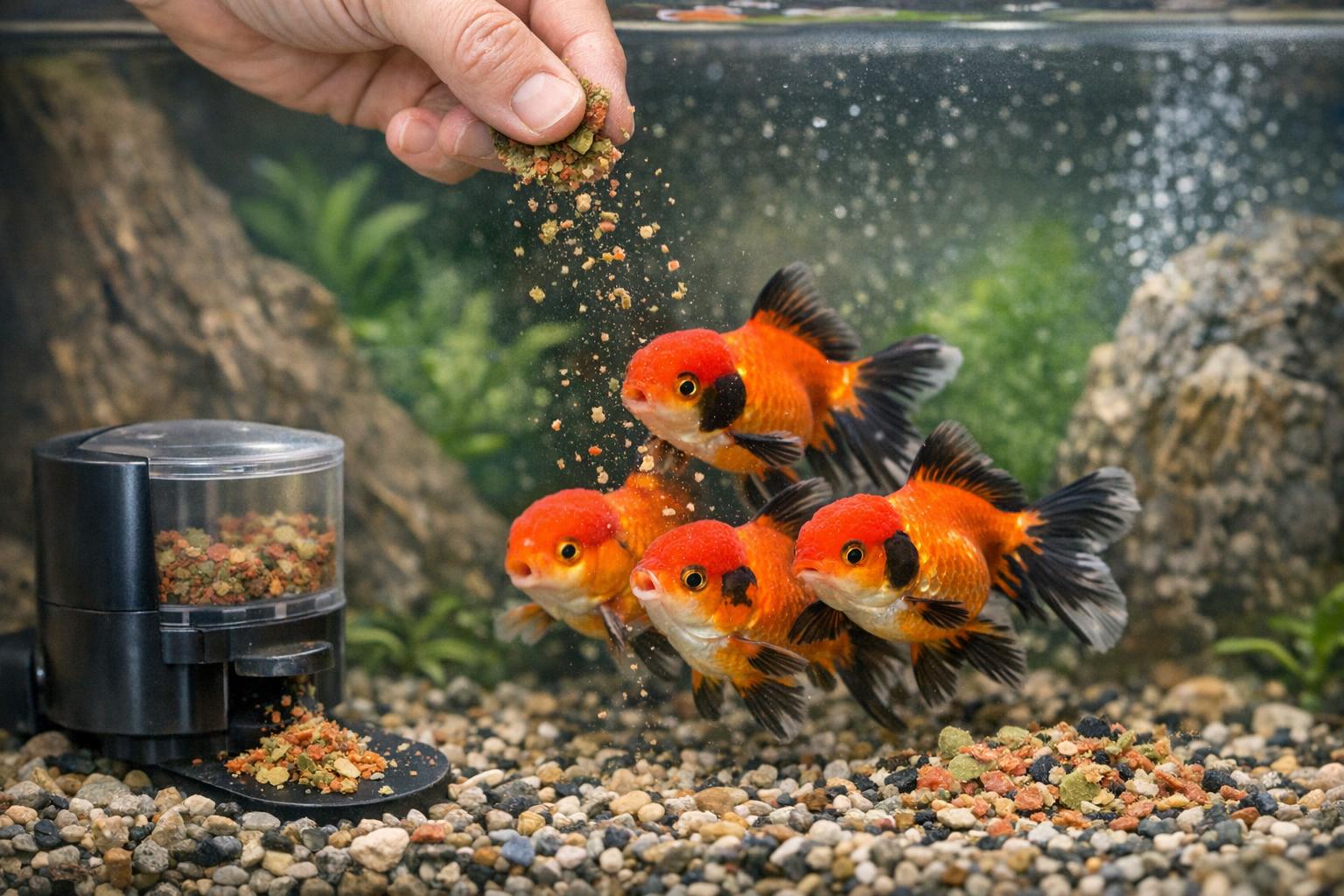
Each of these behaviors can be subtle at first. A goldfish that suddenly avoids its regular feeding spot is telling you water or crowding conditions are off.
### Why Overcrowding Triggers These Behaviors
Overcrowding stress in aquarium fish comes from three interacting pressures. First is water quality. More fish produce more ammonia, nitrite, and nitrate, and microbial filtration can only do so much. Second is oxygen: competition increases, especially at night when plants respire. Third is social stress. Fish have territorial limits and dominance hierarchies; squeeze too many individuals into one space and those hierarchies fracture.
Physiologically, the common pathway is elevated cortisol. Cortisol suppresses immune function, lowers appetite, and alters escape responses. You might see discoloration or faded patterns in chronically stressed fish — they’re conserving energy, not trying to be beautiful.
### Species Differences Matter
Not all species tolerate the same densities. Zebra danios, by nature, want to school and do better in groups, but only if the tank size allows them room to swim. Bettas are solitary and will fight in confined spaces. Cichlids can be highly territorial and go from curious to lethal if their little territories are disturbed. Consider behavior patterns, not just body length, when assessing stocking levels.
## How Overcrowding Stress In Aquarium Fish Alters Social Structure
Watch a community tank for a month after adding new individuals. If you see a small subset of fish controlling the feeding area while others stay hidden, that’s social restructuring caused by stress. Dominant fish monopolize food and territory; submissive ones fail to thrive.
### Reproductive Effects And Parental Failure
Overcrowding reduces breeding. Fish in crowded conditions often skip spawning or produce fewer viable eggs. Even species that typically guard young may abandon nests or eat fry when stressed. This matters for breeders: a crowded tank will produce lower yields and more sickly offspring.
#### Case Example: Livebearers In A Crowded Tank
Livebearers like guppies are prolific but need vertical and horizontal space. In a cramped tank, male harassment increases and pregnant females become physically exhausted. The result is smaller broods and higher juvenile mortality. Simple math — more fish in less space — translates immediately to reproductive collapse.
### Disease Transmission And Behavior
When behavior changes because of crowding, disease spreads faster. Aggressive encounters create wounds that invite infection. Stress lowers immune defenses, so a single pathogen can sweep through a densely packed population. You’ll notice lethargy and loss of appetite first; without rapid intervention those signs become full-blown disease outbreaks.
## Practical Ways To Reduce Fish Overcrowding Stress
You don’t need fancy gear to fix many overcrowding problems. Start with honest assessment. Measure tank volume, count fish, and list species. Remember that size at maturity matters; juveniles grow.
### Steps To Take Immediately
1. Reduce Numbers: Rehome or trade excess fish before water quality collapses.
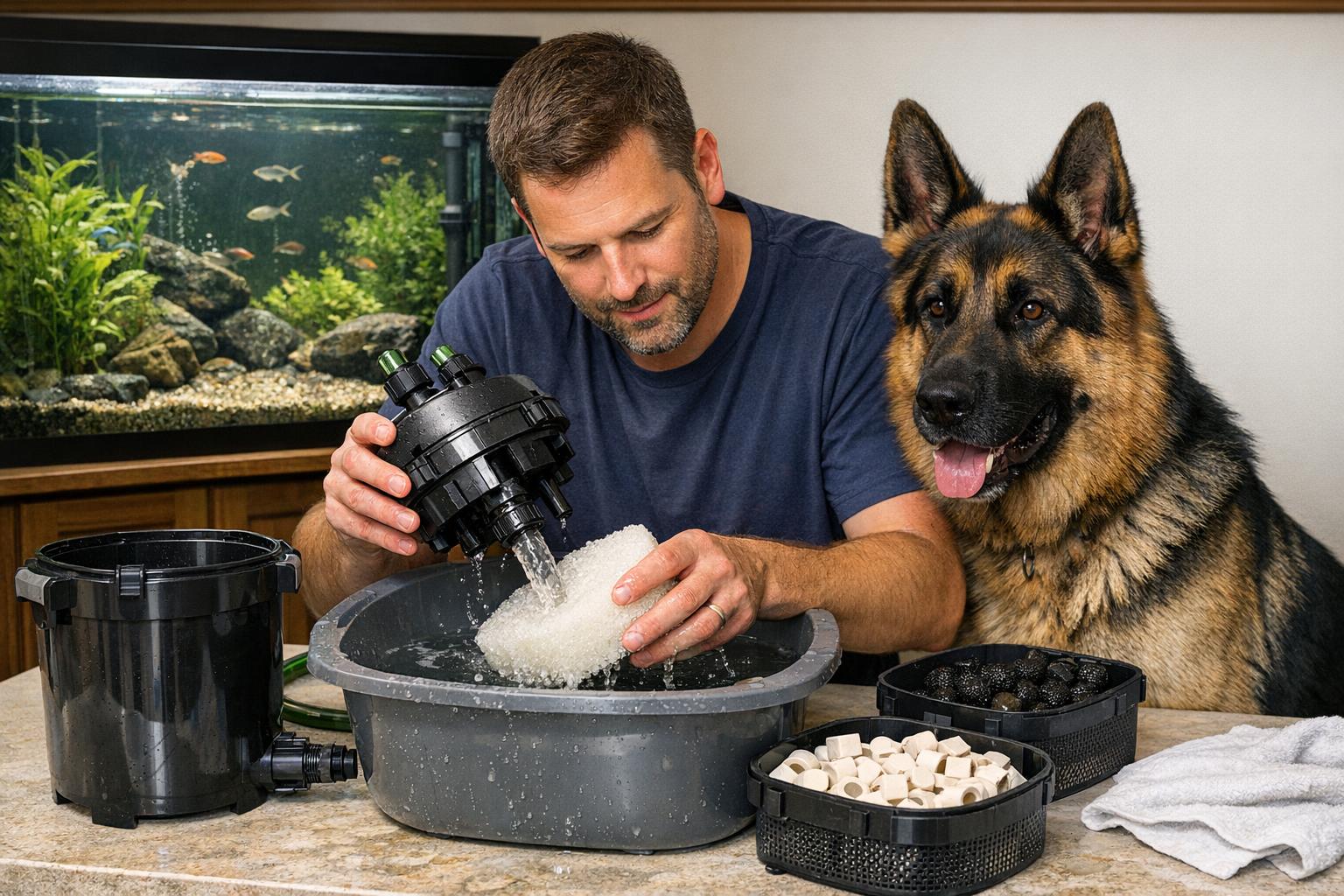
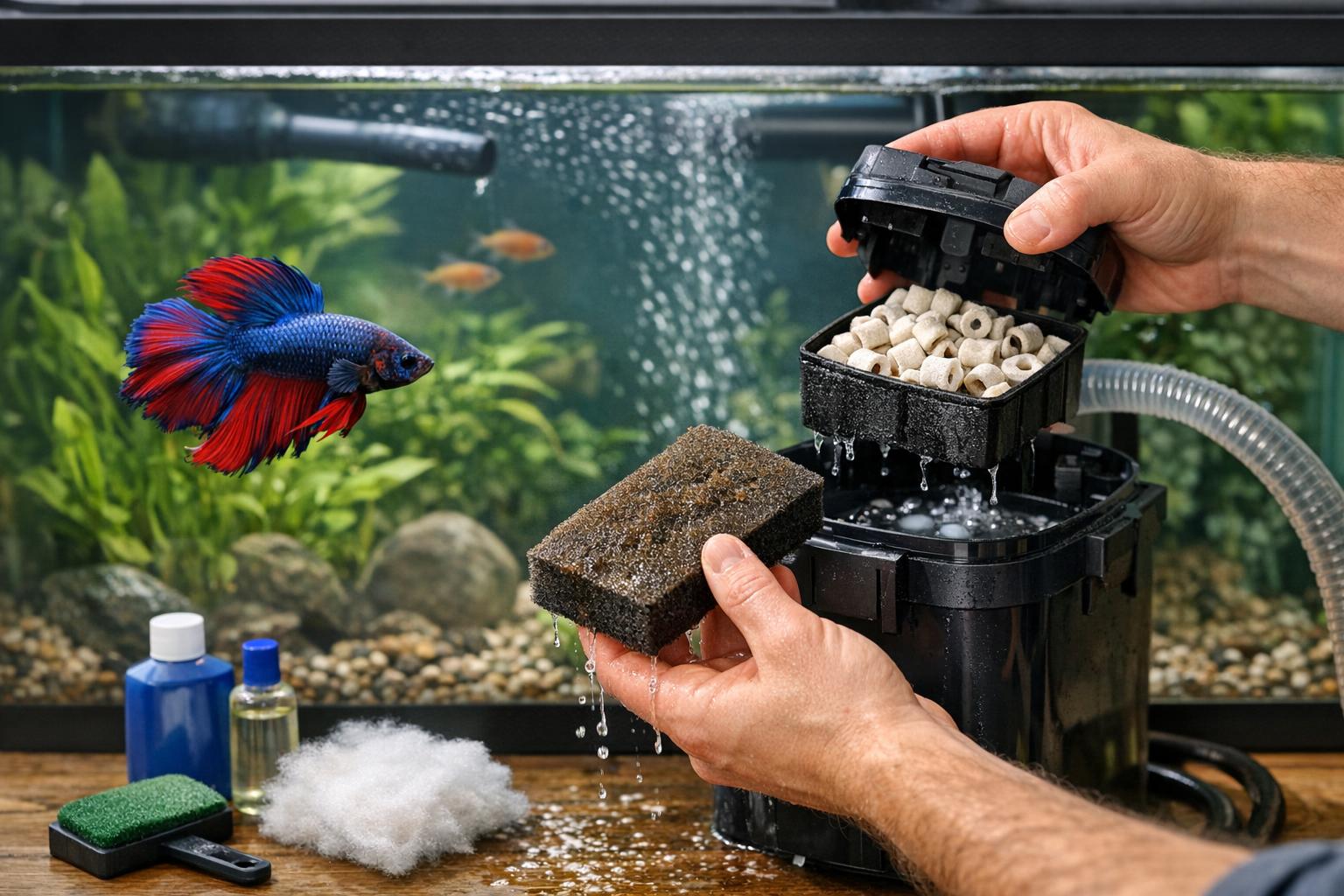
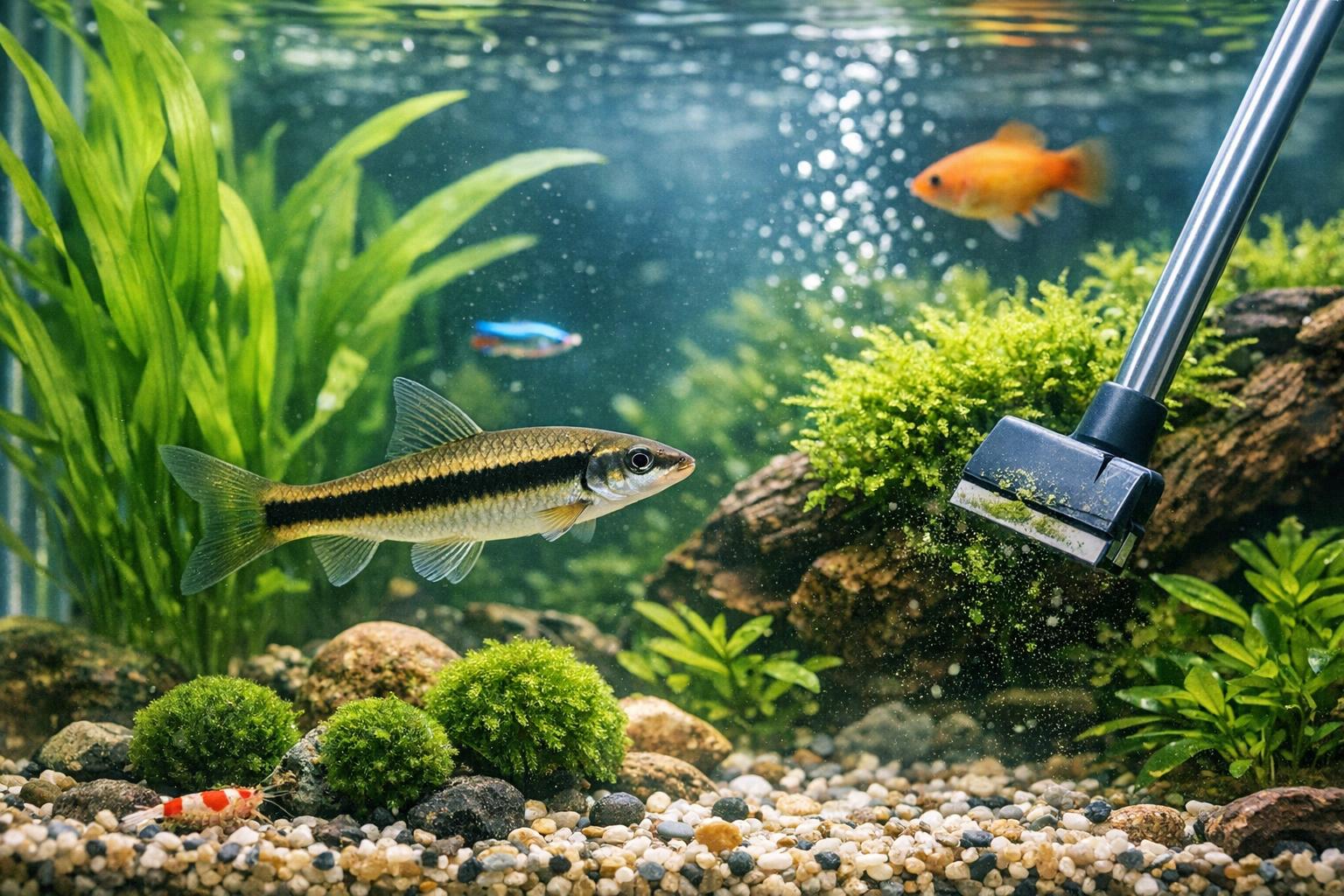
2. Improve Filtration And Maintenance: Upgrade mechanical and biological filtration, and increase water-change frequency.
3. Add Oxygenation: Airstones or increased surface agitation reduce hypoxia during peak demand.
4. Rearrange Decor: Create visual breaks and hiding spots so subordinate fish can retreat.
If those actions aren’t enough, plan for a larger tank. Moving from a 20-gallon to a 40-gallon isn’t glamorous, but it restores behavior fast.
### Small Adjustments That Help
Sometimes small changes make a big behavioral difference. A strand of Java fern or a clump of floating plants gives stressed fish cover. Split feeding — offering food at different tank locations — reduces competition. These tweaks lower daily conflict without changing stocking numbers.
#### Monitoring With Concrete Metrics
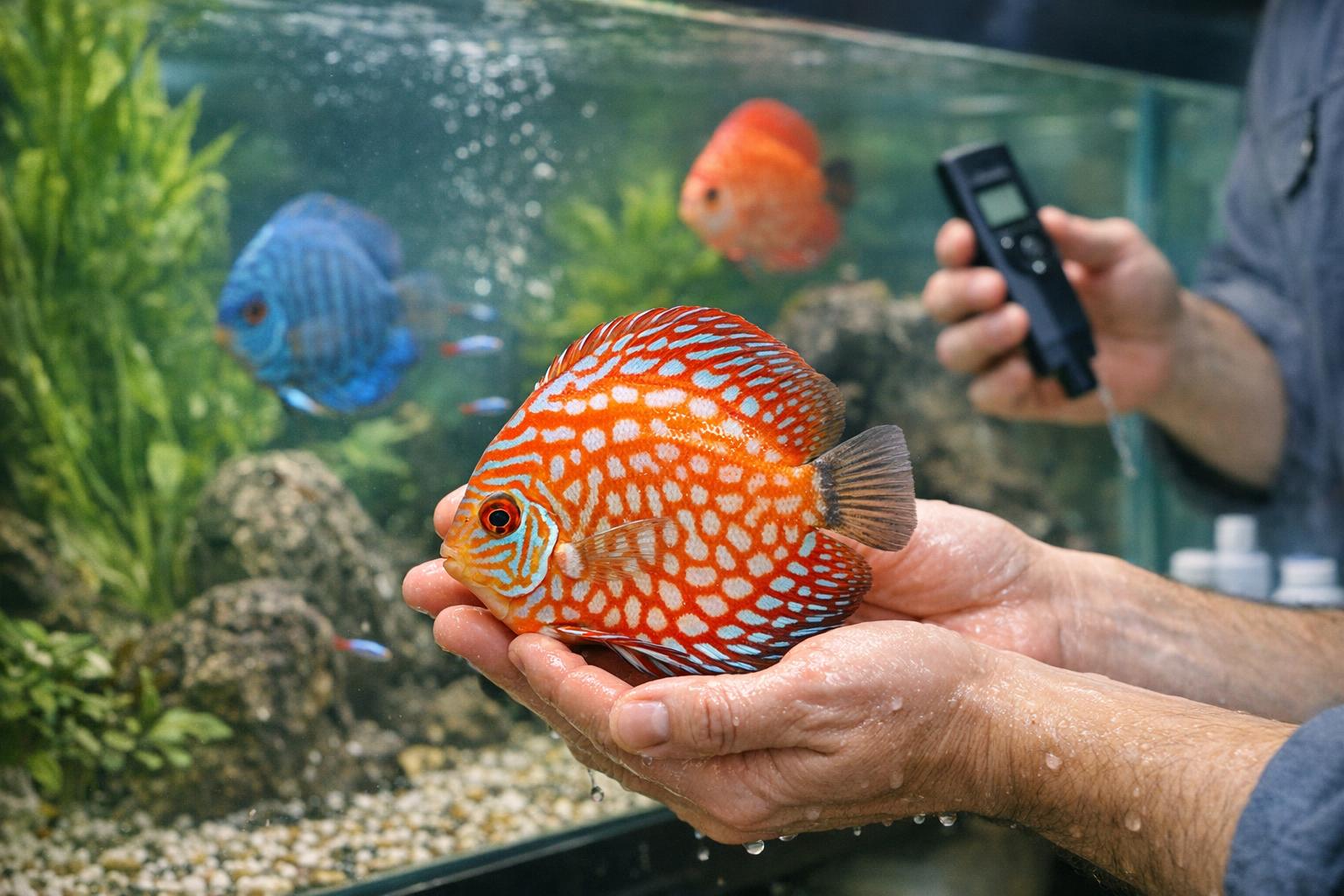
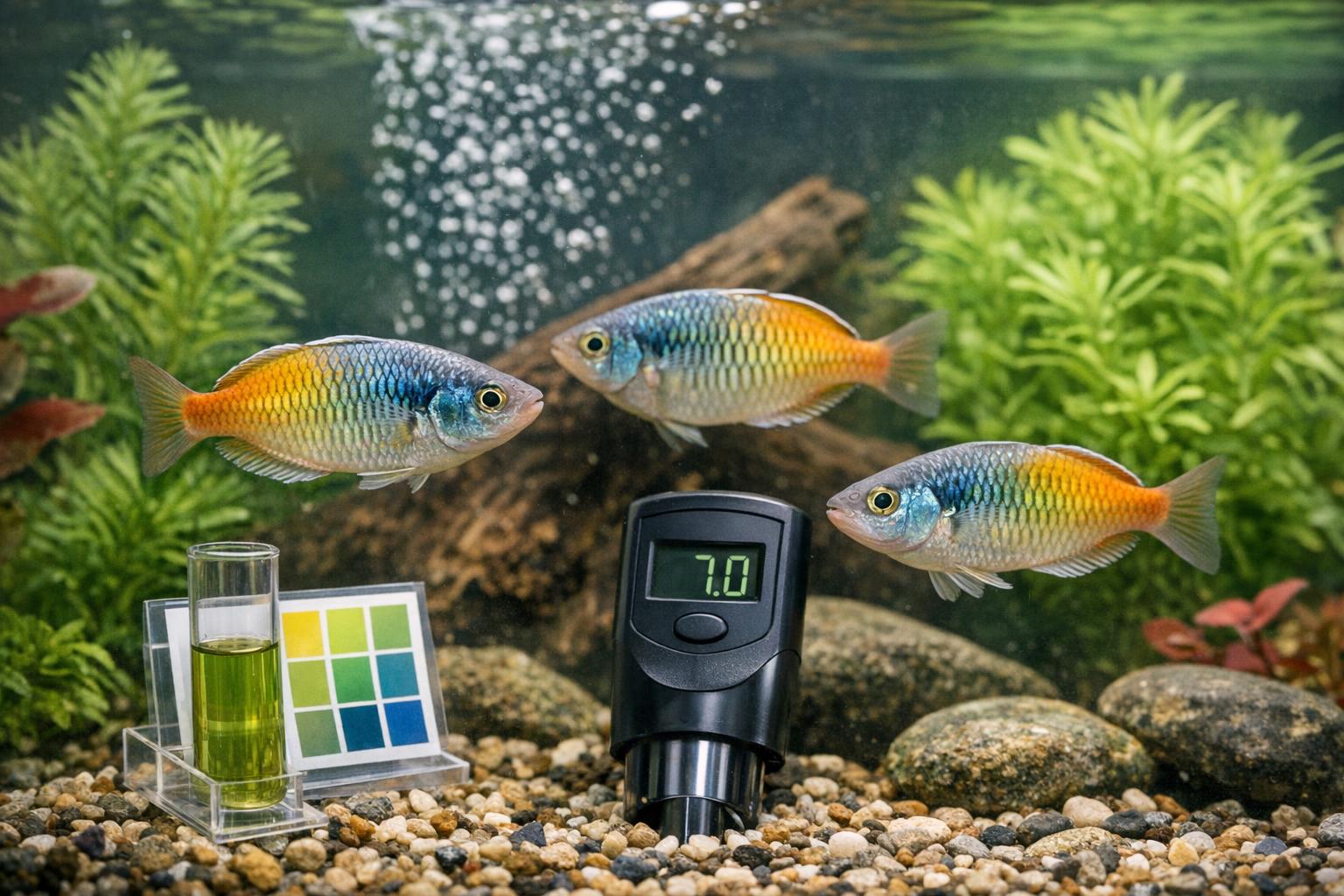
Don’t rely on feel alone. Test ammonia, nitrite, nitrate, and dissolved oxygen weekly. If ammonia spikes above 0.25 mg/L, that’s a red flag. Nitrate levels over 40–50 mg/L correlate with chronic stress. Track behavior alongside these numbers; when both worsen, act quickly.
## Recognizing Early Signs Before Things Get Worse
Early signs are behavioral more often than chemical, because fish react faster than filters degrade. Swim patterns change first. A schooling fish that no longer syncs with its group is under social pressure. A corydoras that stops scavenging the substrate is avoiding bites or poor water conditions.
### What To Do When Early Signs Appear
Act fast. Boost water changes to 30–50% over several days rather than one large swap. Cut back feeding — excess food raises ammonia. Add a temporary sponge filter or hang-on-back power filter if biological filtration is lagging. These steps stabilize chemistry and buy time to address stocking issues.
## Long-Term Tank Planning To Avoid Fish Overcrowding Stress
Prevention beats reaction. Plan stocking with species behavior in mind. Use rules like “surface swimmers need horizontal space” rather than crude size-per-gallon rules. Think about adult size and temperament. A dozen juvenile tetras might look fine now, but they need room to school.
### Designing With Social Structure In Mind
Divide large tanks into visual territories. Rocks, driftwood, and plants can create separate zones that reduce direct competition. For territorial species, provide caves and flat rocks where individuals can claim space. For schooling species, ensure open areas where they can swim together without interruption.
#### Record Keeping Helps
Keep a simple log: additions, deaths, major water tests, and notable behavior changes. Over months you’ll spot patterns. Maybe a certain species always becomes aggressive after two new fish are added. Data prevents repeat mistakes.
## When Crowding Is A Symptom, Not The Problem
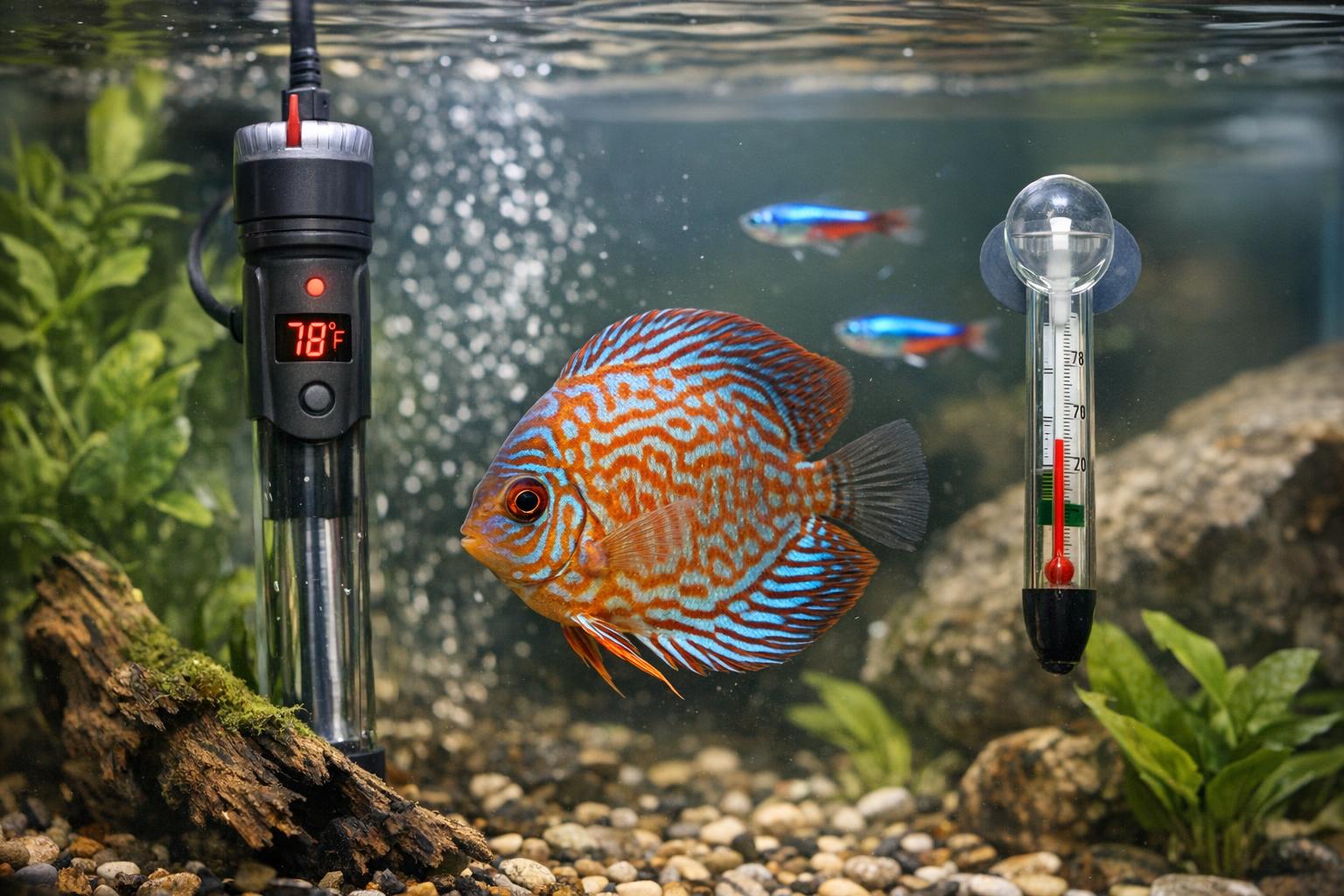
Sometimes fish overcrowding stress hides another issue. A failing heater or a parasite can produce the same behaviors as crowding. If you reduce stocking but the behavior persists, broaden your troubleshooting.
### Diagnostic Checklist
– Check Temperature Stability: Fluctuations spike stress hormones.
– Inspect For Parasites: Look for flashing, rubbing, or visible spots.
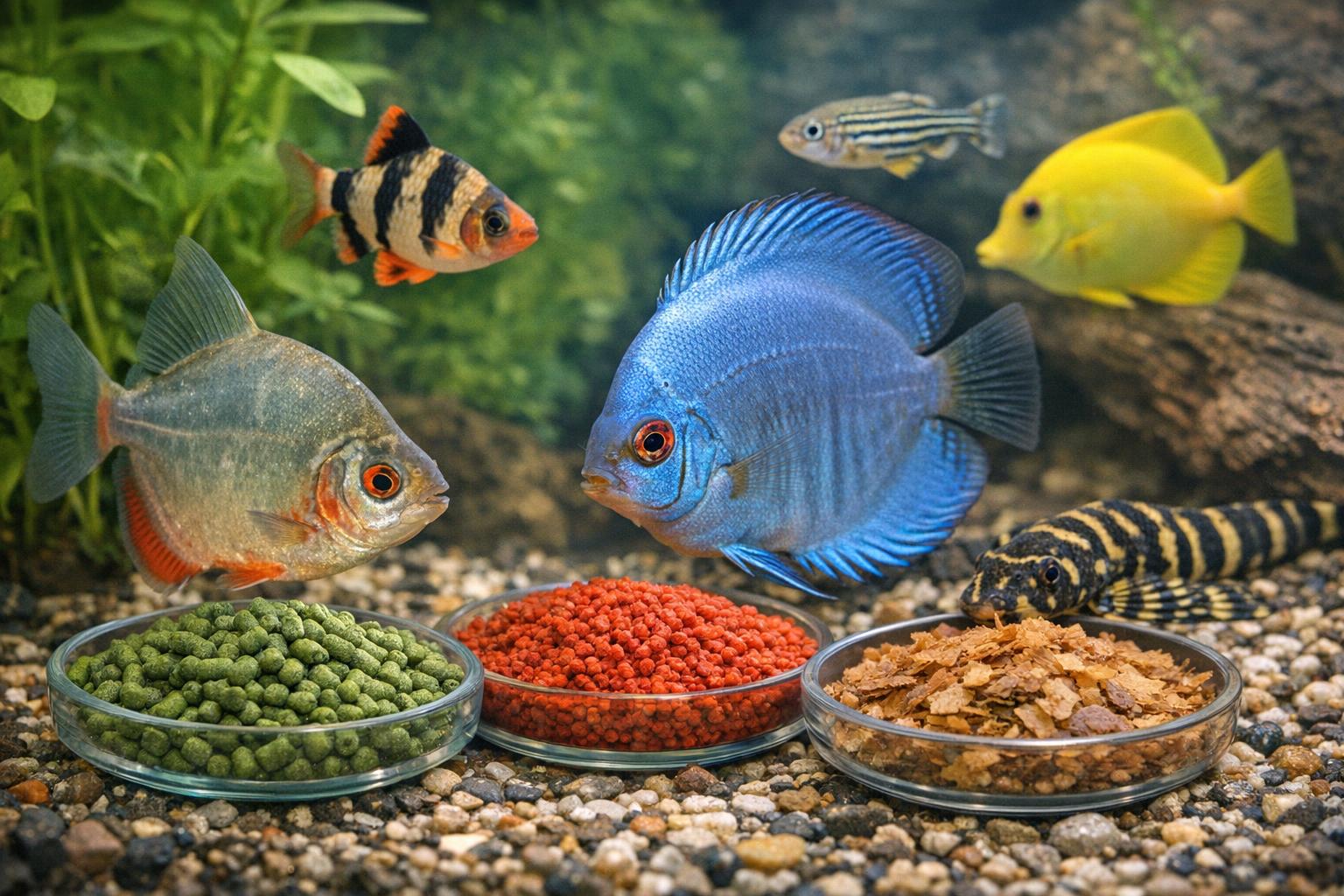
– Review Feeding: Poor diet reduces resilience.
– Reassess Lighting And Noise: Constant overhead disturbances can raise cortisol.
If multiple tanks in the same room show similar behavior, environmental factors like light cycles or household vibrations might be at play. Don’t blame numbers first; rule out other stressors.
## Managing Trade-Offs: Space, Cost, And Welfare
Adding tank space costs money and time. But keeping fish in tight conditions trades immediate savings for harder bills later: medication, fish losses, time sorting out aggression. Think of tank size as insurance. It’s cheaper to prevent chronic stress than to treat widespread disease.
### Simple Stocking Guideline Example
A practical guideline is to prioritize behavior over volume: allow at least twice the minimum space recommended for schooling or territorial species, and plan for adult sizes. If you buy a three-inch fish, base stocking and filtration on its adult length, not juvenile size.
A last note: be mindful of human error. Hobbyists often add fish impulsively. One or two impulsive additions can push a tank over the edge. Keep calm and wait a week between new arrivals. Quarantine them first. It’s easier to integrate one healthy fish than to manage an entire stressed population.
seperate small actions — better filtration, a few plants, sensible rehoming — can make animals act like themselves again. There’s no mystery here: fewer conflicts, better water, and room to swim bring back normal behavior.
















Leave a Reply