




## How To Calm A Hyperactive Dog At Home: 5 Natural Remedies
Dogs with excess energy can be rewarding companions, but persistent restlessness and impulsive behavior may indicate canine hyperactivity rather than normal excitement. If you’re searching for how to calm a hyperactive dog at home, this article presents five evidence-informed, natural approaches you can implement safely. These strategies focus on exercise, enrichment, nutrition, calming supports, and tactile therapies—each with materials and step-by-step application so you can use them immediately.
## 1. Remedy: Structured Exercise And Mental Stimulation
### Why This Works
When trying to understand how to calm a hyperactive dog at home, remember that physical activity and mental challenge reduce arousal by releasing energy and engaging attention centers in the brain. Regular, structured exercise lowers baseline stress hormones and improves impulse control in a hyperactive dog.
#### Materials Required
– Sturdy leash and harness
– Interactive toys (ball, tug toy)
– Treats for rewards (small, healthy pieces)
– Puzzle feeder or snuffle mat
#### Step-By-Step Routine
1. Schedule twice-daily exercise sessions: morning and late afternoon, 20–40 minutes depending on breed and age.
2. Begin with 10–15 minutes of brisk walking or jogging to raise heart rate.
3. Follow with 10–15 minutes of focused play (fetch, tug) using short, controlled intervals (3–5 minutes each).
4. Conclude with a 5–10 minute mental task using a puzzle feeder or obedience commands (sit, down, stay).
5. Reward calm behavior after the session with a quiet praise and low-key petting.
Use progression: increase puzzle complexity or vary the route to keep the brain engaged. For puppies or dogs with medical limits, adjust duration and intensity.
## 2. Remedy: Enrichment Feeding And Puzzle Toys
### Why This Works
One practical method of how to calm a hyperactive dog at home is to convert feeding time into enrichment. Concentrated eating can trigger arousal; spreading meals across enrichment activities reduces speed-eating and promotes focused, calming behavior.
#### Materials Required
– Puzzle feeder or slow-feed bowl
– Snuffle mat or treat-dispensing ball
– Standard kibble or small training treats
#### Step-By-Step Creation And Application
1. Replace at least one daily meal with a puzzle feeder loaded with regular kibble.
2. Scatter a portion of the meal inside a snuffle mat for nosework practice.
3. Use the treat-dispensing ball during a 10–15 minute supervised session to occupy the dog before family routines (e.g., before leaving the home).
4. Gradually increase the use of enrichment; aim for 1–2 meals per day through puzzle devices.
This approach targets cognitive engagement—an effective countermeasure to canine hyperactivity—by using natural behaviors (foraging) that induce calm focus.
## 3. Remedy: Calming Supplements And Herbal Support
### Why This Works
Nutritional support can be an adjunct when you want to know how to calm a hyperactive dog at home without medications. Certain supplements influence neurotransmitter balance and stress responses, helping to reduce baseline arousal.
#### Materials Required
– Omega-3 fatty acid supplement (EPA/DHA) formulated for dogs
– L-theanine or tryptophan supplements designed for canines
– Veterinarian-approved calming chews or botanical blends (e.g., chamomile, valerian in dog formulations)
#### Step-By-Step Guidance
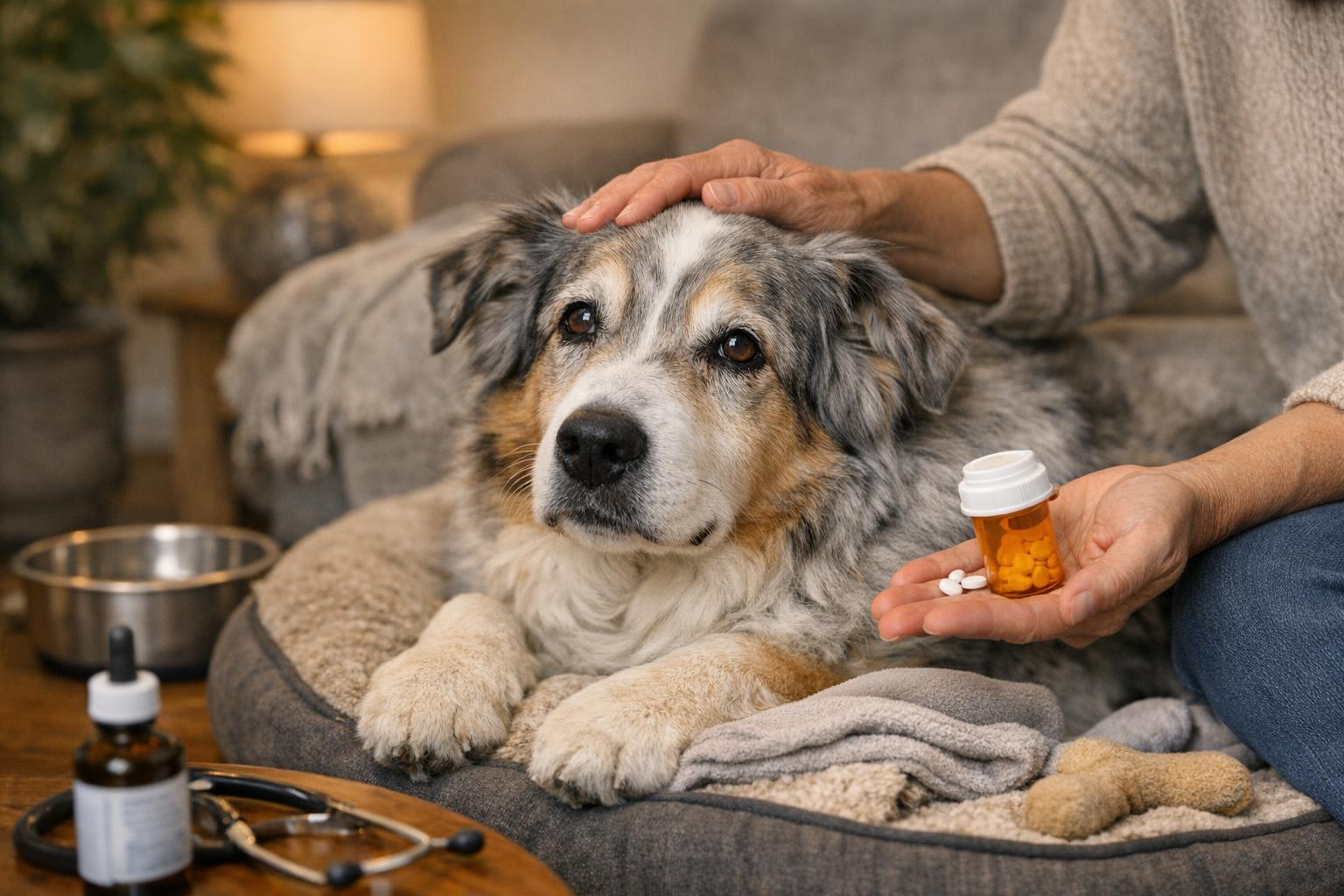
1. Consult your veterinarian before introducing any supplement—especially if the dog takes medications.
2. Select products specifically formulated for dogs and follow manufacture dosing instructions or your vet’s guidance.
3. Introduce one supplement at a time, monitoring behavior for 7–14 days to assess effects.
4. Combine supplements with behavioral strategies (exercise, enrichment) rather than relying on them alone.
Be cautious with human supplements—dogs process compounds differently. Your vet can help diagnose underlying causes of canine hyperactivity and recommend appropriate adjunctive supports.
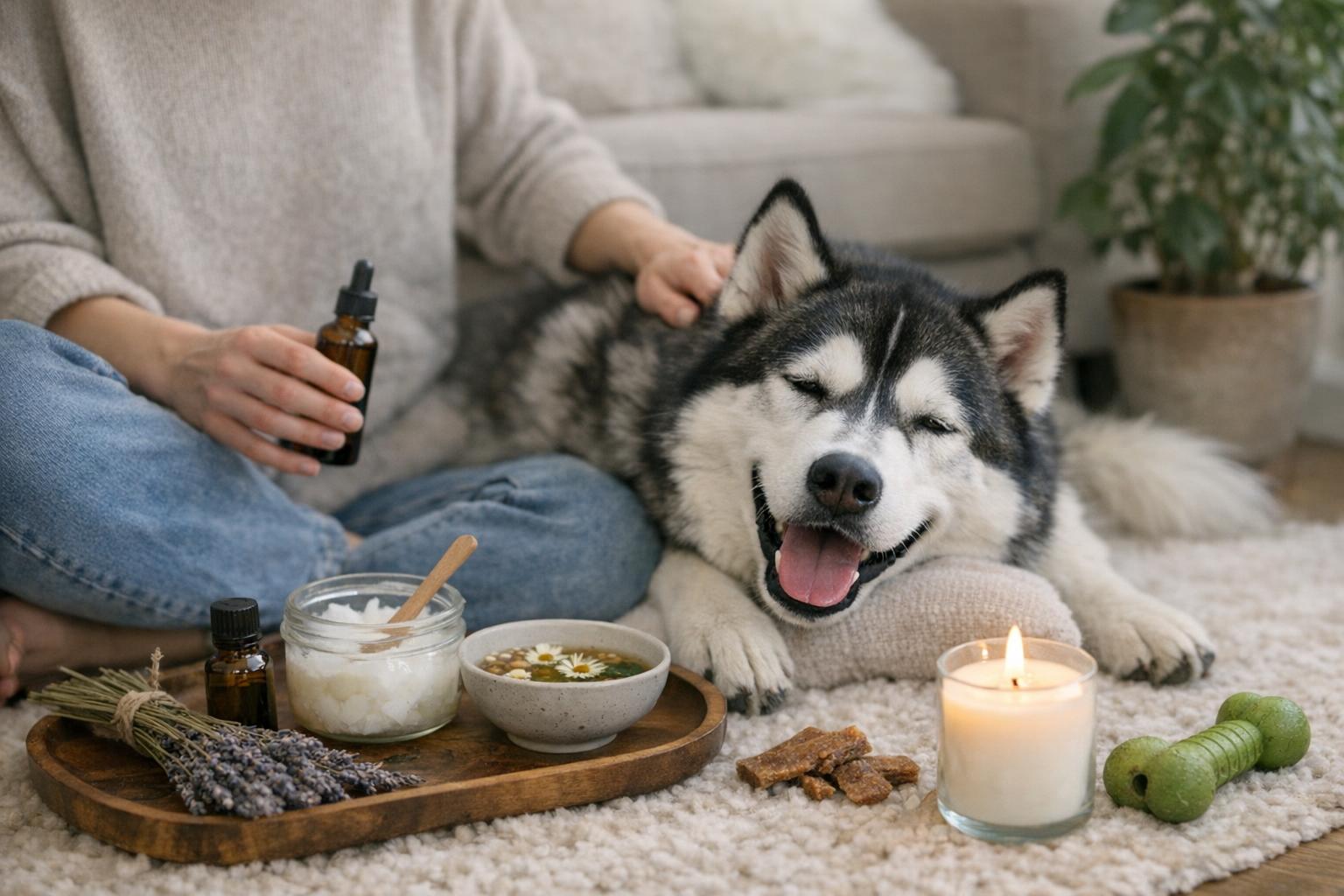
## 4. Remedy: Aromatherapy And Safe Scents
### Why This Works
Aromatherapy, when used carefully, can create an environment conducive to calm. Understanding how to calm a hyperactive dog at home by using safe scents means choosing low-concentration, non-toxic options and observing your dog’s reactions.
#### Materials Required
– Ultrasonic diffuser (no heat)
– High-quality lavender essential oil (pet-safe source) or veterinarian-recommended calming sprays
– Cotton cloth for small scent placement
#### Step-By-Step Application
1. Verify that your chosen scent is safe for dogs; avoid oils known to be toxic (e.g., tea tree, pennyroyal, citrus in high concentrations).
2. Place diffuser in a well-ventilated area at the dog’s level so the aroma is evenly distributed.
3. Use one to two drops of diluted lavender oil in the diffuser; operate for 15–30 minutes while observing the dog’s behavior.
4. Remove access to the diffuser if the dog shows signs of respiratory distress, excessive sneezing, or avoidance.
5. Pair aromatherapy with other calming routines (gentle petting, soft music) for maximal effect.
Aromatherapy is an environmental tool, not a standalone treatment for severe canine hyperactivity. Always prioritize safety and ventilation.
## 5. Remedy: Massage, Pressure Wraps And Consistent Routine
### Why This Works
How to calm a hyperactive dog at home often comes down to consistent, calming touch and predictable schedules. Massage promotes parasympathetic activation (rest-and-digest), and pressure wraps can mimic the calming effect of physical contact.
#### Materials Required
– Soft towel or Thundershirt-style pressure wrap designed for dogs
– Dog-safe massage oil (optional) or simply use your hands
– Quiet, dimly lit room
#### Step-By-Step Massage And Pressure Application
1. Apply a pressure wrap snugly but not tightly; aim for gentle compression similar to a hug.
2. Sit with your dog in a quiet space; speak in a low, steady voice to encourage relaxation.
3. Use slow, rhythmic strokes starting at the neck and moving toward the tail. Apply 5–10 minutes of light to moderate pressure.
4. Incorporate gentle circular motions around the shoulders and base of the tail to release tension.
5. Remove the wrap after 20–30 minutes. Observe whether the dog settles; if not, combine with other measures such as enrichment feeding or a short walk.
Regular scheduling of calming sessions—same time each day—creates predictability that reduces general arousal in many dogs.
### When To Seek Veterinary Or Behavior Specialist Help
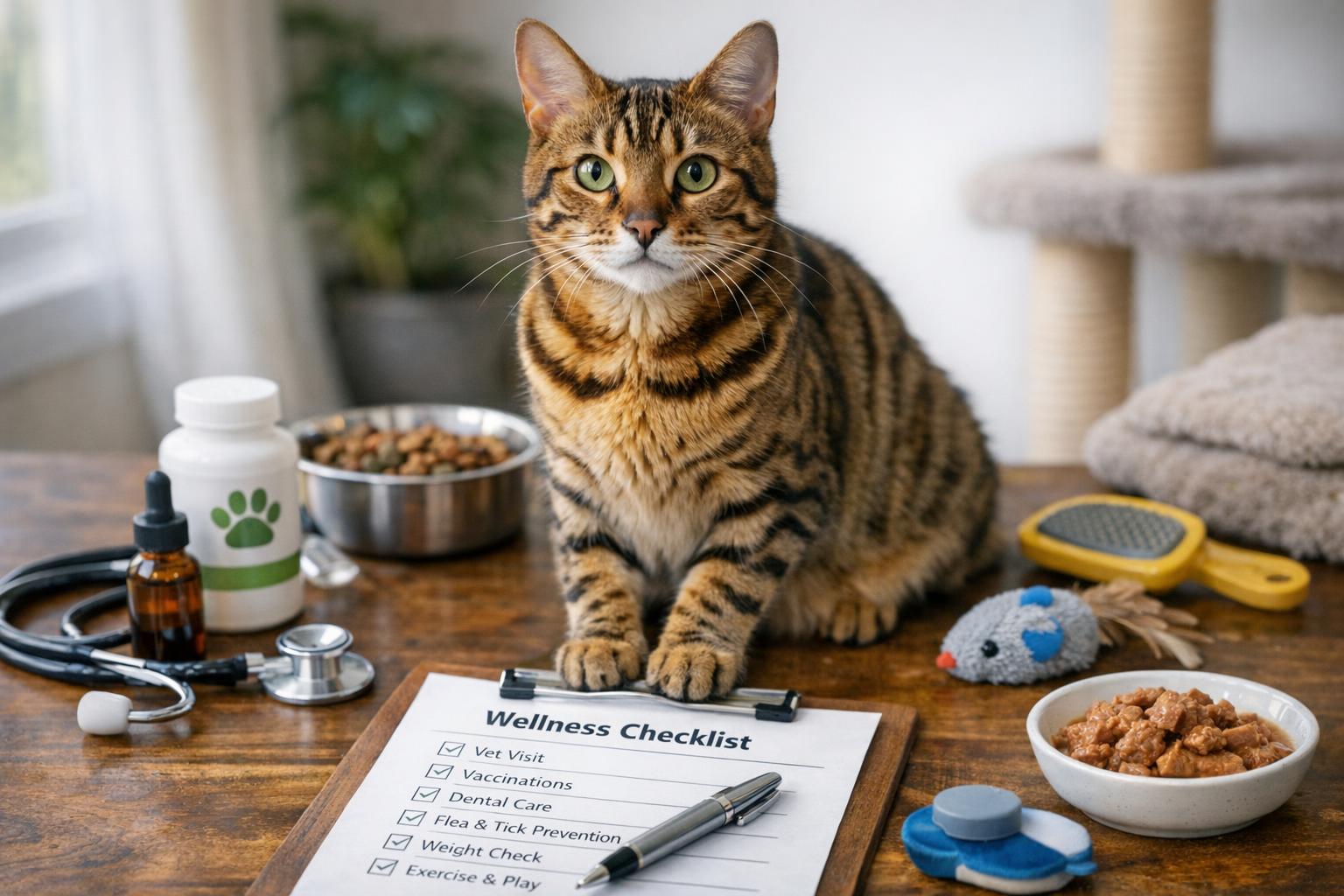
If basic interventions do not reduce signs of canine hyperactivity or if the dog shows repetitive, self-injurious, or aggressive behaviors, consult a veterinarian or certified applied animal behaviorist. A professional can rule out medical contributors (thyroid disease, neurological conditions) and design a behavior modification plan.
Use of behavior modification, sometimes combined with medication under veterinary supervision, is indicated for severe cases. A trained specialist will consider temperament, environment, and the root causes of a hyperactive dog’s behavior rather than applying a one-size-fits-all remedy.
### Practical Tips And Safety Notes
– Introduce changes gradually; sudden environmental shifts can heighten arousal.
– Monitor for adverse reactions to supplements or scents; discontinue if signs of distress occur.
– Avoid punishment-based training; these methods often increase stress and worsen hyperactivity.
– Keep sessions short and consistent; many dogs respond better to repeated, short interventions than sporadic long sessions.
Remember that how to calm a hyperactive dog at home varies with age, breed, and history. Combine behavioral and environmental strategies for best results, and consult a professional when progress stalls or safety is a concern. If you’re unsure where to begin, consult your veterinarian about how to calm a hyperactive dog at home safely and to rule out medical contributors. Combine approaches and track behavior to learn how to calm a hyperactive dog at home effectively.











Leave a Reply