

## Avian Feather Damage Causes And Remedies: How To Read The Early Signs
You can often tell something’s wrong with a bird before it shows illness just by looking at its plumage. Birds wear their health on their feathers. When you spot broken shafts, ragged edges, or bald patches, you’re seeing the output of processes that could be behavioral, nutritional, environmental, or infectious. Knowing which is at work changes what you do next. This article walks through the common drivers of avian feather damage causes and remedies you can try right away, and when to call the vet.
### Common Signs Of Avian Feather Damage
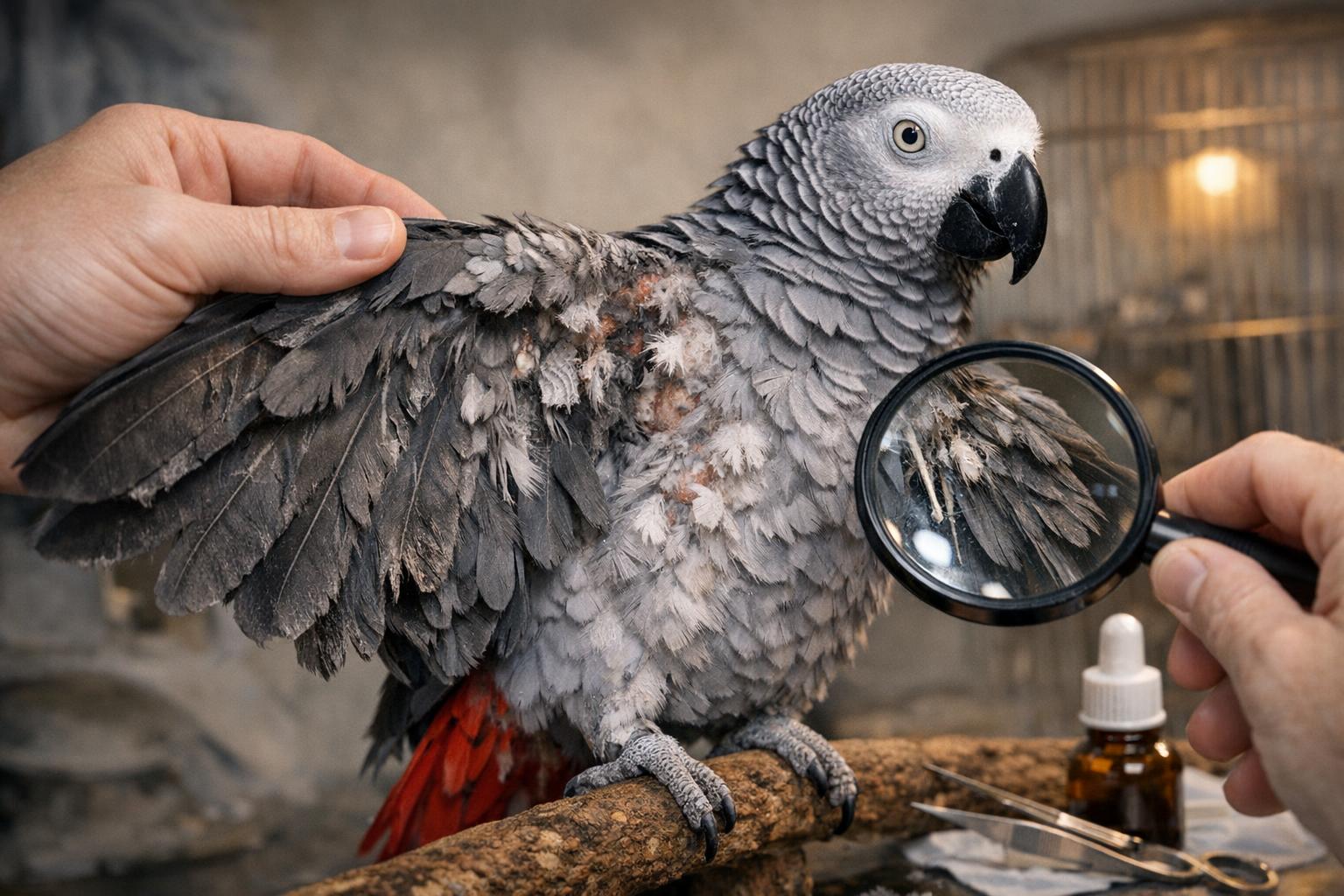
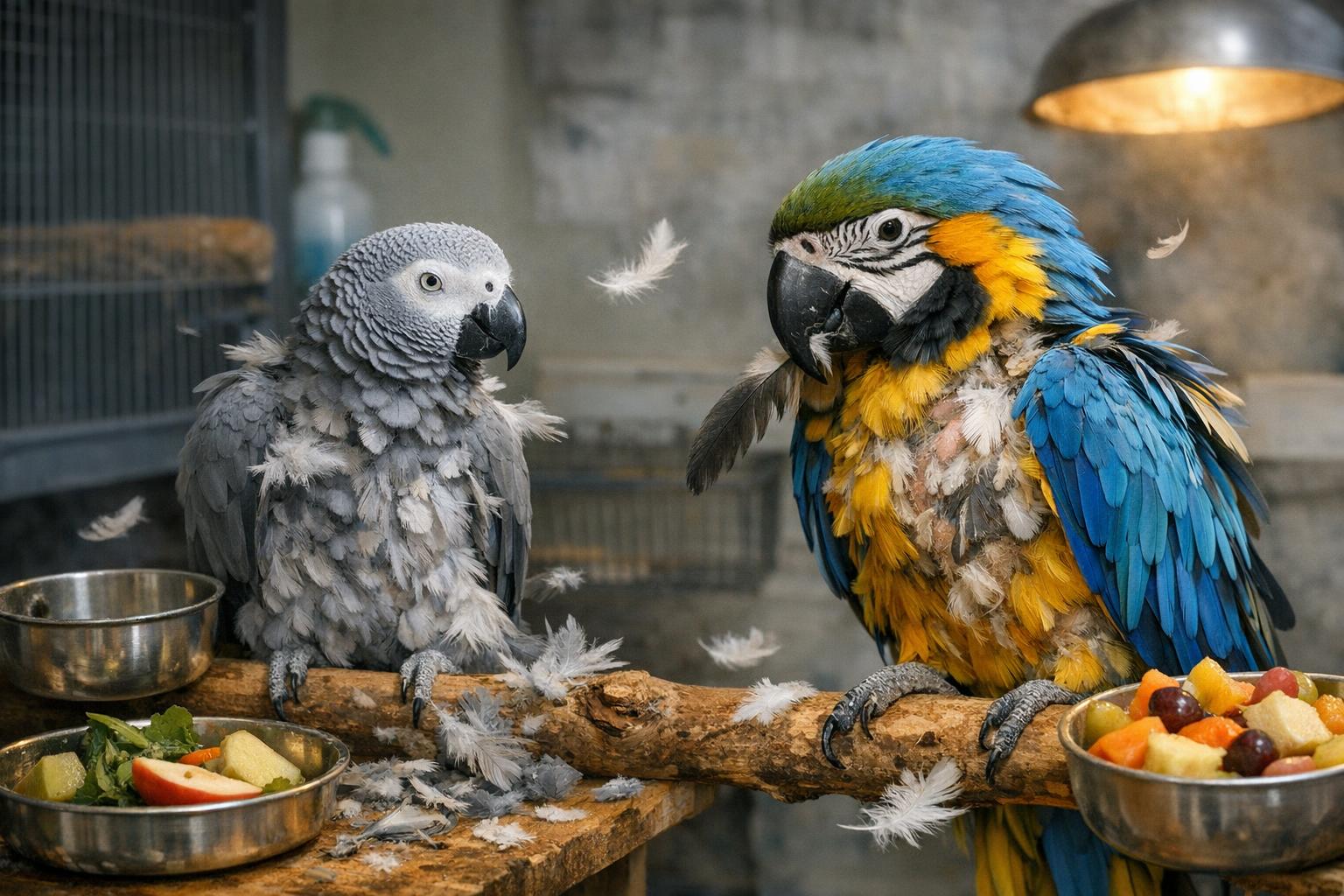
Feather problems don’t all look the same. One bird might have frayed tips across the wings, another a single bald patch, and a third messy, discolored feathers across the chest. Look for these clear signals:
– Missing feathers in a clean, round patch suggests picking or plucking.
– Broken quills and shredded vane imply mechanical trauma or rubbing.
– Dull, brittle feathers often point to poor nutrition or illness.
– Black specks, excessive dust, or fast scratching can indicate parasites.
Notice whether the bird is preening normally or obsessively. Preening is healthy; preening to the point of raw skin is not. Record when the problem started, what seasonal changes were happening, and whether other birds in the household are affected. Small details matter.
### #### Physical Trauma And Environmental Damage
Household hazards are surprisingly efficient at wrecking feathers. A bird can get clipped by a door, snag a feather on a cage wire, or burn feathers near open flames or heat lamps. Outdoor birds suffer from storms, fights, or predators. Feather damage from trauma tends to be localized and abrupt.
Cages with rough perches, abrasive toys, or metal feeders that rub against wings will create repetitive wear. Even frequent handling with rough towels or clumsy carriers can lead to broken shafts and feather loss. Look at the environment first. Move perches, pad edges, and swap abrasive toys for softer options. Replace metallic or sharpened objects that contact feathers.
### #### Parasites And Skin Conditions
Mites, lice, and feather-damaging mites (like the common feather mite) undermine feather integrity by feeding on skin and barbs. You’ll often see rapid feather deterioration, debris at the base of feathers, and intense itching. Some species of mites are microscopic; signs can be subtle at first.
Fungal and bacterial infections can also inflame the skin and weaken feathers. These are more common when humidity is high or a bird’s immune system is compromised. Treating parasites usually requires veterinary guidance and specific acaricides or insecticides formulated for birds. Don’t use over-the-counter livestock products without a vet’s okay.
### #### Nutritional Causes Of Feather Damage
Feathers are mostly protein, with high demand for certain amino acids and minerals during growth. Diets low in essential nutrients—particularly methionine, cysteine, protein, zinc, and vitamin A—produce weak, misshapen, or brittle feathers. This is especially visible during molt, when the bird is trying to replace its feathers.
Seed-only diets are a common culprit for captive birds. Fresh vegetables, high-quality pellets, and occasional lean protein sources help. Consider adding a formulated supplement if a vet confirms deficiency. Changes take time; feathers grown on better nutrition will look healthier only after a molt or two.
### #### Behavioral Feather Picking
When everything else checks out, behavior is often the cause. Birds may pick or pluck for boredom, stress, loneliness, or as a learned habit. Cage-bound parrots that don’t get social interaction, for instance, commonly pick at their chest and flank feathers. Behavioral feather damage tends to be symmetric or located where the bird can reach easily.
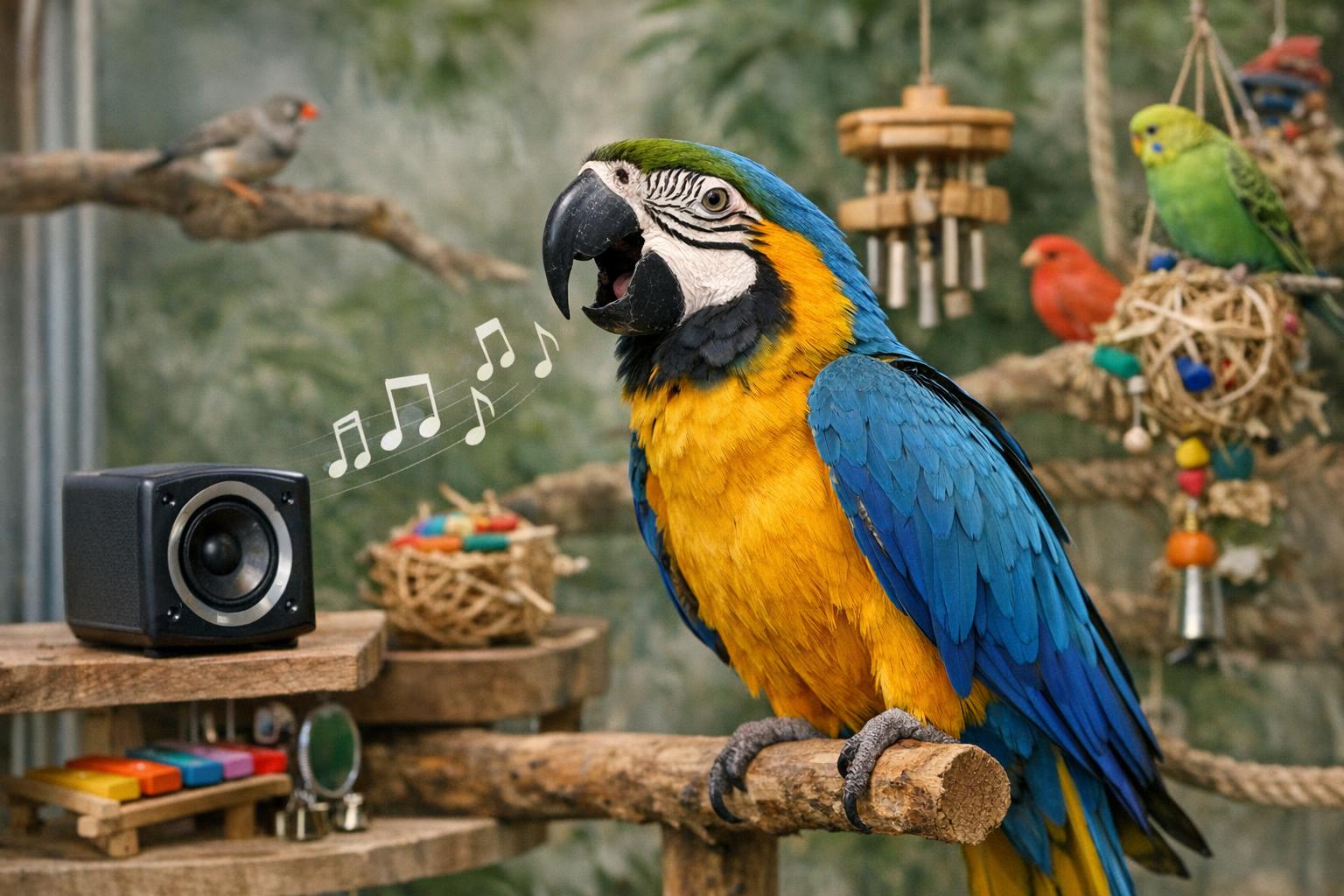
This is a tough one because it’s psychological and physical at the same time. Removing the cause—loneliness, lack of stimulation, or environmental change—helps. Adding toys, rotating enrichment, scheduled out-of-cage time, and training sessions can reduce picking. Sometimes anti-anxiety strategies or medication prescribed by a vet are necessary.
## Identifying The Root: A Practical Diagnostic Path
Start simple and work toward complex explanations.
### ### Observe And Document
Set up a photo record. Take pictures from consistent angles every few days. Note changes in appetite, droppings, activity level, and preening behavior. That timeline will help your veterinarian narrow down possibilities.
### ### Check The Environment
Look for obvious hazards: sharp cage edges, rough perches, toxic plants, candles, air fresheners, or drafts. Consider humidity and temperature. Many parrots prefer moderate humidity; extremes make feathers brittle or skin dry.
### ### Evaluate Diet And Molt
Ask whether the bird is molting; new feather sheaths look like white pins and are fragile. If the bird is molting, some feather wear is normal. Review the diet rigorously. Are pellets a mainstay? Is fresh produce offered? Have treats increased recently? Small, sustained changes in feeding often reveal nutritional causes.
### ### Inspect For Parasites
A quick check under feathers with a magnifying glass can reveal mites or lice. Look for moving specks, brown debris, or blood at follicle sites. If you suspect parasites, isolate the affected bird and avoid common bedding; treat both cage and bird as advised by your vet.
### ### Seek Veterinary Testing
If nothing obvious emerges, schedule a vet visit. Bloodwork, skin scrapings, and feather exams can identify infections, metabolic issues, or endocrine problems. Don’t skip the vet because behavioral causes can coexist with medical issues.
## Remedies That Work, With Practical Steps
Addressing avian feather damage causes and remedies means acting on the cause. Here are interventions tied to common drivers.
### ### Immediate First Aid For Traumatic Damage
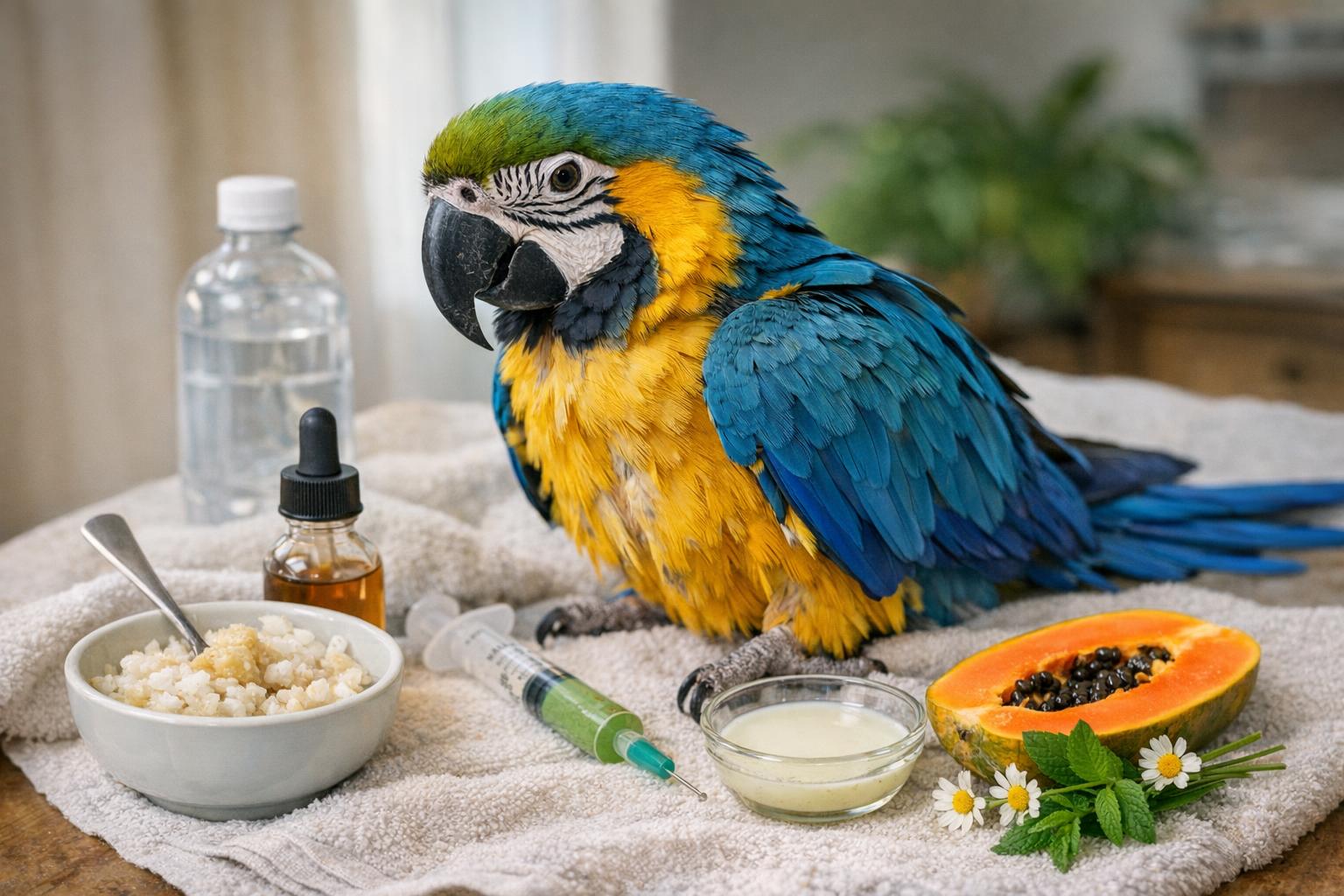
If a feather is broken and bleeding, apply gentle pressure with a clean cloth. Don’t yank a blood-feather; it will hurt and may bleed more. If bleeding won’t stop within a few minutes, see emergency care. For minor abrasions, keep the area clean and limit access while it heals.
### ### Treating Parasites Properly
Treat both the bird and its environment. Clean or replace bedding, disinfect cage bars, and treat adjacent birds if you have a flock. Use vet-approved topical or systemic treatments—do not improvise with insecticides meant for mammals. After treatment, monitor for regrowth and reduction in itching.
### ### Fixing Dietary Deficiencies
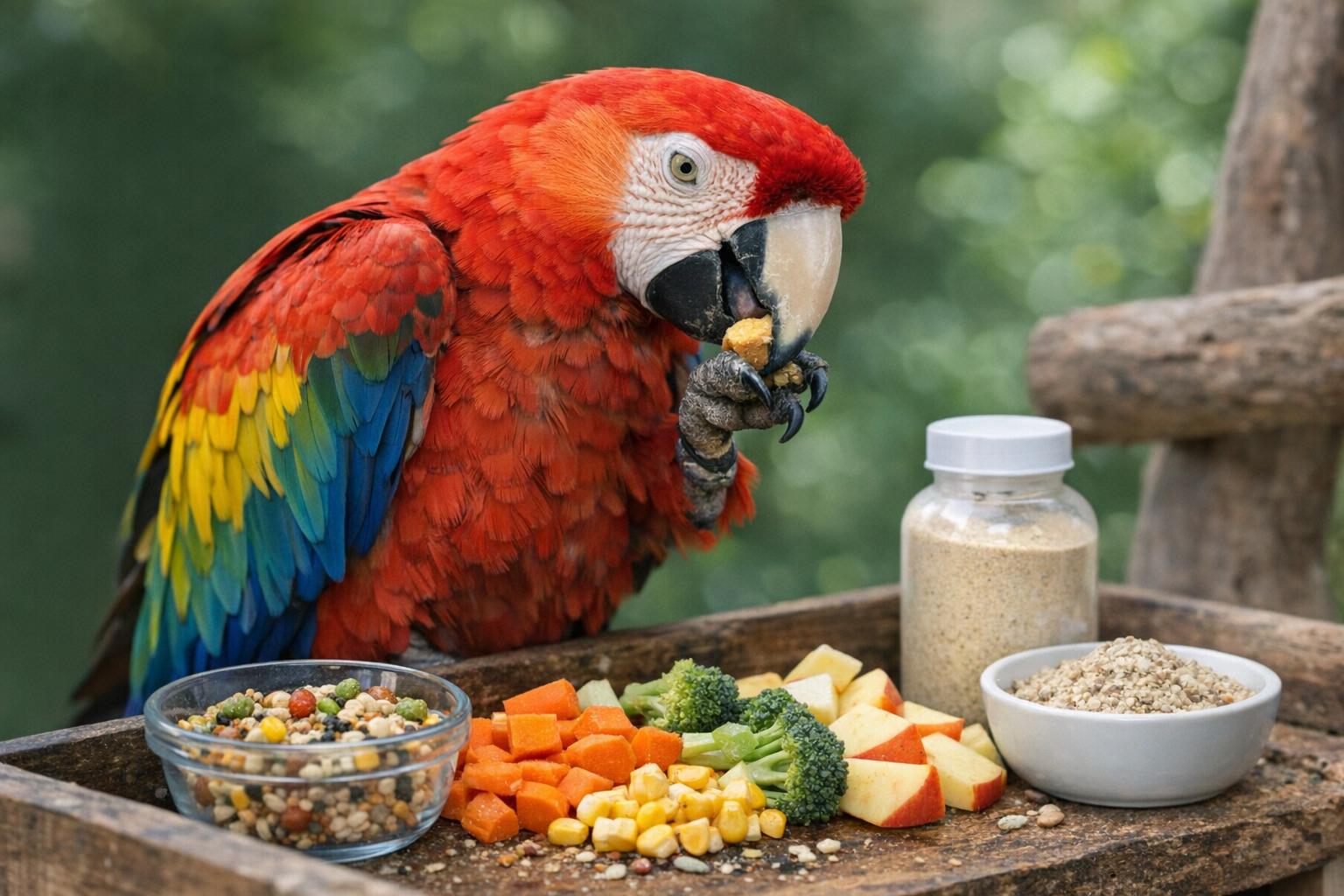
Switching to a balanced pellet diet is the most efficient fix for many cases of feather damage. Add fresh leafy greens, carrots, sweet potatoes, and occasional fruits. A small amount of cooked egg or a sprinkle of roasted, unsalted nuts provides extra protein. If the vet confirms a deficiency, they may recommend specific supplements—follow doses closely.
### ### Behavioral Interventions
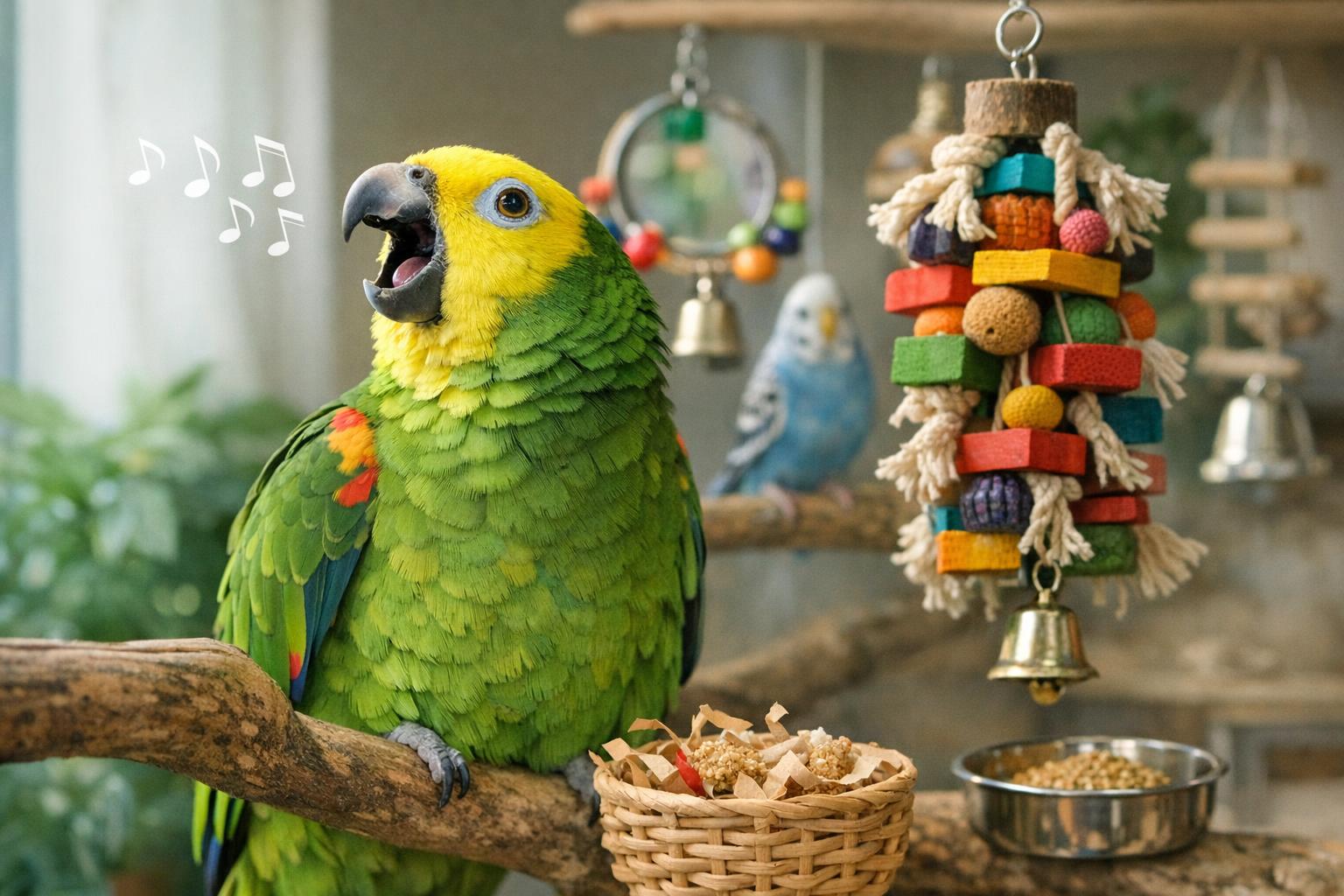
Behavioral feather picking needs layered solutions. Start with enrichment: foraging toys, puzzle feeders, and daily interaction. Rotate toys weekly to keep novelty. Establish predictable routines; birds like consistency. If the bird is stressed by household changes, create a quiet retreat space. For chronic cases, consult an avian behaviorist; medications or calming protocols can help.
#### #### Environmental Improvements
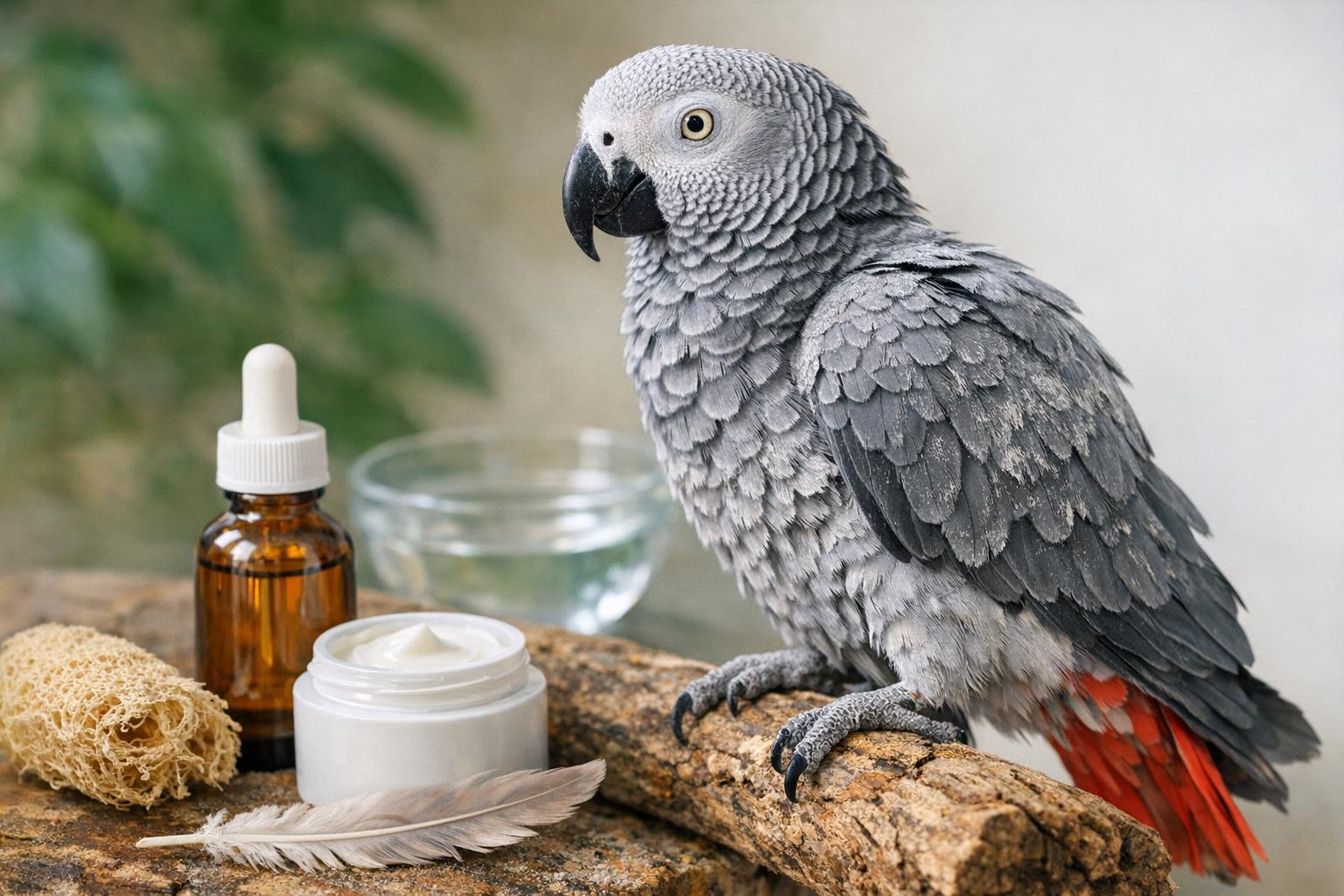
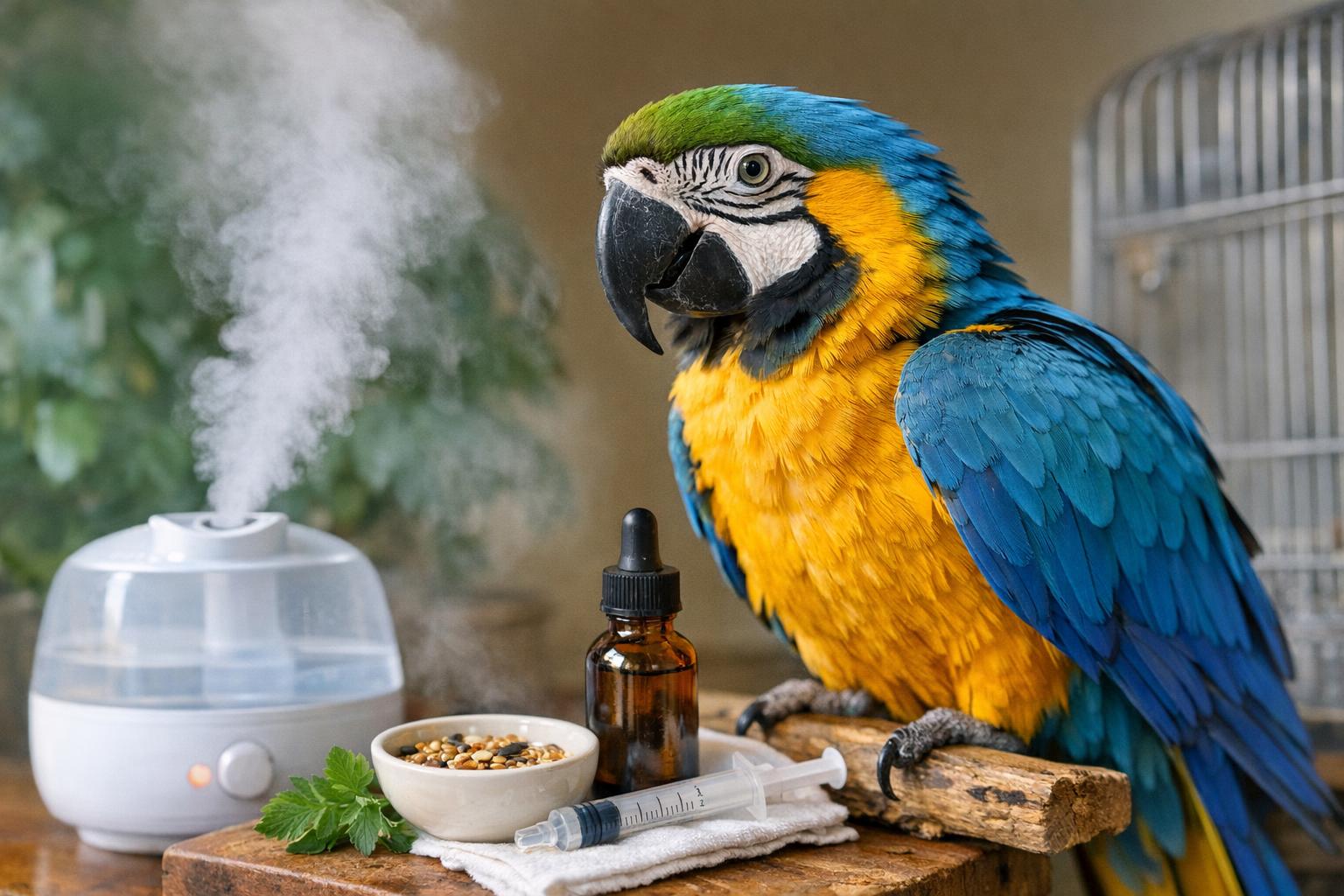
Adjust humidity and lighting. Birds under artificial lighting need a consistent day-night cycle; erratic lighting disrupts hormones and can worsen picking. Avoid exposure to secondhand smoke, aerosols, and strong cleaners. Regular bathing helps skin and feather condition—offer a shallow dish or mist gently with lukewarm water.
#### #### Medical Treatments For Underlying Disease
If tests reveal infections or endocrine disorders, follow the vet’s treatment plan precisely. Antibiotics, antifungals, or hormone therapies may be needed, and they often take weeks to show improvement in feathers. Report any side effects immediately.
## Preventing Recurrence
Once feathers begin to recover, prevention matters more than remediation. Keep monthly observations, maintain a varied diet, and continue enrichment. Replace worn toys and sanitize the cage regularly. If your bird is social, don’t underestimate the value of two birds or a reliable human schedule.
### ### Special Considerations For Breeding And Molting
Breeding birds and those in active molt have higher nutritional demands. Ensure breeders have additional protein and calcium. During a heavy molt, reduce stressful handling to avoid added feather breakage. Monitor for slow regrowth; some breeds are genetically prone to poor feather quality and will need ongoing care.
### ### When Feather Damage Affects Flight
If wing feathers are damaged asymmetrically or flight is impaired, keep your bird confined to a safe space. Prevent accidents by limiting access to stairs, open windows, and ceiling fans. Seek immediate veterinary advice if flight feathers are severely damaged; professional trimming or temporary restraint might be necessary to prevent injury.
A bird’s feathers tell a story. Read it, act deliberately, and involve professionals when medical or persistent behavioral issues are likely. That approach addresses avian feather damage causes and remedies in a way that actually works, not just stickers and quick fixes. And remember: patient, steady steps win every time. Or at least most of the time—birds are stubborn.




Leave a Reply