
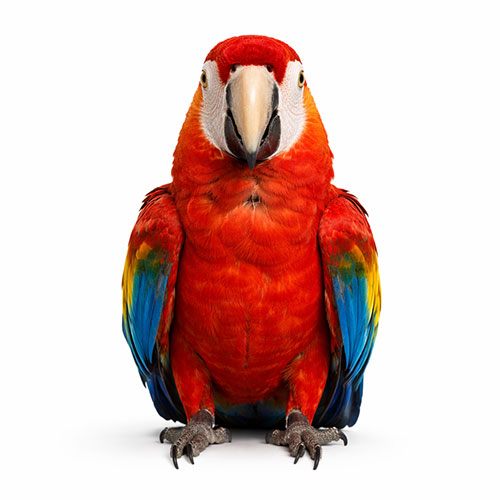

The frantic flutter, the sudden silence — when a bird goes into a digestive crisis, your heart races and your home becomes a stage for a dramatic fight for life. This is not ordinary; this is a high-stakes collapse of the tiny, intricate system that keeps your feathered friend alive. Panic is natural, but action is required. Read on for the shockingly effective do-it-yourself interventions that can restore balance to the gut and buy critical time before professional care.
## Understanding Bird Digestion Emergencies
Birds have a unique digestive tract built for speed and precision: crop, proventriculus, gizzard, intestines. Because their systems are fast and their bodies small, even mild digestive upset can escalate into a crisis in hours. When the system fails, dehydration, toxicity, and rapid weight loss follow, and what starts as decreased appetite can become life-threatening. Knowing how bird digestion works and why it can go wrong is the first line of defense.
### Why Bird Digestion Can Go Wrong
Birds are obligate feeders on specific diets; sudden changes, contaminated food, or foreign objects can block the crop or inflame the gut. Common causes include:
– Inappropriate human food (high-fat scraps, avocado)
– Moldy seed mixes or damp pellets that harbor toxins
– Foreign objects or overly large seed hulls causing impaction
– Bacterial, viral, or protozoal infections
– Stress-related crop stasis linked to environmental changes
Even seemingly minor issues—such as a single moldy sunflower seed—can upset the delicate microbial balance needed for proper bird digestion and result in rapid deterioration.
### Recognizing The Red Flags
Time is everything. Watch for:
– Refusal to eat for more than 12 hours
– A visibly distended or hard crop
– Regurgitation, drooling, or foul-smelling droplets
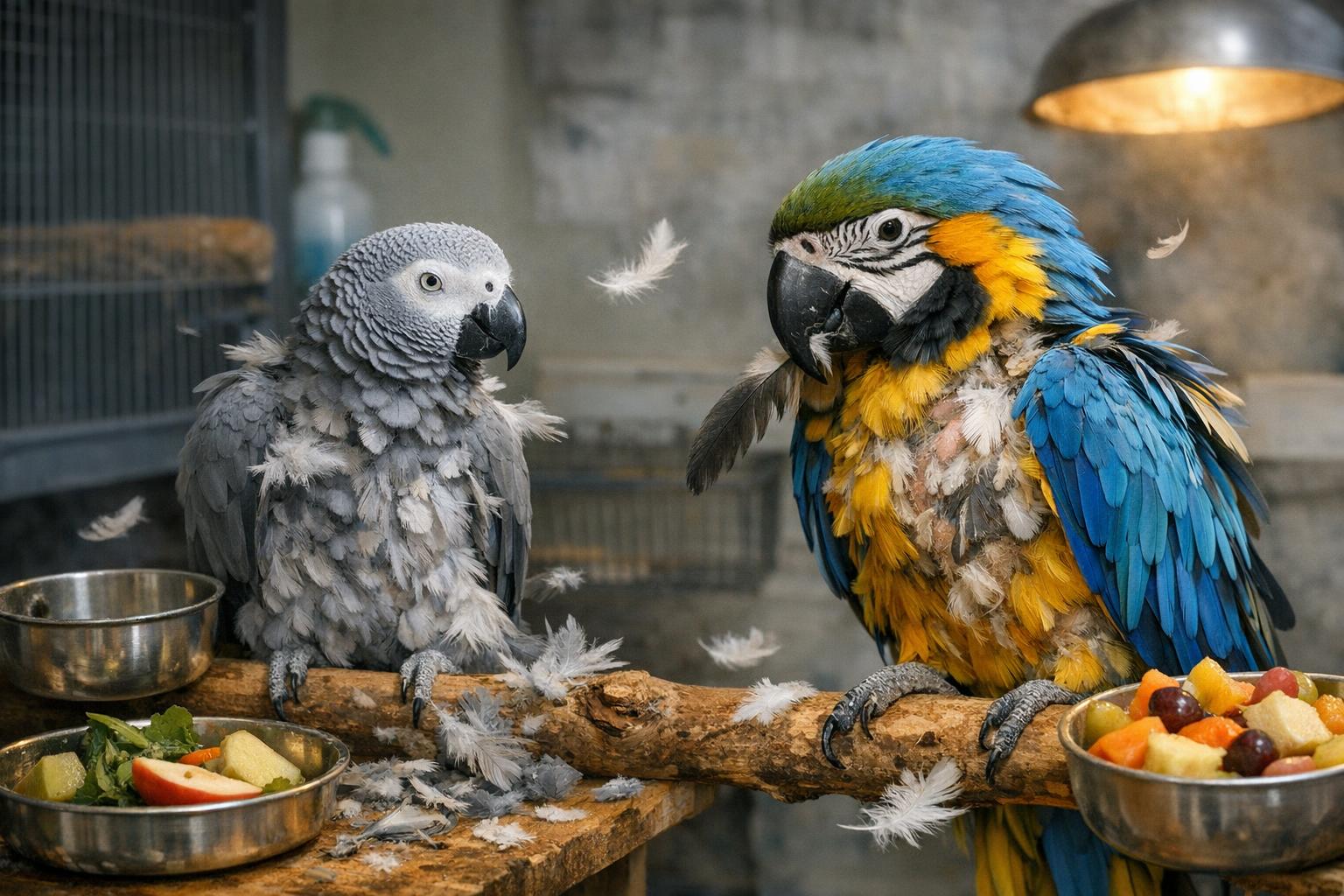
– Lethargy, fluffed feathers, or unusual posturing
– Diarrhea, green urates, or blood in droppings
If you observe these, treat the situation as urgent. Stabilize the bird, reduce stressors, and prepare for immediate supportive care.
## Emergency First Aid For Bird Digestion
Quick, measured actions can prevent a crisis from becoming fatal. Stabilization focuses on warmth, hydration, and removing ongoing exposure to toxins or problematic foods.
### Immediate Steps To Stabilize
1. Warmth: Birds with digestive distress can become hypothermic. Place the bird in a quiet, dim, warm (not hot) environment. Use a thermostat-controlled heating pad set to low under half the cage or a warm (not hot) towel.
2. Hydration: Offer lukewarm, plain water. If the bird will not drink voluntarily, do not force water into the beak unless trained; misdelivery can cause aspiration.
3. Isolation: Remove contaminated food or substrate to prevent further ingestion. Move the bird away from other pets and bright light to reduce stress.
4. Observe: Monitor respiration, droppings, and any changes in crop size every 15–30 minutes.
If breathing becomes labored, or the bird enters seizures, contact an avian veterinarian immediately. The remedies below are designed to support and restore gut function while you seek professional care or as adjuncts to veterinary treatment.
## 1) Probiotic Hydration Spray For Bird Digestion
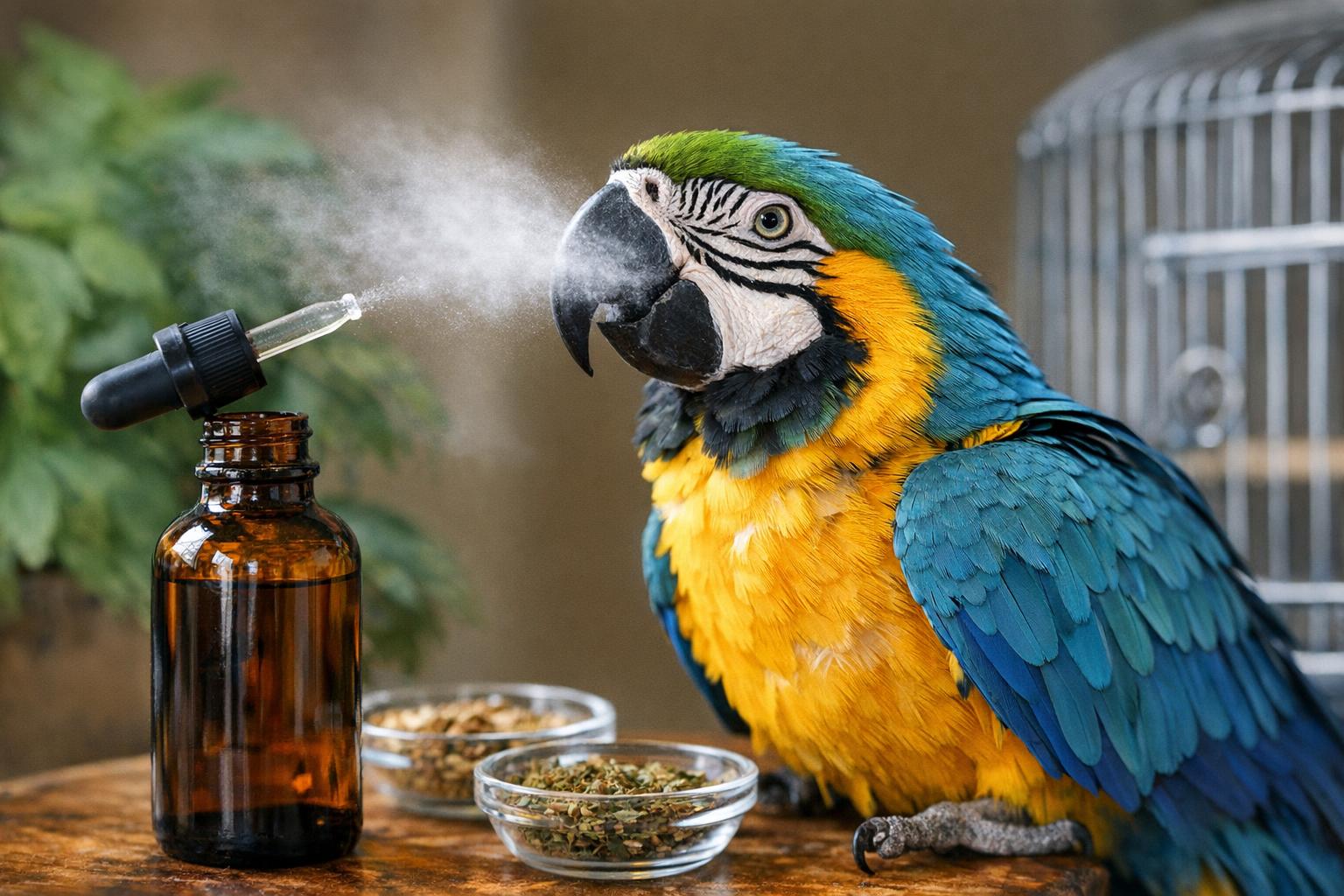
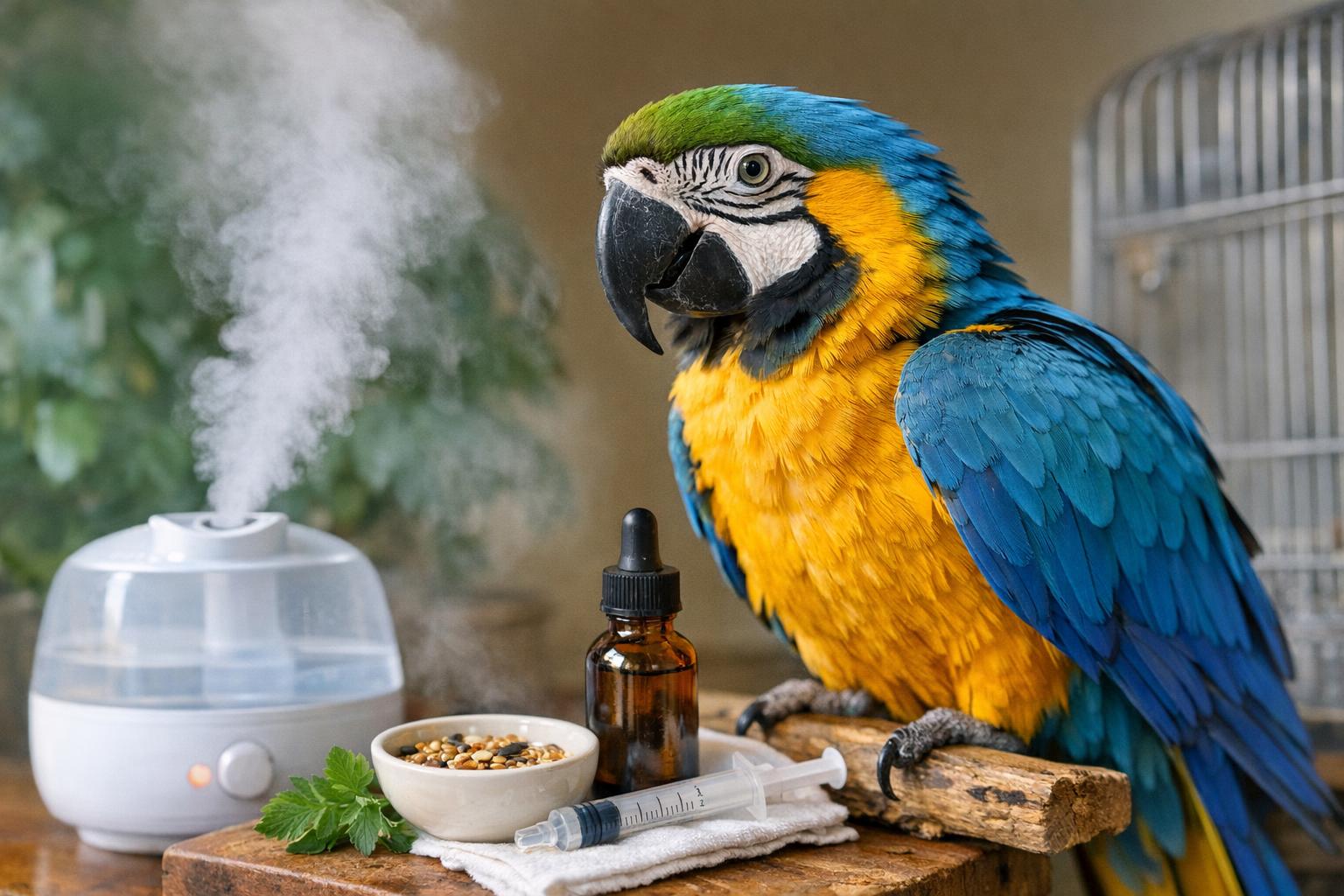
When the microscopic balance of the gut collapses, repopulation with beneficial microbes is a formal, evidence-based step to restore digestion. This solution is a liquid probiotic-based spray to hydrate and introduce friendly bacteria directly to the beak and upper digestive tract. Use this as a supportive measure for mild to moderate cases; severe or obstructive conditions require vet care.
### Ingredients And Materials
– 1 capsule of avian-safe probiotic powder (lactobacillus-based; avian-specific product preferred)
– 60 ml (2 fl oz) sterile saline or boiled-and-cooled water
– 1 small clean spray bottle (10–20 ml capacity) with fine mist nozzle
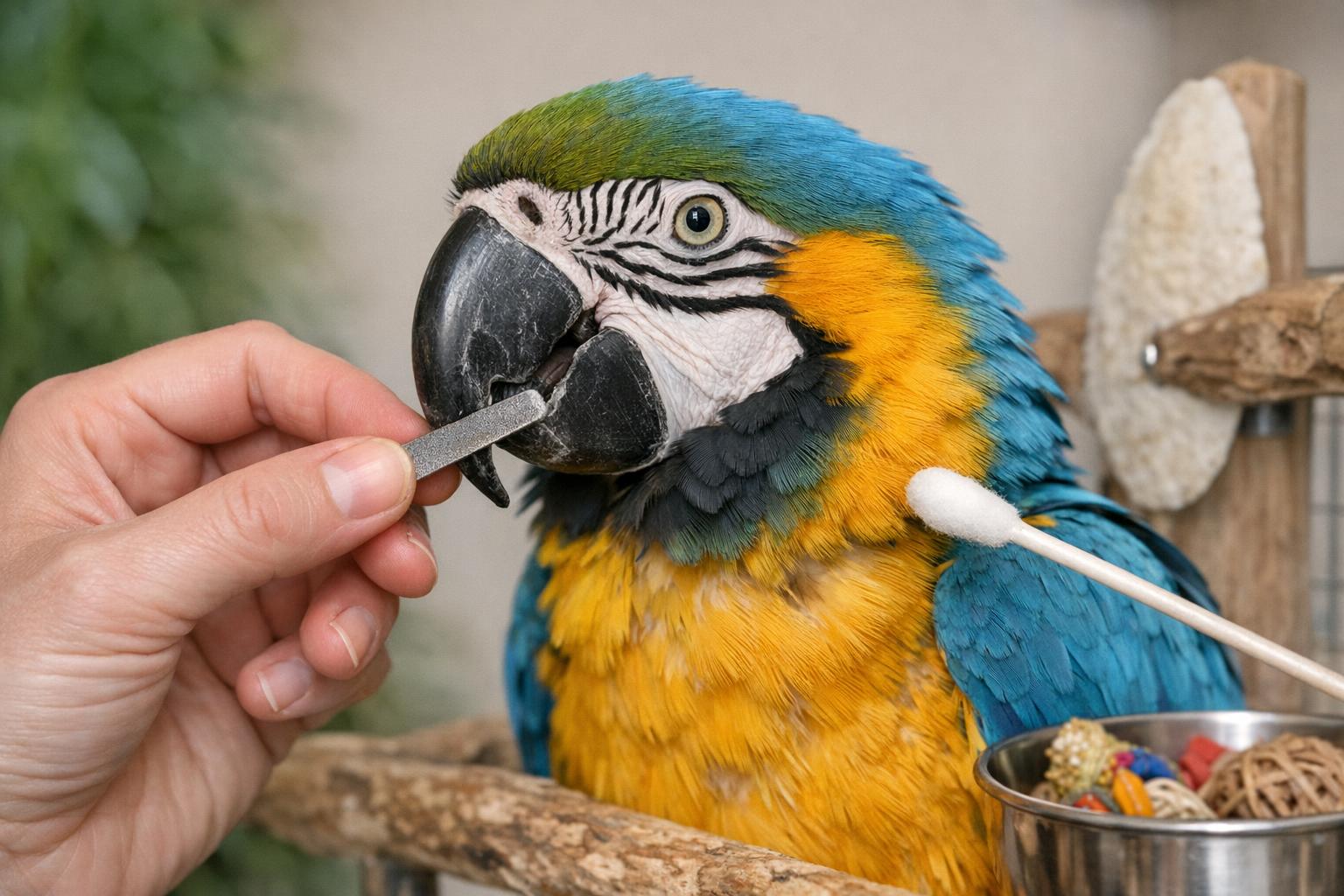
– Cotton swabs and clean towels
– Gloves and clean working surface
### Step-By-Step Creation And Application
1. Sanitize all equipment with hot water and mild dish soap; rinse thoroughly.
2. Open the probiotic capsule and dissolve the powder in 60 ml of sterile saline or cooled boiled water. Gently swirl until evenly mixed.
3. Pour the mixture into the small spray bottle using a sterile funnel or a clean pour to avoid contamination.
4. Test the spray outside the bird’s cage to ensure a fine mist and no drips.
5. To apply: hold the bird securely but gently (wrap in a towel to minimize movement). Aim the nozzle toward the beak at a distance of 6–10 cm and deliver a single light mist into the open beak area. Avoid spraying directly down the throat to reduce aspiration risk.
6. Allow the bird to swallow naturally. Administer 2–3 mists every 4–6 hours for 24–48 hours, monitoring for improved appetite and normal droppings.
7. Discard remaining solution after 48 hours to prevent microbial overgrowth, and clean the spray bottle thoroughly before future use.
Notes: Use only avian-friendly probiotics. Human formulations may contain strains or additives unsuitable for birds. If the bird regurgitates or shows respiratory distress after application, stop immediately and seek veterinary attention.
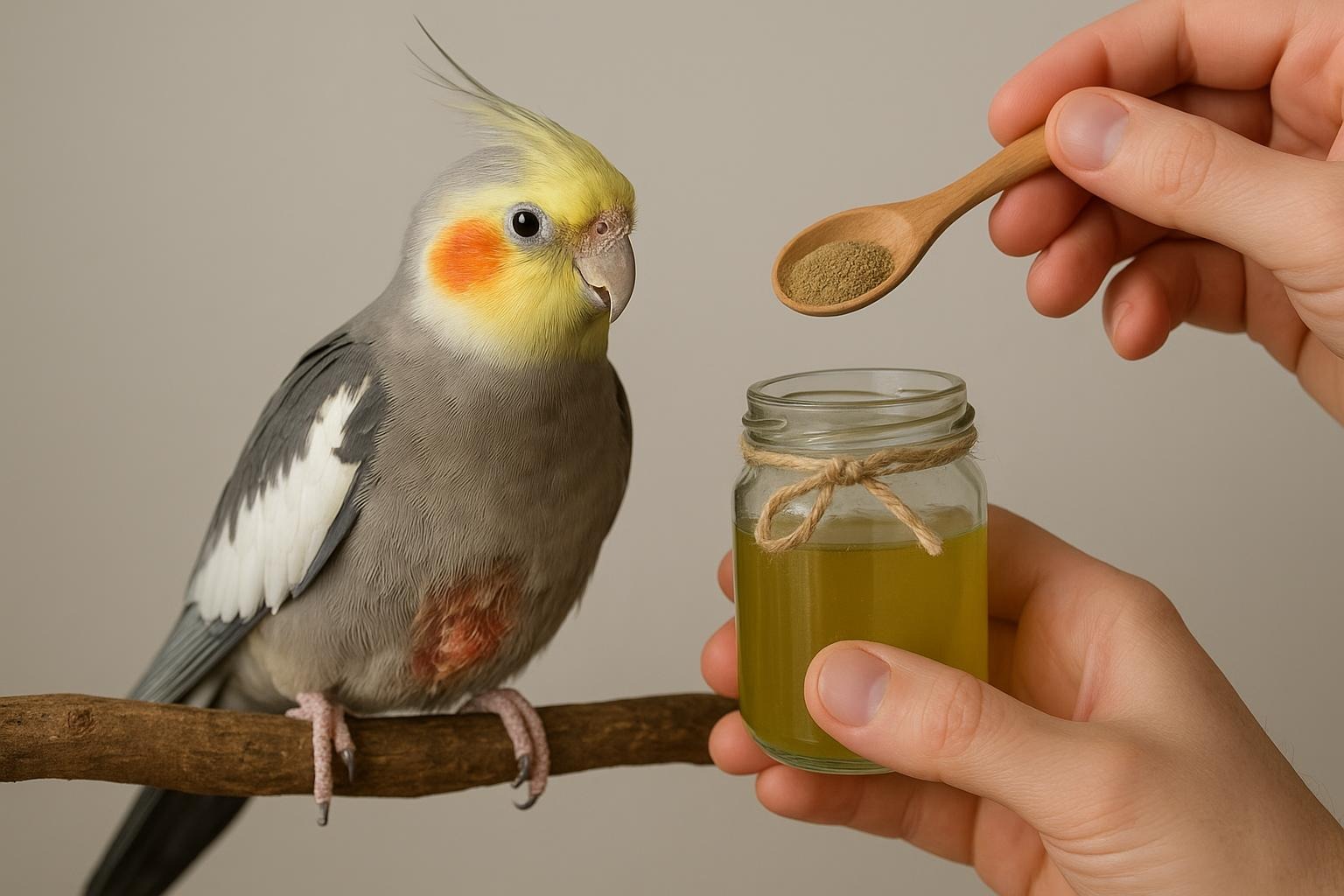
## 2) Soothing Herbal Mash To Support Bird Digestion
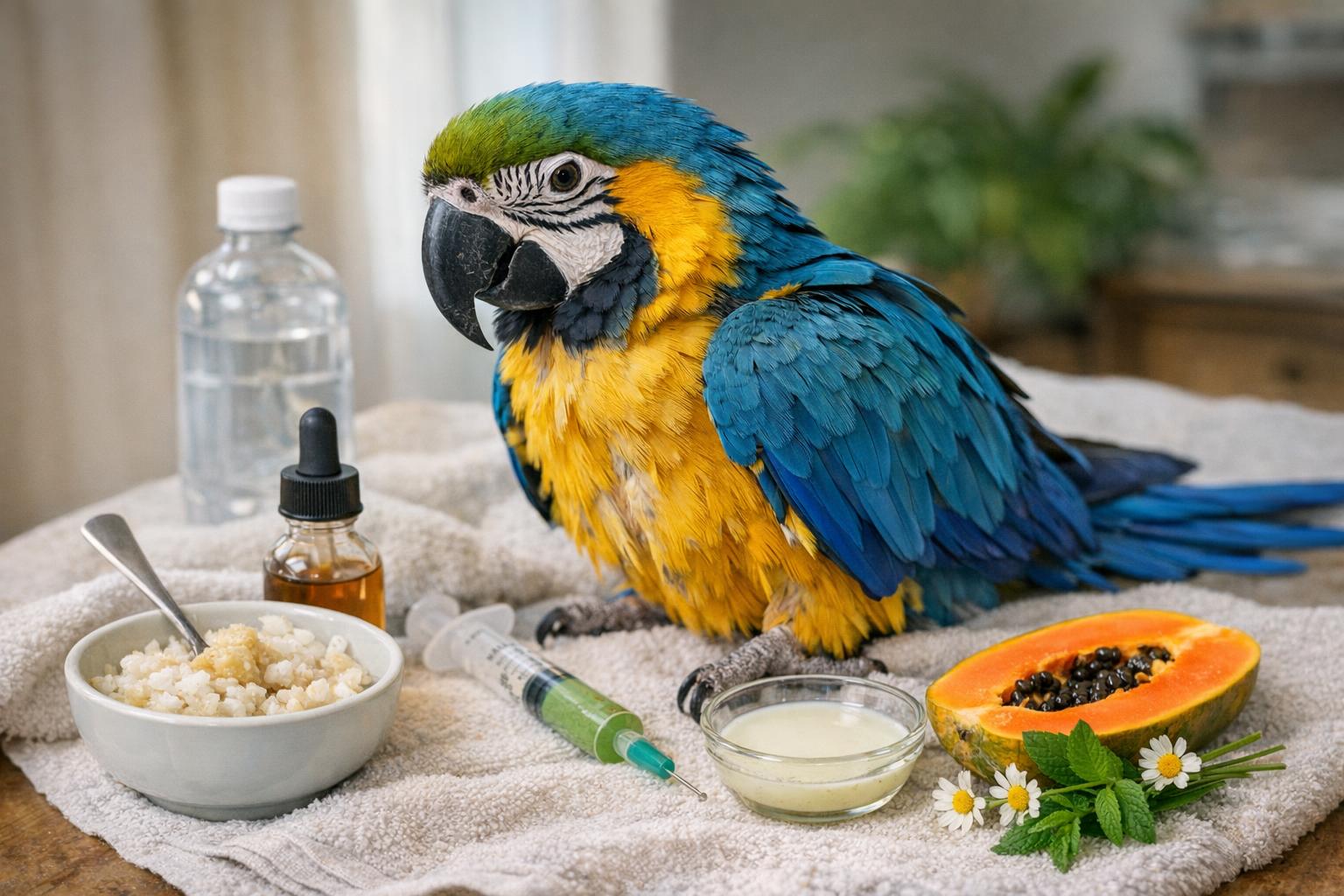
A bland, easily digestible mash can settle an upset gut, provide gentle fiber, and deliver mild anti-inflammatory benefits. This remedy uses easily obtained kitchen and herbal ingredients to create a nutritionally supportive meal replacement while the bird recovers.
### Ingredients And Materials
– 1 tablespoon plain cooked white rice or cooked rolled oats (no additives)
– 1 teaspoon plain yogurt (unsweetened, live cultures; use avian-appropriate brand if available)
– 1/8 teaspoon ground slippery elm or powdered psyllium (mucilage-forming, soothes gut lining)
– 1 small pinch of dried chamomile (optional; calming)
– Bottled or boiled-and-cooled water to adjust consistency
– Small feed spoon and clean bowl
– Gloves
### Step-By-Step Creation And Application
1. Prepare the base: cook the rice or oats plainly; cool to lukewarm.
2. In a clean bowl, mash 1 tablespoon of rice or oats to a smooth consistency. Add yogurt and the powdered mucilage agent (slippery elm or psyllium). Mix well.
3. If using chamomile, steep a pinch in 1 tablespoon of boiled water for 2 minutes, strain, and add one teaspoon of this cooled infusion to the mash.
4. Adjust thickness with cooled water to create a porridge-like, spoonable texture that the bird can swallow easily.
5. Offer the mash on the tip of a clean spoon. If the bird is unwilling to feed, do not force-feed unless trained; instead, present the spoon near the beak to encourage self-feeding.
6. Feed small amounts (a few drops to a teaspoon depending on bird size) every 2–4 hours until appetite and droppings normalize.
7. Continue no longer than 48–72 hours without veterinary evaluation if improvement stalls.
Precautions: Avoid honey, salt, sugars, or cow’s milk. Yogurt should be plain and unsweetened; many birds tolerate small amounts, but some species (e.g., nectar-eaters) require specialized diets—consult a vet for species-specific adjustments.
## When To See A Vet And Safety Notes
Even the best DIY interventions are supportive, not definitive care for many conditions. Seek immediate veterinary attention if:
– The crop is markedly distended or hard and not emptying
– The bird becomes lethargic, unresponsive, or has labored breathing
– There is blood in vomit or droppings, or seizures occur
– No improvement after 24 hours of supportive care
Professional diagnostics (radiographs, crop flushes, lab tests) and treatments (fluids, prescription antibiotics, crop surgeries) may be necessary. Emphasize to your vet any home remedies you used — substances like essential oils, unapproved probiotics, or herbal concentrates can interfere with treatment.
### Safety Reminders For Home Care
– Never force liquids into the throat unless trained; aspiration pneumonia is a common and deadly complication of improper syringe feeding.
– Use only avian-safe products; many human supplements contain toxic additives for birds.
– Maintain strict hygiene to prevent secondary infections: wash hands, sanitize equipment, and replace bedding.
## Preventing Future Digestive Crises
Vigilance and good husbandry prevent most crises. Consistently rotate and clean foods, store seeds in airtight containers, offer a varied, species-appropriate diet, and avoid abrupt diet changes. Regular weight checks and weekly crop observation will alert you to trouble long before it becomes dramatic. Minimize stressors, maintain clean water sources, and schedule annual check-ups with an avian veterinarian.
Act fast, act smart, and use these formal, measured remedies to stabilize and support your bird’s fragile digestive system while you coordinate professional care.


Leave a Reply