
## Aging Dog Health Tips For Everyday Care
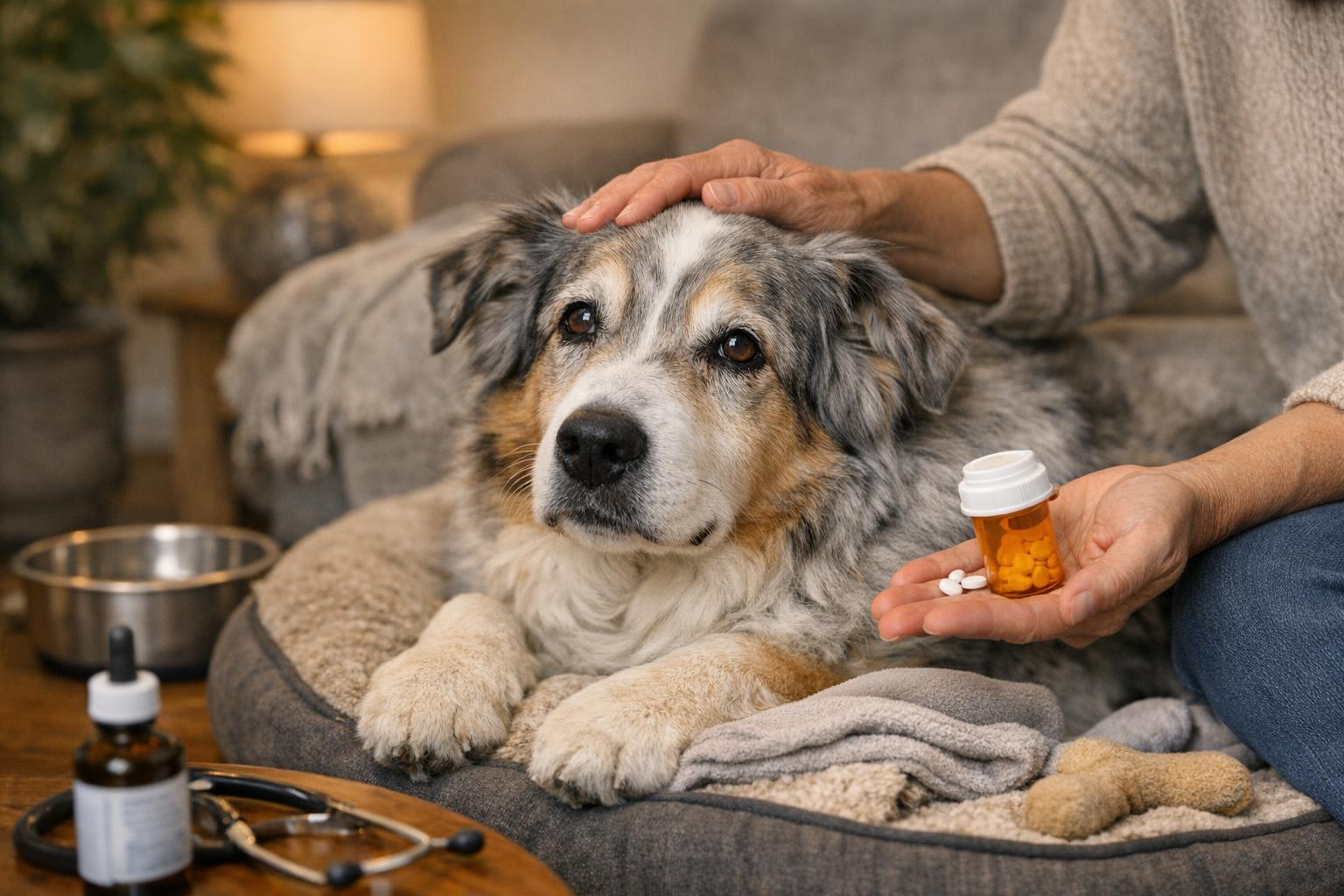
Caring for a senior dog means adapting routines, environment, nutrition, and medical oversight to support comfort and longevity. These aging dog health tips focus on practical, veterinarian-aligned actions you can begin immediately to reduce pain, maintain mobility, and support mental well-being. Use them as a checklist to guide conversations with your veterinarian and to prioritize changes that make day-to-day life easier for your pet.
### Recognize Common Signs Of Aging Early
Dogs age differently by breed and size, but many show the same early warning signs: subtle stiffness after rest, slower walking, decreased enthusiasm for play, weight gain or loss, changes in appetite, urinary accidents, and altered sleep patterns. Observing and recording these changes is one of the most impactful aging dog health tips you can use to catch problems while they are still manageable.
### Prioritize Regular Veterinary Screening
Routine exams every six months become more important as dogs age. Senior dogs are more likely to develop chronic conditions—arthritis, kidney disease, heart disease, dental disease, and endocrine disorders—that benefit from early detection. Discuss baseline blood work, urinalysis, and, where indicated, blood pressure measurement and imaging. Incorporating laboratory screening into your schedule is a core component of senior dog health management.
### Adjust Nutrition For Age And Condition
Diet plays a central role in aging dog health. Senior dogs often need food formulated for reduced calories if they are less active, or higher-quality protein and joint-support nutrients if they are losing muscle mass. Consider diets with:
– Controlled calories and high-quality protein
– Added omega-3 fatty acids (EPA/DHA) for inflammation control
– Controlled phosphorus and sodium for kidney or cardiac concerns
– Supplements such as glucosamine and chondroitin when appropriate
Always transition diets gradually and consult your veterinarian before starting weight-loss plans or supplements. Proper nutrition is a cornerstone of senior dog health and can slow functional decline.
### Build A Low-Impact Exercise Routine
Maintaining mobility is essential. Gentle, consistent activity preserves muscle mass, joint range of motion, and cardiovascular health. Practical aging dog health tips for exercise include short leash walks multiple times daily, slow-paced swimming for non-weight-bearing exercise, and low-step hill work. Avoid abrupt increases in duration or intensity, as seniors tolerate change more slowly. If arthritis is present, physical therapy, underwater treadmill sessions, or laser therapy may be recommended by your veterinarian.
### Manage Pain And Mobility Proactively
Pain in older dogs is often underdiagnosed. Watch for reduced activity, reluctance to climb stairs or jump, irritability, disturbed sleep, and slower responses. Pain management strategies that support aging dog health include:
– Veterinary-prescribed analgesics (NSAIDs, gabapentin, tramadol when appropriate)
– Disease-modifying agents (adequate doses of omega-3s, prescription joint diets)
– Physical therapy and structured rehabilitation
– Orthopedic supports and ramps to avoid jumping
– Weight management to reduce joint load
Discuss long-term pain control with your veterinarian; do not give human medications without explicit instruction.
### Create A Senior-Friendly Home Environment
Home modifications are simple yet powerful aging dog health tips. Reduce fall risks and make movement easier by:
– Installing non-slip surfaces or rugs on slippery floors
– Providing ramps or steps to access couches or beds
– Raising food and water bowls to a comfortable height
– Offering an orthopedic bed with bolsters and firm support
– Keeping commonly used items and litter/training pads accessible
These changes reduce stress and help preserve independence.
### Maintain Dental Health As A Priority
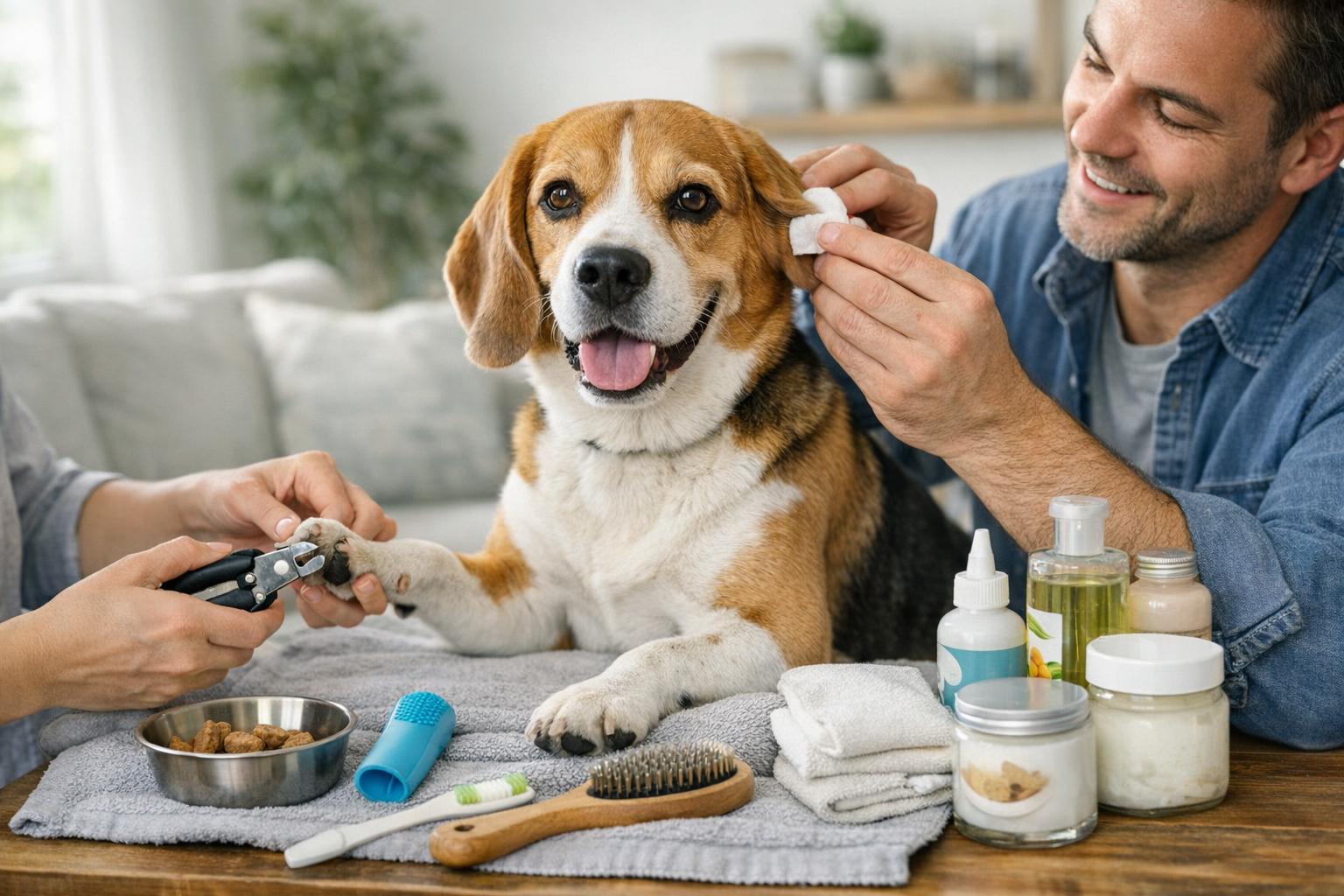
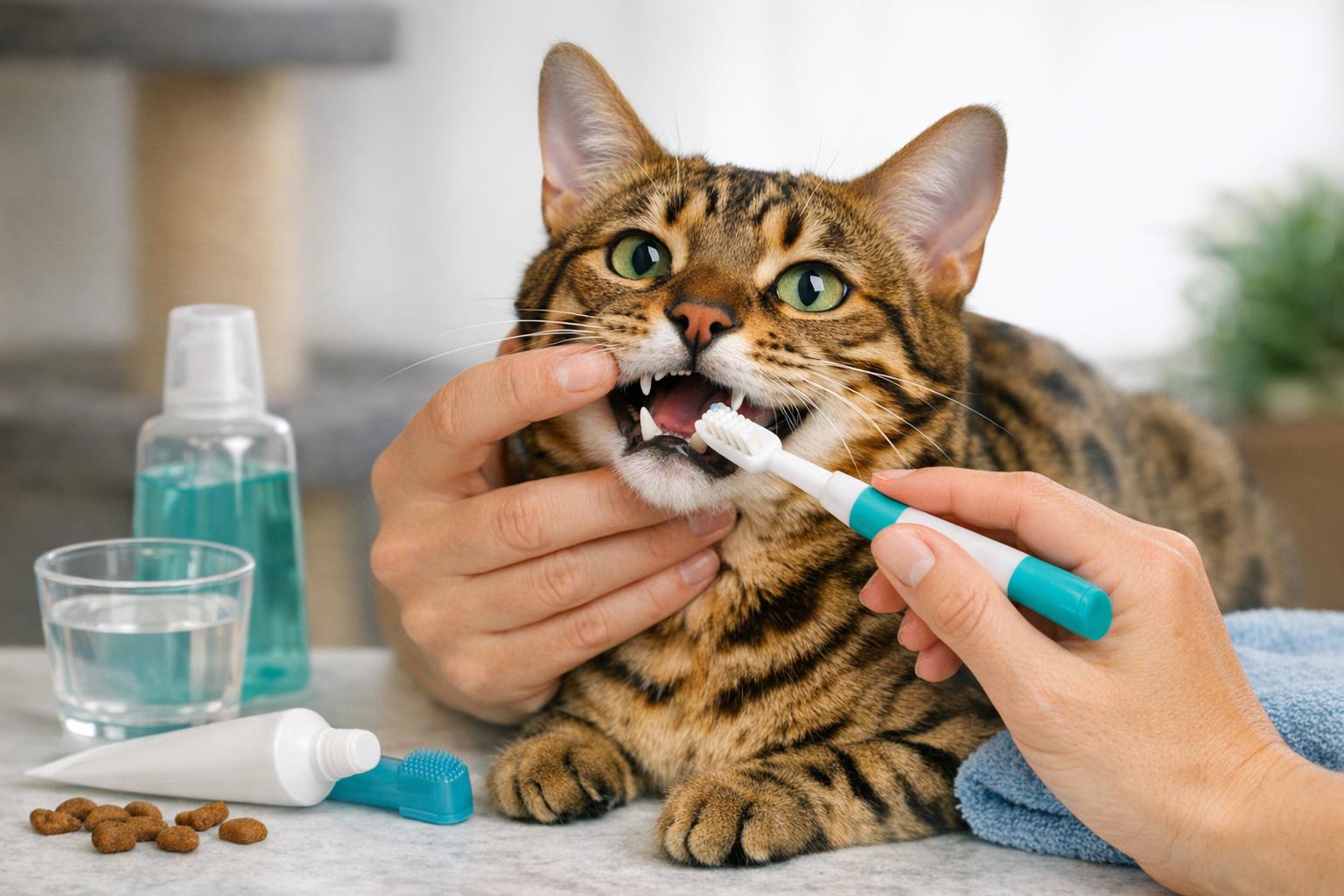
Oral disease contributes to systemic inflammation and pain. Regular dental exams and professional cleanings when indicated are a vital part of senior dog health. Home dental care—daily toothbrushing with canine toothpaste, dental chews approved by your veterinarian, and oral rinses—reduces plaque and gingivitis. If breath or chewing changes are noted, schedule a veterinary dental check promptly.
### Support Cognitive Function Through Enrichment
Cognitive decline is common but can be mitigated. Mental stimulation maintains neural pathways and improves quality of life. Senior dog health activities include scent games, slow-feeder puzzles, short training sessions with low-impact reward-based cues, and consistent routines. Environmental enrichment paired with physical exercise provides compound benefits for aging dog health.
### Watch Weight Closely
Both obesity and unintended weight loss are common in older dogs and carry health consequences. Regular weigh-ins, reminders to measure portions, and calorie-appropriate diets are simple aging dog health tips that prevent extra strain on joints and organs. If weight changes occur despite stable feeding, seek veterinary assessment for underlying disease.
### Use Appropriate Supplements Judiciously
Supplements can help but require caution. Common additions include omega-3 fatty acids for anti-inflammatory effects, and joint supplements like glucosamine and chondroitin. Probiotics or digestive enzymes may assist dogs with GI sensitivity. When considering supplements, follow these steps:
– Consult your veterinarian to confirm safety and dosing
– Choose reputable brands with transparent ingredient lists
– Monitor for side effects and interaction with medications
Thoughtful use of supplements supports senior dog health when combined with veterinary oversight.
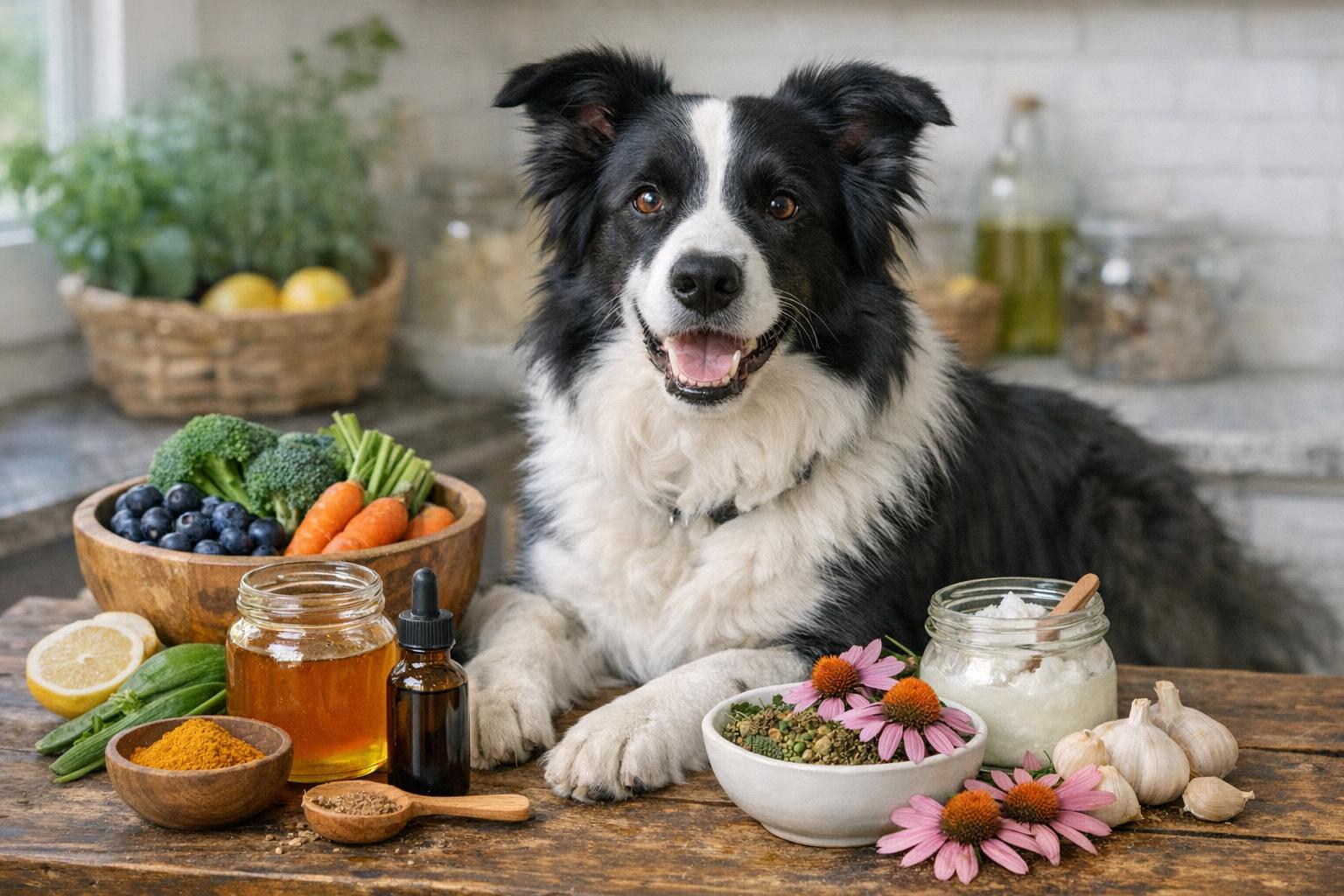
### 1. Homemade Joint-Support Turmeric Paste (Remedy)
This remedy is intended as a supportive adjunct to veterinary care for dogs with mild inflammatory discomfort. It is not a substitute for prescribed medications. Use only under veterinary approval, particularly for dogs on blood thinners or with liver disease.
Ingredients / Materials:
– 1 teaspoon organic turmeric powder
– 1/4 teaspoon freshly ground black pepper (piperine enhances absorption)
– 1 teaspoon virgin coconut oil or extra virgin olive oil
– Optional: 1/4 teaspoon plain, unsweetened yogurt (to aid palatability)
– Small airtight container for storage
– Measuring spoons and a small bowl
Step-by-Step Creation And Application:
1. Combine turmeric, black pepper, and oil in the bowl and mix into a smooth paste.
2. If desired, add a small amount of yogurt to improve taste and consistency.
3. Store in the airtight container in the refrigerator for up to 7 days.
4. Initiate with a conservative dose: for small dogs start at a pinch once daily, for medium dogs 1/4 teaspoon, for large dogs up to 1/2 teaspoon. Confirm dose with your veterinarian based on weight and medical status.
5. Apply paste onto a small amount of food or a treat to ensure full ingestion.
6. Monitor for signs of gastrointestinal upset or changes in stool and discontinue if any adverse reactions occur.
7. Reassess efficacy with your veterinarian after several weeks and adjust, stop, or continue under guidance.
This formalized preparation uses evidence-based constituents but must be integrated into a broader pain-management plan prescribed by a veterinarian.
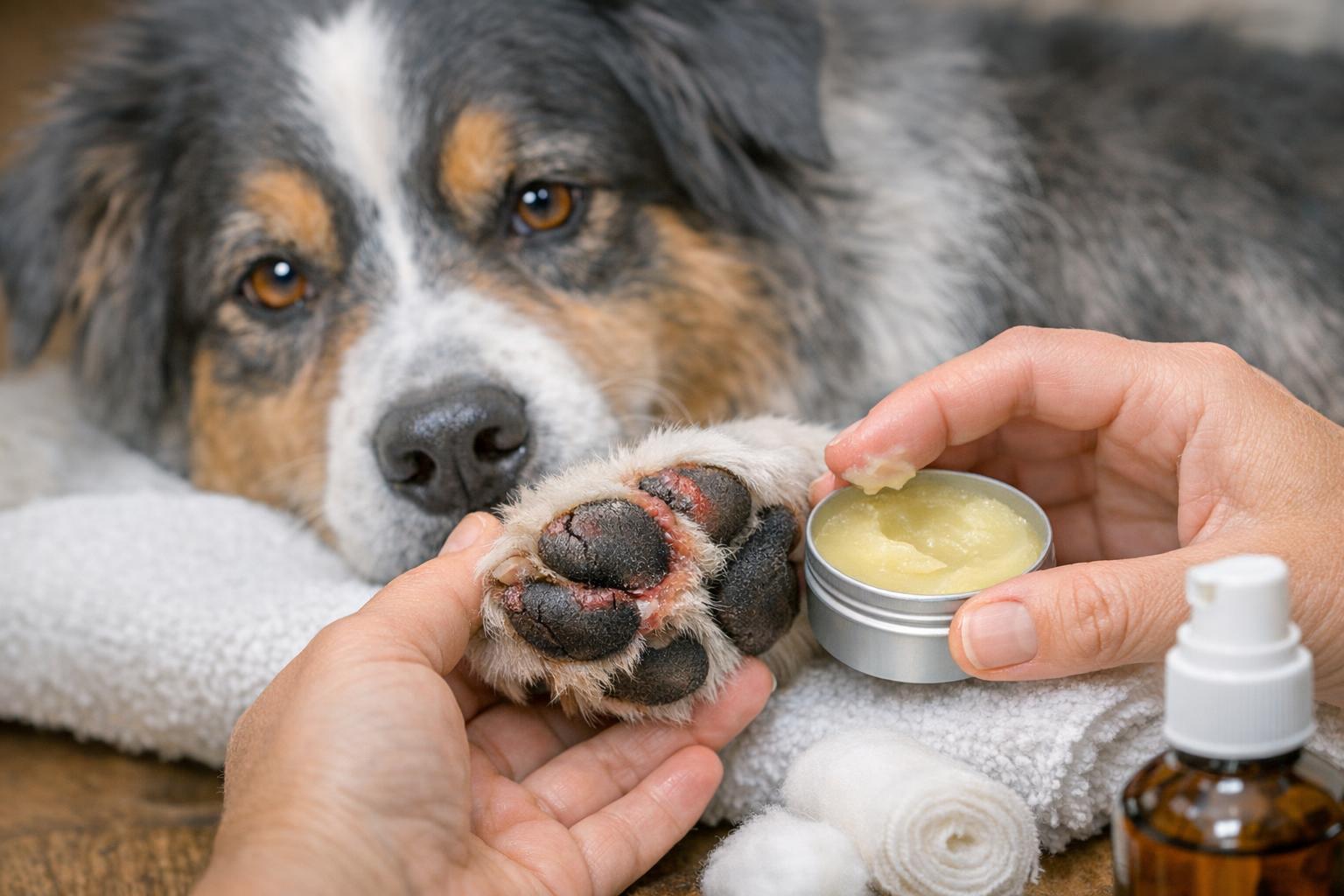
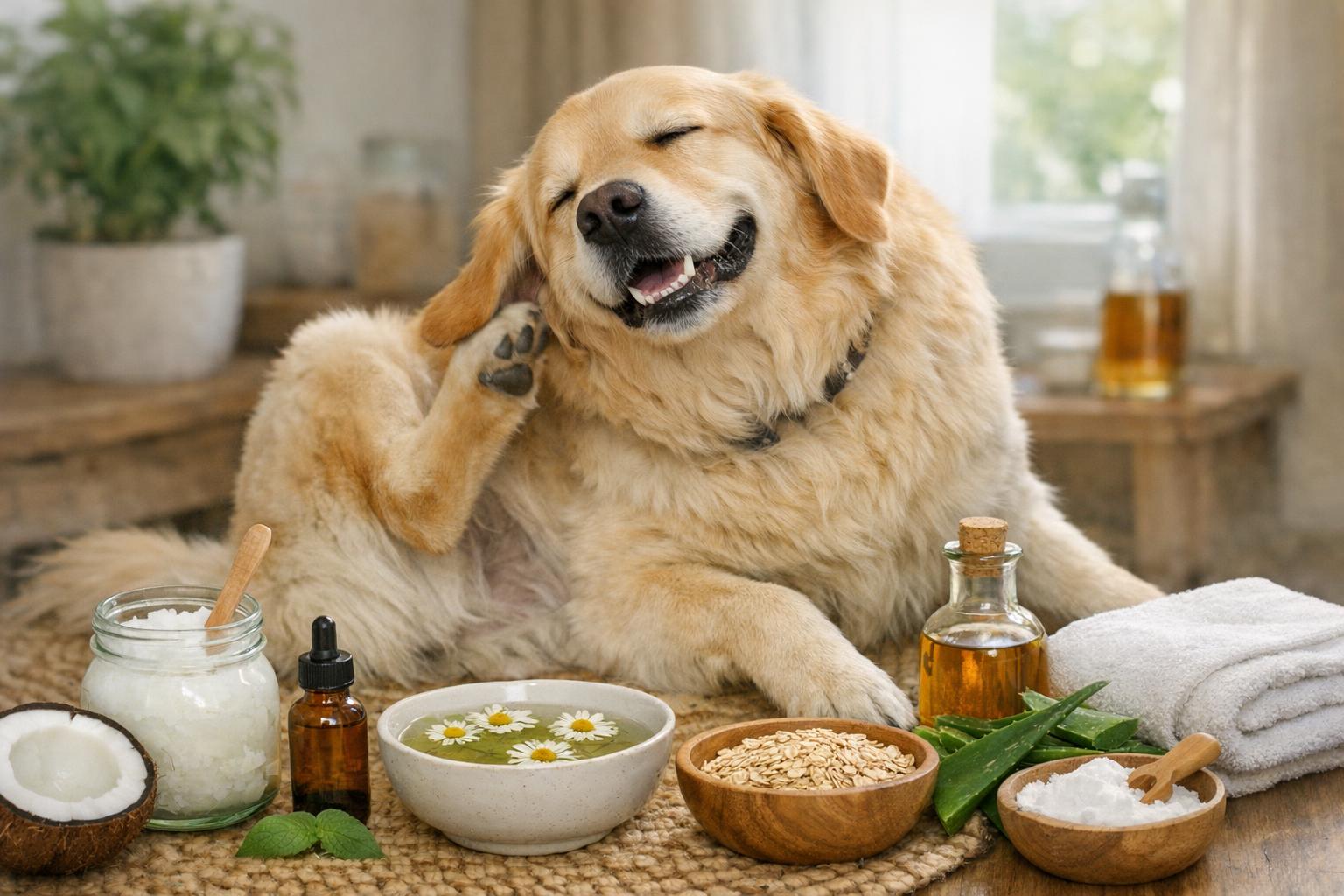
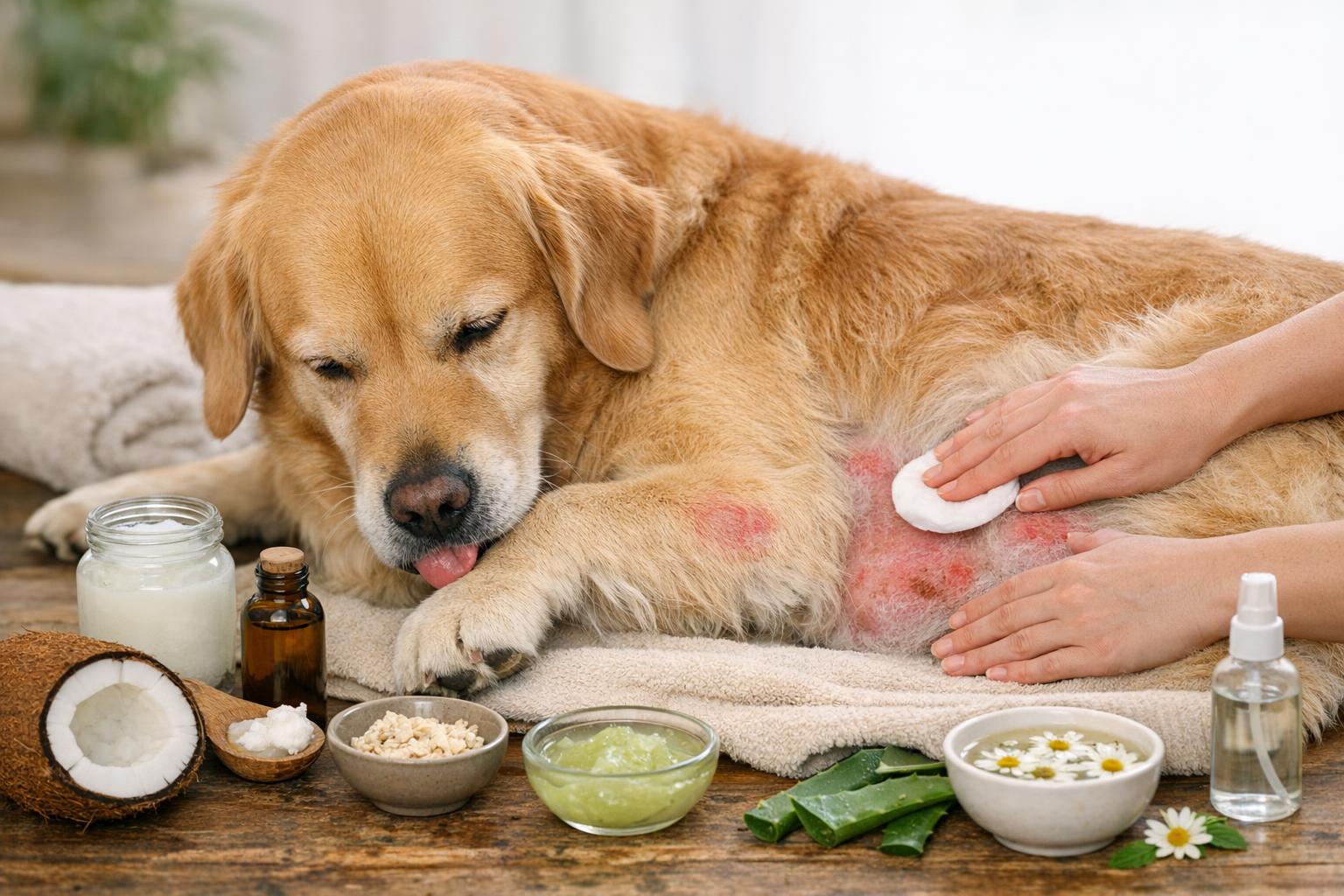
### 2. Calming Paw Soak For Dry Or Cracked Pads (Remedy)
A soothing topical soak can relieve cracked pads and promote healing. This remedy is for intact skin; do not use on open wounds without veterinary approval.
Ingredients / Materials:
– 1 cup colloidal oatmeal (finely ground)
– 1 cup warm distilled water
– 1 tablespoon coconut oil (melted)
– Clean shallow basin
– Soft towel
Step-by-Step Creation And Application:
1. Fill the basin with warm (not hot) distilled water sufficient for the dog to place one paw comfortably.
2. Stir in colloidal oatmeal until the water appears milky and suspends the powder.
3. Add melted coconut oil and gently mix to disperse.
4. Place your dog in a secure position; gently immerse one paw for 5–10 minutes. Keep sessions calm and brief to avoid stress.
5. Pat the paw dry with a soft towel; if tolerated, apply a thin layer of coconut oil to the pad and rub in gently.
6. Repeat 1–2 times daily for up to 7 days. If cracking persists or there is discharge, consult your veterinarian for potential infection or systemic causes.
Apply remedies with formal monitoring and document outcomes to share with your veterinarian.
### Monitor Progress And Adjust Plans
Keep a journal of mobility, appetite, elimination, grooming, sleep, and mood changes. Photographs and short video clips of gait can be helpful for veterinary consultations. Routine monitoring and timely communication with your veterinary team embodies the proactive approach central to all aging dog health tips.
#### Maintain Regular Communication With Your Veterinary Team
Establish clear lines of communication and scheduled rechecks. Medication reviews, reassessment of pain control, and updates on mobility or cognition changes should be conducted regularly. This collaborative model is the most reliable method to maintain senior dog health across incremental changes.
#### Invest In Comfort And Quality Of Life
Small investments—orthopedic bedding, raised feeders, non-slip mats, and ramps—deliver outsized benefits in daily comfort. Adjust expectations and activities to what your dog can enjoy safely. Implementing these aging dog health tips will preserve dignity and improve daily functioning for senior dogs while fostering a proactive, compassionate standard of care.


Leave a Reply