

Healthy fins matter more than most hobbyists think. Ragged edges or clamped tails aren’t just cosmetic—they change how a fish swims, eats, hides, and fights off infections. You can prevent a lot of problems by paying attention to a few practical things and acting early when something looks off.
## Fin Health Tips For Aquarium Fish Start With Water Quality
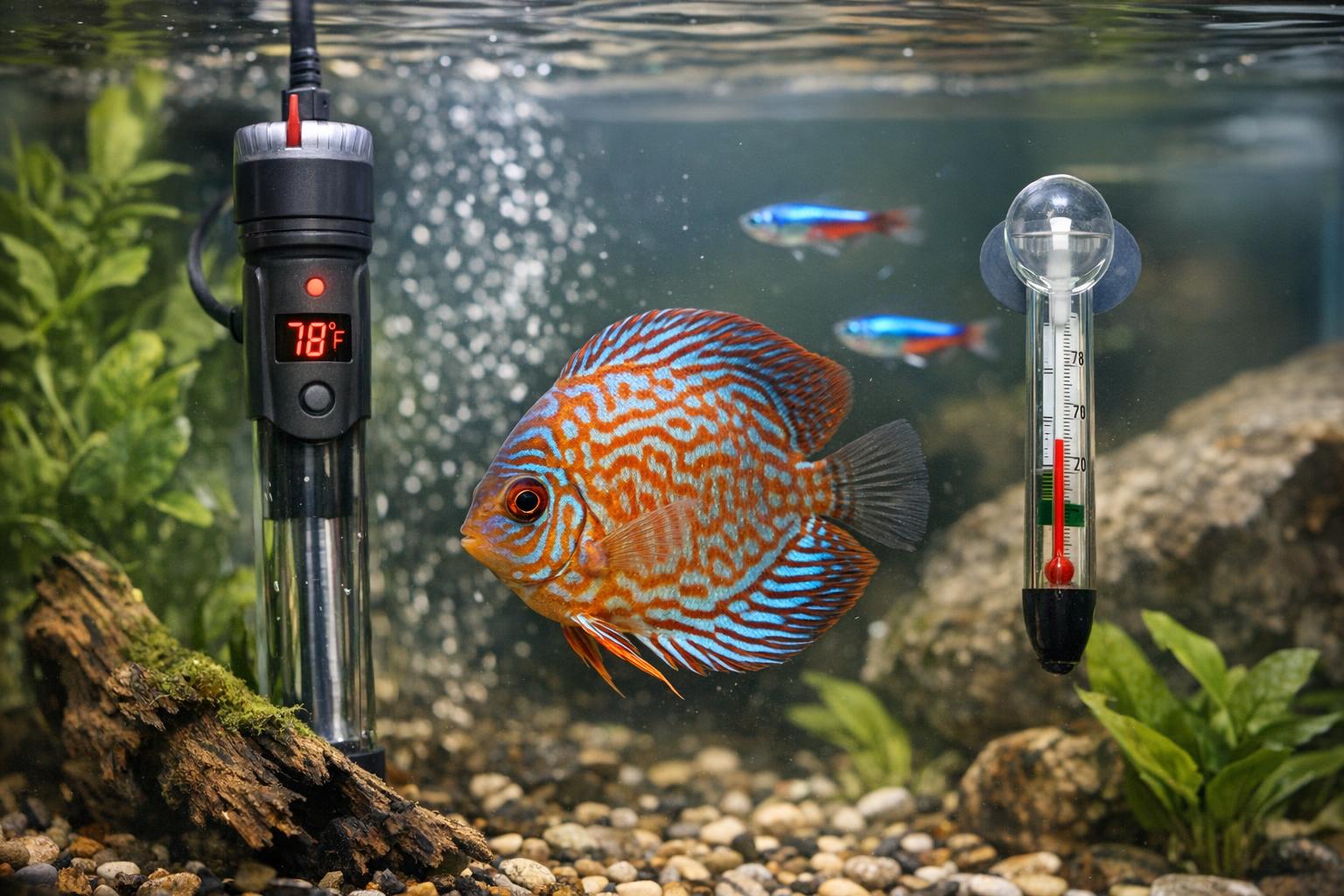
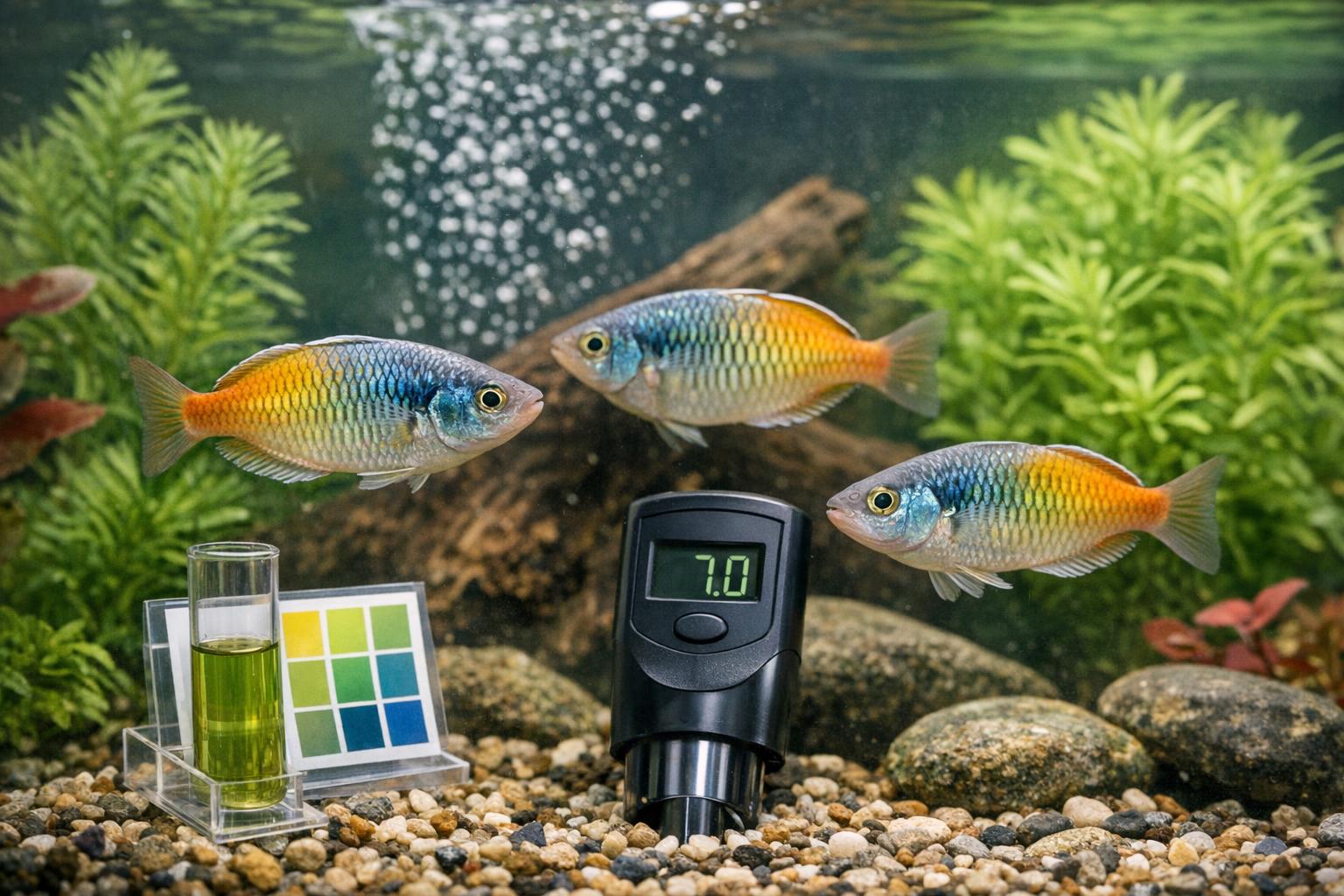
Water is the simplest thing to ignore and the biggest thing behind torn or rotten fins. Stable temperature, low ammonia and nitrite, and the right pH for your species keep fish stress low and immune systems strong. Test kits are cheap; use them regularly.
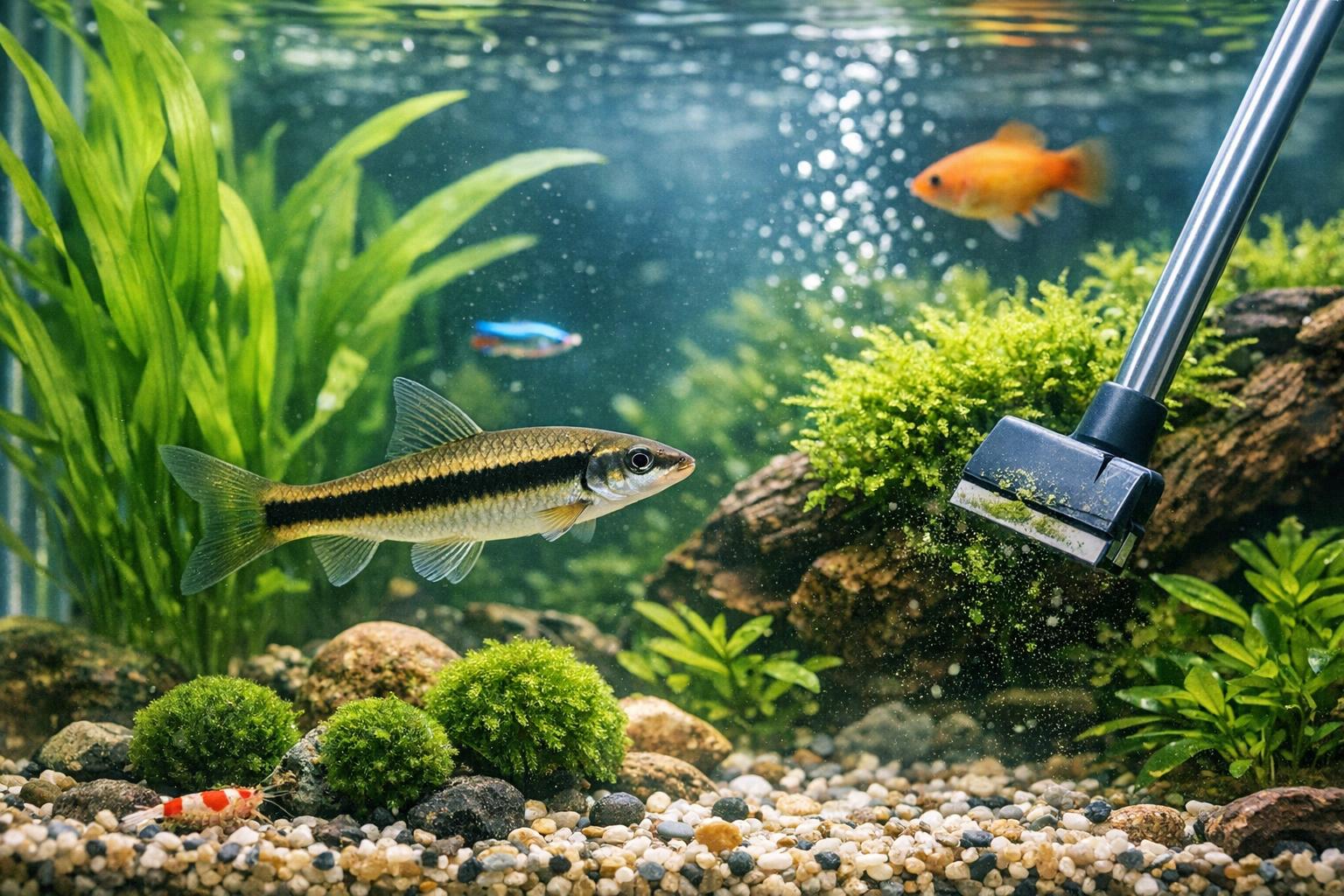
Keep nitrates under control. High nitrates don’t cause fin rot directly, but they weaken fish and make bacteria and fungus more likely to take hold. Partial water changes—25 to 50 percent depending on bioload—done weekly or biweekly will cut nitrates and remove dissolved organics. Don’t overcompensate with big, infrequent changes that shock the fish.
Quarantine new arrivals. Most hobbyists assume a store-bought fish is healthy, but many carry low-level infections that show up days later. A two-week quarantine tank gives you time to observe and treat problems before they reach the display tank.
## Choose Tankmates And Decor That Protect Fins
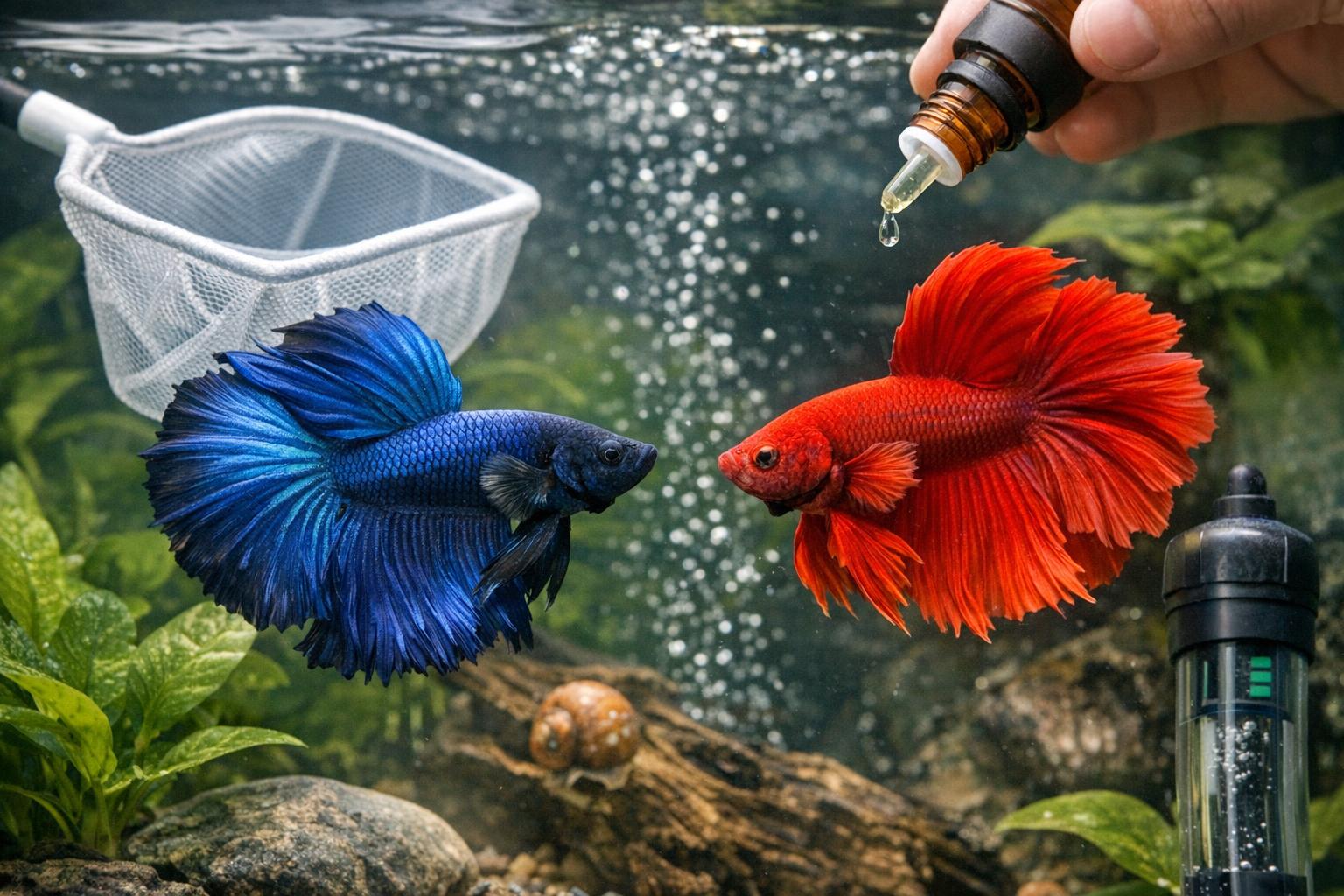
Aggressive or nippy fish are a common source of torn fins. Some species, like tiger barbs or certain tetras, will nip long-finned tankmates. If you keep species with flowing fins—betta, fancy guppies—choose peaceful companions and give them plenty of cover.
Sharp decorations and rough plastic plants can shred fins. Use smooth rocks, silk plants, and rounded driftwood. If you notice fins catching on something, rearrange the decor. A small change can stop repeated damage that eventually invites infection.
### Feeding And Nutrition That Support Fin Regrowth
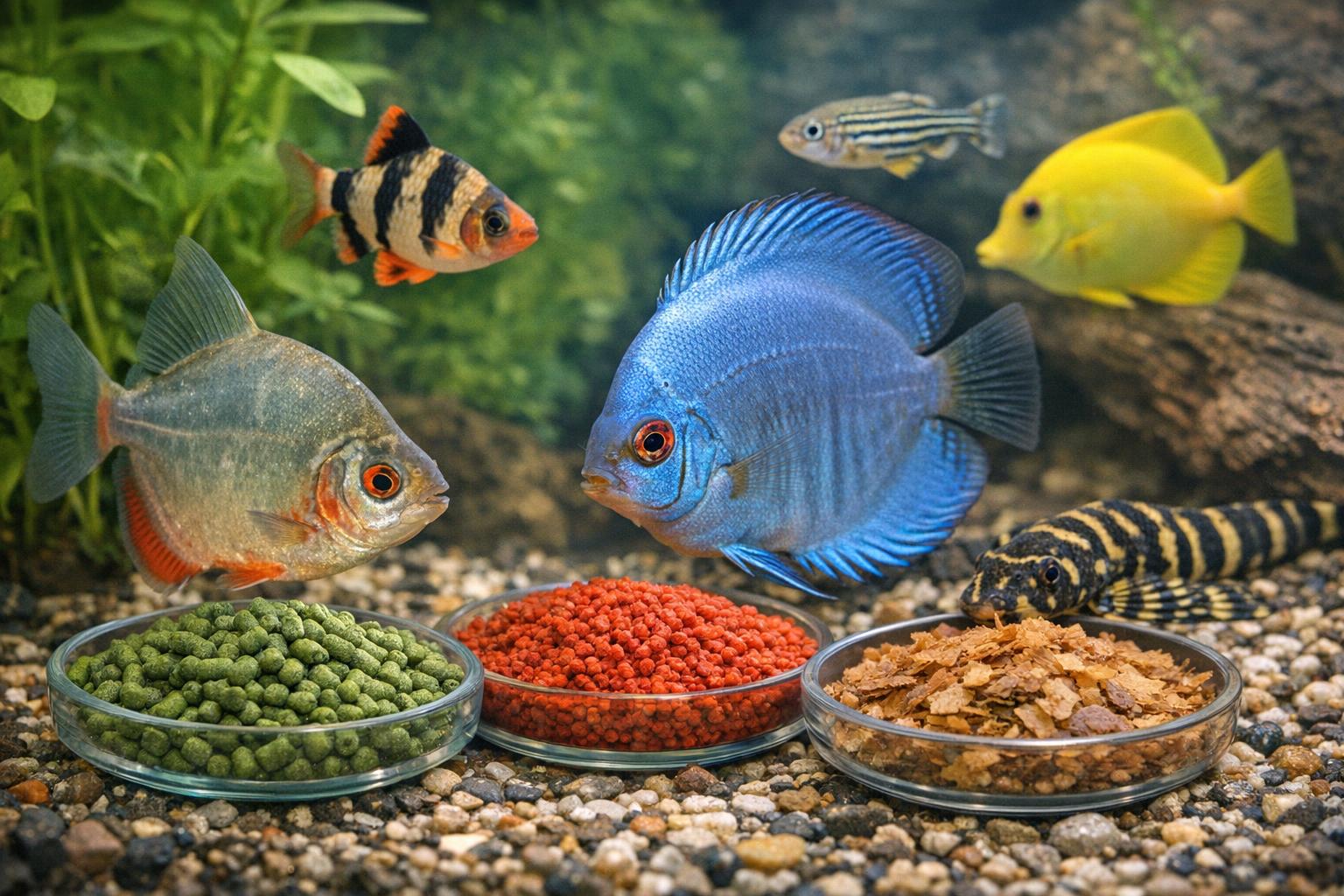
Poor diet slows healing. A balanced mix of high-quality flakes or pellets and occasional live or frozen foods supplies the protein and vitamins fish need to regrow tissue. Foods with occasional spirulina, krill, or bloodworms give the amino acids that help damaged fins knit back together.
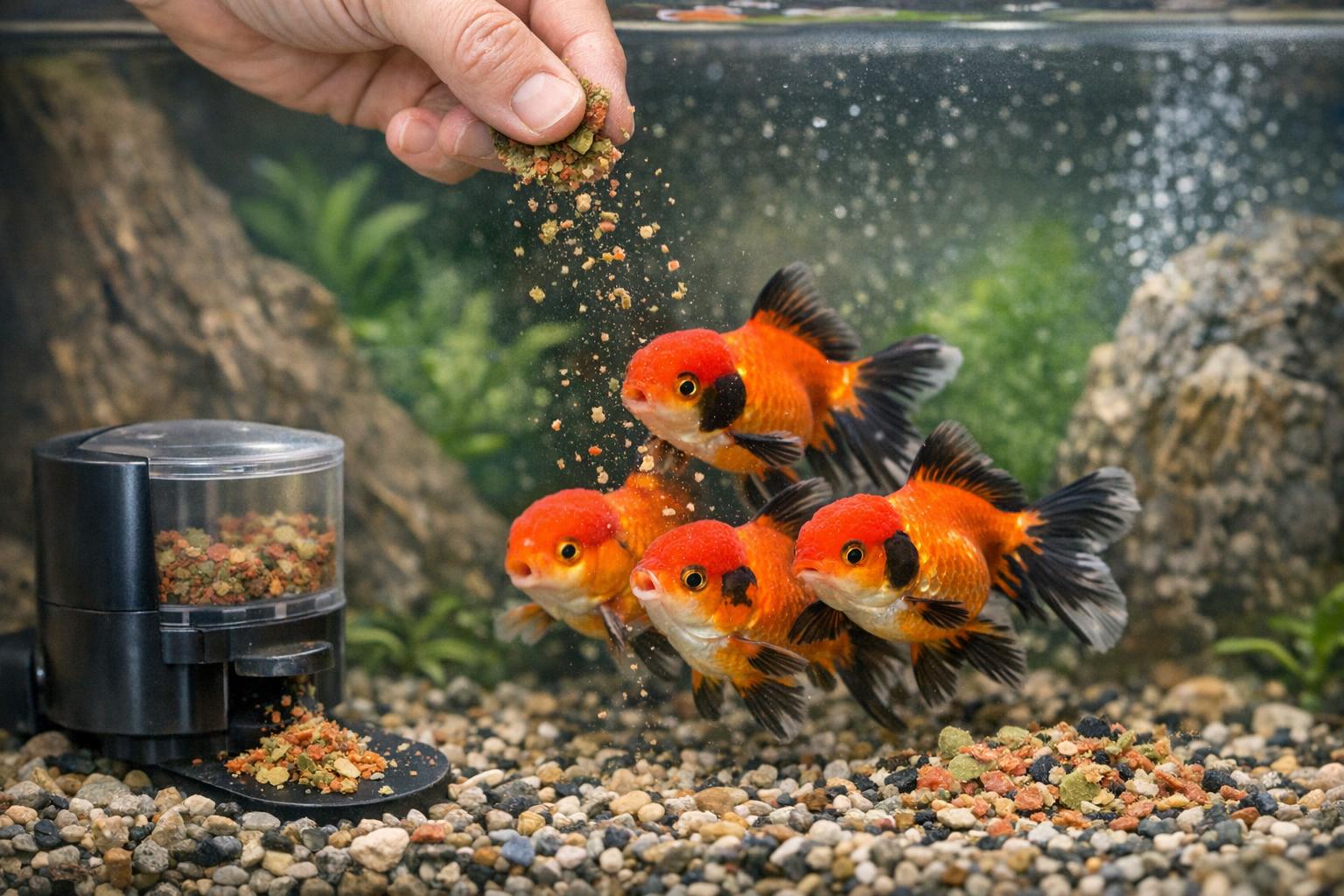
Don’t overfeed. Excess food breaks down into ammonia and nitrates, stressing fish and undermining fin health. Feed only what each fish will finish in a minute or two and remove uneaten bits after five minutes.
### Keep Stress Low To Avoid Chronic Fin Problems
Stress shortens immune responses, which is why chronic fin issues often follow stressful events. Sudden lights, frequent tapping on the glass, or improper temperatures will all raise stress. Maintain a consistent light schedule and keep noise and activity around the tank reasonable.
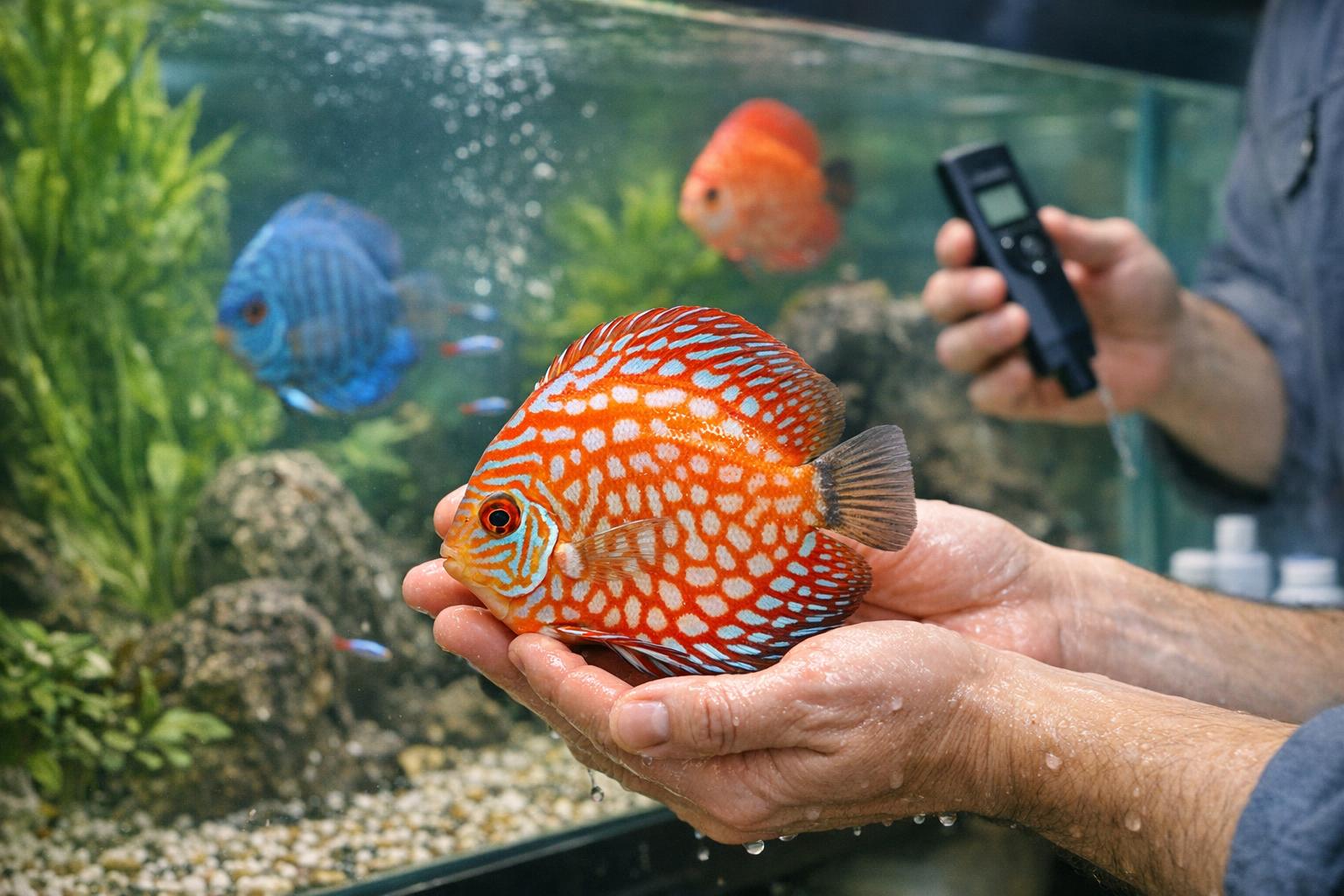
When you must move fish—during tank maintenance or when rehoming—wrap up the process. Reduce handling, keep water temperatures consistent between buckets and tanks, and use a net gently. Rough handling can create tears that then become infected.
## Spotting And Treating Common Fin Problems
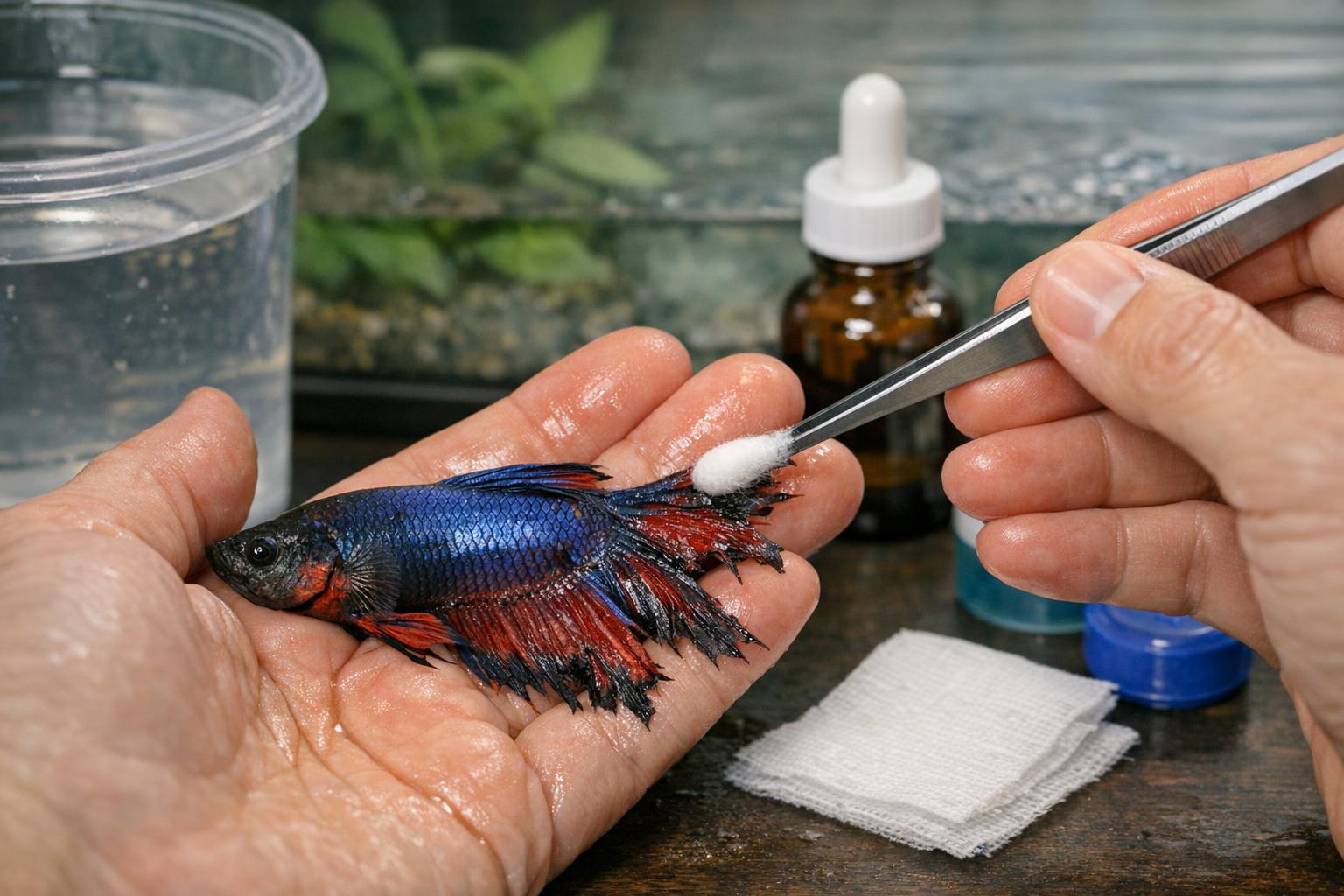
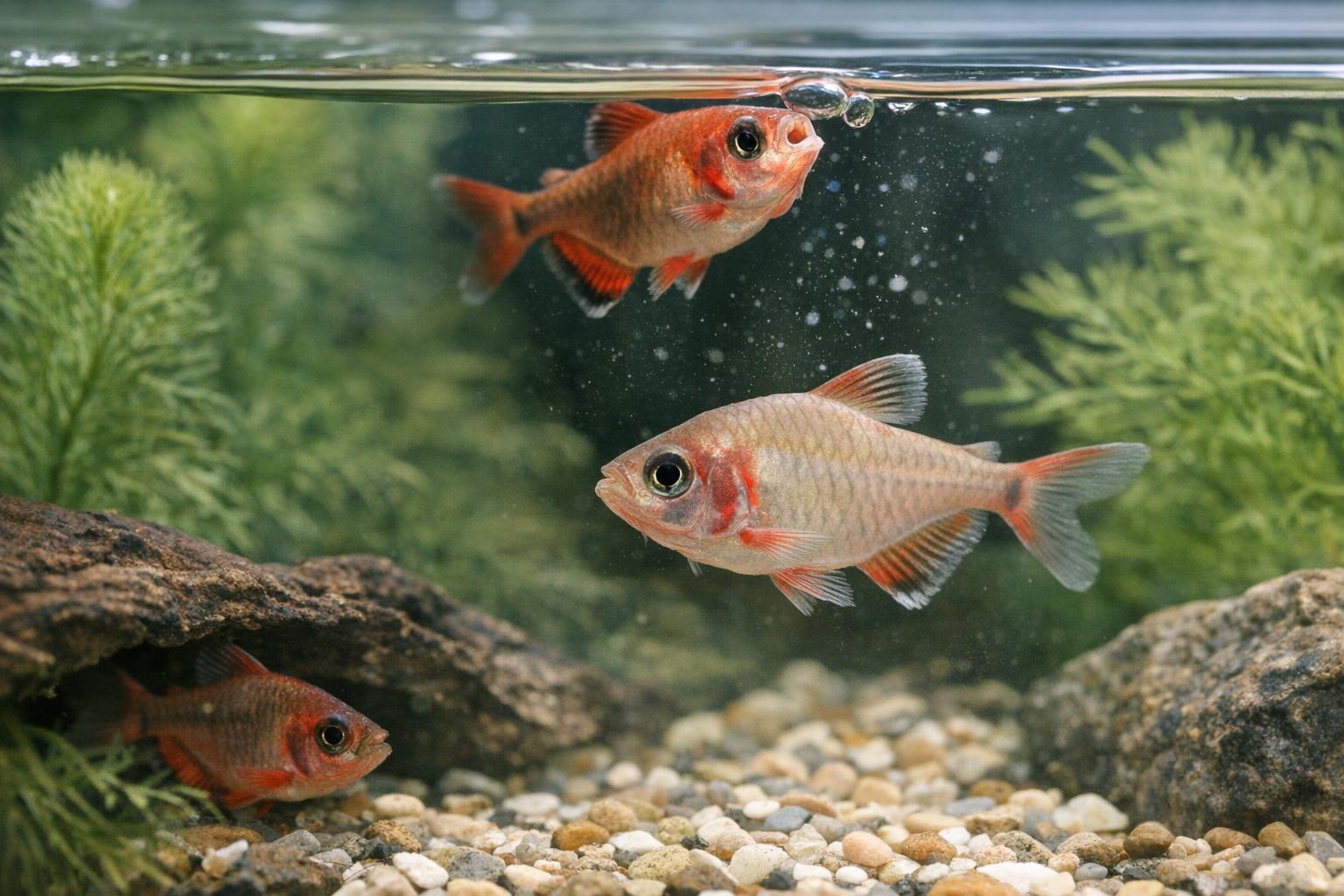
Early recognition is where most people stumble. Small white edges, fraying, or dull coloration at the fin margins are early warning signs. Bright red streaks, a fuzzy edge, or fins that appear melted toward the base indicate a bacterial or fungal issue that needs treatment.
Fin rot usually starts at the edges and progresses inward. It responds well to aquarium salt and targeted antibacterial meds when caught early. If the base of the fin looks inflamed or the fish is lethargic, treat the water and consider a short course of a broad-spectrum antibacterial under guidance. Follow dosage instructions and monitor water chemistry—meds change pH and biological load.
Fungal infections look cottony. They often appear after an injury or as a secondary infection once bacteria have weakened the tissue. Antifungal treatments and clean water usually resolve these, but again, catch them early.
### When To Use A Hospital Tank
If a fish’s fins are badly damaged or infection looks advanced, move it to a separate hospital tank. A smaller tank is easier to medicate and keeps healthy fish from getting exposed. In the hospital tank you can raise temperature slightly to speed immune responses, but don’t exceed the species’ limits.
In severe cases, salt baths or brief dips in anti-parasitic solutions can help. Use these only with clear instructions. Overdosing or prolonged exposure can harm gills and kidneys.
#### When To Separate Fish
Separate fish if one is milling around with shredded fins and a known aggressor keeps nipping. Also isolate if multiple fish are showing the same symptoms—sometimes a shared parasite or disease is spreading and needs broader treatment.
## Practical Fish Fin Care At Home
Routine saves more fins than last-minute scrambles. Here’s a short list of daily and weekly practices that protect fins without much fuss:
– Observe fish during feeding and daily checks for any changes in behavior or appearance.
– Do small, regular water changes.
– Keep a quarantine tank ready.
– Trim plants and smooth any rough décor that might catch fins.
That’s not exhaustive, but it’s what I do in every tank before minor issues become painful and costly.
### Medications, Salt, And Natural Remedies
Aquarium salt can be helpful for mild fin rot and for supporting gill function in some species. It’s not a cure-all, and not every fish tolerates salt—research species tolerance first. Antibiotics used incorrectly can wipe out beneficial bacteria and make things worse, so prefer targeted over-the-counter meds and follow directions.
Some hobbyists use natural remedies like Indian almond leaves or specific herbs that seem to help infection control. These can support recovery but don’t replace proper meds for advanced cases.
### Promoting Regrowth Without Creating Problems
Healthy water and nutrition promote regrowth. Remove sources of continued mechanical damage first. If a finnage is healing but looks ragged, resist the urge to keep changing meds every few days. Too much chemical fluctuation retards regrowth. Maintain stable parameters and let the fish slowly rebuild tissue.
Keep in mind that some species, like bettas, are slow to regrow extreme fin damage, especially if fins are highly ornamental. That’s okay—partial regrowth that leaves fins functional is a win. Avoid repeated surgeries or cosmetic fixes; they stress the fish and rarely produce long-term benefit.
## Record-Keeping And Small Habits That Pay Off
Write down treatments, water tests, and observations. It sounds tedious, but a week-to-week log makes patterns clear. You’ll see if a medication coincides with nitrite spikes, or if a particular tankmate causes repeated nips every time you change decor.
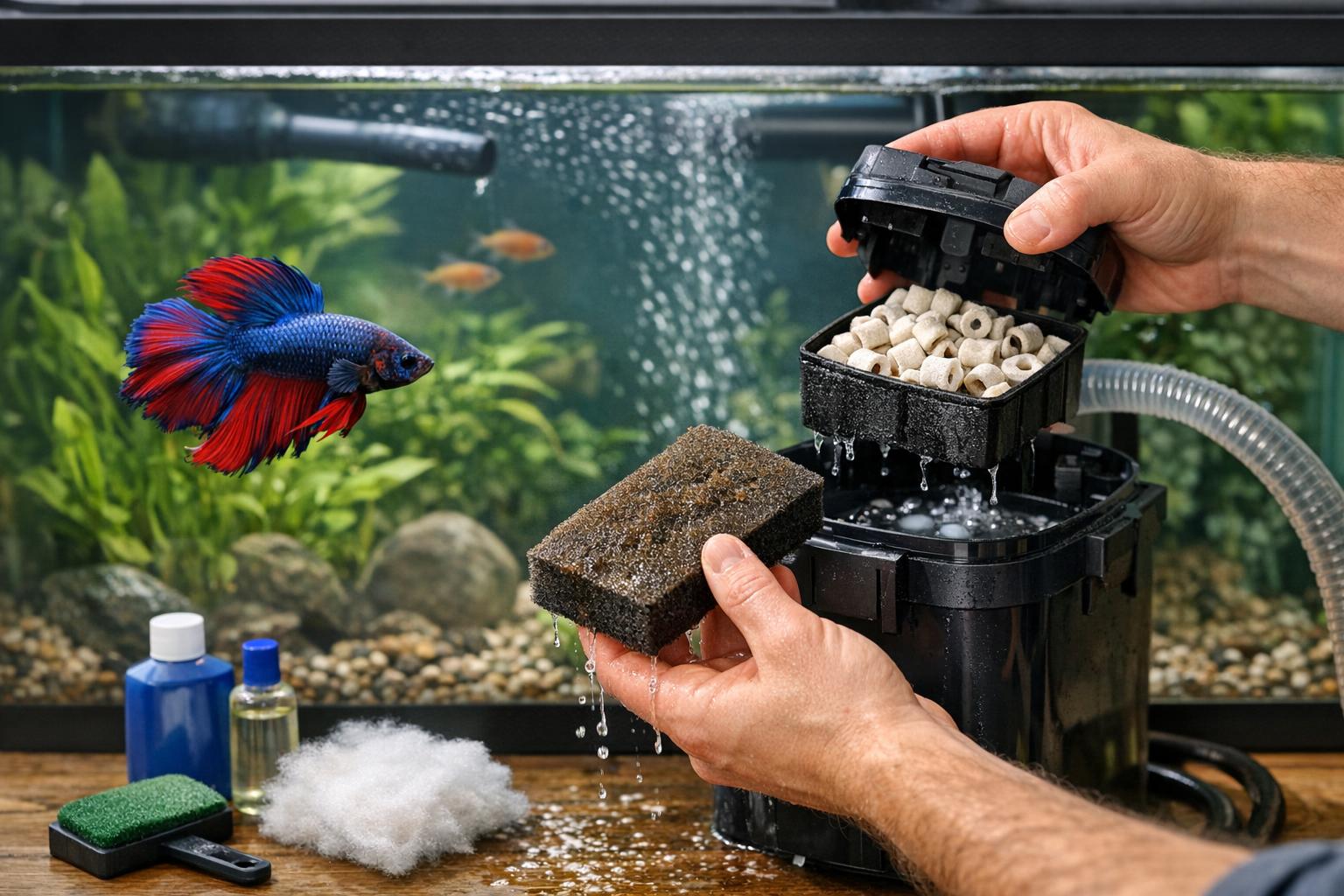
Watch for minor patterns: does fin damage appear more after certain feedings, or when the filter is cleaned? Those correlations are clues. A small notepad beside the stand is all you need.
A final practical note: don’t panic when you see a little fraying. Many mild problems respond to straightforward steps: clean water, a brief quarantine, better food, and time. And when you do need to medicate, do it confidently and systematically. Carefull action now prevents a bigger mess later.









Leave a Reply