
## How To Help A Dog Cope When Left Alone
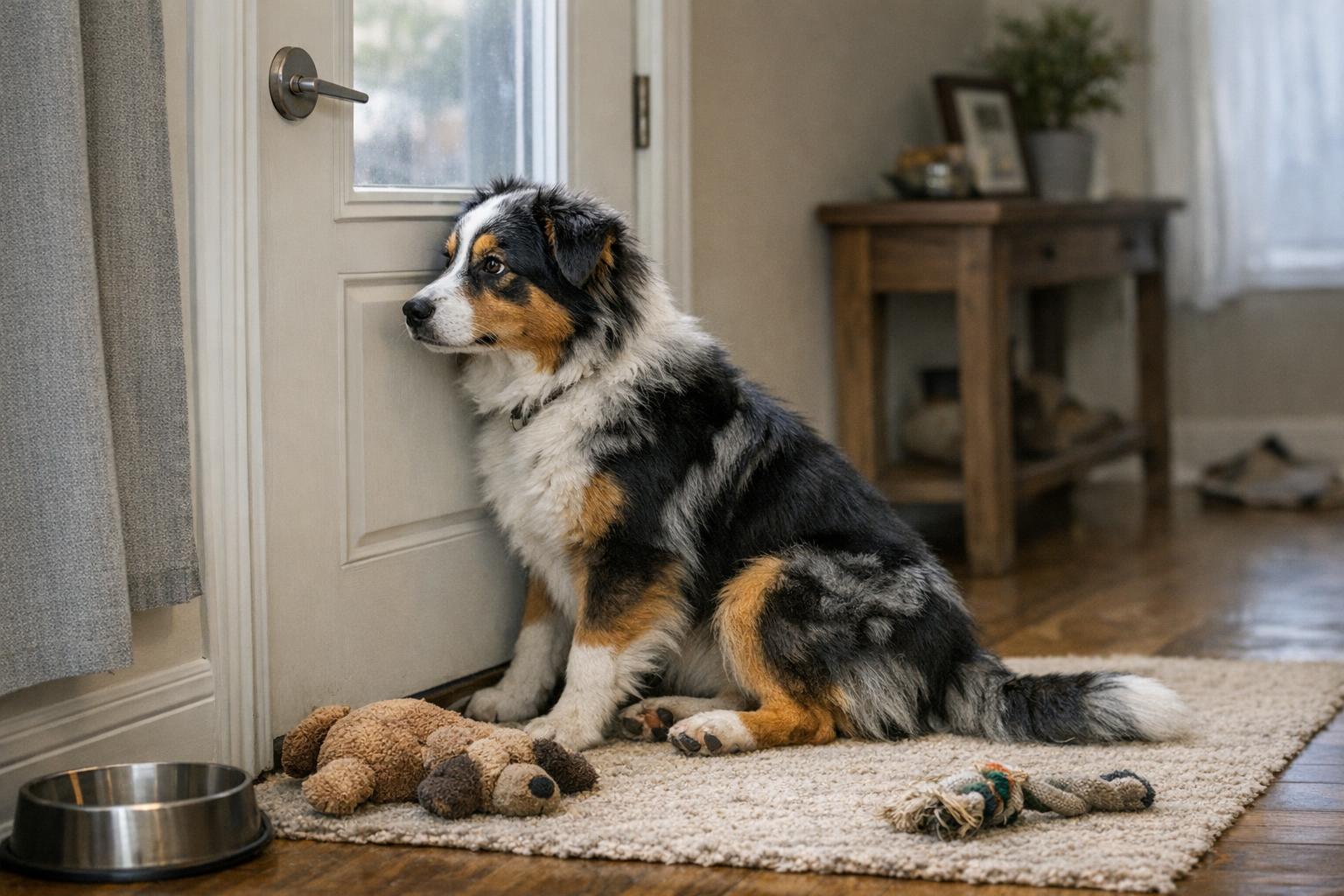
There are moments when your dog watches the door as if it were a tiny hole into a parallel universe where you never return. The eyes plead, the tail pauses mid-wag, and the house becomes a stage for small tragedies: whines, pacing, chewed shoes. Learning how to help a dog cope when left alone is both an art and a science—part empathy, part routine, part careful training. This guide blends creative thinking about your dog’s inner life with clear, formal remedies you can implement today.
### Recognizing The Feeling: Why Dogs Panic
Dogs are social animals. For many, being dog alone triggers a cascade of stress hormones that look a lot like panic. You may notice signs such as:
– Vocalization when left behind
– Destructive behavior focused on exits or valuable items
– Trembling, drooling, or excessive panting
– Attempts to escape or self-harm behavior
These are classic signals of separation anxiety dogs may experience. Not every dog who acts out while alone has full-blown separation anxiety, but repeated intense responses when you depart are a red flag. The first step to how to help a dog cope when left alone is observation: log what happens when you leave, how long symptoms persist, and whether they escalate or fade.
### The Roots Of The Response
Several factors can contribute to separation anxiety dogs suffer from: sudden changes in routine, a rescue dog with a traumatic past, lack of early socialization, or an abrupt change in household members. Even subtle cues—like the click of your keys—can become a conditioned trigger. Understanding the triggers helps you design specific strategies for how to help a dog cope when left alone.
### Remedy 1: Create A Calming Departure Routine
This remedy is formal and prescriptive. A predictable, low-drama departure routine reduces arousal and reframes leaving as normal.
Materials/Ingredients:
– Soft blanket or bed that smells like you
– A treat dispenser or long-lasting chew
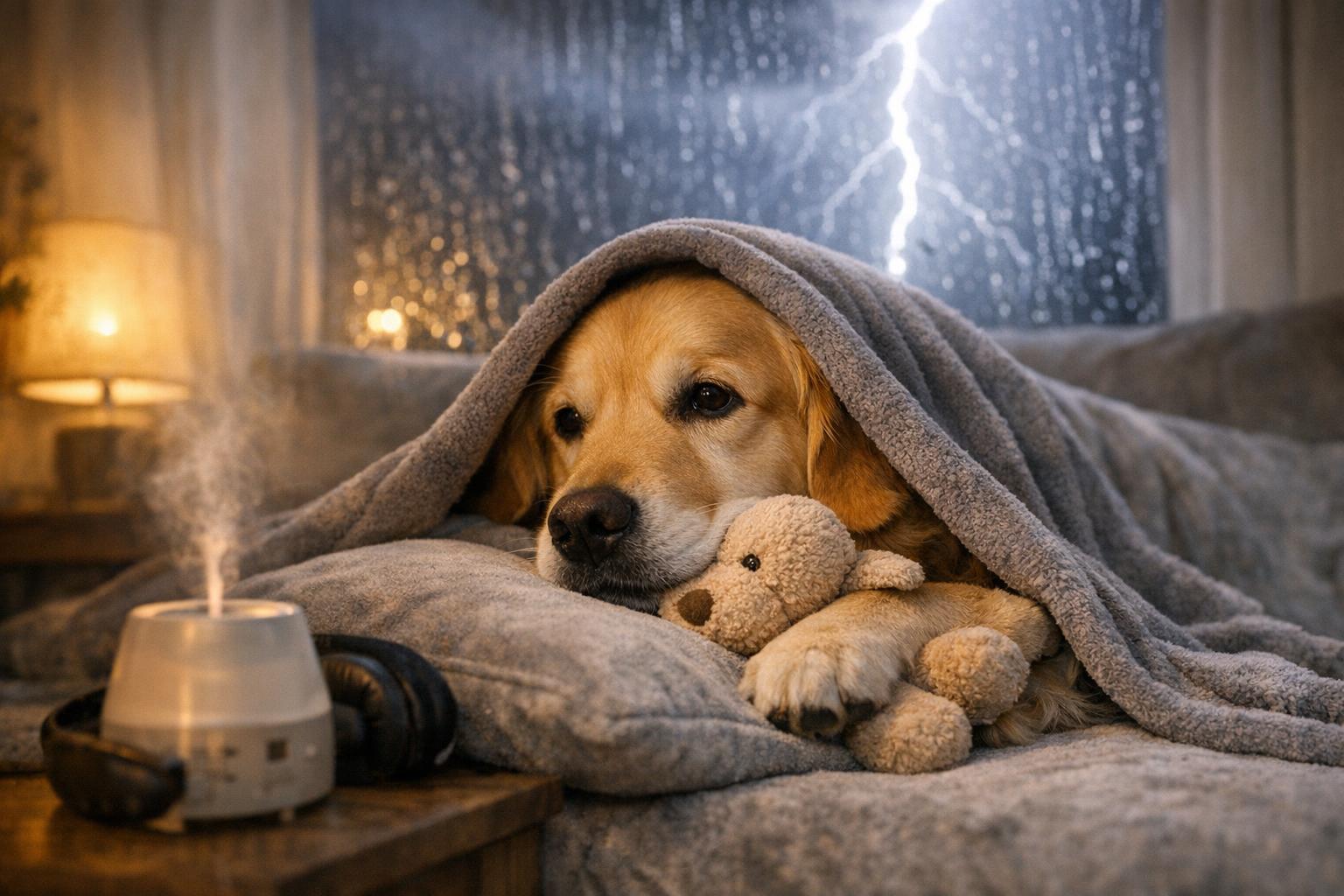
– Calm, neutral-scented pheromone diffuser (optional)
– A short, timed departure plan
Step-by-Step Creation And Application:
1. Prepare the Environment: Place your dog’s bed and a comforting item that carries your scent near the area you intend they will stay. Turn on a pheromone diffuser if using.
2. Lower Arousal Before Leaving: Ten to fifteen minutes before departure, perform a calm, short session—gentle petting or quiet play—then move to a neutral activity such as sitting with a chew toy.
3. Neutral Departures: Keep departures low-key. Avoid long hugs or dramatic goodbyes, which can heighten anxiety. Put on shoes and pick up keys without fanfare several times a day to desensitize.
4. Use Enrichment At Departure: Give a tasty long-lasting treat or puzzle toy only when you leave. This builds a positive association with being dog alone.
5. Short, Graduated Absences: Start with very short absences—one to five minutes—and gradually extend duration by small increments once your dog remains calm.
### Remedy 2: Enrichment And Training To Build Confidence
This section is technical and prescriptive. Behavioral training is essential for long-term improvement.
Materials/Ingredients:
– High-value treats or kibble for rewards
– Puzzle feeders or treat-dispensing toys
– A clicker or marker word
– Leash for managed practice sessions
Step-by-Step Creation And Application:
1. Establish A Go-To Station: Teach your dog to rest on a mat or bed on cue. Use rewards to reinforce calm behavior when they lie down and stay.
2. Desensitize Departure Cues: Systematically practice the sequence of actions that usually precede leaving (picking up keys, putting on a coat) without actually leaving. Reward neutrality.
3. Incremental Absence Training: With your dog on a leash in a designated area, step outside briefly and return. Gradually increase the time you spend away. Always return calmly and reward calm behavior.
4. Build Independence With Play: Encourage independent play by rotating toys and scent games. Scatter food puzzles around the house to create positive experiences while dog alone.
5. Use Counterconditioning: Pair departures with something the dog loves (a stuffed Kong or radio playing “dog-friendly” music) so the emotion associated with leaving shifts from negative to neutral or positive.
### Remedy 3: Environment Optimization And Comfort Tools
Practical and evidence-based measures can alter the environment to reduce stress.
Materials/Ingredients:
– Crate (if crate-trained and appropriate)
– White noise machine or classical music playlist
– Secure baby gates or confining area
– Comfort-wear (anxiety wrap or snug garment)
Step-by-Step Creation And Application:
1. Choose A Safe Space: If your dog accepts a crate, make it comfortable and associate it with positive experiences. Otherwise, prepare a confined comfort zone with bedding and water.
2. Mask External Triggers: Use white noise or music to mask outside noises that may trigger barking or anxiety. Close curtains to reduce visual stimuli.
3. Try Compression Wear: Anxiety wraps that apply gentle pressure can reduce arousal for some dogs. Follow manufacturer instructions and monitor for comfort.
4. Provide Predictable Access: If your dog is allowed access to multiple rooms, consider gating to create a predictable area where they feel secure.
5. Monitor Results And Adjust: Use a camera or check-in method to observe behavior during absences and adjust the environment accordingly.
### When To Seek Professional Help
If symptoms are severe—destruction that risks injury, prolonged pacing, self-harm, or elimination in the house despite training—consult a veterinarian or certified behaviorist. A professional can assess whether medication, in conjunction with behavior modification, is appropriate. For separation anxiety dogs with intense symptoms, veterinary guidance increases the likelihood of successful management.
### Teaching Coping Skills With Play And Routine
Dogs learn through repetition and association. Incorporate predictable daily routines that include exercise, mental challenges, and consistent departures. Regular, sufficient physical exercise reduces baseline stress and makes training for how to help a dog cope when left alone more effective. Mental enrichment—scent work, obedience games, and interactive feeding—teaches your dog to self-soothe through activity.
### Practical Tips For Busy Owners
– Stagger your departures throughout the day to practice short absences.
– Use dog walkers or daycare for long workdays while gradually training longer solo periods.
– Rotate high-value toys so departures are associated with novelty rather than boredom.
– Keep arrival low-key to avoid increasing anxiety around comings and goings.
### Small Changes That Yield Big Results
Minor adjustments often make the difference: a calming scent, a predictable routine, a favorite toy returned only at departures. These creative bits of engineering are how to help a dog cope when left alone without turning every leaving into a crisis. Be patient; progress is usually incremental.
### Monitoring Progress And Celebrating Wins
Track episodes in a simple journal—duration of alone time, behaviors observed, and whether interventions improved the situation. Celebrate small successes: five calm minutes is a step toward a future where your dog is content when you are away.
### Safety And Medical Considerations
Always ensure your dog’s environment is safe for unsupervised time. Eliminate choking hazards, secure screens and doors, and avoid leaving rawhide or other risky chews unattended. If separation anxiety dogs show sudden changes in appetite or health during absences, consult your veterinarian promptly.
### Final Practical Checklist
– Start with short absences and build up gradually.
– Use enrichment and training consistently.
– Optimize the environment for comfort and security.
– Seek professional help if behaviors escalate.
This set of creative strategies paired with formal remedies outlines practical steps for how to help a dog cope when left alone. With patience, consistency, and thoughtful tools, many dogs learn to spend quality, calm time on their own—transforming your departures from minor dramas into everyday rhythms.


Leave a Reply