
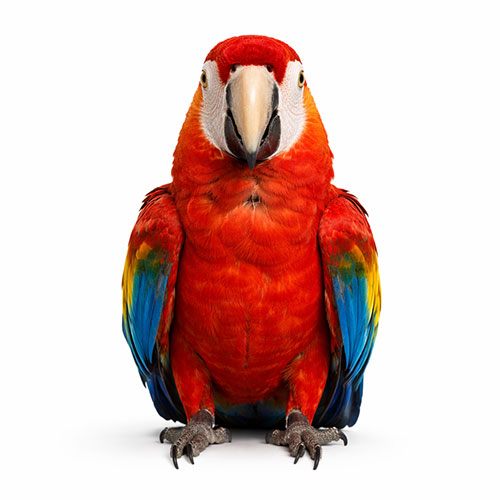

Hello there—if you clicked because your feathered friend looks like they’re trying to catch a little extra air, you’re in the right place. Birds sometimes pant, gape, or breathe with their mouths open for perfectly harmless reasons (hot day, dramatic attitude), but “bird open mouth breathing” can also be a sign of trouble. This guide walks you through spotting the difference, offering two practical home-support remedies you can safely use while you arrange veterinary care. Think of this as first aid for respiratory support, with a bit of calm and a pinch of common sense.
## Recognizing Bird Open Mouth Breathing
Knowing whether your bird is panting from heat or struggling for air is the first step.
### What Normal Breathing Looks Like
Birds naturally breathe through their nares (nostrils) and small rapid movements of the chest and abdomen. Occasional open-mouth breathing can occur after flight, excitement, or in warm weather. A relaxed bird will have a soft, rhythmic rise and fall of the chest and a bright, alert demeanor.
### Signs That It’s Serious
If you observe bird open mouth breathing accompanied by any of the following, assume increased urgency:
– Tail bobbing (repeated, visible pump of the tail with each breath)
– Audible wheeze, clicking, or rattling
– Lethargy, fluffed feathers, or inability to perch
– Blue-tinged or pale cere/skin (indicates low oxygen)
– Loss of appetite or reduced drinking
## Common Causes Of Respiratory Distress
A few common reasons behind bird open mouth breathing include infectious diseases, environmental irritants, and physical obstructions.
### Infectious Causes
Viral, bacterial, and fungal infections (like aspergillosis) can inflame airways and sinuses. These often come with discharge, sneezing, or systemic signs such as weight loss.
### Environmental And Other Causes
Poor ventilation, high dust levels (from bedding or seed hulls), smoke, aerosols, or sudden temperature changes can trigger respiratory trouble. Foreign bodies or tumors, while less common, are possible.
## When To Call The Vet
If you see bird open mouth breathing and any red-flag signs above, call or visit your avian veterinarian promptly. Birds can deteriorate quickly; early intervention significantly improves outcomes.
### Red Flags
Immediate veterinary attention is required when:
– Tail bobbing is present
– Open-mouth breathing at rest persists longer than a few minutes
– The bird is collapsing, unresponsive, or not moving to perch
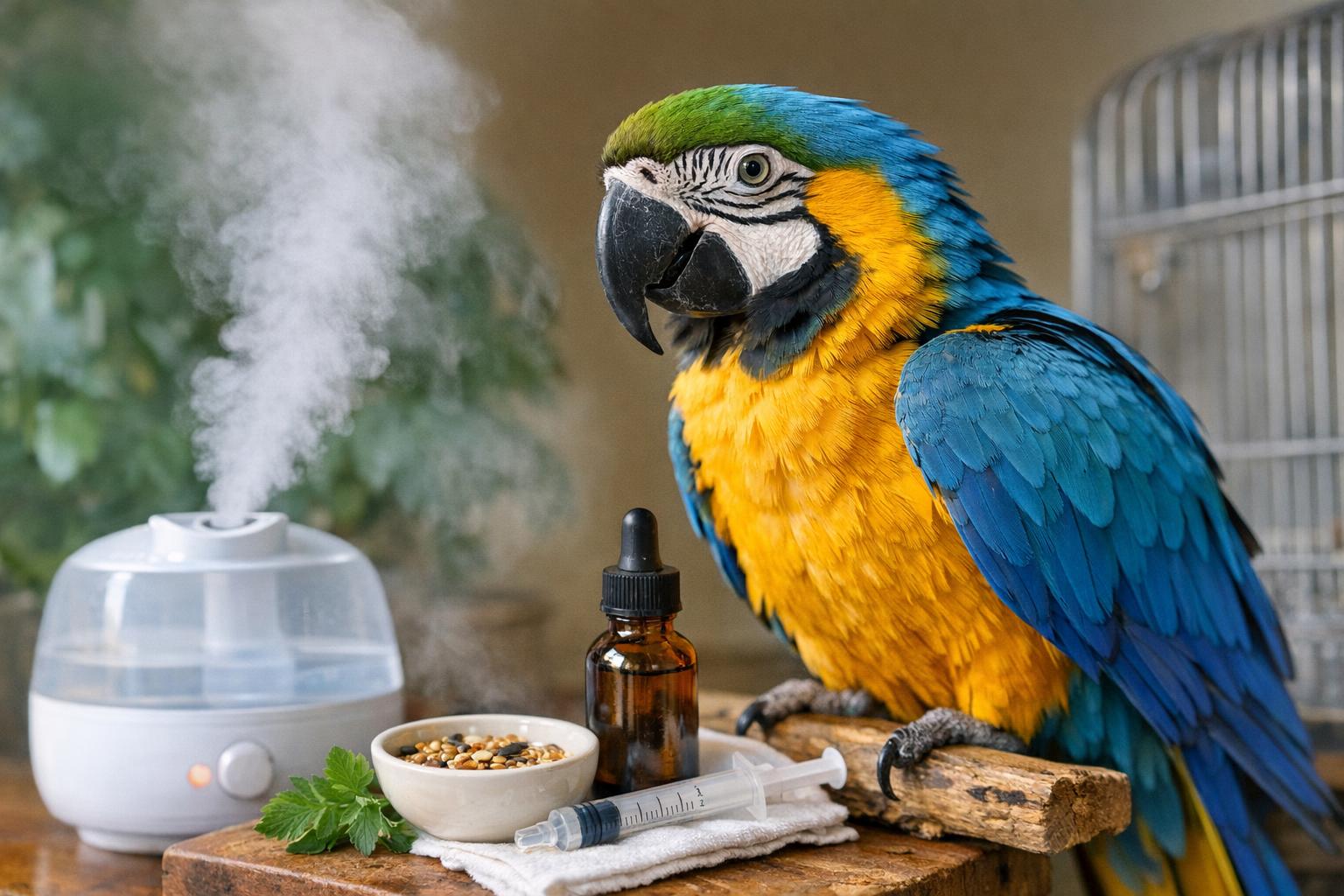
## Remedy 1: Humidified Steam Support
Humidification can ease irritated airways and loosen mucus. This is supportive care—not a cure—and should be used while arranging professional veterinary assessment.
### Ingredients Or Materials
– A small humidifier (cool-mist preferred) or a steam source (hot shower method described below)
– A quiet, warm room
– A secure travel carrier or an appropriate-sized cage cover (light towel)
– Thermometer (optional, to monitor room temp)
### Step-By-Step Application
1. Prepare the Room: Choose a small bathroom or quiet room. Close windows to maintain stable humidity and temperature around 70–75°F (21–24°C) if possible.
2. Humidifier Method: Place the cool-mist humidifier on a stable surface about 3–4 feet from the bird’s carrier. Run it for 10–20 minutes while monitoring the bird. Keep humidity moderate—do not create fog so thick the bird is chilled.
3. Steam Shower Method (If No Humidifier): Close the bathroom, run a hot shower for several minutes until the room fills with warm steam. Turn off the water and place the carrier inside the bathroom for 8–12 minutes—do not place the bird directly in the shower or near scalding water.
4. Observe Closely: Watch for signs of relief (easier breathing, decreased tail bobbing) and increased stress. If the bird becomes more agitated, remove them from the steam immediately.
5. Frequency: Repeat 2–3 times a day as a temporary measure, always pairing with veterinary consultation.
#### Safety And When Not To Try This
– Do not use hot steam directly near the bird—risk of burns and overheating. Cool-mist humidifiers are safer long-term.
– Avoid essential oils or mentholated vapors: these can be toxic to birds.
## Remedy 2: Saline Nebulization And Gentle Suction
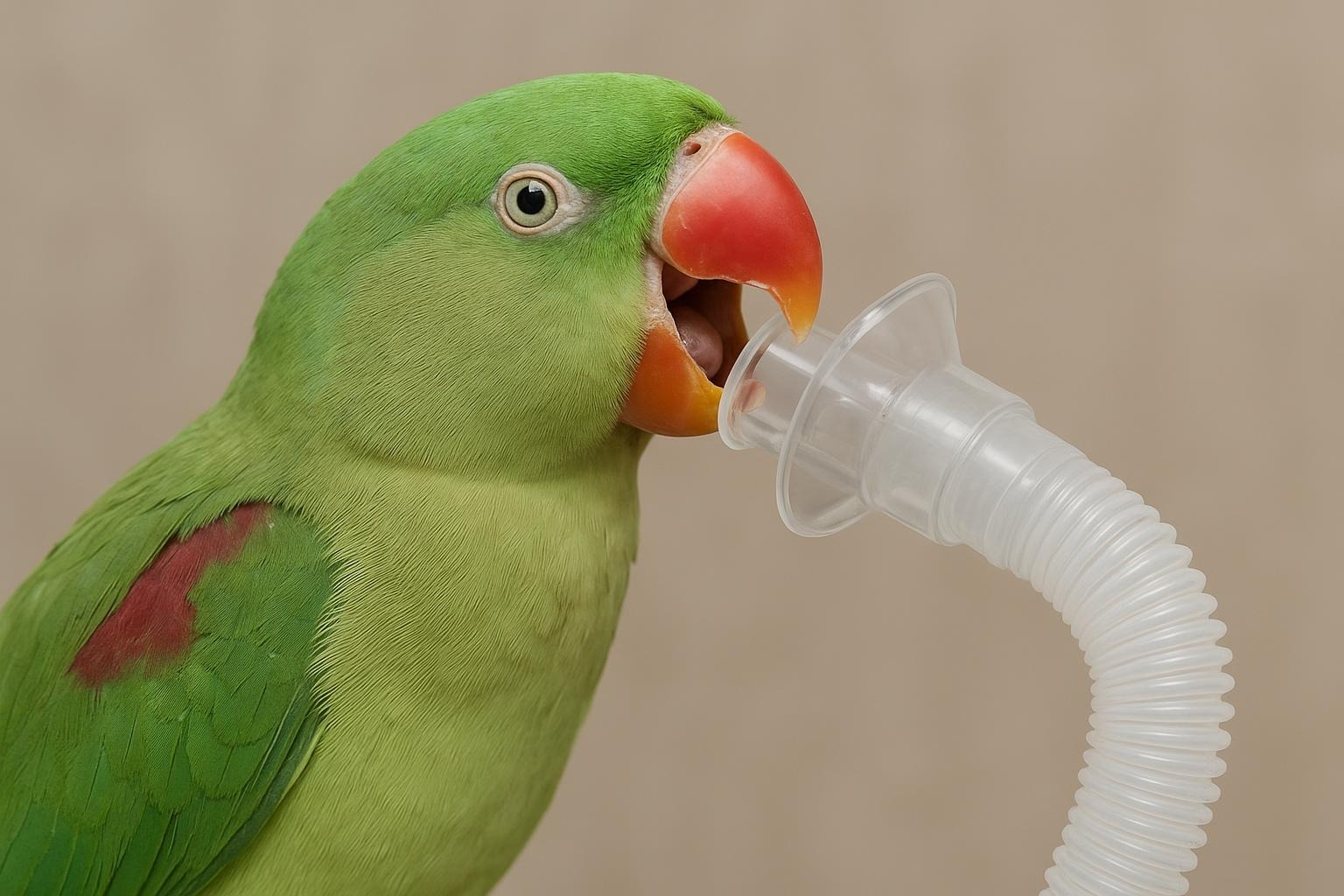
Nebulization with isotonic saline can help loosen mucus and hydrate the respiratory tract. Gentle suctioning of visible nasal discharge may improve breathing but should be done cautiously.
### Ingredients Or Materials
– Isotonic saline (0.9% sodium chloride) in sterile vials or a small saline spray
– A small tabletop nebulizer (pediatric mesh nebulizers are ideal) or saline atomizer
– Soft tissue or sterile gauze
– A small, soft bulb syringe (for trained hands only)
– Clean carrier for the bird
### Step-By-Step Application
1. Prepare Nebulizer: Follow manufacturer instructions. Use only sterile isotonic saline—no additives. Place the bird in a carrier with the nebulizer cup or mask positioned so the mist reaches inside but does not touch the bird’s feathers.
2. Nebulize: Run the nebulizer for 8–10 minutes, 1–2 times daily. Monitor the bird for stress signs; stop if they show agitation.
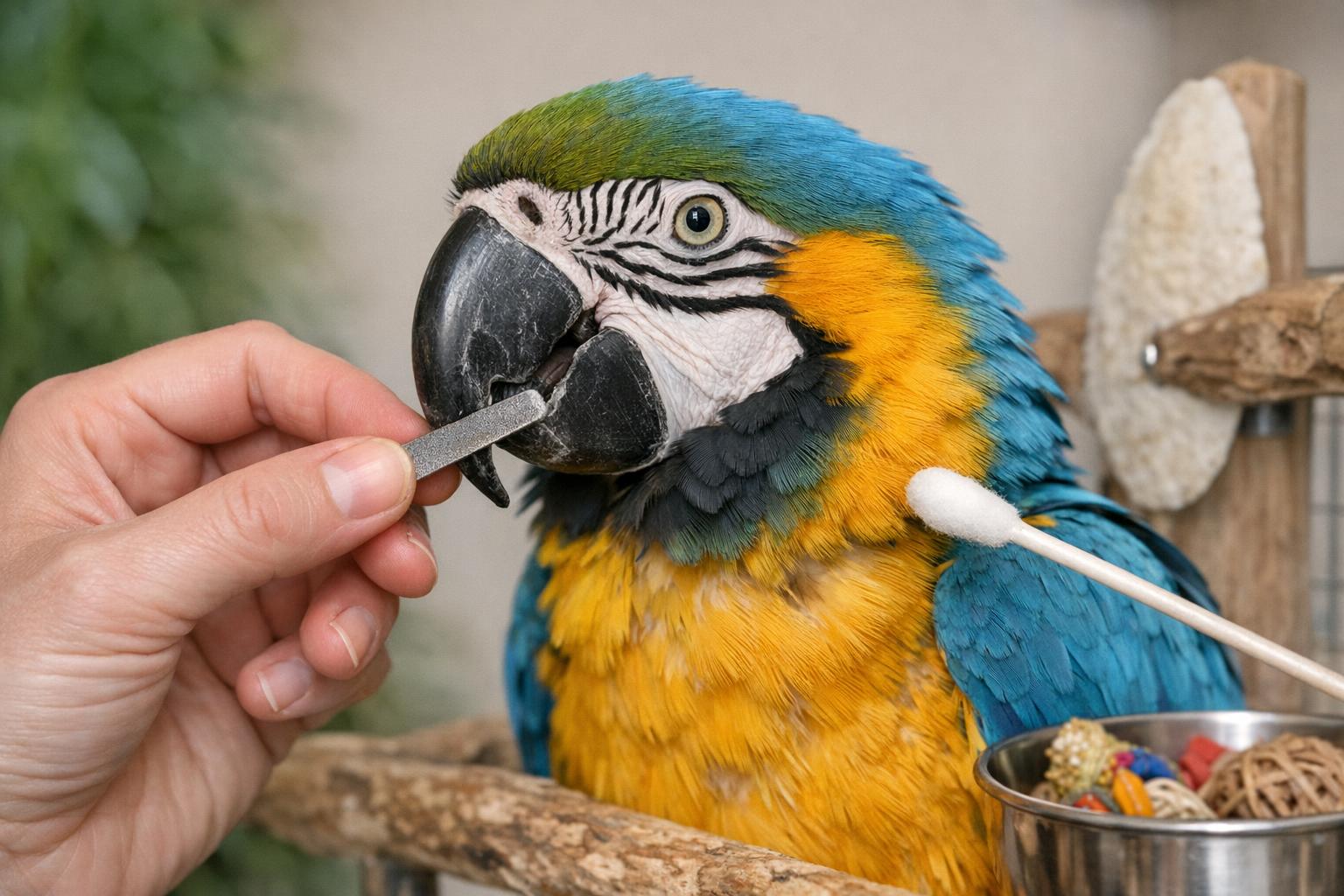
3. Gentle Suction (If Nasal Discharge Is Present): Soak a small piece of gauze in saline, gently dab the nares to soften crusted material. Use a soft bulb syringe only if you’ve been shown the technique by a vet—suction too forcefully can injure delicate tissues.
4. Post-Treatment Care: Keep the bird warm and calm after nebulization. Offer fresh water and food to encourage hydration.
#### Safety And When Not To Try This
– Only use saline—do not nebulize medications at home unless prescribed by and instructed by an avian veterinarian.
– Never force a bird into a position that restricts breathing while attempting these procedures.
– If respiratory noises worsen or the bird declines, stop home therapy and see a vet immediately.
## Ongoing Care And Prevention
Supportive home care reduces recurrence and helps recovery.
### Air Quality And Cage Setup
Good ventilation, low-dust bedding (paper-based or as recommended by an avian vet), and cleaning seed hull debris promptly are key. Avoid aerosols, perfumes, and tobacco smoke in areas where birds live. Keep relative humidity comfortable—too low can dry airways; too high can encourage mold.
### Nutrition And Stress Reduction
A balanced diet strengthens the immune system. Offer fresh fruits, vegetables, and formulated pellets suited to your species. Minimize stressors—sudden loud noises, frequent handling when unwell, and temperature fluctuations can exacerbate respiratory signs. If your bird shows repeated bouts of bird open mouth breathing, consider environmental batches of pollen or mold as contributors and address them.
## Practical Tips For Transport And Emergency Handling
If you need to transport your bird to a clinic while they are exhibiting bird open mouth breathing, keep the carrier warm and quiet. Avoid prolonged exposure to cold, and place a soft towel beneath them to steady posture. If permitted by your vet, pre-warm the carrier before putting the bird inside, and drive with short, calm movements.
### Notes On Medications And Supplements
Do not give human medications or unprescribed antibiotics/antifungals. Many compounds are harmful to birds. Always consult an avian veterinarian before administering medications or supplements.
If you try either of the remedies above, use them as supportive measures while seeking professional care. Bird respiratory issues can change quickly, and early veterinary assessment ensures the right diagnosis and targeted treatment—because sometimes a little steam and saline are helpful, and sometimes they’re only the opening act for more specific care.







Leave a Reply