

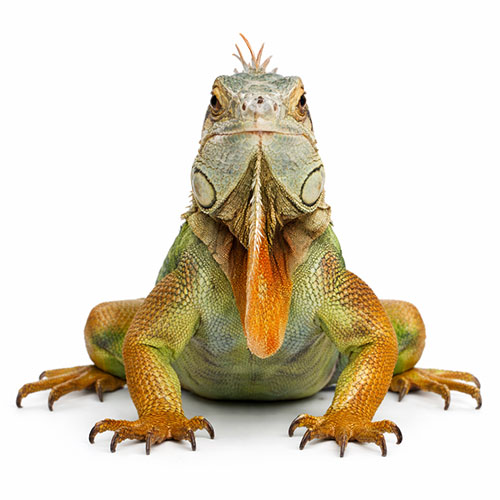

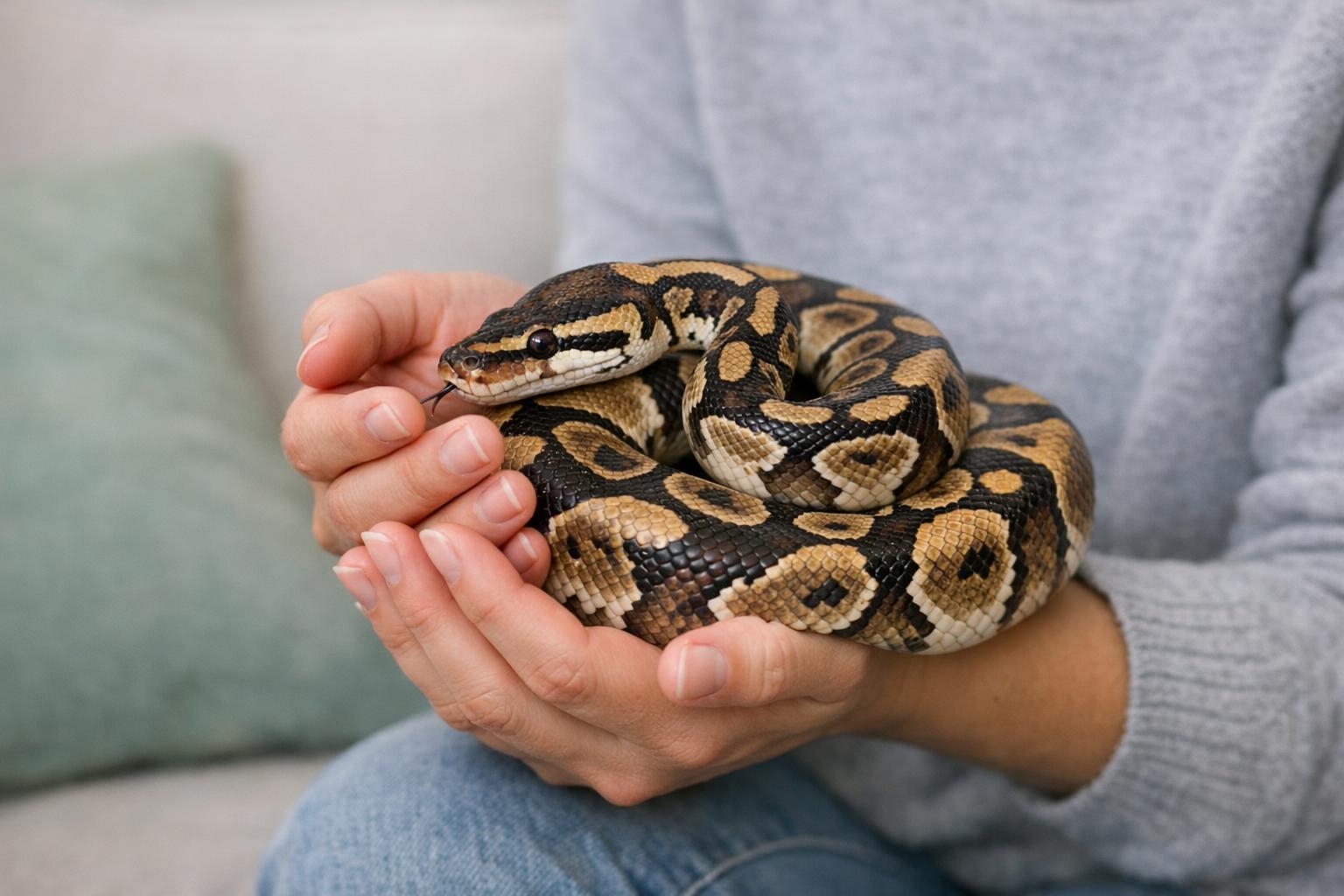
People reach for their reptile because it calms them, not because they want another chore. That friction—between wanting comfort and not wanting to stress the animal—shapes how you handle a lizard, gecko, or corn snake. Get the handling right and both of you leave the couch in a better mood.
## Reptile Handling Basics For Stress Relief: A Practical Guide
When the goal is relaxation, small details matter. The phrase reptile handling basics for stress relief captures the real work: you’re not training a show animal or prepping for the vet. You want predictable calm. That means learning a few practical moves, noticing body language, and setting up short, repeatable sessions.
### Start With The Right Animal
Not every reptile is equally suited to being a lap companion. Crested geckos and bearded dragons often tolerate handling well. Ball pythons can be very placid. High-strung species—many day geckos, some skinks—tend to be more stressed by frequent contact. If your main reason for handling is personal stress relief, choose or focus on species known for calm temperaments.
### Keep Sessions Short
Five to twenty minutes is usually enough. Your reptile does not need a half-hour cuddle to be “comforted.” You do. Short sessions reduce the chance of overheating, dehydration, or avoidance behavior. A typical sequence: open the enclosure, gently scoop or support, sit quietly for a few minutes, then return the animal before it shows clear signs of impatience.
### Create A Calm Environment
Turn off loud noises. Put your phone out of sight. Reptiles pick up on sudden movement and sound. If you want handling to lower your blood pressure, make the room predictable. Dim light helps some species. For others, like crepuscular animals, a soft lamp that doesn’t change color temperature is better than flickering fluorescents.
## How To Hold Different Types Of Reptiles
Different body plans need different grips. Knowing how to hold lowers the risk of dropping the animal and cuts down stress for both of you.
### Small Lizards: Support And Let Them Climb
For small lizards, use two hands when possible. Let them sit on a cupped palm and support the hindquarters with the other. If the lizard wants to climb your arm, let it. That climbing behavior is both natural and soothing; it gives the animal a sense of control.
### Bearded Dragons: Belly Support And Eye Contact
Bearded dragons like to be supported under the chest and abdomen. Keep one hand near the chest and the other under the hips. They often enjoy resting on the lap with a light steady pressure against their side. This feels secure to them and can be quietly rewarding for you, too.
### Snakes: Support The Spine
When handling snakes, support several points along the body. If the snake is long, let part of its body rest on your forearm or lap. Avoid hugging or constricting. A relaxed snake will move slowly and may flick its tongue; those quick tongue-flicks are actually ways it checks the world, not signs of aggression.
### When To Avoid Handling
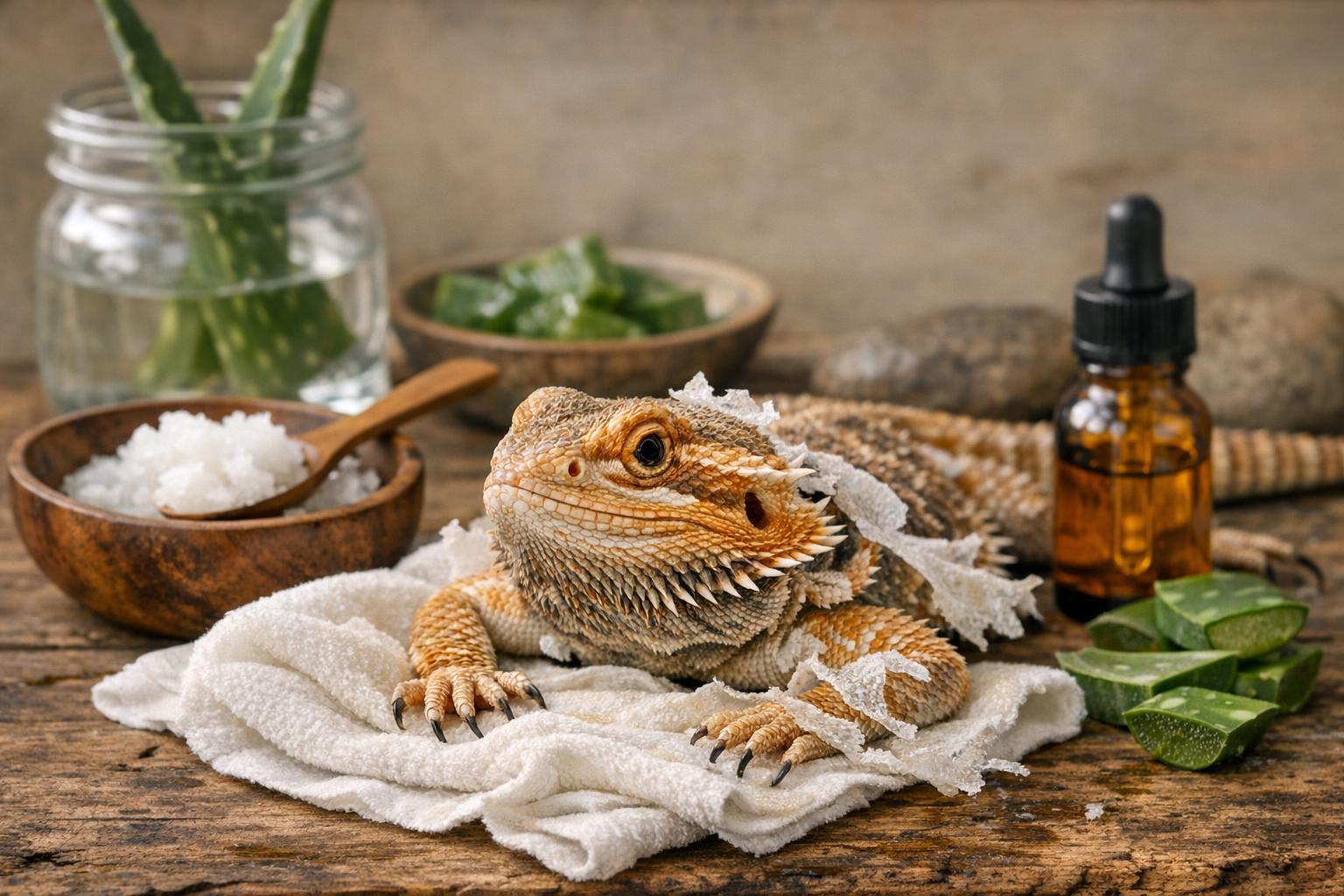
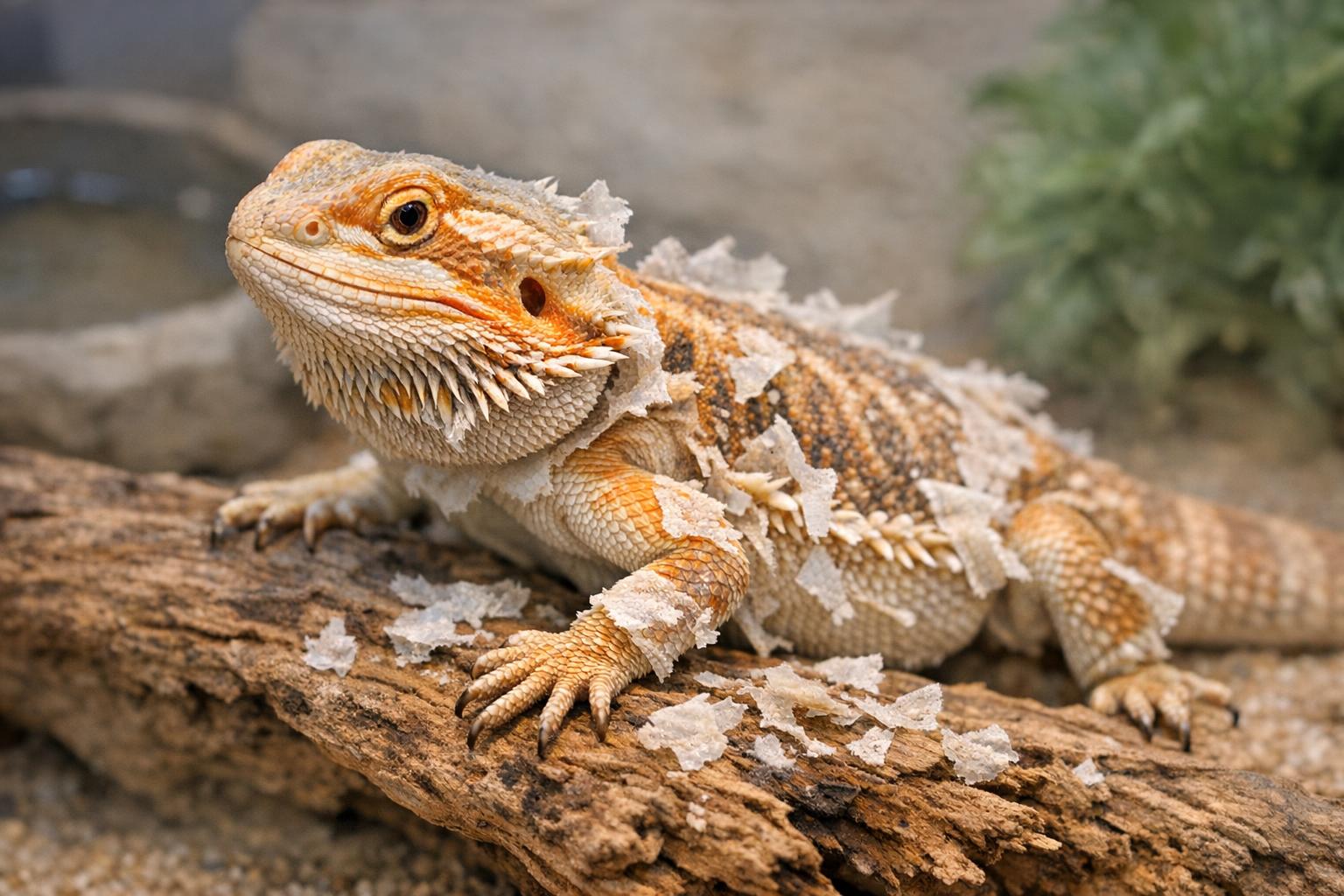
If your reptile is shedding, visibly injured, or refusing food, it’s usually a bad time to handle. Reptiles are wired to hide vulnerability. For many species, shedding is an exhausting process. Handling during that time ramps up stress and can lead to defensive behavior later.
## Reading Your Reptile’s Signals
You can’t ask a reptile how it feels, but you can read its behavior.
### Calm versus Stressed Postures
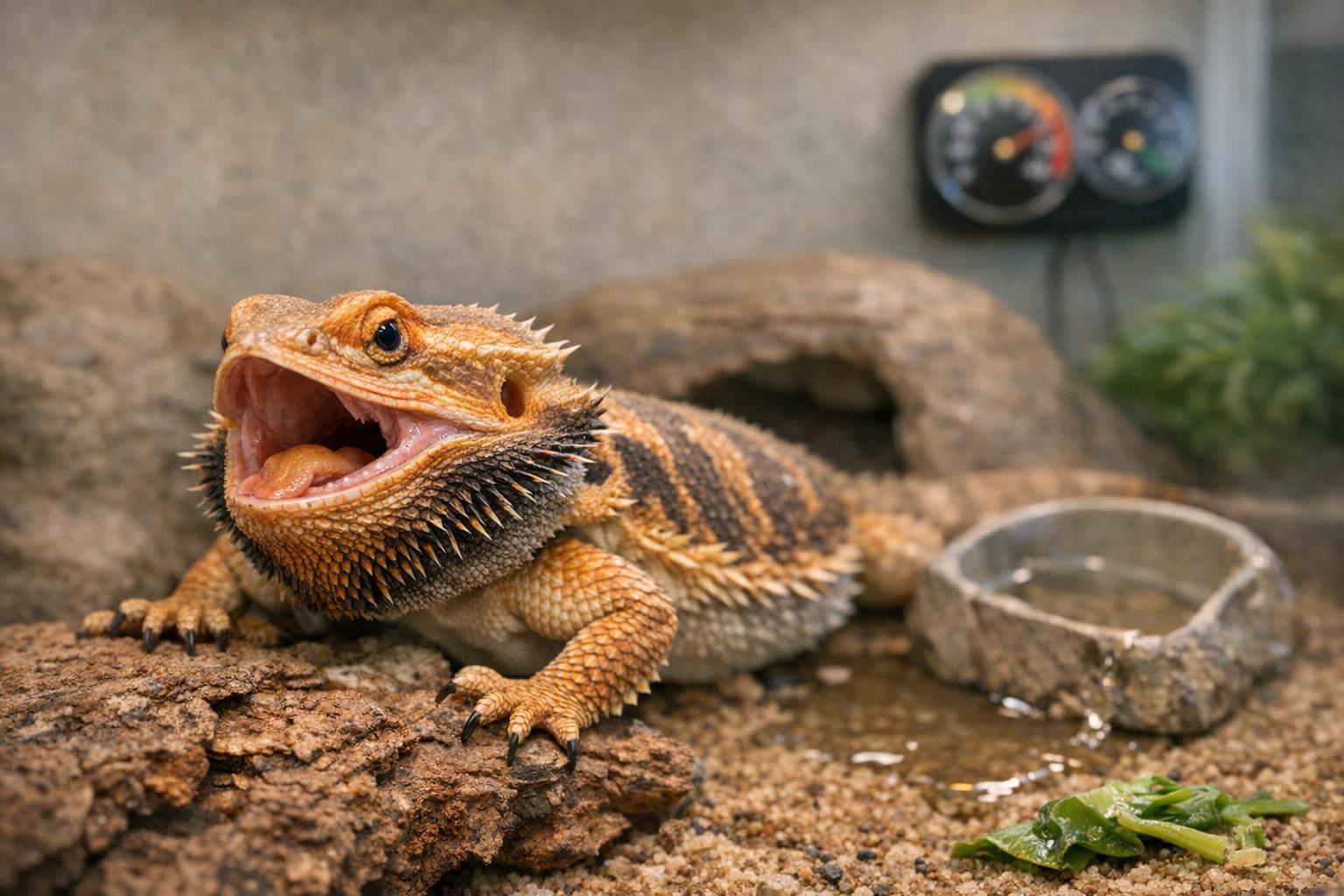
A relaxed reptile will move slowly, breathe evenly, and keep limbs tucked or gently extended. Stress shows up as rapid movements, a flattened body, open mouth, tail whipping, or fleeing attempts. With snakes, repeated tongue-flicking and a loosely coiled posture are generally fine. Hissing, striking, or urgent attempts to escape are not.
### Minor Signs That Mean “Enough”
Look for subtle cues: quick head turns, sudden cessation of movement, or avoidance when you reach in. Those are signs your session should end. You’re trying to build trust. Leaving early after a sign of stress teaches your pet that it can choose comfort too.
### Using Food Carefully
Treats can speed bonding. A small, rare food reward right after a calm session helps the reptile associate handling with positive outcomes. Do not feed immediately before handling—some reptiles become more defensive if they’re guarding a meal.
## Breathing, Temperature, And Comfort
Physiology matters. Reptiles are ectotherms, so their comfort changes with temperature.
### Match Surface Temperature
If you’re holding a reptile, your skin is a heat source. For animals that need warmth, your lap can be welcome. For species that prefer cooler spots, a warm hand may be uncomfortable. Learn the preferred temperature range for your species and aim for handling sessions where the ambient temperature is within that range.
### Watch Respiratory Rate
If a reptile breathes faster than usual, end the session. Elevated respiration often comes before any aggressive or escape behavior. It’s a clearer signal than you might expect.
## Building A Handling Routine For Stress Relief
A reliable routine reduces anxiety for both you and the animal.
### Keep Timing Consistent
If you handle after work every day at the same time, the reptile learns what to expect. Predictability is a restful thing for an animal with a simple routine. Your brain will also start to link the act with relaxation.
### Prepare Your Space
Have a small towel, a quiet chair, and a water bowl nearby. These few items cut down friction. A towel can be draped on your lap to catch shed skin or prevent slipping. A short walk to the living room is easier to repeat than a complicated setup.
### Use Handling As Mindfulness Practice
Handling can be a slow-focused practice. Feel the texture of scales, listen to the quiet breaths, count slow seconds between movements. You don’t need a mantra. Pay attention. That focus will lower your stress more reliably than scrolling on your phone.
## Hygiene And Safety Without Overdoing It
Good hygiene is about safety, not fear. Minimal, sensible steps keep both of you healthy.
### Wash Hands Before And After
Clean hands before handling reduce the risk of transferring oils or chemicals. Washing after handling removes salmonella risk for you. Use soap and warm water. No need to sanitize the reptile; reptiles need their skin microbes.
### Keep Kids And Pets Supervised
If children or dogs are around, keep handling sessions controlled. Kids should never be left alone with a reptile. A curious toddler can squeeze or drop an animal without meaning to.
### Handling During Illness Or Stress
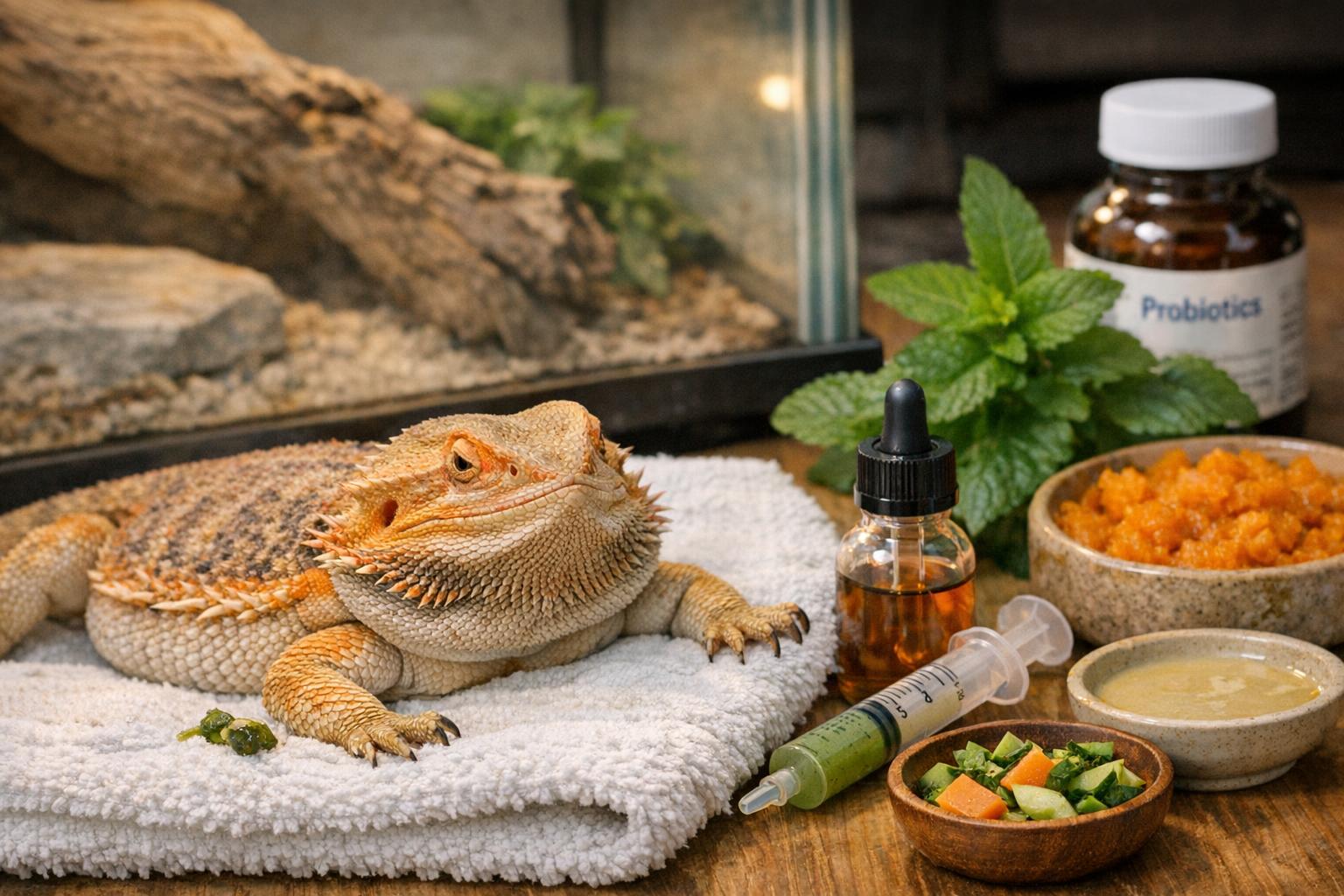
If your reptile is sick, limit handling except for necessary medical care. Stress slows recovery. A vet visit may be needed before resuming regular contact.
## Common Mistakes That Harm Comfort
A few repeated errors make handling unpleasant. Avoid these.
### Grabbing From Above
Many animals perceive overhead motions as threats. Scooping from the side or letting the reptile climb onto your hand is less intrusive. Approach slowly and keep your hands visible.
### Forcing Interaction
If the reptile resists, don’t push. Forcing contact teaches it to avoid you. Work backward: shorter sessions, more predictability, and rewards for calm behavior.
### Ignoring Species Needs
Treating all reptiles the same is a mistake. A bearded dragon and a corn snake have different needs. Read specific care sheets. The basics overlap, but details differ.
## Troubleshooting Specific Problems
When handling isn’t going well, respond pragmatically.
### Frequent Biting Or Striking
First, rule out pain and illness. If medical issues are cleared, switch tactics. Reduce session length, increase predictability, and avoid sudden hand movements. For snakes, if strikes happen during feeding season, they may be confused between food and hand. Wearing neutral-colored gloves and using tongs during feedings can help.
### Avoidance Behavior
If your reptile hides after you try to handle it, back off. Spend a few days doing calm, non-invasive interactions: hand-feeding outside the enclosure, leaving a cloth with your scent inside, or sitting near the tank while you read. That builds familiarity without pressure.
### Fear Displays Despite Careful Handling
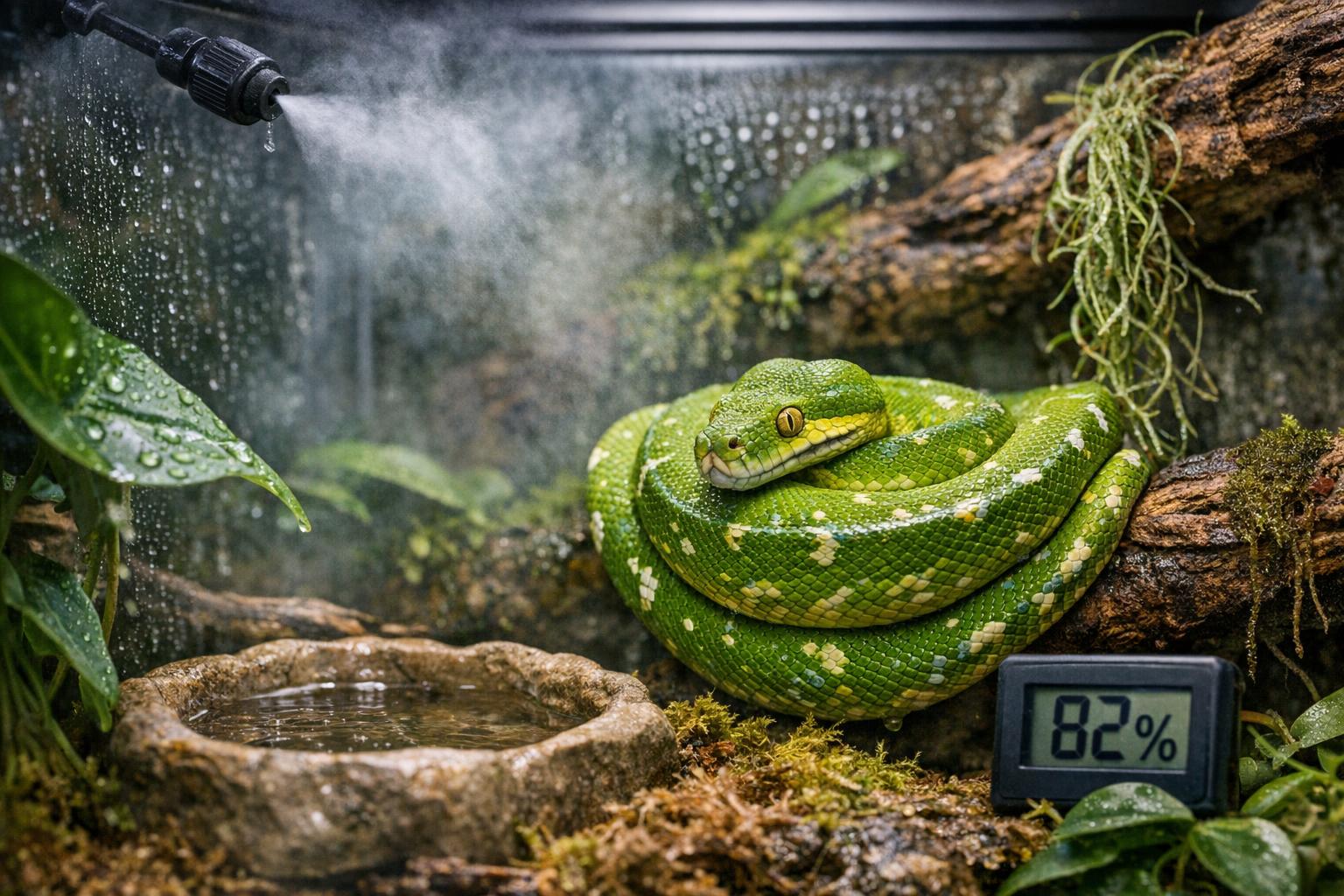
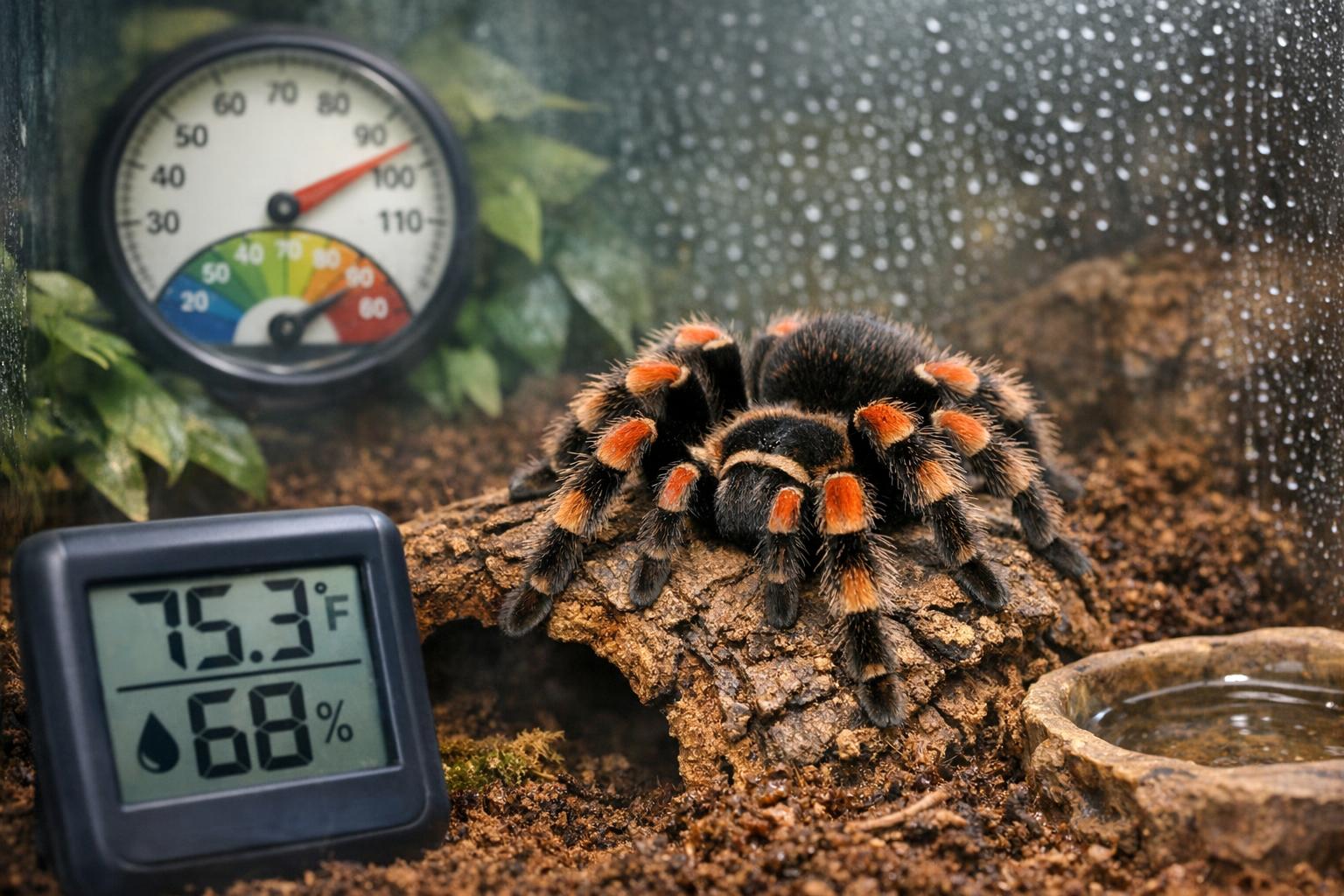
Review temperature, humidity, and enclosure size. Suboptimal habitat often translates to heightened stress when removed from the enclosure. Fix the habitat first, then reintroduce handling gradually.
## Tools That Help, Not Replace, Connection
Certain tools make handling safer or more comfortable if used properly.
### Handling Gloves
Leather or heavy fabric gloves are useful if you fear bites. But they blunt tactile feedback and can make the reptile more anxious. Use gloves sparingly and work toward bare-hand confidence when safe.
### Carry Boxes And Transfer Containers
A small, familiar container for short transfers reduces stress during movement between rooms or to the vet. Make sure it’s ventilated and has a non-slip surface.
### Perches And Harnesses
Some arboreal species tolerate soft harnesses for controlled interaction outdoors. Test them in short sessions first. Never force a harness; if the reptile shows avoidance, stop.
## When Handling Becomes Therapy
People use animals for emotional support. Reptiles can fit into that picture, but it’s different from a therapy dog.
### Expectations Matter
Reptiles don’t seek affection in the same way mammals do. Their calming effect is often passive: watching slow movement, steady warmth, and predictable behavior. If you expect a mutual emotional exchange, you may be disappointed. If you value quiet companionship, reptiles can be excellent.
### Pairing With Other Strategies
Handling works best alongside breathing exercises, light stretching, or a quiet cup of tea. Reptile contact can anchor a routine where other stress-management practices slot in naturally.
### Know When To Seek Professional Help
If stress or anxiety are interfering with daily life, handling a pet is not a substitute for professional care. Reptile time can be a useful adjunct to therapy, not a replacement.
## Reptile Handling Practices For Long-Term Comfort
Think long-term. Short-term tricks can backfire if they create avoidance or health issues.
### Rotate Handling Styles
Change up where you sit, how you support the animal, and the length of sessions. Variation prevents boredom on your end and gives the reptile control. Let them choose whether to remain on your lap or hop back into the enclosure.
### Keep Records
A simple journal helps. Note time of day, duration, behaviors observed, and any environmental changes. Over weeks you’ll spot patterns—maybe your corn snake prefers evening handling, or your bearded dragon becomes snappier in low humidity. These notes pay off.
### Respect Natural Rhythms
Reptiles have seasons and cycles. Breeding seasons bring changes in temperament. Hibernation or brumation means reduced activity and appetite. Adjust handling frequency and expectations accordingly.
## Making Handling Accessible For New Owners
If you’re new to reptiles, start with the basics and build confidence slowly.
### Learn From Experienced Keepers
A hands-on demo from someone who keeps the same species can shortcut a lot of mistakes. Observe their approach, then replicate small parts of it.
### Practice Calm Movements At Home
Before you touch your pet, practice slow hand approaches without contact. Let the animal see and smell your hands over several days. That familiarity makes first contact less fraught.
### Accept Imperfection
You will make a mistake—maybe a session ends with a startled dash back into the hide. It’s fine. Adjust, try a different time, or shorten the next interaction. Reptiles forgive consistent kindness over time.
A final practical note: if you ever feel unsure about a behavior or an injury, consult a reptile-savvy vet. Handling for comfort should make both parties feel better, not worse. And yes, sometimes receiving calm from a scaly little friend is exactly the sort of quiet antidote you need on a rough day. Try it, learn the rhythms, and let the small details do most of the work. The clave is patience, not pressure. And don’t forget to wash your hands after handling—simple hygeine keeps the whole practice sustainable and safe.














Leave a Reply