




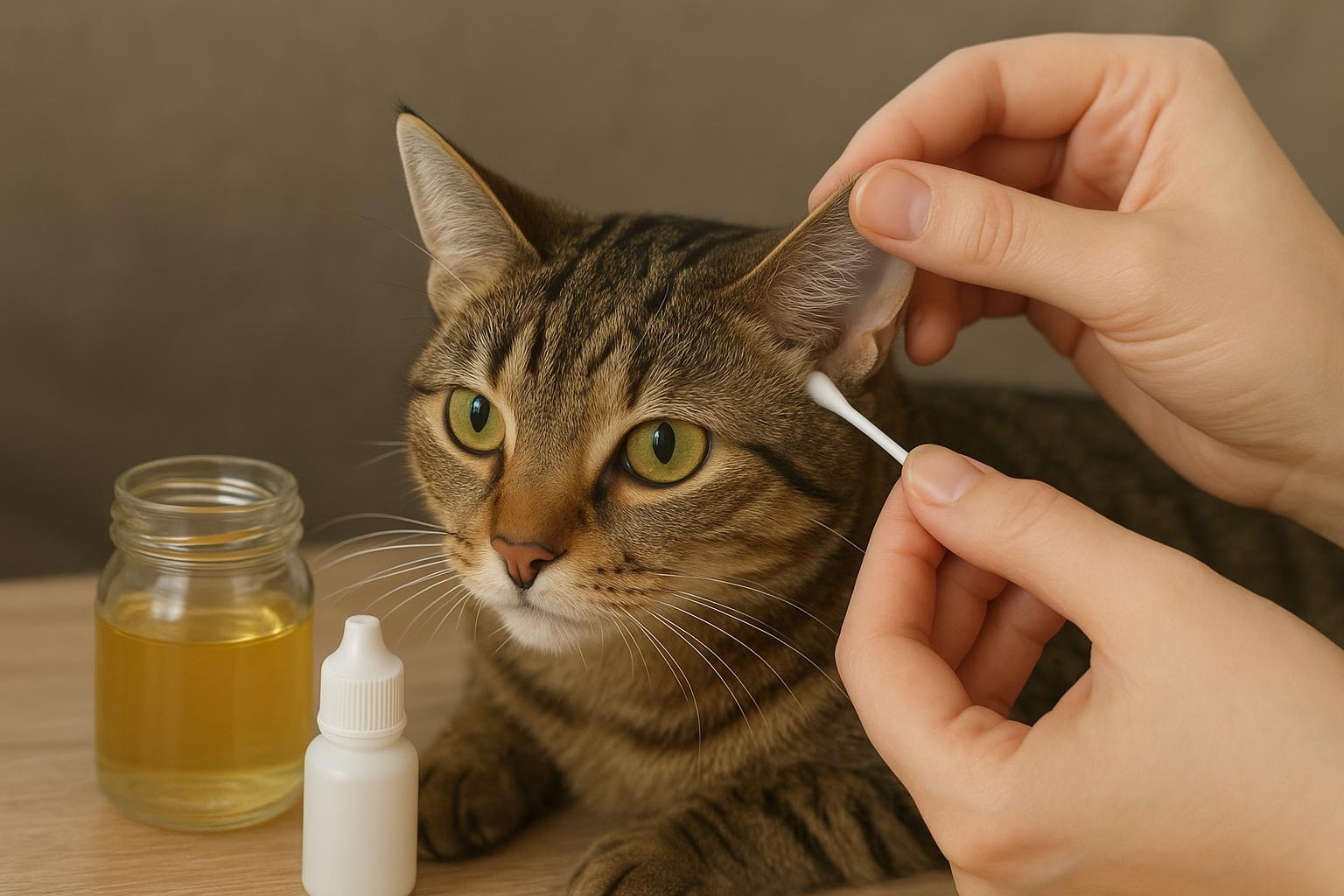
Regular attention to otic hygiene is an important component of responsible feline stewardship. Effective cat ear care protects auditory function, reduces the risk of painful infections, and supports overall welfare. The following guidance explains when and how to attend to a cat’s ears using safe, evidence-informed home measures, and provides two numbered remedial protocols with materials and stepwise directions.
## Cat Ear Cleaning Essentials Safe Home Remedies For Cats
## Cat Ear Care: Recognizing When Cleaning Is Appropriate
Cat ear care must begin with accurate assessment. Routine inspection without aggressive intervention is acceptable for most healthy cats, but cleaning is indicated only when visible debris, excess cerumen accumulation, or surface discharge is present and when the animal is cooperative. Cleaning in the absence of debris can disrupt the ear canal’s natural defenses and increase the risk of secondary problems.
Observe the external pinna and the entrance to the canal. Signs that warrant cleaning or veterinary consultation include pronounced odor, dark crumbly material resembling coffee grounds (suggestive of ear mites), yellow or green discharge, persistent head shaking, rubbing or tilting, and erythema or swelling of the ear flange. If any of these signs are present, cat ear care should proceed cautiously and may require professional evaluation.
### Understanding Cat Ear Anatomy
The feline ear consists of three primary components: the external ear (pinna and external auditory canal), the middle ear (tympanic cavity), and the inner ear (cochlea and vestibular structures). The external auditory canal is L-shaped and covered with a thin epithelium and ceruminous glands that produce wax. This anatomic configuration means that aggressive probing can damage the tympanic membrane or push material deeper into the canal. All home cleaning should be limited to the external canal entrance and never involve cotton swabs inserted into the canal.
### Common Ear Problems In Cats
Many conditions prompt the need for cat ear care:
– Accumulation of cerumen and hair matting in long-haired breeds.
– Otodectes cynotis infestation (ear mites), often producing dark, friable debris.
– Bacterial or fungal otitis externa, commonly accompanied by malodour and discharge.
– Allergic dermatitis causing pruritus and secondary infection.
– Foreign bodies or trauma.
– Aural hematoma resulting from self-trauma.
Prompt recognition and appropriate home measures reduce progression, but persistent or severe signs require veterinary intervention.
## 1. Gentle Saline Rinse For Ear Debris
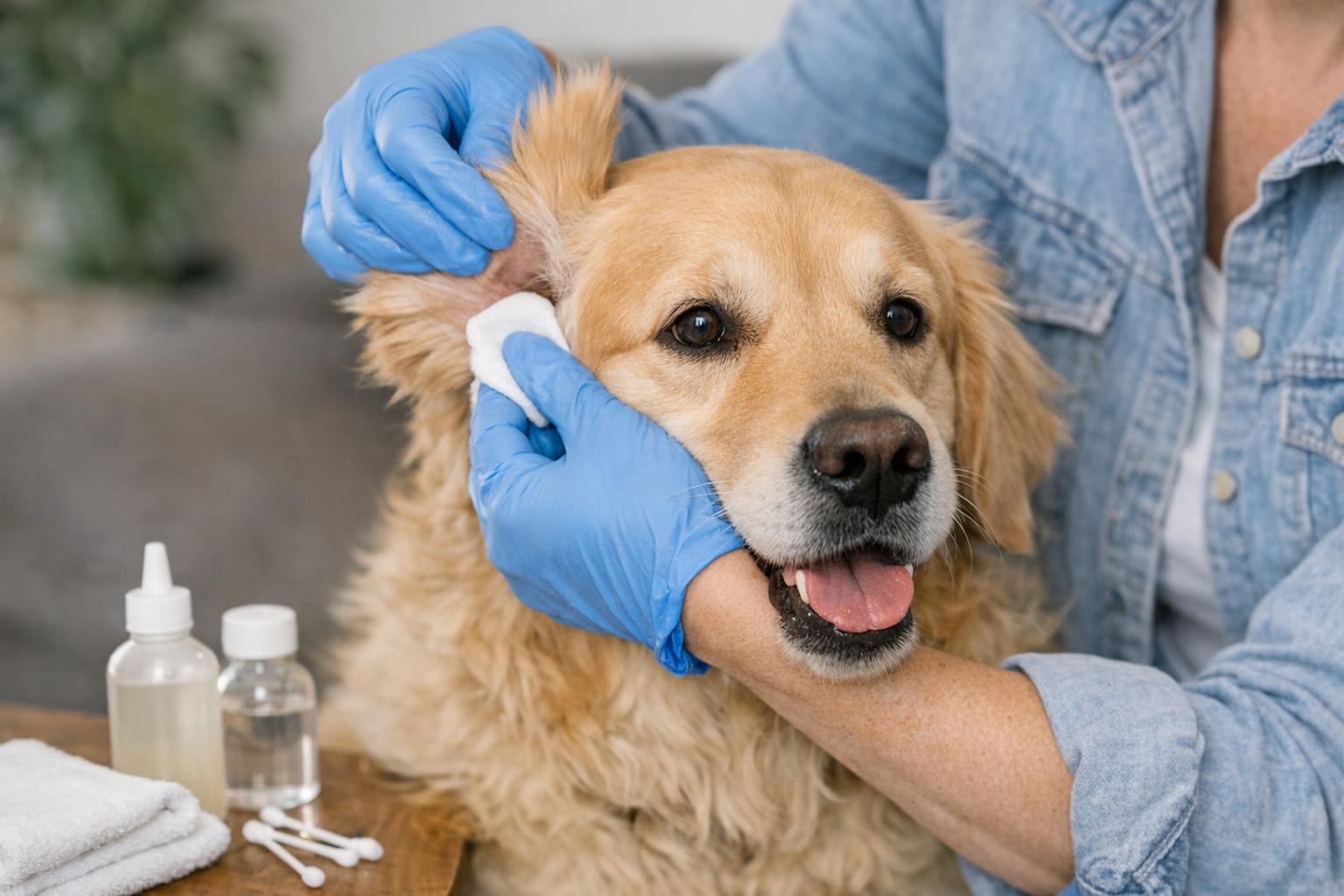
This remedy is appropriate for mild surface debris and dries easily. It is intended for cooperative cats with intact tympanic membranes and without signs of infection such as purulent discharge, pronounced swelling, or foul odour.
### Materials And Preparations
– Sterile saline solution (0.9% sodium chloride) in a sealed bottle, or sterile saline prepared at home (see Ingredients).
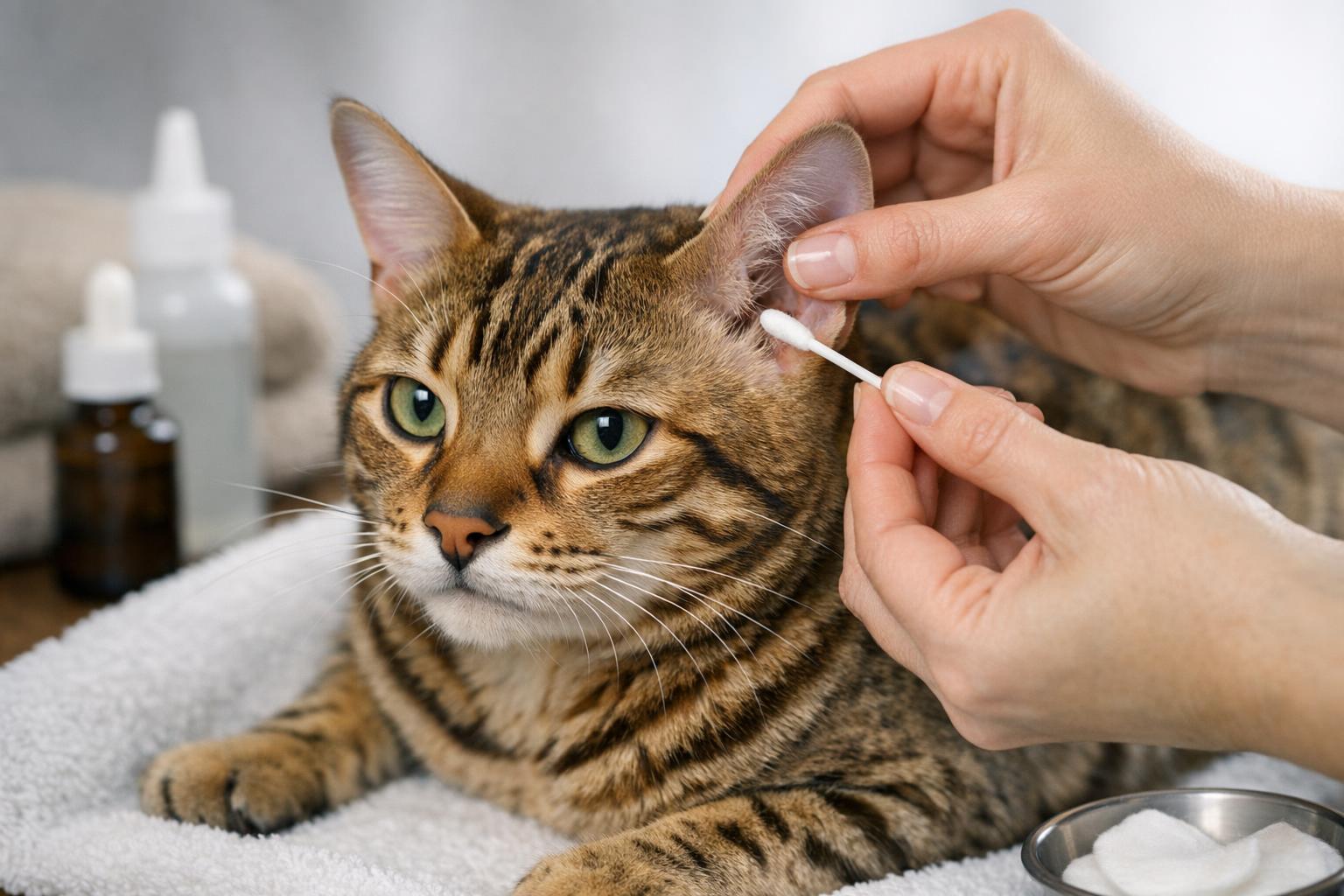
– Sterile gauze pads or lint-free cotton balls (do not use cotton-tipped swabs).
– A syringe without needle (5–10 mL) or a dropper for controlled application.
– A towel to gently restrain the cat.
– A small bowl and gloves for the caregiver.
#### Ingredients
– 1 teaspoon (5 mL) non-iodized salt.
– 1 cup (240 mL) boiled and cooled water (if preparing at home).
Combine salt and water, ensure complete dissolution, and cool to ambient temperature. Use only within 24 hours and discard any unused solution thereafter.
#### Step-By-Step Application
1. Prepare the environment: choose a quiet room and have all materials within reach. Enlist an assistant if the cat is likely to resist.
2. Restrain gently: wrap the cat in a towel with the head exposed to minimize movement while maintaining comfort.
3. Inspect the ear: use a light to examine the canal entrance. If the tympanic membrane is suspected to be ruptured (ear pain, discharge, bleeding), do not proceed and seek veterinary care.
4. Apply saline: draw 2–3 mL of saline into the syringe or use a dropper to place a small volume at the entrance of the ear canal. Avoid forceful irrigation.
5. Massage the base of the ear externally for 10–20 seconds to dislodge superficial debris. This helps the saline reach loose material without deep insertion.
6. Allow the cat to shake its head; expectorated material will often be extruded.
7. Wipe away loosened material gently with sterile gauze. Repeat once if necessary, using fresh gauze each time.
8. Dry the area thoroughly with clean gauze. Excess moisture predisposes to infection.
9. Record the procedure and any adverse reaction. If signs worsen within 24–48 hours, consult a veterinarian.
This saline approach maintains pH neutrality and minimizes irritation while providing mechanical removal of superficial debris. It is not a treatment for confirmed parasitic or bacterial infestations.
## 2. Mild Olive Oil Softening For Stubborn Wax
When ceruminous material is tenacious but there is no evidence of active infection, a softening regimen using olive oil can facilitate safe removal. This method should be used with caution and discontinued if any signs of infection are present.
### Materials And Preparations
– Extra virgin olive oil (sterile if available) warmed to body temperature.
– Sterile dropper or disposable syringe (no needle).
– Sterile gauze or lint-free cloth.
– Towel for restraint and protective gloves.
#### Ingredients
– 1 tablespoon extra virgin olive oil (warmed slightly by placing bottle in warm water; do not overheat).
#### Step-By-Step Application
1. Ensure a calm environment and gentle restraint as previously described.
2. Warm the olive oil to approximatley 37°C (body temperature); test on inner wrist before application.
3. Instill 2–3 drops into the ear canal entrance. For larger debris, up to 5 drops may be used once daily.
4. Massage the base of the ear for 20–30 seconds to distribute the oil and soften wax.
5. Allow the oil to sit for several minutes; the cat’s natural shaking will expel softened material.
6. Wipe the outer canal and pinna with sterile gauze to remove residual softened wax.
7. Repeat the application once daily for 3–5 days or until wax is loosened sufficiently for removal with gentle saline cleaning.
8. Discontinue immediately if increased redness, odour, swelling, or discomfort occurs, and obtain veterinary evaluation.
Olive oil is lubricating and non-toxic when applied externally; it does not address infectious or parasitic causes but serves as an adjunct for mechanical debridement within a comprehensive cat ear care regimen.
### When To Avoid Home Remedies
Home remedies are contraindicated in the presence of:
– Intense pain, bleeding, or visible trauma.
– Purulent discharge with malodour.
– Neurologic signs such as vestibular dysfunction (head tilt, imbalance).
– Known tympanic membrane rupture.
– Recurrent or refractory ear disease despite home measures.
In these circumstances, immediate veterinary assessment is imperative. Improper or delayed treatment can lead to chronic otitis, hearing loss, or systemic illness.
### Proper Routine For Ongoing Cat Ear Care
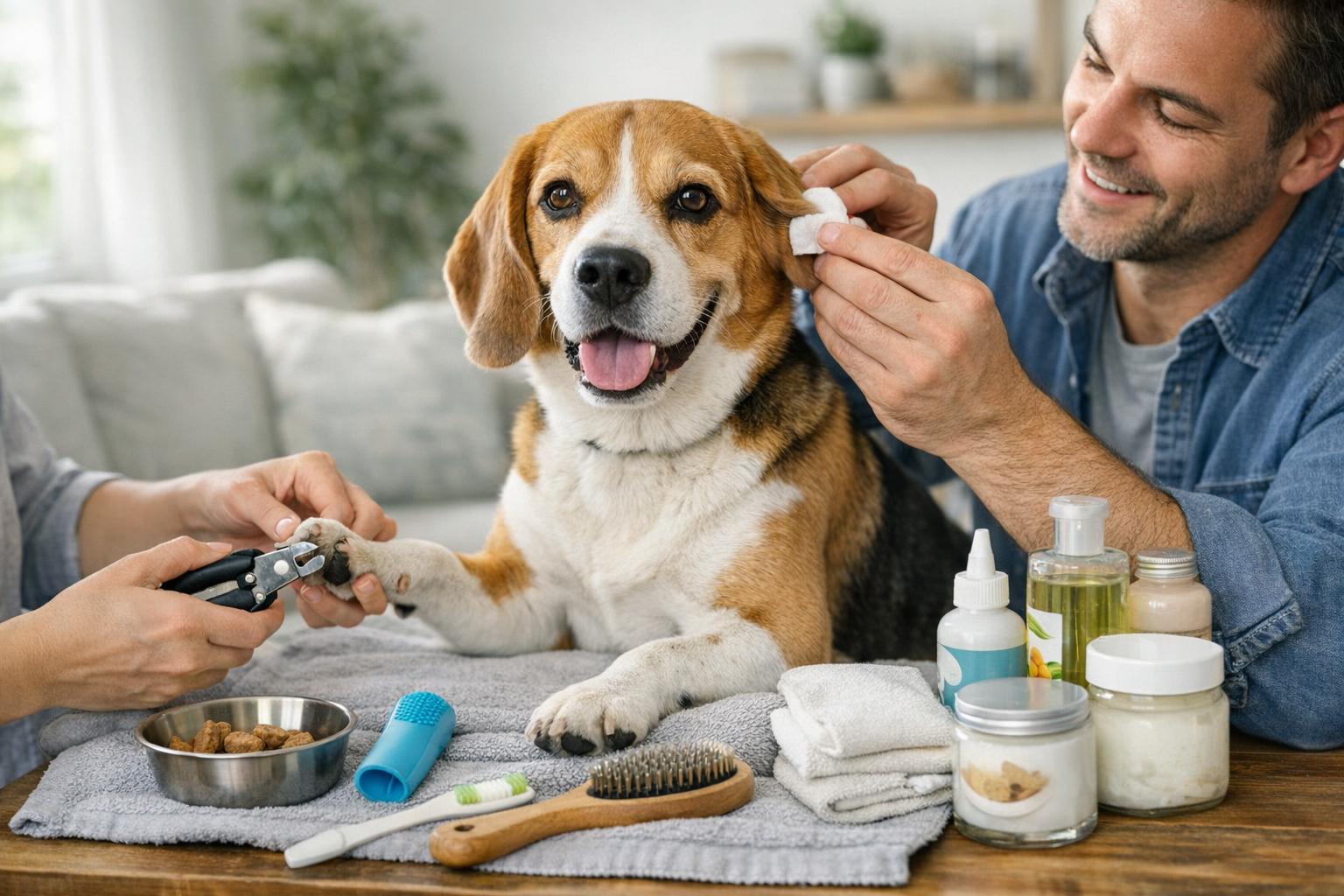
An individualized maintenance schedule supports long-term auditory health. For most indoor cats, inspection every 2–4 weeks is sufficient; long-haired breeds or cats with a history of ear disease may require more frequent attention. Cleaning should only occur when indicated by visible debris, and any maintenance should be carried out with gentle agents such as the saline rinse described above.
– Maintain grooming to reduce hair and debris accumulation around the pinnae.
– Keep the environment free of excessive dust and allergens where possible.
– Document any occurrences of head shaking, scratching, or discharge to inform veterinary assessments.
#### Tools For Routine Care
Appropriate tools for routine cat ear care include sterile saline, soft gauze, a reliable light source, and, when instructed by a veterinarian, medicated ear cleansers. Avoid cotton-tipped applicators and household remedies containing alcohol, hydrogen peroxide, or essential oils unless directed by a professional, as these can irritate the delicate ear structures.
Adherence to these protocols enables safe, measured intervention for minor ear complaints and establishes a framework for timely referral when signs exceed the scope of home care.





















Leave a Reply