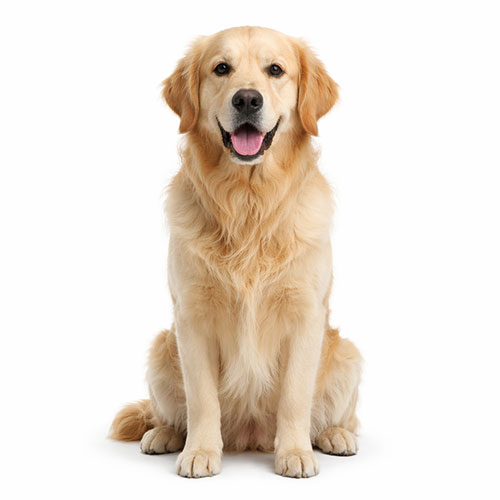

Keeping your pup’s ears clean doesn’t have to be a battle of wills, a puddle of mess, or a weekly audition for a waterlogged hound. With a gentle ear cleaner for dogs made at home, you can help prevent wax buildup, reduce odor, and spot early signs of trouble—without paying for expensive products or risking harsh chemicals. Read on for a friendly guide (with one practical DIY recipe), safety tips, and when to call the vet.
## Gentle Ear Cleaner For Dogs: Simple DIY Recipe
This recipe is designed to be mild, soothing, and safe for most healthy adult dogs with routine ear maintenance needs. If your dog has an open wound, persistent discharge, blood, or severe pain in the ear, do not use home remedies—see a veterinarian first.
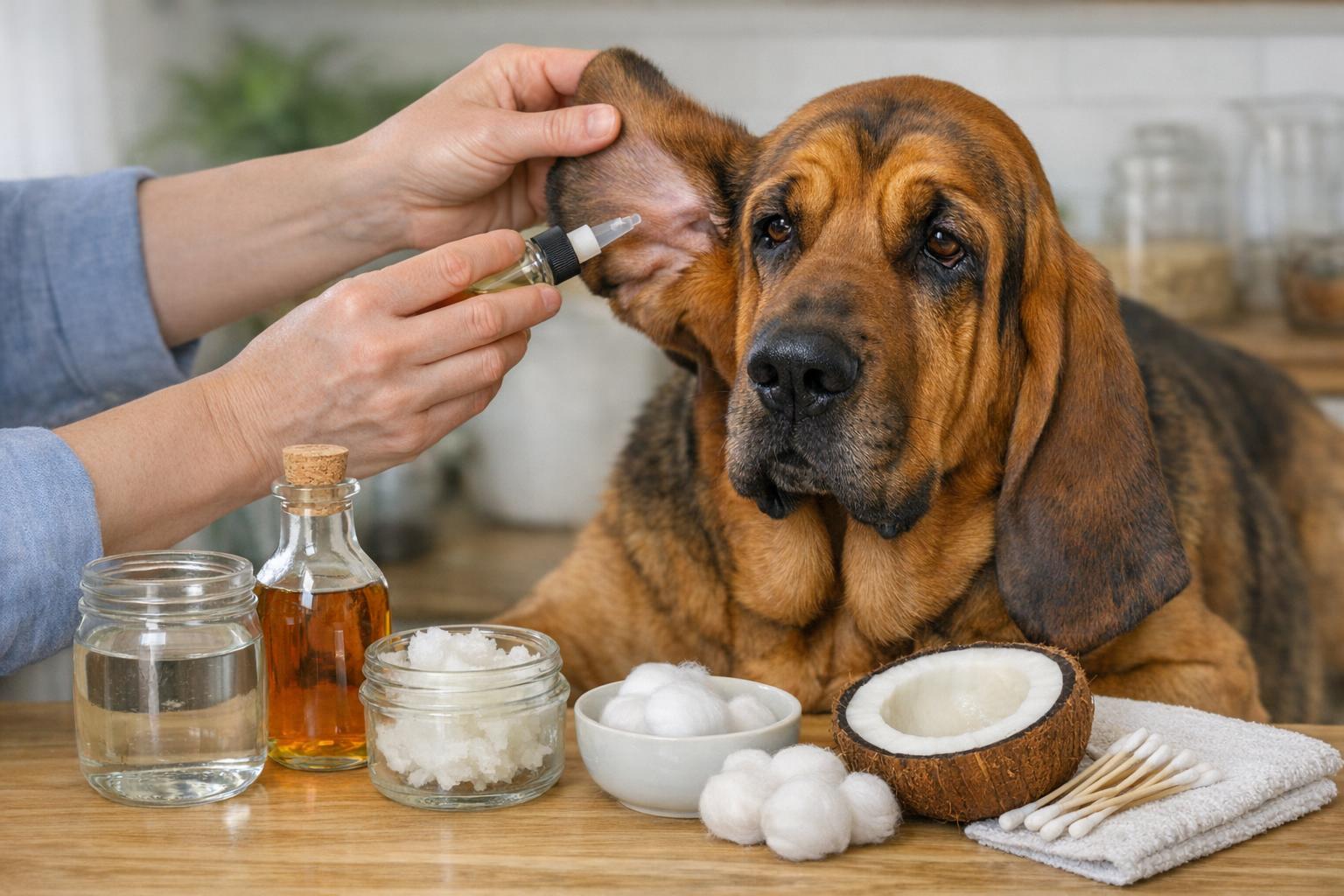
### Ingredients And Materials
– 1/2 cup distilled water (boiled and cooled if you don’t have distilled)
– 1/2 cup white vinegar OR apple cider vinegar (choose white vinegar if your dog’s ears are irritated; ACV has a milder scent)
– 1 teaspoon witch hazel (optional; helps dissolve wax)
– A clean plastic squeeze bottle or dropper bottle (10–30 ml)
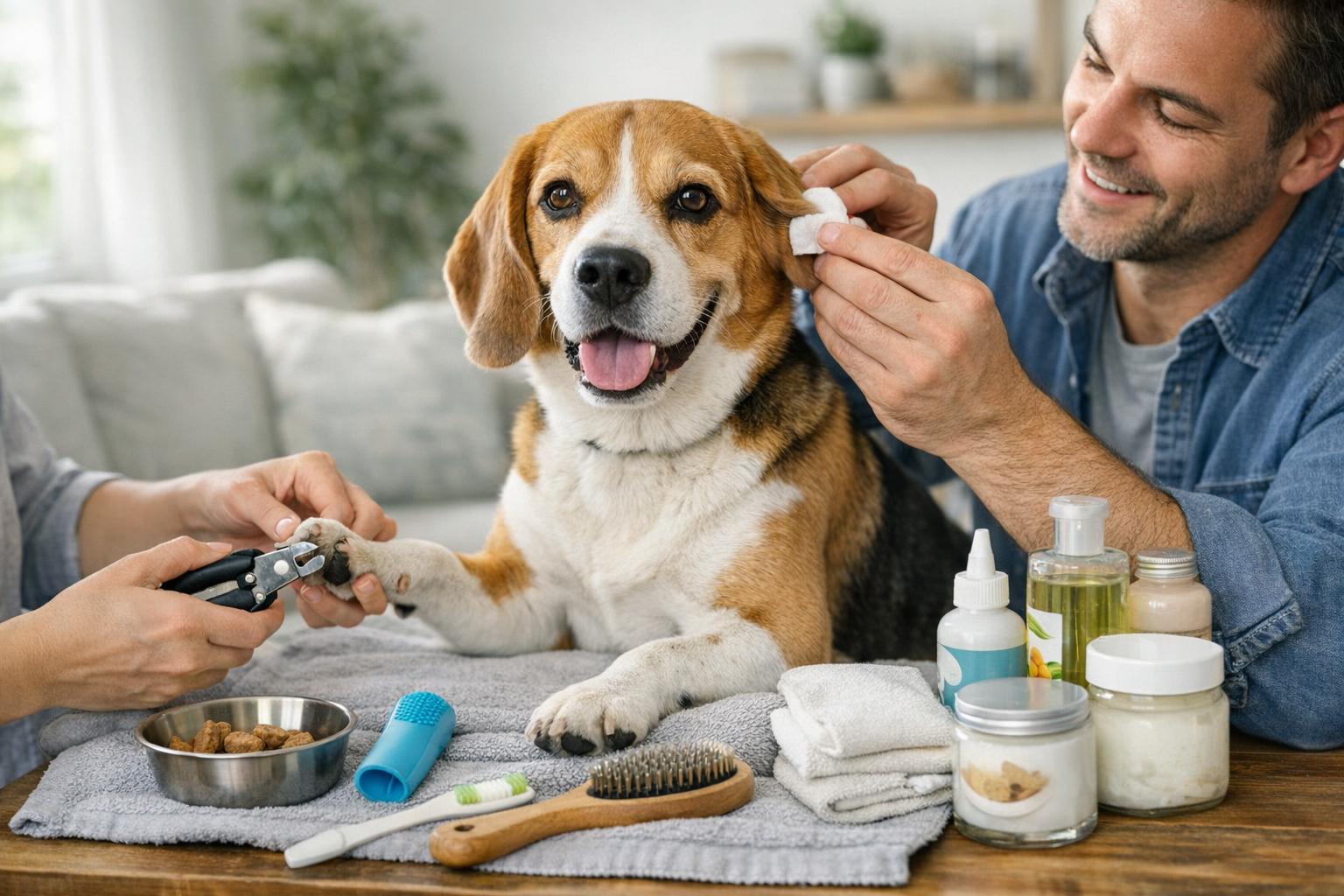
– Cotton balls or gauze pads
– Soft towel and treats
– Gloves (optional)
This gentle ear cleaner for dogs avoids alcohol and hydrogen peroxide because they can sting and dry the ear canal.
### Step-By-Step Preparation And Application
The following instructions are precise and intended to minimize risk while maximizing effectiveness. Perform this procedure gently and calmly.
1. Prepare the Solution:
– In a clean container, mix the distilled water and vinegar in equal parts. If using witch hazel, add the teaspoon now and stir or gently shake in a sealed bottle.
– Label the bottle and store in a cool, dark place. Use within 7–10 days.
2. Get Your Dog Ready:
– Choose a quiet, well-lit area. Have treats ready. Gently hold your dog so they feel secure—an assistant can help with larger or anxious dogs.
– Place a towel under their head to catch any drips.
3. Inspect the Ears:
– Lift the ear flap and look inside. Healthy ears are pale pink and somewhat dry. If you see redness, swelling, pus, a foul odor, blood, or excessive pain on manipulation, stop and consult your veterinarian.
4. Apply the Cleaner:
– Warm the bottle in your hands for a minute so the solution isn’t cold.
– Gently pull the ear flap up and fill the ear canal with a few drops (for small dogs) to several drops (for large dogs). Avoid forceful squirting.
– Massage the base of the ear for 20–30 seconds to help loosen debris and wax. You should hear a squishing sound—that’s normal.
5. Wipe Away Debris:
– Allow your dog to shake their head; this helps bring debris toward the outer ear.
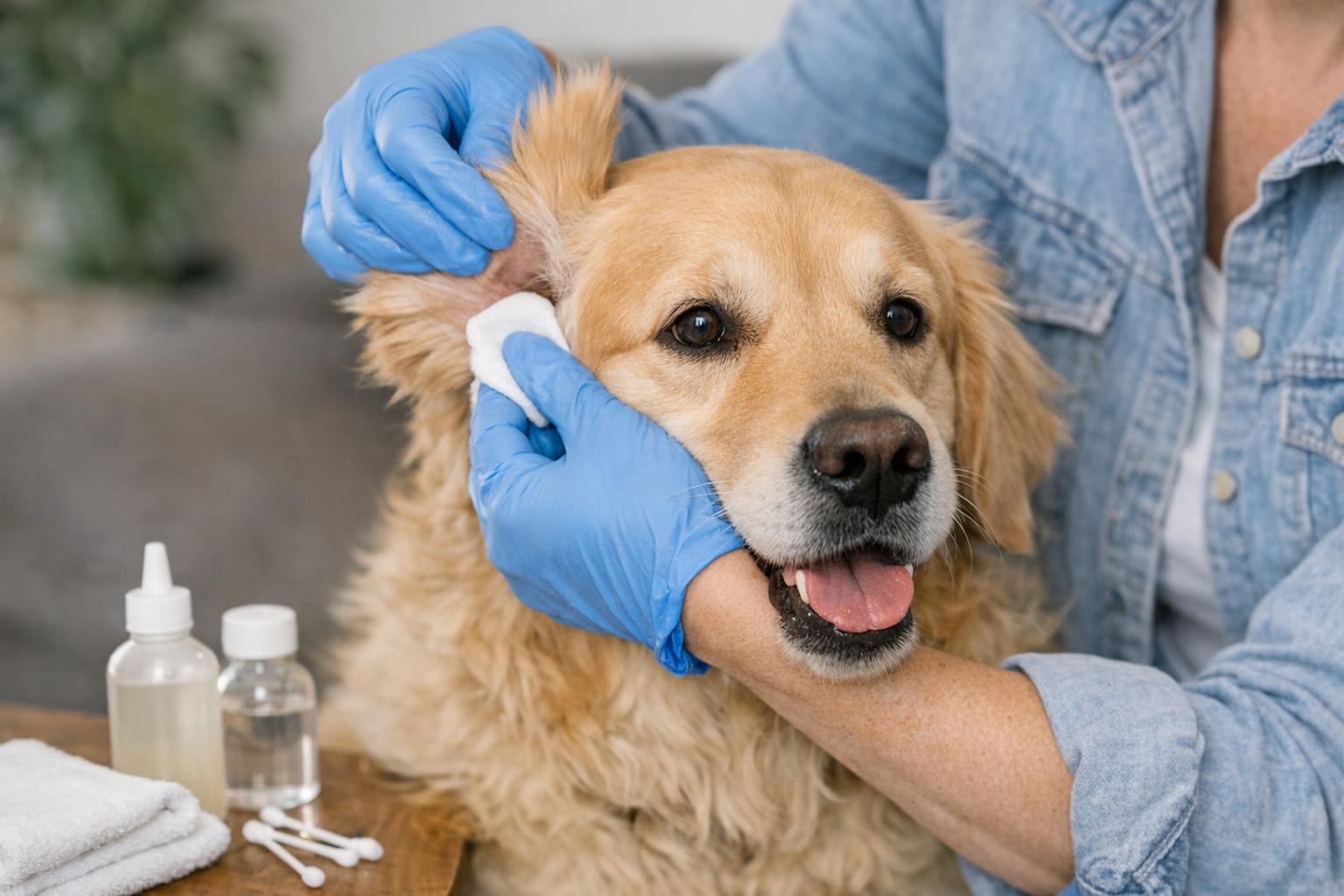
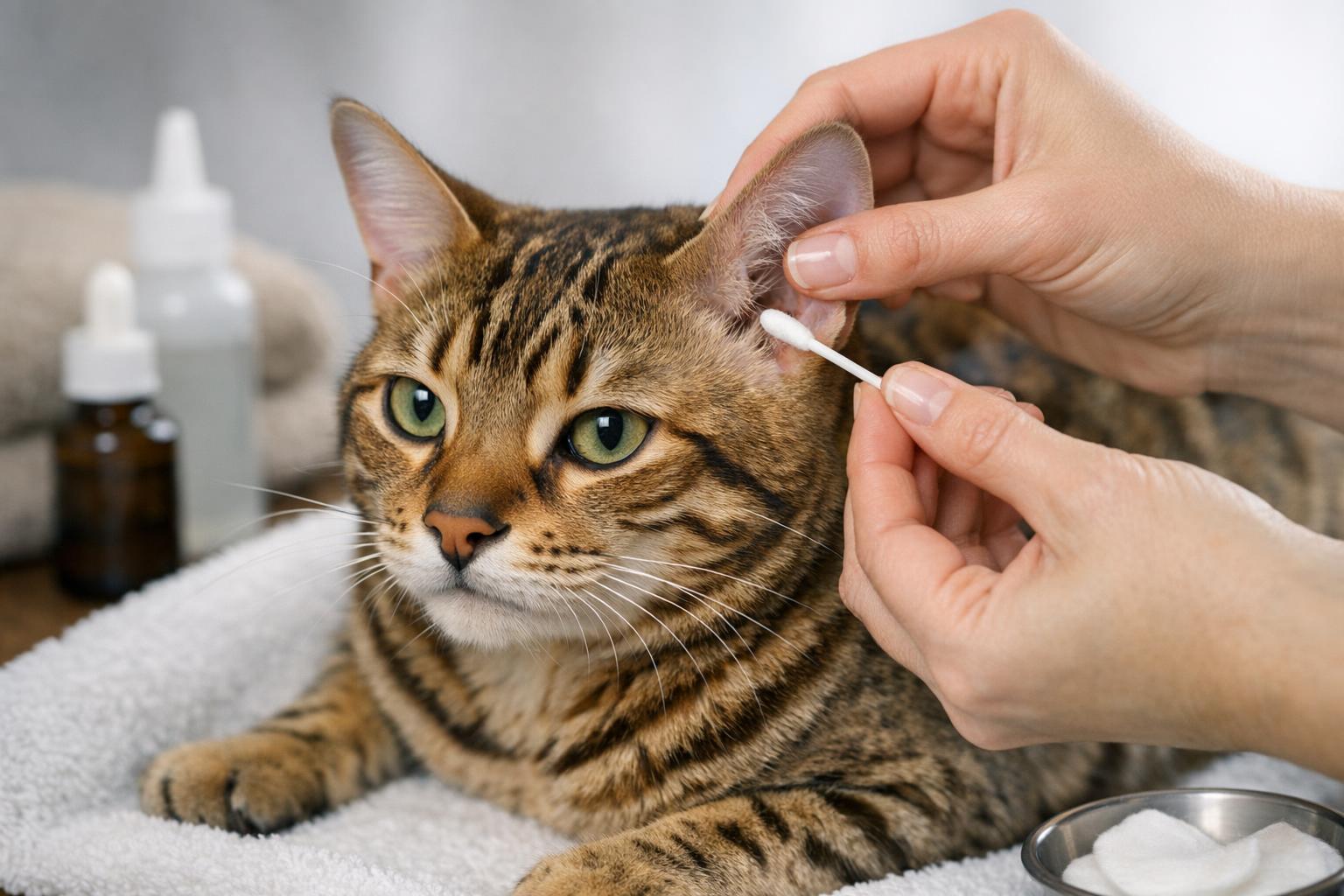
– Use a cotton ball or gauze to gently wipe the outer ear and entrance of the canal. Do not insert cotton swabs or fingers into the ear canal.
6. Reward And Repeat If Needed:
– Praise and offer treats to create a positive association.
– Repeat on the other ear if necessary. Clean up and dispose of used cotton.
Follow-up: If wax or debris persists after two gentle cleanings spaced a few days apart, or if irritation worsens, consult your veterinarian. This gentle ear cleaner for dogs is for maintenance and mild cleaning—infected or deeply clogged ears need professional attention.
## Signs Your Dog Needs Ear Cleaning
Many dogs with floppy ears, active lifestyles, or allergies will benefit from routine maintenance. Watch for these common signals.
### Common Symptoms
– Scratching at the ear(s) or shaking the head
– Foul or musty odor from the ear
– Brown, yellow, or black discharge
– Redness or swelling of the ear flap
– Hair loss around the ear, scabs, or crusting
These signs can indicate yeast, bacterial infections, ear mites, or allergies. Regular checks help catch problems early.
### When To See A Veterinarian
If your dog shows severe pain, persistent discharge, bleeding, fever, or seems suddenly unbalanced or deaf, contact your vet immediately. If simple cleaning doesn’t reduce odor or discharge within 48–72 hours, professional diagnosis and likely medication will be necessary. If a gentle ear cleaner for dogs doesn’t help, an exam and culture may be required.
## Tips For Safe Ear Care At Home
Routine care never hurts, but overdoing it or using the wrong products can. Keep these tips in mind.
### Frequency And Technique
– Most dogs benefit from ear checks once a week and cleaning only when wax or debris is present. Overcleaning can strip natural oils and encourage irritation.
– Always use a gentle, pH-balanced solution. The DIY gentle ear cleaner for dogs recipe above is intentionally mild.
– Be calm and methodical. If your dog becomes stressed, stop and try again later.
#### Using Cotton Vs Cotton Swabs
– Use cotton balls or gauze to wipe the outer ear and the entrance to the canal. Never insert cotton swabs or anything deep into the ear canal—this risks pushing debris deeper and injuring the eardrum.
### Choosing Commercial Cleaners
If you prefer store-bought options, look for products labeled for dogs that are alcohol-free and pH-balanced. Avoid human ear cleaners, perfumes, or products containing hydrogen peroxide or strong antiseptics unless directed by your veterinarian. A reputable commercial gentle ear cleaner for dogs will state its active ingredients and intended use.
## Troubleshooting And When To Stop
Even the best plans sometimes meet an unexpectedly grumpy dog or a stubborn ear problem.
### Allergic Reactions And Sensitivity
Signs of sensitivity include increased itching, redness, swelling, or visible irritation after using a cleaner. If you notice any of these signs after applying a gentle ear cleaner for dogs, discontinue use immediately, gently rinse the ear with distilled water, and consult your veterinarian.
### Chronic Issues And Specialist Care
Recurrent ear infections, chronic inflammation, or anatomical issues (like very narrow ear canals) may require specialized treatment such as prescription ear drops, oral medications, or in rare cases, surgery. If your dog’s ears are a recurring problem, work with your vet to determine underlying causes—dietary allergies, hormonal imbalances, or environmental factors can all play a role.
## Handling Anxious Or Uncooperative Dogs
Some dogs treat ear cleaning like a personal affront. Use patience, positive reinforcement, and gradual desensitization.
### Gentle Desensitization Steps
– Spend short sessions just touching the ear and rewarding calm behavior.
– Progress to lifting the ear flap, then to letting the dog smell the bottle, then to a single drop and reward.
– Keep sessions short and positive; end on a good note with treats.
If needed, ask your vet or a professional trainer for hands-on help or to demonstrate proper handling techniques.
## Record Keeping And Seasonal Notes
Keeping track of ear-cleaning sessions, symptoms, and any changes can help identify triggers like seasonal allergies, swimming, or new diets. Dogs who swim frequently or have lots of hair in their ear canals may need more regular checks. Use a simple log to note dates, treatments used, and any reactions.
If you’re ever unsure whether the DIY approach is right for your dog, a quick call to your veterinarian is the safest route. A gentle ear cleaner for dogs can be a fantastic part of a home-care routine, but the priority is always your pet’s comfort and health—so when in doubt, get professional advice.

Leave a Reply