
## Dog Sneezing Treatment: Causes And First Steps
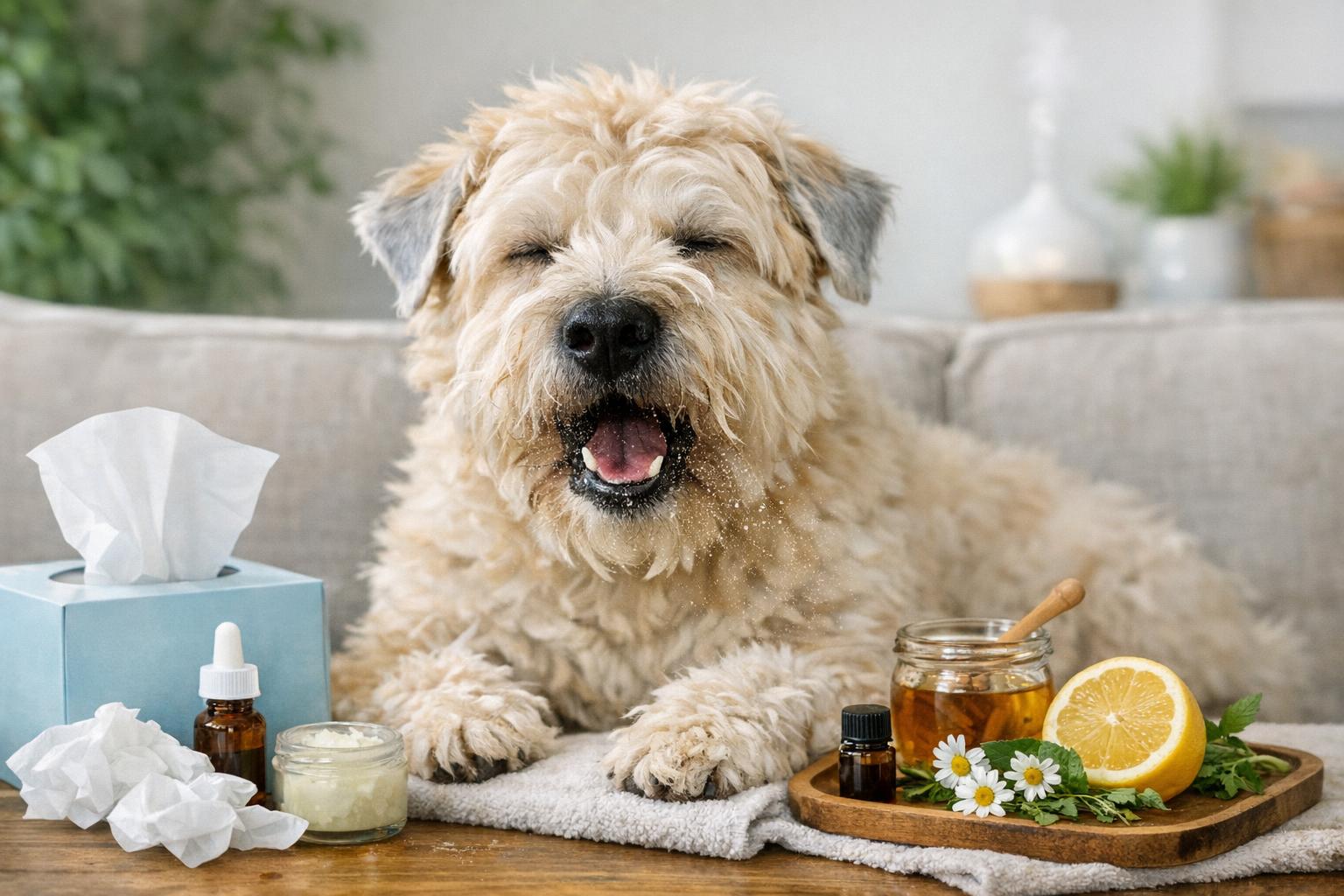
Dogs sneeze. Sometimes it’s cute, sometimes it’s dramatic, and sometimes it makes you wonder if Fido has been sniffing the neighbor’s mystery mulch again. Before reaching for complicated solutions, it helps to understand why your dog is sneezing and what immediate, safe actions you can take. This article focuses on gentle, natural options for dog sneezing treatment and what to watch for so you know when a vet visit is needed.
### Why Dogs Sneezing Happens
Sneezing is a reflex to clear the nasal passages. Common causes include seasonal allergies, indoor irritants (dust, smoke, fragrances), viral or bacterial infections, foreign bodies (grass awns or foxtails), and dental disease that irritates nearby sinuses. Some breeds with short muzzles may sneeze more often due to conformation. If sneezing is occasional and the dog is bright, eating and playful, it’s usually not an emergency.
### Allergy Versus Infection Versus Foreign Body
Distinguishing the cause is key to choosing the right dog sneezing treatment. Allergic sneezes typically come with intermittent sneezing, watery eyes, and sometimes itchy skin. Infections may be accompanied by nasal discharge that is green or yellow, lethargy, fever, and appetite changes. A foreign body often produces sudden persistent sneezing, pawing at the nose, or unilateral discharge.
### When To See A Vet Immediately
If your dog has persistent nosebleeds, repeated sneezing over hours, breathing difficulty, facial swelling, or signs of severe illness (high fever, collapse, not eating), seek veterinary care right away. Foreign objects, severe infections, and certain nasal tumors require professional intervention.
## 1. Saline Nasal Rinse For Mild Congestion And Irritation
This is a gentle, veterinary-friendly dog sneezing treatment for mild nasal irritation and to flush out pollen or dust. Saline rinses can soothe mucous membranes without drugs.
Ingredients / Materials:
– 1 cup (240 ml) sterile saline solution for nasal irrigation (0.9% sodium chloride) or a homemade isotonic saline prepared as below
– Small syringe without needle (5–10 ml) or an eye dropper
– A towel and a helper if your dog is fidgety
How To Make Homemade Isotonic Saline (If You Can’t Buy Sterile Saline):
– Ingredients: 1 cup (240 ml) boiled then cooled water, 1/4 teaspoon non-iodized salt
– Mix thoroughly in a clean container and let cool to lukewarm.
Step-By-Step Application:
1. Find a calm environment and have treats ready. Keep the dog in a comfortable position—sitting or standing.
2. Warm the saline to lukewarm. Test against the inside of your wrist; it should feel neutral.
3. Gently hold your dog’s head steady. With the syringe or dropper, place one to two drops into one nostril while the dog’s head is slightly elevated so the solution flows through the nasal passage.
4. Allow the dog to sneeze out the fluid naturally. Repeat on the other nostril if needed, using small amounts (2–4 ml) per nostril.
5. Praise and reward your dog to create a positive association.
Precautions:
– Do not force large volumes into the nose; this can be uncomfortable and risk aspiration.
– Stop if your dog coughs, gags, or becomes distressed.
– Use sterile saline when possible; homemade saline is a short-term option only.
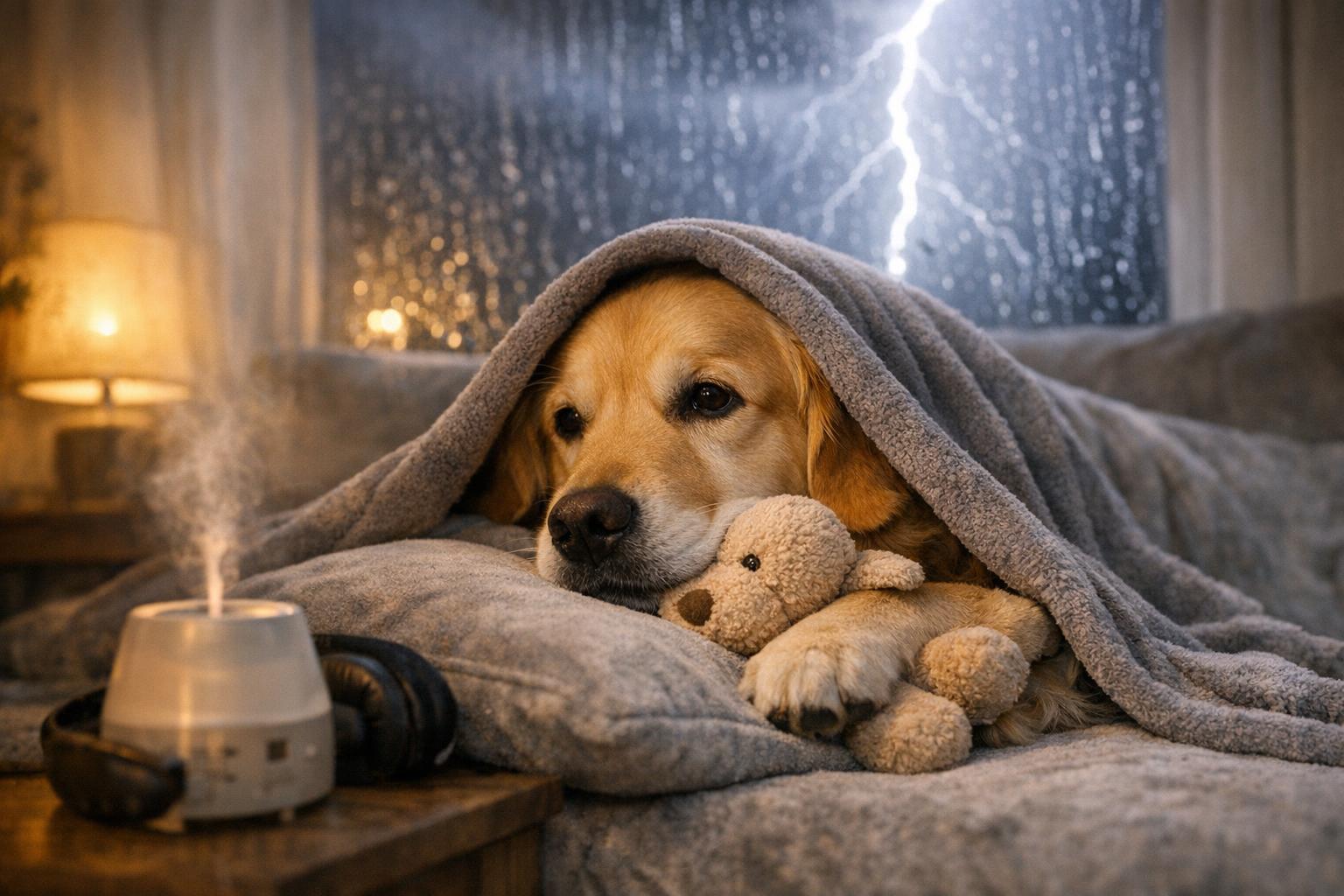
## 2. Steam And Humidifier Therapy To Ease Irritation
A humid environment can help loosen mucus and reduce sneezing from dry indoor air—an easy and drug-free dog sneezing treatment useful especially during winter.
Materials:
– A room humidifier or a steam-safe bathroom
– Towels
– Patience
Step-By-Step Application:
1. Place a cool-mist humidifier in the room where your dog rests. Run it for several hours or overnight to increase ambient humidity to around 40–60%.
2. Alternatively, run a hot shower with the bathroom door closed and sit with your dog at a comfortable distance (not in the hot steam) for 10–15 minutes so they can breathe moistened air safely.
3. Monitor your dog for comfort. If they seem stressed or overly warm, stop the session.
4. Combine with saline rinses when congestion is present for better results.
Precautions:
– Avoid essential oils in the steam or diffuser; many are toxic to dogs.
– Keep humidifiers clean to prevent mold and bacteria growth.
### 2.1 Air Quality And Environmental Management
Reducing exposure to allergens is a cornerstone of non-pharmacological dog sneezing treatment.
Practical Steps:
– Wash bedding weekly in hot water.
– Vacuum with a HEPA-filter vacuum and mop hard floors.
– Reduce indoor smoking and strong perfumes.
– Air out the house after yard work and wipe paws after walks to reduce pollen transfer indoors.
## 3. Nutritional Support And Natural Antihistamines
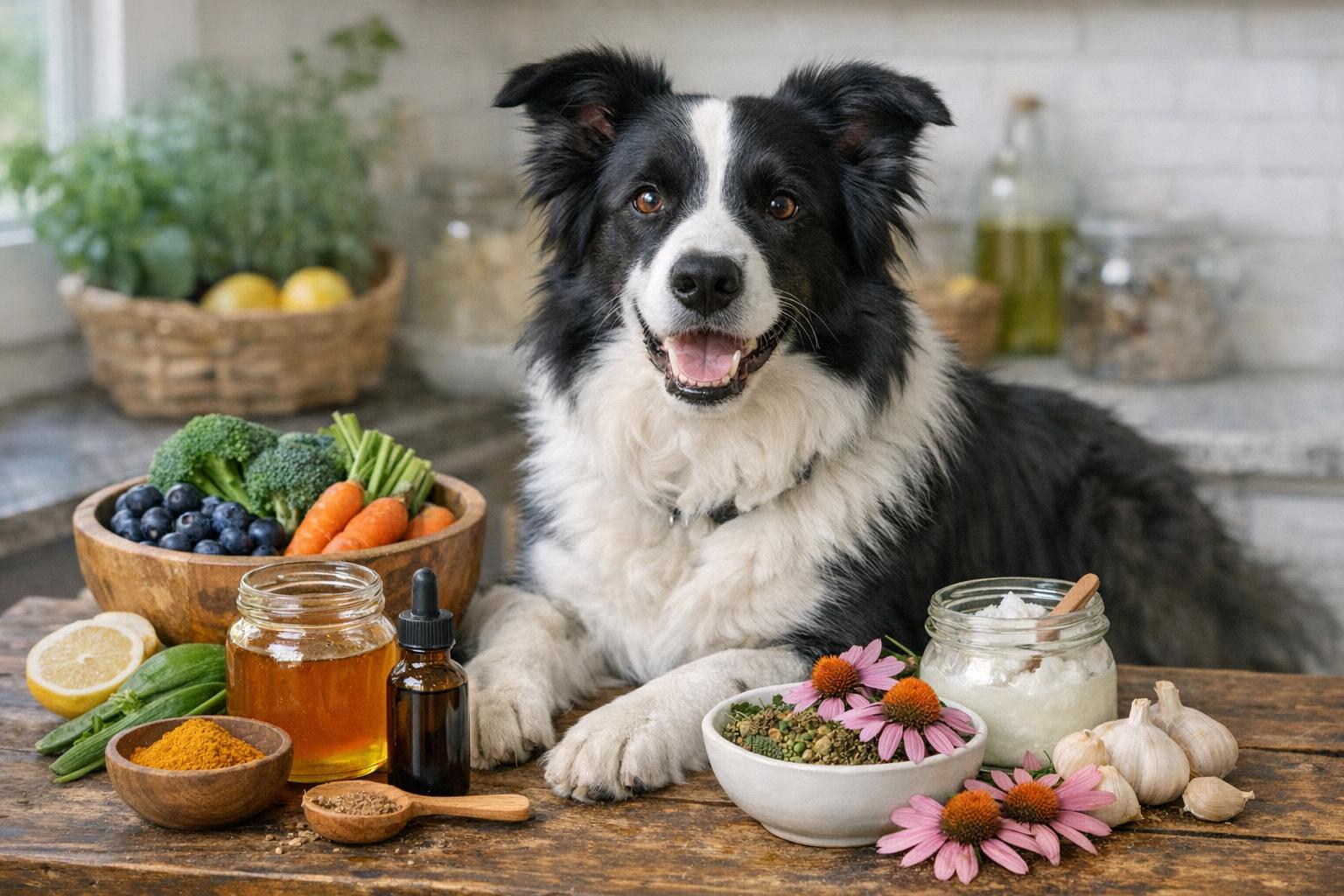
Diet and supplements can support your dog’s immune response and reduce allergic sneezing over time. This is a complementary dog sneezing treatment, not a rapid fix.
Ingredients / Materials:
– Quercetin supplement formulated for dogs (veterinary recommended brand)
– Omega-3 fatty acid supplement (fish oil) appropriate for dogs
– Local honey (small amounts, only if your vet approves and your dog is not diabetic or allergic to honey)
Usage And Application:
1. Consult your veterinarian before adding supplements—dosage depends on weight and health status.
2. Quercetin (a plant flavonoid) is a natural antihistamine and mast cell stabilizer. Follow vet dosing guidelines, often given twice daily with food.
3. Omega-3s reduce inflammation and can decrease allergic responses when given consistently for several weeks.
4. A teaspoon of local honey occasionally may help with low-level seasonal sensitivity, but evidence is anecdotal and should be used cautiously.
Precautions:
– Supplements can interact with medications. Always get vet approval.
– Use products specifically formulated for pets to avoid xylitol or unsafe additives.
#### Safe Use And Monitoring For Supplements
Start one supplement at a time and track changes over 2–4 weeks. Note sneeze frequency, nasal discharge, energy, and appetite. If symptoms worsen or new signs appear, stop the supplement and contact your vet.
### When Home Remedies Aren’t Enough
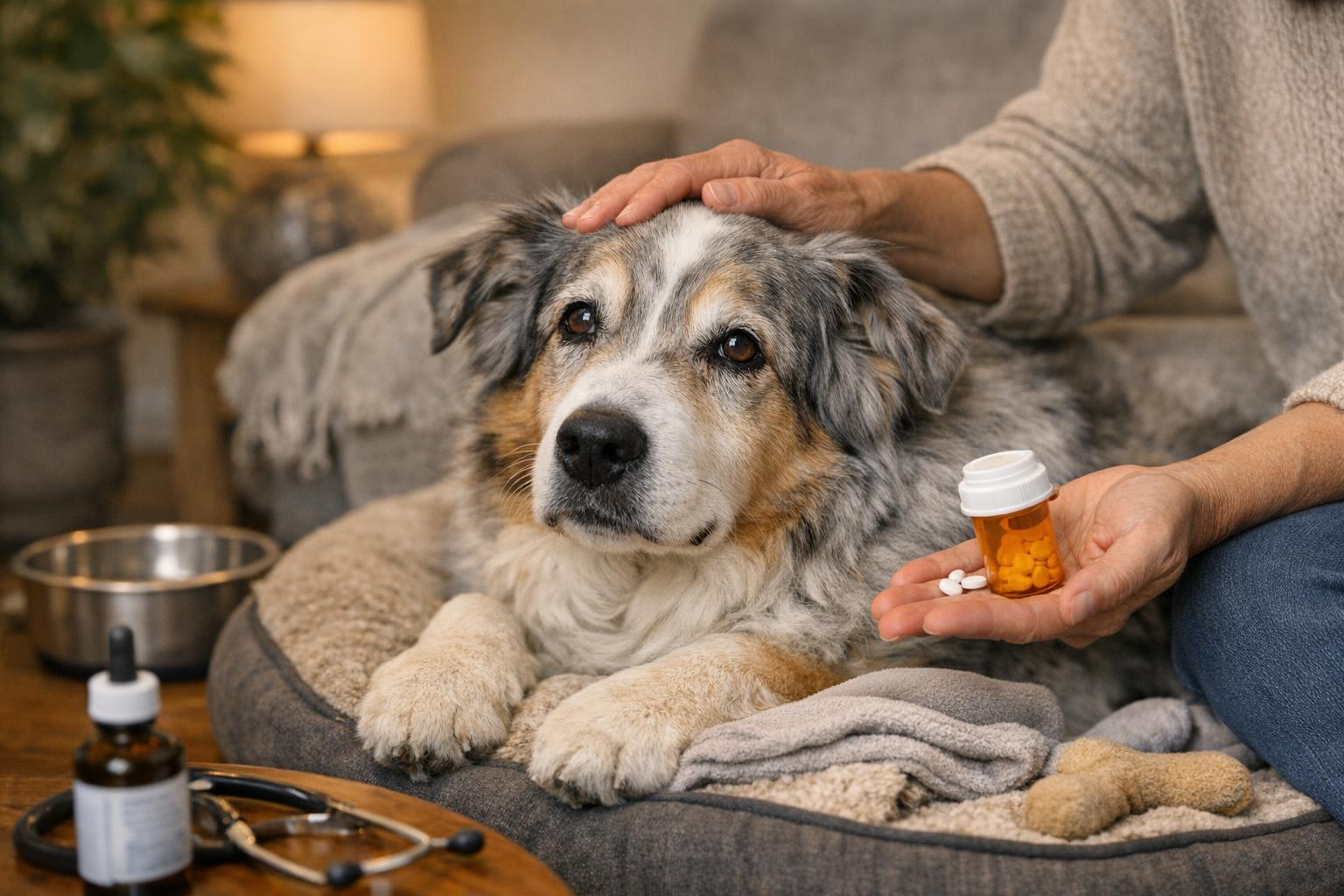
If natural dog sneezing treatment measures don’t improve symptoms within a week, or if symptoms escalate, it’s time for diagnostics: nasal swabs, cytology, imaging, or allergy testing may be needed. For chronic allergic dogs, your veterinarian may recommend immunotherapy (allergy shots) or prescription medications.
## Gentle At-Home Comfort Measures
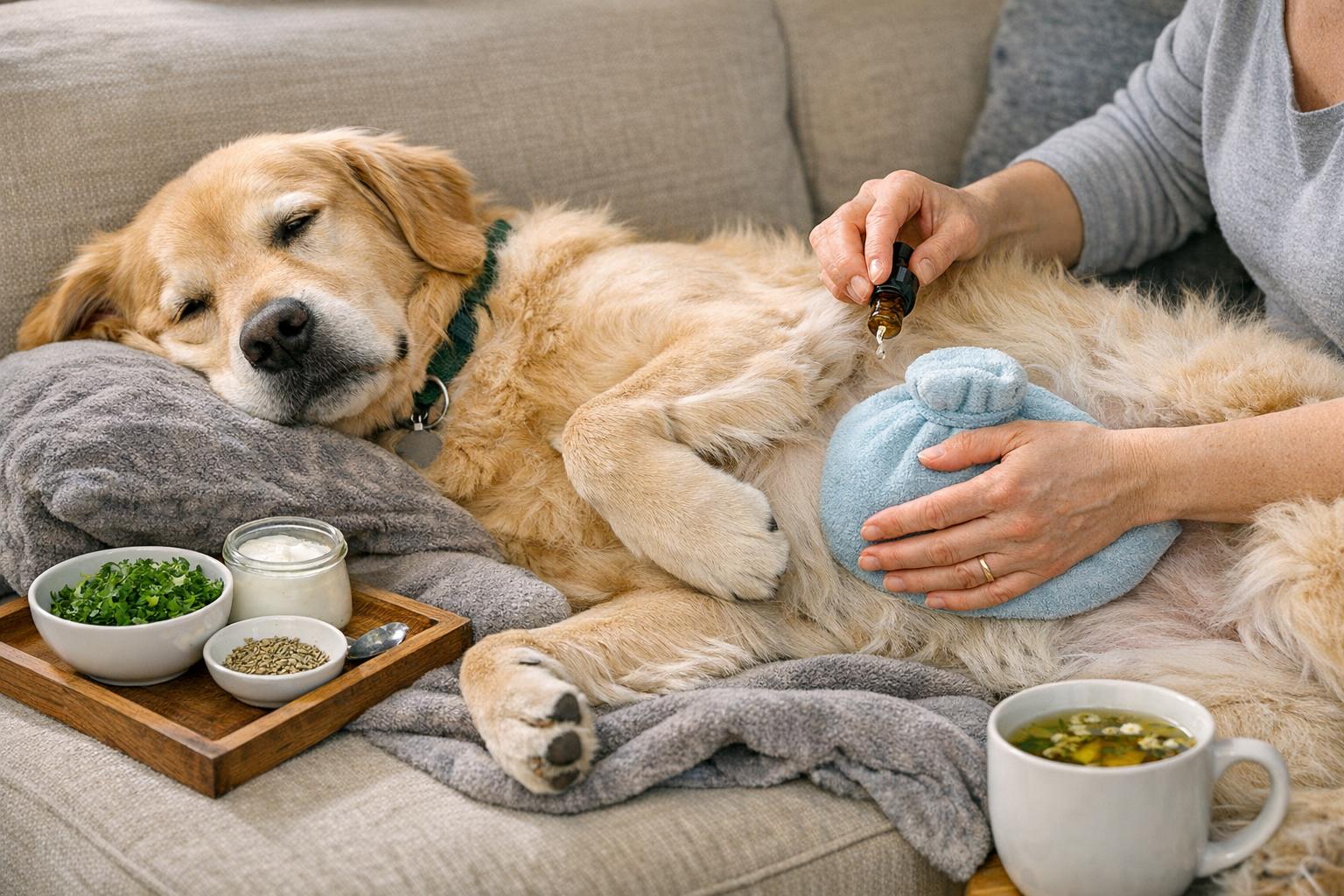
While pursuing the appropriate dog sneezing treatment, help your pup feel better quickly by keeping them hydrated, offering a warm, comfy resting spot, and minimizing stress. Soft, cool compresses around the muzzle can sometimes provide comfort if the nose is sore from rubbing.
#### Final Safety Reminders
– Never use human nasal decongestant sprays on dogs.
– Avoid oils, menthol rubs, or anything with strong volatile compounds near your dog’s nose.
– If your dog is a brachycephalic breed (flat-faced), consult your vet before trying at-home nasal therapies.
No magical cure exists for every sneeze, but with a careful assessment and safe, structured home approaches, many causes of minor nasal irritation can be managed effectively. If you opt for any home-based dog sneezing treatment, pair it with close observation and veterinary guidance when in doubt.

Leave a Reply