
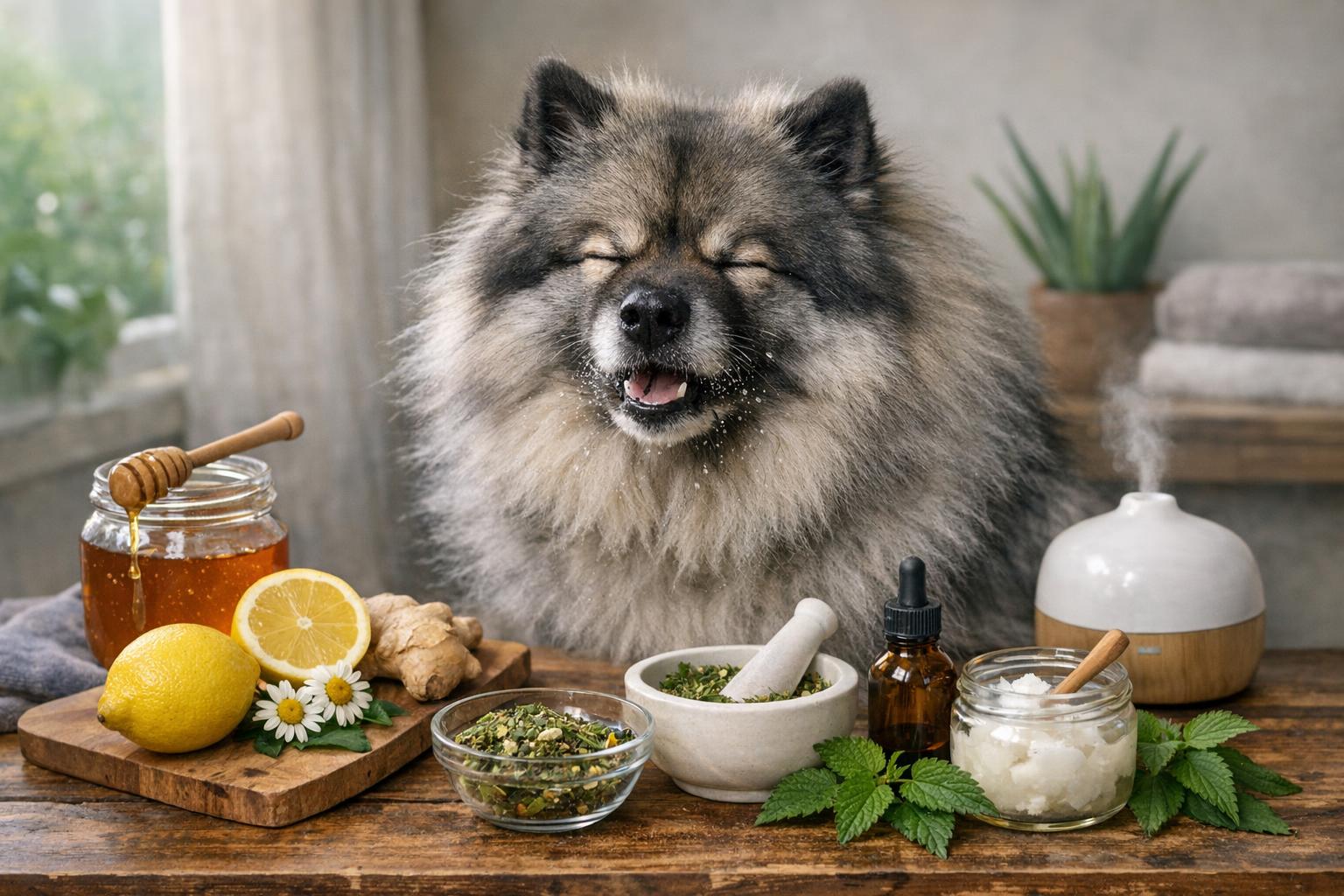
Dogs sneeze. Sometimes it’s cute, sometimes it’s dramatic, and sometimes it’s a sign that your pup is fighting an irritant, allergy, or mild infection. If you’re searching for a practical sneezing dog remedy that’s gentle and safe to try at home before—or along with—a vet visit, this guide lays out a few low-risk options, what you’ll need, and how to apply them correctly. A little steam, some clean saline, and smarter house habits can go a long way toward calming the nose and reducing sneezing fits.
## 1. Gentle Steam Inhalation For Congested Noses
Steam is one of the oldest, simplest ways to loosen mucus and soothe irritated nasal passages. For dogs, we keep things mild and controlled—no sauna suits or hot tubs for canines.
### ### What Steam Helps With
Steam can ease sneezing caused by mild congestion, dry air, or temporary irritation from dust or perfume. It can provide fast, soothing relief and make breathing easier.
#### #### Ingredients And Materials
– A bowl or kettle for producing steam
– A towel large enough to create a small tent
– A comfortable, non-slip surface for your dog to sit on
– Optional: a few drops of vet-approved eucalyptus or chamomile oil only if previously cleared by your veterinarian (do not use essential oils unless approved)
### ### Step-By-Step Application
1. Boil water in a kettle or heat in a bowl until steaming—do not let it be scalding hot if you’ll be nearby with your dog.
2. Place the steaming water on a stable surface and sit with your dog at a safe distance (about 2–3 feet away). Create a small tent with the towel draped over your head and the bowl to concentrate the steam gently without trapping excessive heat.
3. Let your dog relax in the steam-filled environment for 5–10 minutes. Watch for signs of discomfort—if your dog pulls back, coughs, orpawseems agitated, stop immediately.
4. Repeat up to twice a day as needed for short-term relief.
Precaution: Never force your dog into the steam tent. Keep the exposure short and avoid direct contact with hot water to prevent burns.
## 2. Saline Nasal Drops And Gentle Flushes: Sneezing Dog Remedy
Using isotonic saline can be a very effective, low-risk sneezing dog remedy to clear irritants and thin nasal discharge. This method must be done carefully and with clean materials.
### ### Ingredients And Materials
– Sterile saline drops or spray (available at pharmacies); OR homemade isotonic saline: 1 cup boiled (then cooled) distilled water + 1/4 teaspoon non-iodized salt
– A clean syringe without a needle (1–3 mL or 5 mL) or an eye dropper
– Soft towel and treats for comfort and reward
– Clean cloths for wiping
### ### Step-By-Step Creation (If Making Homemade Saline)
1. Boil the water for at least 3 minutes and let it cool to lukewarm. Use distilled water if possible.
2. Stir in 1/4 teaspoon of non-iodized salt per cup until dissolved.
3. Pour into a clean, sterile container and use within 24 hours. Discard leftovers after that.
### ### Step-By-Step Application (Formal Procedure)
1. Have a helper gently hold your dog in a comfortable, supported position. Calm, comforted dogs cooperate more.
2. Draw saline into the syringe or eye dropper. If using a pharmacy saline spray, follow label instructions for small animals or consult your vet.
3. Tilt your dog’s head slightly upward. Gently place a single drop or 1–2 small squirts (about 0.5–1 mL) into one nostril. Allow your dog to shake or sneeze—this is part of the clearance process.
4. Repeat in the other nostril if needed. Wipe away any excess with a clean cloth.
5. Reward your dog with praise and a small treat.
Cautions: Do not force large volumes of fluid into the nose. If your dog has bleeding, severe discharge (green or yellow pus), difficulty breathing, or the sneezing lasts more than a couple of days, consult your veterinarian immediately. Always use clean, sterile saline when possible to reduce infection risk.
## 3. Home-Air Management And Bathing To Reduce Allergens
If sneezing is more chronic or seasonal, environmental control is the long game. Reducing allergens in the home often works alongside direct remedies to minimize sneezing episodes.
### ### Ingredients And Materials
– HEPA air purifier for the main living area
– Vacuum with HEPA filtration and a brush attachment
– Damp cloths for dusting
– Hypoallergenic, fragrance-free pet shampoo
– Washable bedding and pillow protectors
– Baking soda (optional for deodorizing)
### ### Step-By-Step Application
1. Air Purification: Place a HEPA air purifier in the room where your dog spends the most time. Run it continuously during high-pollen seasons or when indoor dust is heavy. Change filters per manufacturer instructions.
2. Regular Cleaning: Vacuum floors and upholstery at least twice weekly. Wipe surfaces with a damp cloth to trap dust rather than tossing it into the air.
3. Bedding Care: Wash your dog’s bedding weekly in hot water (if fabric allows). Use fragrance-free detergents and consider switching to washable covers for sofas and beds where your dog rests.
4. Bathing: Bathe your dog every 2–4 weeks with a hypoallergenic, fragrance-free shampoo to remove dander and pollen. Rinse thoroughly and dry completely to prevent irritation.
5. Spot Cleanup: If your dog comes in from outdoors, wipe their paws and belly with a damp cloth to remove allergens that can be tracked indoors.
6. Scent Avoidance: Avoid candles, strong cleaners, and aerosol sprays. Artificial fragrances are a common trigger for sensitive noses.
### ### Behavioral And Diet Notes
– Keep windows closed on high pollen days and dry laundry indoors during seasonal peaks.
– Some dogs benefit from dietary supplements (like quercetin or omega-3s) that support the immune system and skin health—discuss options and dosages with your vet before starting anything new.
### ### When To See The Veterinarian
If your dog’s sneezing is accompanied by any of the following, seek professional care:
– Persistent or worsening sneezing despite trying home measures
– Thick, colored nasal discharge or bleeding
– Facial swelling, pawing at the nose, or difficulty breathing
– Lethargy, fever, loss of appetite, or other systemic signs
A vet can rule out infections, foreign bodies (a lodged grass awn is a classic sneezing culprit), or chronic allergic rhinitis and recommend medications or diagnostics that shouldn’t be delayed.
## Extra Tips And Comfort Measures
– Keep sessions short: Gentle home remedies are supportive; they’re not substitutes for medical evaluation when symptoms are severe.
– Reward cooperation: Use treats and calm praise during any procedure so future attempts are less stressful.
– Track patterns: Note when sneezing increases—after walks, during certain seasons, or after specific products—this information helps pinpoint triggers.
– Safety First: Never use human decongestant sprays, over-the-counter medications, or essential oils on or near your dog without veterinary approval.
If you try a sneezing dog remedy at home, monitor your pup closely and pair home care with veterinary advice when in doubt. A little preventive care reduces sneezes, improves comfort, and keeps noses for all the good boops.






Leave a Reply