




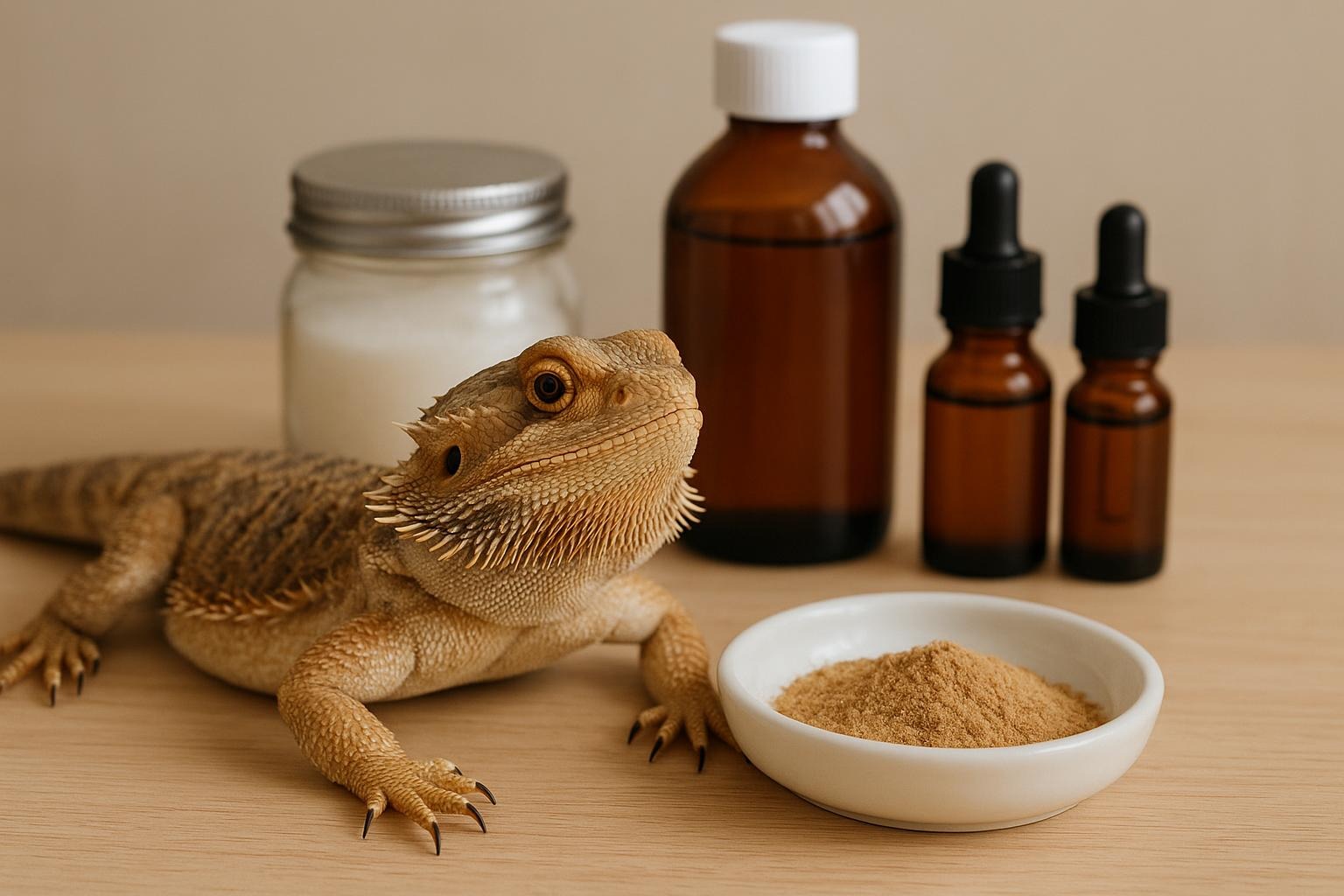
Welcome! If you’ve got a calm, bearded little roommate who enjoys basking under a heat lamp and giving judgmental stares, you’re in the right place. This relaxed guide stitches together practical, safe, and mostly-natural aids you can use at home — all designed to complement proper bearded dragon care [1], not replace your vet. Think of this as doing first-aid and comfort work while you wait for professional help, or as everyday supportive measures to keep your scaly pal thriving.
## Bearded Dragon Care Basics [2]
When people talk about bearded dragon care, they often think “heat and crickets” and move on. The truth is a bit more nuanced: lighting, humidity, diet, and handling all weave together to affect health. Good day-to-day care reduces the need for remedies in the first place — but when something small crops up (a mild impaction, a scratch, or a little dehydration), it’s great to have safe, simple DIY options in your toolkit. Below are practical remedies with step-by-step instructions and materials lists, plus sensible context for when to call the vet.
### Housing And Temperature
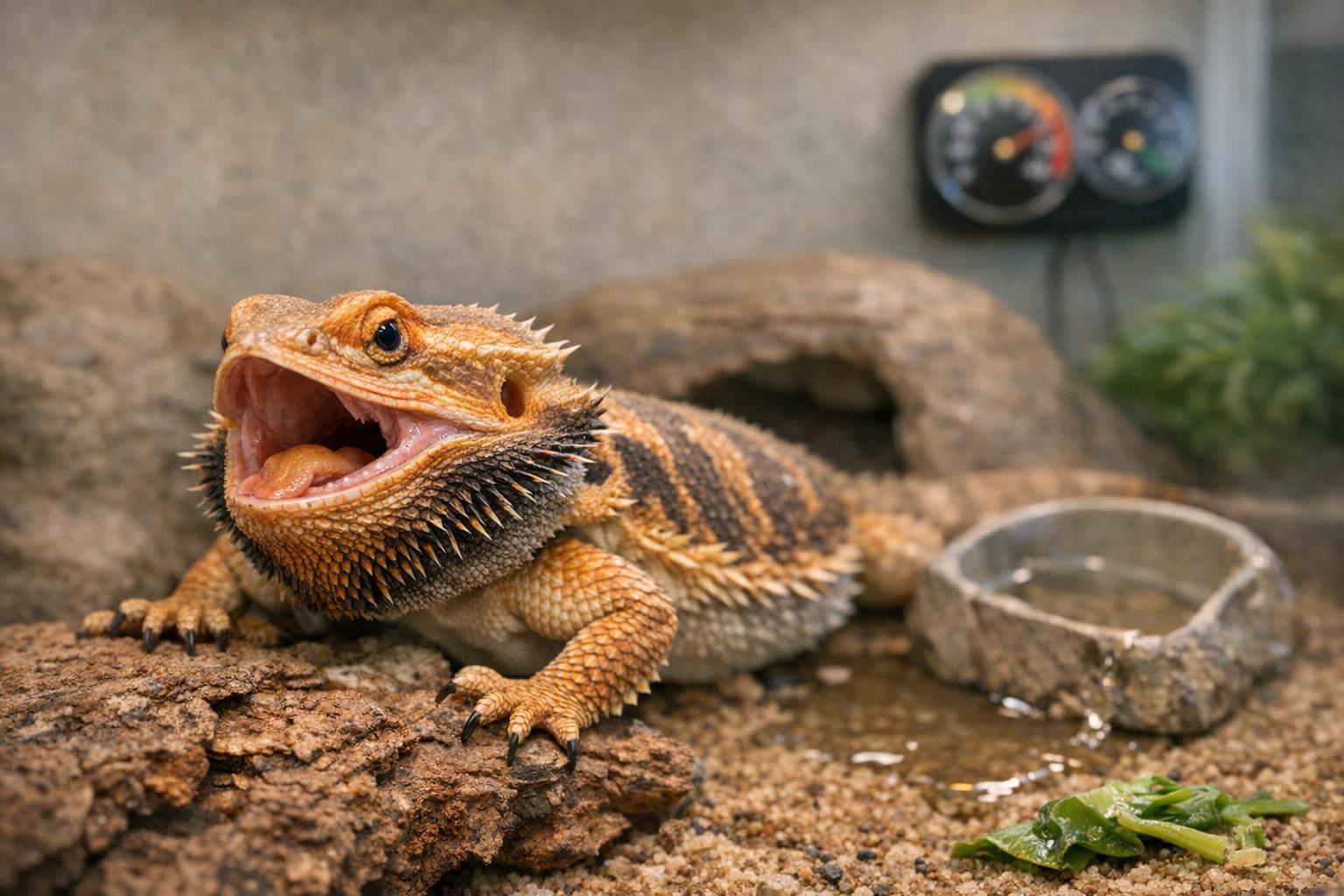
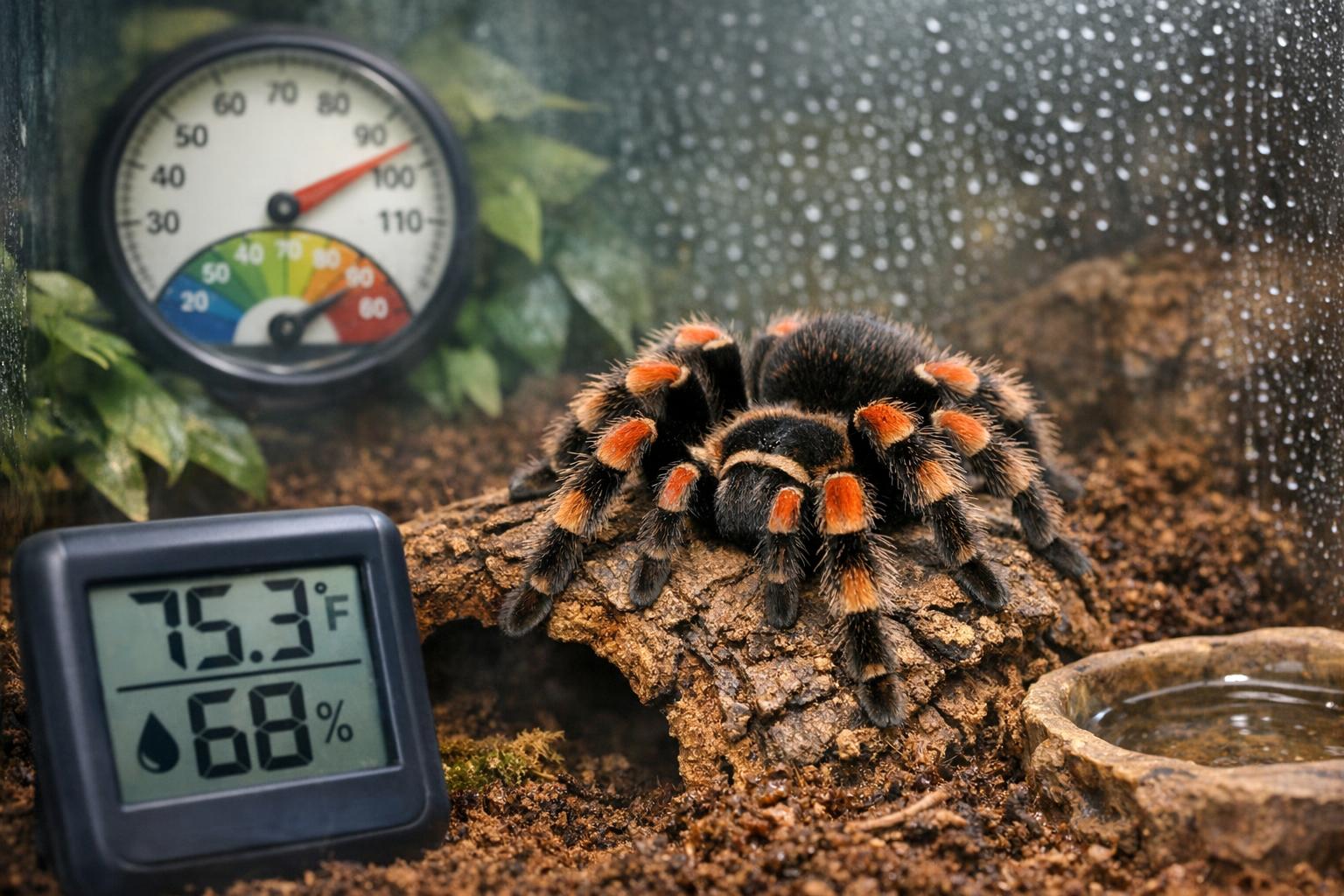
A healthy enclosure mimics desert-like conditions with a warm basking spot (95–110°F for juveniles, 90–100°F for adults), a cooler end in the 75–85°F range, and UVB lighting for 10–12 hours daily. Humidity should generally be low (around 30–40%), except during targeted hydration or shedding support. Improper temperature or humidity is a leading cause of digestive and respiratory troubles, so check your thermometers and hygrometer often — and rotate your bulbs on schedule.
### Diet And Supplements
A balanced mix of appropriately sized insects, leafy greens, and occasional veggies is central to long-term bearded dragon care. Juveniles need more protein (insects), adults more greens. Calcium and multivitamin supplements are important but easy to overdo; dust insects lightly with calcium 3–4 times a week for adults (more for growing dragons) and add multivitamin once a week. Excessive calcium or vitamin D3 can be harmful, so follow product directions and your vet’s guidance.
## Remedy 1: Soothing Bath For Mild Impaction
When your dragon hasn’t pooped on schedule, seems lethargic, or sits hunched on the warm spot, mild impaction is a possibility. A warm, shallow soak can stimulate bowel movement and relieve discomfort. Use this remedy only for mild cases and not if your dragon is visibly distressed, having trouble breathing, or unresponsive — those signs require immediate veterinary care.
Ingredients / Materials
– Lukewarm water (about 95–100°F / 35–38°C)
– Plastic tub or basin large enough for the dragon to sit comfortably
– A soft toothbrush or damp cloth (optional)
– A thermometer to check water temperature
– A towel for drying and warmth
Step-by-Step Creation and Application
1. Check your dragon’s condition: alertness, breathing, and willingness to move. If breathing is labored or the animal is non-responsive, do not use this remedy; contact a vet.
2. Fill the basin with 1–2 inches (2–5 cm) of lukewarm water. Use a thermometer to confirm temperature; water that’s too hot or too cold can stress or harm them.
3. Gently place the dragon in the water, supporting its body. Let it sit and soak for 10–20 minutes. Stay with your pet the entire time.
4. If the dragon tolerates it, you may gently massage the abdomen in a circular motion to encourage movement. Alternatively, a soft toothbrush can be used to gently stimulate the vent area — be extremely cautious and stop if there’s any sign of pain.
5. Dry the dragon thoroughly and place it back under heat to warm up. Monitor for bowel movement over the next several hours.
6. If no improvement occurs, or if symptoms worsen (swelling, persistent lethargy, loss of appetite), contact your vet.
## Remedy 2: Homemade Hydration Gel For Mild Dehydration
Mild dehydration can happen if your dragon skips water or during shedding. This hydration gel provides a gentle, electrolytic boost and is useful as a short-term supportive measure. For more serious dehydration (sunken eyes, wrinkled skin, dramatic weight loss), veterinary subcutaneous fluids are required.
Ingredients / Materials
– Plain, unflavored gelatin powder (1 packet or equivalent)
– Warm, low-sodium chicken or vegetable broth (no onion/garlic) OR diluted electrolyte solution (Pedialyte, 50/50 with water)
– A small bowl and spoon
– Refrigerator space
Step-by-Step Creation and Application
1. Dissolve one packet of gelatin in about 1 cup (240 ml) of warm broth or diluted electrolyte solution. Stir until fully dissolved.
2. Allow the mixture to cool at room temperature, then refrigerate until it sets into a soft gel (about 1–2 hours).
3. Offer a small amount on a shallow dish. Some dragons will lap at it; others may need a dab on the snout to encourage tasting.
4. Provide only small amounts initially (a teaspoon for juveniles, up to a tablespoon for adults) and observe for acceptance and tolerance. Re-offer during the day in moderation.
5. Discard any unused gel after 24–48 hours and make fresh as needed. If dehydration signs persist, seek veterinary attention.
## Remedy 3: Simple Antiseptic Wound Rinse
Scratches and minor skin wounds can usually be managed at home with gentle cleaning, but deeper cuts or wounds that won’t stop bleeding require professional care. This antiseptic rinse helps prevent infection and promotes healing on superficial wounds.
Ingredients / Materials
– Clean, lukewarm water
– Diluted chlorhexidine solution (0.05%) OR diluted povidone-iodine (1:10 dilution)
– Sterile gauze or clean cloth
– Tweezers (sterilized) if needed to remove debris
– Towel
Step-by-Step Creation and Application
1. Assess the wound: if it’s deep, gaping, or bleeding heavily, go to the vet. If there’s a foreign object embedded, do not attempt deep removal at home.
2. Rinse the area with lukewarm water to clear dirt. Use sterile gauze to gently pat debris away. If debris is stuck, sterile tweezers may be used superficially and only if you can see and safely access it.
3. Apply the diluted antiseptic solution by soaking gauze and gently dabbing the wound. Avoid forcing liquid into deep tissues.
4. Allow the area to air-dry briefly in a warm, clean environment, then monitor daily for signs of infection (redness, swelling, discharge, bad smell).
5. If the wound worsens, fails to show improvement in 48–72 hours, or the animal’s behavior changes (refusal to eat, lethargy), contact your veterinarian.
## Extra Tips For Handling And Stress Reduction
If you’re using these remedies as part of ongoing bearded dragon care, keep stress low: handle gently, speak softly, and limit bright lights during recovery periods. Keep a simple first-aid kit on hand with the items listed above, plus a digital thermometer and a reference sheet with your vet’s contact information. Regular check-ins with your veterinarian and good enclosure maintenance will reduce the frequency of issues that require home remedies.
If you’re new to caring for a beardie, practicing routine checks and building a relationship through calm, short handling sessions will make administering any of these home aids much easier. Remember: these methods are for mild, non-emergency situations and supportive care only — when in doubt, professional veterinary care is the safest route.








Leave a Reply