

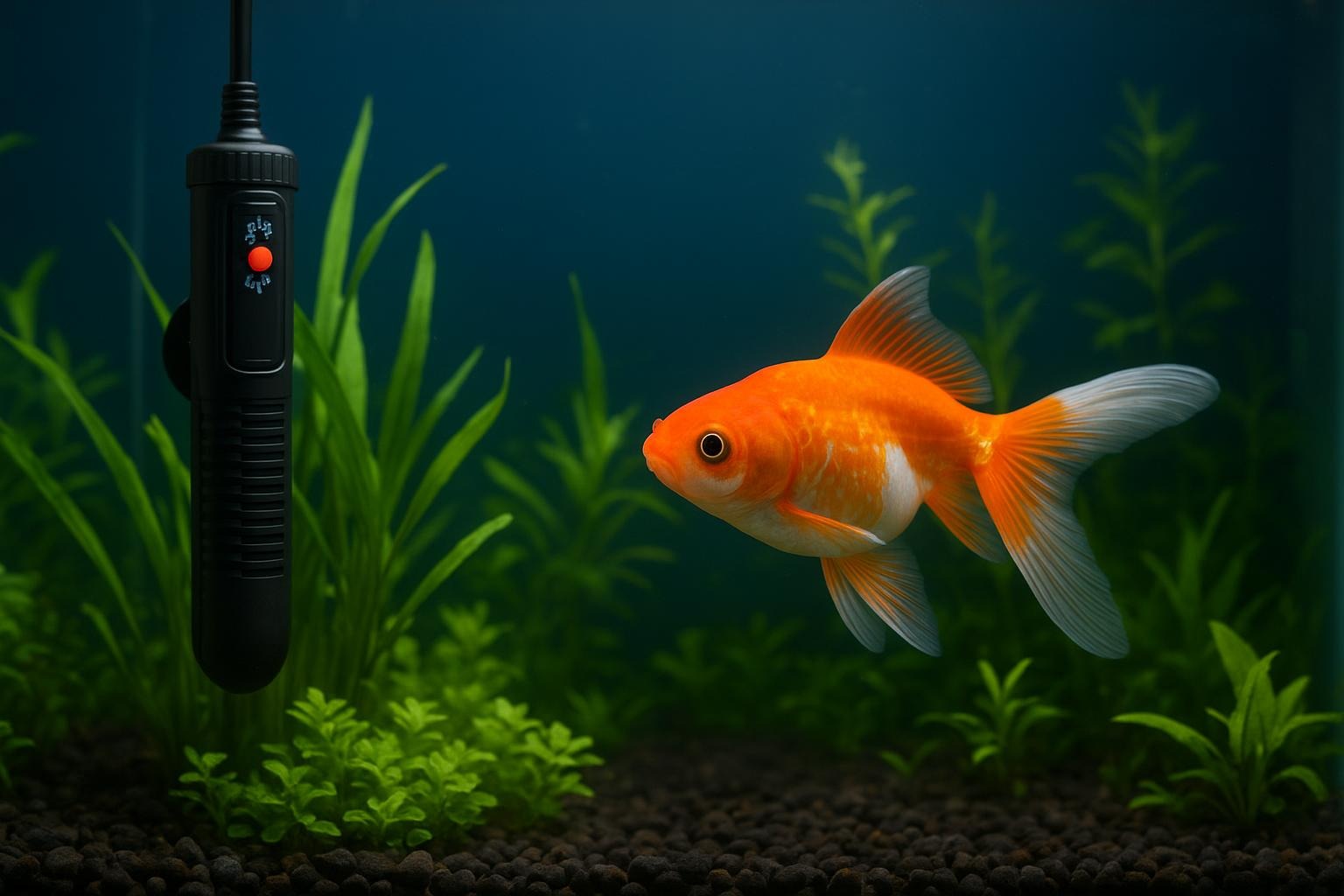
A fish tank is a little glass theater where scales catch the light and bubbles applaud. Keep the stage at the right warmth, and your aquatic actors will swim with aplomb; let it chill or scorch and the drama becomes medical. Balancing comfort, health, and eco-sense is as much an art as it is a measured science. Below are accessible strategies and two actionable remedies to keep your underwater world cozy and stable.
## Aquarium Temperature: Why It Matters
Water temperature governs metabolic pace, immune function, oxygen availability, and even behavior. Small fluctuations in aquarium temperature can stress fish, encourage opportunistic pathogens, and trigger oxygen depletion. Tropical species typically thrive between 24–28°C (75–82°F), while coldwater species prefer 10–20°C (50–68°F). Maintaining an appropriate aquarium temperature not only supports daily activity but also helps preserve long-term health and breeding cycles.
### How Fish Physiology Connects To Heat
Fish are ectotherms: external temperatures set the rhythm of their physiology. Changes in aquarium temperature alter respiration rates, digestive speed, and immune responses. Rapid cooling can shock organs; rapid heating reduces dissolved oxygen. Understanding these mechanisms explains why steady control is more valuable than merely reaching a target temperature.
### Temperature Ranges For Common Species
Match the species to temperature rather than forcing species to adapt to a convenience setting. Examples:
– Neon tetras and most community tropical fish: 24–27°C.
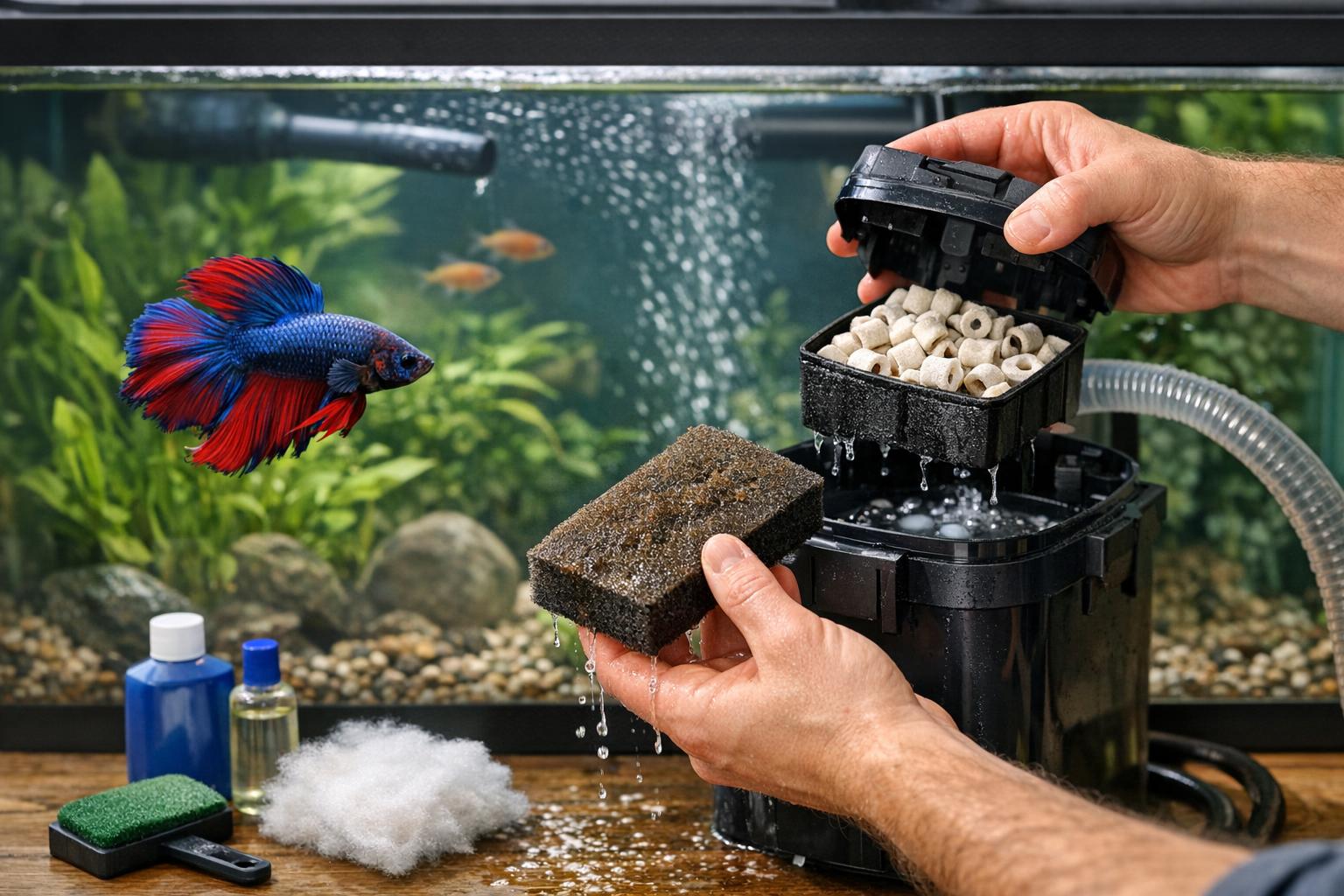
– Betta splendens: 25–28°C during active periods.
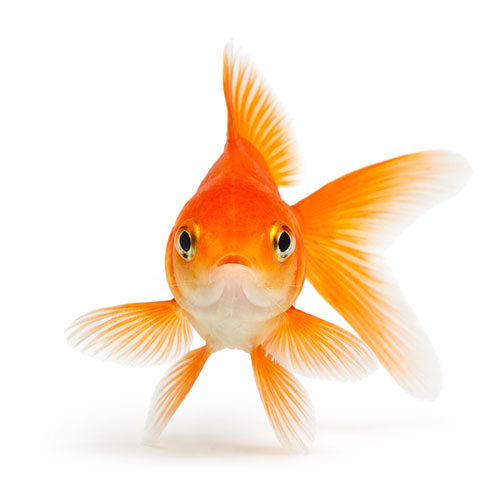
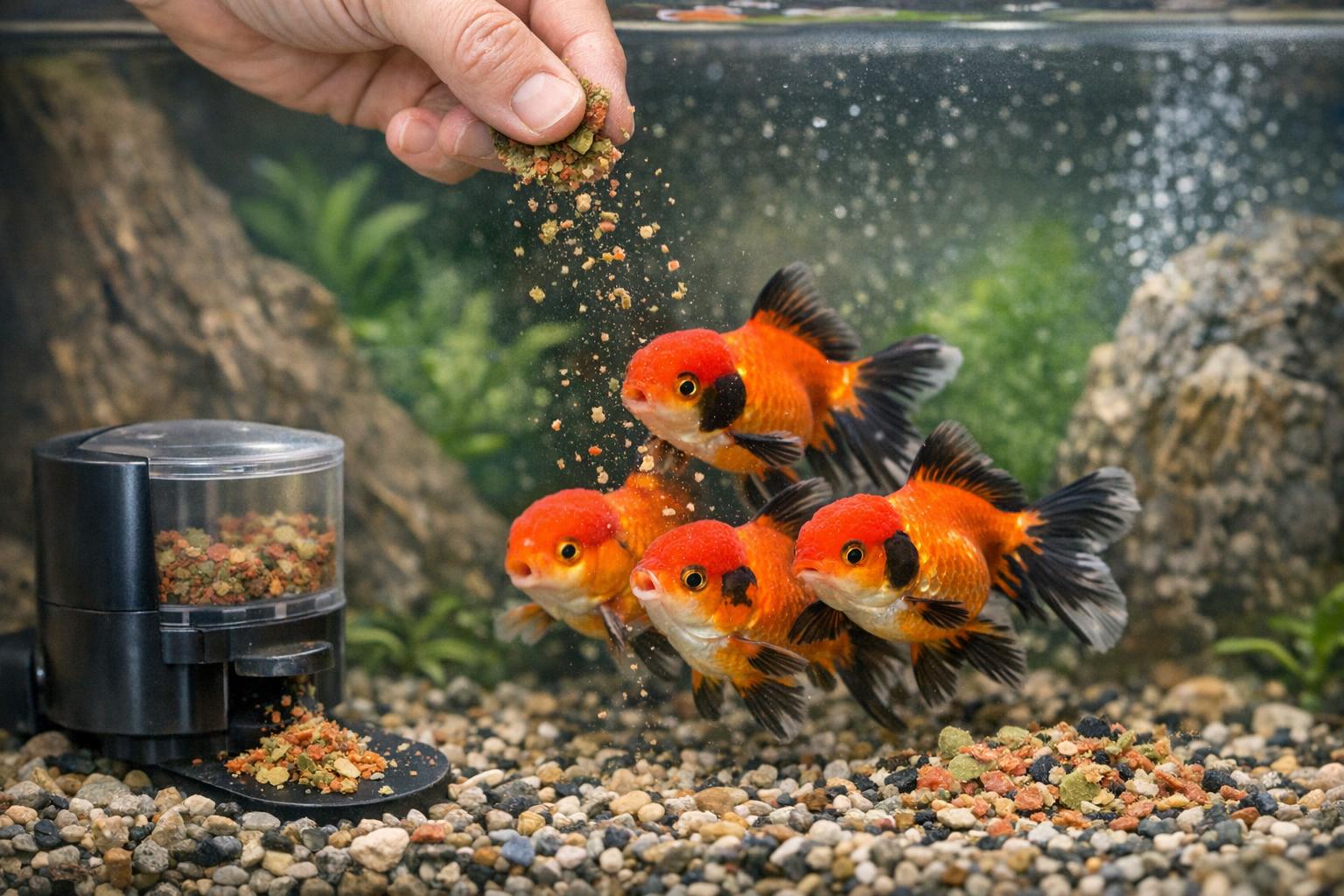
– Goldfish: 10–20°C (prefer cooler, well-oxygenated water).
– African cichlids: 24–26°C, with stable conditions important for territory behavior.
## Remedy 1: Smart Heater And Thermostat Control (Numbered Remedy 1)
This formal remedy outlines a robust, automated approach to stabilize aquarium temperature using a smart thermostat, properly rated heater, and redundant monitoring. It is ideal for hobbyists who want precise control and fail-safes.
Materials And Tools
1. Submersible aquarium heater sized for tank volume (wattage guidelines: 3–5 W per liter as a baseline, adjust for room extremes).
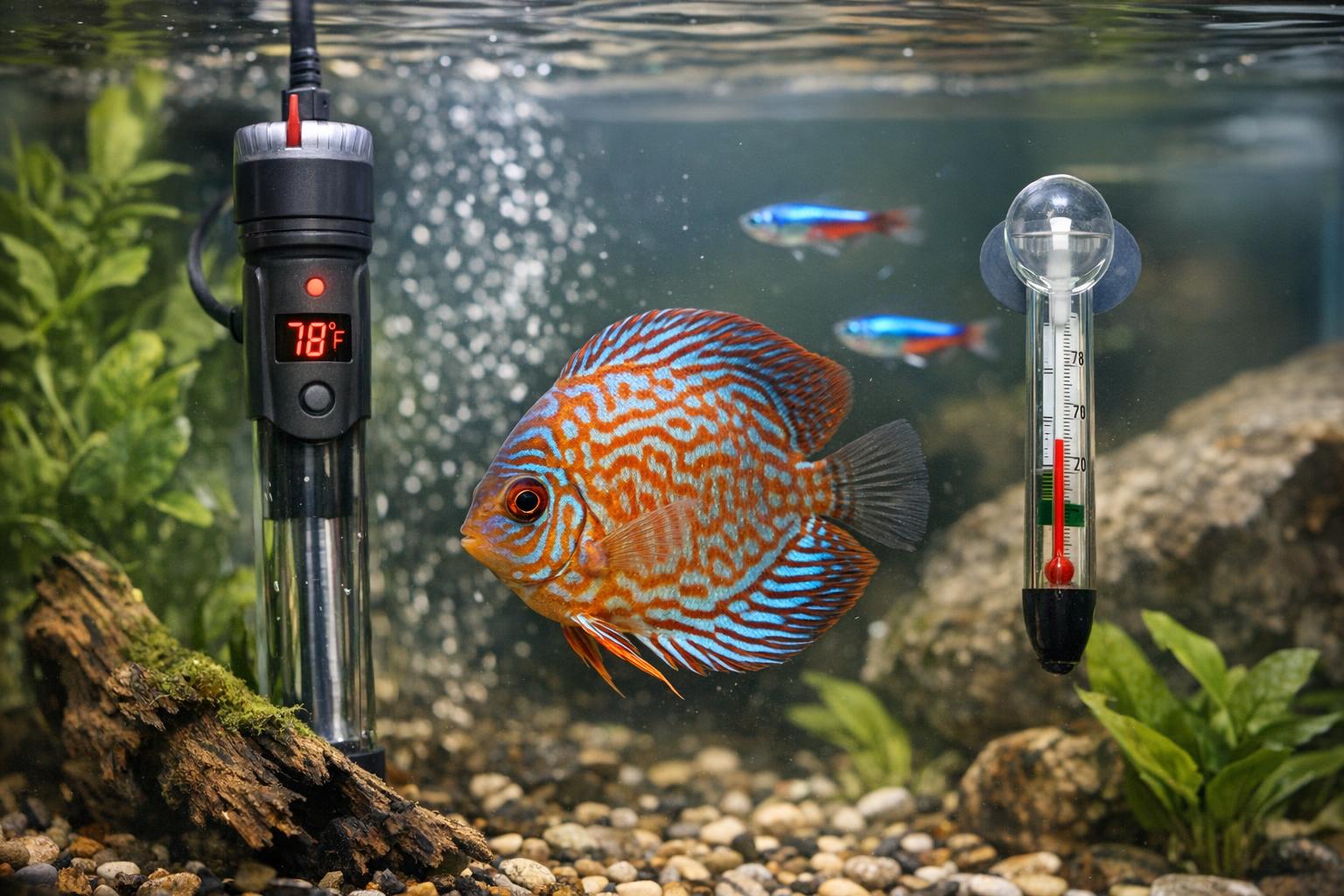
2. External digital aquarium thermostat/controller with separate sensor probe.
3. Secondary safety heater or inline heating mat (optional for large or planted tanks).
4. Battery-backed Wi-Fi temperature monitor or smart probe for alerts.
5. Thermally insulating lid or foam cover (cut-to-fit).
6. Ground-fault circuit interrupter (GFCI) surge protector.
7. Clean cloths and waterproof silicone tape.
8. Thermometer for manual spot-check (digital or analog).
Step-By-Step Creation And Application
1. Assess Tank Heat Load: Calculate heater wattage based on tank volume, typical room temperature, and whether the tank is in a drafty location or receives sunlight. Use 3–5 W per liter as a starting guideline; increase for tanks in cooler rooms or reduce for warm rooms.
2. Choose Components: Select a submersible heater with a thermostat and a separate external controller that reads the external probe placed inside the aquarium. The controller should have high/low alarm thresholds and the ability to cut power to the heater.
3. Install Primary Heater: Position the submersible heater near an area of active flow (near the filter outlet) to ensure even heat distribution. Use suction cups or mounting brackets supplied.
4. Place Control Probe: Install the thermostat probe in a central location, not right next to the heater. Secure at mid-depth where fish swim. Avoid placing the probe at the surface where temperature skews with room air.
5. Configure The Controller: Set the desired aquarium temperature range with a narrow hysteresis (e.g., ±0.5°C). Program high/low alarms and enable notifications through your Wi-Fi monitor if available.
6. Add Redundancy: Connect a secondary heater sized to maintain partial heat (e.g., 30–50% capacity) and set the controller to switch to backup if the primary fails. Alternatively, place a low-power heating mat under part of the tank for very cold rooms, ensuring no direct contact with glass that could stress the material.
7. Power Safely: Plug devices into a GFCI-protected outlet. Route cords to avoid water contact and secure them with clips. Do not overload outlets.
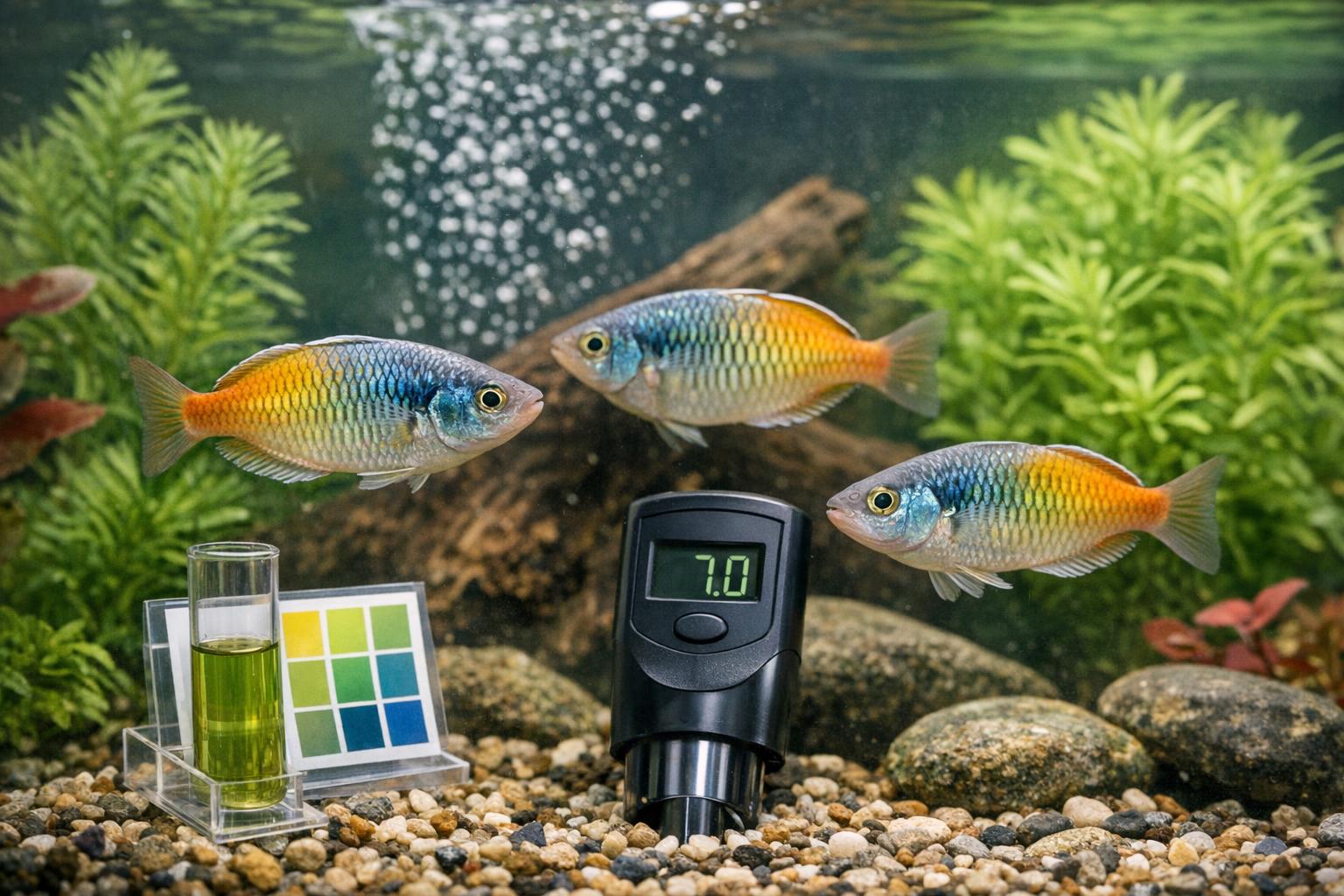
8. Test And Calibrate: Allow the system to run for 24–48 hours and log temperatures. Compare readings from the controller, external smart probe, and manual thermometer. Adjust setpoints to account for steady-state differences.
9. Maintain: Clean the heater exterior monthly to remove scale and detritus. Replace probes every 2–3 years or if readings drift. Inspect cords and seals regularly.
Safety Precautions (Formal)
– Never operate electrical equipment while hands are wet; use a helper to plug/unplug if necessary.
– Use equipment rated for aquarium use; general-purpose heaters or timers can be unreliable.
– Avoid glass-to-glass heating contact that can create stress fractures; use manufacturer guidance.
– If using multiple devices, ensure total current draw remains within circuit specifications.
### Calibrating And Testing Your System
Calibrate by comparing probe readings against a trusted thermometer in several tank zones and at multiple depths. Conduct controlled stress tests: change room temperature by a few degrees and observe system response. Ensure alarms trigger and that the controller restores set temperature within acceptable time.
#### Monitoring And Logging
Implement continuous logging for at least the first month. Analyze daily minima and maxima to spot drift. Many smart systems allow export of CSV logs for visual inspection and can be linked to cloud alerts for off-site monitoring.
## Remedy 2: Emergency Cozy Measures For Sudden Drops (Numbered Remedy 2)
When a heater fails or the power goes out, quick, careful actions can buy time and reduce mortality. These measures are intended as temporary, emergency interventions until the primary heating system is restored.
Materials Required
– Hot water bottles or sealed thermal packs (warm, not hot).
– Insulating blankets or foam panels that fit around the tank.
– A battery-powered air pump with an air stone to preserve oxygenation.
– A thermometer and timer.
– Towels and a bucket for controlled water changes if necessary.
Step-By-Step Emergency Application
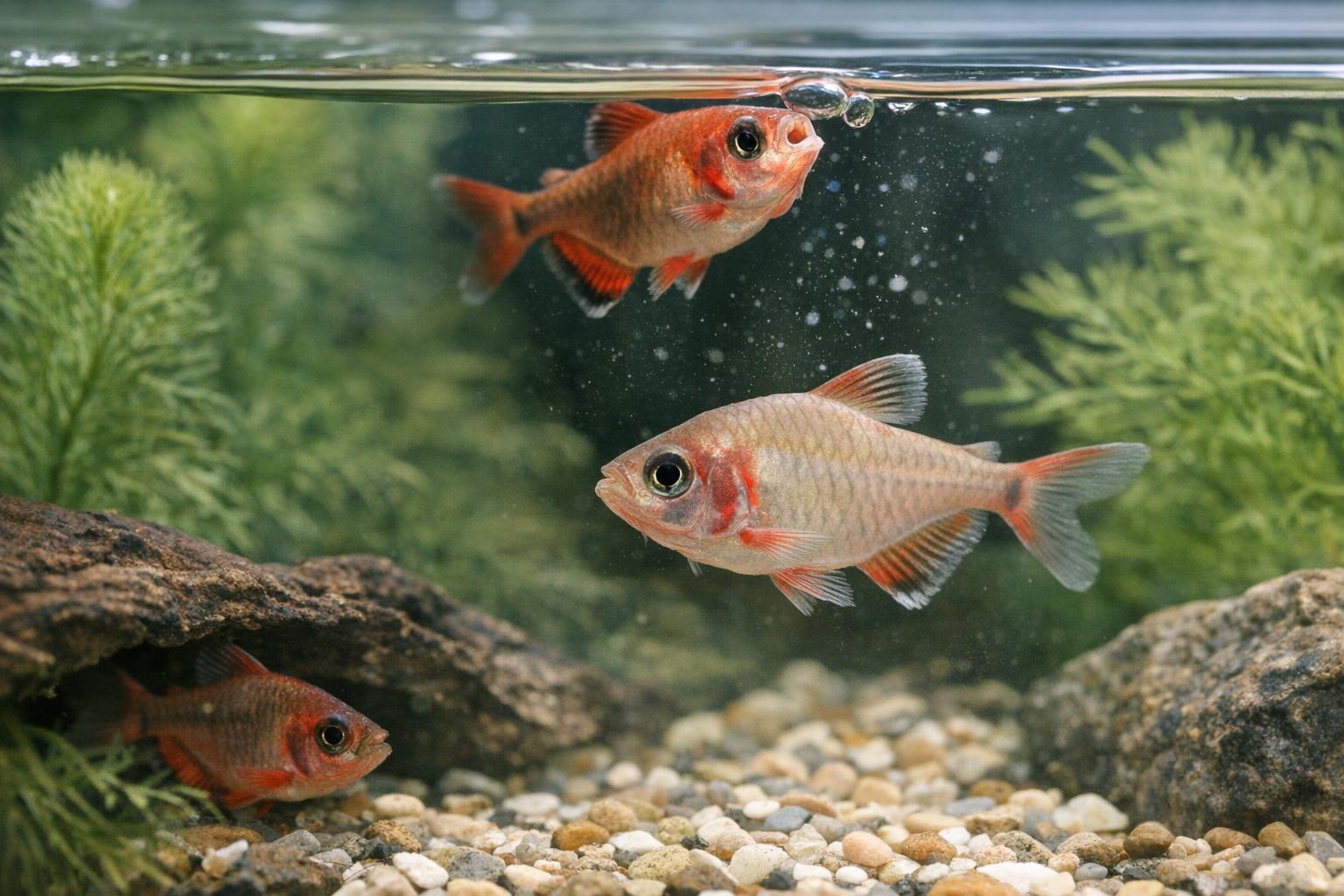
1. Immediately Assess: Check fish for signs of stress (rapid gill movement, lethargy, clamped fins). Measure water temperature quickly.
2. Maintain Oxygenation: If power is out, prioritize dissolved oxygen. Use battery-powered air pumps to keep aeration. Avoid overcrowding stressed fish.
3. Apply External Warmth Safely: Fill hot water bottles with warm water (not boiling) and wrap them in towels. Place them against the tank sides (outside the glass) to radiate heat slowly. Do not apply hot bottles directly onto acrylic or glass surfaces without insulation; sudden heat can cause cracking. Rotate bottles as they cool.
4. Insulate The Tank: Cover the top with blankets or foam to trap heat. Insulate sides with foam panels or towels, but keep access for air exchange and monitoring.
5. Controlled Water Additions Only If Necessary: If temperature has dropped severely and you have access to warm, dechlorinated water, perform partial water changes (no more than 20% at a time) to raise temperature gradually. Match salinity and chemistry in marine tanks precisely.
6. Monitor Frequently: Check temperature every 15–30 minutes depending on severity. Log readings and document interventions.
7. Restore Normal Operation: When power returns or replacements are acquired, reintroduce standard heating slowly to avoid thermal shock. Gradually transition tank water back to the programmed aquarium temperature range over 1–2 hours.
### When To Seek Professional Equipment Replacement
If heaters or controllers show erratic behavior, repeated failure, or if components overheat, discontinue use and consult a professional or manufacturer. Replacing an unreliable heater is preferable to improvisation that risks fire or fish loss.
### Common Mistakes To Avoid
Do not overheat water in a rush; temperatures above species tolerance are as harmful as cold. Avoid placing heaters in dead zones with no flow; this creates hot pockets. Do not rely on a single thermometer—cross-verify readings. Never patch electrical components with household tape; use rated repairs or replacements only.
## Practical Daily Habits To Keep Things Cozy
Small daily practices stabilize your aquarium temperature without constant intervention: maintain consistent room climate (avoid open windows and HVAC blasts), keep a fitted lid to reduce heat loss, and schedule maintenance during ambient temperature highs. Regularly inspect seals, cords, and equipment performance to catch issues before they affect aquarium temperature.
A cool, precise approach to heating — blending automated control with smart redundancy and emergency know-how — keeps your aquatic companions comfortable and your stress low.


















Leave a Reply