
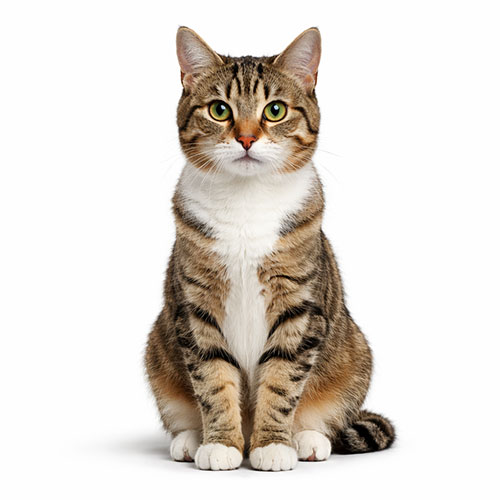


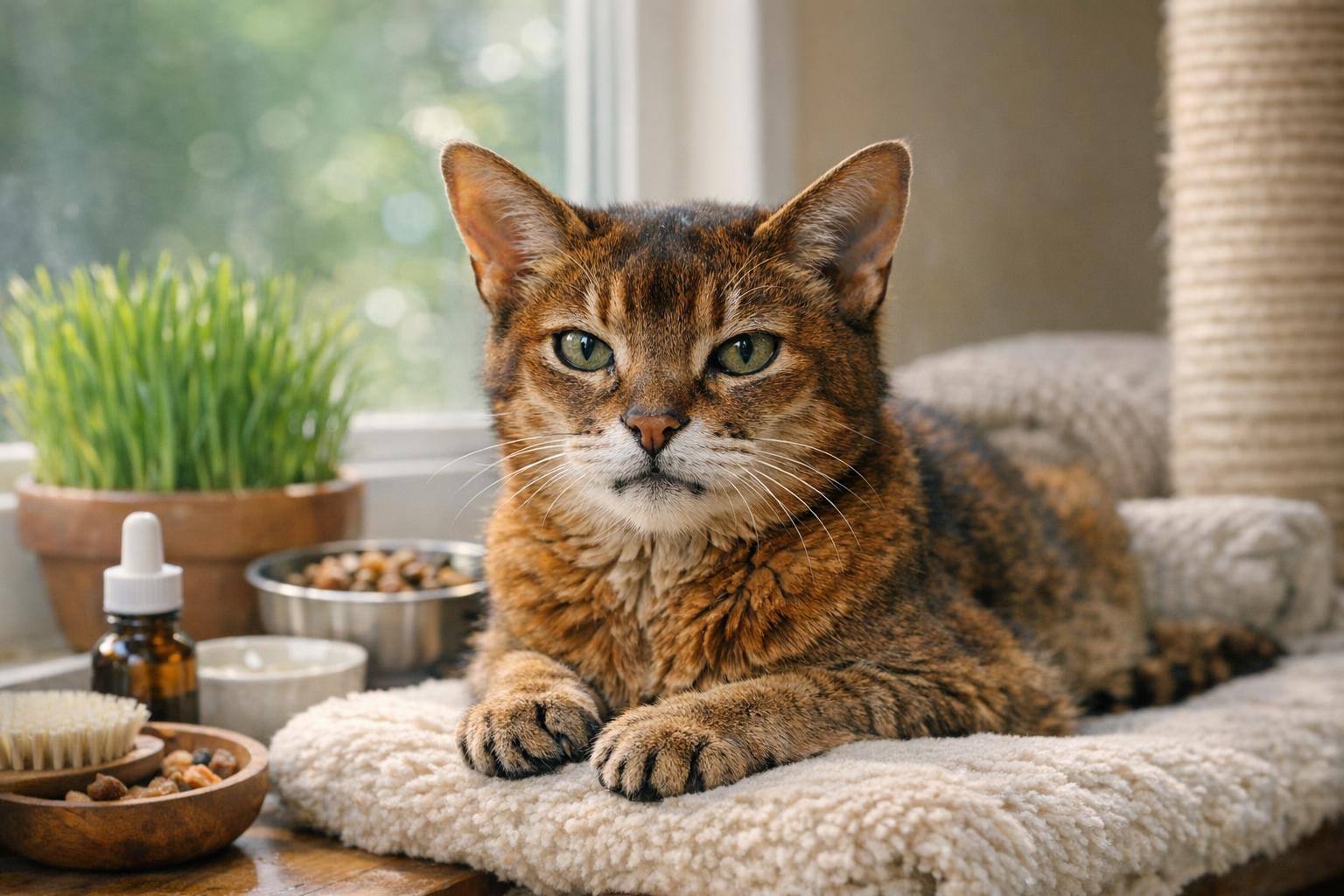
They say the twilight of a cat’s life is quiet—until you realize it can also be spectacular. Imagine a dignified elder, eyes gleaming with secret mischief and a purr that seems to vibrate with lived wisdom. Now imagine unlocking that sparkle and turning slow days into jubilant moments. This is not wishful thinking; this is precise, sensationally effective care. Welcome to the adrenaline-charged, compassion-fueled world of senior feline rejuvenation—where the right knowledge lifts aches, sharpens appetite, and rewrites what aging looks like.
## Aging Cat Wellness Guide: Unlock Superior Senior Cat Joy
### Why Senior Years Spark Fierce Love And Daring Care
The moment a whisker tips silver, everything changes. Your bond deepens, and your responsibilities intensify. In this high-stakes season, an aging cat can show dramatic mood shifts, mysterious naps, and altered mobility. That’s why a focused aging cat wellness guide is your manifesto: a blueprint that converts worry into action and decline into liveliness. Dramatic results often follow small, targeted interventions—nutrition upgrades, mobility support, and sensory enrichment can transform listless afternoons into gleeful exploration.
### Detecting Subtle Declines In Senior Cat Health
Senior cat health doesn’t always scream. It whispers in slower vaults onto the counter, in slightly thinner fur, in a litter box visit pattern that drifts from routine. Keep your senses keen. Changes in grooming, appetite, or sleep cycles are the early flags of issues like arthritis, dental disease, or kidney decline. Monitoring weight weekly, checking gums and breath, and noting litter box frequency are small rituals with huge diagnostic power. This attention is part of a robust cat wellness routine that helps you act before reversible problems become permanent.
## High-Impact Lifestyle Switches That Bring Immediate Joy
### Feeding Strategies That Reignite Appetite And Balance Metabolism
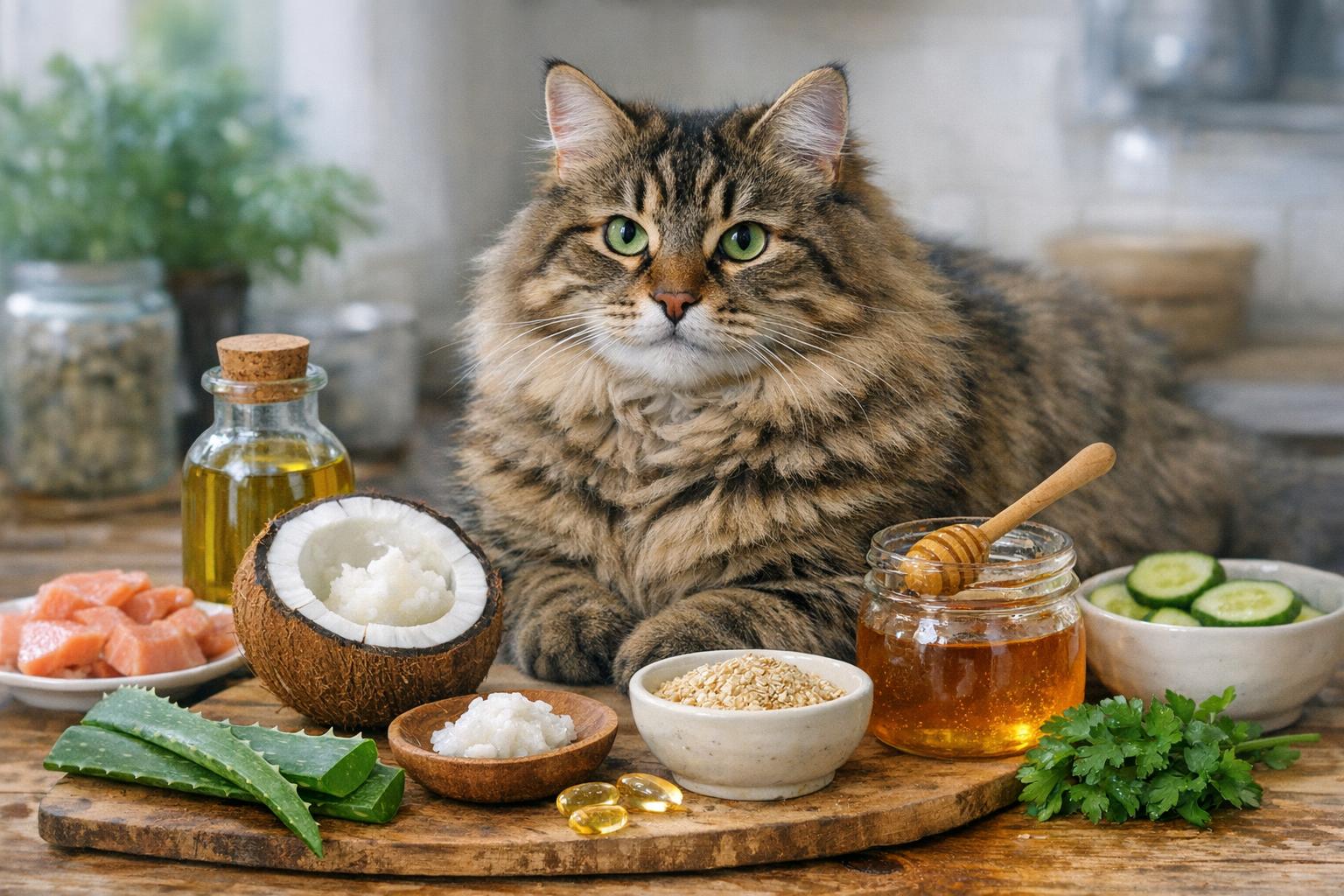
Diet is the stage where miracles happen. Transitioning to high-quality, easily digestible protein with controlled phosphorus and moderate fats can relieve organs and rekindle zest. For many older cats, offering several small, enticing meals per day, warming wet food to release aroma, and introducing texture variety will encourage eating. Supplements like crude fish oil for omega-3s—after veterinary approval—can reduce inflammation and support coat condition. Any dietary change should be slow and monitored to assess tolerance and effectiveness for long-term senior cat health.
### Environmental Enrichment And Mobility Hacks For Instant Comfort
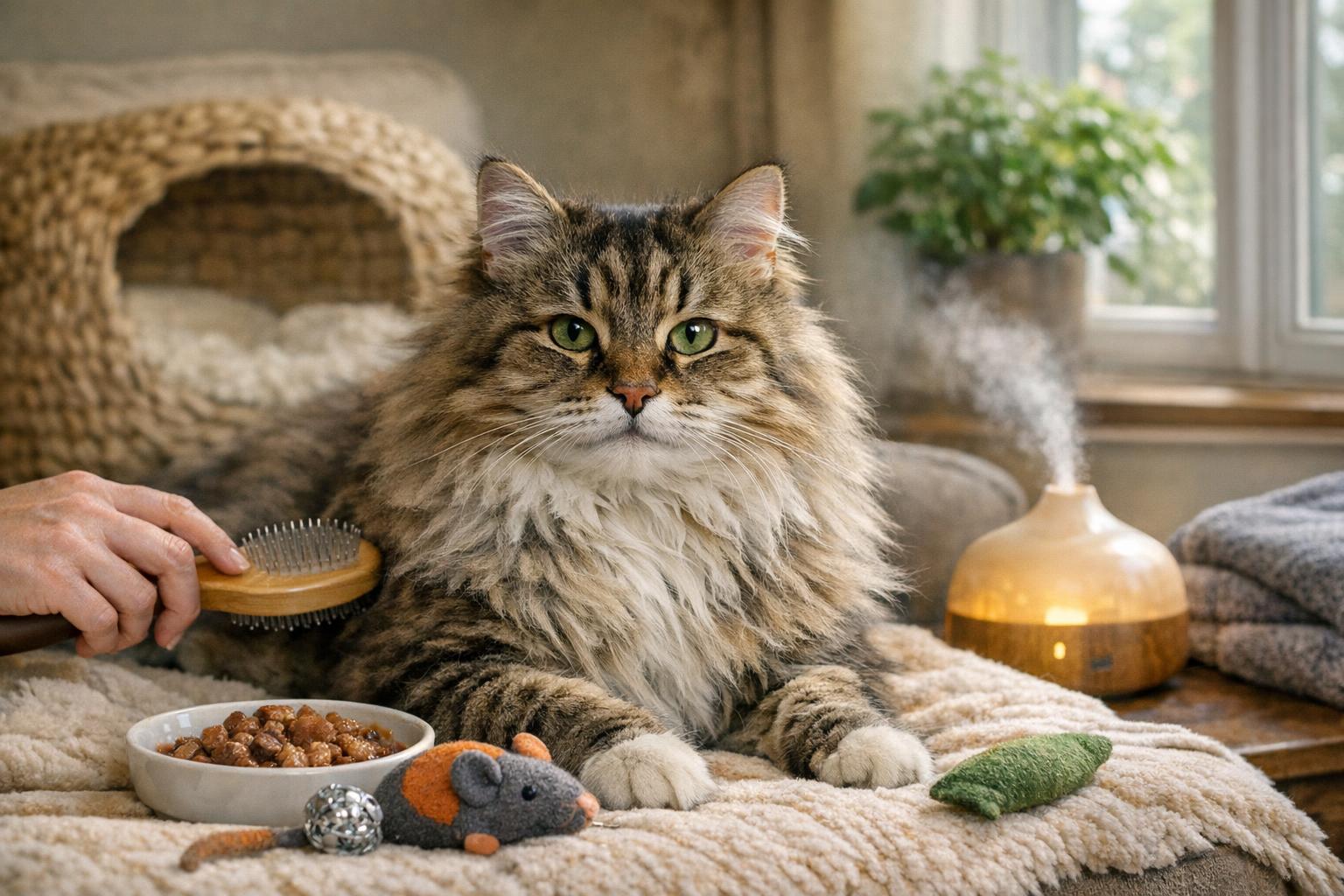
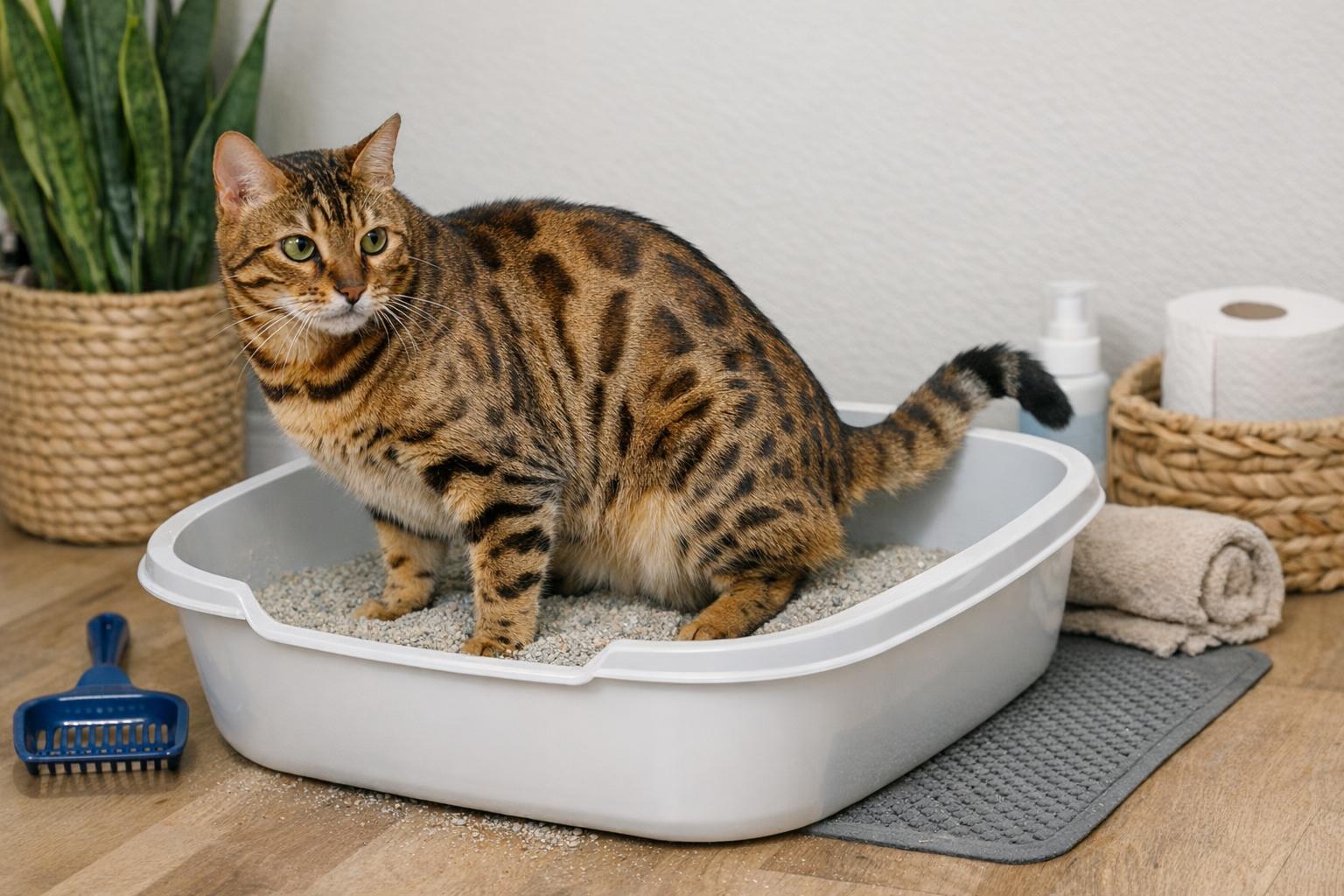
A home optimized for an aging cat reads like a luxury spa: low-entry litter boxes, strategically placed ramps and steps, multiple soft beds at varying elevations, and sun patches accessible without high jumps. Provide non-slip surfaces on stairs and elevated spaces. A heated bed or a thermostatic pad supports arthritic joints, and soft night lights make bathroom trips smoother. Simple changes dramatically improve confidence and cut episodes of stress that exacerbate pain or disorientation.
## DIY Remedies: Natural Treatments To Support Senior Comfort
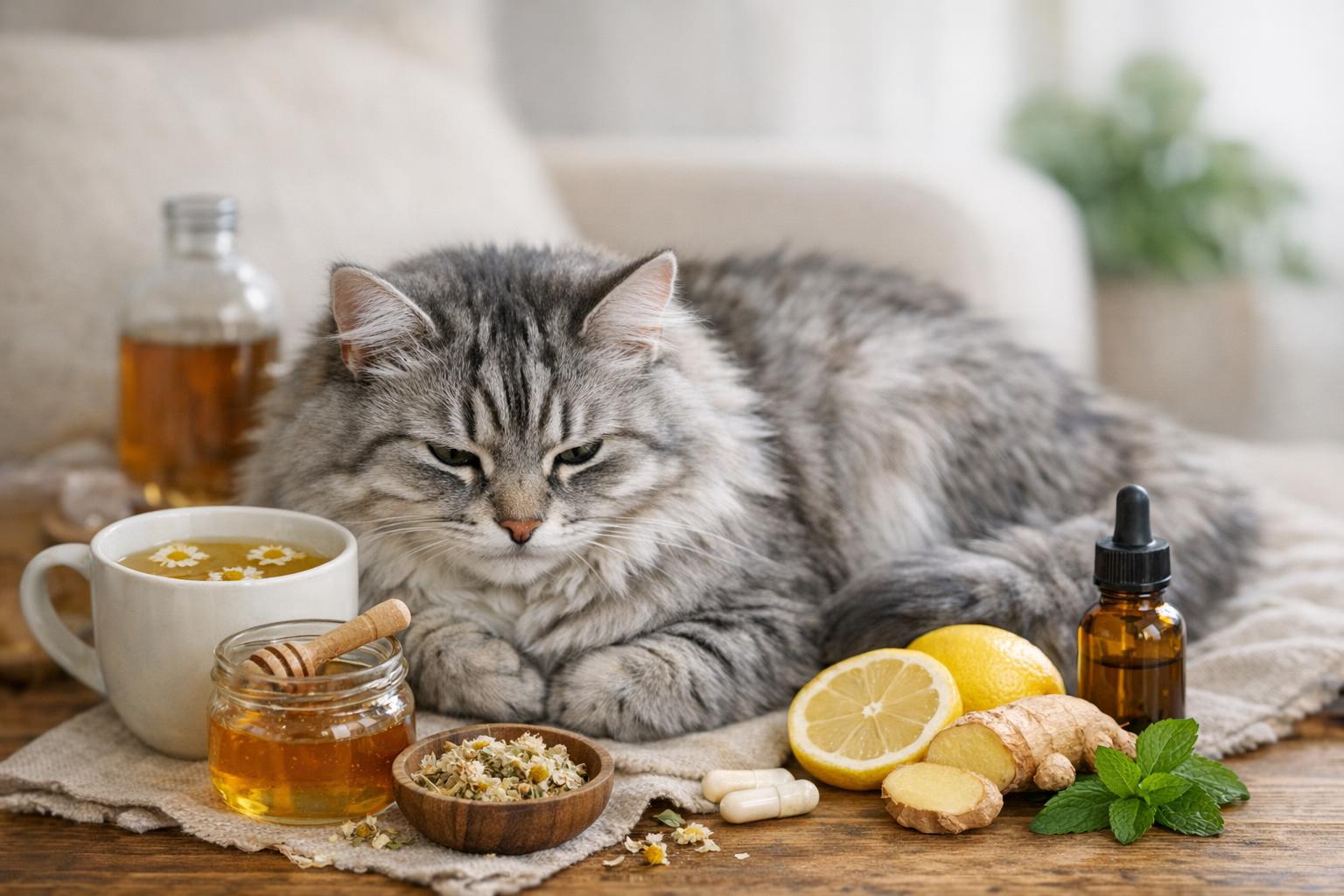
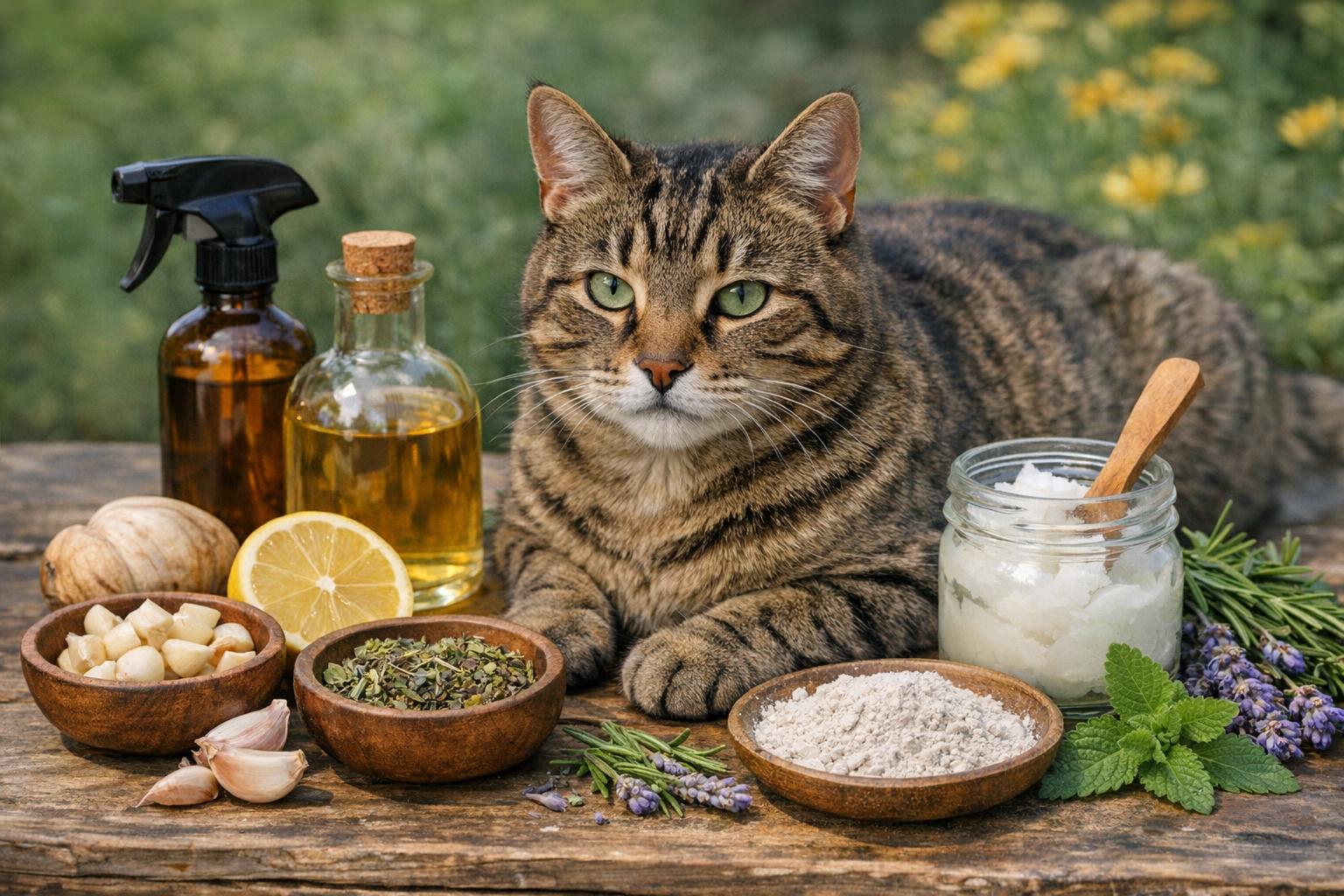
The following remedies are presented formally and with attention to safety. Always discuss any new topical or oral treatment with your veterinarian, especially for cats on medications or with organ disease. These natural, home-prep options are intended to complement veterinary care and support ongoing cat wellness.
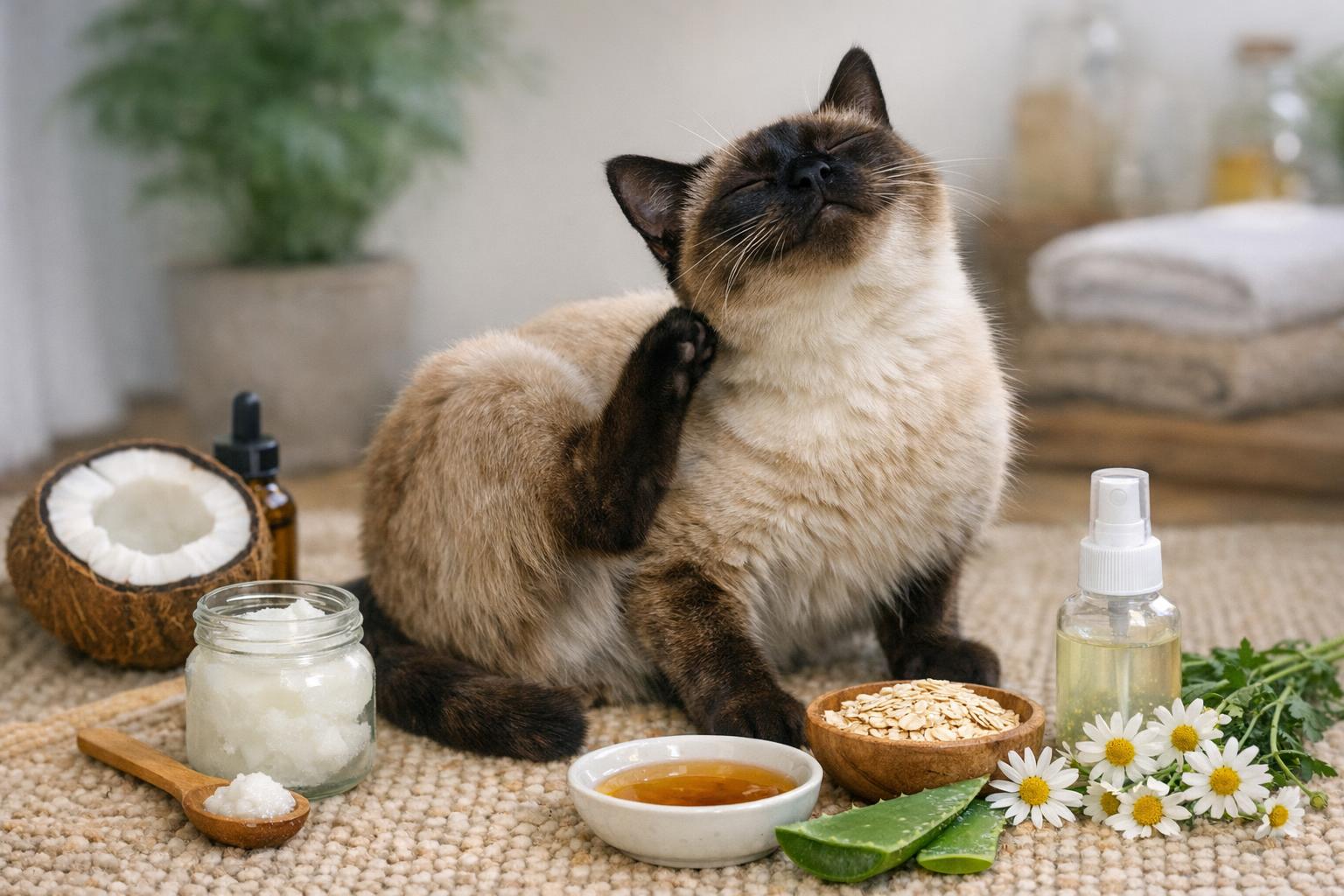
#### 1. Joint Soothing Anti-Inflammatory Compress
Ingredients / Materials:
– 1/4 cup colloidal oatmeal (finely ground)
– 1/4 cup brewed, unsalted chamomile tea (cooled)
– Clean cotton cloth or soft gauze
– Plastic bag or sealable container
Preparation And Application:
1. Mix colloidal oatmeal with cooled chamomile tea to form a thin paste.
2. Soak the clean cloth in the mixture, squeeze gently so it’s damp but not dripping.
3. Gently apply the compress to areas that the cat allows you to touch—hips, shoulders, or along the spine—holding for 5–8 minutes. Use calm, reassuring voice to keep the cat relaxed.
4. Wipe away residue with a damp cloth rinsed in plain warm water and pat the area dry.
5. Apply once daily for up to seven days, then reassess comfort. Discontinue if the cat shows irritation or avoids the treated area.
Rationale: Colloidal oatmeal soothes irritated skin and tissue; chamomile offers mild anti-inflammatory and calming properties. This topical approach helps reduce surface discomfort and encourages gentle movement.
#### 2. Digestive Support Probiotic Paste
Ingredients / Materials:
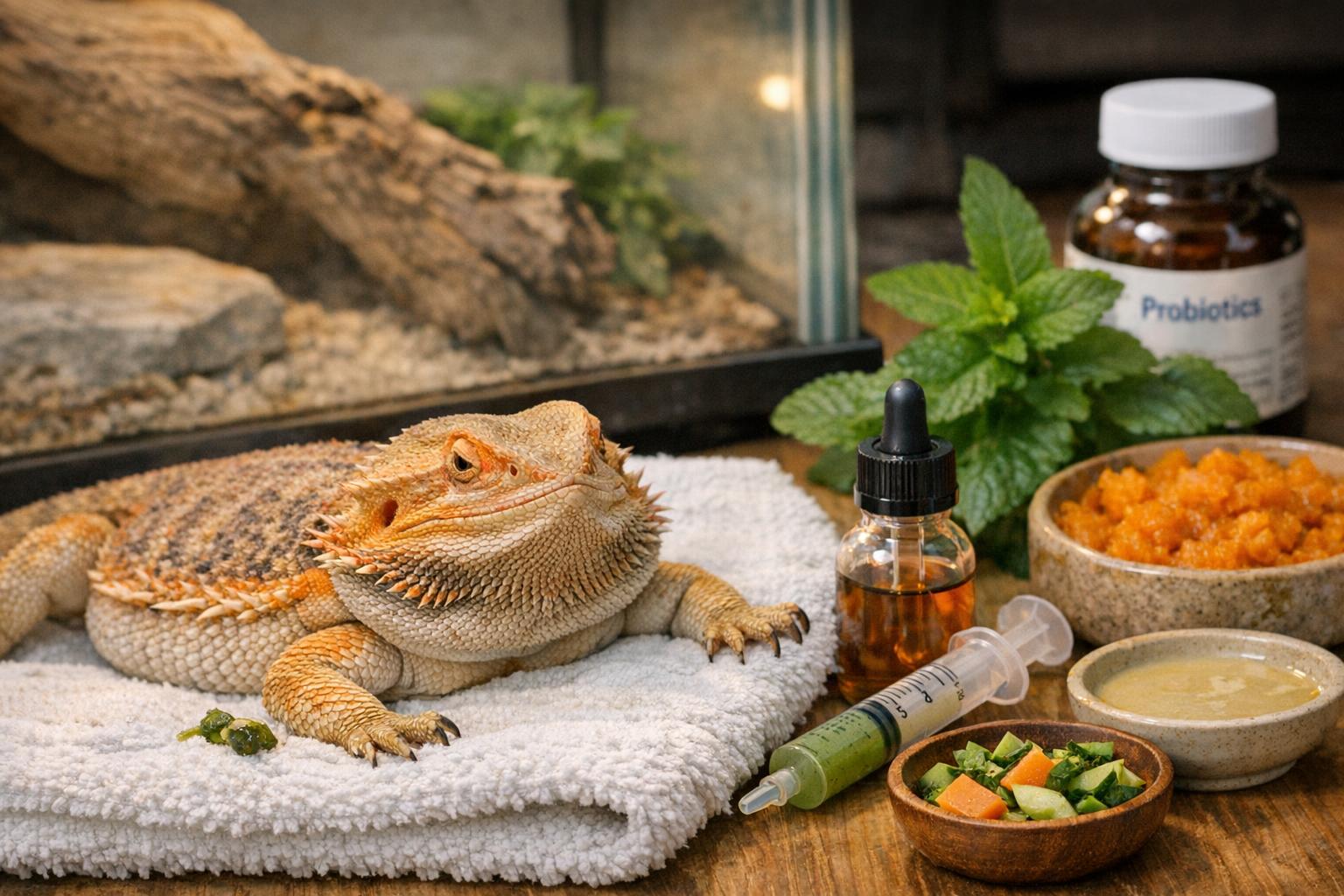
– 1 teaspoon plain unflavored probiotic powder for felines (veterinarian-recommended)
– 1 tablespoon canned pumpkin (100% pumpkin, no additives)
– 1/4 teaspoon fish oil (optional, consult vet)
– Small syringe without needle or an ice cube tray for portioning
Preparation And Application:
1. Combine probiotic powder with canned pumpkin and, if approved, a small amount of fish oil until smooth.
2. Load mixture into the small syringe for precise dosing or freeze portions in an ice cube tray for later thawing.
3. Administer directly into the mouth or mix into wet food. Start with a veterinarian-approved dose and observe stool consistency and appetite for 72 hours.
4. Use daily for 7–14 days, then taper according to response and veterinary advice.
Rationale: A gentle probiotic matrix housed in pumpkin supports intestinal motility and soothes the gut lining. This can be especially helpful after dietary changes, stress, or mild gastrointestinal upset tied to aging.
### Safety Notes For Both Remedies
– Avoid any essential oils or strong botanicals that are toxic to cats (tea tree, eucalyptus, etc.).
– Monitor for allergic reactions: redness, swelling, vomiting, excessive drooling, or behavioral changes require immediate cessation and veterinary contact.
– Do not apply remedies near the eyes, mouth, or open wounds.
### Monitoring Red Flags For Veteran Vigilance
Taking action is thrilling—but knowing when to escalate is vital. Contact your veterinarian promptly if you notice:
– Sudden weight loss or gain
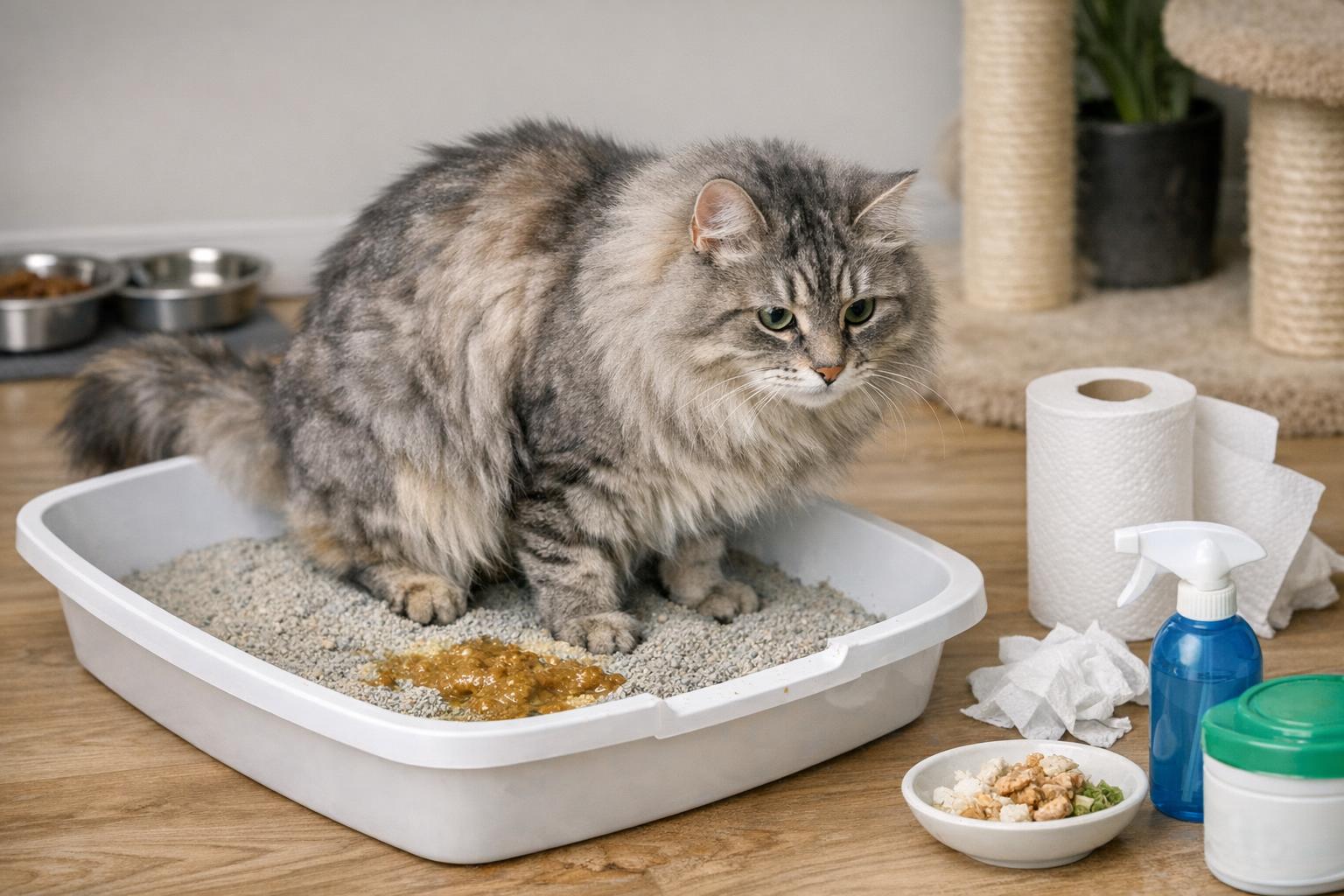
– Repeated vomiting or persistent diarrhea
– Blood in urine or stool
– Labored breathing, fainting, or collapse
– Marked changes in behavior: aggression, profound lethargy, or confusion
These symptoms can indicate systemic illness requiring diagnostics and timely interventions to protect senior cat health.
## Tracking Progress: Tools To Keep Your Cat Thriving
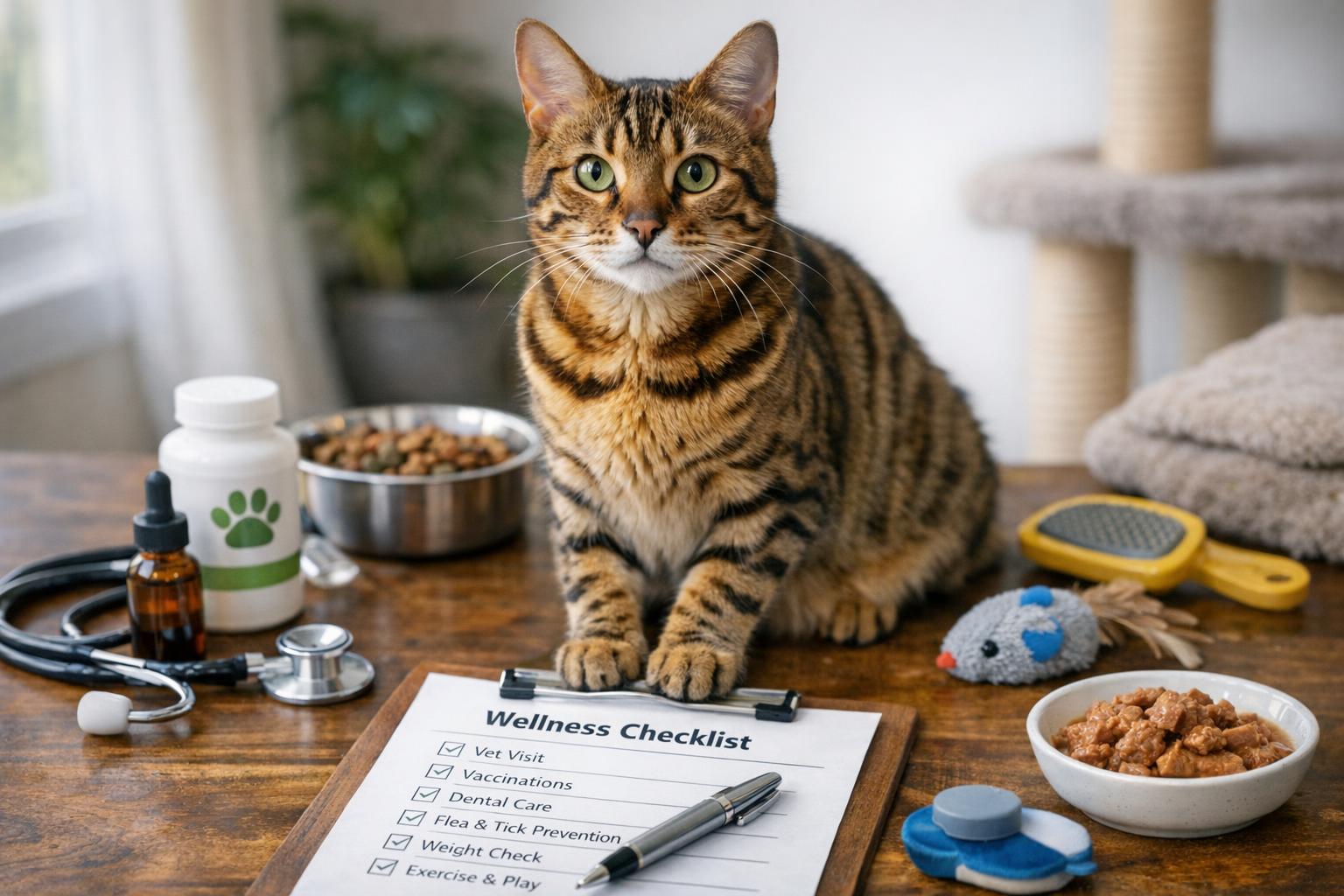
A disciplined aging cat wellness guide includes measurable tracking. Maintain a care journal noting weight, appetite, litter box habits, mobility observations, and any treatments administered. Use a calendar to mark medication times, supplement cycles, and warm-bed placements. Digital tools—apps that log veterinary visits and reminders—help you keep up with vaccinations, dental cleanings, and bloodwork schedules. Regular check-ins with your veterinarian every 6 months (or as directed) ensure lab markers for kidney, liver, thyroid, and glucose remain stable.
### Integrating Veterinary Medicine With Home Care For Best Outcomes
Nothing replaces professional diagnostics and pharmaceuticals when needed. The best results marry clinical care—pain management, disease-specific therapies—with the tactile, sensory-rich interventions described here. An aging cat wellness guide is not a replacement for veterinary oversight; it’s a force multiplier. With combined effort, many cats live longer, more joyful lives, with fewer crises and more theatrical, satisfied purrs.
### Creating A Joy-Centered Routine That Becomes Ritual
Make comfort predictable: schedule gentle play in the morning, a warm bed after the noon sun, and a quiet groom before night. Celebrate small victories—two jumps, a long stretch, a renewed grooming session. Rituals anchor an aging cat in safety and pleasure; they are the scaffolding for improved mood, appetite, and mobility. Each positive event reinforces trust and reduces stress hormones that can accelerate decline.
This guide injects high-voltage enthusiasm into the sober work of senior care. With targeted monitoring, environmental intelligence, and carefully applied home remedies, your elder cat can reclaim vibrancy. Embrace these steps and watch how quickly a guarded, slow elder becomes a nimble, content companion—proof that the final chapters can be the most brilliant.




Leave a Reply