
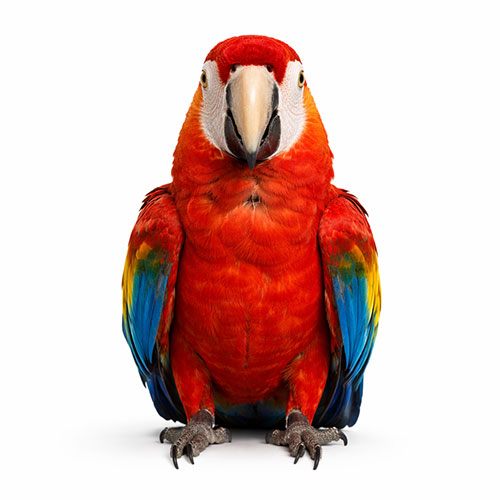

Birds hide illness well. A cockatiel can look bright and still be losing weight or developing a cough. If you spend time with birds, you learn to watch the small shifts—the quiet breath, the tiny sneeze, the reluctance to sing. Those details matter more than expensive tests when the goal is keeping birds healthy on a day-to-day basis.
## Avian Respiratory Support For Everyday Bird Wellness
Keeping a bird’s airways clear and the environment safe is the practical work of good care. Avian respiratory support isn’t only for sick birds. It’s a set of routines and choices that reduce stress on a bird’s lungs and help them handle the occasional irritant or mild infection. Think ventilation, humidity, clean air, and sensible nutrition. Little tweaks will pay off quickly.
### Why Lungs Matter More Than You Think
A bird’s respiratory system is built differently from ours. Air sacs, thin-walled lungs and efficient gas exchange make birds vulnerable to airborne toxins and dust. When those systems are compromised, recovery is slow. Promoting avian lung health means addressing air quality and immune strength at the same time. You can’t fix damaged tissue fast, but you can stop further harm and make daily breathing easier.
### Simple Daily Habits
Most of the time, respiratory support looks like basics done consistently.
– Keep the cage away from kitchens and bathrooms. Cooking fumes, aerosol sprays, and heavy humidity are frequent culprits.
– Use low-dust substrates and clean cages regularly. Feather dust and seed hulls are constant irritants.
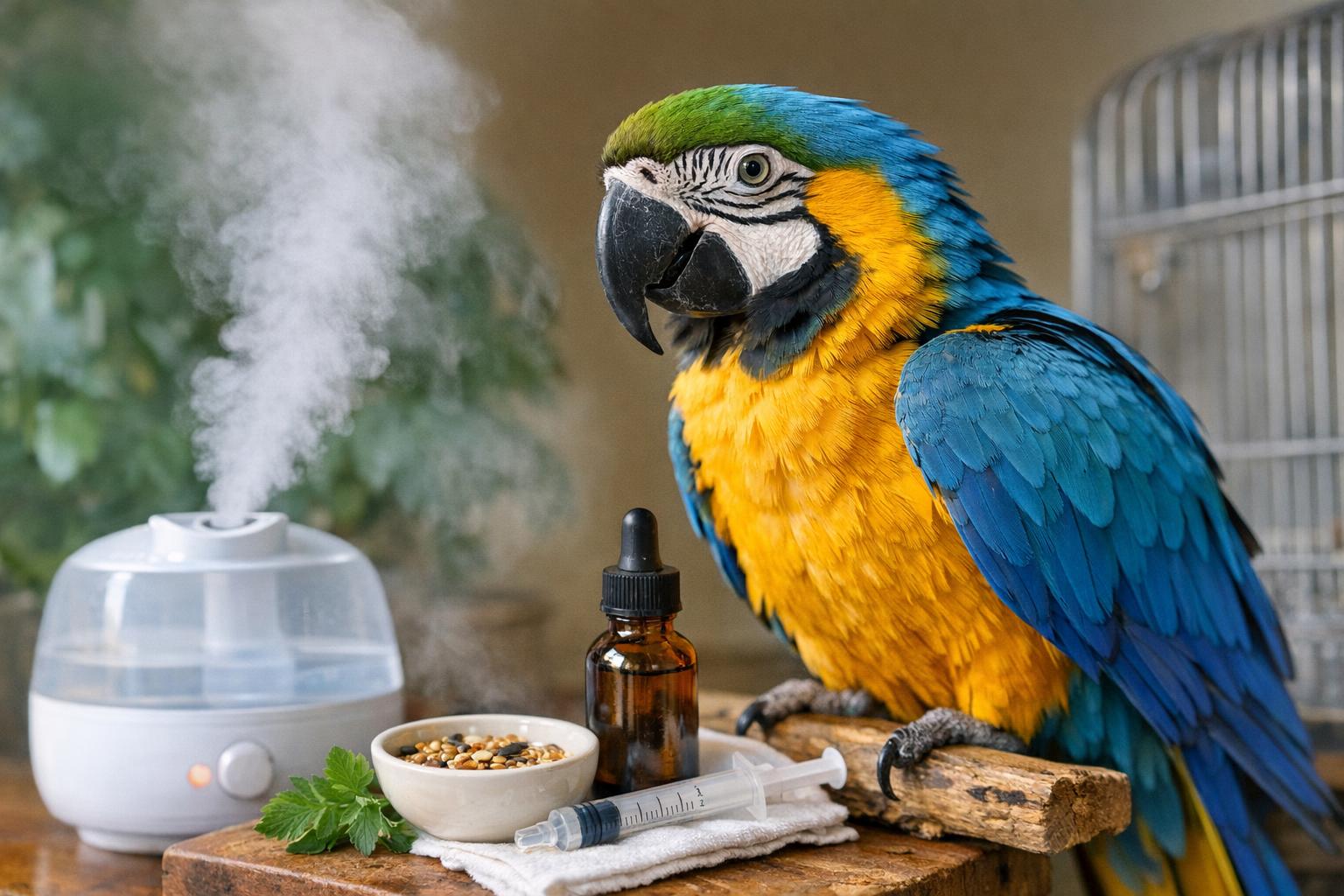
– Offer a shallow humidified mist or short steam session when birds show mild congestion. A few minutes near a warm bathroom steam can help loosen secretions without stressing the bird.
These steps improve air quality and cut down the work the lungs have to do. They are also low-cost and low-risk, which is useful for everyday practice.
#### Signs To Watch That Mean Act Now
Subtle changes often precede obvious problems. Learn these signs and act early.
– Faster flank movement or tail bobbing when the bird breathes.
– Nasal discharge that’s new or thick.
– Less vocalizing, fluffed posture, or less appetite.
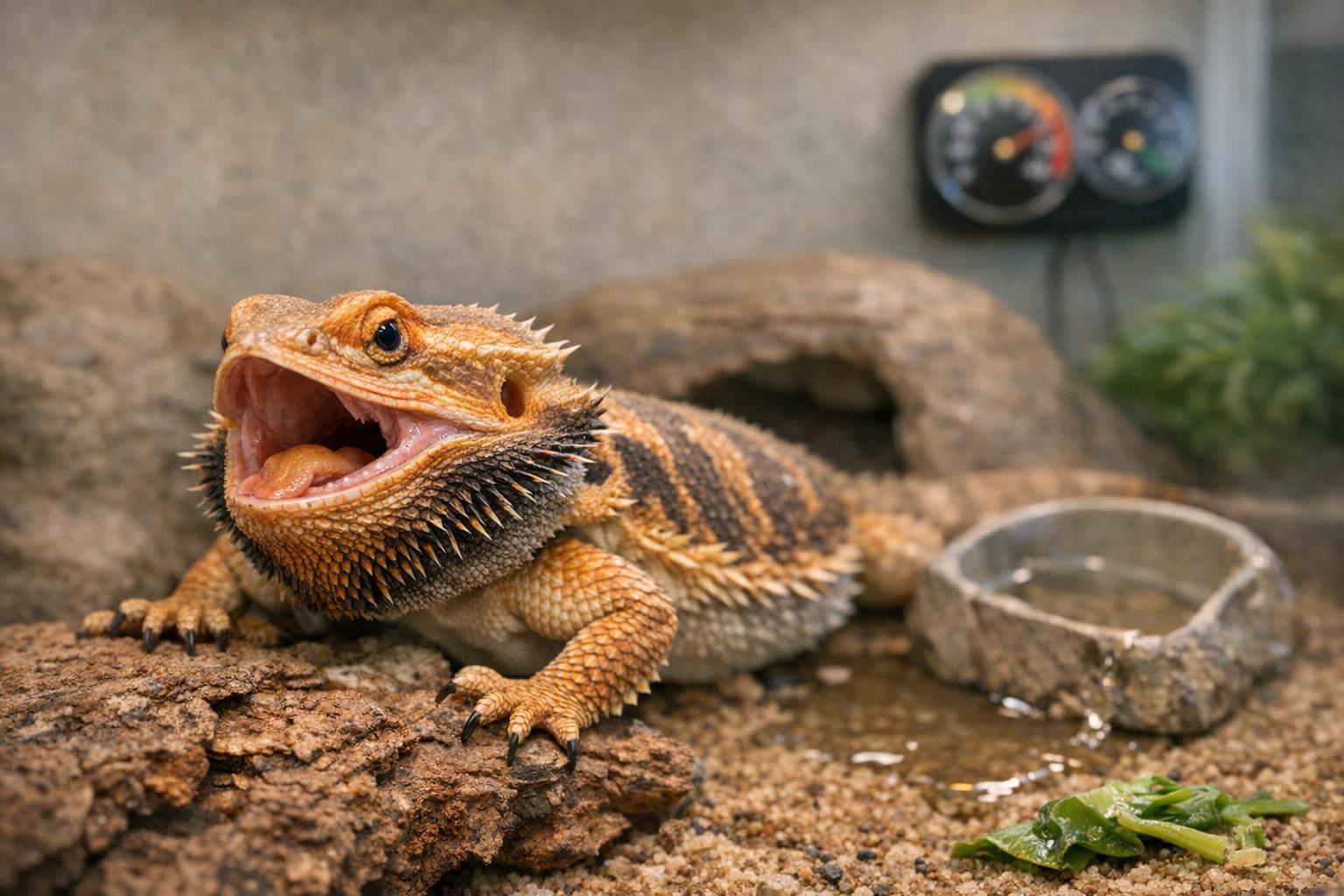
– Open-mouth breathing at rest. That’s an emergency.
When you notice one or two of these signs, increase monitoring and reduce potential irritants. If open-mouth breathing appears, seek a veterinarian; immediate respiratory support may be needed.
## Avian Respiratory Support At Home
At-home care can be effective when you know what to do and what to avoid. A basic plan focuses on three things: remove irritants, support mucus clearance, and support immunity. That’s practical respiratory support focused on prevention and mild intervention.
### Remove Irritants First
Air quality matters more than most owners imagine. A small checklist:
– No Teflon or nonstick pans used where birds are present.
– Avoid aerosol sprays and scented candles in the same room.
– Vacuum often and use a HEPA filter if dust is high.
These moves protect avian lung health by reducing the daily exposure that slowly damages delicate tissues.
### Help Them Clear Airways
When a bird is congested, gentle measures help.
– Short steam sessions: sit with the bird in a warm, steam-filled bathroom for 5–10 minutes. Keep sessions brief and watch for stress.
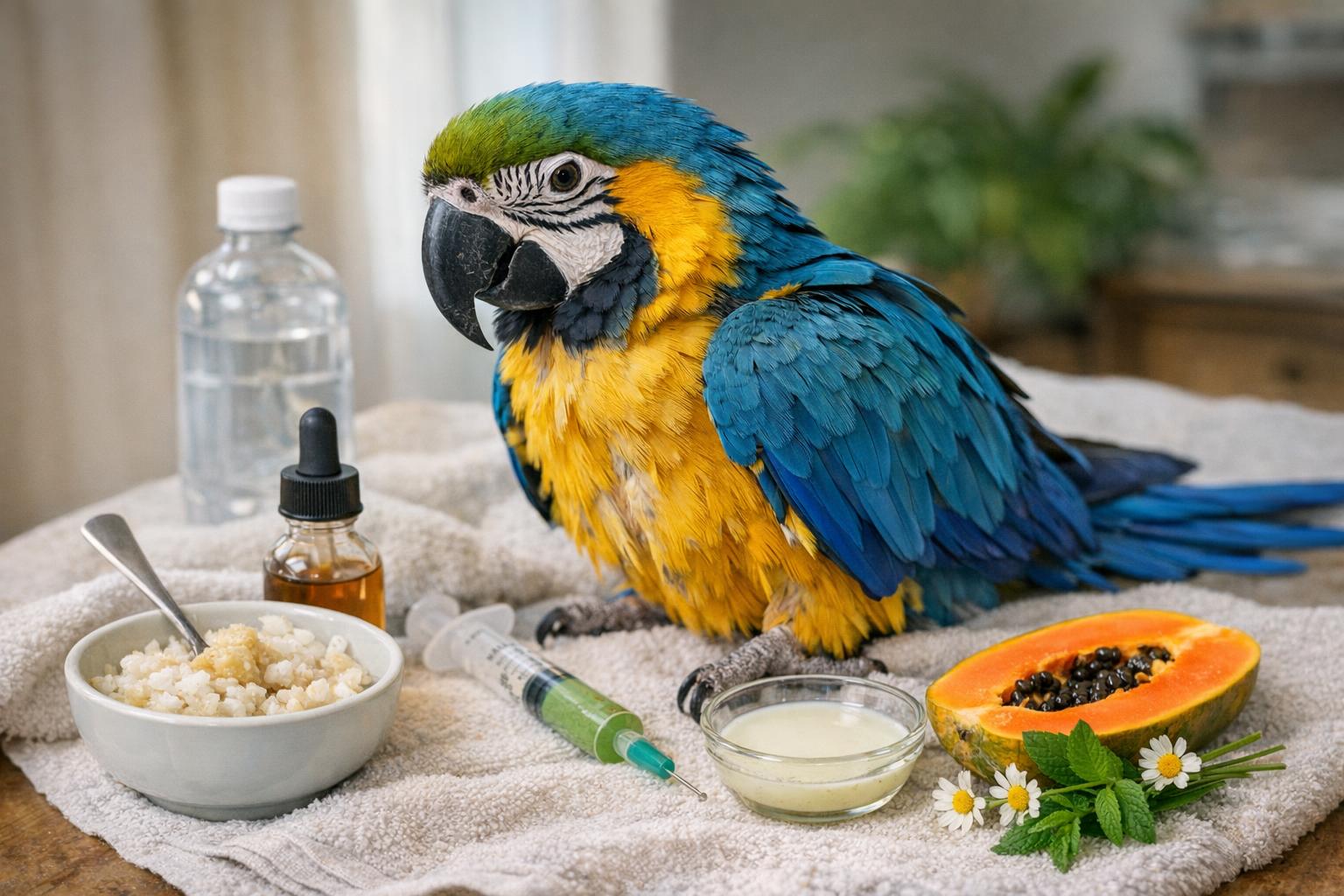
– Hydration: make sure fresh water is always available. Wet foods like steamed vegetables can boost fluid intake.
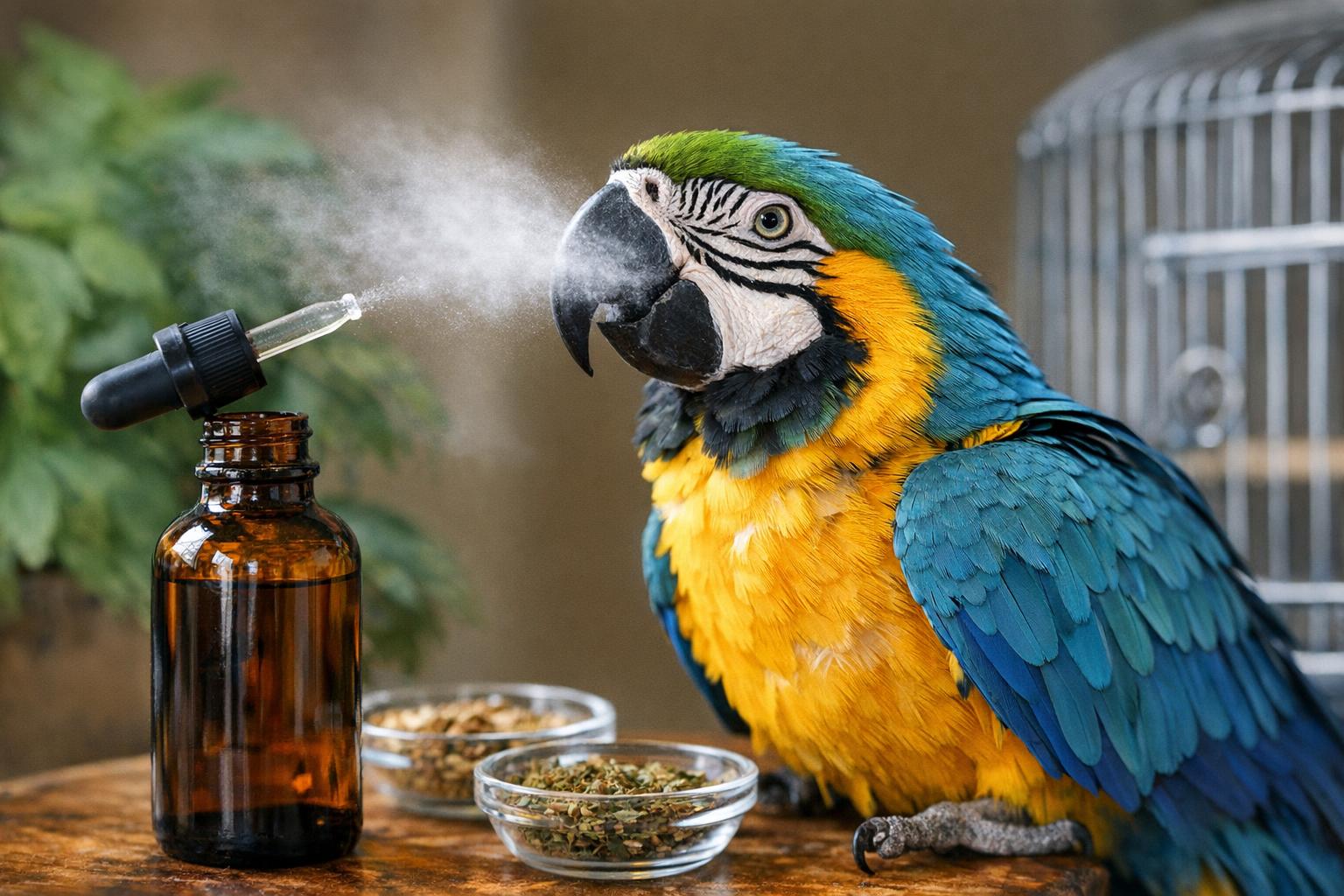
– Nebulization: a vet can prescribe medicated or saline nebulizers for home use. Nebulized saline helps thin secretions and is one of the more direct forms of respiratory support you can safely use.
Be cautious with human remedies. Many over-the-counter medicines are toxic to birds. Always check with your veterinarian before giving anything new.
### Nutrition And Immune Support
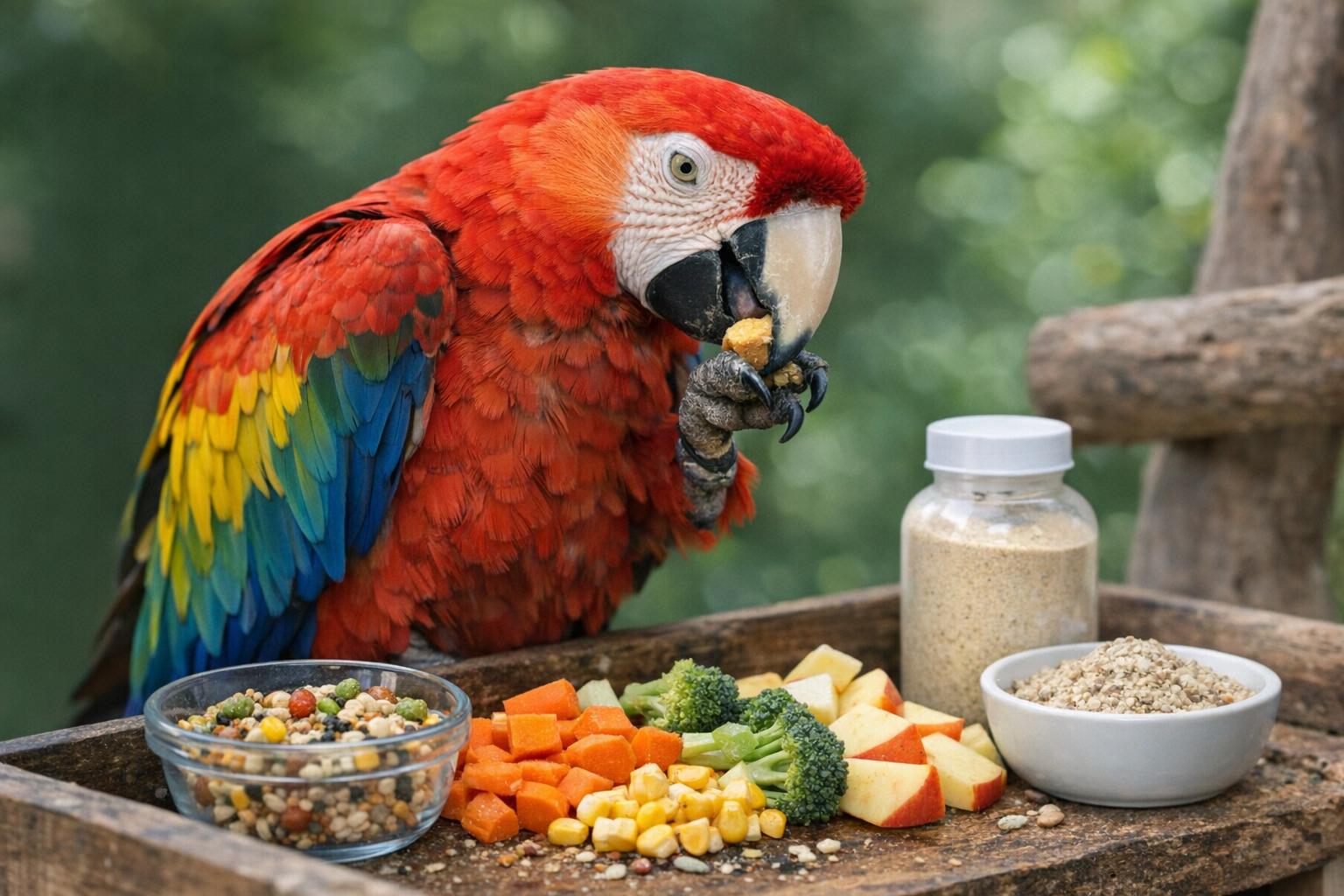
Good nutrition reduces susceptibility to respiratory disease. A varied diet with quality seed or pellets, fresh vegetables, and occasional fruits supplies vitamins and antioxidants. Vitamin A deficiency, for example, can make mucous membranes fragile. Talk with your avian vet about supplements only when they’re truly needed.
## When To Call The Vet
Knowing when to escalate care separates home-level respiratory support from necessary medical intervention. Call your vet if you see open-mouth breathing, rapid weight loss, blood in discharge, or marked lethargy. Also call if a mild cough worsens over 24–48 hours despite environmental changes.
Veterinarians can perform targeted diagnostics like radiographs, crop and tracheal exams, and cultures. They can also provide oxygen therapy and nebulized medications that are not available for home use. Early intervention often prevents protracted illness.
### Avoid These Common Mistakes
Well-meaning owners sometimes make things worse. A few pitfalls to avoid:
– Don’t substitute human decongestants or antihistamines without vet approval.
– Don’t over-humidify. Excess moisture promotes mold and fungal growth, which harms avian lung health.
– Don’t ignore mild symptoms. Birds compensate until they can’t; waiting makes treatment longer and more expensive.
These errors are easy to make. Learn them now so you don’t repeat them later.
## Tools And Products Worth Considering
Some tools are genuinely useful for keeping respiratory problems at bay.
– HEPA air purifiers: they cut dust and airborne particles that irritate birds.
– Hygrometer: monitor humidity. Aim for a stable range that is neither bone-dry nor swampy.
– Nebulizer for home use: under vet guidance, this device delivers saline or prescribed meds directly to the airways.
Buy quality and keep devices clean. A filthy humidifier or nebulizer becomes a source of infection instead of respiratory support.
### Handling Chronic Or Recurrent Issues
If a bird has recurring signs, consider environmental audits. Look at cage materials, proximity to vents, and cleaning products. Some birds develop sensitivities to specific crops or bedding. Work with a vet to run tests for chronic infections, fungal exposure, or immune disorders.
Avoid patch solutions. Treating chronic problems requires patience and steady changes. Replace dusty bedding with low-dust options, reduce exposure to people’s perfumes, and keep indoor plants separate if mold is a concern.
A final, practical note: keep records. Track symptoms, what you changed, and how the bird responded. That log makes it much easier for the vet to pinpoint causes when you do need professional help, and it keeps small problems from becoming serious ones.
seperate small steps and careful observation make avian respiratory support a manageable part of everyday bird wellness.








Leave a Reply