
Dogs with bleeding, raw feet are urgent problems. You can’t slap on whatever’s in the pantry and call it fixed. Badly cracked pads get worse fast if you ignore infection, ongoing abrasion, or the wrong treatment. This is about real, workable damaged paw surface care you can do at home and when to stop and see a vet.
## Jaw Dropping Damaged Paw Surface Care For Cracked Pads
### Spot The Real Problem Fast
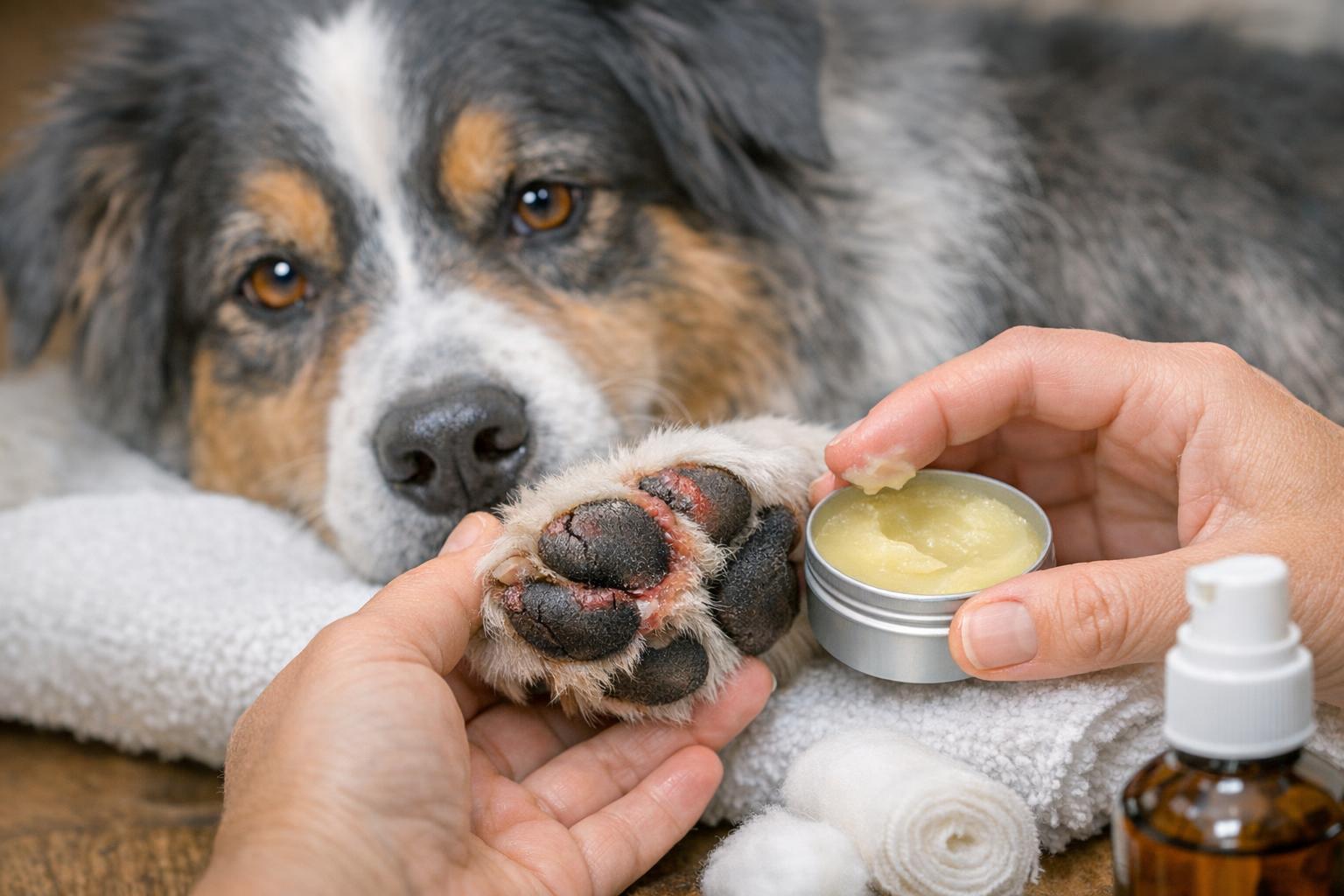
Not every sore paw is a cracked paw pad. Look closely. Cracked paw pads are usually dry, flaky, and split along weight-bearing areas. They might bleed or have black gritty bits stuck in fissures. If your dog limps, avoids stairs, or licks the pads raw, act now. If you see swelling, heat, pus, or the dog is systemically unwell, that’s a vet case.
### Clean First, Then Decide
Start by rinsing with lukewarm water. Use a mild soap only if it’s visibly dirty. Removing grit prevents deeper abrasion. Pat dry with a soft towel; don’t rub. You want the pad clean, not irritated. If there’s a foreign object embedded, don’t dig it out unless it’s clearly superficial. A trip to the clinic is safer than a home excavation.
## Damaged Paw Surface Care: Simple Supplies That Help
### What To Keep On Hand
– A gentle antiseptic solution (chlorhexidine works well).
– A thick, unscented moisturizer or balm made for paw pads.
– Nonstick gauze and self-adhesive wrap.
– Soft booties for outside walks.
These items make the difference between a brief inconvenience and a chronic problem.
### How To Apply Treatment
1. Clean the pad and let it dry.
2. Apply antiseptic if broken skin is present.
3. Smear a thin layer of balm into the cracks. Use a product labeled for paws or one with beeswax and shea oil. Don’t use human products containing fragrances or cortisone without vet ok.
4. Cover only when necessary. For severe splits, cover with nonstick gauze, then wrap loosely to keep the balm in place and prevent licking.
Change the dressing daily. Dogs love to lick, so you’ll need to be nimble and keep them distracted or use a cone.
### When To Use Boots And When Not To
Boots protect healing pads from concrete, rough gravel, and salt. Use them for short, supervised walks while the pad heals. Avoid letting a dog run free in boots for long stretches; they can change gait and stress other joints.
## How To Support Pad Repair From The Inside Out
### Diet And Supplements Matter
A healthier pad grows from good nutrition. Omega-3 fats and zinc support skin and pad healing. Talk to your vet about supplementing if the dog’s diet is low in those components. Hydration helps tissue resilience. If your dog is chronically dry, check for underlying conditions like hypothyroidism or allergies.
#### When Topicals Aren’t Enough
If simple care stalls, or if wounds reopen constantly, your dog might need prescription topical antibiotics or protective bandaging changed by a professional. Your vet can assess for foreign bodies embedded deep in the pad or structural issues in the foot that cause repeated injury. Don’t shrug off recurrent cracks; they rarely fix themselves.
## Practical Steps For Long-Term Prevention
### Trimming And Terrain Management
Keep hair between pads trimmed. Long hair traps ice, grit, and chemicals. In winter, wipe feet after walks to remove salt and de-icing compounds that dry the pads. In summer, test pavement with the back of your hand; if it’s too hot for you, it’s too hot for paws. Walk earlier or later, or stick to grass.
### Build A Routine
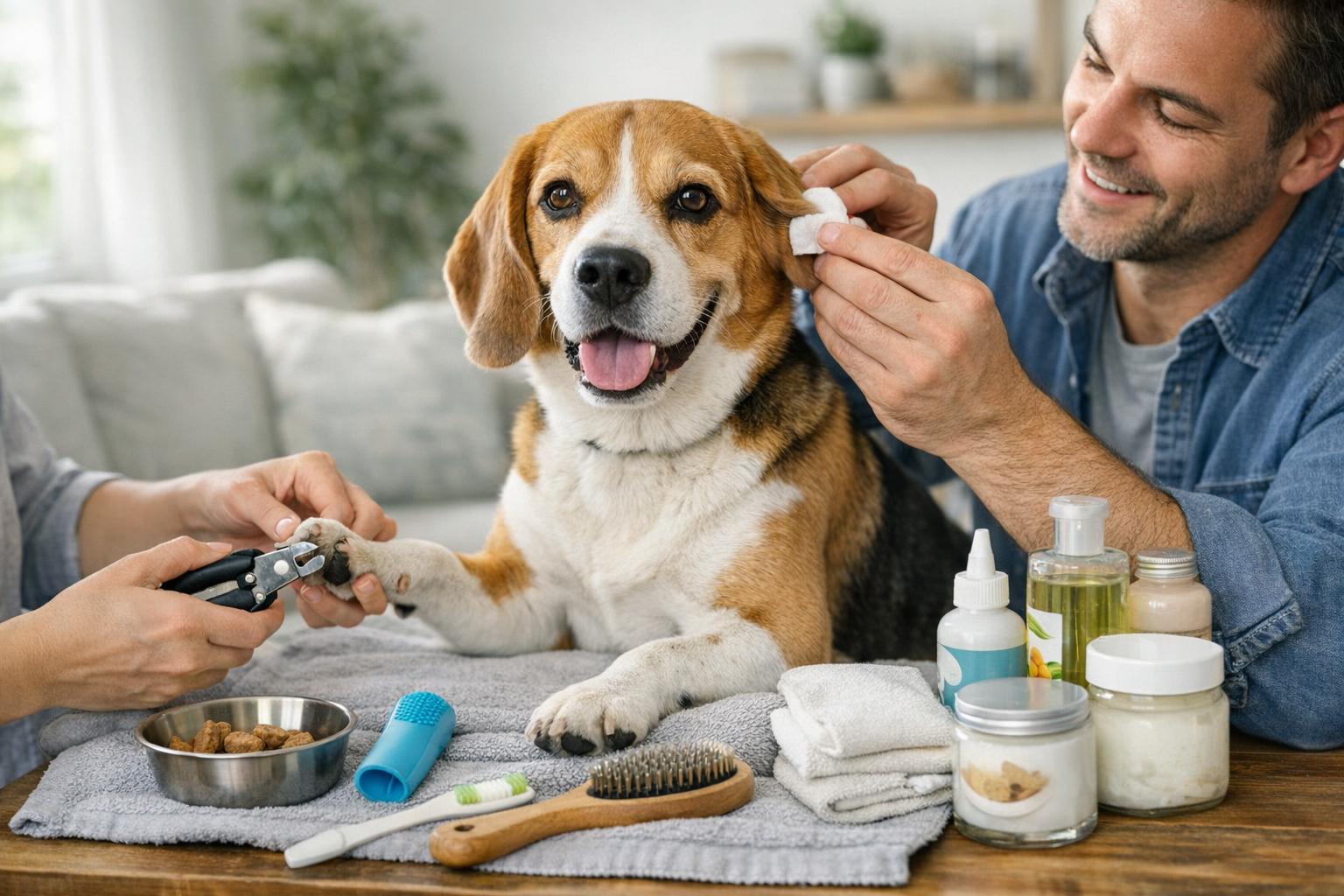
Daily checks after walks catch small issues before they become big. A weekly rub-down with a balm when pads are healthy keeps them supple. reccommend doing this when your dog is calm so it becomes part of a grooming ritual. It takes five minutes but saves vet visits.
## Signs You Need Professional Pad Repair
If a pad is deeply split, infected, or won’t close with home care, that’s pad repair territory. Vets can debride necrotic tissue, apply medical-grade dressings, and in some cases use sutures or toe grifts to reduce tension on the wound. They’ll also check nails, foot conformation, and gait to prevent repeat injury. Don’t wait until the dog is lame; early pad repair gives a far better outcome.
### A Few Quick Dos And Don’ts
Do: keep the pad clean and moisturized.
Do: use boots for protection during healing.
Don’t: use human steroids or strong topical antibiotics without vet guidance.
Don’t: ignore licking; constant moisture prevents healing and breeds infection.
Small steps taken consistently stop minor cracks from becoming chronic, expensive problems. If you’re dealing with a raw, painful pad that won’t heal, call your clinic. A short visit now can save weeks of treatment later and keep your dog running. And yes, some dogs will try to chew the bandage off the moment you blink. Be patient and firm about rest; it’s neccessary for real recovery.



Leave a Reply