





Older cats don’t need drama. They need attention that fits the pace of their days and bodies. If you want a senior cat to stay comfortable and engaged without leaving home, you have to change how you feed, move, and read subtle signals. That’s the work. It’s doable.
## Senior Cat Wellness At Home: Practical Routines That Actually Help
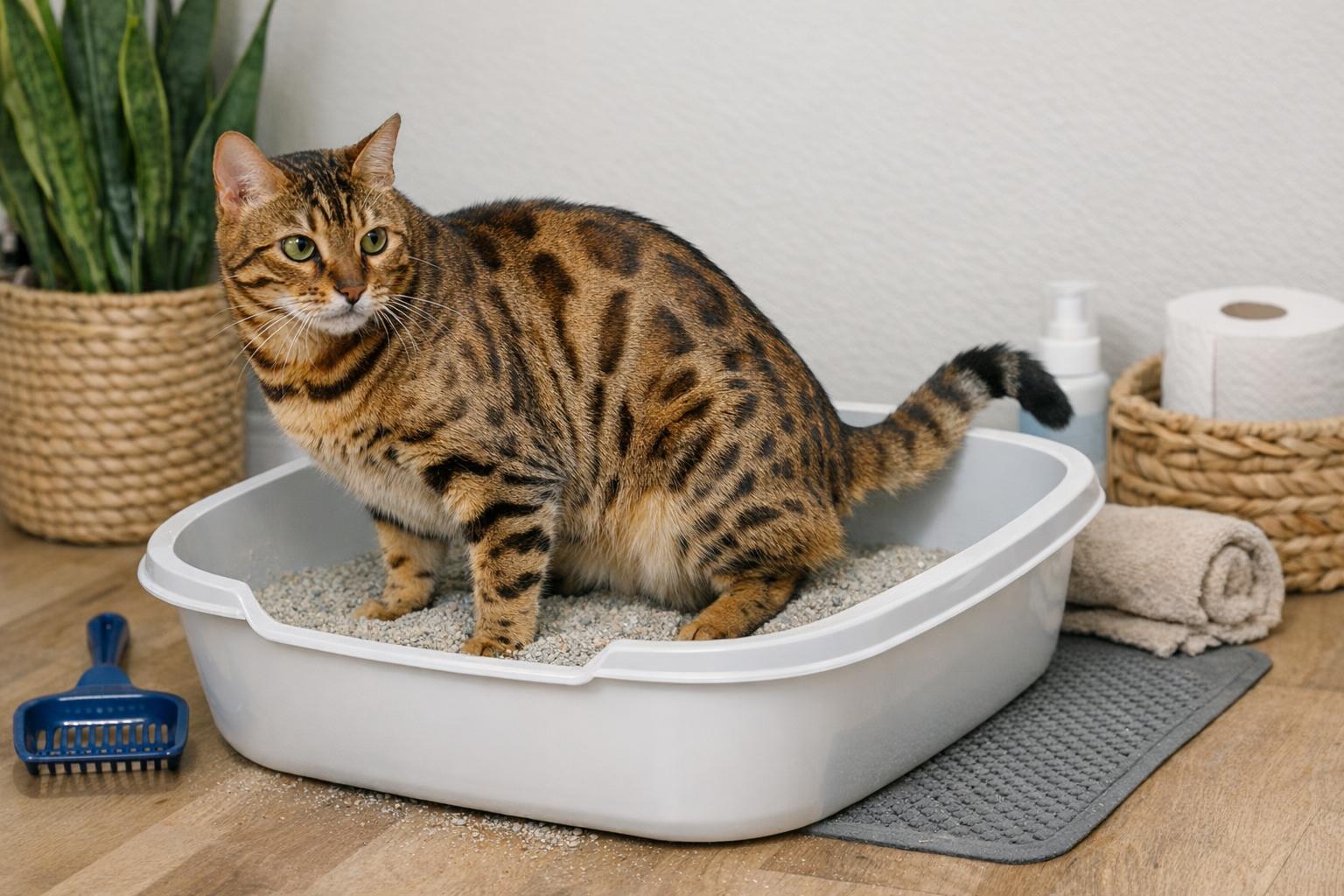
Create daily routines that respect energy and mobility. For many families, “senior cat wellness at home” starts with three predictable things: food, litter, and a warm place to sleep. Put food on a low surface, keep a shallow litter box nearby, and offer a soft bed that’s not tucked under something hard to crawl under. These small changes remove barriers to basic comfort.
### Make Mealtimes Work For Their Bodies
Older metabolisms, dental problems, and kidney concerns change what a cat should eat. Talk to your vet about a food plan, then keep meals consistent. Smaller, more frequent portions can be easier for older stomachs. If your cat has trouble picking up kibble, try softer food or slightly moistened options. Monitor weight weekly. A slow decline or a fast gain tells you something important about aging cat health.
### Manage Mobility With Simple Adjustments
Steps, ramps, and non-slip rugs are not decorative. Place a ramp or low stool by favorite high spots. Move food and litter to one or two main areas so your cat isn’t making long trips across the house. Gentle strength exercises—encouraging short, slow play sessions—help maintain muscle tone. If your cat is stiff getting up, timed sessions of warmth, like a heated pad for short stretches, can improve movement without drugs.
## Watch Behavior Like A Vet Would: Signs To Track
Changes in attitude, grooming, or litter use are data. Keep a small notebook or notes on your phone listing odd behaviors and when they started. That record removes guesswork during vet visits.
### Common Red Flags
– Avoiding the litter box, or going more often.
– Less grooming; mats around hips and tail.
– Lethargy that doesn’t break after a day or two.
– Vocalizing at night when they used to sleep.
These signs often relate to aging cat health issues like arthritis, dental disease, or kidney problems. Early detection keeps problems smaller.
#### Tools For Monitoring At Home
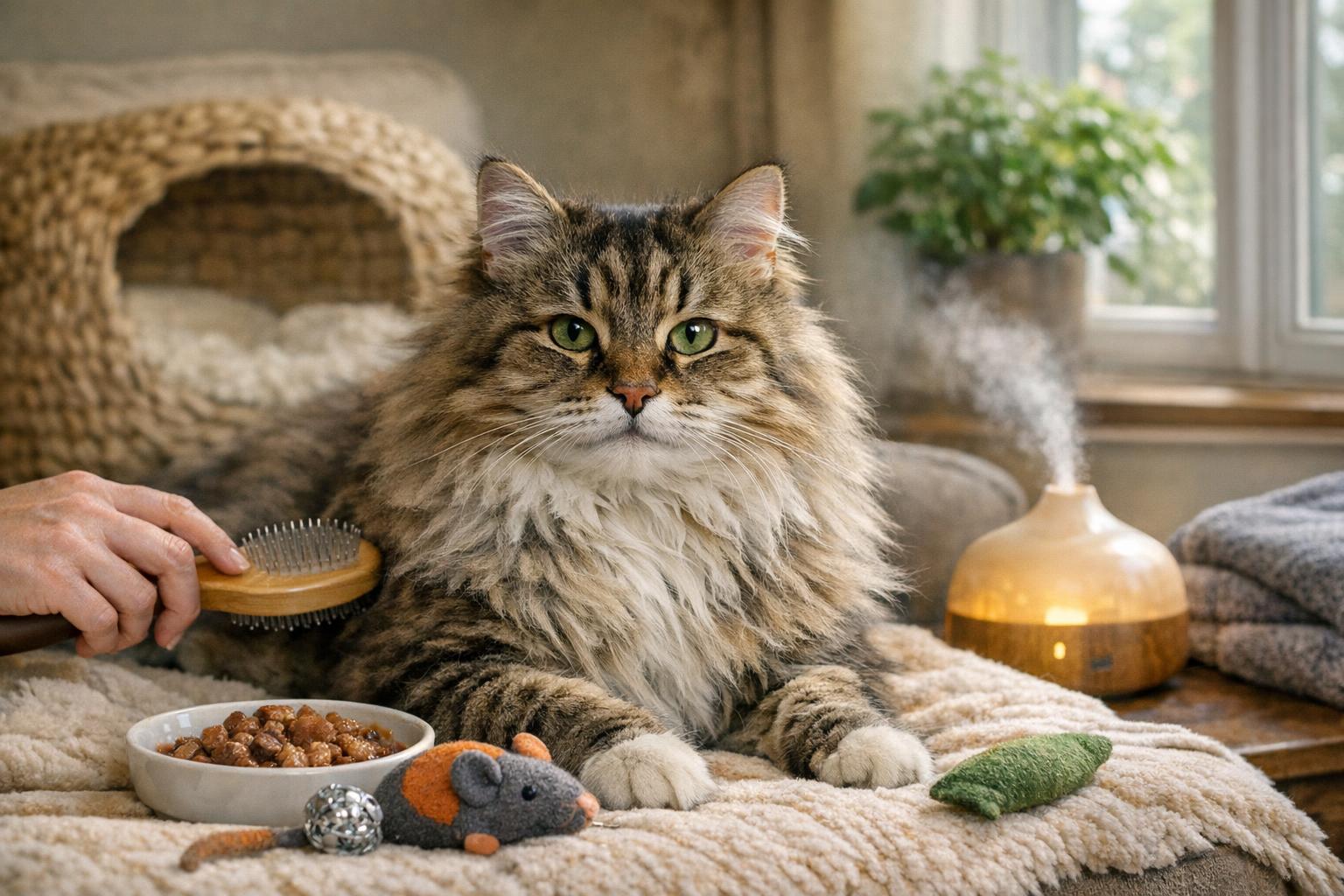
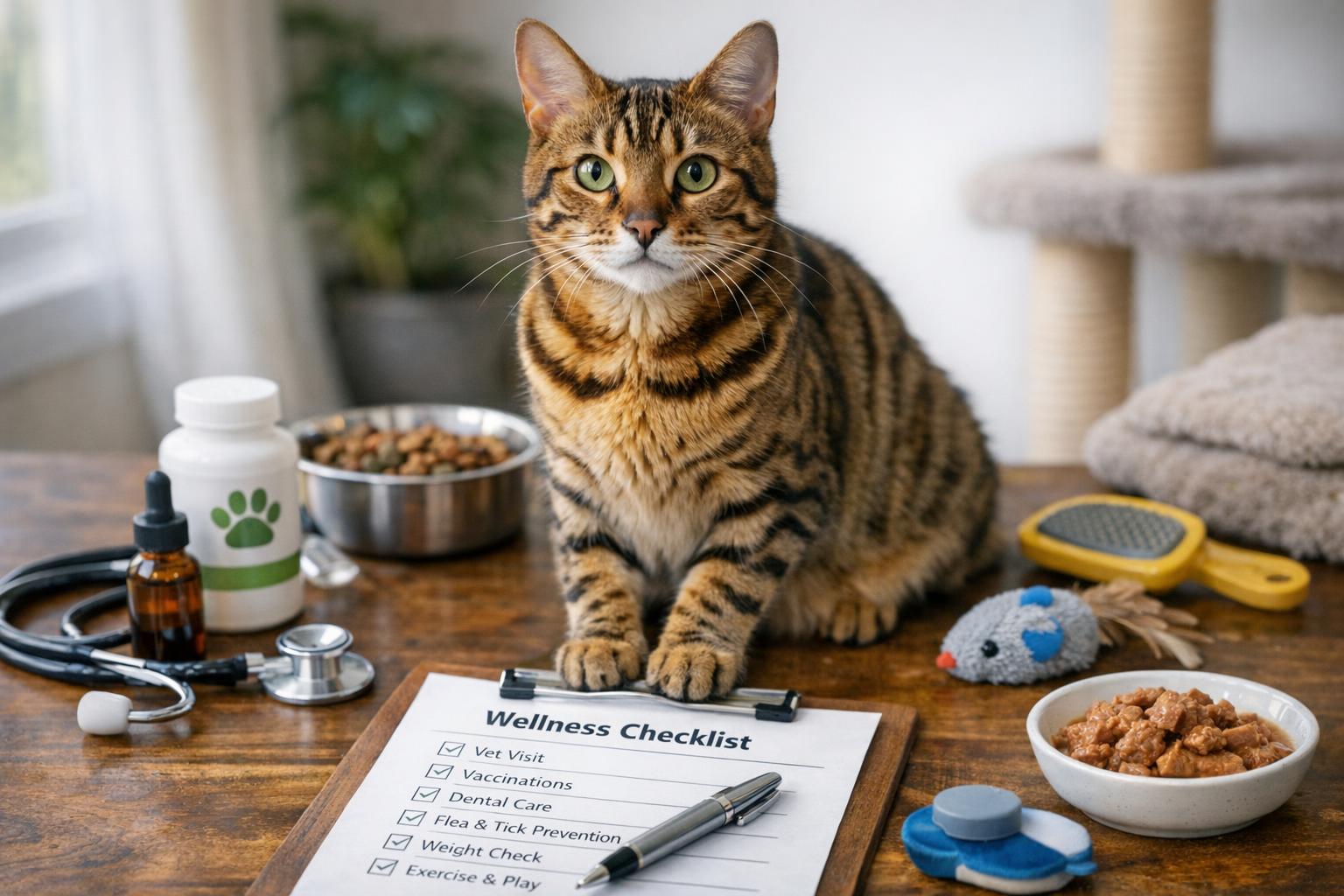
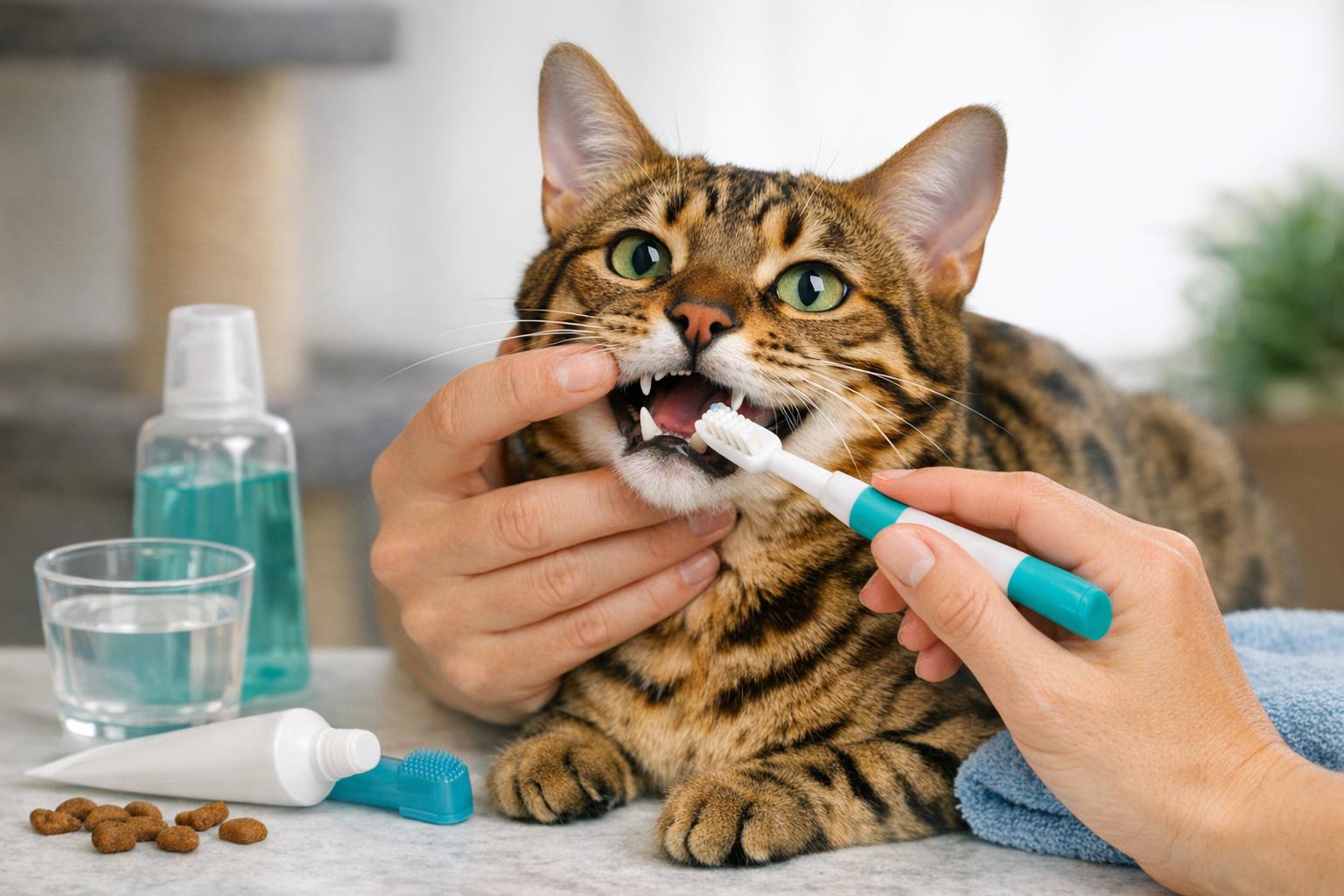
A simple scale, a lighted magnifying glass to check gums and teeth, and a soft brush for daily grooming are inexpensive and useful. Weighing your cat weekly is one of the most actionable things you can do. If weight shifts more than a few percent, call your vet.
## Senior Cat Tips For Emotional Health
Senior cats still want to engage, but differently. They prefer short, predictable play over long sprints. Rotate toys weekly so things remain novel. Provide low, safe windowsills with a bird feeder outside if possible; watching is great stimulation. Offer quiet lap time—stroking for a few minutes can reduce anxiety and encourage purring, which seems to have physiological benefits.
### Keep Stress Low
Don’t surprise a sleeping senior with loud noises. Cats that once tolerated other pets may now need space. If you’re introducing a new person or animal, do it slowly with controlled meetings and scent swapping. Reduced stress supports better aging cat health and keeps chronic conditions from flaring.
## Medical Basics You Can Do At Home
Preventive care still matters. Administer meds on schedule, keep a calendar for vaccinations and annual bloodwork, and follow your vet’s recommendations for dental cleanings. Many conditions in older cats show up in blood tests long before symptoms appear.
### Pain Management And Comfort Measures
If your vet prescribes pain meds, give them exactly as directed. Non-drug measures help too: soft bedding, raised bowls, and gentle massage to reduce stiffness. Talk to your vet about joint supplements. Some cats respond well; others don’t. Track changes and be willing to try a different approach.
#### When To Call The Vet
If eating drops dramatically, if they have trouble breathing, or if there’s blood in urine or stool, call immediately. For slow-onset issues—showing disinterest in play or gradual weight loss—schedule an appointment within a week. The earlier you intervene, the less invasive the treatment might be.
## Practical Environment Hacks That Matter
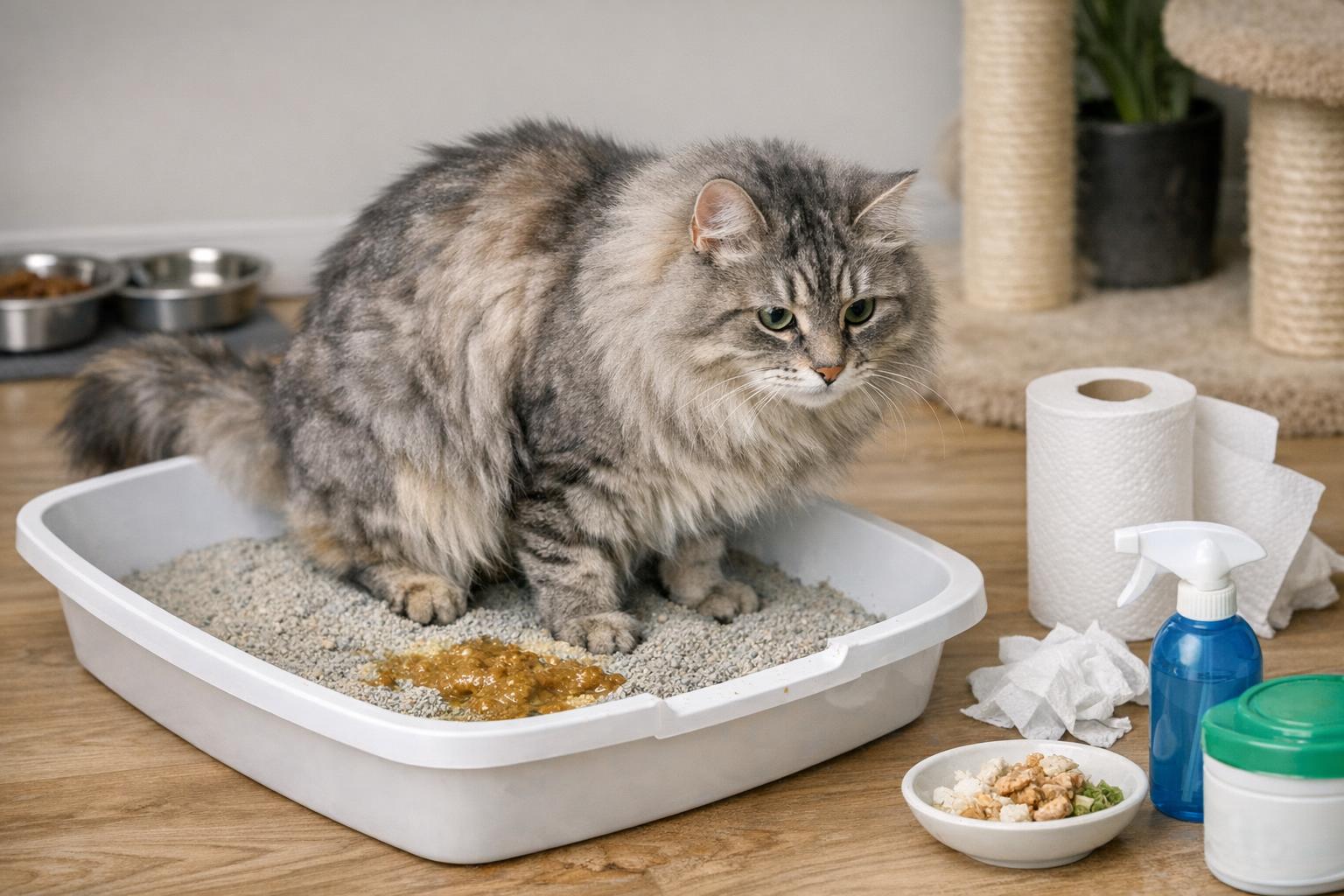
Keep night lights near stairs and litter boxes. Add shallow water dishes in multiple rooms—older cats sometimes forget where water is. Swap tall narrow bowls for wide, shallow ones to reduce whisker stress. Clean litter boxes daily; many seniors have sensitive bladders, and a clean box encourages use.
Try a soft carrier near the door so your cat isn’t startled when travel is necessary. Pack it with a worn blanket that carries home scent.
## Ongoing Care Choices And Conversations
Care needs evolve. Talk with your vet about quality-of-life indicators and set checkpoints for reassessment. Home hospice isn’t failure; it’s a choice to prioritize comfort. If you make decisions when symptoms are small, you preserve more good days—days of warm naps, gentle purrs, and peaceful company.
Keep notes, keep routines, and stay attentive. That’s the heart of senior cat wellness at home. Give your cat the consistency they need, and they’ll reward you with steady, quiet companionship—right up until the end of life’s last soft moments when you both will know you did what was best. The rest is details you learn along the way. Recieve feedback from your vet and adjust.














Leave a Reply