



Start with one clear thing: you can reduce fleas on your cat a lot without turning to harsh chemicals. It takes patience and a mix of direct grooming, household cleaning, and yard work. Here’s a practical, no-nonsense approach to natural flea defense for cats that actually works if you stick with it.
## Natural Flea Defense For Cats Without Chemicals
Fleas aren’t only on the animal. Most of the population lives in the house — carpets, bedding, crevices. That’s why any plan that focuses only on the cat will fail. Treating the pet and the environment together is the core of natural flea defense for cats.
### Understand The Flea Lifecycle
You don’t need a textbook. Fleas lay eggs on your cat, but the eggs fall off and hatch in the environment. There are four stages: egg, larva, pupa, adult. The pupa can hide in a cocoon for months, then hatch when conditions are right. So a one-time treatment rarely solves the problem.
#### What To Target In The Home
– Bedding and linens: wash in hot water weekly.
– Carpets and upholstery: vacuum daily for a few weeks, then every few days; empty the bag or canister into a sealed bag immediately.
– Cracks and baseboards: vacuum and then apply food-grade diatomaceous earth lightly where pets don’t sleep.
## Grooming Methods That Work
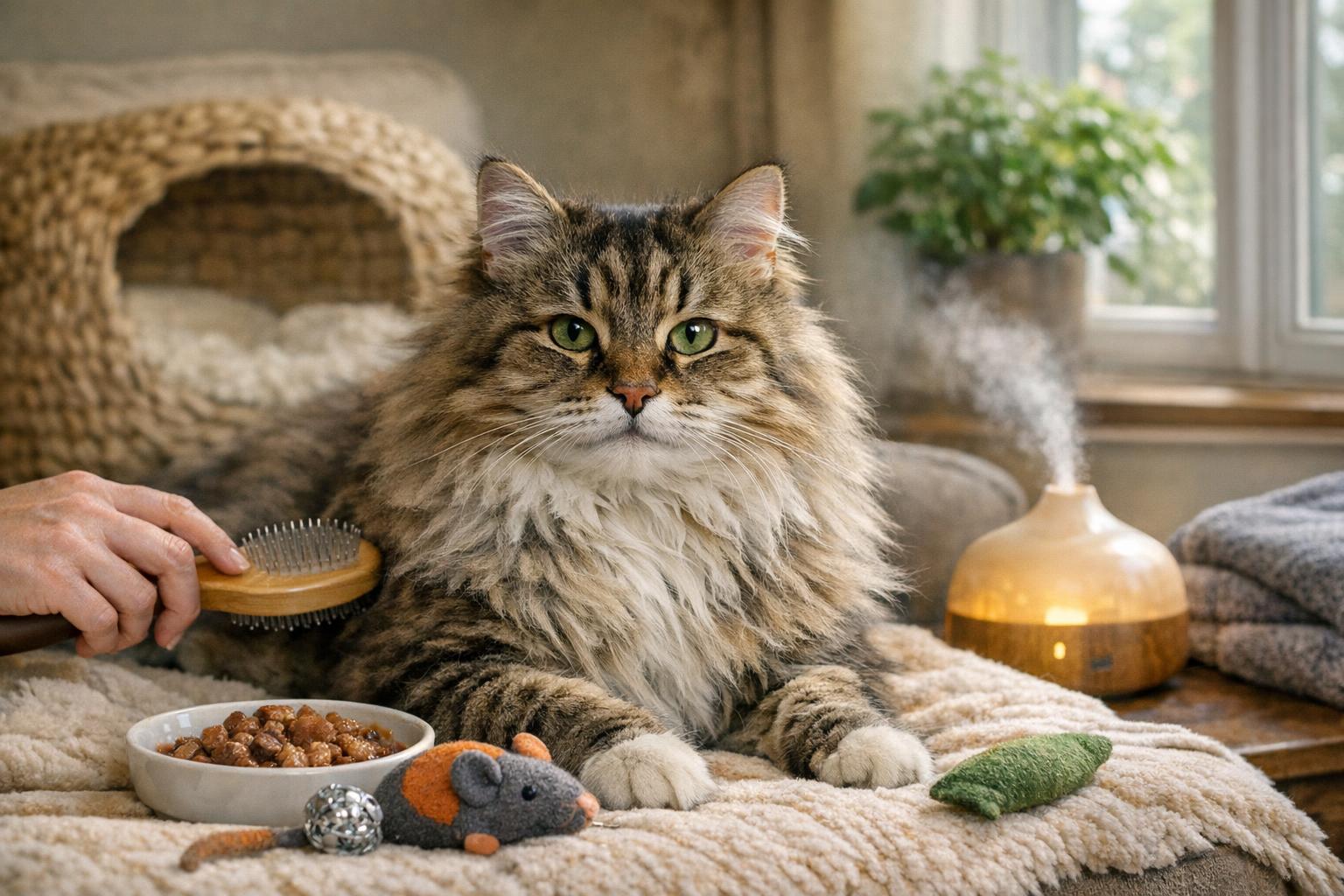
A flea comb is your best tool. Spend five to ten minutes a day on an infested cat. Use a fine-tooth comb, sweep toward the tail, and dip the comb into a bowl of warm soapy water after each pass. The soap kills the fleas collected. If you find many fleas, do this twice daily until numbers drop.
Caution with baths: gentle, cat-safe shampoo can remove and drown fleas if you’re careful. You don’t need strong detergents; simple cat shampoos or a tiny amount of dish soap in an emergency will work. Rinse thoroughly — residue irritates skin. Never force a soaked cat to stay in a tub longer than it tolerates.
### Spot Treatments To Use Sparingly
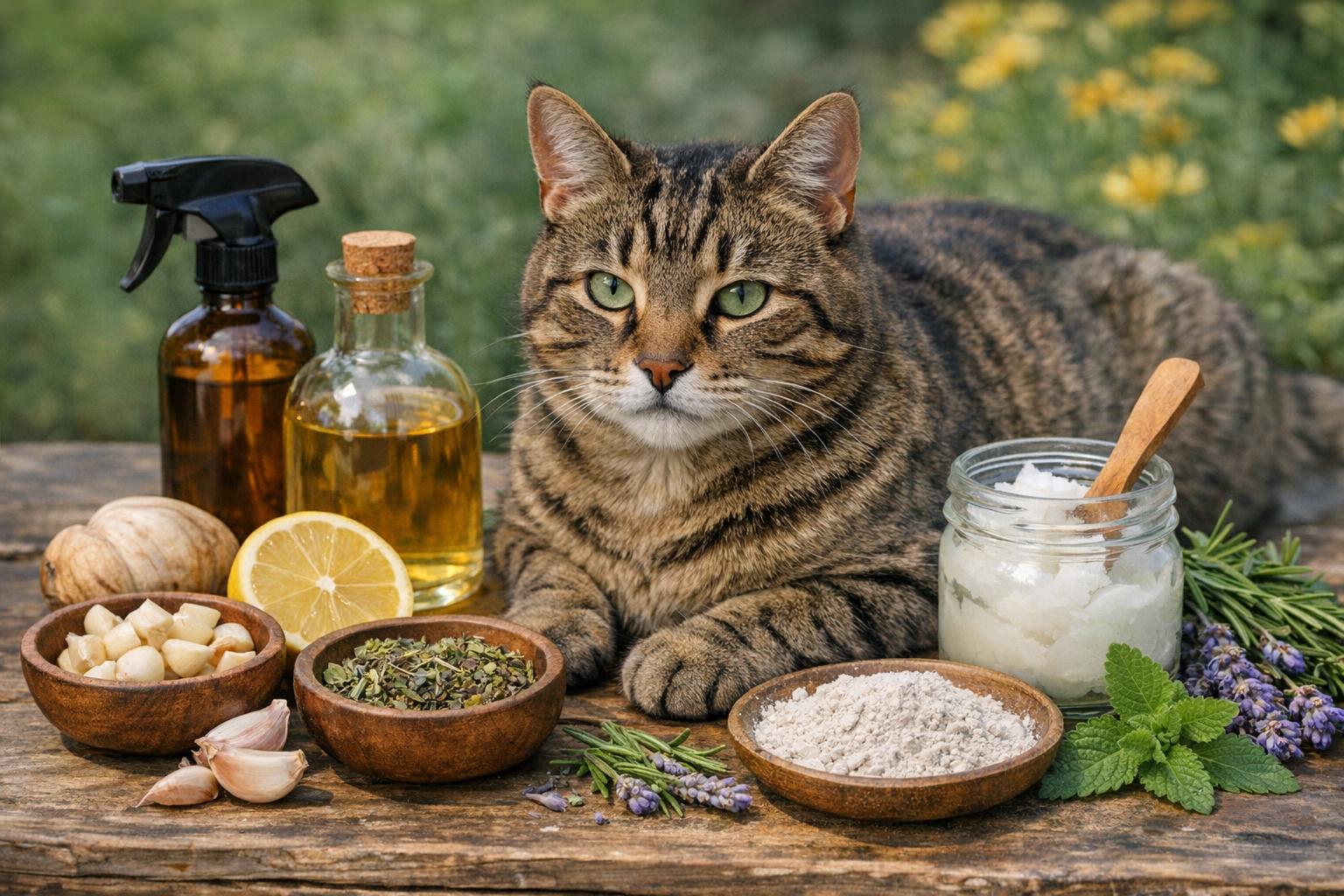
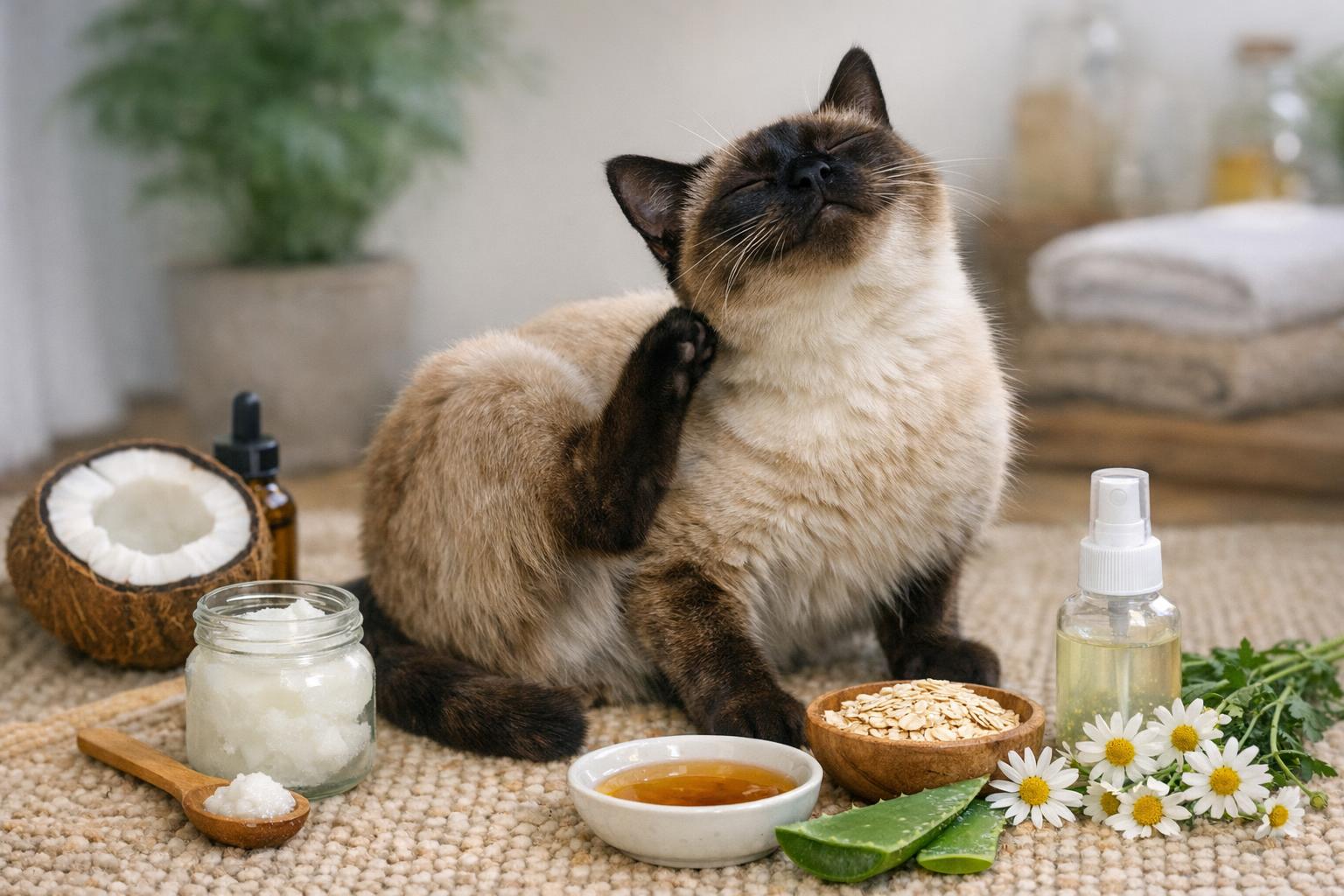
– Apple cider vinegar (ACV) diluted 1:1 with water can be used as a light spray on fur after testing a small spot first. It’s more of a repellent than a killer.
– A lemon rinse: steep sliced lemon in boiling water overnight and strain. Lightly mist the coat, avoiding the face. This helps repel fleas but won’t clear a heavy infestation.
Avoid essential oils like tea tree, lavender, or eucalyptus. Even small amounts can be toxic to cats.
#### Using Diatomaceous Earth Safely
Food-grade diatomaceous earth (DE) desiccates fleas but won’t harm your cat if used properly. Lightly sprinkle DE on carpets and pet bedding during the day, leave a few hours, then vacuum it up. Keep it out of your cat’s eyes and nose and don’t overapply; use a fine dusting. Don’t use pool-grade DE.
## Environmental Steps For Real Flea Prevention
Cleaning is unglamorous but effective. Vacuum daily for two weeks to disrupt the lifecycle. Wash pet bedding at least once a week in hot water. Take cushions outside and beat them if possible.
In the yard, clear tall grass, leaf litter, and brush where fleas jump from wild animals. Apply beneficial nematodes to moist soil — they’re tiny worms that eat flea larvae and work well in shaded areas. Spread cedar chips around bedding areas; cedar repels fleas.
### How Often To Repeat Treatments
If you’re following a natural program, expect to groom daily for a couple of weeks and clean the environment intensively for a month. Repeat weekly washing and vacuuming for at least two months to catch late-hatching pupae. Persistence matters more than any single miracle cure.
#### Natural Supplements And Diet Tips
Some people use brewer’s yeast or garlic in small amounts as a repellent, but evidence is weak. If you try supplements, check with your vet first — garlic can be toxic in high doses. A healthy coat from good nutrition helps, too. Omega fatty acids improve skin health and make your cat less attractive to pests.
## What To Avoid
– Do not use essential oil sprays or concentrated mixes on cats. Many essential oils are dangerous.
– Avoid borax or harsh pesticides inside the home around pets.
– Homemade flea collars soaked in oils are risky; cats can rub them into fur and ingest toxins while grooming.
### When To Call The Vet
If your cat has signs of anemia (pale gums, lethargy), severe itching, hair loss, or skin infections, see your veterinarian. Natural flea defense for cats is powerful, but it isn’t always enough for heavy infestations or medically vulnerable animals. Your vet can recommend safe products that complement natural methods.
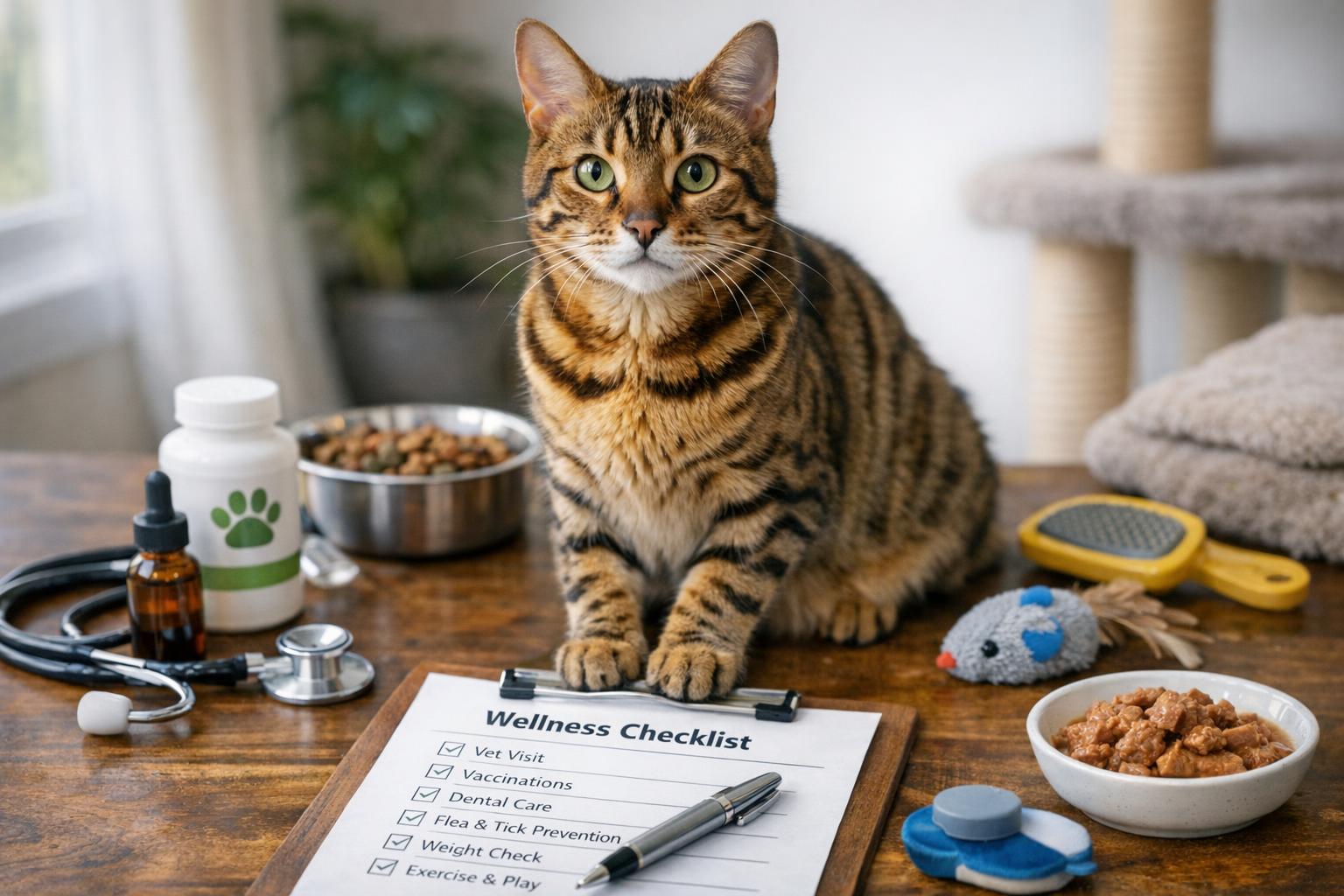
#### Quick Checklist For A Natural Plan
– Daily combing and soapy water kills adults.
– Wash bedding weekly in hot water.
– Vacuum daily and dispose of vacuum contents immediately.
– Use food-grade DE lightly in carpets and baseboards.
– Treat yards with beneficial nematodes and clear brush.
– Use diluted ACV or lemon rinse cautiously as a repellent.
– Avoid essential oils and harsh chemicals.
You’ll need patience. Flea eggs and pupae can reappear weeks after the first signs are gone. Stick to the routine, and you’ll be surprised how much you can reduce fleas without prescription chemicals. A consistent approach to flea prevention and a few careful natural tools will keep your cat more comfortable and your home cleaner. Oh, and don’t forget to check the carrier and car seats too — fleas hitch rides on everything, so treat those spaces when you treat the house and you won’t have to fight them again next month.















Leave a Reply