



Cats don’t always tell you what’s wrong. Sometimes they just stop, gag, or produce a loose stool and act like nothing happened. That’s when a calm, sensible at-home approach can fix things before you call the vet — or show you urgent signs you shouldn’t ignore.
## Natural Cat Upset Stomach Remedy You Can Try Tonight
A simple, safe route most owners can start with is a short fast plus a gentle reintroduction of food. Don’t pile on remedies at once. Try one thing, wait a few hours, and watch the result. The most reliable natural cat upset stomach remedy I use with friends’ cats is plain canned pumpkin, small doses of a bland diet, and hydration. Those three steps often settle a transient problem within 24–48 hours.
### Short Fast And Hydration First
If the cat is only mildly off — a single vomit or one bout of soft stool — remove food for 8–12 hours. Water should stay available. Fasting gives the gut a break and reduces ongoing vomiting. For kittens, diabetic cats, or cats on critical meds, skip the fast and call your vet. After fasting, offer a tablespoon of water or unflavored electrolyte solution and observe.
Cats can dehydrated quickly, so check gums (should be moist), skin tenting, and energy. A warmed, low-sodium chicken bone broth (no onions or garlic) can encourage sipping. Bone broth also adds electrolytes and is far better than letting a cat go thirsty.
### Pumpkin For Gentle Bulking
A spoonful of plain canned pumpkin (not pumpkin pie filling) is a go-to natural cat upset stomach remedy. It’s high in soluble fiber and helps firm up loose stool. Start small: a quarter teaspoon for a small cat, up to one teaspoon for larger felines, twice daily. If stool improves, continue for a few days. Don’t overdo it; too much fiber can constipate.
Pumpkin also soothes the gut lining slightly and is safe for most cats. I’ve seen cats who refused food take a lick of pumpkin from a fingertip, then eat a tiny portion of boiled chicken an hour later.
### Bland Diet: Boiled Chicken And Rice (Short Term)
After the fast, offer a bland meal: boiled skinless chicken breast shredded into small pieces mixed with plain white rice. Keep portions tiny — just a couple of tablespoons at first. If the cat keeps that down, you can feed the bland mix 3–4 times a day in small amounts for up to three days, then gradually return to normal food.
Don’t substitute with spicy or fatty meats. Avoid dairy; many cats are lactose intolerant and milk can make a cat upset stomach worse.
### Probiotics And Beneficial Bacteria
A quality probiotic formulated for cats can shorten recovery and restore a healthy gut flora. Look for products designed for felines, like single-strain Enterococcus faecium or multi-strain cat probiotics. You don’t need human probiotics. Follow the product instructions or ask your vet for a brand and dose.
If your cat has been on antibiotics recently, get probiotics ready. Antibiotic-associated upset stomach is common, and a targeted probiotic can prevent recurrent issues.
#### Slippery Elm And Herbal Options
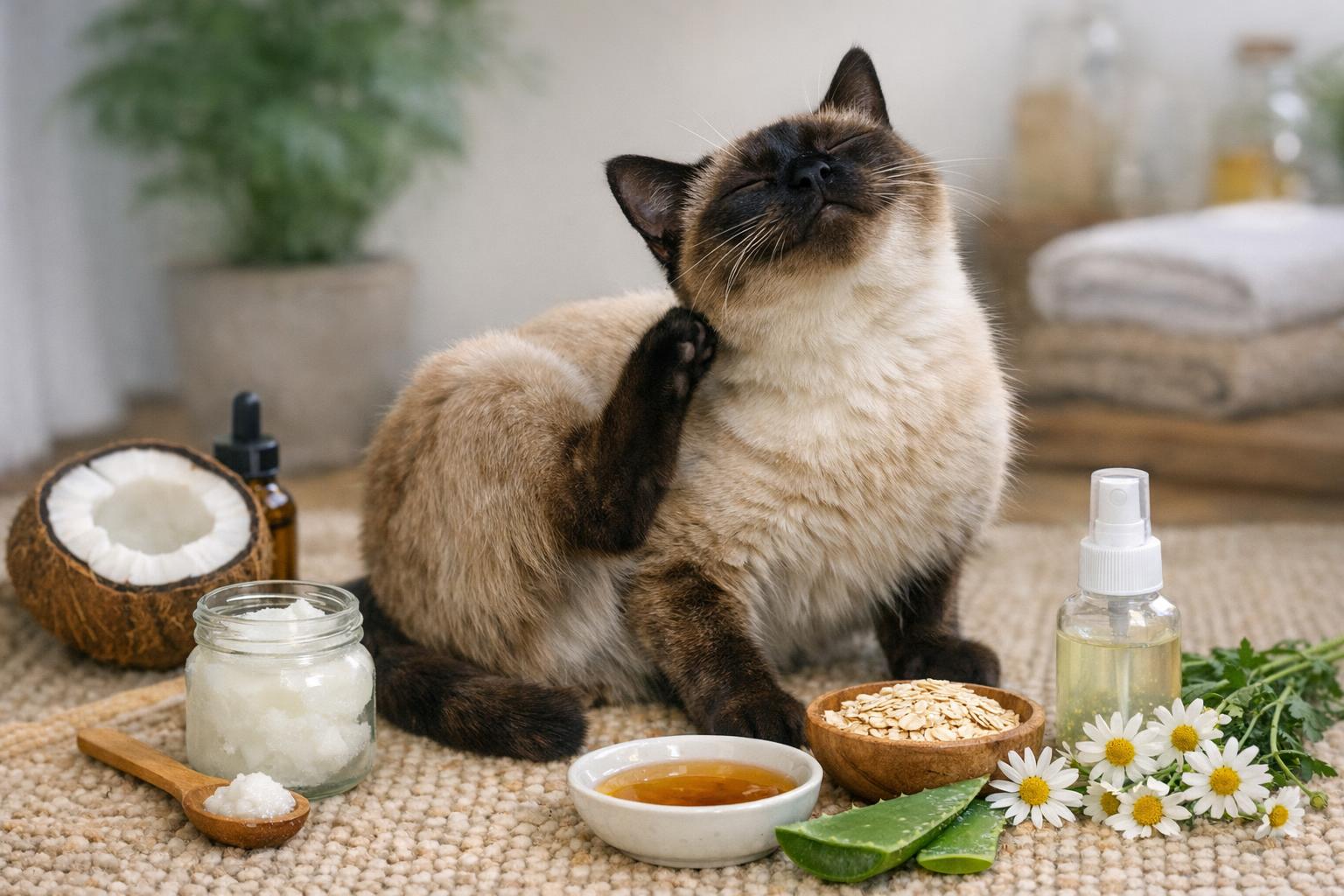
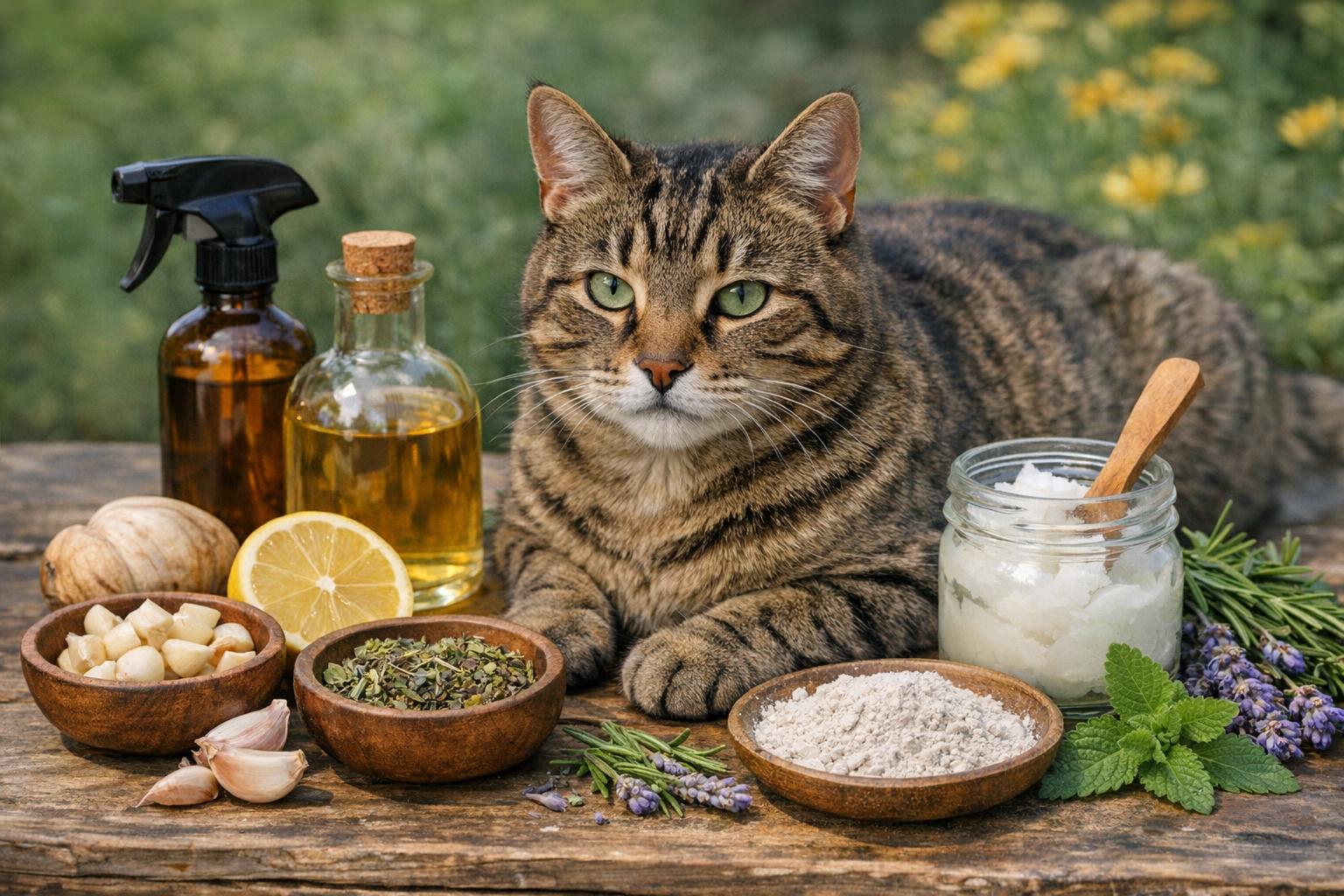
Slippery elm powder can coat and calm an irritated gut. Mix a small pinch into water or food. It’s a traditional remedy for mild digestive upset. Use sparingly; overuse can thicken food too much. I prefer slippery elm for short flare-ups rather than continuous use.
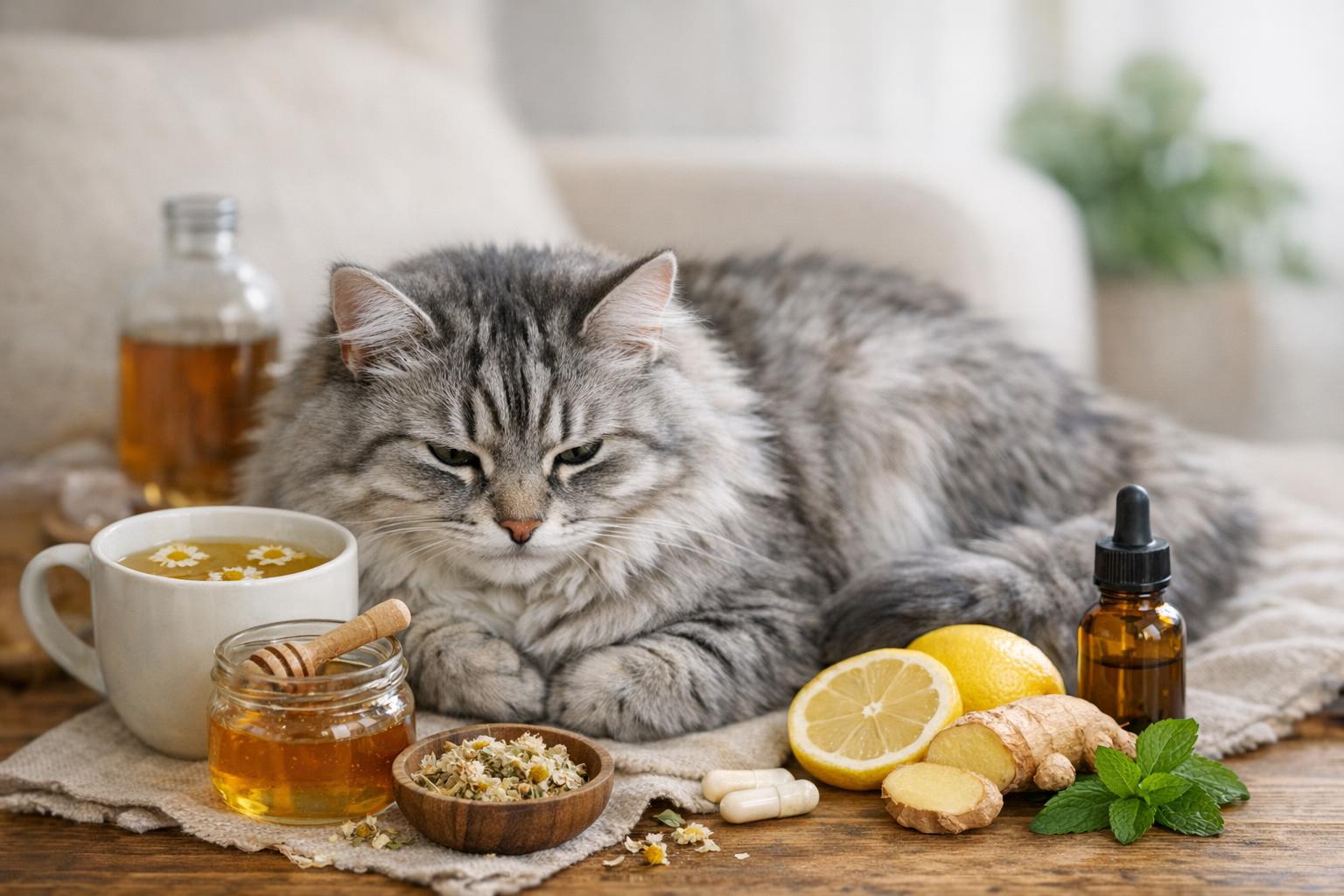
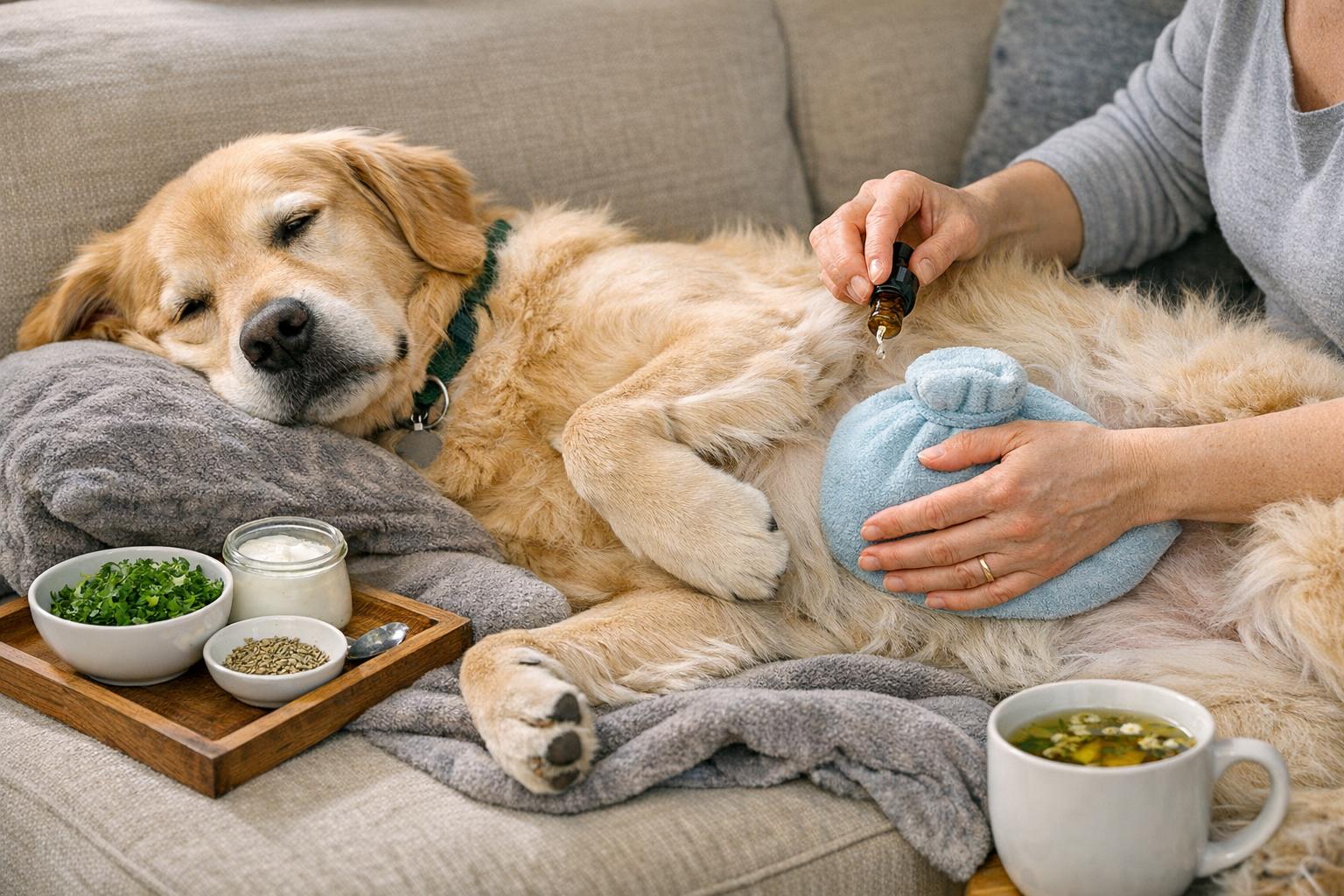
Be cautious with herbs. Chamomile, ginger, and fennel show up in folk recipes. Ginger in very tiny amounts can settle nausea, but not all cats tolerate it, and some herbs interact with medications. If you want to try a herb, run it by your vet first.
## How To Use These Remedies Safely
Natural doesn’t mean risk-free. Use these rules whenever you try a home remedy.
### Use Small Amounts And Wait
Start with the smallest effective dose, then wait. If you give pumpkin, don’t add probiotics at the same moment. Try one intervention and watch for improvement over 12–24 hours.
### Keep A Log
Write down what you gave, how much, and when. Note vomit frequency, stool consistency, appetite, and activity level. This helps you judge whether the remedy is helping and gives clear information to your vet if you end up going in.
### Watch For Symptoms That Demand A Vet
Some signs need immediate attention: repeated vomiting, blood in vomit or stool, extreme lethargy, rapid breathing, abdominal pain, pale gums, collapse, or a fever. If your cat shows any of these, don’t try a natural cat upset stomach remedy at home — go to the vet.
Also, if symptoms continue beyond 48 hours or worsen, see a vet. Chronic issues can hide behind a quickfix. Persistent diarrhea can lead to dehydration and dangerous electrolyte shifts.
### Consider Recent Exposures
Think through what your cat could have eaten: houseplants, human food, new treats, garbage, or a medication dropped on the floor. Many common plants and human foods are toxic to cats. If you suspect poisoning, call poison control for pets and your vet immediately.
## Practical Steps For Home Care
Put the basic steps in practice without overcomplicating things.
#### Create A Comfortable Rest Spot
A quiet, warm place with easy access to water and the litter box helps. Stress worsens digestion. Reduce loud noises and limit handling if the cat wants to be left alone.
#### Replace Food Gradually
After the bland diet phase, reintroduce the regular food slowly. Mix increasing amounts of regular food with bland food over 3–5 days. Sudden switching can cause a relapse.
#### Use Measured Treats
If you use treats or human food, measure them. A tiny piece of cooked chicken is fine. No bones, no seasoning, no onion or garlic. Treats should not make up more than a tiny fraction of the cat’s intake during recovery.
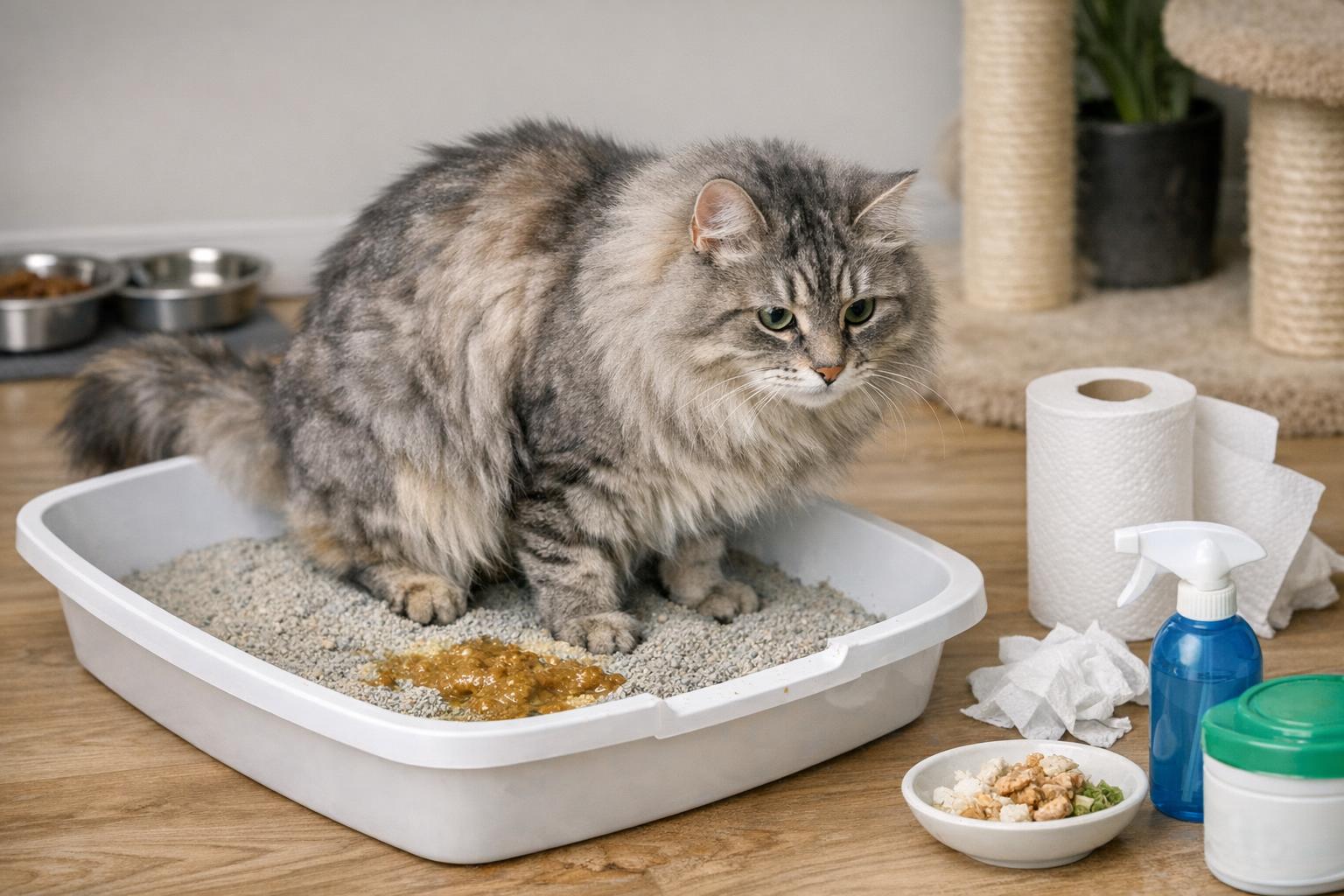
#### Mind The Litter Box
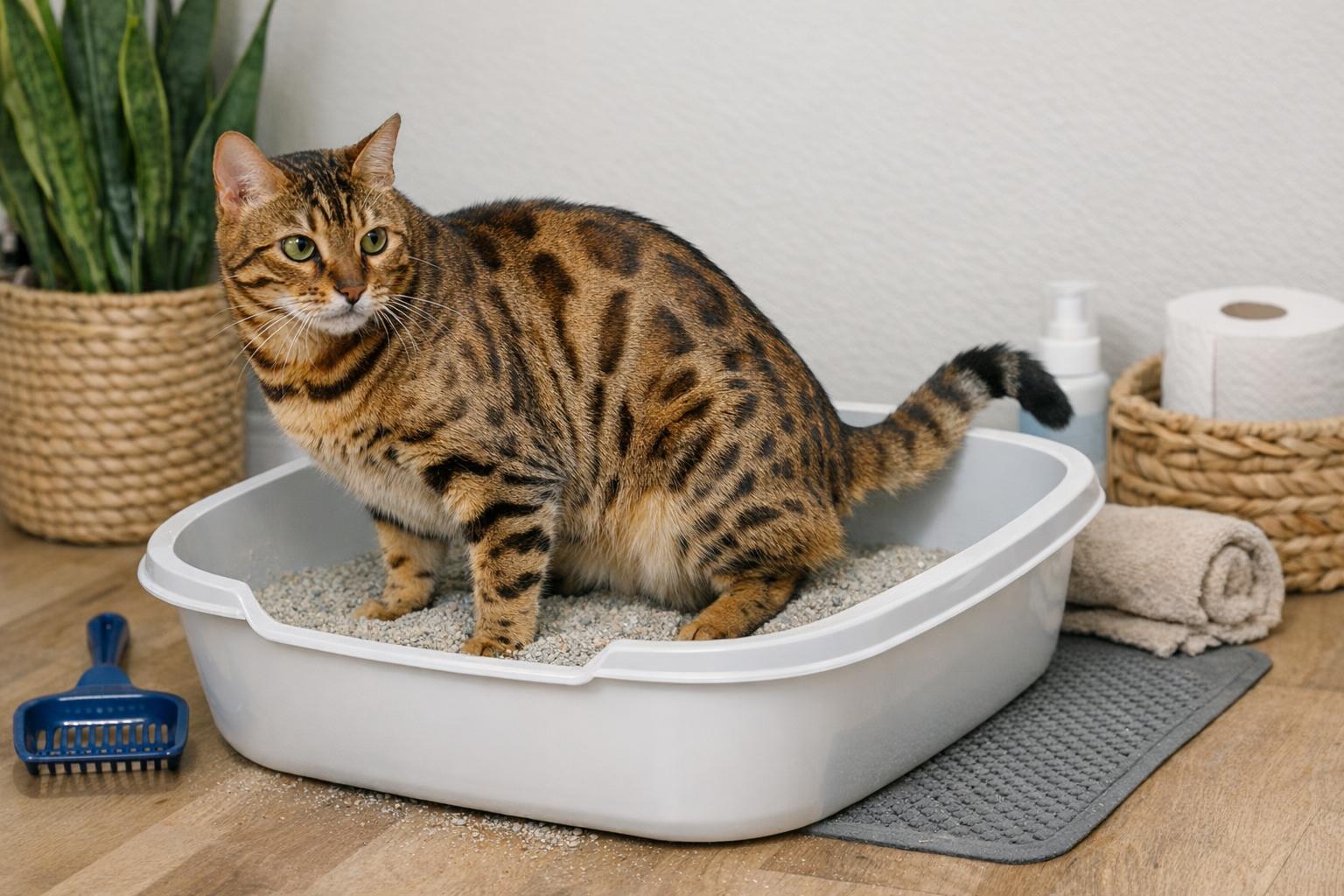
Stool frequency and consistency tell the story. Keep a daily record and take a photo if you need to show the vet. Soft stool that improves in texture after pumpkin is a good sign. Persistent watery stool or mucous is not.
## When To Use Over-The-Counter Meds (With Caution)
Don’t reach for human anti-diarrheal or anti-nausea medicines without veterinary guidance. Many human drugs are toxic to cats. There are some veterinary formulations available over-the-counter or through your vet that can help, but use only under advice.
If diarrhea is severe, your vet might prescribe a short course of a veterinary-approved gut binder or an antiemetic. Those are useful when natural remedies aren’t enough, and they address more serious problems.
### Long-Term Issues And Diet Change
If mild upset recurs every time you switch food, consider a food sensitivity or intolerance. A limited-ingredient or hydrolyzed protein diet under veterinary supervision can reveal allergies. Changes in stool that come and go with diet are different from sudden viral or bacterial gastroenteritis.
For cats with chronic GI signs, probiotics, a slow diet transition plan, or a vet-recommended elimination diet often bring relief. Don’t try long-term human remedies without a plan.
## Reducing Future Flares
Preventing nasty episodes is easier than treating them. Keep tempting human food out of reach. Secure trash cans and put plants that are toxic to cats out of the house. If your cat is a grazer and gets into trouble, switch to scheduled feeding.
Play and mental stimulation matter. Stress can change gut motility and immune function. Regular play sessions, predictable feeding times, and hiding spots reduce anxiety-driven stomach problems.
## Real Examples And What Worked
A friend’s six-year-old indoor cat started vomiting twice in 24 hours after getting into the roommate’s dinner. We fasted for 10 hours, offered a tablespoon of low-sodium chicken broth, then gave a quarter teaspoon of canned pumpkin. The cat took a nap and, by evening, accepted three teaspoons of shredded boiled chicken. Next day the stool normalized. Simple worked.
Another case: a senior cat with intermittent soft stool benefited from a daily feline probiotic and switching to a single-source protein diet. The change wasn’t instant, but within two weeks the gut settled. Probiotics won’t fix an obstruction or infection, but they often stop minor imbalances.
I’ve also seen owners overdo pumpkin. Too much fiber caused constipation and stress. That’s why small amounts matter.
## Final Precautions And Practical Notes
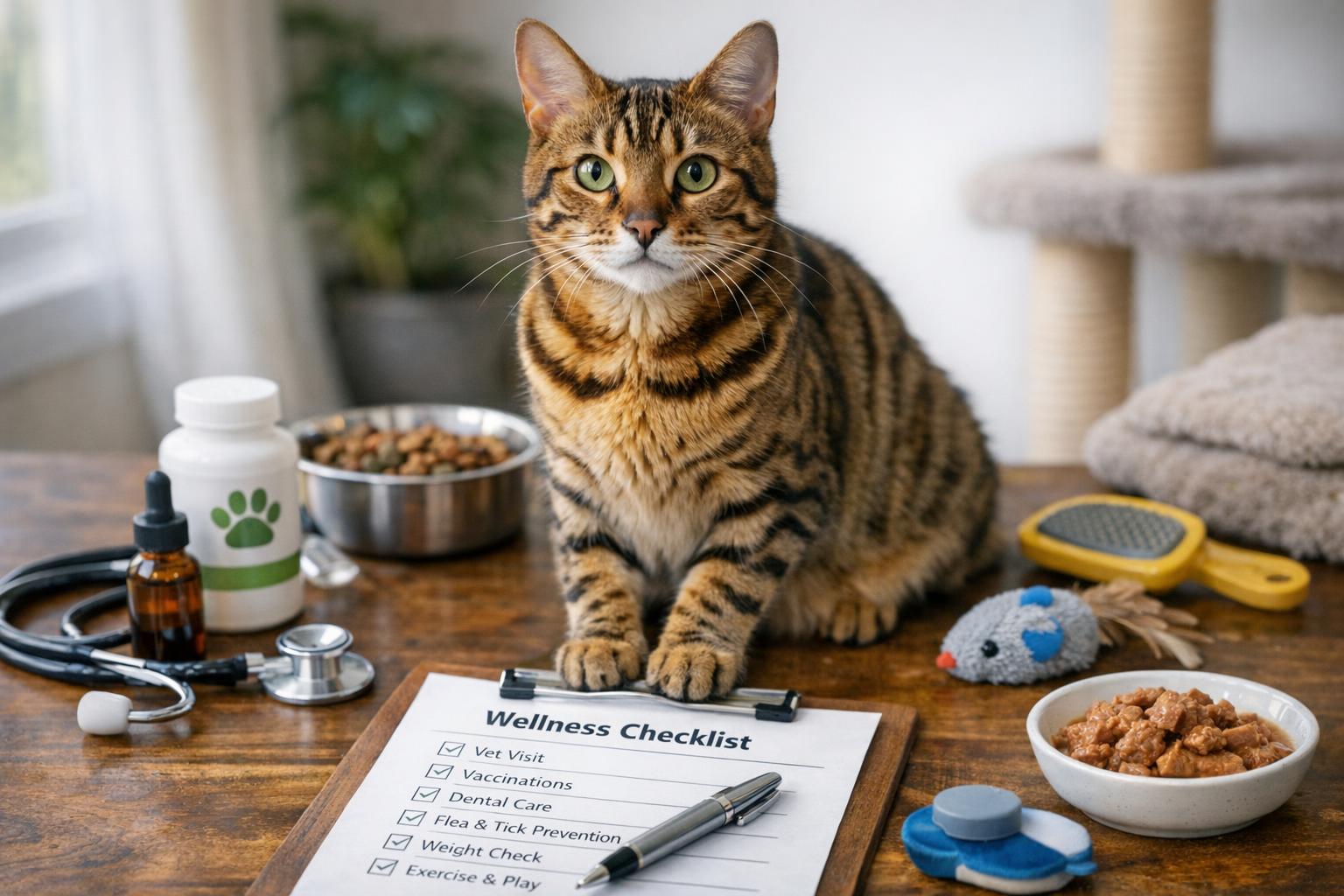
If your cat is on medication, check for interactions. If pregnant or nursing, consult your vet before trying supplements. Kittens, elderly cats, or those with chronic diseases need closer oversight. If ever in doubt, a quick call to the clinic is better than guessing.
Natural cat upset stomach remedy approaches work when the problem is mild and recent. They buy time and often prevent an unnecessary trip to the vet. But they are not a substitute for professional care when red flags appear.
Mispelled words happen in notes from frantic owners, so don’t feel bad if you jot something down wrong when you head to the vet. Bring that note anyway — it’s useful and they’ll understand.




Leave a Reply