




## Loose Stools In Cats: Practical Home Steps
Loose stools in cats are common. They can also be nerve-wracking. A runny stool once after a diet indiscretion is very different from daily watery stool that’s been going on for weeks. Your first job is to sort urgency from nuisance so you can act in a focused way.
### Signs To Differentiate Acute Versus Chronic
Acute loose stools start suddenly and often follow a clear trigger: a new treat, garbage snacking, boarding, or antibiotics. Chronic problems are ongoing or recurrent over weeks to months and usually point to a deeper issue: inflammatory bowel disease, food intolerance, parasites, or metabolic disease.
Watch for these patterns:
– One-off soft stool after a change versus repeated episodes.
– Stools that return to normal within 24–48 hours versus stools that don’t improve.
– Associated signs like vomiting, weight loss, increased thirst, or lethargy.
If your cat is bright, eating, and the soft stool is limited to a single episode, home care often helps. If your cat is a kitten, elderly, or has other illnesses, treat any loose stool more cautiously.
#### What The Stool Color And Texture Tell You
Stool that’s soft but formed and brown suggests a mild upset. Yellow or greasy stools point to fat malabsorption or pancreatic issues. Black, tarry stools suggest digested blood. Fresh red blood in the stool is a different concern and needs prompt attention. Mucus often indicates irritation in the colon.
Keep notes on color, texture (semi-formed, mushy, watery), and frequency. A small notebook or a note in your phone goes a long way when you need to explain the problem to your veterinarian.
### Immediate Actions To Take At Home
If you decide to manage mild cases of loose stools in cats at home, do a few practical things right away.
– Remove any new foods, treats, or people-foods. Cats often get into higher-fat scraps that cause diarrhea.
– Offer small, frequent amounts of a bland meal for 24–48 hours: plain boiled chicken (no skin, no bones) or a commercial therapeutic bland diet if you have one. Cats require protein, so avoid multi-day fasting.
– Encourage hydration. Wet food, a shallow bowl of water, and occasionally low-sodium, onion-free chicken broth can help. For a cat reluctant to drink, try offering a few milliliters of unflavored Pedialyte from a syringe (recieve it slowly to avoid choking).
If your cat refuses all food, becomes weak, or shows other systemic signs, contact your vet.
#### Food And Fasting
Unlike dogs, cats do poorly with prolonged fasting. Short-term reduction in food (12–24 hours for a healthy adult) can reduce intestinal workload, but extended fasting risks hepatic lipidosis in overweight or stressed cats. Do not stop feeding kittens or ill adults. After the brief rest period, reintroduce bland, easily digestible meals in small portions every 4–6 hours.
Prescription gastrointestinal diets are formulated for digestibility and may be the safest option if you have one at home. Rotate away from dairy and human food; lactose intolerance is common and will worsen diarrhea.
#### Hydration And Monitoring
Hydration is the most important home intervention. Dehydration happens faster than owners expect. Signs include tacky gums, decreased skin elasticity, sunken eyes, and decreased urine output. If your cat drinks and the gums stay moist, that’s a good sign.
Encourage drinking by:
– Offering room-temperature water in multiple locations.
– Warming wet food slightly to increase aroma.
– Trying low-sodium broth or small amounts of electrolyte solution as noted above.
Do not attempt subcutaneous fluids at home unless you have been trained by your vet. Misplaced fluids can cause problems if you don’t know the technique.
## When To Call The Vet
You need veterinary attention for any of these situations: kittens or elderly cats with loose stools, blood in stool, repeated vomiting, signs of dehydration, fever, dramatic change in behavior, or if diarrhea continues more than 48 hours in an adult.
### Red Flags That Mean Immediate Care
– Rapid breathing, collapse, or severe weakness.
– Continuous vomiting plus diarrhea.
– Bloody or black, tarry stools.
– Marked weight loss or decreased appetite for more than a day.
– No urination in 24 hours or concentrated urine.
If you’re ever unsure, call your clinic. A short phone conversation can prevent an emergency.
### What Your Vet Will Do
Expect a basic workup: physical exam, body weight, temperature, and often a fecal test. Fecal flotation and antigen tests find common parasites like roundworms, hookworms, Giardia, and coccidia. Bloodwork checks for metabolic causes: kidney or liver disease, pancreatitis, thyroid problems, or systemic infection. Your vet may suggest an abdominal ultrasound or X-rays for chronic, unexplained cases. Treatment could include deworming, antibiotics, anti-inflammatories, or specialized diets.
## Longer-Term Strategies For Recurrent Loose Stools
If loose stools in cats recur, the right long-term plan blends diagnostics with pragmatic diet and lifestyle changes.
### Diet Trials
Food intolerance or allergy is a common cause of chronic diarrhea. A strict elimination diet or novel-protein trial helps identify triggers. That means feeding one protein and one carbohydrate the cat has never eaten, for 8–12 weeks, with no treats, flavored medications, or foods sneaked by family members. If the stool improves, re-challenge with the previous diet under your vet’s guidance.
#### Switching Proteins And Prescription Diets
Prescription hypoallergenic or hydrolyzed protein diets are useful when home trials aren’t possible. Hydrolyzed diets break proteins into smaller pieces that rarely trigger immune responses. Rotate proteins only with vet approval. Some cats respond to a single-protein diet; others need hydrolyzed options.
### Parasites And Testing
Parasites are a frequent, fixable cause of loose stools. Ask your vet for a fresh fecal test. Some parasites require multiple tests to detect. Even indoor cats can pick up parasites. Routine fecal exams and appropriate deworming are part of good preventive medicine.
#### Probiotics And Supplements
Probiotics can help restore a healthy gut flora, especially after antibiotics. Look for feline-specific products or strains with evidence in cats, like Enterococcus faecium or Saccharomyces boulardii. Prebiotics and limited-ingredient supplements sometimes help, but not every product is appropriate. Discuss brands with your vet so you choose a formulation backed by clinical experience.
## Managing The Environment And Litter Box Issues
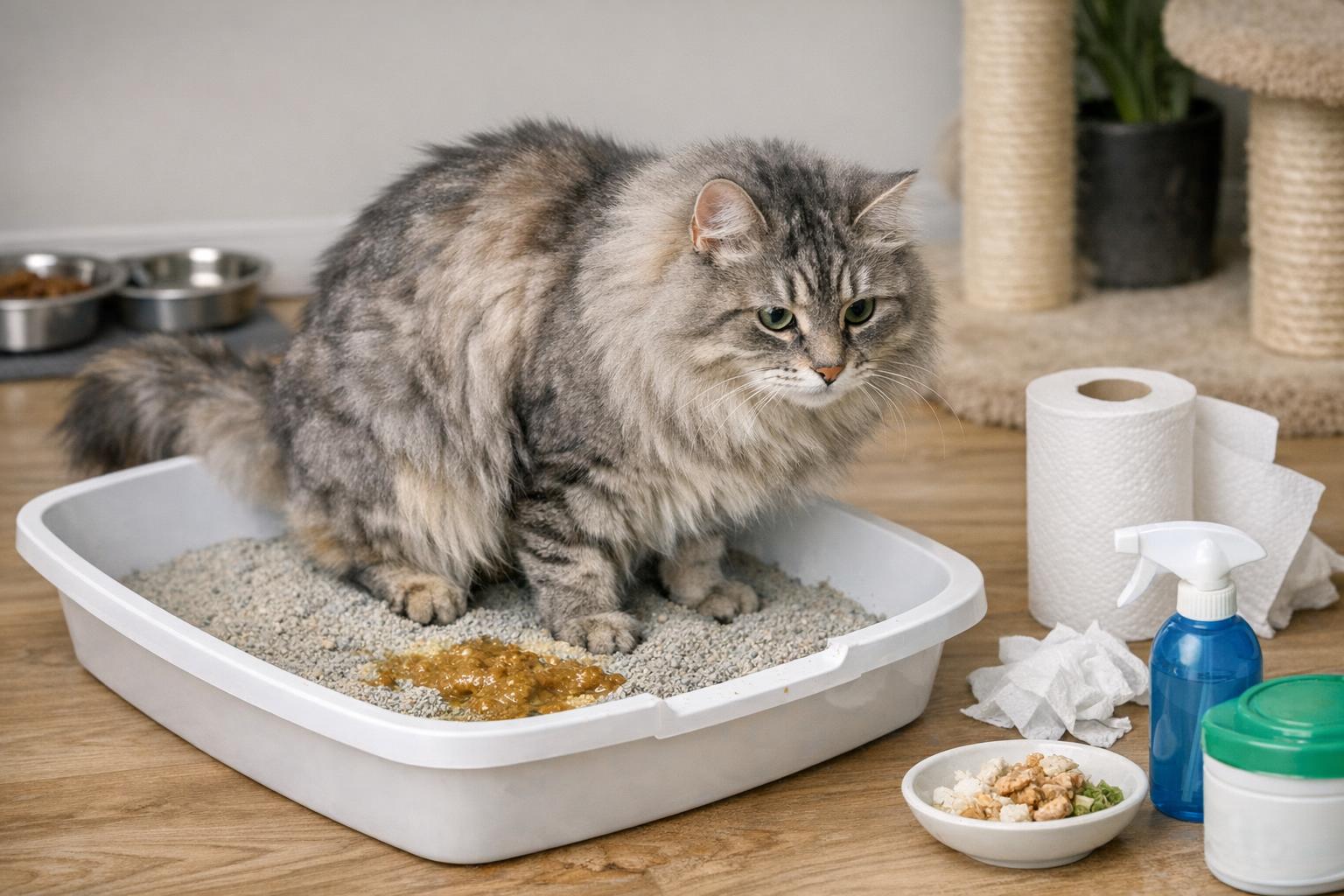
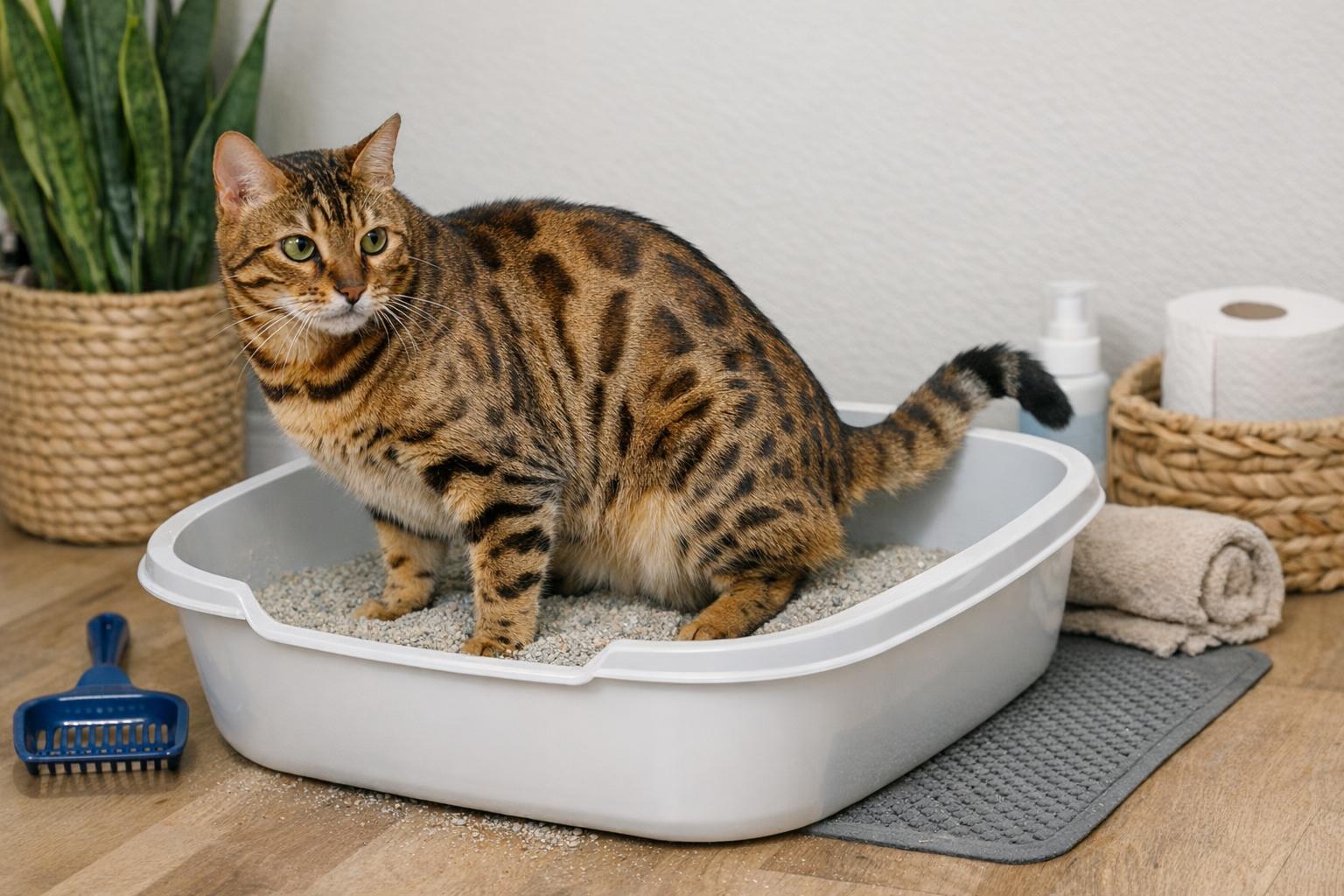
Loose stools in cats can create sanitation and stress problems that feed back into the health issue. Keep the environment clean and make sure your cat can use the litter box calmly.
### Preventing Spread And Keeping Clean
If multiple pets are in the household, isolate the affected cat until you’ve ruled out contagious causes. Clean litter boxes daily and disinfect surfaces with a bleach solution where appropriate (follow label directions). Wash hands after handling feces. For soft stools that smear, use disposable gloves and moistened cloths to clean fur to prevent skin problems.
### Recording And Communicating Symptoms
Create a simple record: date, number of bowel movements, stool consistency, food fed, any vomiting, appetite level, and medications. When you call the vet, this log gives them context and helps track progress. Good notes speed diagnosis and reduce miscommunication.
## Medications And Home Remedies To Use Cautiously
There’s a long list of things well-meaning owners might try, but some are dangerous for cats.
### Over-The-Counter Drugs And Risks
Do not give human antidiarrheals or pain relievers without veterinary approval. Loperamide can be toxic in some cats and breeds. Bismuth subsalicylate (Pepto-Bismol) contains salicylates that can be harmful. Nonsteroidal anti-inflammatories and acetaminophen are particularly dangerous for cats.
If your vet prescribes an over-the-counter medication, follow their dosing instructions precisely and use the product they recommend.
### When Antibiotics Or Antiparasitics Are Appropriate
Antibiotics are not always the answer. They’re useful for specific bacterial infections or when dysbiosis is suspected. Tylosin, metronidazole, and others are used selectively. Antiparasitics are needed for identified parasite infections and sometimes given empirically if parasites are likely.
Never self-prescribe. Wrong medication or dosing can worsen the situation.
#### Use Of Antidiarrheals
Some drugs slow intestinal transit and may be appropriate for short-term use under vet guidance. But if the diarrhea is caused by toxins or infectious agents, slowing transit could be harmful. That’s why professional assessment matters.
## Practical Patterns That Predict Outcomes
Most adult cats with a single episode of loose stool recover within 48 hours with basic home care: temporary diet change, hydration, and monitoring. When the pattern shifts to multiple episodes, weight loss, or systemic signs, expect a more thorough vet-led plan. Chronic loose stools in cats often require a stepwise approach: testing, diet trials, targeted medications, then maintenance.
### What Owners Can Do Daily
– Keep wet food as the baseline to support hydration.
– Introduce new foods slowly over a week, not a day.
– Keep treats and table scraps off limits during recovery.
– Maintain regular weigh-ins; even small weight loss matters.
– Store a spare bland meal (plain cooked chicken) for emergencies.
– Keep a sealed container ready to collect a fresh stool sample for the clinic when needed.
### Communicating With Your Vet
Be precise: report timing, stool characteristics, associated signs, and any home remedies tried. If your cat is on medications or supplements, bring the list. Photographing the stool or videoing your cat’s behavior can be surprisingly helpful.
## Special Cases And Less Obvious Causes
Not all diarrhea comes from the gut. Systemic illnesses can show up first as loose stools.
### Endocrine, Kidney, And Liver Disease
Hyperthyroidism, kidney disease, and liver disease can produce chronic diarrhea. These are more likely in older cats. If routine fecal tests and diet changes don’t help, your vet will want bloodwork.
### Stress And Environmental Triggers
Cats are sensitive to change. New pets, new people, relocating the litter box, or boarding often bring on bouts of diarrhea. Addressing the stressor, providing pheromone diffusers, and sticking to routine can improve stool consistency.
### Food Contamination And Toxins
Spoiled food, toxic plants, and certain household chemicals cause acute diarrhea. If you suspect toxin exposure, bring packaging or plant samples to the vet if possible.
## Handling Recurrence And Expectations
Recurrent loose stools require patience. Some cats respond quickly to diet and probiotics. Others need sequential trials and testing. Don’t be surprised if you go through several food trials or medications before finding the right long-term plan. You’re not failing; the gut is complex and each cat is an individual.
Keep an organized record, work closely with your veterinarian, and aim for steady improvement rather than overnight cures. Small gains add up: fewer daily episodes, improved appetite, brighter attitude, and regained weight are real progress.
Now take a look at your cat’s recent behavior and stool log. If the pattern points to mild, one-off loose stools, start the simple steps above. If the story is repeated, bloody, or paired with other signs, get veterinary help sooner rather than later.












Leave a Reply