

## Why Reptile Dry Skin Happens
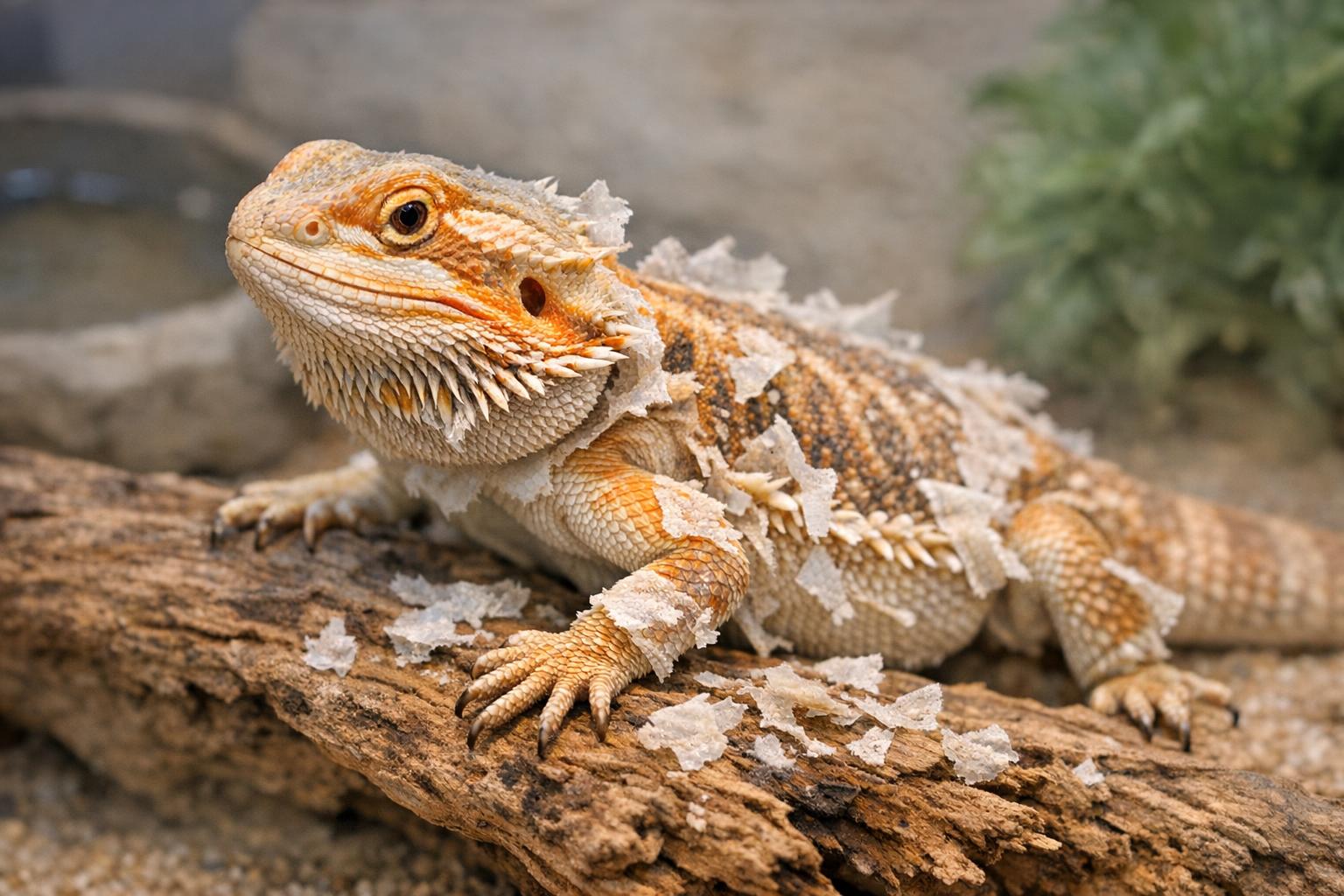
Dry skin shows up differently across species. A leopard gecko might get a dull, powdery look and hold on to eye caps. A bearded dragon often has flaking along the limbs and belly. Snakes can get patchy, retained shed in rings, or skin that tears easily. Those are the visible signs, but underneath there are a few recurring problems: low humidity, inadequate hydration, poor diet, parasites, and habitat stress.
Low humidity is the single most common driver. Reptiles evolved in specific microclimates. When their terrarium becomes too dry they can’t shed properly. The layer of old skin loosens but doesn’t peel away, so moisture can’t get to the new layer. Diet matters too. Animals lacking in vitamins or essential fatty acids develop fragile epidermis. And sometimes an infection or mite infestation causes localized dryness or scabs. If you’re seeing consistent problems, don’t ignore it — small issues get worse fast.
### Common Signs To Watch For
– Dull or chalky skin that won’t slough cleanly
– Retained shed around toes, tail, or eyes
– Cracks, bleeding, or areas of scabbed skin
– Lethargy and reduced appetite (can accompany severe dehydration)
These signs vary by species. A tokay gecko with patchy dry spots needs a different routine than a corn snake with ringed retained shed.
## Dry Skin Care For Reptiles: Simple Home Steps
If you want to tackle mild dryness at home, focus on restoring moisture in the environment first. That fixes most problems without risky topical treatments. The basic strategy: raise relative humidity modestly, provide regular warm soaks, and improve diet and hydration. Those three moves make a huge difference.
Use these steps as a gentle home remedy, not a replacement for veterinary care when you see infection, open wounds, or a chronically unwell animal.
### Increase Humidity The Right Way
Don’t flood the cage. Reptiles need humidity pockets, not swamp conditions. Aim for species-appropriate ranges and create microhabitats they can enter or exit.
– Build A Humid Hide: Line a hide box with damp sphagnum moss or coconut fiber. Place it on the cool side so the reptile can retreat when necessary. Refresh the moss every few days so it doesn’t mold.
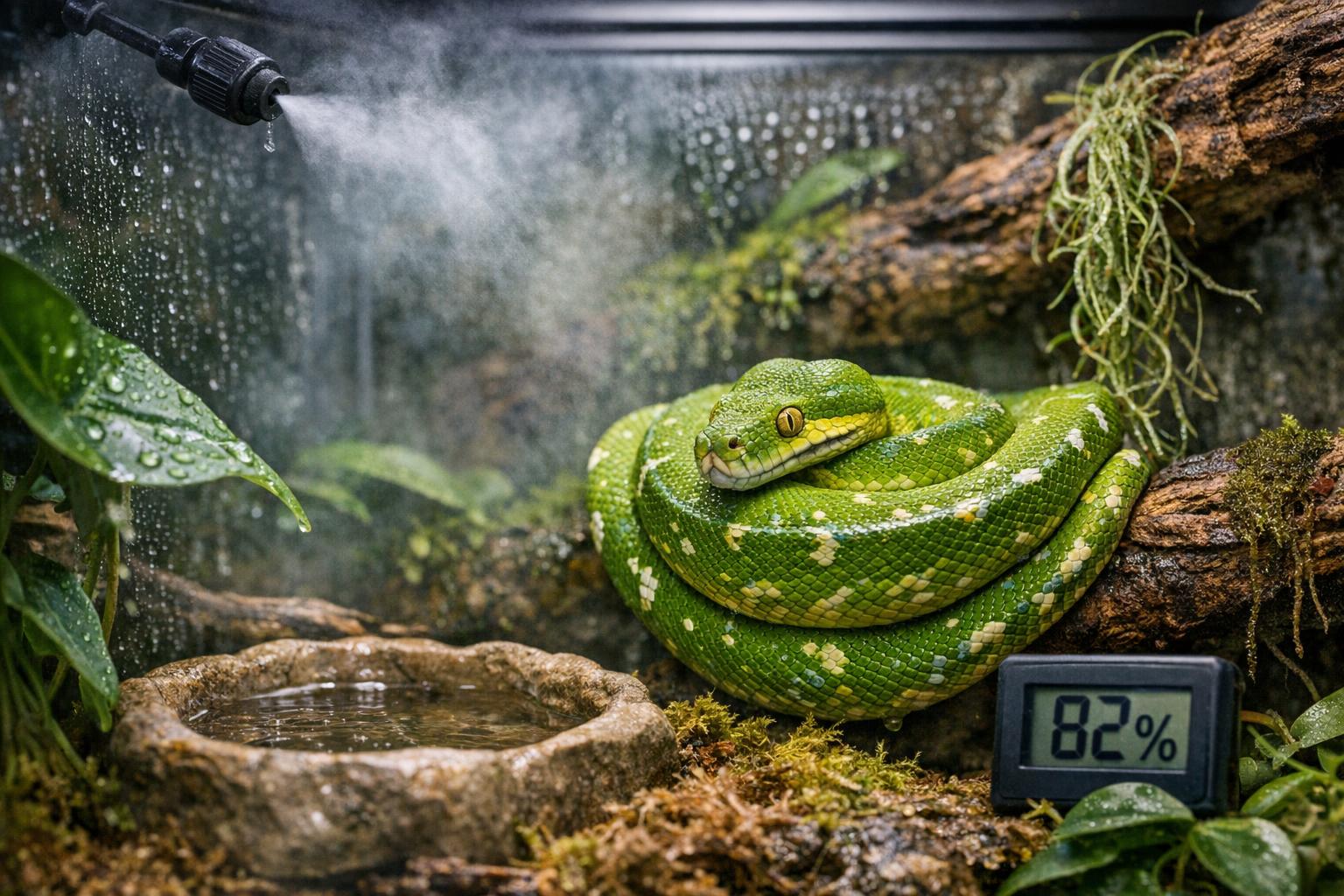
– Use Controlled Misting: Light misting once or twice daily can help species like crested geckos and anoles. For snakes and bearded dragons, a short daily spray and a larger soak once or twice a week works better.
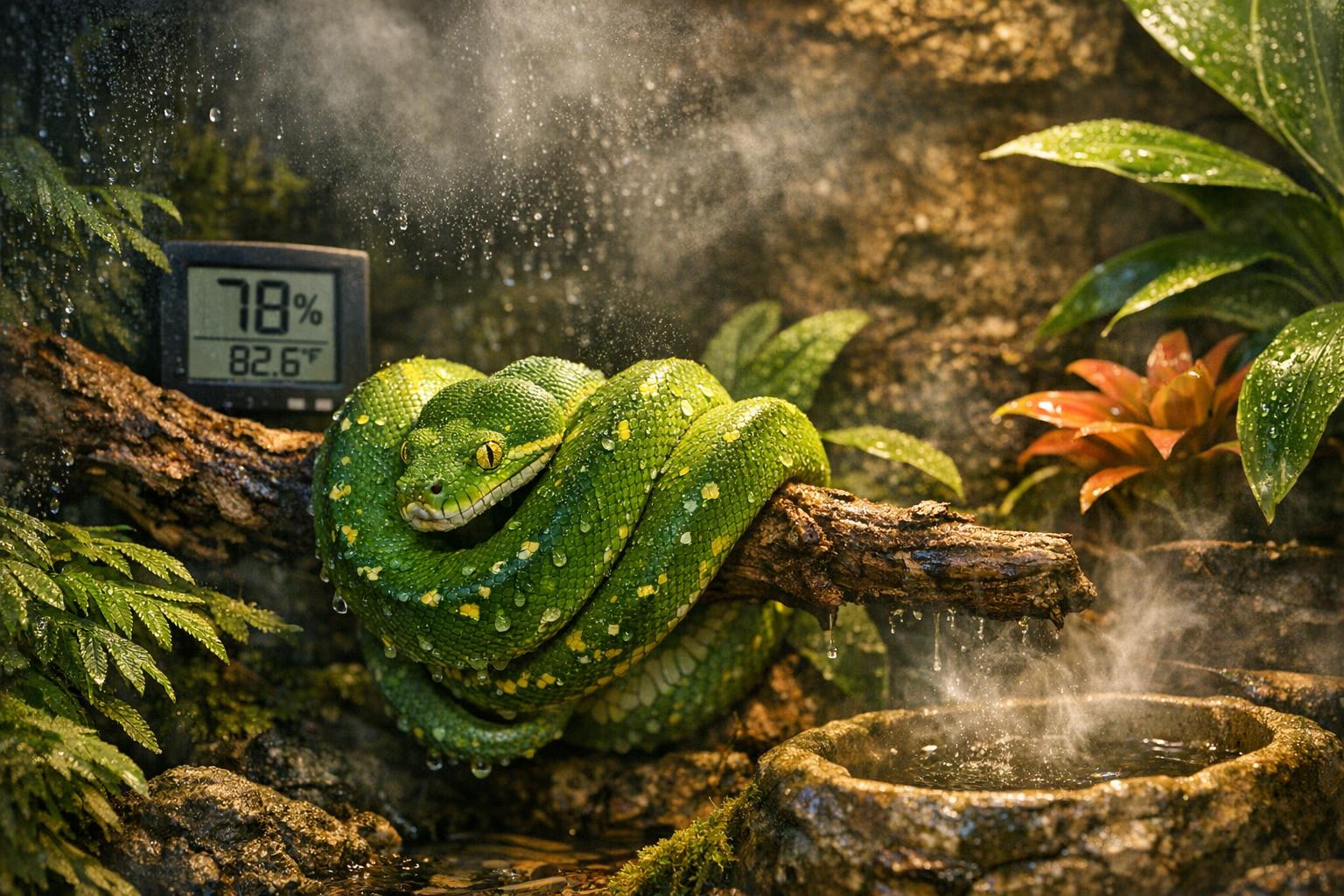
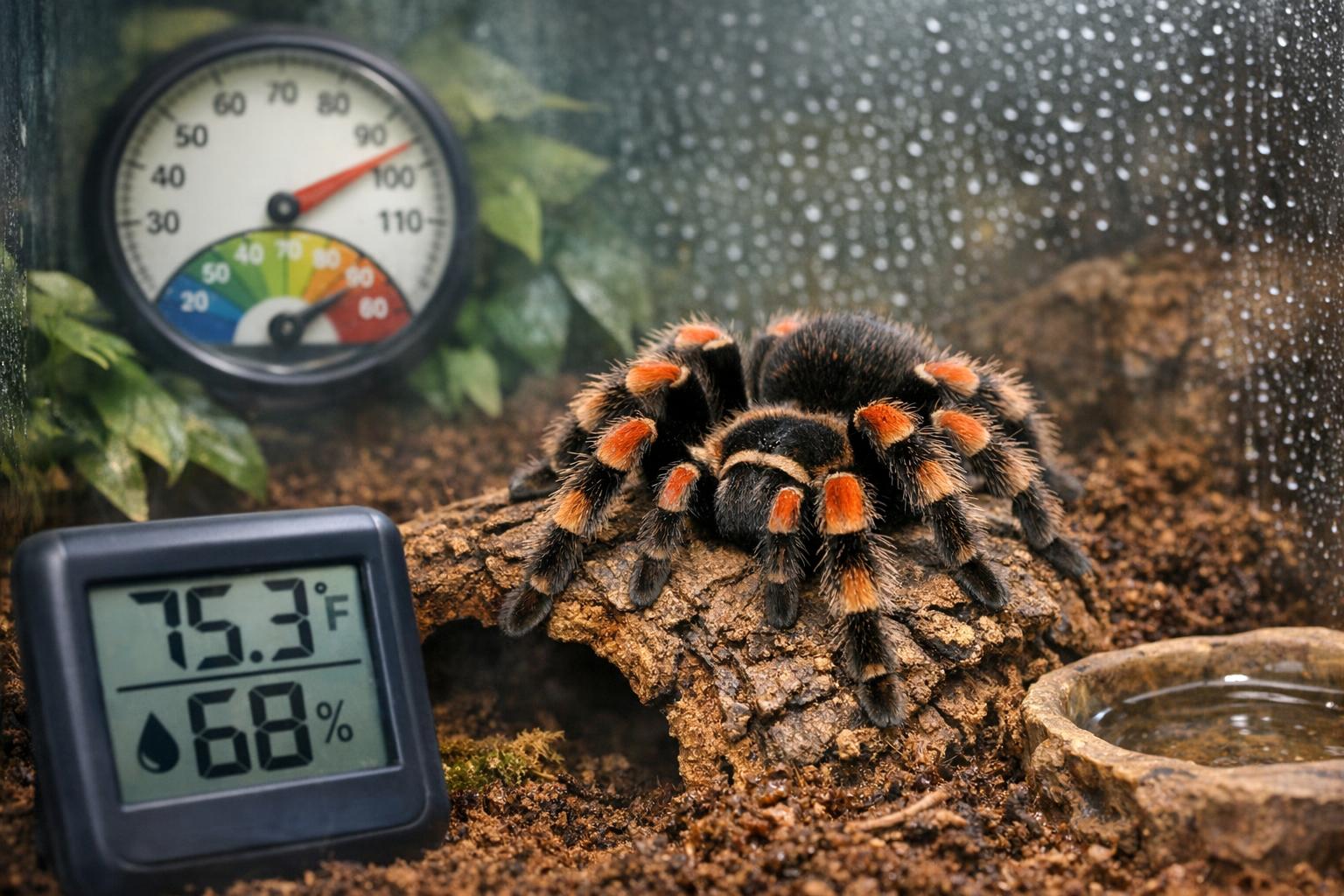
– Monitor With A Hygrometer: Place digital gauges at different cage spots. Surface humidity can be higher at the substrate and lower at the basking rock. Guesswork leads to problems.
If you have reptiles from arid regions, small humidity increases are safer than overdoing it. For rainforest species, maintain a steady higher humidity but ensure ventilation so mold doesn’t form.
#### Build A Humid Hide Step-By-Step
1. Take a small plastic container and cut a doorway.
2. Line the bottom with damp sphagnum moss or paper towel.
3. Add a shallow dish of water and place the hide on the cool side.
4. Replace the moss when it starts to smell or grow mold.
This simple construction gives the animal a safe spot to rehydrate their skin during shed.
### Soaks: Warm Water Works Best
Soaking is one of the safest home remedies. It softens old skin and helps clear retained shed. Keep these points in mind:
– Temperature: Use water just warm to the touch, roughly 85–95°F (29–35°C) for many species. Research your specific reptile’s tolerance.
– Duration: 10–20 minutes per session is usually enough. For stubborn retained shed, a daily soak for a few days is fine.
– Container: Use a shallow container where the reptile can sit comfortably without fully submerging their head (unless they are aquatic). Make sure there is an easy exit.
– Drying: Gently pat dry with a soft towel afterward. Don’t rub.
Never add soaps, essential oils, or human lotions to the water. Those substances can irritate reptile skin and upset the microbiome.
## Reptile Dry Skin And Diet Fixes
Food is the foundation of healthy skin. Hydration matters, but if the animal lacks vitamins or essential fatty acids, its skin will remain brittle no matter how often you mist.
### What To Feed For Better Skin
– Provide a varied diet. Gut-loaded insects like crickets and roaches with vitamin dusting help insectivores. For omnivores and herbivores, offer a mix of leafy greens, squash, and safe fruits in rotation.
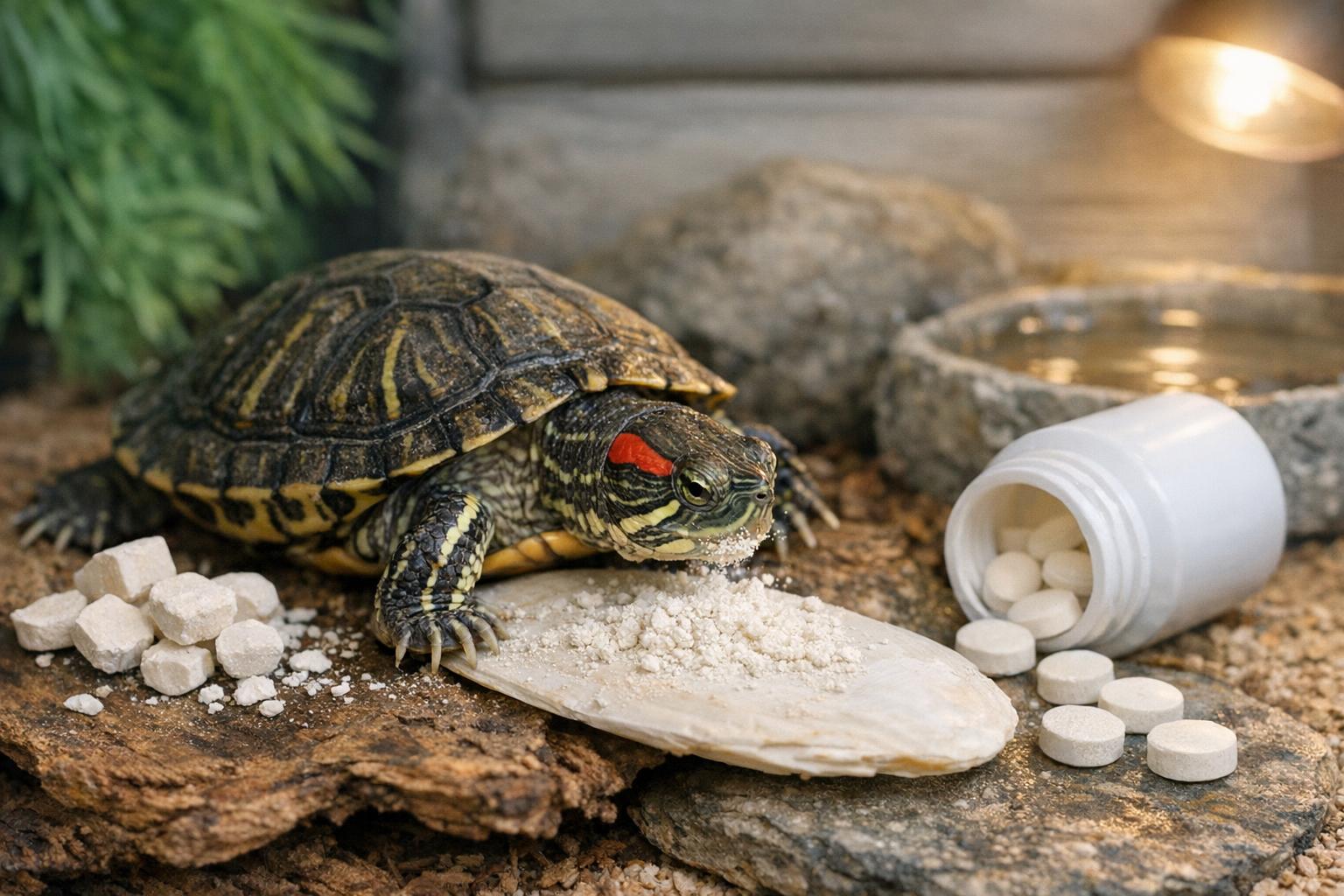
– Use supplements wisely. Calcium with vitamin D3 is crucial for many species. A multivitamin once or twice a month can prevent slow-developing deficiencies.
– Include hydration-rich foods. For species that accept them, offer slices of cucumber, tender squash, or moisture-dense silkworms to boost water intake.
Watch weight and appetite. If a reptile refuses food, hydration and nutrient delivery suffer. That accelerates poor skin condition.
### Fatty Acids And Skin Health
Essential fatty acids play a role in epidermal integrity. You can improve these through diet in limited ways: offer fatty feeder insects like silkworms occasionally or use commercial reptile diets designed for balanced lipids. Avoid slathering animal skin with oils at home without vet permission — topical oils can clog scales and cause secondary infections.
## Safe Topical Options And What To Avoid
When reptile dry skin is mild, some gentle topical measures can help. But proceed cautiously.
### Safe Topical Practices
– Reptile-Safe Moisturizers: There are commercial products formulated specifically for reptiles. They mimic natural oils and won’t suffocate scales. Use only as directed.
– Saline Spray: A sterile saline mist can moisten eye caps and delicate areas. Use a veterinary saline designed for reptiles.
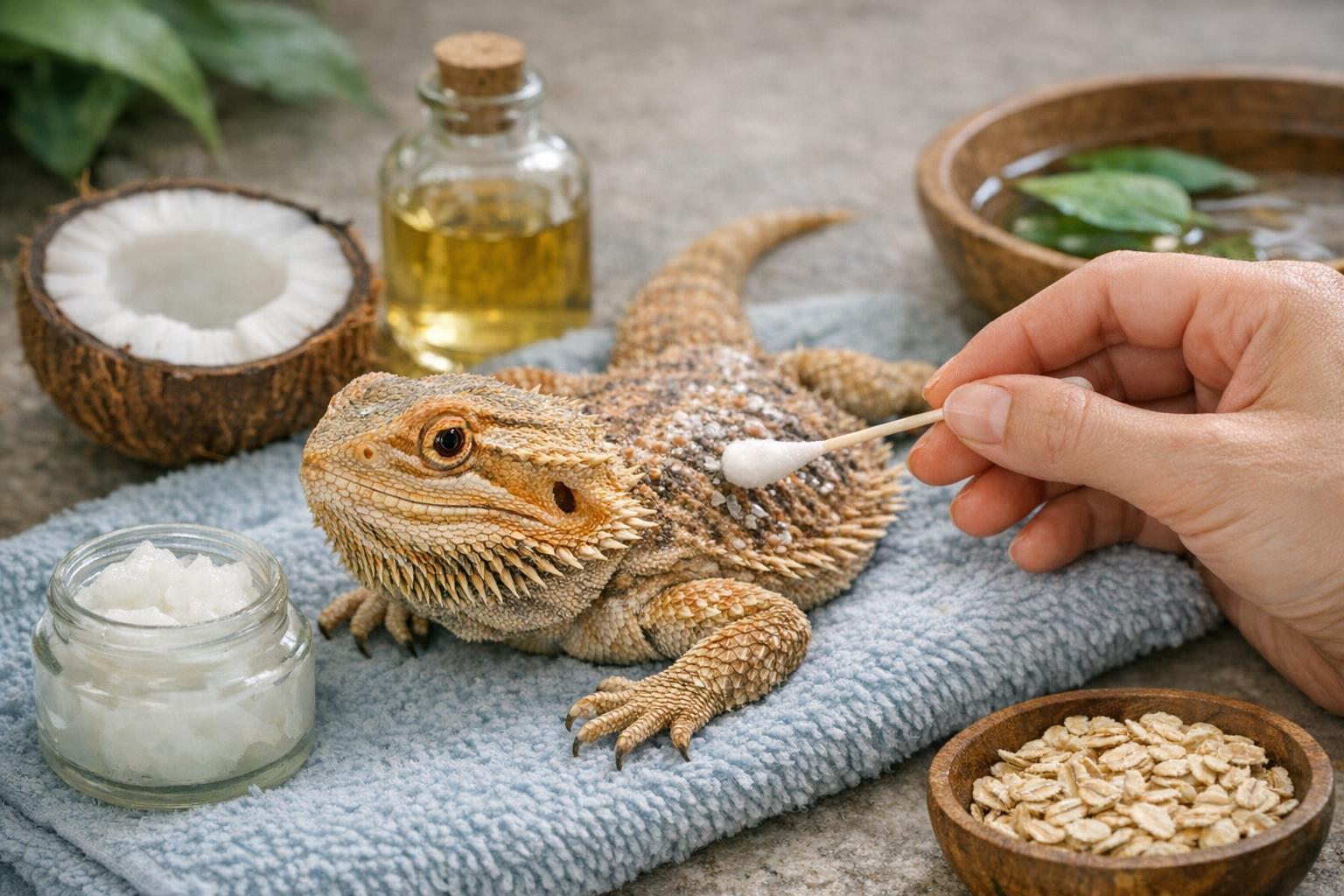
– Minimal Coconut Oil Use: Some keepers use a tiny dab of organic coconut oil on localized, very dry patches after consulting a vet. Use sparingly and only where scales aren’t cracked open.
### Strongly Avoid These
– Human Lotions And Creams: They contain fragrances, humectants, and stabilizers that can irritate or block scales.
– Essential Oils: These are toxic to many animals and should never be used in an enclosure.
– Hydrogen Peroxide Or Rubbing Alcohol: These can burn delicate tissue and delay healing.
– Over-Oiling: Too much oil traps bacteria and fungus.
If you see redness, swelling, or pus after applying any topical, stop immediately and contact your vet.
## Managing Retained Shed Without Harm
Retained shed is common on toes, tail tips, or eyes. It’s not always urgent, but left untreated it can cut off circulation.
### Gentle Tools And Techniques
– Warm Soak First: Always soak before attempting removal. The skin will loosen.
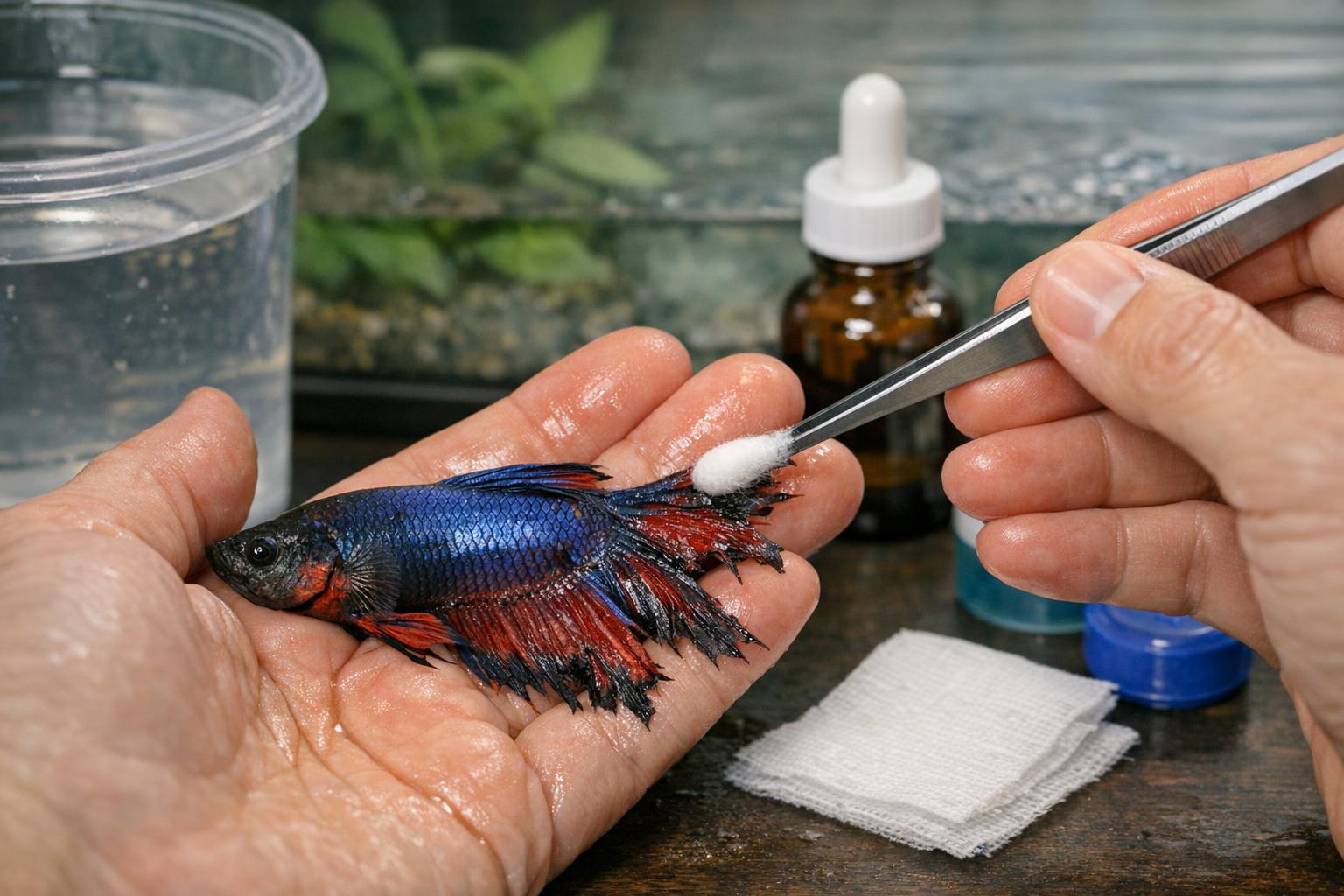
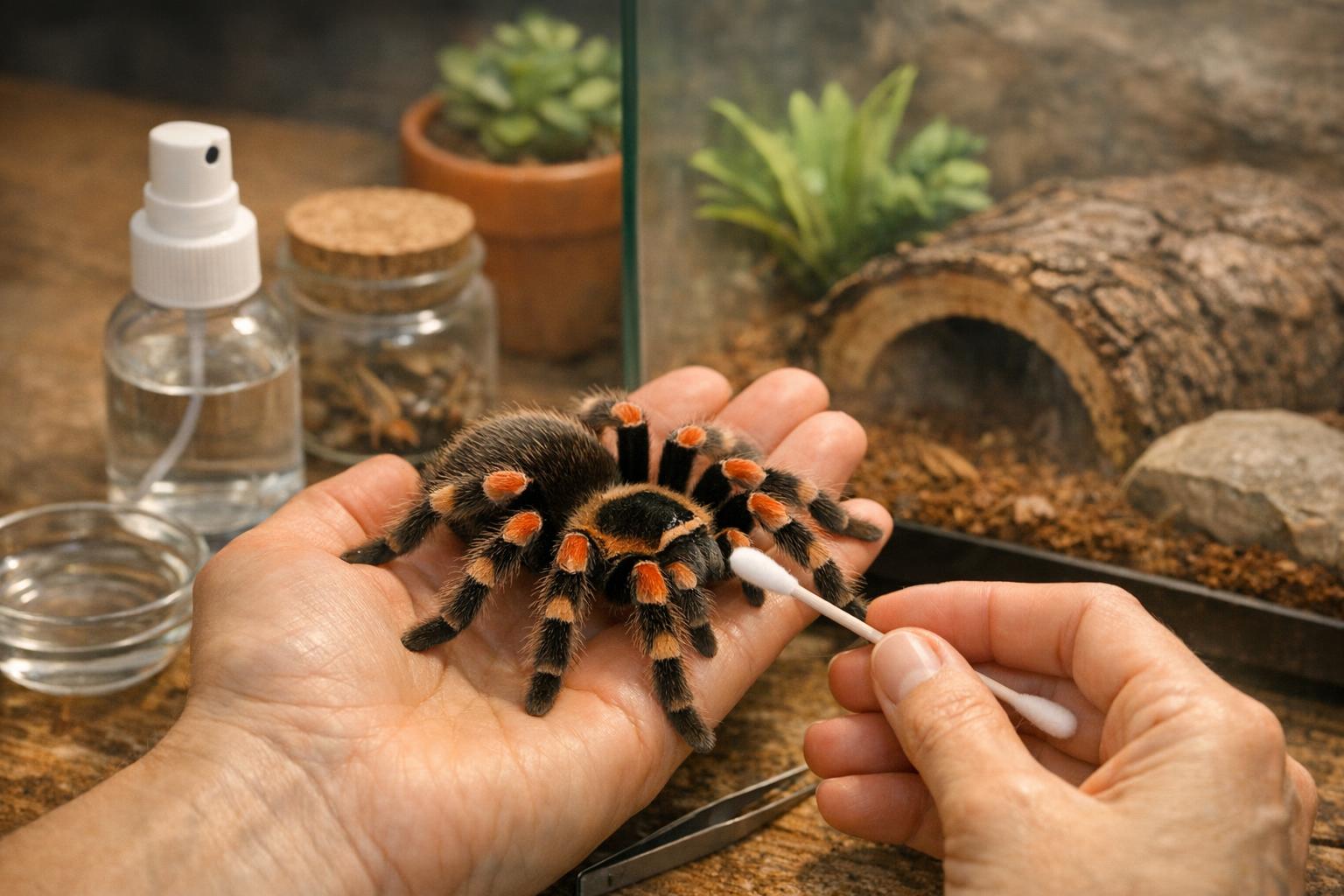
– Soft Tools: Use a damp cotton swab or the corner of a damp paper towel to loosen shed around toes. For eye caps, very gentle saline application and patience are key.
– Don’t Cut Into The Skin: Avoid scissors or tweezers unless you’re trained. Cutting can cause irreversible injury.
If a toe or tail tip looks constricted or discolored, get veterinary help. That’s when circulation is compromised and amputation risk rises.
### When Retained Shed Signals Bigger Problems
If retained shed happens repeatedly, check husbandry. Constant retained shed often points to persistent low humidity, chronic dehydration, or a systemic health issue. It’s not something to patch endlessly with topical fixes.
## Habitat Setup And Substrate Choices That Reduce Dry Skin
Your enclosure setup either protects skin or slowly damages it. Substrate, hides, heating, and ventilation all interact.
### Substrate Picks Based On Species
– Desert Dwellers: Use tiles, paper towel, or reptile carpet. These are easy to clean and won’t trap moisture that leads to infections.
– Tropical Reptiles: Coconut coir or cypress mulch holds humidity well but needs careful maintenance to avoid mold. Sphagnum moss works in humid hides.
– Young Or Injured Animals: Use smooth surfaces like paper towel so retained shed is visible and easily managed.
Keep substrate clean. Soiled substrates foster bacteria and mites that irritate skin.
#### Heat And Humidity Balance
Place heat sources to create gradients. Reptiles should be able to move between warm, drier zones and cooler, moister areas. Too much direct heat without a humid hide causes persistent dry skin.
## When To Seek Veterinary Care
Mild dryness often responds to home correction. Severe or spreading lesions need a pro. Red flags include:
– Deep cracks, bleeding, or spreading sores
– Signs of systemic illness: weight loss, severe lethargy, refusal to eat
– Persistent retained shed that cuts off circulation
– Flaking accompanied by skin discoloration or blisters
A vet can run skin cytology, check for bacterial or fungal infection, treat parasites, and advise safe topical or systemic meds.
### What The Vet Will Check
Expect checks for mites, bacterial culture, nutritional deficiencies, and possibly bloodwork. They’ll also review husbandry to pinpoint preventable causes. Good vets give practical home adjustments, not just prescriptions.
## Preventive Routine For Healthy Scales
Prevention beats repair. Set a simple routine and stick to it.
– Daily: Check water dish, do spot-cleaning, observe appetite and activity.
– Weekly: Replace substrate in humid hides, mist appropriately, weigh the animal if possible.
– Monthly: Deep clean the enclosure and rotate enrichment items.
– Seasonal: Re-evaluate lighting and temperatures because household seasons change the terrarium microclimate.
Keep a short log. Note humidity, temperatures, shedding dates, and any skin changes. Patterns jump out on paper that you might miss otherwise.
### Handling Stress And Its Skin Effects
Stress can make skin problems worse. New decor, loud noise, or nearby predators (other pets) can elevate cortisol in reptiles and slow healing. Provide solid hides, appropriate lighting, and stable routines. Even small changes like moving the terrarium’s location can reset their comfort level.
## Species-Specific Notes
Different reptiles need tailored approaches. Here are practical tips for a few common types.
### For Bearded Dragons
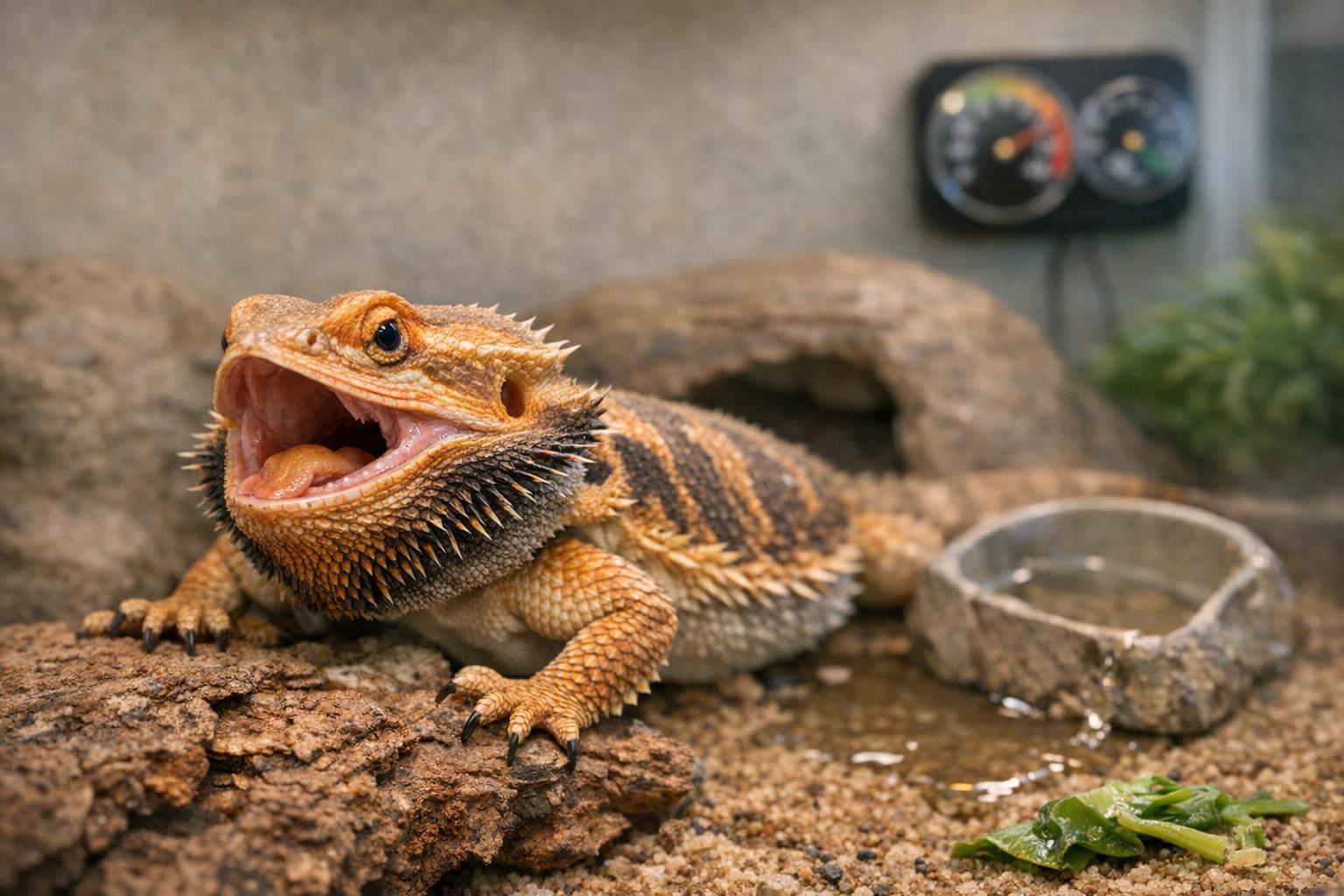
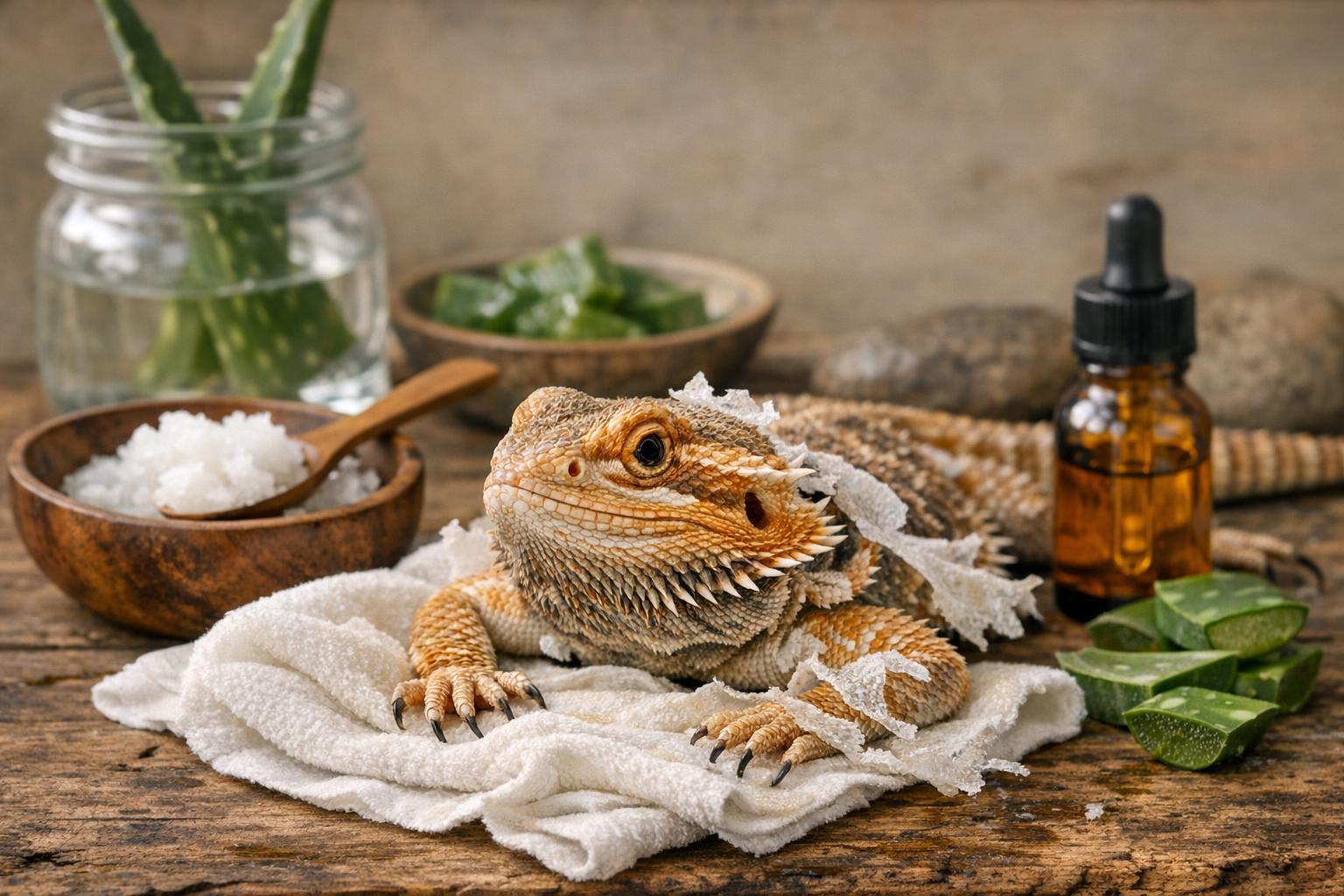
Bearded dragons are prone to dry flaking and patches along the belly. Offer a shallow soak weekly, boost humidity slightly during shed, and ensure UVB light is fresh. Many beardies respond well to increased dietary greens and calcium.
### For Leopard Geckos
Leopard geckos are desert species that need low ambient humidity but reliable humid hides. A humid hide with damp moss during shed prevents retained eye caps and toe rings. Mist inside the hide rather than the whole enclosure.
### For Corn Snakes And Other Colubrids
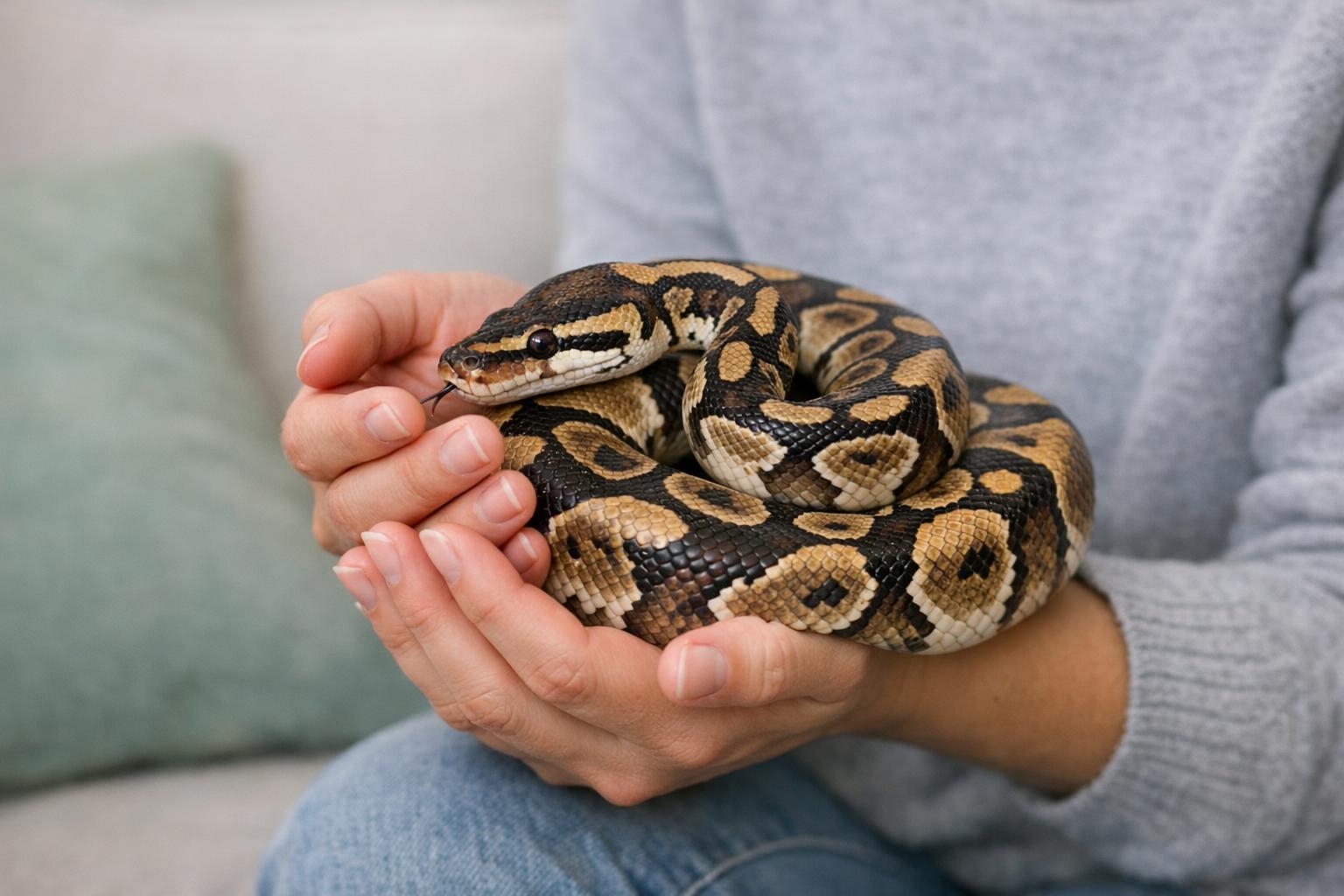
Snakes often develop retained shed in rings around the body. Provide a consistent soak schedule and multiple hides. Offering a slightly rough surface like a bark hide helps snakes catch and pull shed. Avoid excessively sandy substrates that trap shed.
### For Crested Geckos And Other Arboreal Species
Arboreal species benefit from misting and vertical humid hides (cork bark with damp moss). Use live plants when possible — they increase micro-humidity and give climbing enrichment.
## Common Mistakes Keepers Make
Here are some mistakes that regularly produce reptile dry skin problems. Recognizing them is half the battle.
– Overreacting With Human Products: Applying lotions or oils can cause secondary infections.
– Ignoring Microclimates: Humidity and temperature vary inside a terrarium; not every corner is the same.
– Skipping Vet Checks: Owners often assume all dryness is husbandry-related; sometimes there’s an underlying illness.
– Letting Fixtures Age: UVB bulbs lose effectiveness in months, not years. Lighting failures can lead to nutritional problems and poor skin.
Fix the small, visible things first — humidity, water, and diet — but don’t assume those fixes replace professional diagnosis when the situation is severe.
## Keeping Records And Learning From Each Shed
Every shed is feedback. Note the completeness of sheds, timing, and condition of skin afterward. Over time you’ll see what works for your animal and what doesn’t.
A simple notebook entry might read: “Beardy — humid hide damp, soaked 15 min last night, full shed, toes clear.” These few words save hours of guesswork later.
If something repeats — say, spotty scaling after a heat lamp swap — you’ll find the link quickly. Once you have a dependable routine, minor adjustments keep most problems from returning. But remember that not every dry patch is the same; some need attention beyond home remedies, and thier skin deserves careful observation.
## Resources For Further Help
Good forums, a local herp vet, and species-specific care sheets are valuable. Look for reputable sources: university extensions, experienced keepers, and vets who specialize in exotic medicine. Avoid following a single forum post as gospel. Cross-check advice and, when in doubt, call a vet. Small, timely interventions prevent major complications.
When you’ve improved humidity, fixed diet, and used conservative soak-and-hide approaches, most mild cases of reptile dry skin respond in one to three sheds. If not, it’s the moment to move from home remedy to professional care. Some issues need meds or a thorough skin workup to identify mites, fungal overgrowth, or metabolic problems that simple enviroment changes won’t cure.













Leave a Reply