
## Seasonal Dog Care Tips For Year-Round Health
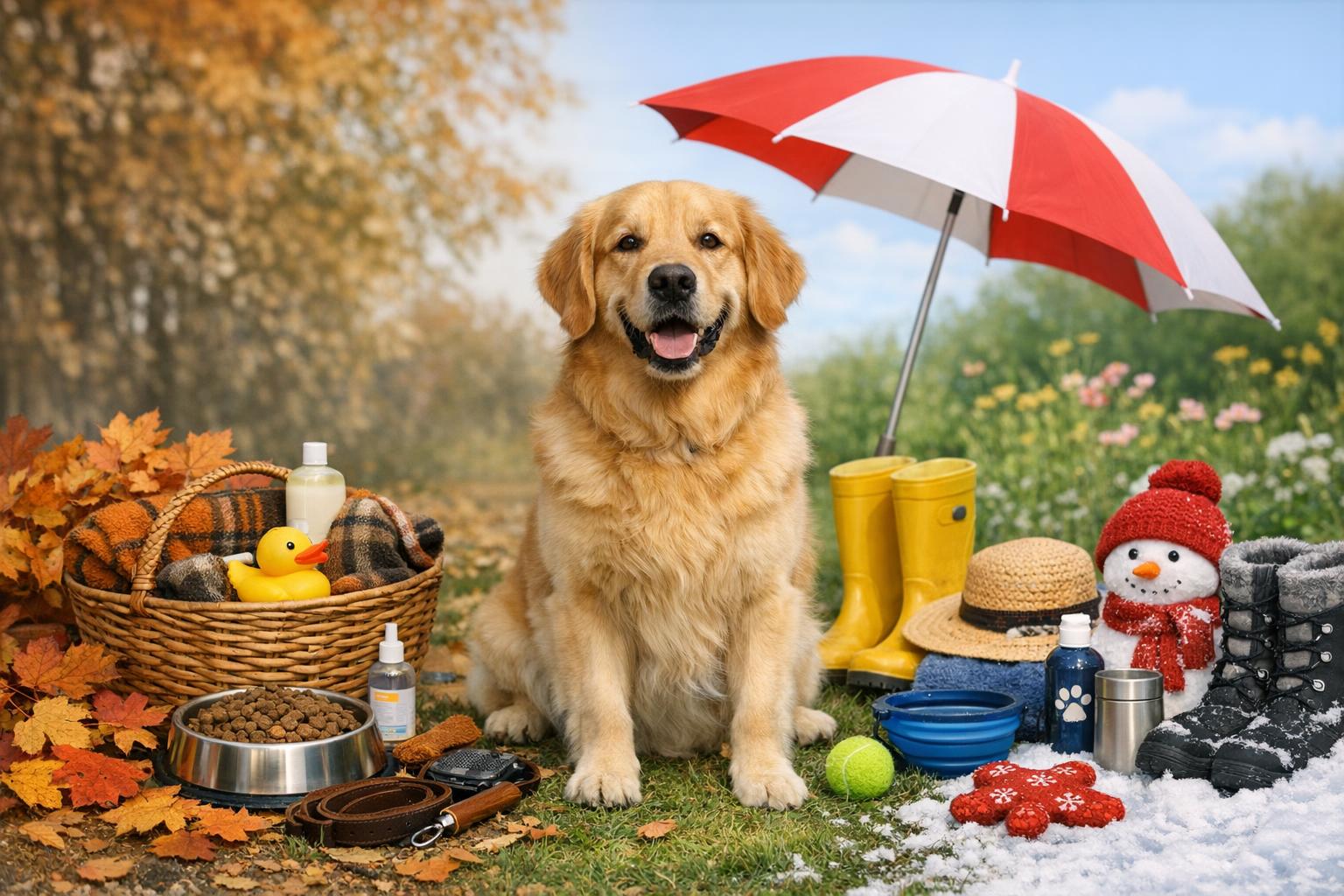
You don’t need fancy gear to keep a dog safe through the year. You need attention to small changes: different fleas in spring, salted sidewalks in winter, more sun in summer. These seasonal dog care tips focus on practical moves you can do this week and revisit each season.
### Winter: Protect Paws And Manage Cold
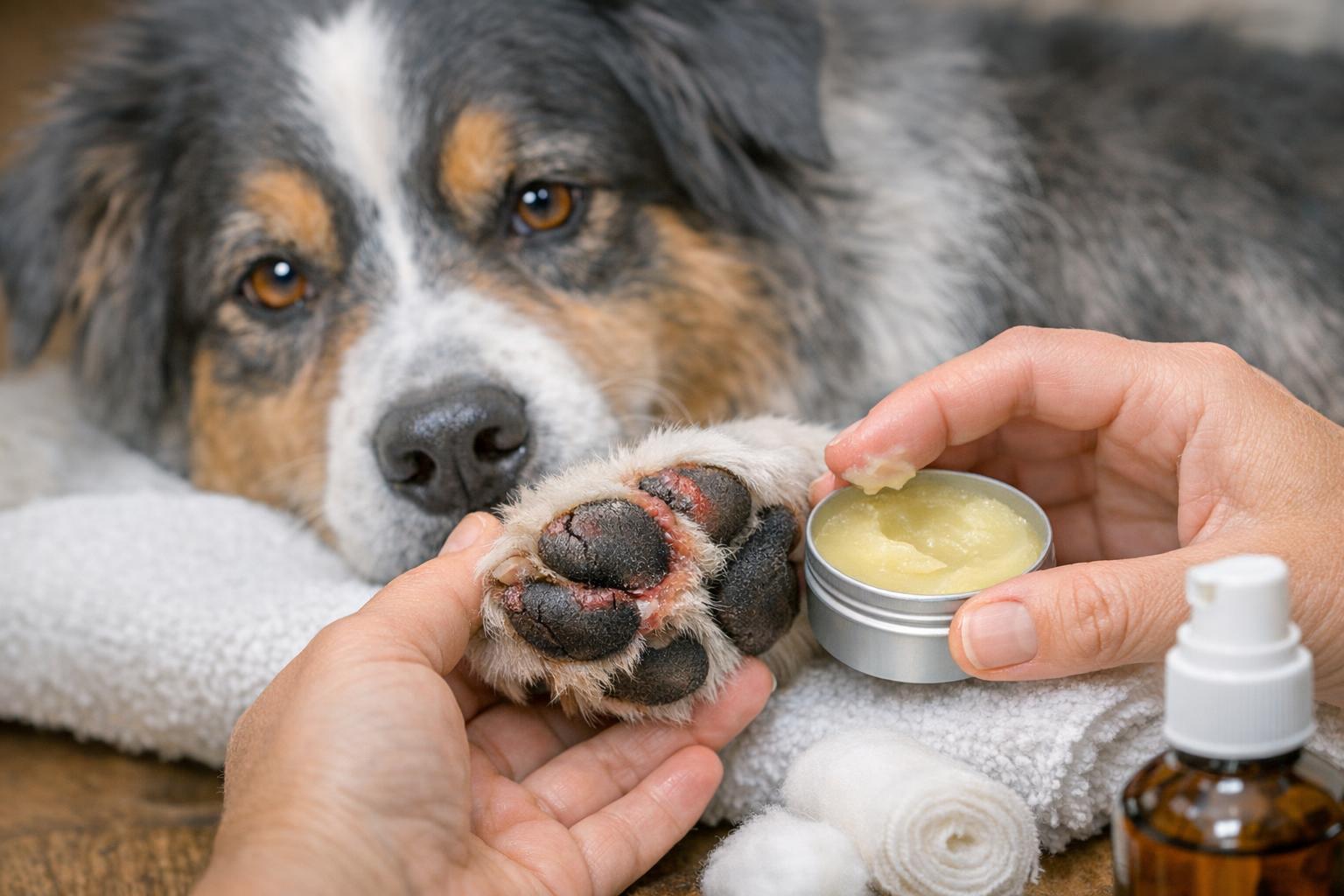
Cold does more than make dogs shiver. It dries skin, irritates pads, and hardens joints. Trim hair between the paw pads so ice and salt don’t accumulate. After walks, wipe paws with a damp cloth to remove de-icing chemicals; they’ll lick it off otherwise. For short-coated breeds, try a sweater or coat on windy days. For older dogs, keep walks gentle to avoid stiff joints.
If you use booties, introduce them slowly. Let your dog sniff and wear them in the house for a few minutes at a time. Not every dog will accept booties, so a paw balm is an alternative. Look for a balm with natural oils and beeswax. Avoid human moisturizers. They can be toxic if licked.
### Spring: Ticks, Allergies, And Mud
Spring brings ticks, fleas, and seasonal allergies. Check behind ears, under collars, and between toes after every hike. Use a tick tool to remove embedded ticks promptly; grab close to the skin and pull straight out. Consider year-round parasite prevention rather than waiting for a single “tick season.” That’s one of the simplest seasonal dog wellness investments.
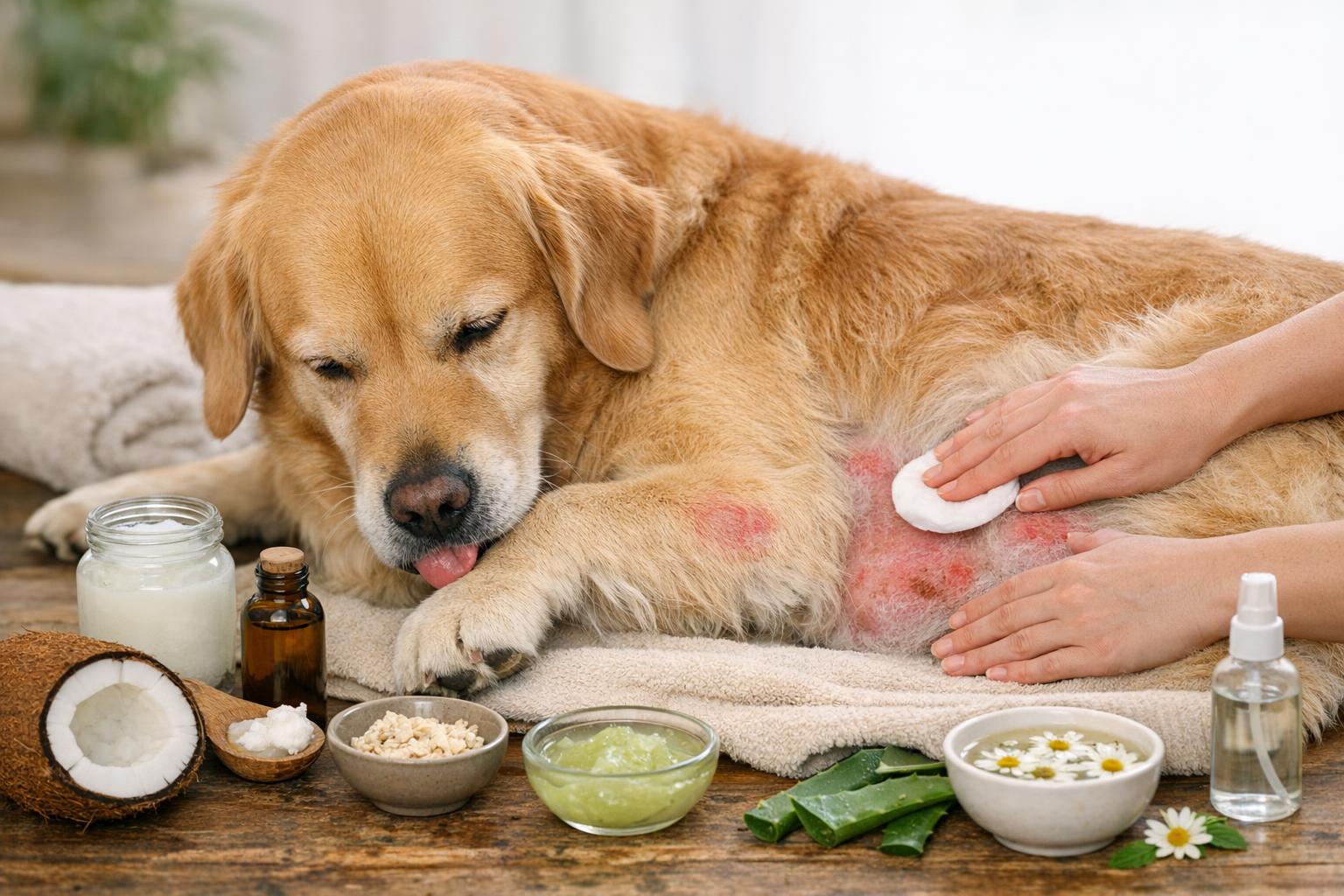
Allergy season can show up as itchy paws, runny eyes, or red skin. A vet can test for environmental allergies, but often a short antihistamine course or medicated shampoo brings relief. Rinsing paws after walks reduces pollen buildup. If your dog licks a spot raw, talk to your vet before trying creams.
### Summer: Heat Safety And Hydration
Heatstroke can escalate fast. Never leave a dog in a parked car, even for five minutes. Walk early or late when pavement is cooler. A quick test: press your palm on asphalt for seven seconds—if it’s too hot for you, it’s too hot for pads. Shade and fresh water matter. Carry a collapsible bowl on hikes and offer water often.
Sunburn is real. Light-colored or thin-coated dogs can burn on noses and ears. A pet-safe sunscreen helps. Keep play sessions shorter on hot days. If your dog pants heavily, drools excessively, or seems disoriented, cool them gradually with wet towels and call your vet.
### Fall: Shedding, Diet, And Parasite Checks
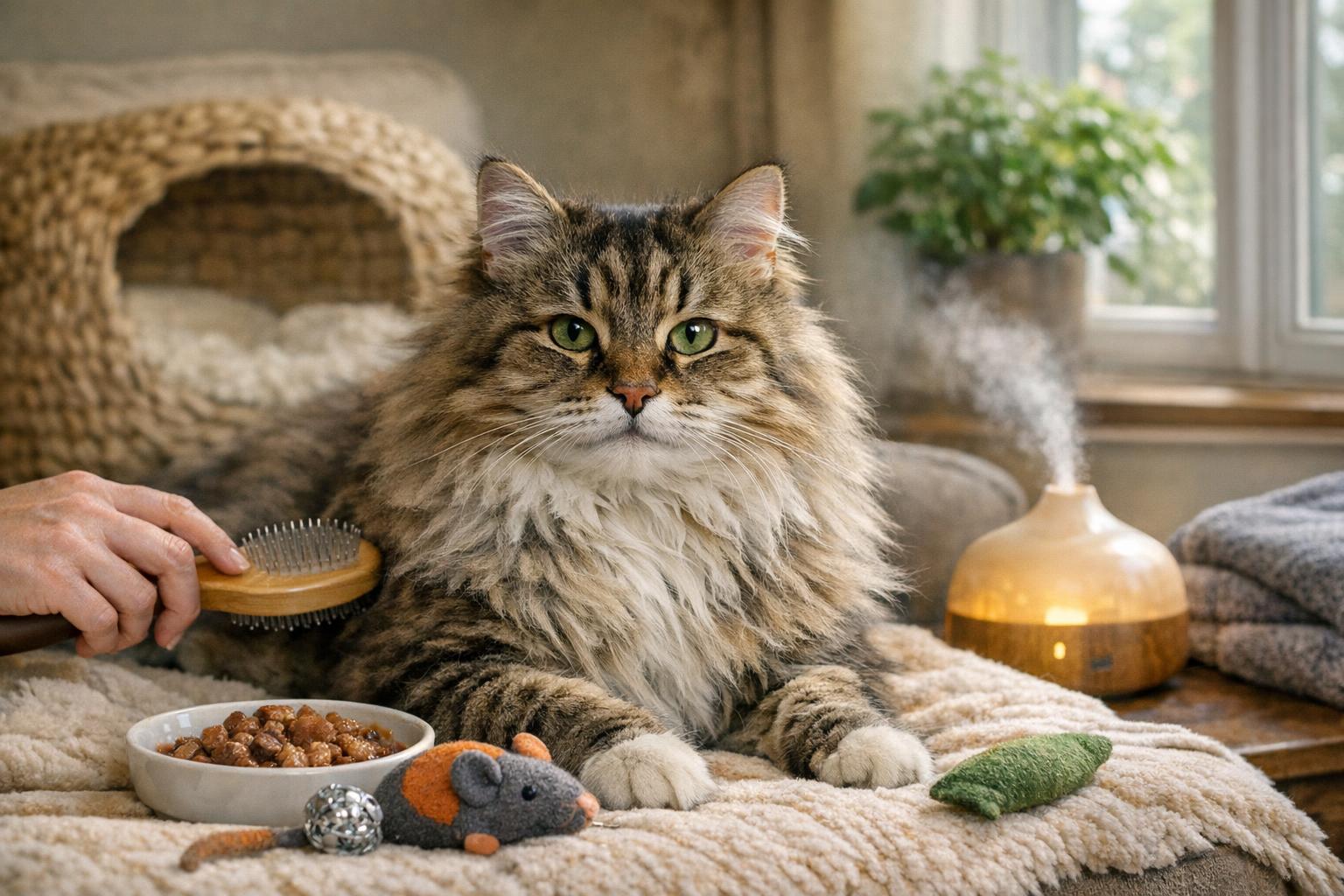
Fall brings shedding and a drop in activity for many dogs. You might notice loose hair forming tumbleweed. Regular brushing removes dead undercoat and reduces matting. It also helps you spot lumps or skin issues earlier.
This season is also a good time to reassess diet. Some dogs lose weight with increased activity in cooler weather; others gain if walks shorten. Check body condition: you should feel ribs but not see them. Small food adjustments can prevent unnecessary weight gain.
Don’t stop parasite prevention once temperatures fall. Milder autumns keep fleas and ticks active longer. A quick flea comb check after outdoor time picks up early infestations. Seasonal dog care means staying consistent across temperature swings.
#### Seasonal Vaccines And Vet Checks
Talk to your vet about vaccines and dental cleanings timed with your dog’s life stage. Annual or semi-annual checkups catch problems early. If your dog has chronic issues, schedule appointments around predictable seasonal flares—like arthritis in winter or allergies in spring.
### Grooming And Coat Transitions
Many dogs grow a thicker coat for winter and shed it in spring. Managing that transition keeps skin healthy. Don’t over-bathe; excessive washing strips natural oils. Use a gentle shampoo and follow with a brush to evenly distribute oils. For long-haired breeds, occasional trims around sanitary areas prevent matting and skin irritation.
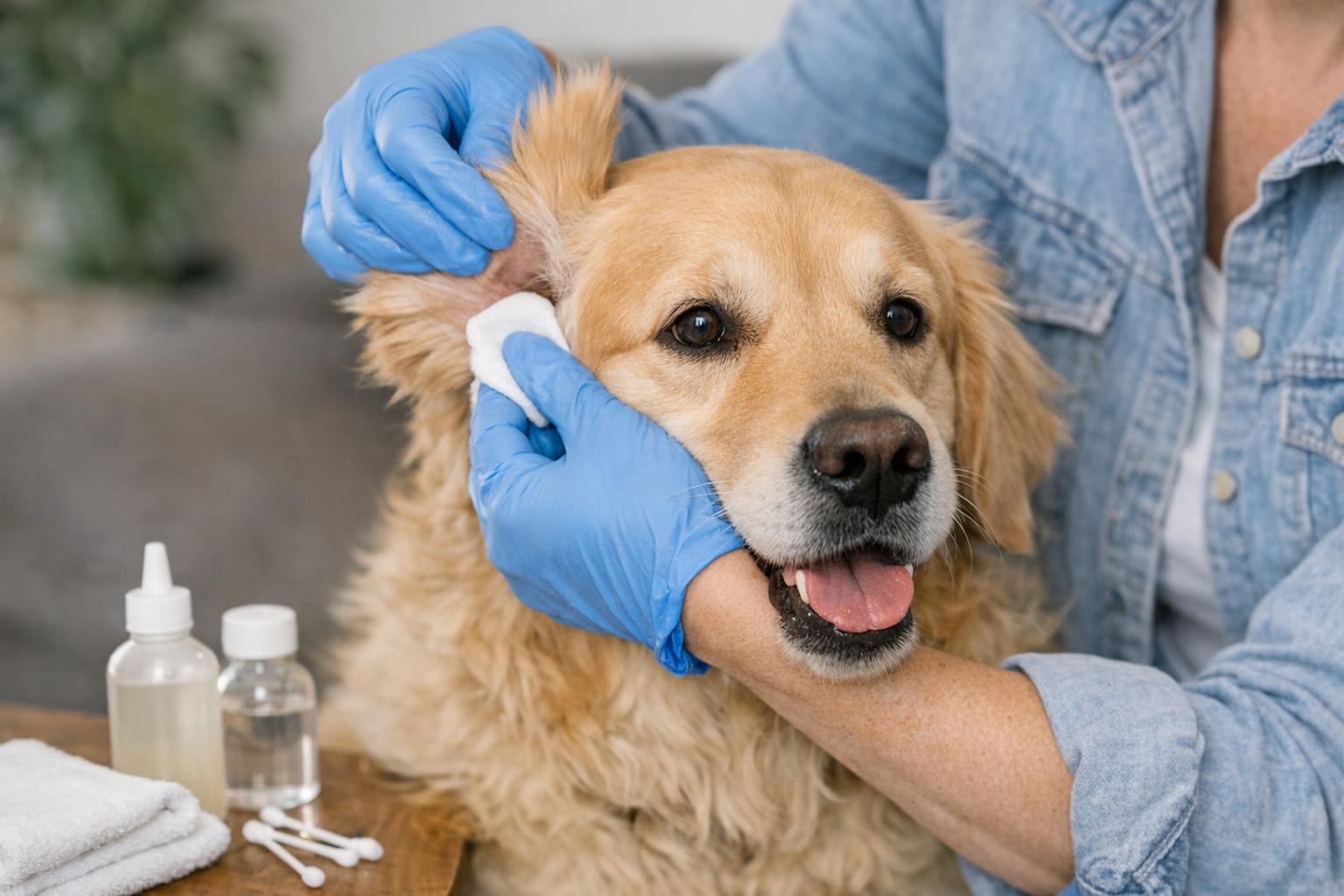
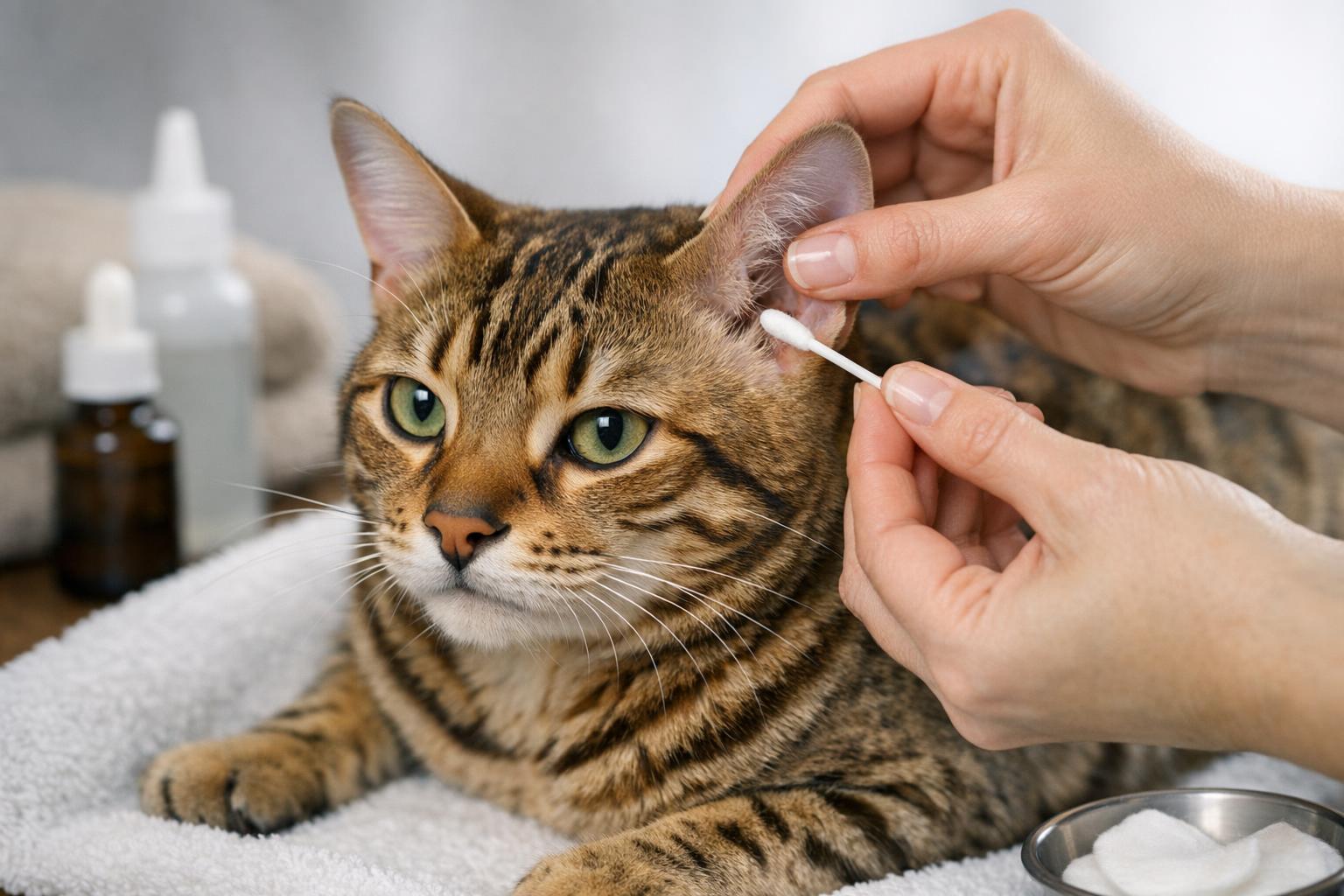
Seasonal dog care includes ear checks too. Warm, moist months increase the risk of ear infections. Clean ears only if recommended by your vet. Over-cleaning can be harmful.
### Travel, Identification, And Emergency Prep
If you travel with your dog, update ID tags and microchip information before each trip. Carry a simple first-aid kit: gauze, tweezers, a blanket, and your vet’s number. Know the location of 24-hour emergency clinics along your route. A phone photo of your dog’s vaccination records is handy.
For winter travel, pack extra blankets and a spare leash. In summer, include a portable water container and pee rags. These small steps are part of seasonal dog wellness; they often prevent bigger problems.
### Everyday Habits That Matter
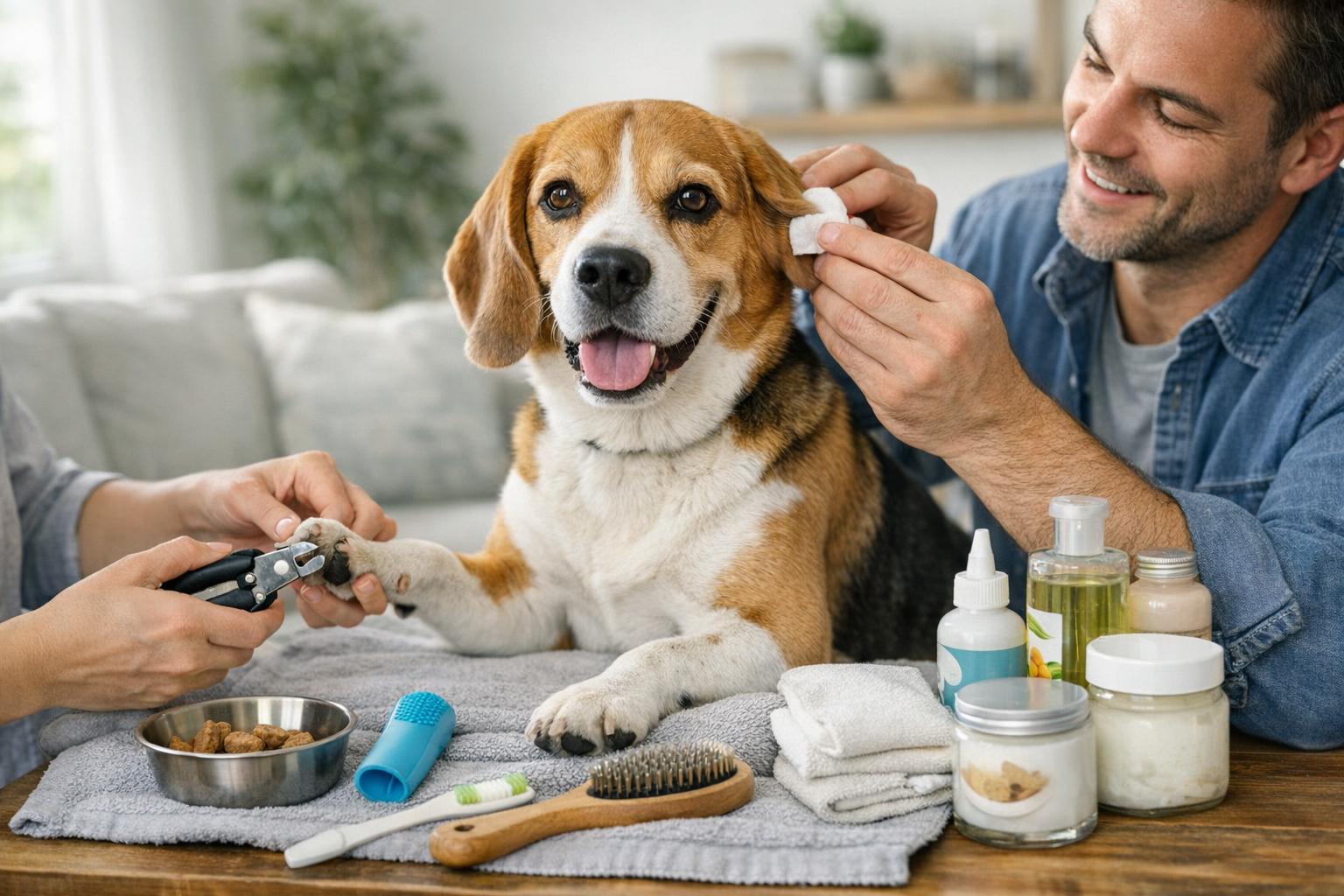
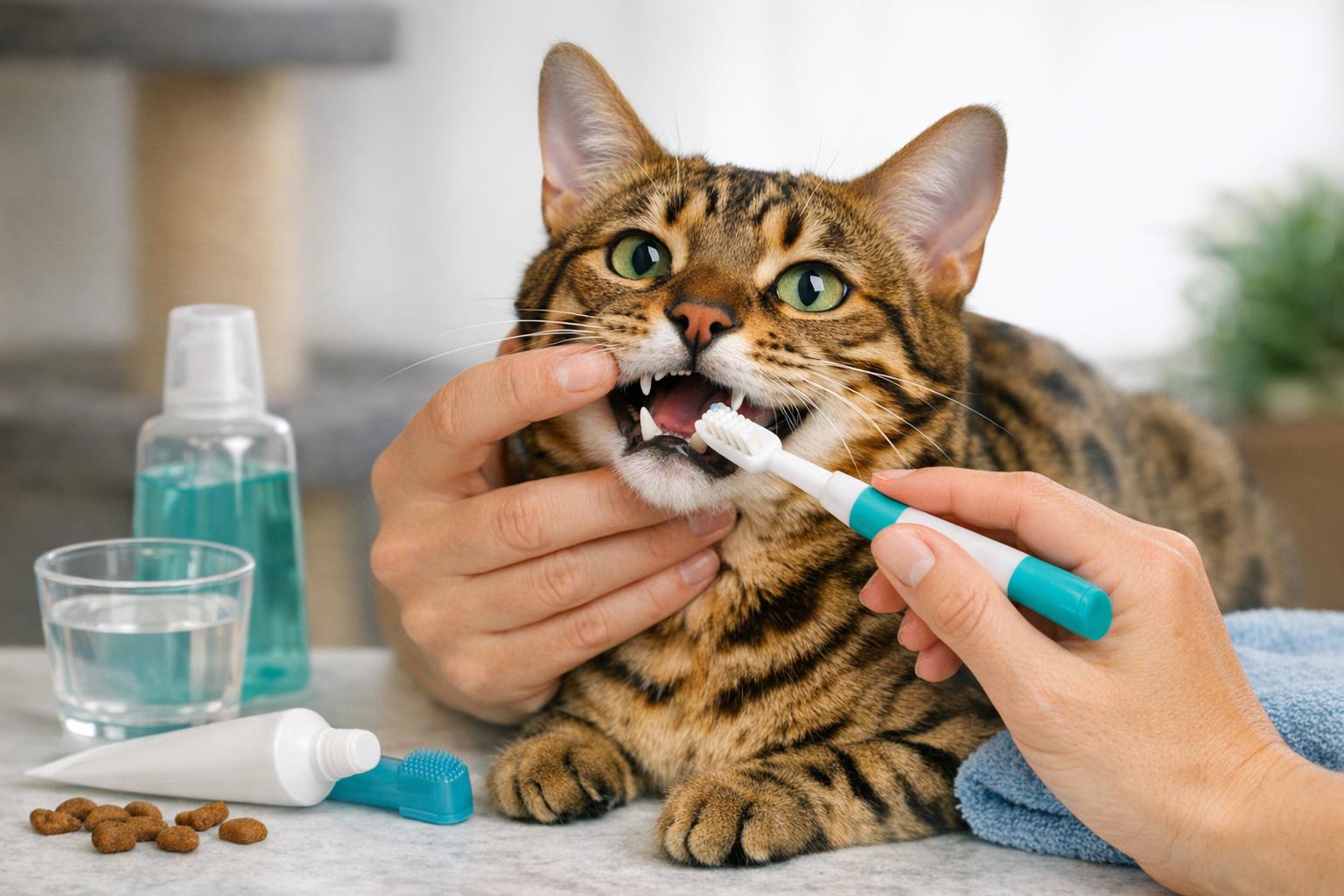
Consistent low-effort habits pay off. Weekly nail trims, monthly parasite checks, and regular teeth brushing reduce emergency visits. Keep a simple calendar reminder for these tasks. Rotate toys and puzzles to keep mental life rich. A bored dog is more likely to chew or dig, which can lead to injury.
Seasonal dog care tips are less about dramatic action and more about tuning attention to changing risks. Notice the things that change with the weather and adjust food, activity, and protection. A little planning now makes each season easier for both of you. It’s not complicated, just deliberate care that adds up over time—definately worth the effort for a longer, healthier life togeter.



Leave a Reply