
## Recognizing Parrot Digestive Upset
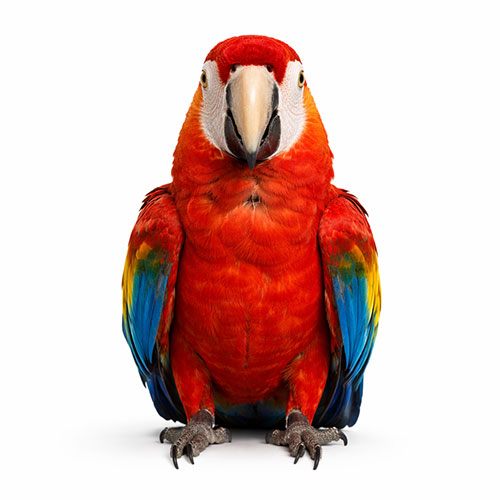
A parrot that suddenly produces watery droppings, refuses food, or seems fluffed and lethargic probably has a parrot digestive upset. Watch the droppings first: a shift in color, consistency, or frequent liquid stays obvious. Appetite changes matter too. Some birds drink more, others less. If your bird is active, preening, and eating normally, a loose stool once in a while isn’t an emergency. If anything else shifts — energy, balance, or breathing — treat the situation as urgent.
### Common Signs To Track
Not every upset looks the same. Look for:
– Changes in stool (loose, watery, discolored)
– Reduced or no appetite
– Fluffed feathers and decreased activity
– Vomiting or regurgitation beyond normal behavior
Keep a short log on your phone. Note when symptoms started, what the bird ate, and any recent changes in environment or new foods. That timeline helps decide if home care is reasonable or if a vet visit is needed.
## Practical Parrot Digestive Upset Remedies At Home
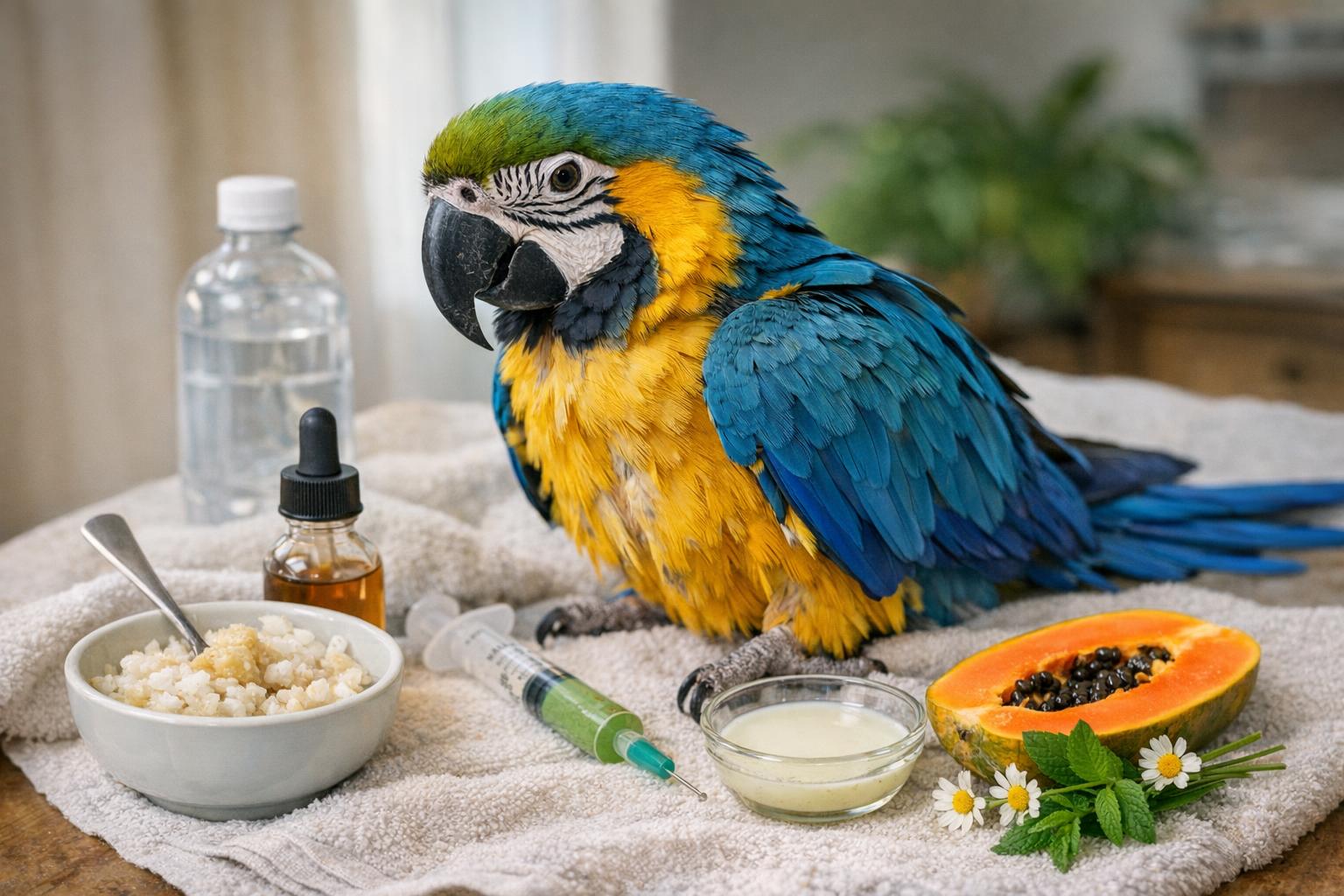
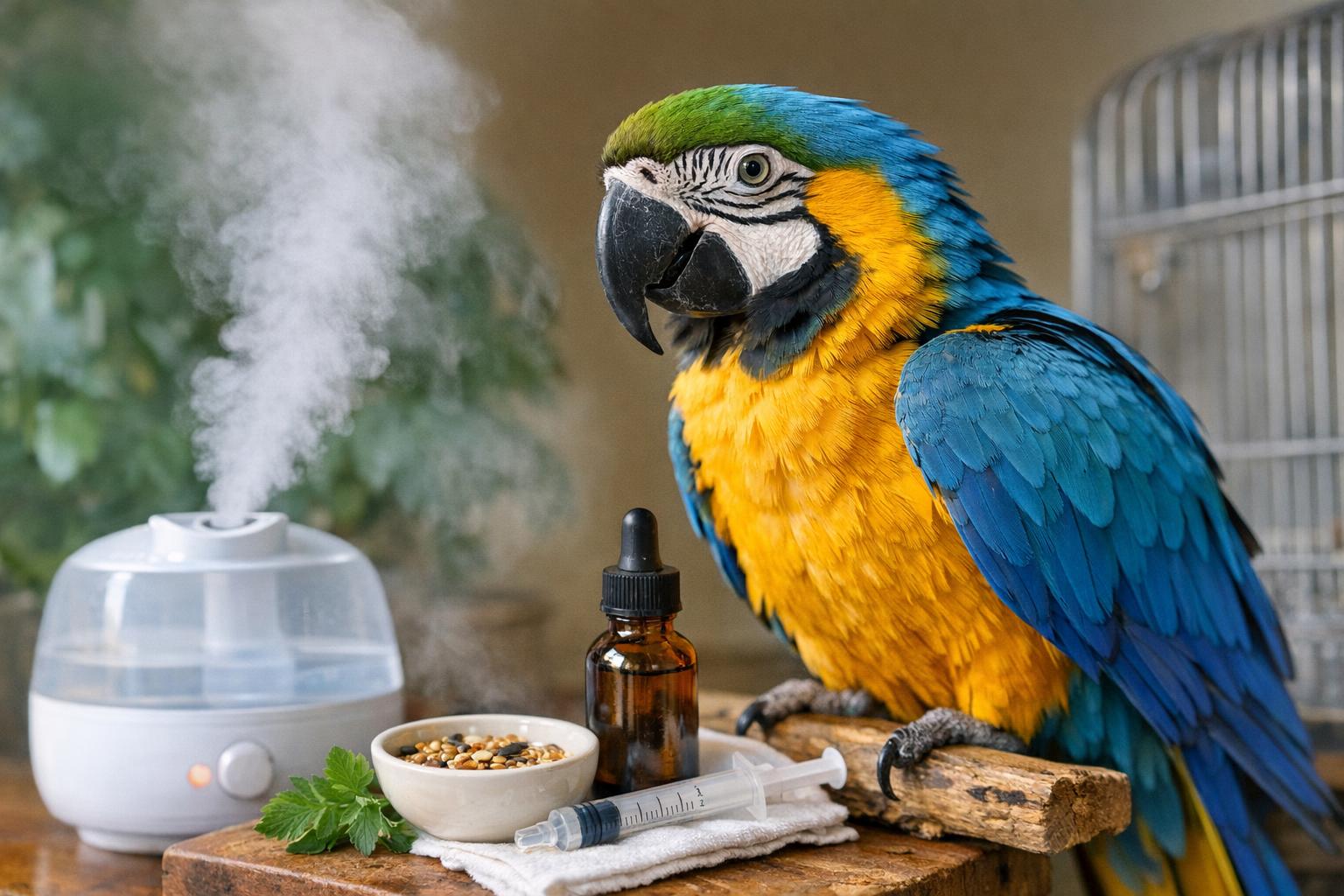
If the signs are mild and the bird is alert, you can try a few parrot digestive upset remedies at home before calling the vet. These are meant for short-term, cautious care. If symptoms persist more than 24–48 hours, call a vet.
### Feed Gentle Foods
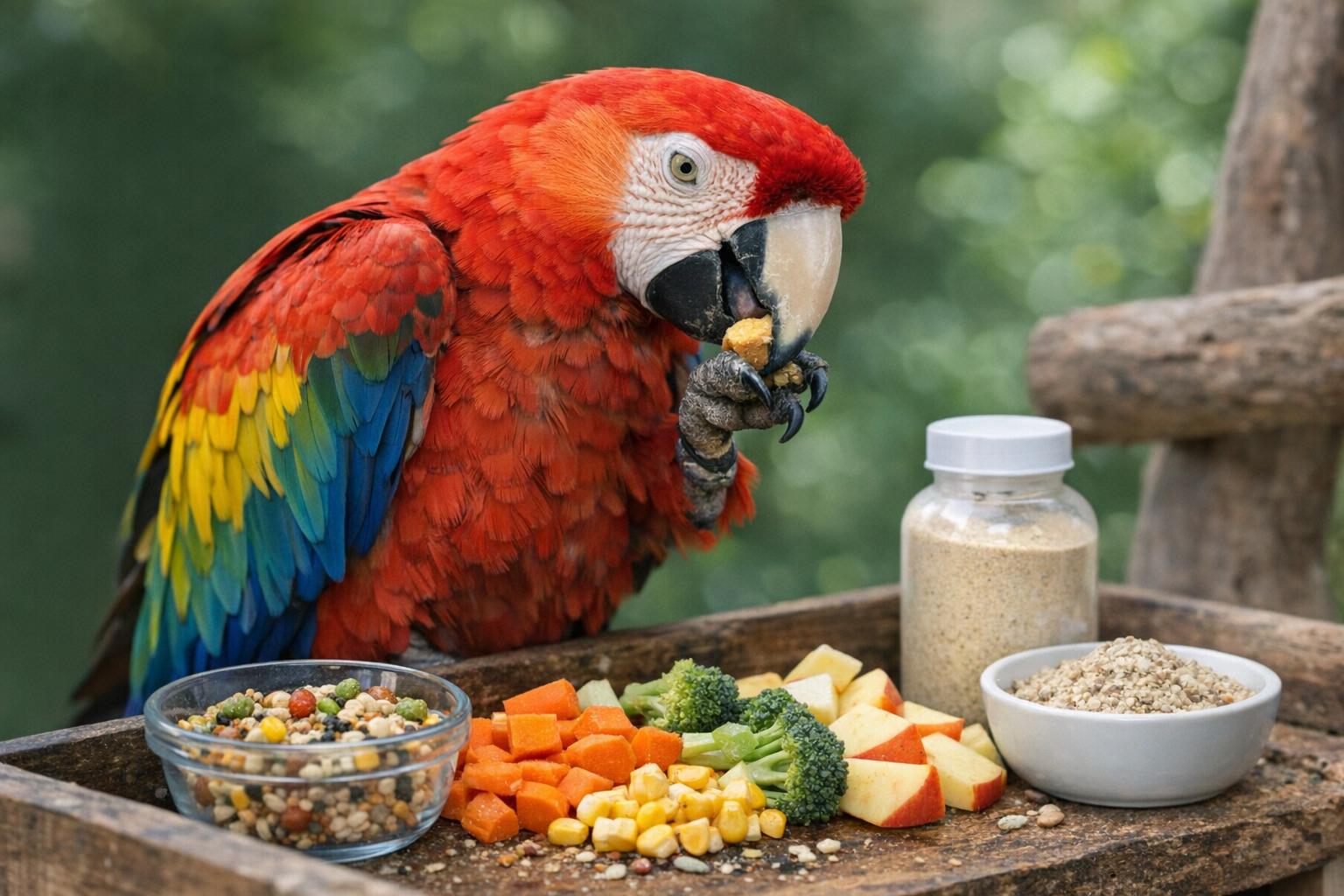
Offer small, bland meals. Cooked plain rice, a bit of boiled sweet potato, or mashed pumpkin are forgiving on the gut. Keep portions tiny — small birds can’t handle large volumes at once. Avoid avocado, chocolate, caffeine, or any fatty or salty snacks. If your bird normally eats pellets, try mixing a fraction of pellets with the bland food to make the texture familiar.
### Hydration And Electrolytes
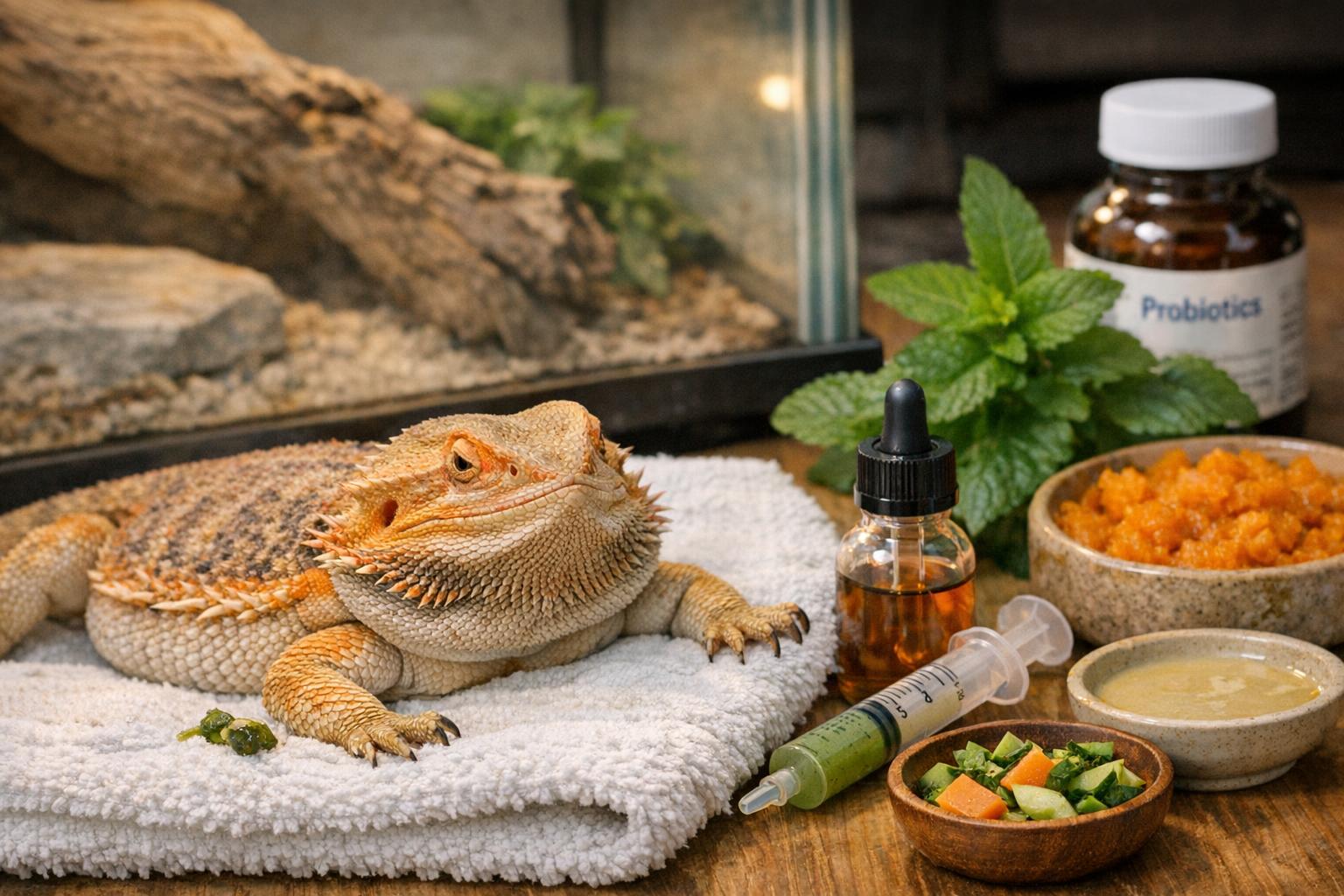
Dehydration is the real danger. Provide fresh water and watch that the bird is drinking. For mild dehydration, a small bowl of low-sodium electrolyte solution (human pediatric electrolyte carefully diluted) can help for a short time. Use a syringe to offer a teaspoon if the bird isn’t drinking but is still swallowing. Don’t force-feed large volumes. If your parrot refuses liquids or seems too weak to swallow, get professional help.
### Use Probiotics Carefully
Some owners see results with avian-safe probiotics. They can help restore gut flora after a dietary upset. Use products labeled for birds and follow the dose on the package. Don’t improvise with human probiotics without vet ok. Too much can upset the balance further. If you give probiotics, watch droppings and behavior closely for any sign of worsening.
### Adjust Cage And Diet Environment
Change can trigger a parrot upset stomach. Check recent additions: new seeds, fruit, or even treats from guests. Remove suspect foods and restore a stable, simple diet. Clean the cage bottom and perches to reduce bacterial load. Keep the bird in a warm, quiet space; stress makes recovery slower. Avoid bathing them for a day or two if they seem chilled.
### Avoid Over-Medication
Never give aspirin, ibuprofen, or human antacids. Some herbal remedies are harmless, others toxic. If someone suggests antibiotics or anti-diarrheal drugs, consult your avian vet first. Improper dosing is a common cause of complications in home care.
#### Monitoring Stool And Behavior
Check droppings twice a day. Note color, volume, and frequency. Small birds can decline quickly if diarrhea continues. If droppings become bloody, black, or the bird becomes listless, erratic, or shows signs of pain, call your vet immediately.
#### Feeding Techniques For Weak Birds
If the bird is weak but alert, syringe feeding with a nutritionally balanced, vet-approved formula can keep calories up. This is not a casual trick. Learn the technique from a vet or experienced rehabber. Incorrect syringe feeding can lead to aspiration. If you don’t feel confident, bring the bird in.
## When To Seek Veterinary Care
If symptoms are severe, if your bird has lost more than a few percent of its weight quickly, or if respiratory signs appear, set up a vet appointment right away. Birds hide illness; when they start showing clear symptoms, the problem may be advanced. Your avian vet can run fecal tests, crop checks, and blood work to find infections, parasites, or organ issues that simple home remedies won’t fix.
### What The Vet Might Do
Expect diagnostics: fecal parasite exams, cultures, and maybe blood panels. Treatment could include fluids, targeted antibiotics, anti-parasitics, or assisted feeding. Don’t be surprised if they recommend a short course of supportive care even when the cause seems minor. Early, targeted intervention beats waiting and guessing.
### Preventing Future Episodes
Rotate foods slowly. Introduce new fruits and veggies one at a time. Wash fresh produce thoroughly. Keep tamper-free treats out of reach and educate visitors about what not to feed. A consistent, high-quality pellet base with measured fresh items cuts down on random stomach upsets.
One last note: trust your instincts. If something feels off and home measures aren’t helping, seek help. Birds are small; problems can escalate fast. Also, you might recieve different advice online, so weigh it against your vet’s guidance and the specifics of your bird.


Leave a Reply